

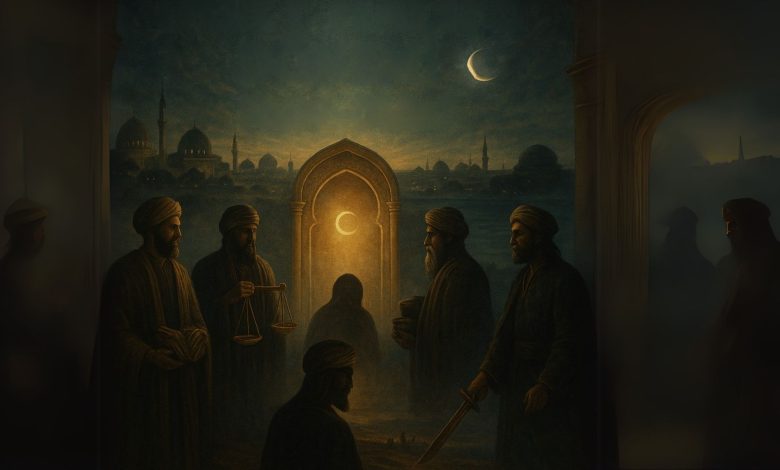
There are certain periods in Islamic history that carry immense weight. The years between 632 and 661 AD stand out as perhaps the most critical of all. This is the era of the Rashidun Caliphate, or the Four Rightly Guided Caliphs. It covers the period led by the four successors who took the helm of the Islamic community following the passing of Prophet Muhammad. So, what exactly happened during these decades? Let’s dive in and take a look together!
The Passing of Prophet Muhammad
Following the Prophet’s death in 632, the newly formed Islamic world found itself in urgent need of a leader. This was a matter of both political and social survival, but there was a snag. Even though Muhammad had created a powerful sense of unity, the Muslim world was still split between two primary groups: the Ansar and the Muhajirun.
The Ansar were the Muslims from Medina, while the Muhajirun were those who had migrated from Mecca. Both sides wanted a leader who would represent their interests, and the tension nearly escalated into a short-lived conflict. Fortunately, Umar ibn al-Khattab stepped in and proposed Abu Bakr for the role. This reached a compromise that satisfied both communities, and thus, the first caliph took his place in history.
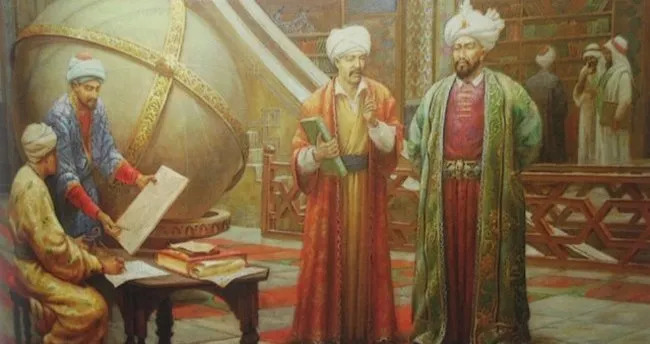
The Era of Abu Bakr (632–634)
Of course, Abu Bakr’s time at the helm was anything but peaceful. After the Prophet’s death, several Arab tribes broke away from the faith and declared their independence. To make matters worse, false prophets began to emerge, threatening the unity the Prophet had worked so hard to build. Consequently, Abu Bakr took action to suppress these uprisings, marking the beginning of the Ridda Wars.
Before these conflicts, Abu Bakr had hopes of carrying out a Byzantine conquest that the Prophet had envisioned. However, as we know, those plans were put on hold due to the Ridda Wars mentioned above.
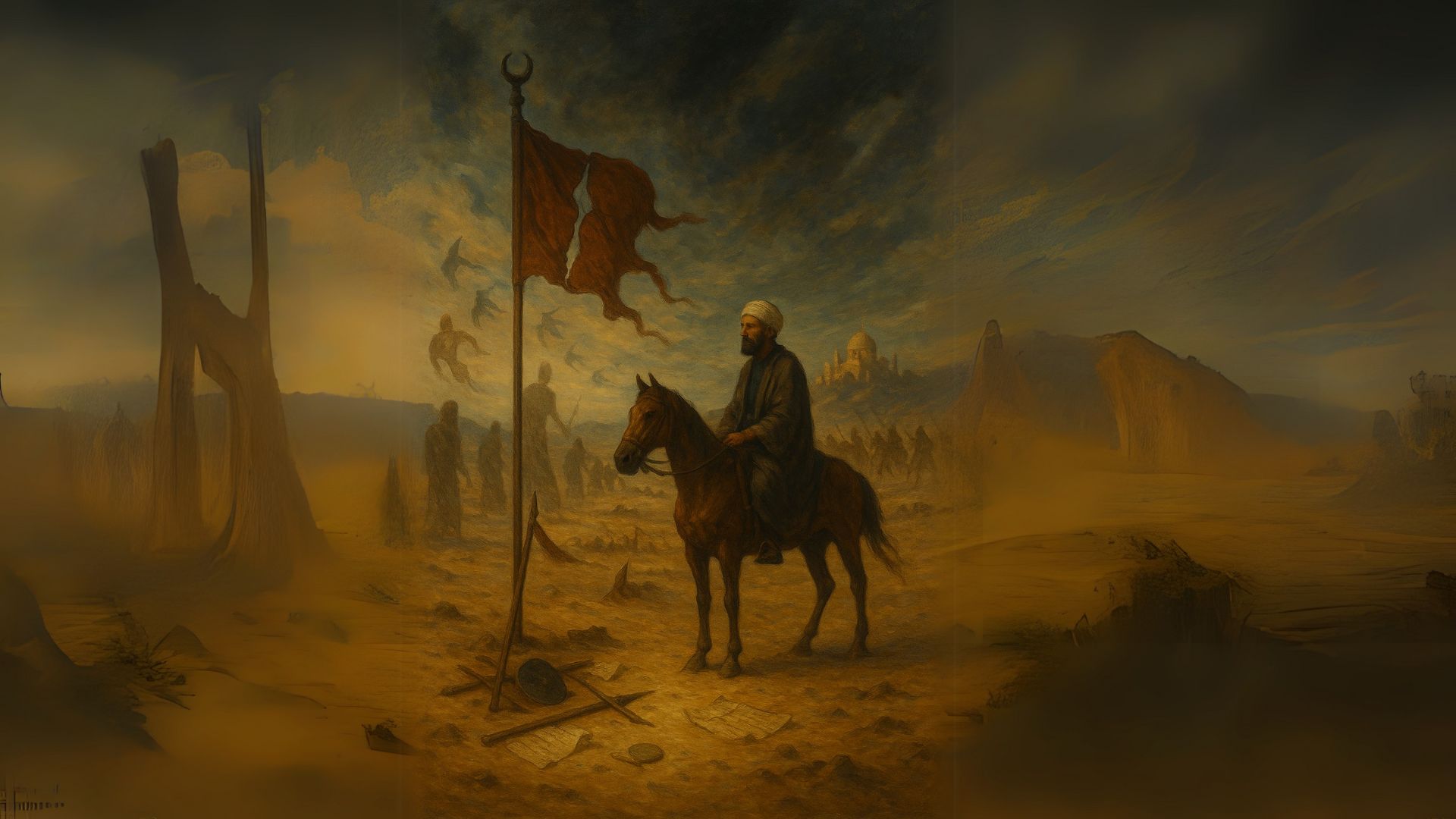
For Abu Bakr, this war was a necessity. Tulayha, who had declared himself a prophet, had gathered his forces and moved uncomfortably close to the city by July 632. Abu Bakr made a bold move, launching an offensive that pushed the rebels back to the Dhu al-Hissa region. As he continued to advance, the enemy mounted an unexpected counter-offensive, reclaiming some lost ground. It didn’t take long for Abu Bakr to regroup his forces, launch a night raid, and push the rebels back to the Dhu al-Qissa region, effectively crushing the rebellion on August 1, 632. Following this, Abu Bakr launched expeditions into modern-day Syria and Iraq to expand the Islamic world. Battling both the Byzantines and the Sassanids, he defeated the Sassanids to secure Iraq and pushed back against the Byzantines to capture the areas surrounding Damascus, as well as key cities like Hira and Anbar.
Abu Bakr didn’t stop there. Perhaps his most significant contribution to Islam was his focus on gathering the Quran. A deep fear had emerged that verses might be lost due to the number of memorizers (hafiz) who had fallen in battle. Upon the suggestion of Umar, Abu Bakr tasked Zayd ibn Thabit with compiling the Quran into a written manuscript.
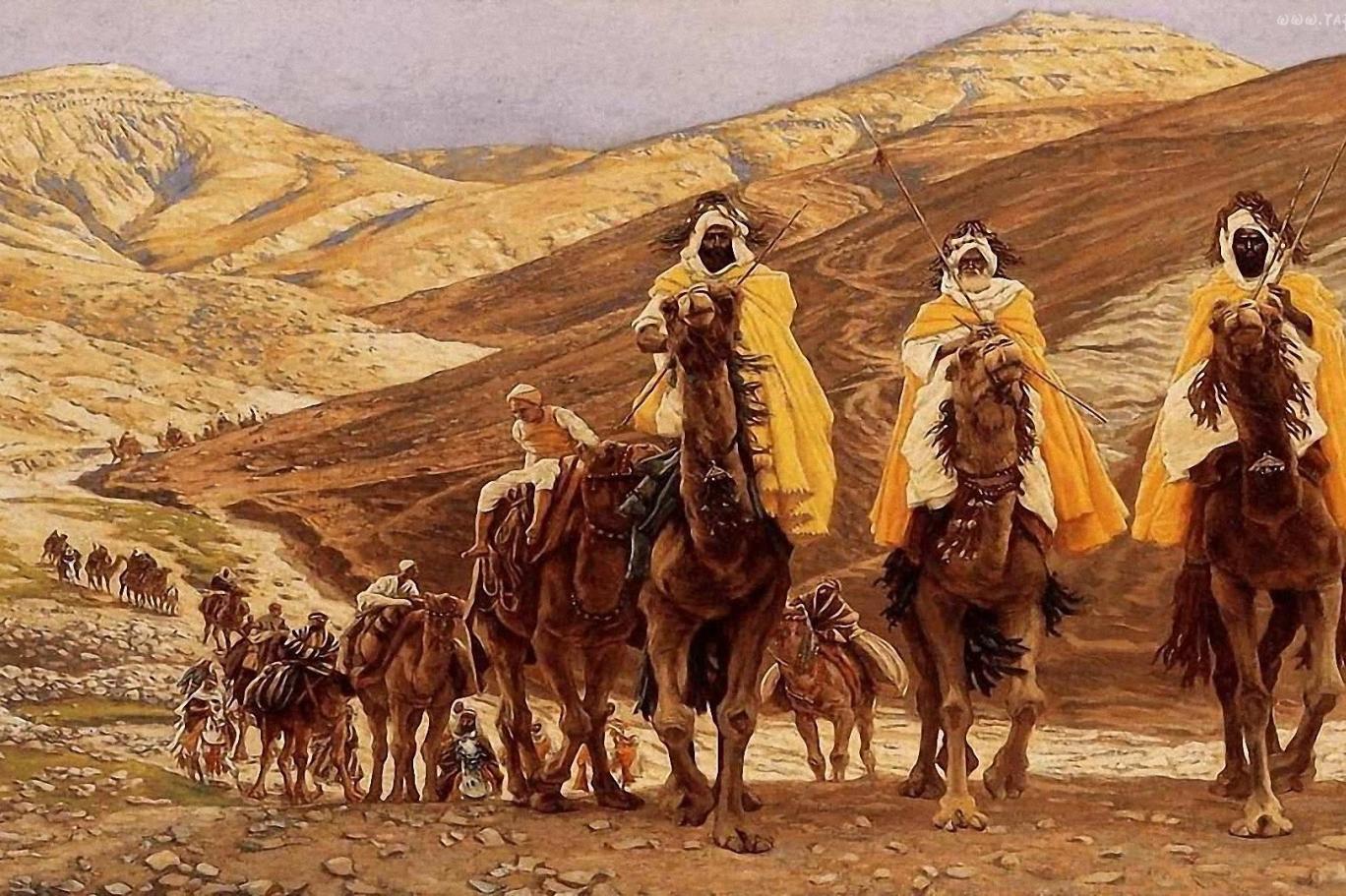
Toward the end of his life, Abu Bakr fell ill and recommended Umar as his successor. Upon his death in 634, Umar became the second caliph.
The Era of Umar (634–644)
Umar had been a major figure on the historical stage long before he became caliph. He had already left his mark on the Islamic world through his influence on Abu Bakr’s succession, his contributions to the wars, and his role in the compilation of the Quran. But his true achievements were yet to come.
Umar was a true statesman. Institutionalizing the state was his top priority. During his time, the diwan (bureaucratic) system was established to manage state revenues systematically. Justice was a core value during his reign; by establishing the qadi (judge) system, he ensured the proper application of Islamic law. Many other developments, such as the implementation of the Hijri calendar and the establishment of permanent military camps, occurred under his leadership. Through these rapid changes, Umar built a functional state. But he didn’t stop at internal administration; he had his sights set on conquests. He continued the campaign against the Sassanids that Abu Bakr had started, eventually dismantling the Sassanid Empire entirely through the Battle of al-Qadisiyyah in 636 and the Battle of Nahavand in 642.
With the Sassanids defeated, only one major rival remained: the Byzantine Empire.
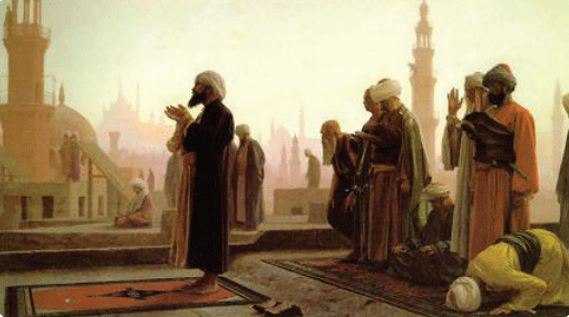
In 636, Umar won the Battle of Yarmouk, which led to the conquest of Damascus and Jerusalem, both of high strategic importance. By 640, he had conquered Egypt, effectively pushing the Byzantines out of the region. He didn’t stop there. Umar placed great importance on Quranic education and supported the training of hafiz. He was committed to refining the written Quran, but his life was cut short before he could complete all his goals. In 644, he was assassinated during the morning prayer by a Persian slave named Abu Lu’lu’a.
The Era of Uthman (644–656)
Selected as caliph by a council of six, Uthman became the longest-serving of the four. His era was vital for the reproduction and distribution of the Quran. However, his reign would be defined by growing divisions. Because he was a member of the Umayyad family, he faced criticism from certain factions. Following in Umar’s footsteps, Uthman had the Quranic text—which had been gathered during the previous era—copied and sent to various provinces, ensuring that there would be no discrepancies in the holy text across newly conquered territories.
He was certainly not behind on conquests, either. He contributed significantly to the expansion of Islam, pushing into North Africa and the Caucasus, and established a true navy. In fact, he managed to defeat the Byzantines—who had dominated the Mediterranean for years—despite the Islamic navy being only 20 years old. Despite these great successes, Uthman faced mounting problems that would later spill over into the time of Ali, leading to major rifts in the Islamic world. Uthman’s tendency to appoint members of his own family to governorships sparked backlash. Because he was of Umayyad descent, these appointments were viewed through the lens of tribal favoritism. Eventually, in 656, his house in Medina was raided by rebels, and he was killed.
The Era of Ali (656–661)
When Ali was chosen as caliph in 656, the Islamic world was reeling from internal strife. The political instability that began with the assassination of Uthman continued throughout Ali’s entire reign. His period was marked by civil wars—often called the Fitna—and became a major turning point in Islamic history.
Ali was well aware of the potential for trouble; he was initially hesitant to even accept the caliphate. He eventually accepted it out of concern for the future of the Islamic world and under pressure from those around him. He faced many hurdles. One faction demanded that Uthman’s killers be brought to justice, but these killers were part of the very public that had risen against the Umayyads. Ali’s position was precarious; he was caught between the Umayyads and the other factions of the Islamic world. Furthermore, the Umayyads, wanting to maintain their influence after the death of their kinsman Uthman, preferred one of their own over Ali, leading to bias against him from the start.
To make matters worse, there were groups seeking independence. This first manifested in the Battle of the Camel in 656. The issue of Uthman’s killers sparked the conflict. Ali initially tried peaceful methods to resolve the matter, but negotiations in Basra failed. Consequently, Aisha, Talha, and Zubayr—who were seeking justice for Uthman—declared war against Ali’s forces. The two armies met in Basra, and the battle began. Ali emerged victorious; Talha and Zubayr were killed. Aisha was taken prisoner, but out of deep respect, Ali sent her back to Medina with honor. Though the battle was won, the internal turmoil was far from settled.
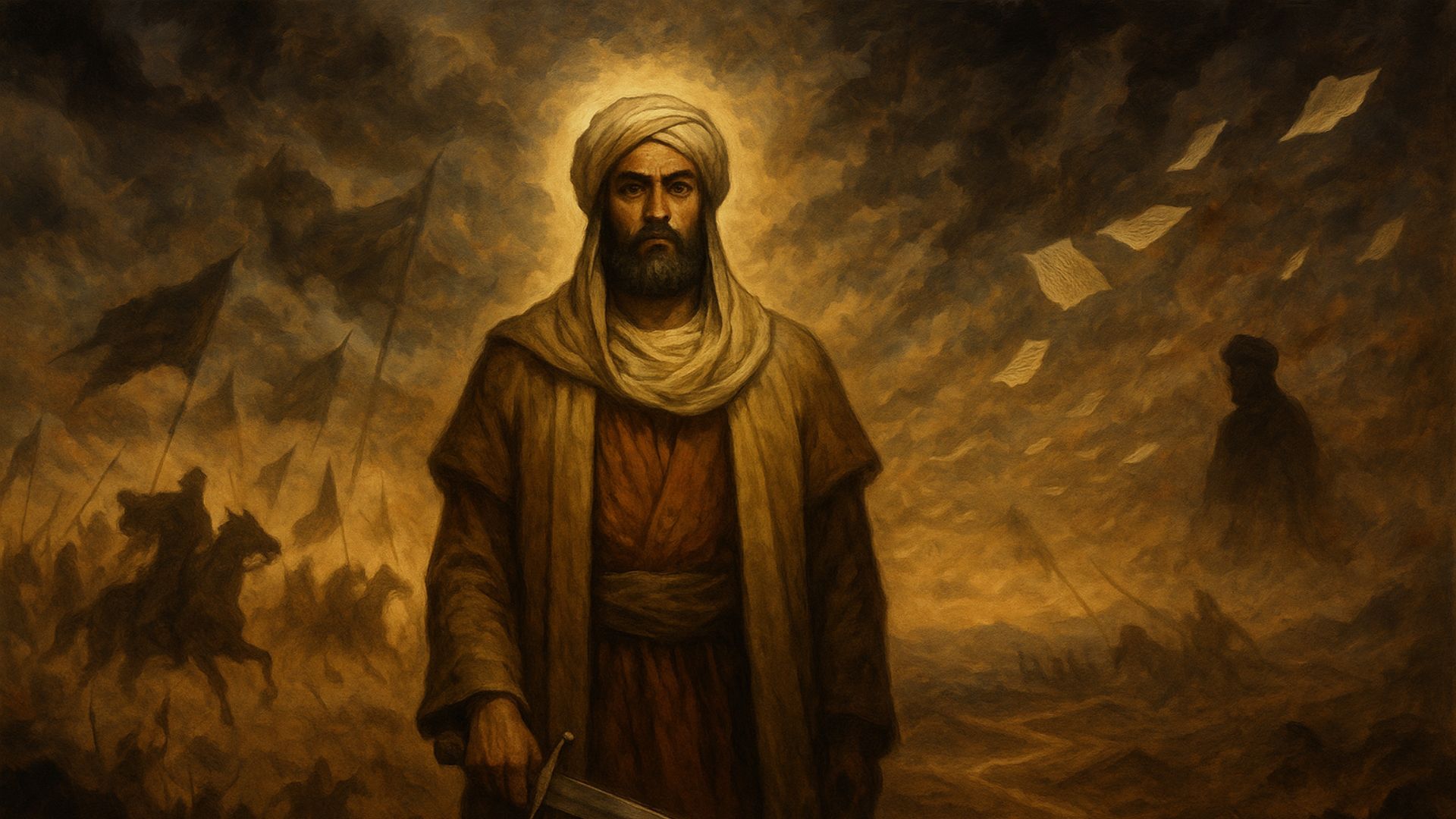
In 657, Muawiyah, the governor of Damascus and a relative of Uthman, refused to recognize Ali’s caliphate on the grounds that Uthman’s killers had not been caught, sparking the Battle of Siffin. The two sides clashed in the Siffin region on the banks of the Euphrates in Syria. When Muawiyah realized he was losing, he ordered his soldiers to attach pages of the Quran to their spear tips, calling for a truce. Ali was forced to halt the battle.
The conflict was eventually left to an arbitration process known as the Arbitration Incident. The situation would now be decided by mediators. Ali’s mediator was Abu Musa al-Ash’ari, while Muawiyah’s was Amr ibn al-As. Abu Musa al-Ash’ari suggested that both caliphs step down, but Amr ibn al-As used a trick to declare that only Ali had stepped down. While this didn’t strip Ali of his title immediately, his authority was severely undermined, and Muawiyah declared himself caliph.
This led to the emergence of three distinct groups: the Kharijites, who rejected the legitimacy of both sides; those who supported Ali; and those who supported Muawiyah. The Kharijites interpreted Islam in an extremely rigid way, declaring, “We accept no authority other than God,” and rebelled against Ali. Ali defeated them in battle, but just as in his other conflicts, he could not capitalize on this victory. The war weakened Ali’s army, and the Kharijites, who had not been completely eradicated, plotted his assassination. In 661, while heading to the morning prayer in Kufa, he was attacked by the Kharijite Abd al-Rahman ibn Muljam with a poisoned sword. Ali died from his wounds, effectively ending the era of the Four Rightly Guided Caliphs and marking the beginning of the Umayyad period.
References and Further Reading
Afsaruddin, & Asma. (2025, March 18). Caliphate | History, Empire, Meaning, & Definition. Encyclopedia Britannica. https://www.britannica.com/place/Caliphate
Little, & P, D. (2025, March 28). Mu’awiyah I | Biography, History, & Significance. Encyclopedia Britannica. https://www.britannica.com/biography/Muawiyah-I
Nasr, Hossein, S., Afsaruddin, & Asma. (1998, July 20). Ali | Biography, History, & Facts. Encyclopedia Britannica. https://www.britannica.com/biography/Ali-Muslim-caliph
Tan, A. (2020, September 24). İslam ve devlet (4): Dört Halife döneminin genel bir siyasi değerlendirmesi. Independent Türkçe. https://www.indyturk.com/node/248801/t%C3%BCrkiyeden-sesler/islam-ve-devlet-4-d%C3%B6rt-halife-d%C3%B6neminin-genel-bir-siyasi
The Editors of Encyclopaedia Britannica. (1998, July 20). Rashidun | History, Caliphs, & Facts. Encyclopedia Britannica. https://www.britannica.com/topic/Rashidun
Originally published in Turkish at Doğa Filozofu.