

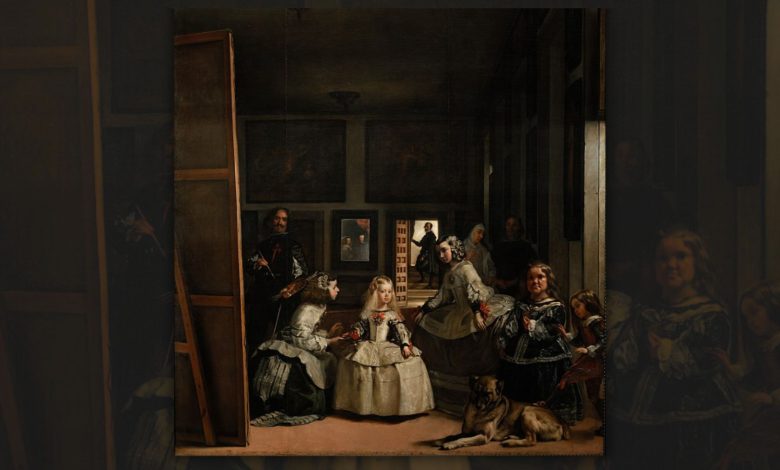
Las Meninas (The Ladies-in-Waiting), completed in 1656 by Spanish painter Diego Velázquez, stands as one of the most iconic and enigmatic masterpieces of the Spanish Baroque period. This painting does more than simply offer a glimpse into life at the Spanish court; through its complex and mysterious composition, it deeply interrogates the nature of art, representation, and our very perception of reality. Furthermore, the ambiguous relationship it establishes between the viewer and the figures depicted has made it one of the most analyzed and debated works in the history of Western art.
General Characteristics of the Work
Diego Velázquez painted Las Meninas at the behest of King Philip IV of Spain. Currently housed in the Prado Museum in Madrid, the oil-on-canvas work measures 318 cm by 276 cm. Technical examinations—including pigment analysis conducted by the Prado—have revealed that Velázquez utilized lead white, azurite, vermilion, ochre, and carbon black to bring the scene to life.
Subject Matter and Composition
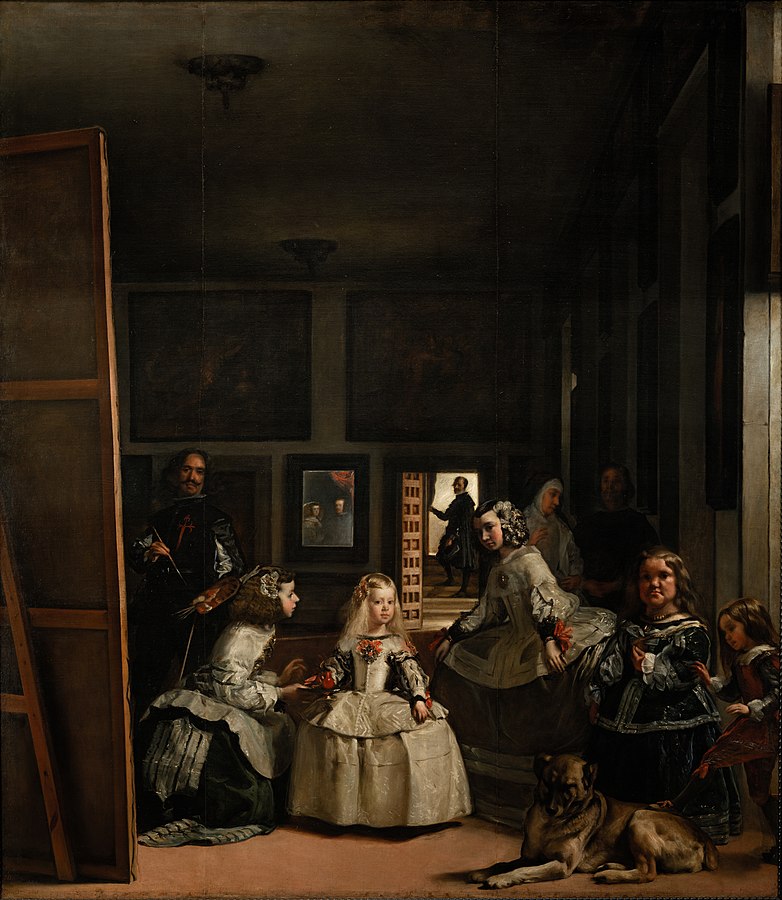
While the focus of Las Meninas is the five-year-old Infanta Margarita Teresa and her retinue, the variety and arrangement of the figures are what truly capture the imagination. Some of the figures look directly at us, the viewers, while others interact within their own private sphere.
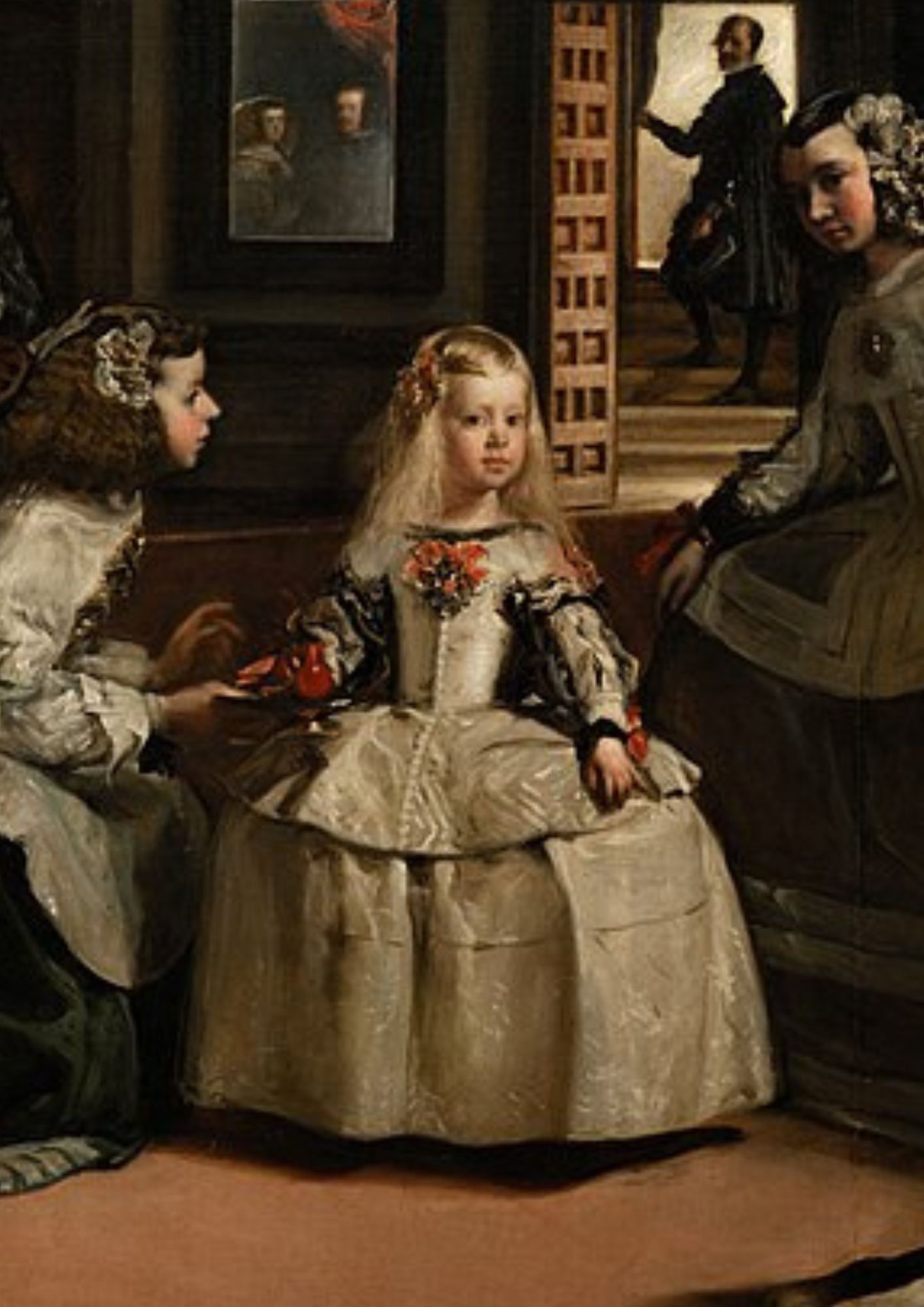
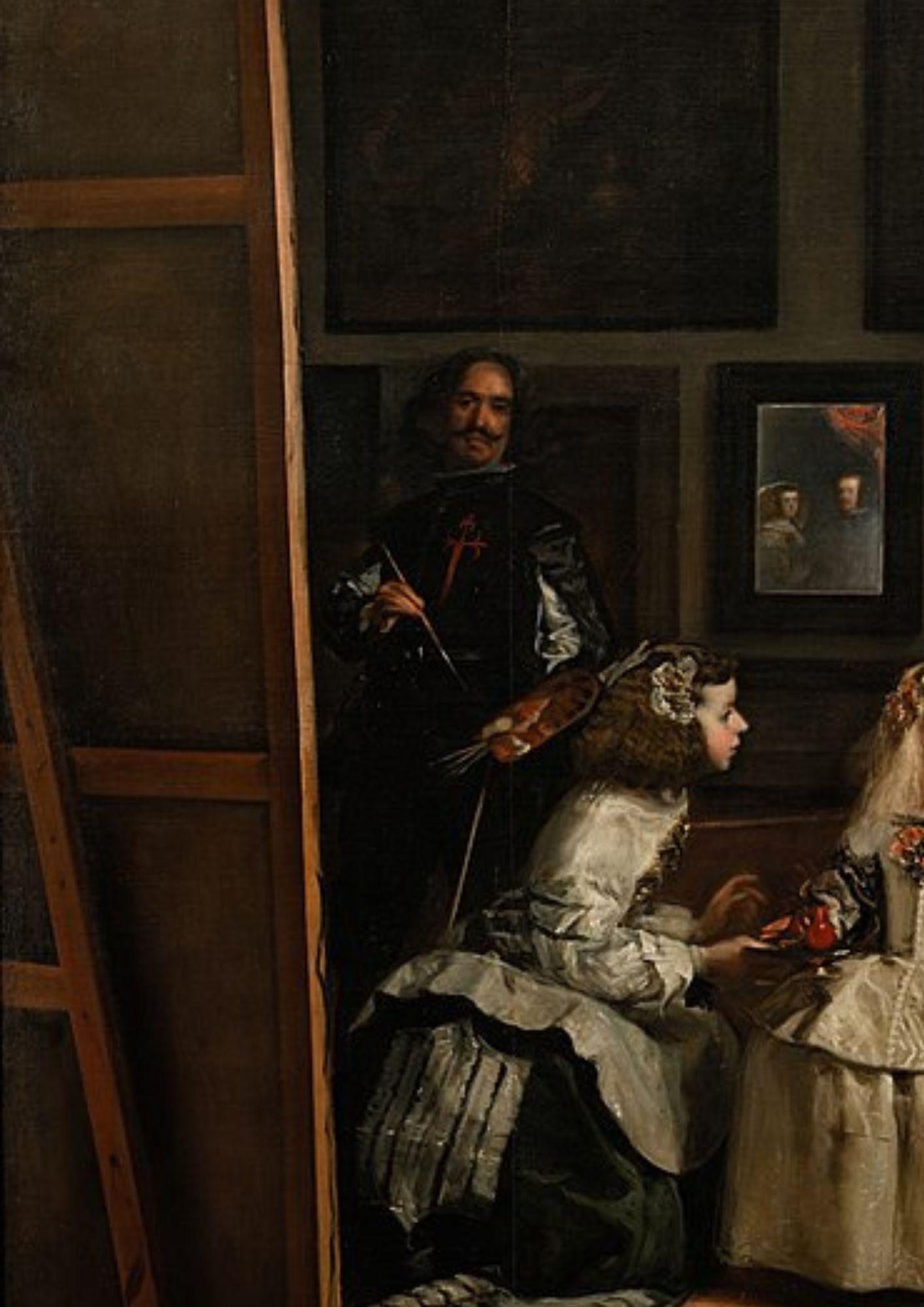
Infanta Margarita Teresa is surrounded by her ladies-in-waiting, attendants, two dwarfs, a bodyguard, and a dog, but Velázquez also found a place for himself in the frame. He painted himself standing just behind these figures, working on a massive canvas. He, too, is looking out at us—the observer.
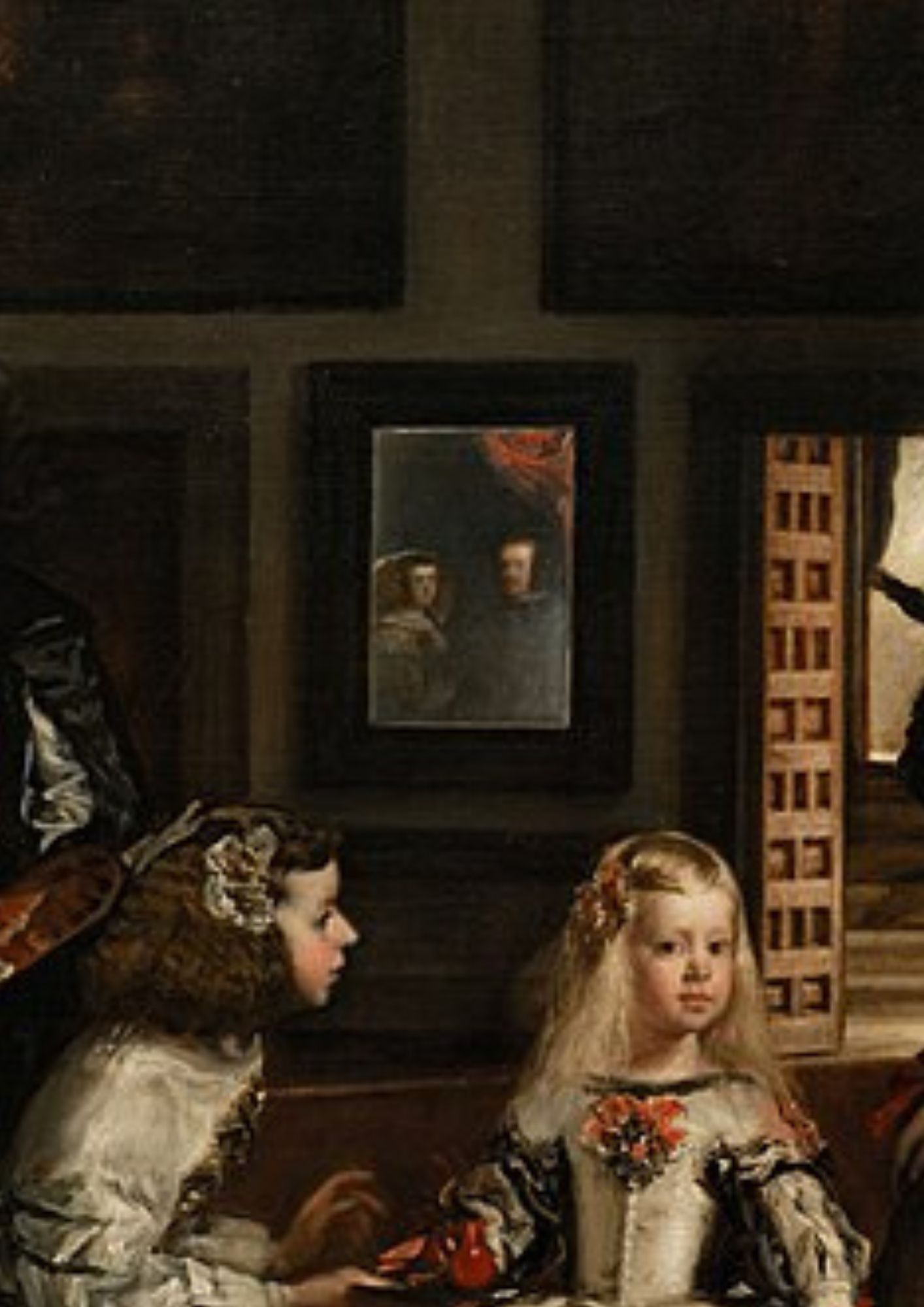
In the background, we see the King and Queen reflected in a mirror. Because their position mirrors our own as viewers, it creates the sensation that we are standing in their shoes, observing the scene from their vantage point. Some scholars suggest this reflection was inspired by the one found in Jan van Eyck’s “The Arnolfini Portrait.”
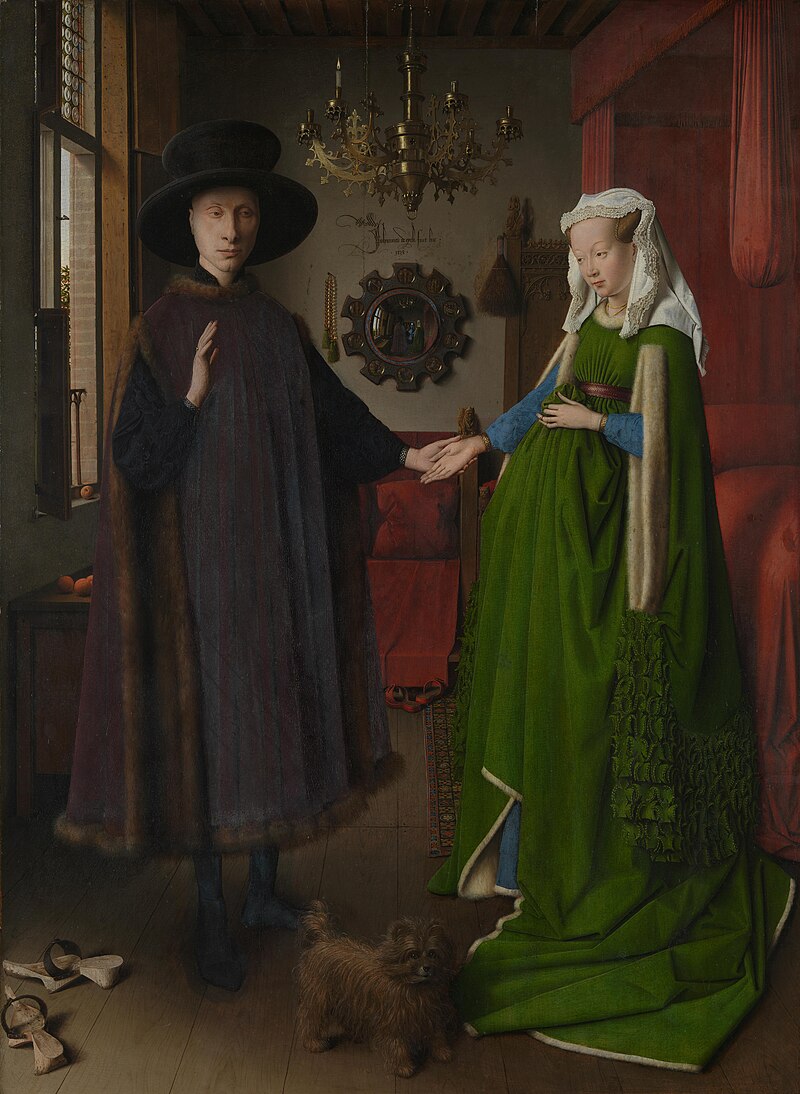
Jan van Eyck
Fine Details
Let’s break down some of these details—both those we’ve mentioned and those we haven’t—point by point.
The Mirror Reflection: The mirror in the background displays the reflections of King Philip IV and Queen Mariana. By using this reflection, Velázquez forces us to question the boundary between the reality inside the painting and the reality outside of it. The presence of the mirror draws the viewer’s gaze into the depths of the room and showcases a masterful use of perspective.
Velázquez’s Portrait: The artist painted himself on the left, standing before a large canvas. This is a symbolic gesture, highlighting his status in the court and the dignity of the painter’s profession. At a time when artists were often viewed as mere servants to the nobility, this self-portrait signals the rising social standing of both art and the artist.
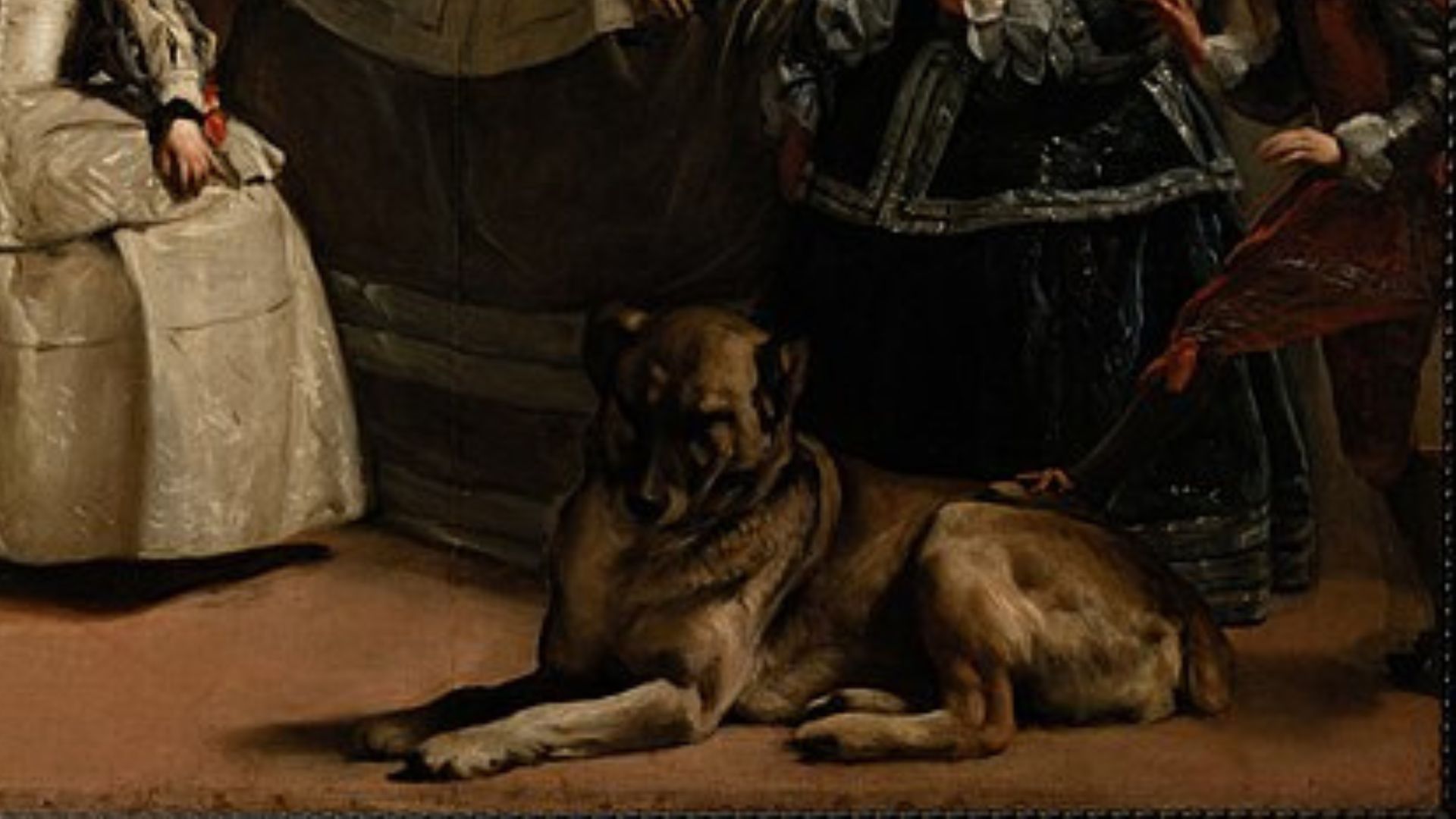
The Dog: The large mastiff in the bottom right corner represents loyalty and tranquility. As a fixture of palace life, this animal also lends a sense of natural, everyday ease to the scene.
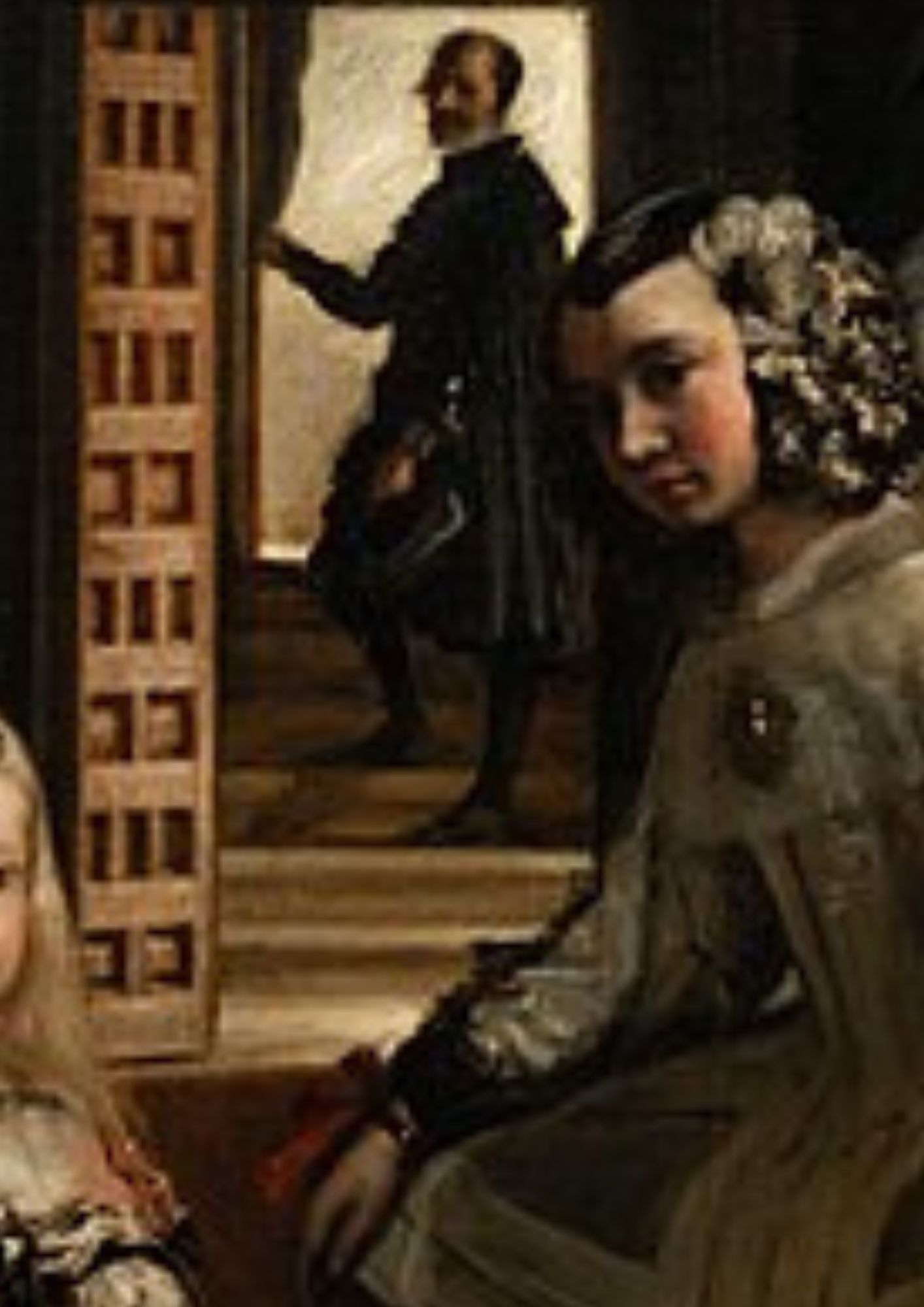
The Man in the Right Corner: Standing in the doorway behind the other figures is José Nieto Velázquez. He is captured mid-stride, with one knee bent, but it remains unclear whether he is entering or exiting. Another perspective suggests that Nieto is simply holding the door open for the King and Queen. It is also believed that he was a relative of the painter.
Artistic and Technical Analysis
Velázquez’s use of light and shadow is one of the most striking features of the work. Natural light illuminates the Infanta and her attendants, while other characters remain in the shadows. This detail helps guide the viewer’s focus and reinforces the painting’s sense of realism. Furthermore, the perspective perfectly captures the depth of the room, ensuring that the viewer, like almost everyone else in the painting, pays attention to the Infanta. Consequently, the observer feels as though they are actually present in the room.
Velázquez’s Importance at the Spanish Royal Court
With Las Meninas, Velázquez provides more than just a snapshot of court life; he questions the role of the artist in society. By placing himself in the composition near the King and Queen, he offers clues about the social structure of the era. Velázquez appears not just as a painter, but as a nobleman in the service of the King.
Historically, Velázquez was considered one of the most prestigious painters in the Spanish Royal Court. In his time, painting was not necessarily viewed as being on the same level as other disciplines like music, literature, or architecture. However, thanks to Velázquez’s artistic genius and the support of King Philip IV, the reputation of painting was elevated both artistically and socially. His prestige helped transition painting from a mere craft into a high form of art.
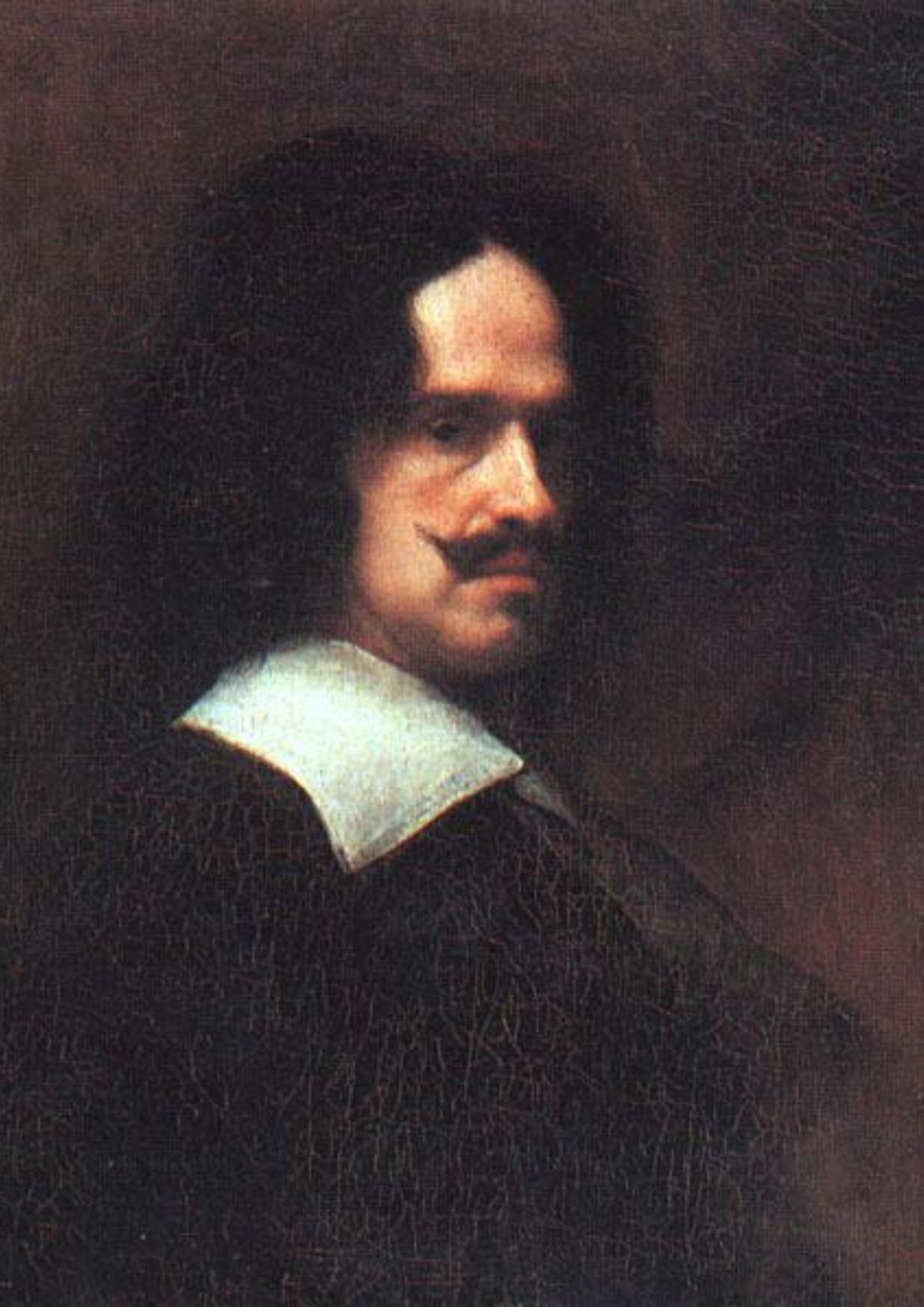
As a side note, shortly after Velázquez passed away, King Philip IV expressed his deep gratitude and devotion with the following words:
“I am dead, for Velázquez is dead.”
This sentiment highlights just how much the King valued Velázquez and how profound a blow his loss was.
The Philosophical Perspective
Las Meninas blurs the line between reality and representation. The mirror, the gazes of the characters, and Velázquez’s inclusion of himself all spark a vital discussion about how art depicts reality. Every figure and detail reflects Velázquez’s philosophy of art: Art represents not only what is seen, but also what is unseen, as well as the subjective perception of the viewer.
Legacy and Influence
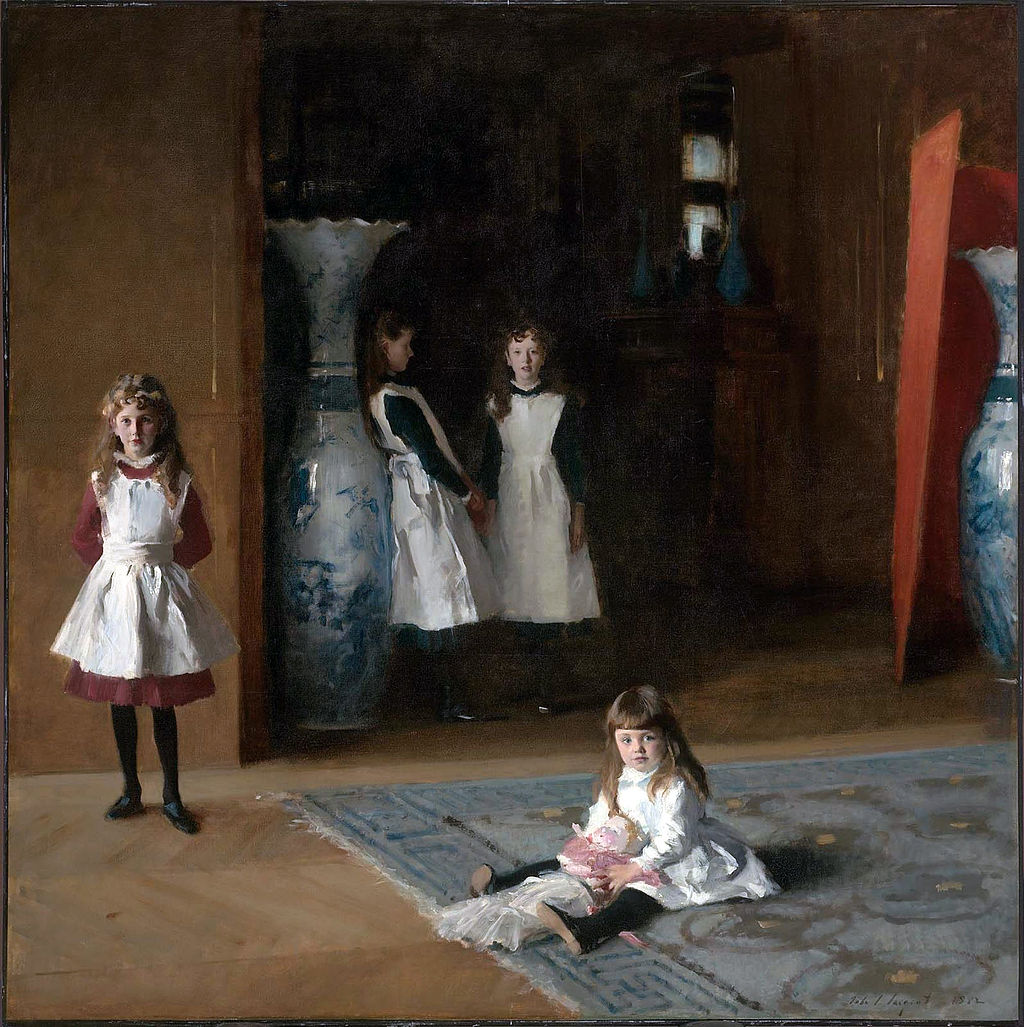
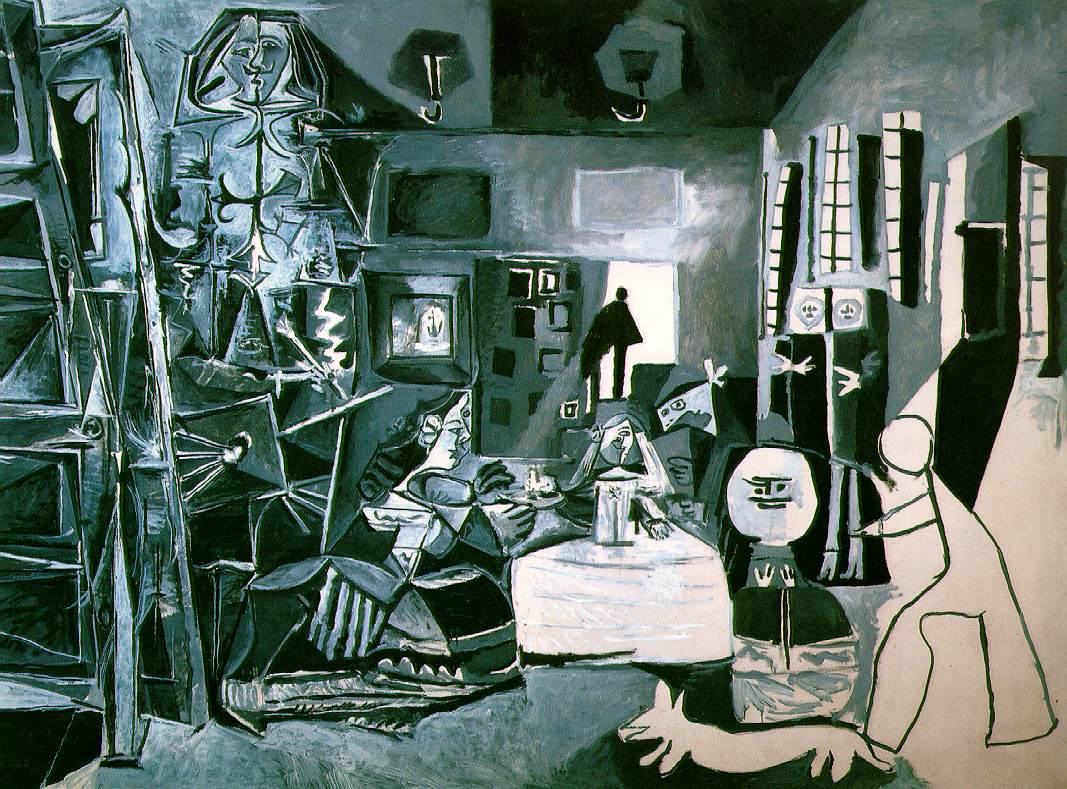
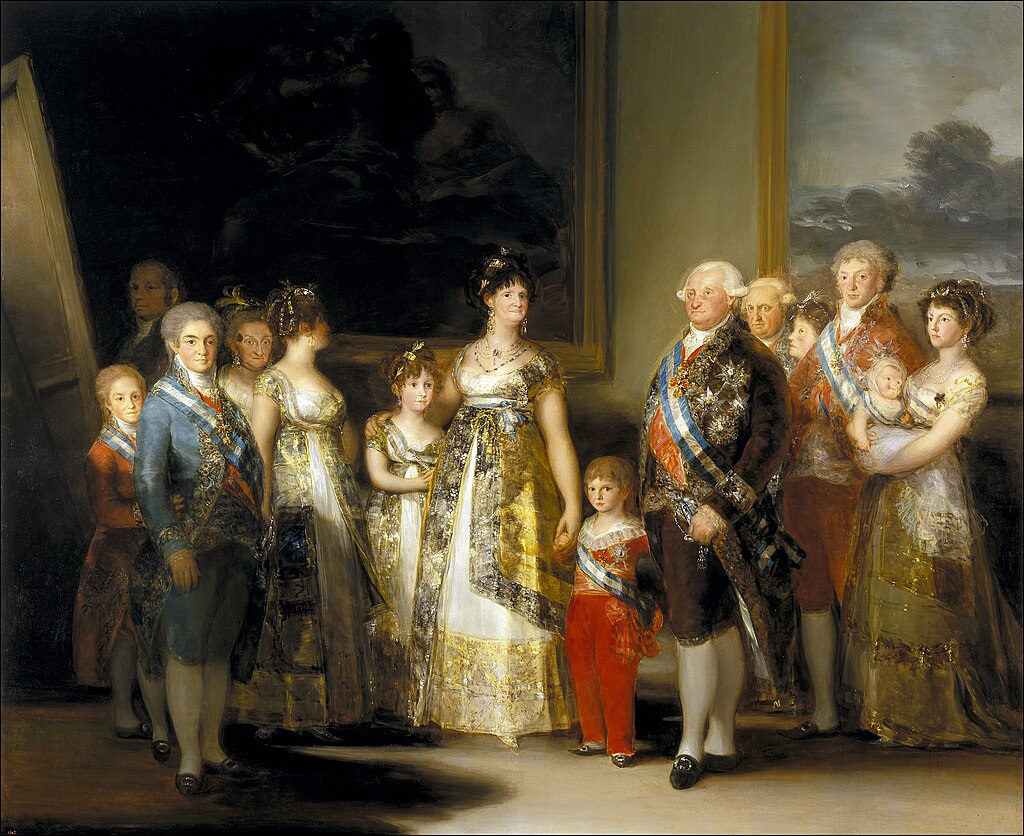
Las Meninas remains a work of intense fascination for artists and art lovers alike. 20th-century masters like Pablo Picasso and Salvador Dalí were heavily inspired by the painting, creating their own reinterpretations. Here are a few notable examples:
John Singer Sargent
Francisco de Goya
Interpretations
Las Meninas has long been considered one of the most significant paintings in Western art history. The Baroque painter Luca Giordano famously remarked that it represents the “theology of painting.” In 1827, Sir Thomas Lawrence, president of the Royal Academy, described the work in a letter to his successor, David Wilkie, as the “true philosophy of art.”
Today, the painting is viewed as a profound inquiry into the expressive power of art and the pinnacle of Velázquez’s artistic vision.
It consistently forces viewers to ask: “Are we the ones watching, or the ones being watched?” Or perhaps, should we call ourselves “the watched“?
References and Further Reading
Harris, B. (n.d.). SmartHistory – Diego Velázquez, Las Meninas. https://smarthistory.org/diego-velazquez-las-meninas/
Kay, A. (2024, September 27). Las Meninas | Description & Facts. Encyclopedia Britannica. https://www.britannica.com/topic/Las-meninas
Las meninas – Colección. (n.d.). Museo Del Prado. https://www.museodelprado.es/coleccion/obra-de-arte/las-meninas/9fdc7800-9ade-48b0-ab8b-edee94ea877f
Wikipedia contributors. (2024, August 27). Las meninas. Wikipedia. https://en.wikipedia.org/wiki/Las_Meninas#cite_note-Carr-73
Originally published in Turkish at Doğa Filozofu.