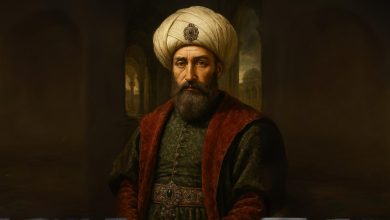

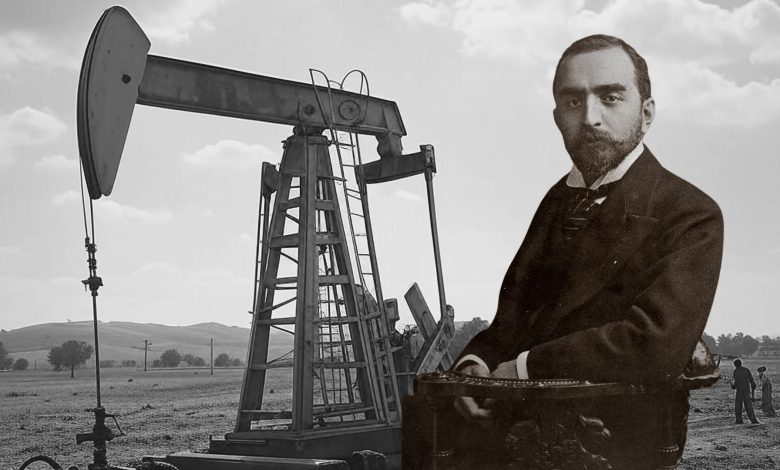
When we talk about wealth, history usually puts names like Rockefeller, Carnegie, P.T. Barnum, or modern titans like Elon Musk and Bill Gates at the very top, right? These figures built massive empires from almost nothing, fueled by sharp business instincts, and lived life in the fast lane of extreme prosperity. But what if we told you that the Ottoman Empire produced a figure just as significant? You’ve likely never heard his name before: Sarkis Gulbenkian, or as he’s better known, Calouste Gulbenkian.
We’ll be calling him Calouste throughout this piece, so get comfortable with the name. Now, let’s get to know him a bit before we dive into his incredible journey.
The Oil Wars
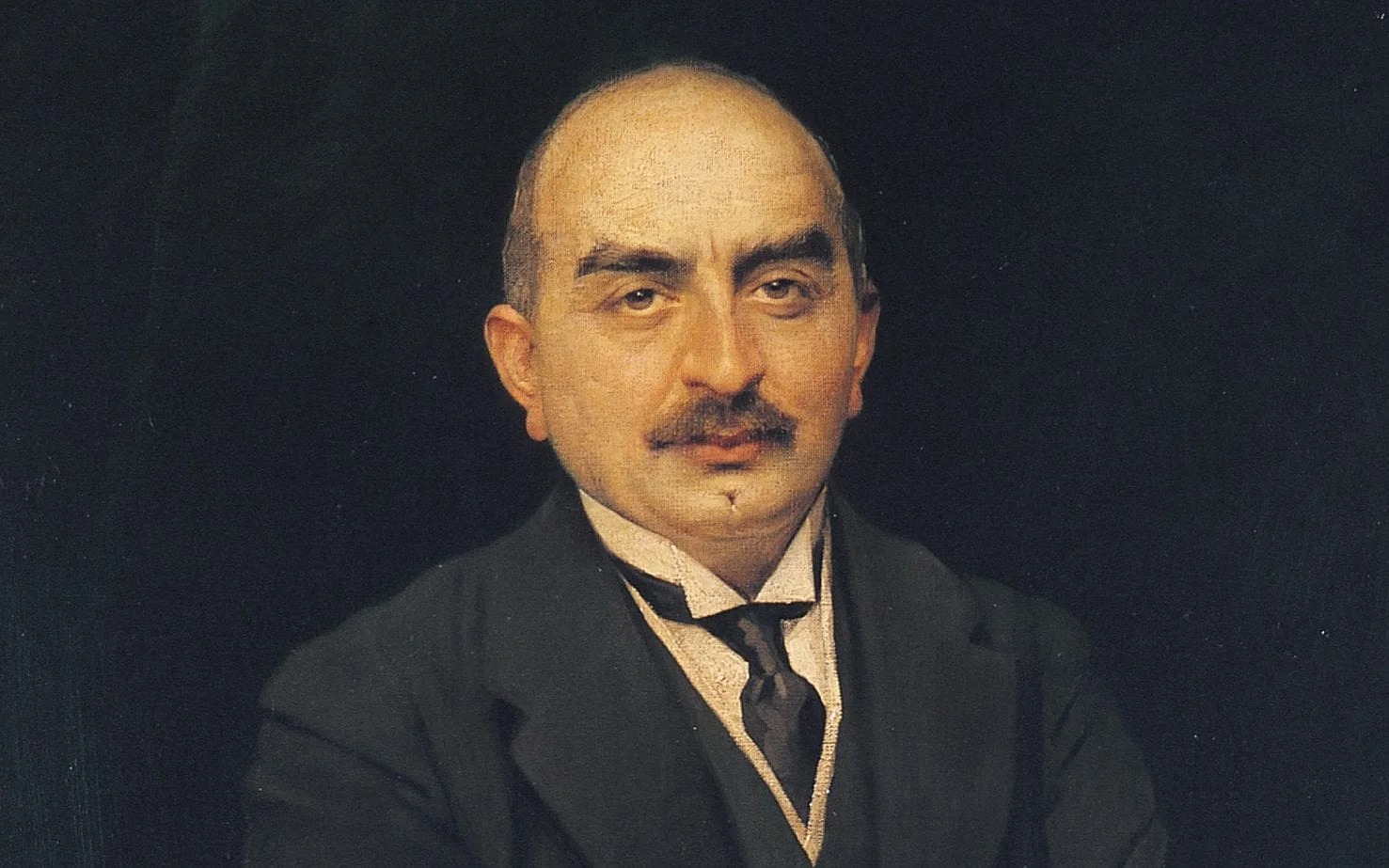
Calouste was born in Istanbul in 1869. Growing up in a well-to-do family during the twilight years of the Ottoman Empire, he headed to London to study at King’s College before moving to Paris to specialize in the oil industry. During this time, he became a heavyweight in the field. He built rock-solid connections. Since LinkedIn didn’t exist back then, you can imagine how tough it was to build a network, but Calouste pulled it off at a young age. Oil was still a relatively new resource, but its importance was skyrocketing as the Industrial Revolution picked up speed. Calouste saw this gap and moved fast. Ottoman lands were rich in oil, but extracting it was the real challenge. The Ottoman Empire, trailing behind the Industrial Revolution, simply wasn’t equipped to tap into those reserves. Consequently, these regions became the prime hunting grounds for giants like Britain and France. By the early 1900s, having finished his studies, Calouste was already involved in the discovery of new oil reserves. It was a time when the US, Britain, and France were locked in a frantic race. Oil was the prize they were all chasing.
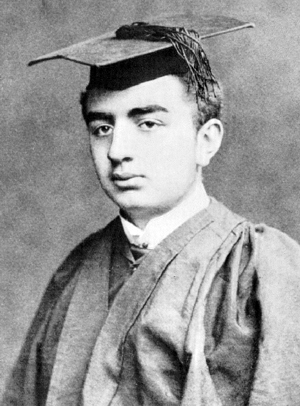
This is where Calouste took on his most critical role. In 1917, the region we now know as Iraq broke away from the Ottoman Empire, falling under the control of Britain and France. This, of course, triggered the conflicts we mentioned earlier. Leveraging his connections, Calouste stepped in as the ultimate mediator. Just before Iraq split from the Ottomans, in 1911, he orchestrated the creation of the Turkish Petroleum Company. This entity would eventually become the Iraq Petroleum Company in 1928, and Calouste would remain one of its largest stakeholders.
Through his education and early career, Calouste built such powerful alliances that he was backed by the ancestors of Royal Dutch Shell, BP, ExxonMobil, and TotalEnergies. But what exactly did he do to earn that kind of influence?
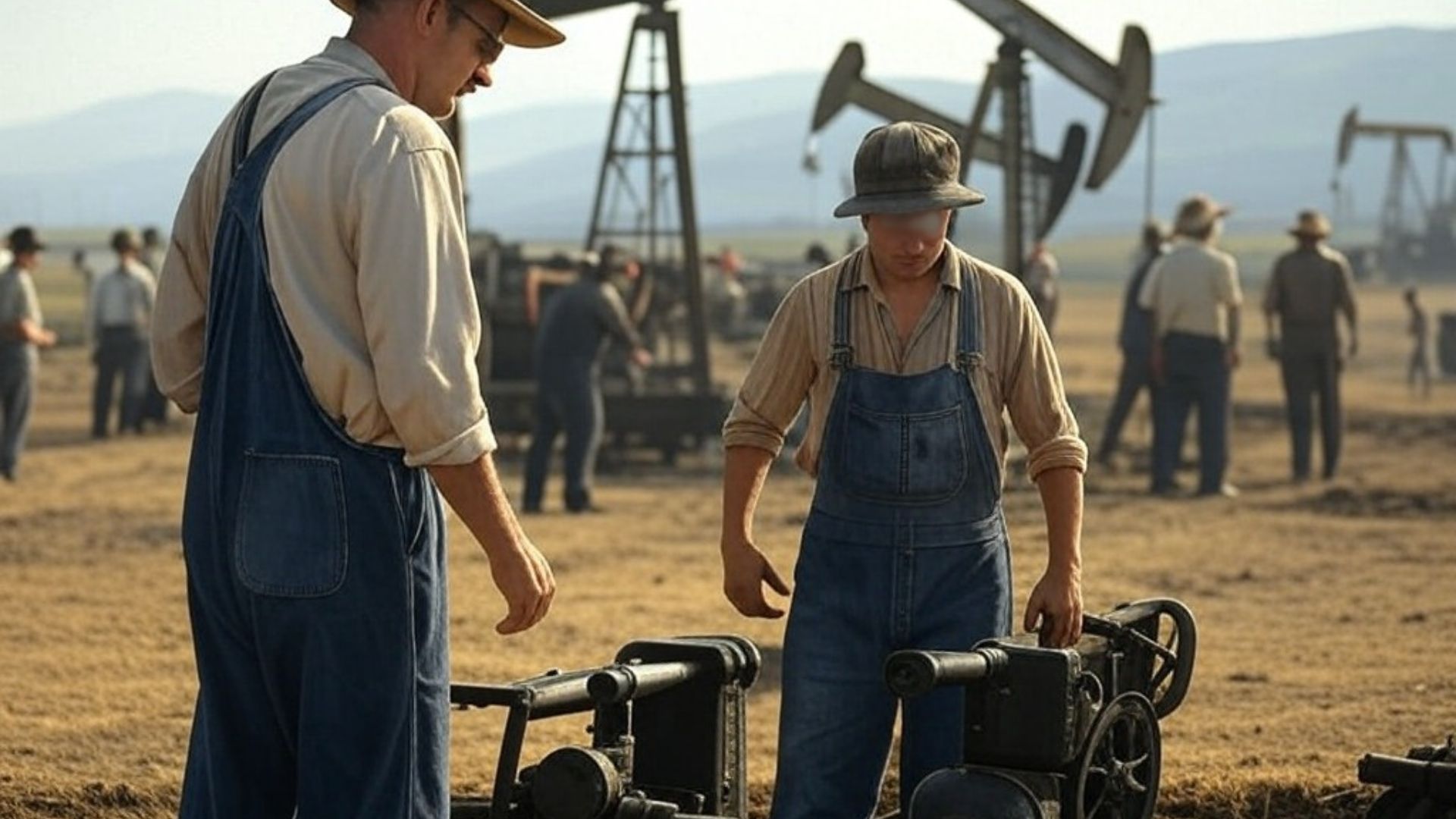
As we said, tensions in the region were at a breaking point, but no state was in a position to actually survive a full-blown “oil war.” During and just after World War I, if that tension had boiled over into a real war, they would have lost far more than they could ever hope to gain from the oil itself. That’s why Calouste was so vital. He acted as the bridge, brokering massive deals that kept the peace. In exchange for his mediation, he secured 5% of the company’s total revenue for himself. You can imagine just how astronomical that sum of money would have been.
Mr. Five Percent
Following these successes, Calouste became one of the wealthiest men on the planet. He wasn’t just a mediator for a single deal; he developed a unique ability to navigate tense standoffs and ultimatums, becoming the go-to mediator for oil deals across the globe. It became his signature move: in every deal he brokered, he kept a 5% stake. This wasn’t a one-time payout; it was a recurring slice of the annual revenue from the oil fields. This arrangement turned his mediation role into a permanent, multi-generational income stream, earning him the legendary nickname “Mr. Five Percent.” In short, Calouste didn’t own the oil fields, but he controlled a massive portion of the wealth flowing out of them. Naturally, this success came with its fair share of criticism.
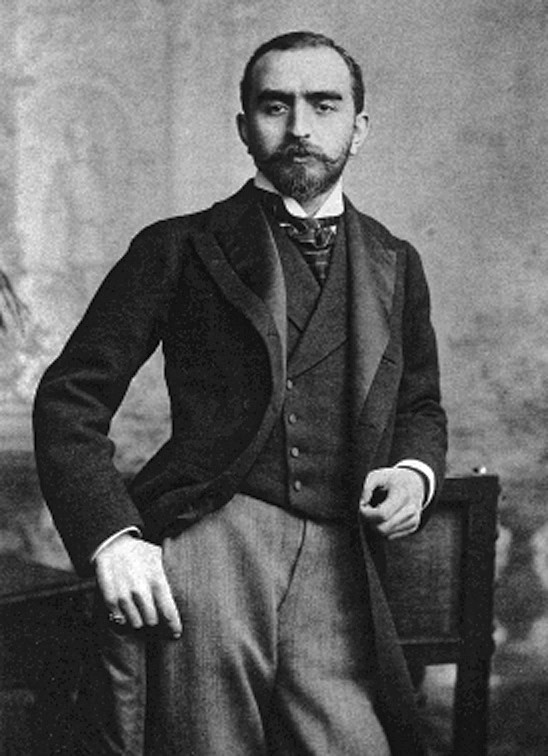
First and foremost, as an Ottoman citizen, Calouste was seen by many as working alongside the empire’s enemies to carve up its recently lost territories. He played a significant role in the international maneuvering that determined the borders of Iraq, effectively ensuring the Ottoman Empire would never be able to reclaim the region. Furthermore, his mediation paved the way for international oil companies to exploit former Ottoman lands, often at the expense of the locals.
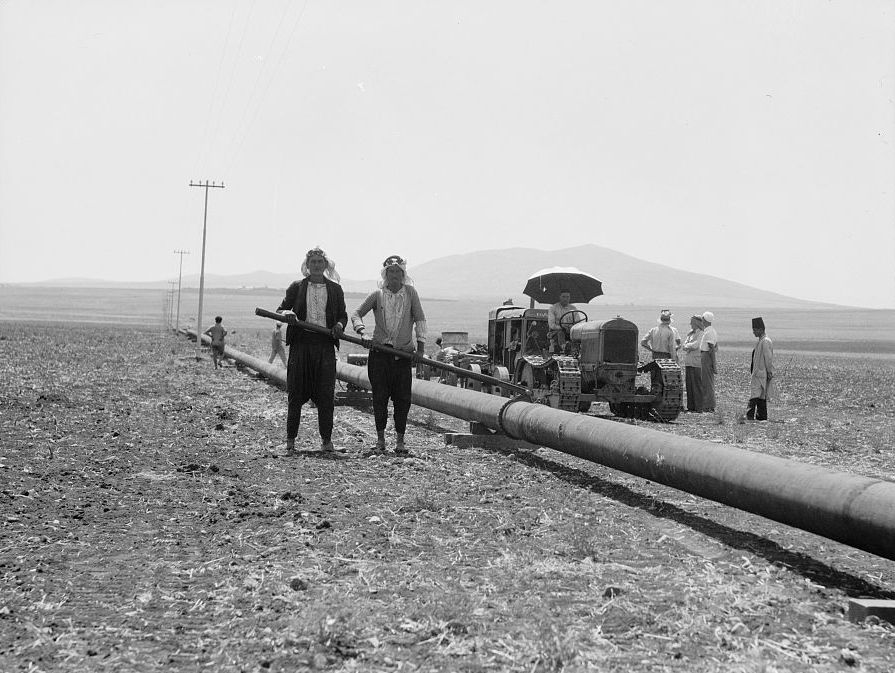
Ultimately, the local populations saw almost none of the wealth generated by their own oil fields. Instead, they were left to deal with the environmental degradation and social upheaval caused by the industrial machinery that moved in. The main criticism leveled against him is that, throughout his mediation career, he never once considered the fate of the local people.
After all of this, perhaps driven by a sense of regret or perhaps an internal calling that had been there all along, Calouste turned his focus toward philanthropy.
The Gulbenkian Foundation
After his death, in accordance with his will, a foundation was established in his name. He transferred the bulk of his personal fortune to the foundation to support art, science, culture, and education. The foundation’s mission was to contribute to the cultural development of humanity, preserve works of art, and foster cultural exchange. Today, that foundation remains active and influential.
Speaking of art, we can’t skip over his obsession with it. Once he became wealthy, he amassed a massive collection, ranging from Islamic art and Asian antiques to European masterpieces by the likes of Rembrandt and Van Dyck. Upon his death, he donated these treasures to his foundation, which eventually led to the creation of the Gulbenkian Museum.
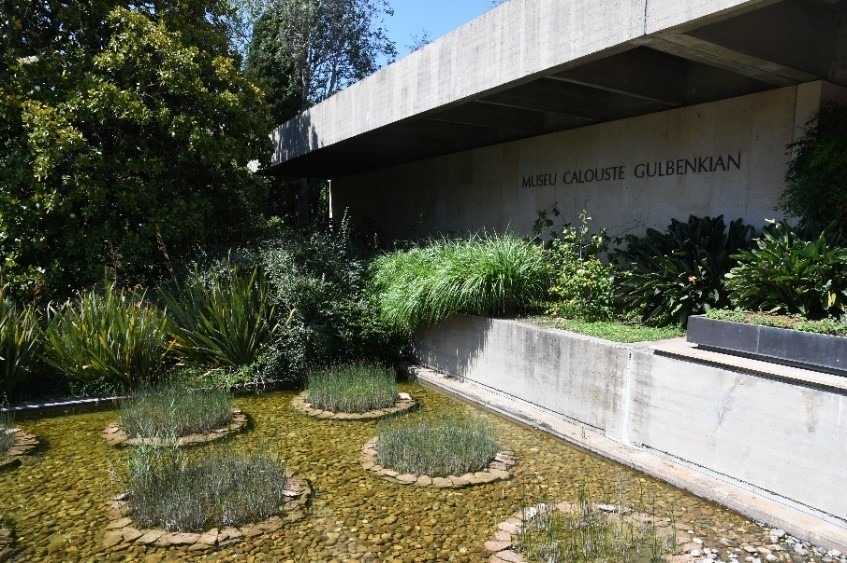
In the end, Calouste left his mark on history as one of the wealthiest individuals to ever emerge from Ottoman lands. After a career filled with controversial business maneuvers, he left behind an undisputed, lasting legacy in the world of art and culture.
References and Further Reading
Calouste Gulbenkian Foundation. (2025, July 14). Fundação Calouste Gulbenkian. https://gulbenkian.pt/en/
Iraq Petroleum Company | Iraqi company | Britannica. (n.d.). Encyclopedia Britannica. https://www.britannica.com/topic/Iraq-Petroleum-Company
The Editors of Encyclopaedia Britannica. (2008, September 11). Gulbenkian Museum | History, Collection, Gardens, & Facts. Encyclopedia Britannica. https://www.britannica.com/topic/Gulbenkian-Museum
The Editors of Encyclopaedia Britannica. (2025, July 16). Calouste Gulbenkian | oil tycoon, art collector & philanthropist. Encyclopedia Britannica. https://www.britannica.com/biography/Calouste-Gulbenkian
Originally published in Turkish at Doğa Filozofu.