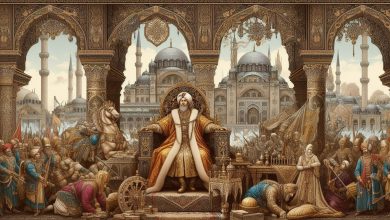


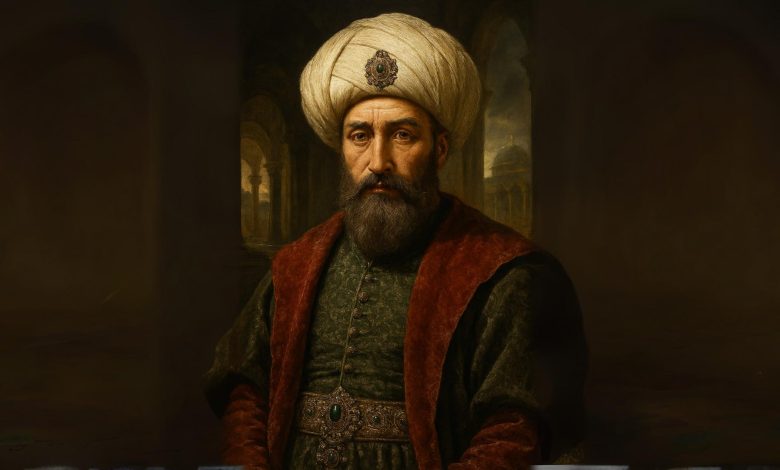
Every fan of the show Muhteşem Yüzyıl (The Magnificent Century) has a figure who holds a special place in their heart or mind. None other than Pargalı Ibrahim, masterfully portrayed by Okan Yalabık, who began his career as a slave and ended it as the Grand Vizier. One of the most compelling figures in Ottoman history, Pargalı was a statesman who left his mark on an empire through his intelligence, diplomatic genius, and cultural depth. Yet, he was also the protagonist of a tragedy—a man who reached the pinnacle of power only to fall from grace and meet his end at the executioner’s hands. In this piece, we’ll take a closer look at his fascinating life, his influence, and his tragic downfall.
From Slavery to the Palace
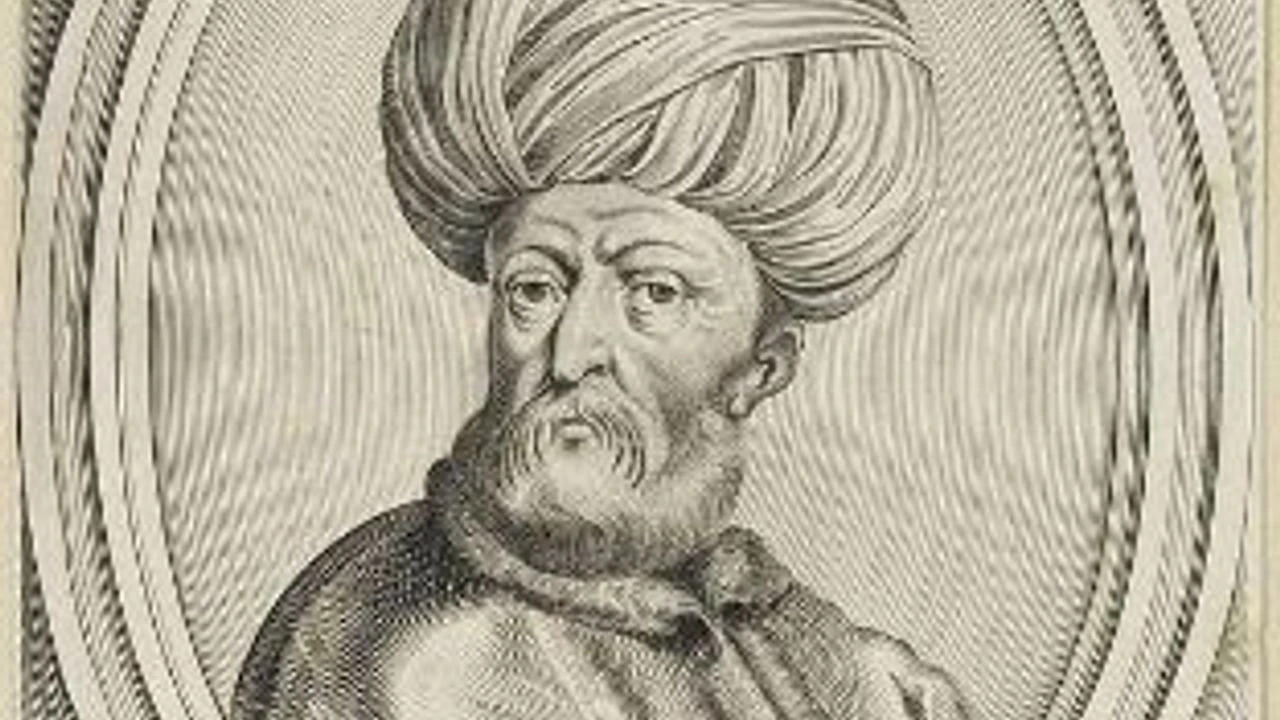
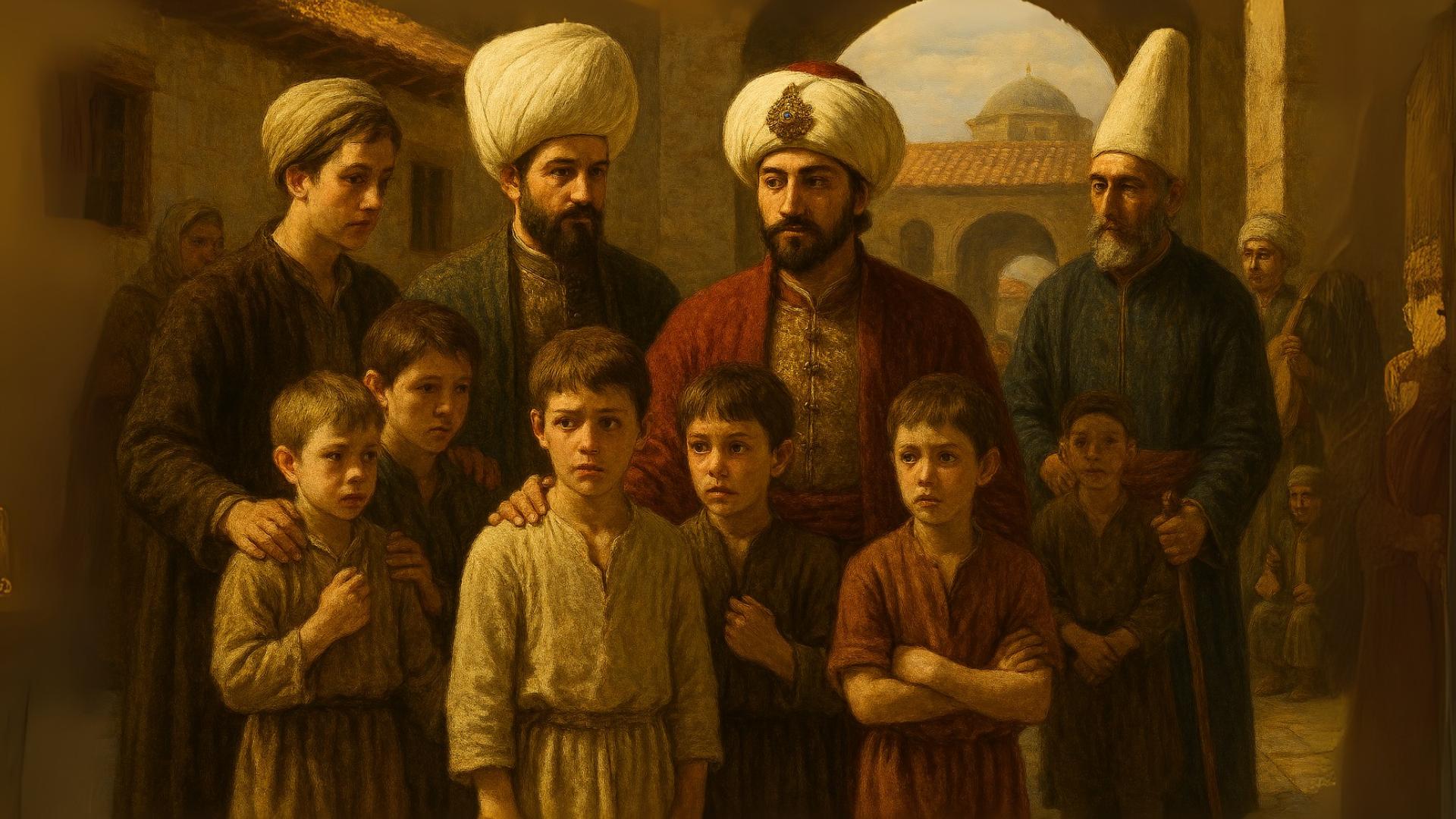
Let’s rewind to the beginning and get to know this intriguing character better. Pargalı Ibrahim Pasha was born around 1495 in the town of Parga, in the Epirus region of Greece. At least, that is the prevailing claim, though the historian Evliya Çelebi suggested he was of Razgrad origin. Regardless, Ibrahim did not grow up within the culture of Anatolia. It is said he was of Greek, Italian, or Croatian descent. While his birth name remains unknown, it is widely accepted that he came from a Christian family and was brought to the Ottoman palace as a slave at a young age. While the devshirme (blood tax) system was common in the Ottoman Empire at the time, it is believed that Ibrahim entered the palace not through this system, but by being captured as a prisoner of war.
Young Ibrahim was first assigned to the service of Prince Suleiman, who was then the governor of Manisa. This coincidence became the defining turning point of his life. A deep friendship blossomed between them. Ibrahim’s cultural breadth, his talent for art and music, and his ability to speak several languages like a native impressed Suleiman. This bond would eventually propel Ibrahim to become one of the most powerful figures in Ottoman history.
When Suleiman the Magnificent ascended to the throne following the death of Yavuz Sultan Selim in 1520, he quickly appointed Ibrahim, one of the people he trusted most in the palace, to key positions. First serving as mirahur (the official in charge of the palace stables), he became the vezîr-i âzam—the Grand Vizier—in 1523. This rapid rise took the palace circles of the time by surprise. It wasn’t exactly common for a former slave to become the second most powerful person in the Ottoman Empire. Rumor has it that Pargalı was always looked down upon due to his origins, and that this prejudice continued even after he became Grand Vizier. Apparently, rather than discouraging him, this only fueled his ambition, and Pargalı marched toward success with bold strides. But was he successful?
The Years of Ascent
Ibrahim Pasha became known for his maneuvers that boosted the Ottoman Empire’s power and prestige, particularly in its relations with Europe. The treaty signed with the Austrian Archduke Ferdinand in 1533 stands as one of his greatest diplomatic victories; with this agreement, the Ottomans officially compelled the Habsburg dynasty to acknowledge their superiority.
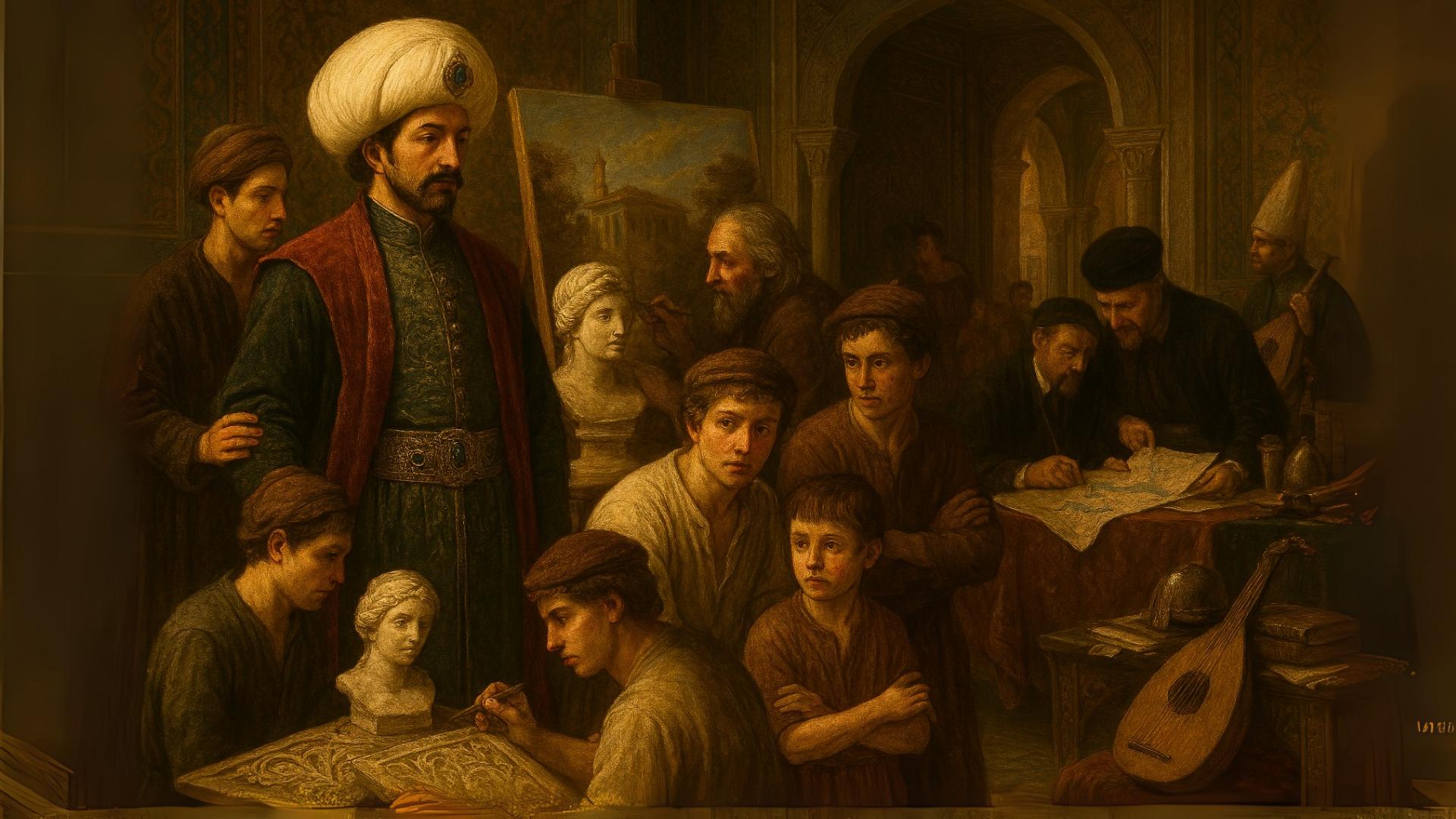
Ibrahim Pasha was also the architect of the close relationship established with France. After King Francis I of France was captured by Charles V (the Holy Roman Emperor), his request for aid from the Ottomans laid the groundwork for Suleiman’s rapprochement with France. The mastermind behind the scenes of this alliance was, once again, Ibrahim Pasha. Although the “capitulations” granted to France would eventually work against the Ottomans in the long run, they were seen as a major diplomatic success under the conditions of that era. All these triumphs deeply impressed Suleiman, who considered Pargalı his “right-hand man.” And it wasn’t just his political acumen that impressed the Sultan; Ibrahim Pasha was not merely a soldier or a politician, but an intellectual. He possessed deep knowledge in fields like classical music, poetry, painting, and architecture. It is known that he patronized Italian artists and sculptors at the palace. While this caused grumbling in some traditionalist circles, it serves as a testament to his intellectual identity.
The Ibrahim Pasha Palace, located in Sultanahmet today and currently serving as the Museum of Turkish and Islamic Arts, is a direct result of his passion for architecture. It was built as one of the most magnificent structures of the period. Suleiman shared this interest, of course—though he wasn’t the only one trying to capture the Sultan’s attention. There was also Hürrem Sultan.
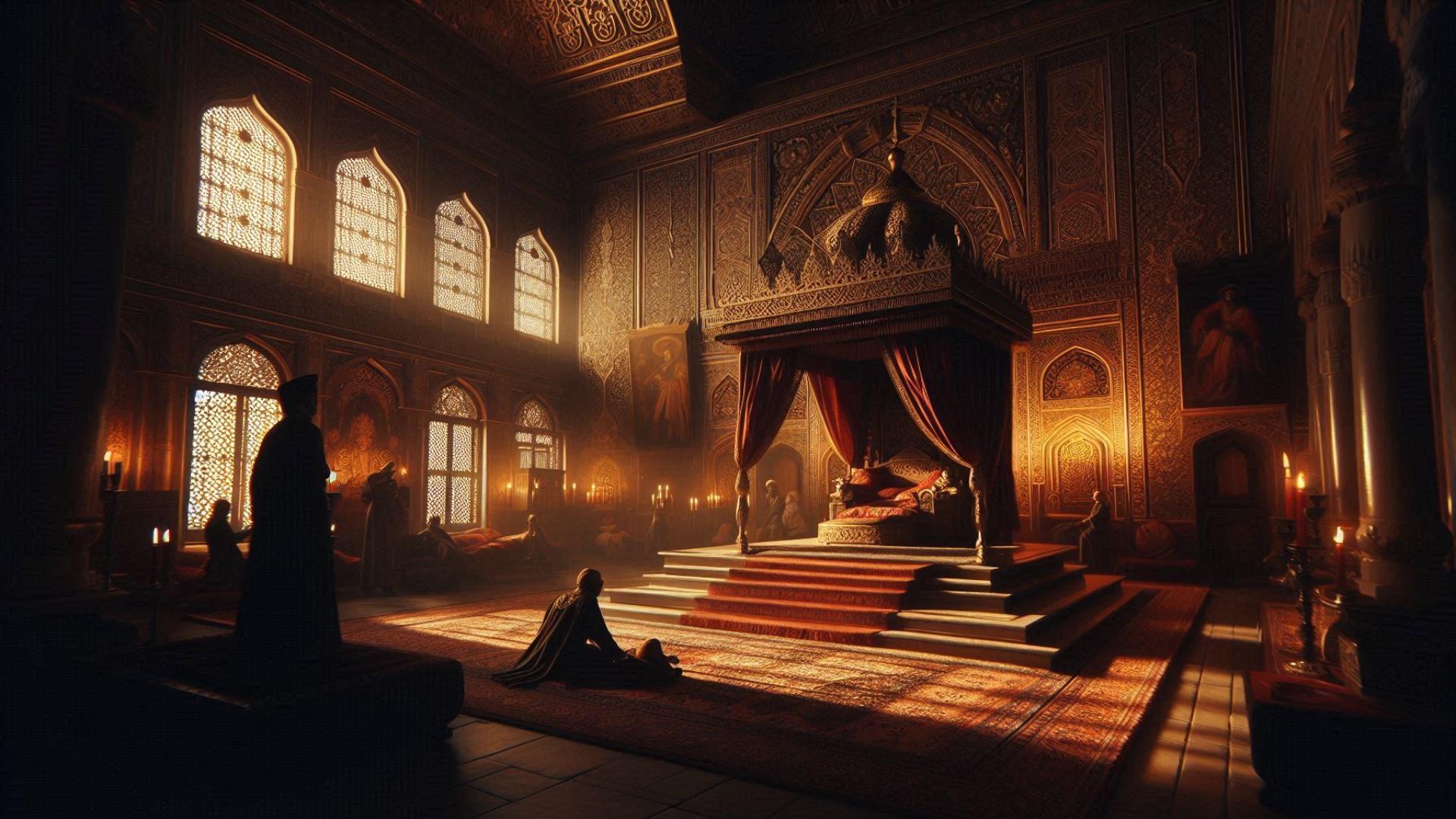
As Ibrahim Pasha rose in status, he gained favor, and the more favor he gained, the easier it was for his ideas to be accepted. Naturally, this bothered someone like Hürrem Sultan, who was also looking to dominate the palace. As the Sultan’s favorite and later his legal wife, Hürrem possessed immense influence within the palace. Her goal was to see her own children on the throne, and she was remarkably determined to eliminate any rivals in her path.
Meanwhile, with his growing influence, Ibrahim Pasha had begun to act almost like a “co-ruler.” The fact that people addressed him with titles suggesting “Sultan,” his commissioning of statues, and rumors that he harbored dreams of founding his own empire made him a dangerous figure. During this process, Hürrem Sultan’s intrigues and the passing of the Queen Mother, Hafsa Sultan, left Ibrahim Pasha increasingly isolated.
The Fall from Grace
Pargalı played a major role in the Ottoman conquests of the time, which only served to inflate his ego. He began to act as if the victory at Mohács and the conquest of Tabriz were his own personal achievements. This eventually paved the way for his demise. In March 1536, Suleiman the Magnificent invited Ibrahim Pasha to Topkapı Palace for dinner. It was a trap. The Sultan, who gave no hint of his intentions throughout the night, ordered his executioners to strike in the early hours of the morning. Ibrahim Pasha was strangled to death. There were many factors behind this decision, but many historians argue that Suleiman was not being unjust—he was doing what he felt he had to do.
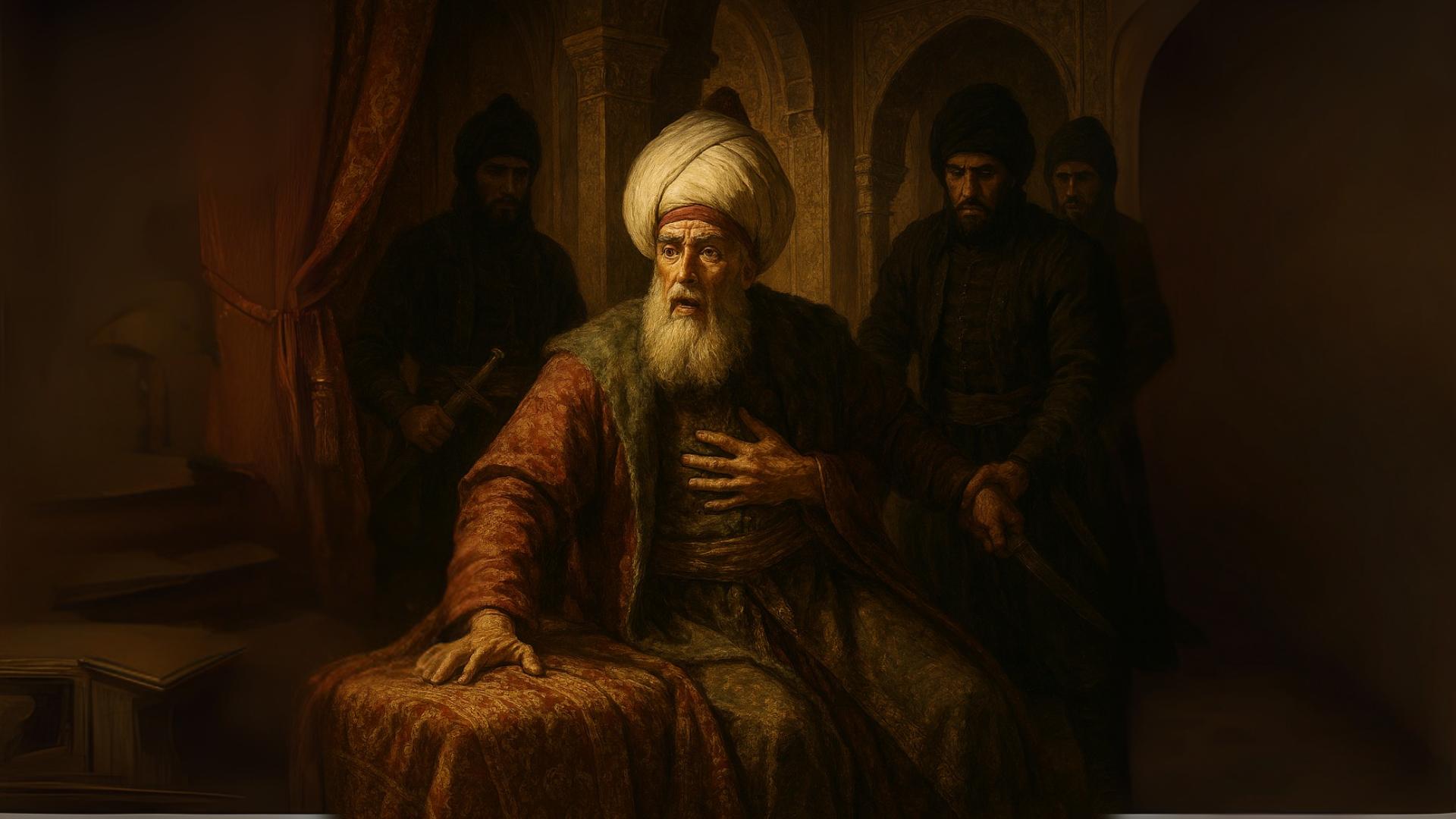
The historian İlber Ortaylı, for instance, has noted that Pargalı had occasionally withheld information from Suleiman while serving as Grand Vizier. For a Grand Vizier, the penalty for such an act could be nothing short of death. Regardless of the nuances, Ibrahim Pasha’s sudden death caused a shockwave throughout the palace and the public alike. Afterward, his assets were seized, and the palaces built in his name were given to others. The man who was once the Sultan’s most trusted friend and loyal vizier had, in a single night, faded into the dusty pages of history.
Ibrahim had fallen victim to his own ego and the web of palace intrigue. After 13 years of service as Grand Vizier, he took his final breath while still in office. The figures who replaced him during the reign of Suleiman would never quite fill his shoes, and the era of intrigue only intensified.
But what do you think? Do you believe he deserved the death penalty?
References and Further Reading
Mougkou, N. (n.d.). Pargalı İbrahim Paşa / Ibrahim Pasha of Parga. Academia.edu. https://www.academia.edu/17473977/Pargal%C4%B1_%C4%B0brahim_Pa%C5%9Fa_%C4%B0brahim_Pasha_of_Parga_?utm_source=chatgpt.com
Şimşek, F. (2010). Kanuni Sultan Süleyman devri veziriazamlarından Pargalı İbrahim Paşa’nın hayatı ve eserleri (Master’s thesis). Bursa Uludağ University Open Access System. https://acikerisim.uludag.edu.tr/server/api/core/bitstreams/90896a74-c5d6-43f7-83ba-c583bc6b1a19/content
Originally published in Turkish at Doğa Filozofu.