

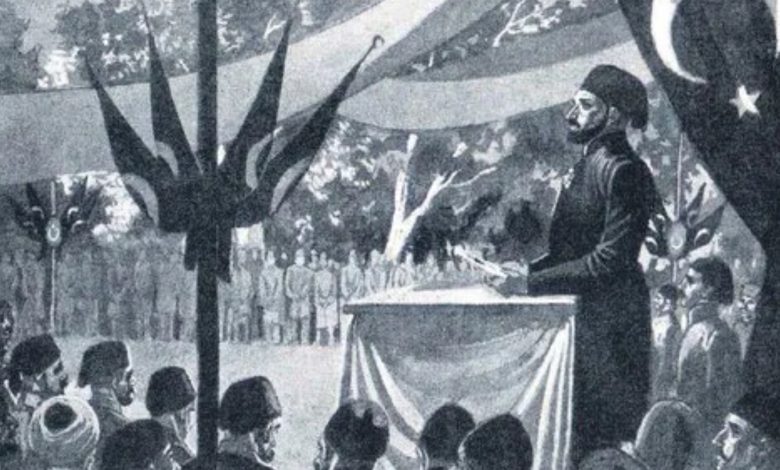
History is full of great powers and empires, isn’t it? The Roman Empire, the United States, Great Britain, and, of course, the Ottoman Empire. The Ottomans were, without debate, one of the most formidable empires the world has ever seen. Spanning three continents—Africa, Europe, and Asia—was no small feat; it was a task only a true superpower could manage.
The problem, however, is that this strength didn’t last the entire 600-year run. By the 1700s, the state could no longer resolve its every crisis with a quick diplomatic or military fix. The wars it won were becoming fewer and further between, while its problems were multiplying. The public was leaning toward rebellion, and the ranks of skilled soldiers and diplomats were thinning. Worst of all, the Ottomans were increasingly falling under the sway of foreign powers. They were well aware of this reality. Throughout the 1700s, they attempted various “reforms” (Islahat), but in both word and deed, these measures failed to strike at the root of the issues. These reforms were merely superficial tweaks to an existing, crumbling order. For instance, they opened an academy for engineers, but it functioned more like a hobbyist course than a proper school. In short, these efforts were largely ineffective.
Eventually, these lackluster attempts gave way to more pragmatic reforms under Selim III (April 7, 1789 – May 29, 1807). Selim III faced two massive hurdles: the Ayan (local notables) and the Janissaries.
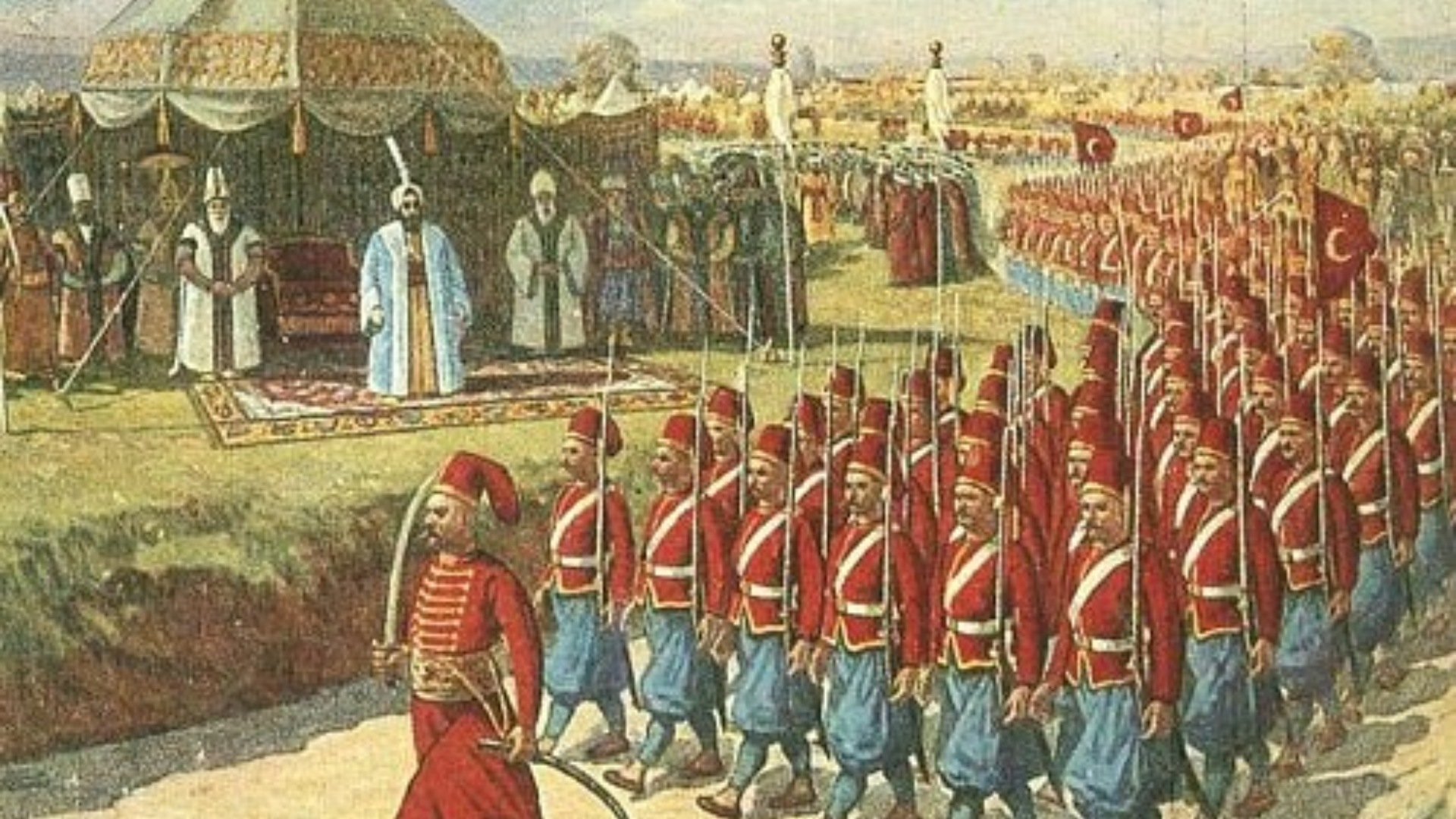
These were no small problems. The Ayan were essentially regional governors who, in theory, were supposed to serve the state. In major provinces like Ioannina and Egypt, they were causing massive headaches. The Ayan of Egypt, Muhammad Ali Pasha, was undoubtedly the biggest threat. He had close ties to Europe and harbored ambitions of toppling the Ottoman dynasty to install himself as ruler. This struggle would drag on until 1839, and it wouldn’t be resolved until the reign of Mahmud II. As for the Janissaries, they had long since lost their purpose, becoming an army that cared only about lining their own pockets. Any sultan who dared to challenge them before Mahmud II ended up paying with his life.
The Proclamation of the Tanzimat
Mahmud II had managed to solve the Janissary and Muhammad Ali Pasha problems, though at a great cost, eventually passing away from tuberculosis. In 1839, Abdulmejid I ascended the throne and immediately issued the Tanzimat Edict to finally implement the lasting changes his predecessors had spent 50 years attempting. This decree was ahead of its time. It promised equality, the security of property, and military restructuring—foundational shifts that would eventually play a role in shaping the environment that allowed Atatürk to receive a modern education. Of course, we must remember that by 1839, the Ottoman Empire had become a client state; it wasn’t truly independent. Every move it made had to be cleared by the European powers. This decree was effectively implemented under their watchful eyes. Militarily, the navy had breathed its last at Navarino, and they had just suffered a crushing defeat at Nizip. So, while the steps taken were systematic, the empire’s technological and structural foundations were already severely damaged. Consequently, the decree didn’t solve everything, but it did pave the way for major changes.
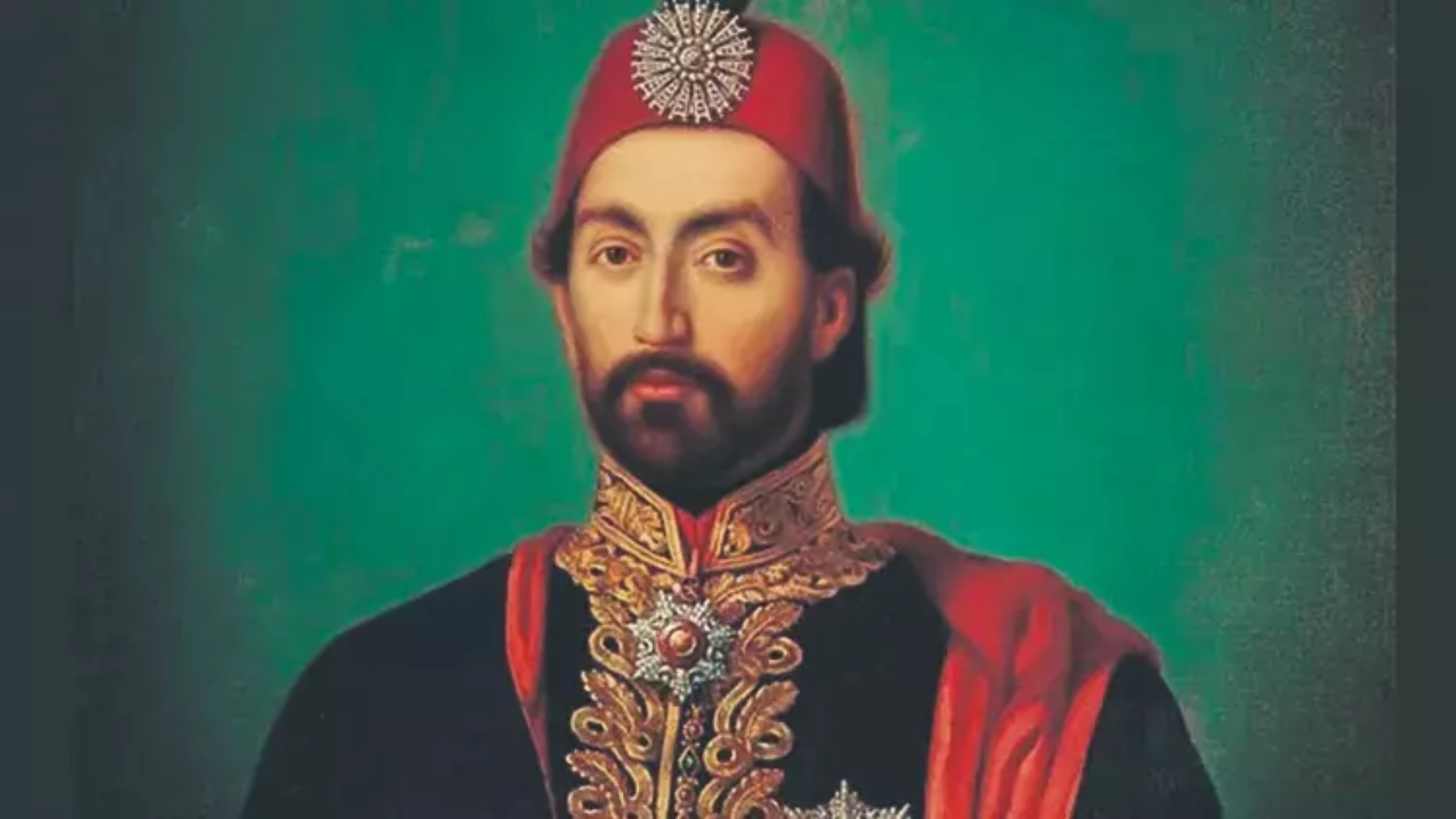
Later, in 1856, the Islahat Edict was issued to reinforce the Tanzimat. However, it granted non-Muslim subjects full equality with Muslims in every aspect, a provision that would later be exploited by European powers.
The Tanzimat and the subsequent Islahat Edicts provided a breath of fresh air for an Ottoman state that had been in decline for a century. They didn’t fix everything, as we know, but they bought the empire another 50 years—time that would eventually allow Atatürk to take the stage.
The Tanzimat Period in Turkish Literature
The Tanzimat period might not have solved all the empire’s historical woes, but it truly ushered in a new era for literature. Until then, art had been largely confined to poetry and music. With the Tanzimat, the approach to poetry shifted, and we saw the first real forays into novels and theater. As many of us remember from literature class, this period marked a flurry of “firsts.” Let’s dive into a few of them together:
- First official Turkish newspaper: Takvim-i Vakayi (1831)
- First domestic novel: Şemsettin Sami / Taaşşuk-ı Talat ve Fitnat (1872)
- First historical novel: Namık Kemal / Cezmi (1880); Ahmet Mithat / Yeniçeriler (1871)
- First literary novel: Namık Kemal / İntibah (1874)
- First theatrical work: Şinasi / Şair Evlenmesi (1860)
- First performed play: Namık Kemal / Vatan yahut Silistre (1872)
- First poetry anthology: Ziya Paşa / Harabat (1874)
- First article: Şinasi / Tercüman-ı Ahval Mukaddimesi (1860)
- First use of punctuation marks: Şinasi / Şair Evlenmesi (1860)
- First realist novel: Recaizade Mahmut Ekrem / Araba Sevdası (1898)
Considering we’ve left out at least 20 other “firsts” just to keep this piece concise, it’s impressive to see so much innovation crammed into sixty years after five centuries of relative stagnation. Moreover, a powerful sense of nationalism, starting particularly with figures like Namık Kemal, began to take root in literature. In fact, writers like Ziya Paşa and Namık Kemal would go on to inspire Atatürk himself.
References and Further Reading
Akşin, S. (2007). Kısa Türkiye tarihi. In Türkiye İş Bankası Kültür Yayınları eBooks. http://ci.nii.ac.jp/ncid/BB06698458
Öğretmeni, E., & Öğretmeni, E. (2022a, December 10). Tanzimat Dönemi Türk Edebiyatı Genel Özellikleri – Türk Dili ve Edebiyatı. Türk Dili Ve Edebiyatı. https://www.turkedebiyati.org/tanzimat-edebiyati-genel-ozellikleri/
Öğretmeni, E., & Öğretmeni, E. (2022b, December 28). Tanzimat Dönemi Türk Edebiyatı İlkleri – Türk Dili ve Edebiyatı. Türk Dili Ve Edebiyatı. https://www.turkedebiyati.org/tanzimat-donemi-turk-edebiyati-ilkleri/
Wikitarih. (2019, February 26). Tanzimat dönemi, tanzimat dönemi özellikleri – WİKİTARİH. https://www.wikitarih.com/tanzimat-donemi/
Originally published in Turkish at Doğa Filozofu.