

Every year, as we hit the final days of December, the world gets a little restless, doesn’t it? Some of us are busy nurturing hopes for the year ahead, others are making those classic “I’m definitely losing 10 kilos this year” resolutions, and a few are just daydreaming about their New Year’s bonus.
But have you ever stopped to wonder where this New Year’s frenzy actually came from? When and why did we start celebrating the turn of the year? Were the ancients out there popping fireworks just like us? Let’s dive in and explore this colorful, winding journey—from Ancient Rome to our modern cities—and uncover how New Year’s evolved into such a massive cultural event. If you’re ready, we’re about to sprinkle some glittering confetti over the dusty pages of history!
The Dusty Pages of History: Ancient Times
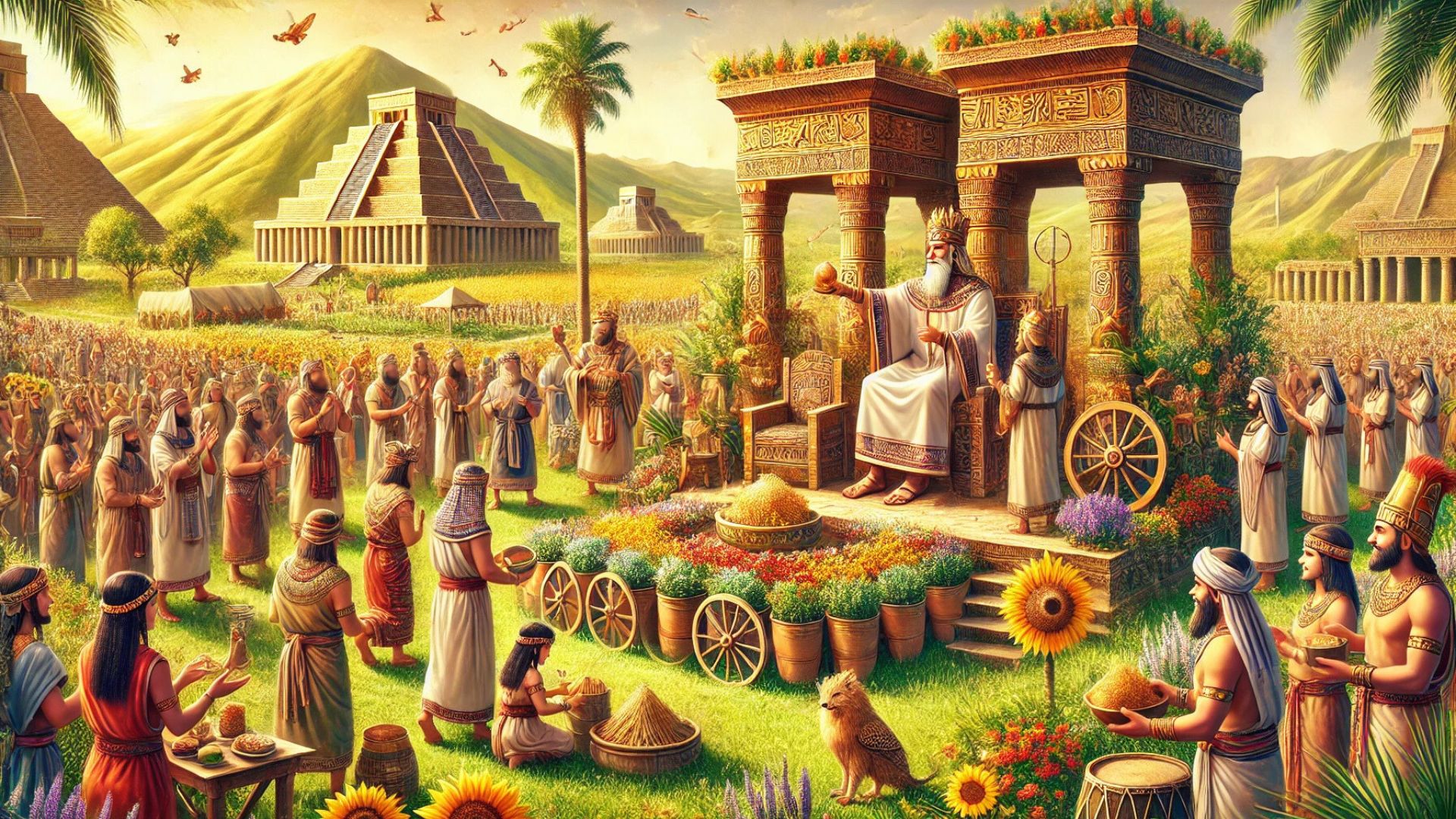
Most of us associate these festive celebrations with the birth of Jesus Christ, right? While that’s certainly true for Christmas, the history of the New Year actually stretches back to 2000 BC in Mesopotamia. We know they celebrated the New Year there, but it wasn’t on the night of December 31st; it was during the Akitu Festival in the spring. The reason? The agricultural rebirth that came with the season. Farming became easier, and a sense of “the harvest is on its way” swept through the people. These celebrations lasted for a full 12 days. Of course, don’t think of it as entirely secular—kings used this time to reaffirm their devotion to the gods, and most ceremonies were seen as symbols of that bond.
Over by the Nile, the New Year didn’t have a fixed date. It arrived precisely when the Nile flooded. For the Egyptians, this was the ultimate symbol of life and abundance. The festivities kicked off the moment the river burst its banks, signaling the end of drought and the revival of agriculture. You can imagine the sheer enthusiasm in a society so deeply rooted in the land!
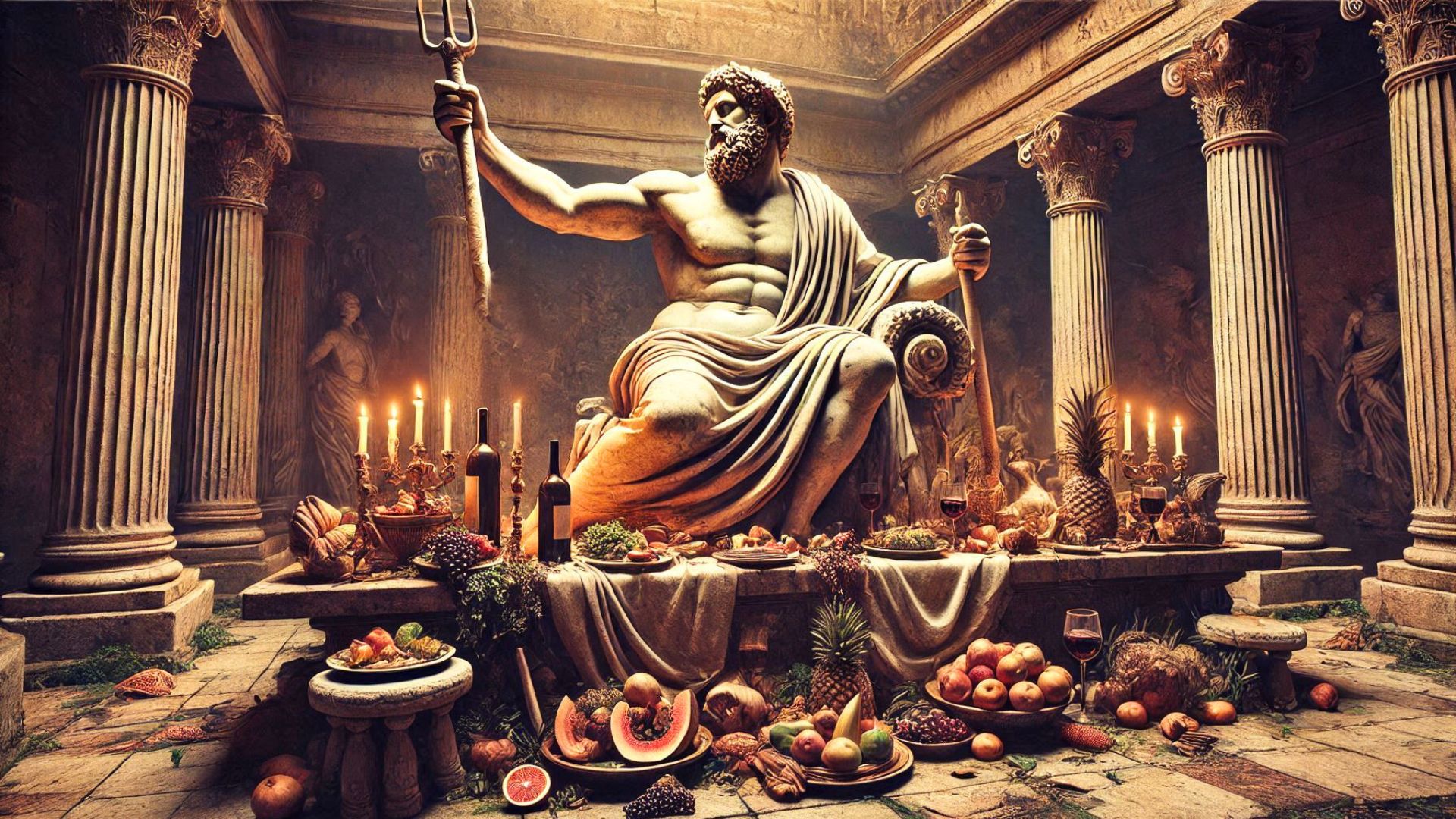
Before we move too far along, we have to mention Ancient Rome. Their celebrations were actually tied to a calendar. Initially, the New Year was celebrated in March, but after Julius Caesar introduced the Julian Calendar, it was set to January 1st. This date was dedicated to Janus, the “God of Beginnings” in Roman mythology. You might notice the resemblance between “Janus” and “January.” As you can see, the Roman New Year was both a religious ritual and a calendar-based event. And it gets even more familiar: the Romans decorated their homes, hosted massive feasts, and exchanged gifts.
All these examples predate the birth of Christ, of course. Now, let’s sail further into the book to the post-Christian era!
From the Middle Ages to the 19th Century: Church Calendars and Feasts
As New Year’s celebrations took on a religious dimension after Christ, the dates shifted slightly. For many Christian communities, the January 1st celebrations gave way to December 25th, the start of Christmas. The period leading up to the night of December 31st was largely viewed as a time for charity and empathy. Though, it’s fair to say the “party” aspect has been front and center for the last 100 to 150 years.
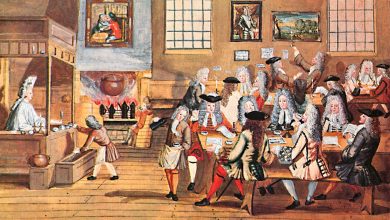
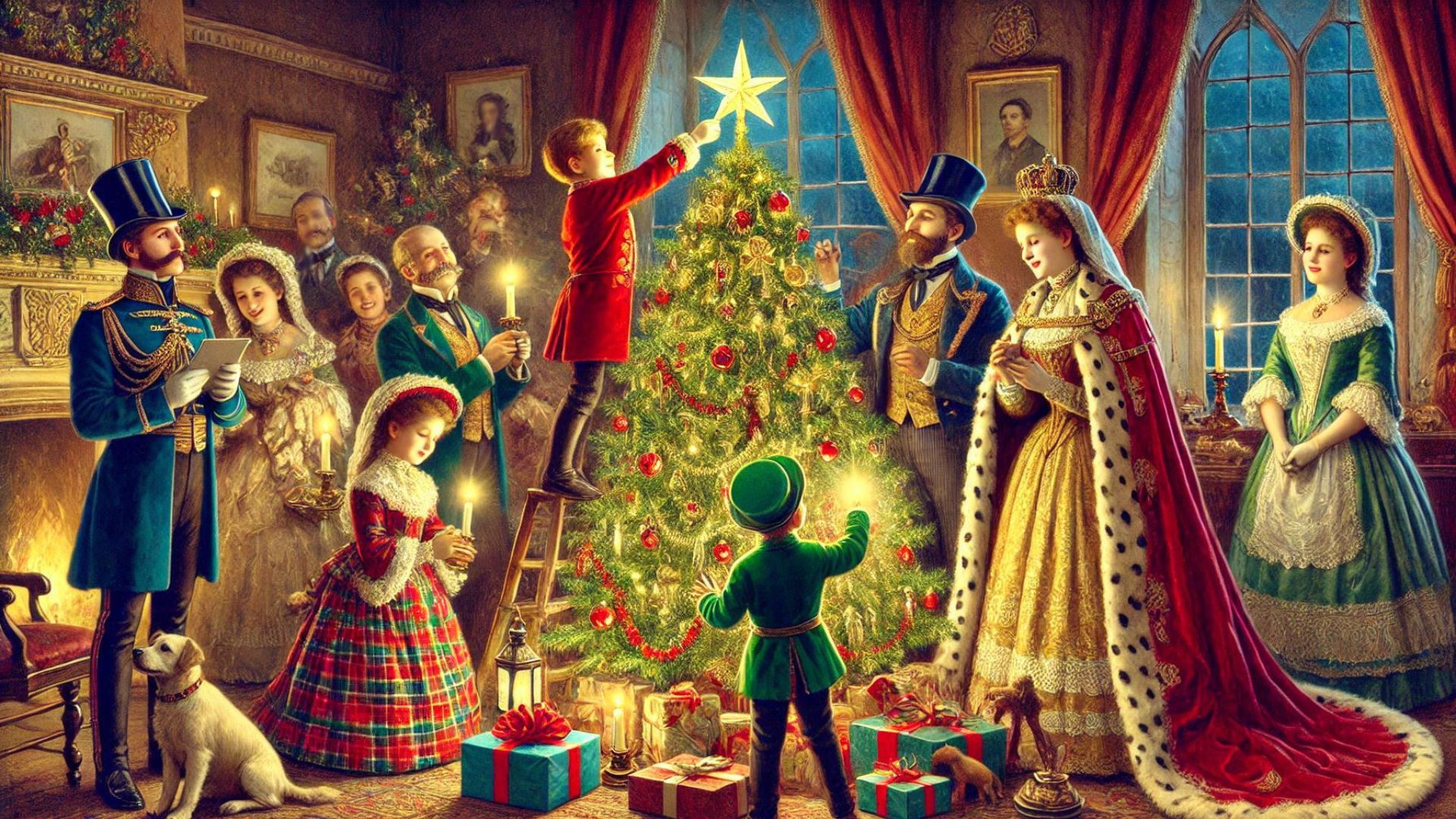
With the rise of urban life following the Industrial Revolution, social life blossomed through New Year’s and Christmas celebrations. Mass entertainment, banquets, and balls became the main events. In England, under Queen Victoria, traditions like decorating trees and exchanging gifts were officially added to the mix.
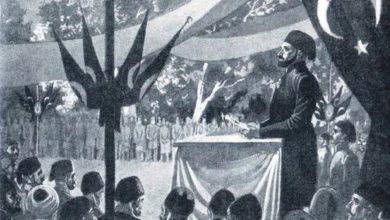
For the Ottomans, the New Year naturally held no religious significance, so beyond the calendar turning, there wasn’t much weight attached to it. In fact, until the Western-leaning reforms of the Tanzimat period, there wasn’t even a hint of a celebration. There were no local customs or thoughts dedicated to it. Only after the 19th century, under Western influence, did these celebrations enter Ottoman life. That said, non-Muslim communities living within the Empire had always celebrated the New Year according to their own calendars and cultures.
New Year’s in the Modern World: Fireworks, Snowball Fights, and Countdowns
By the time we reach the modern era—let’s define that as the 20th century and beyond—the celebrations became far more spirited. This was the era when decorating trees, fireworks, countdowns, and Santa Claus truly came into their own.
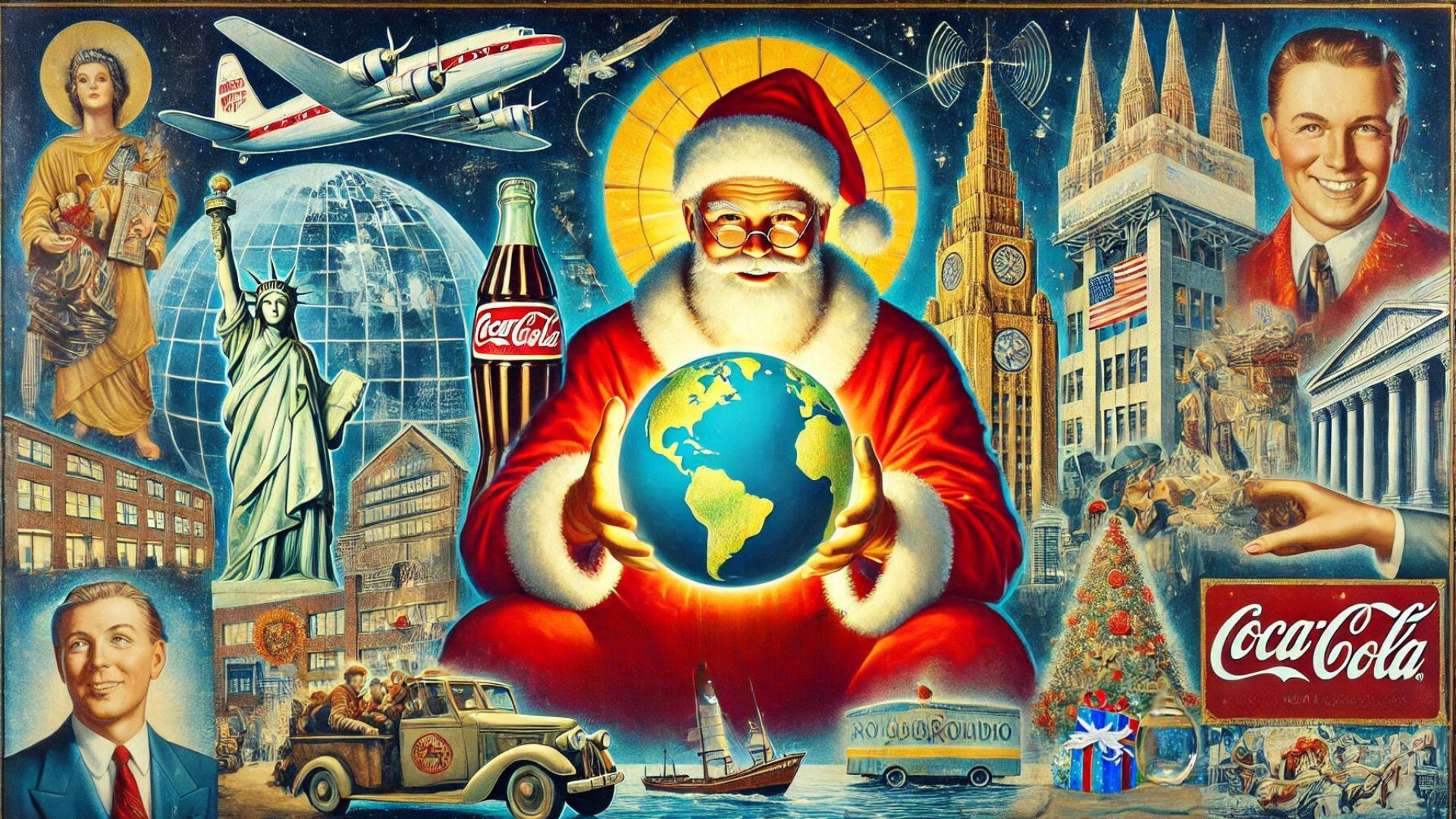
World War II, followed by the globalization of the world—the speed of travel, the instant flow of information, and the strengthening of global trade—meant these customs began to influence every country. As American advertisements and films blanketed the globe, American-style holiday values followed. For instance, the figure we call Santa Claus today largely took his modern form from a 1930s Coca-Cola ad. Santa himself was inspired by Saint Nicholas, a 4th-century saint known for helping the poor. While he was used as a symbol of unity and charity, it was really those advertisements that cemented his global popularity.
Today, decorating a pine tree is another essential New Year’s staple. This, too, comes from Pagan traditions. In those days, evergreen trees—or “Yule” trees—represented the continuity of life. That ancient tradition has now become an inseparable part of both Christmas and New Year’s.
Another activity that might surprise you is the tradition of setting off fireworks. While the existence of fireworks doesn’t surprise anyone, the reason behind them might: it comes from an ancient belief that light and sound drive away darkness and evil. What began in antiquity as a way to scare off bad spirits has evolved into the visual spectacle of our modern New Year’s celebrations.
Many other symbols have similar roots. Kissing under the mistletoe, breaking pomegranates, eating “lucky” foods, making resolutions, lighting candles, the star atop the tree, the bells—they all trace back to either religious rituals or ancient superstitions. Today, the way we celebrate the New Year is truly a blend of many different faiths and beliefs.
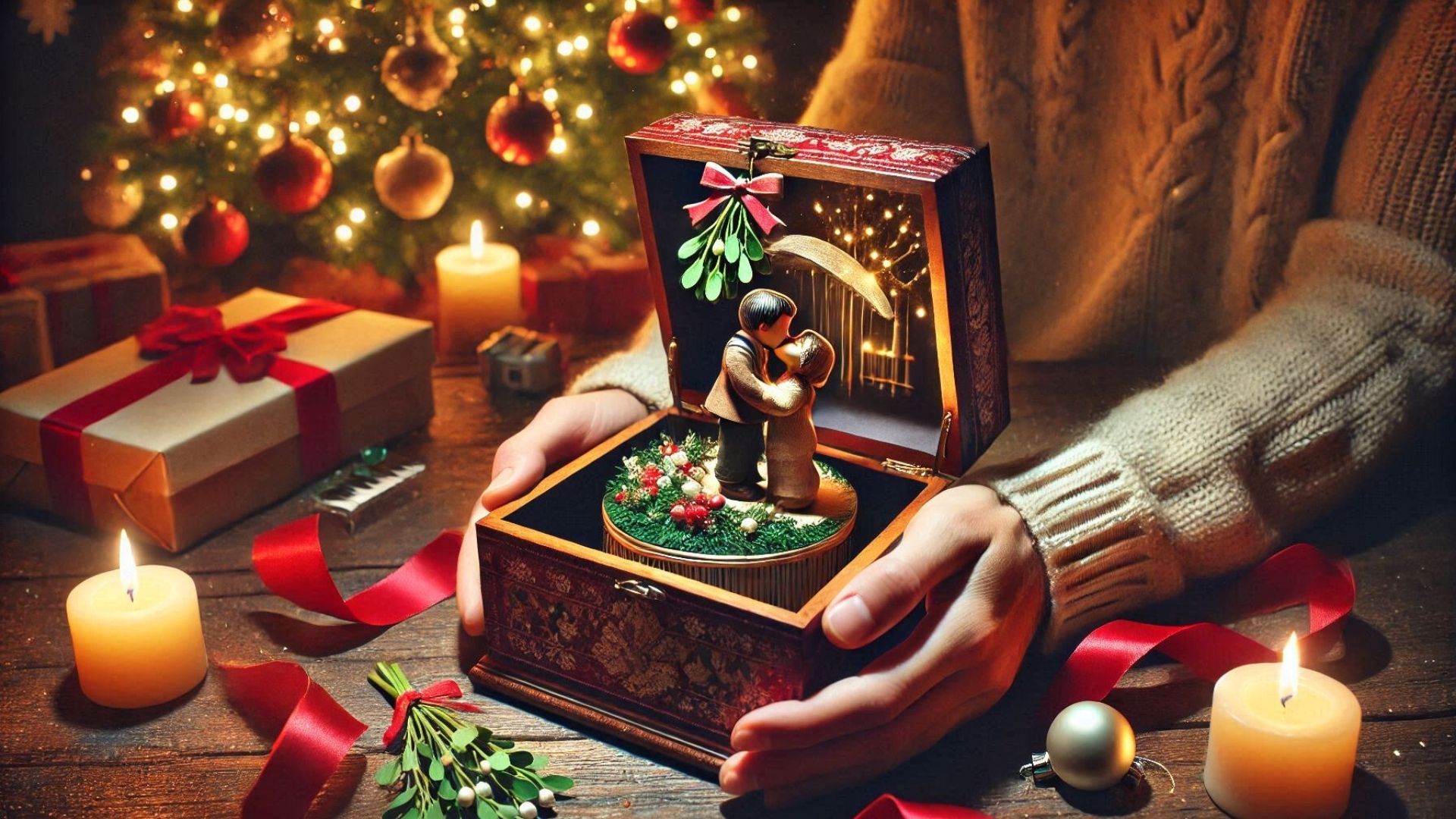
We couldn’t talk about these concepts without revealing their essence. So, let’s take a quick break to uncover the meaning behind these rituals:
- The Star (Star of Bethlehem): The Christmas star represents the Star of Bethlehem that heralded the birth of Jesus. It is placed at the top of the tree.
- Mistletoe: In Pagan traditions, mistletoe was believed to bring healing and peace.
- Bells: Ringing bells heralds the arrival of Christmas and the birth of Jesus. It is also a symbol used to drive away evil spirits.
- Advent Wreaths and Candles: The Advent season covers the four weeks before Christmas. Wreaths symbolize eternity, while candles represent the light of Jesus.
- Gifts and Stockings: Christmas gifts represent the gold, frankincense, and myrrh given at the birth of Jesus. Stockings are rooted in the story of Saint Nicholas helping the poor.
- Yule Log: In ancient Europe, a large log was burned during Yule celebrations. This symbolized the destruction of evil and the arrival of the New Year’s abundance.
Now that we’ve briefly explored these concepts, we think it’s your turn to go out and enjoy the incredible fun of the New Year! We hope that the excitement of the upcoming 2025—at the time this article is published—becomes a reality throughout the year, and we wish you a very happy New Year!
References and Further Reading
Christmas traditions explored. (n.d.). [Video]. Encyclopedia Britannica. https://www.britannica.com/video/Did-you-know-Christmas/-248633
Hillerbrand, H. J. (2024, December 2). Christmas | Origin, Definition, Traditions, History, & Facts. Encyclopedia Britannica. https://www.britannica.com/topic/Christmas
O Christmas Tree, O Christmas Tree: Why do we deck thy branches? (n.d.). [Video]. Encyclopedia Britannica. https://www.britannica.com/video/christmas-tree-decoration-holiday/-295615
The Editors of Encyclopaedia Britannica. (n.d.). Why is Christmas in December? Encyclopedia Britannica. https://www.britannica.com/story/why-is-christmas-in-december
The Information Architects of Encyclopaedia Britannica. (n.d.). Christmas Facts | Britannica. Encyclopedia Britannica. https://www.britannica.com/facts/Christmas
Originally published in Turkish at Doğa Filozofu.