
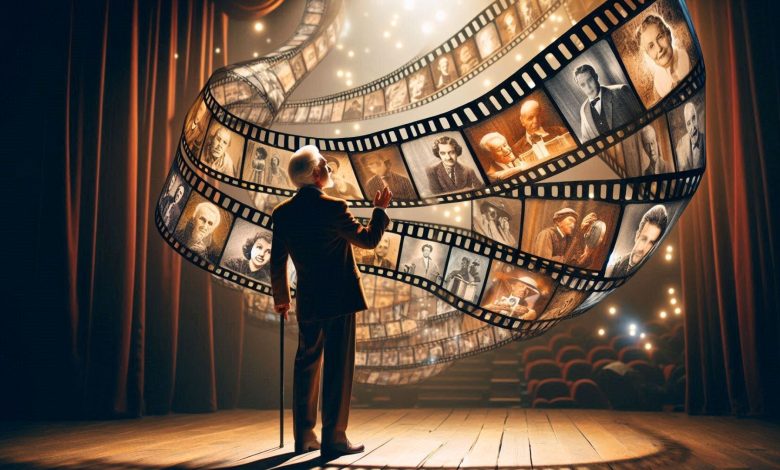
Do you remember the first time you watched your favorite show, movie, or play? That feeling of being completely swept away, maybe even the thrill of your heart racing? If it was a comedy, do you remember laughing until your cheeks ached or that warm, fuzzy feeling it gave you inside?
All these feelings are the result of the reflections sparked within you by the work you’re watching. But what exactly creates these sensations? Let’s think about it. “Hmm… the cinematography?” Maybe, but we’re certain there are plenty of art films out there with much better techniques and far superior direction that simply didn’t become your favorite. Let’s try again. “The genre?” That’s definitely a factor, but it’s not the only one of its kind, right? After all, Star Wars and Star Trek are nearly identical in genre and theme, yet their fanbases rarely overlap. “The characters or the story itself?” Bingo! That’s exactly it. Most of the time, before the genre, the camera work, or any other technical detail, it’s the story we love and the characters who bring that story to life for us. We get attached to them. We get so attached that we hold funerals when a character dies and commemorate their anniversaries. We even know their zodiac signs.
The Actor and the Writer
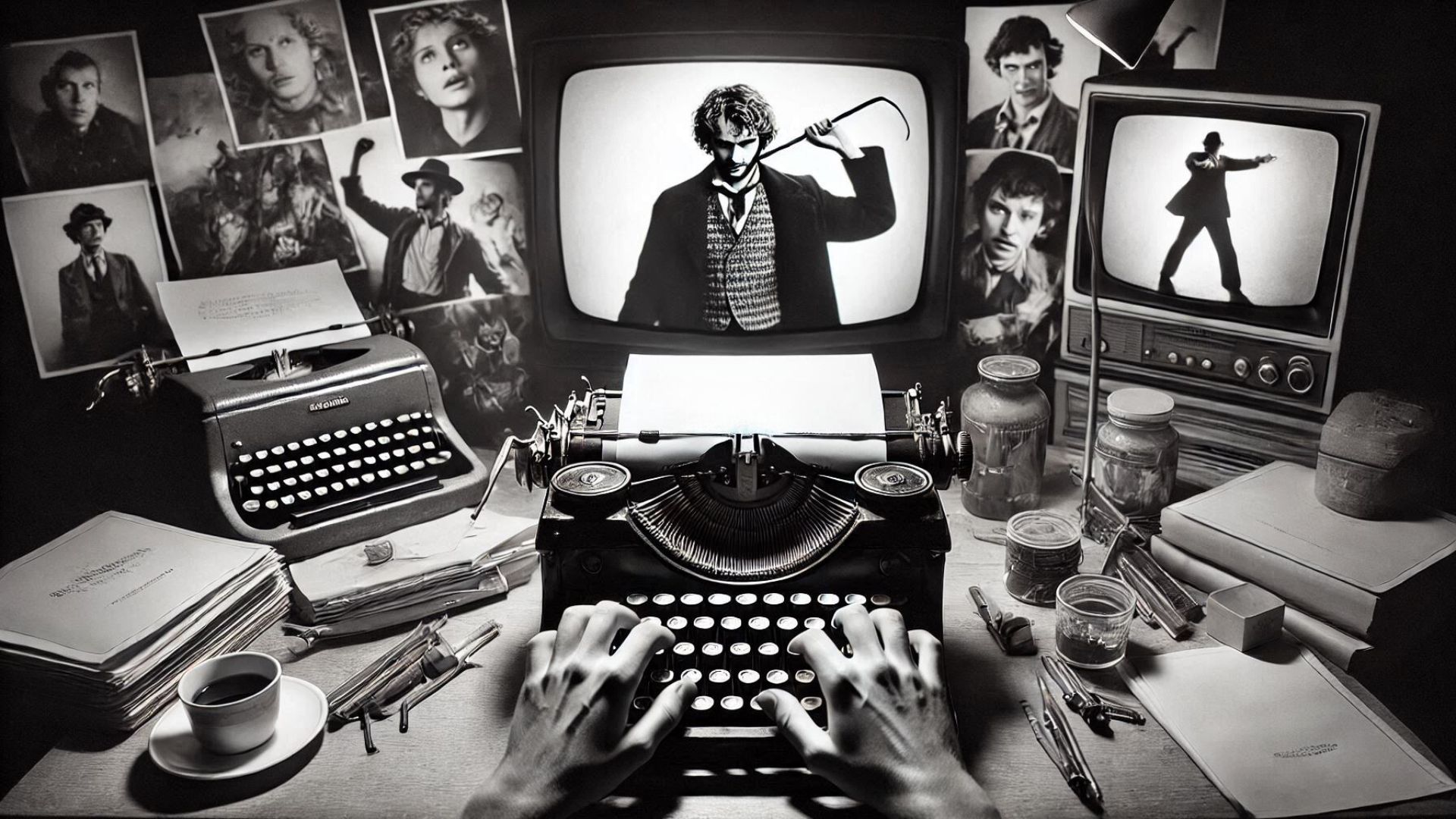
So, what are the two sources that bind us so deeply to these characters and stories? The actor and the writer, of course. Actors and writers are the fundamental building blocks of the works we fall in love with. After all, we become attached to the actor, too, don’t we? If they wrote a new season of the show Ezel today, and someone other than Yiğit Özşener played Cengiz—even if that new actor were incredible—would we be satisfied? We don’t think so. This is where good acting comes into play. We see someone we know to be a good person in real life inhabit a villainous role. Despite this, we strip away their real-world identity, believe in their “bad guy” persona more than their actual self, and we call that good acting. But how do actors actually become good actors?
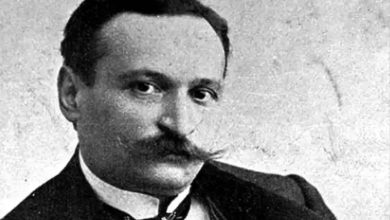
Konstantin Stanislavski (1863-1938)
This is exactly where Konstantin Stanislavski enters the picture. Stanislavski is remembered in history primarily as a theater theorist. While he wasn’t particularly familiar with films or TV series, he was deeply immersed in the concept of acting. To him, actors in the early 19th century and before were incredibly artificial. They didn’t perform their roles convincingly; they exaggerated every emotion and every line. This diminished the quality of the work and its believability in the eyes of the audience. For this very reason, Stanislavski aimed to increase realism by grounding acting in a scientific foundation.
In his view, acting was closely tied to being natural. You couldn’t be real without being sincere. To achieve this, the actor’s perspective on the role had to change—they had to truly feel like they belonged in the character. But how would they do that?
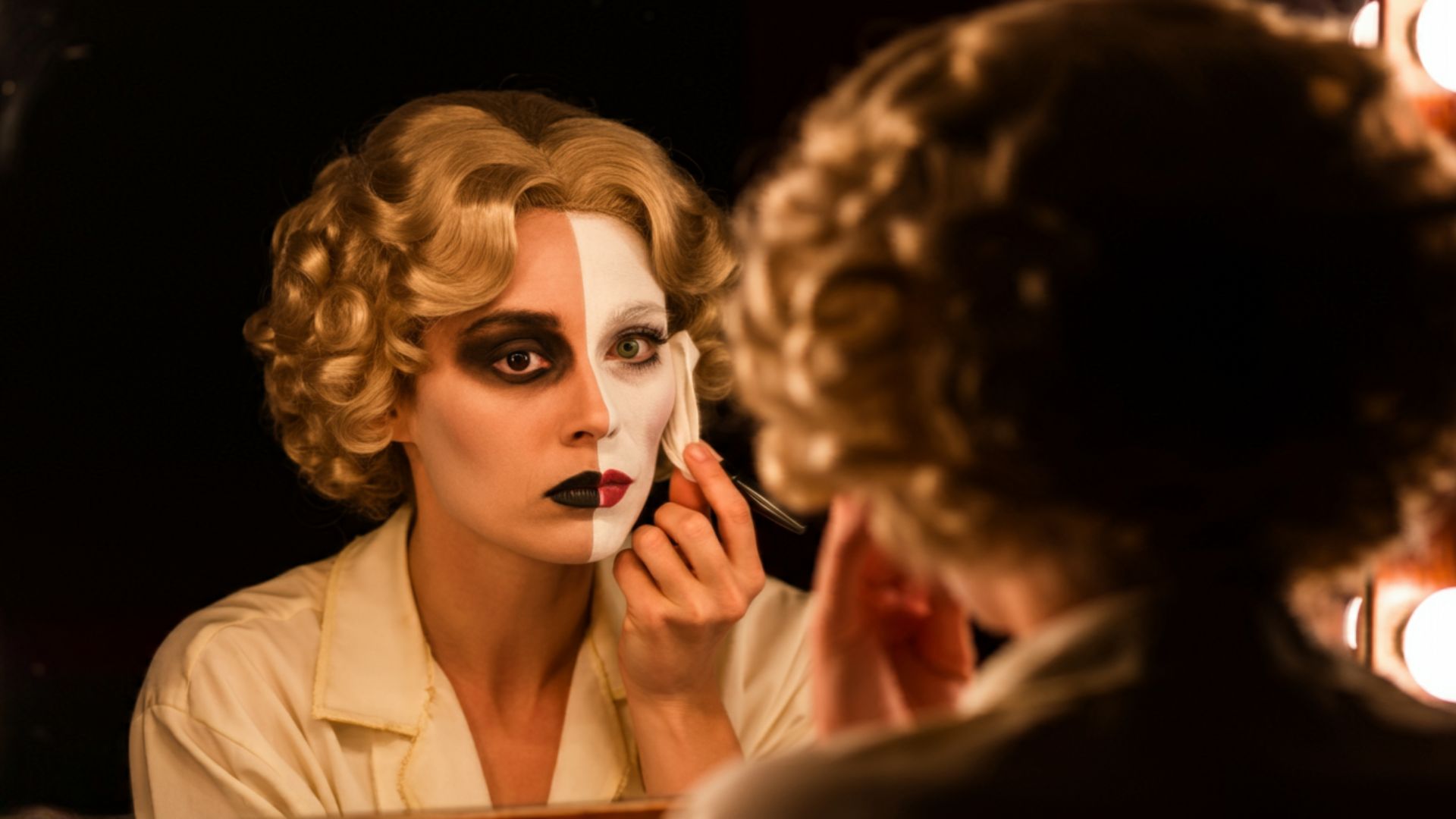
Undoubtedly, this question consumed Stanislavski from the start. He would find the answer thanks to Anton Chekhov, a playwright at the Moscow Art Theater who started as a close friend but would later become his bitter rival. Chekhov was a successful playwright whose name is still celebrated today. Let’s dive into a play that deeply linked the two—and helped us understand both Stanislavski’s technique and Chekhov’s genius: Uncle Vanya.
Uncle Vanya
Written by Chekhov in 1897, this play explores internal human conflicts, the meaninglessness of life, and bitter disappointments. Set in the Russian countryside, it focuses on the relationships between a group of people who are deeply intertwined. Let’s briefly touch on the plot before moving on to its interaction with Stanislavski:
The story begins on a farm where Vanya (or Ivan Voynitsky, to use his full name) and his niece, Sonya, have worked selflessly for years to make ends meet. The estate belongs to Professor Serebryakov, Sonya’s father and Vanya’s brother-in-law. However, when the elderly, retired Serebryakov moves onto the farm, it throws everything into chaos.
Serebryakov is an arrogant, selfish, and useless man. He arrives with his second wife, the charming and young Yelena. Vanya harbors a hopeless love for Yelena, but she is indifferent to him; she is struggling not with love for her husband, but with her own crushing disappointments. Meanwhile, Dr. Astrov, a frequent visitor to the farm, is also attracted to Yelena. She doesn’t return the Doctor’s feelings either, which only intensifies the emotional tension between Astrov and Vanya.
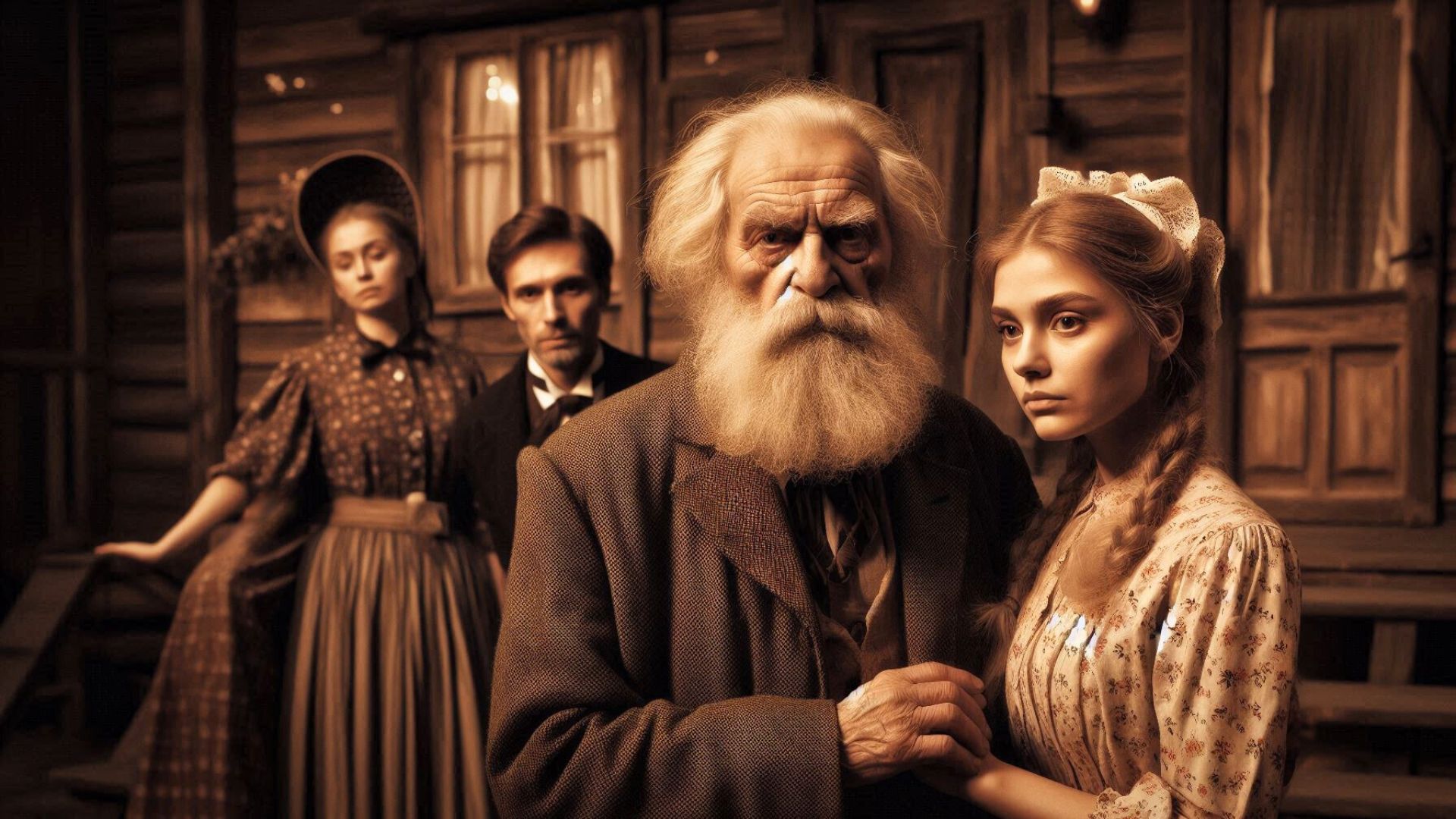
In short, complex relationships and the disillusionment they breed take center stage. This play was perfect for Stanislavski to build his system because it relied entirely on emotions, facial expressions, and mundane events. When Chekhov first staged this play, he didn’t get the reaction he wanted from the audience. That’s exactly where Stanislavski stepped in. To fix it, Stanislavski first analyzed the emotions, motivations, and goals of every single character. Then, he uncovered the emotions, implications, or backstories that weren’t explicitly in the text but could be interpreted. He gathered the actors and laid out his analysis for them. Stanislavski adopted a method for taking and using these analyses, creating several key concepts. Before we continue our story, let’s take a look at them.
Stanislavski’s Method
The Magic If and Objective: Stanislavski developed a concept he called “The Magic If.” According to this, an actor first puts themselves in the character’s shoes and asks, “If I were in this situation, what would I do?” In other words, he prioritized empathy. For example, if a character lost their mother at a young age, the actor must adopt that experience and embody the soul of an orphan. Following this, they must understand the character’s objective—or what they are trying to achieve. Some masterful performances are born from this technique. For instance, Alan Rickman, who played Severus Snape in Harry Potter, sought information from J.K. Rowling about Snape’s ending long before the final books were published, just so he could truly understand everything his character would do.
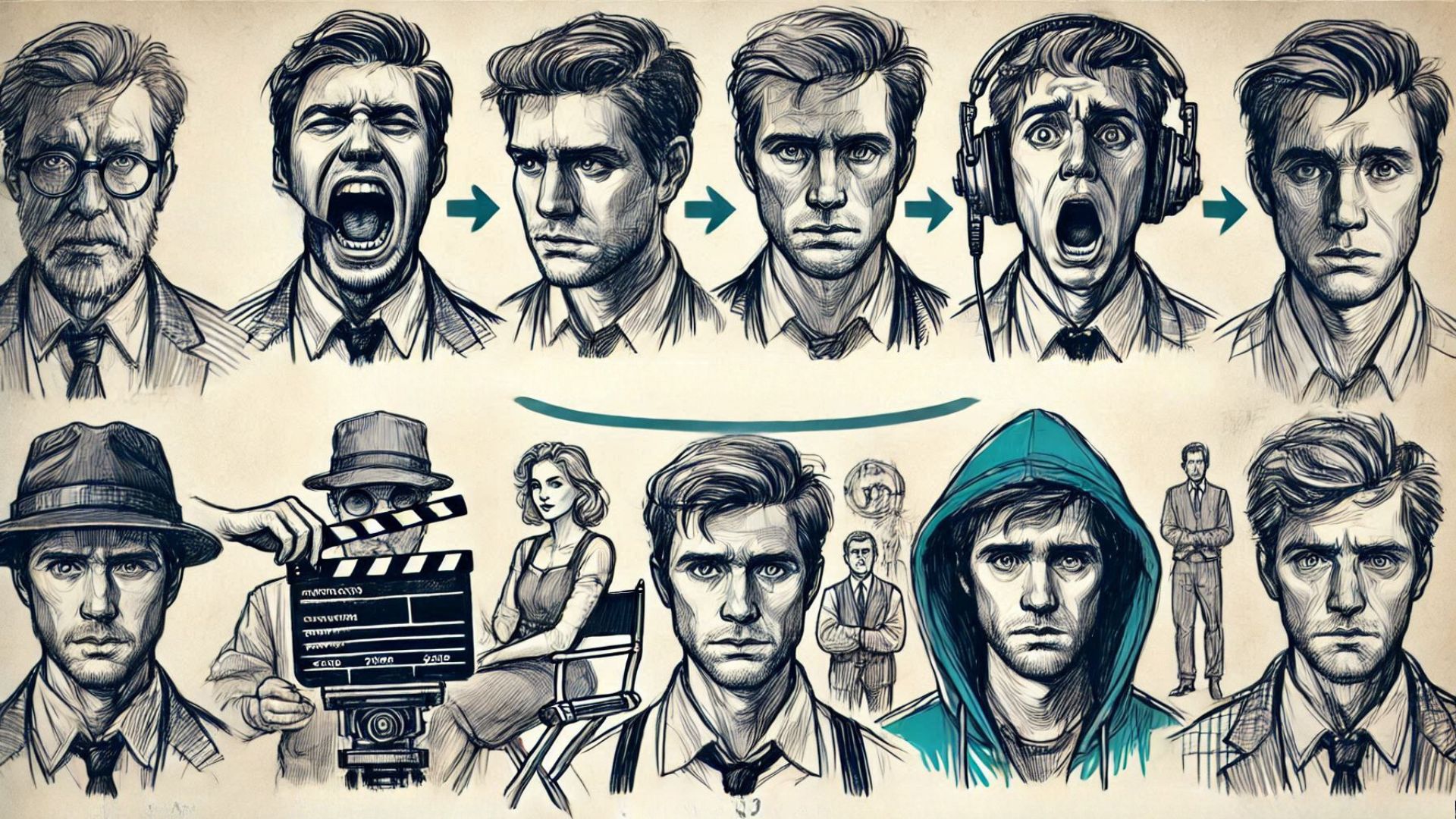
Given Circumstances: According to Stanislavski, for an actor to build the empathy we mentioned and fully understand their character, they must deeply grasp the narrative provided by the author. If the author mentions the geography where the story takes place, the actor must internalize it. Only then can the actor open the door to true empathy.
Implied Circumstances or Understanding Subtext: The actor must also grasp situations that aren’t as explicitly stated as the given details. For example, if the script tells a story set in 1920s Turkey but doesn’t explicitly mention the War of Independence, the actor must understand this as subtext and adapt it into their performance.
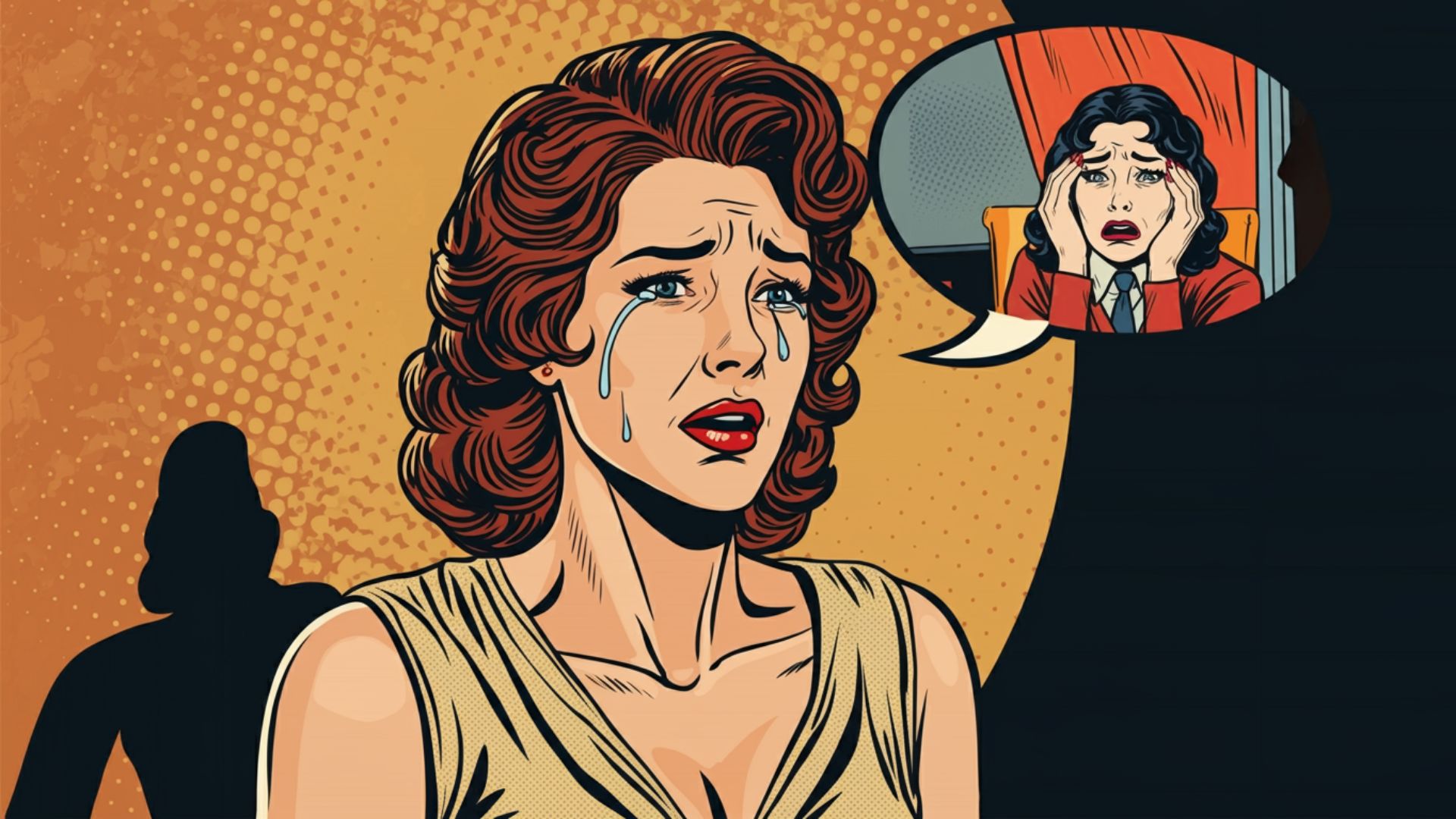
Emotional Memory: Stanislavski believed that good acting comes from emotion. Even if an actor fulfills all the rational processes mentioned above, they must still experience the feeling. For this, they need their memories. Stanislavski suggests that the actor should adapt their past emotions to different situations. For example, if the character is suffering from a broken heart, even if the actor isn’t currently experiencing heartbreak, they must mentally relive a memory that caused them deep pain in the past to bring that emotion to the surface.
It’s worth pausing here. While there are many more techniques, these are the pillars of his method. Through these techniques, Stanislavski ensured that an actor could enter a role and naturally inhabit that character. Of course, this technique isn’t as simple as it sounds on paper. It isn’t something everyone can master. These techniques also trigger internal processes, and only the actors who can navigate those processes successfully will truly excel.
Chekhov and Stanislavski
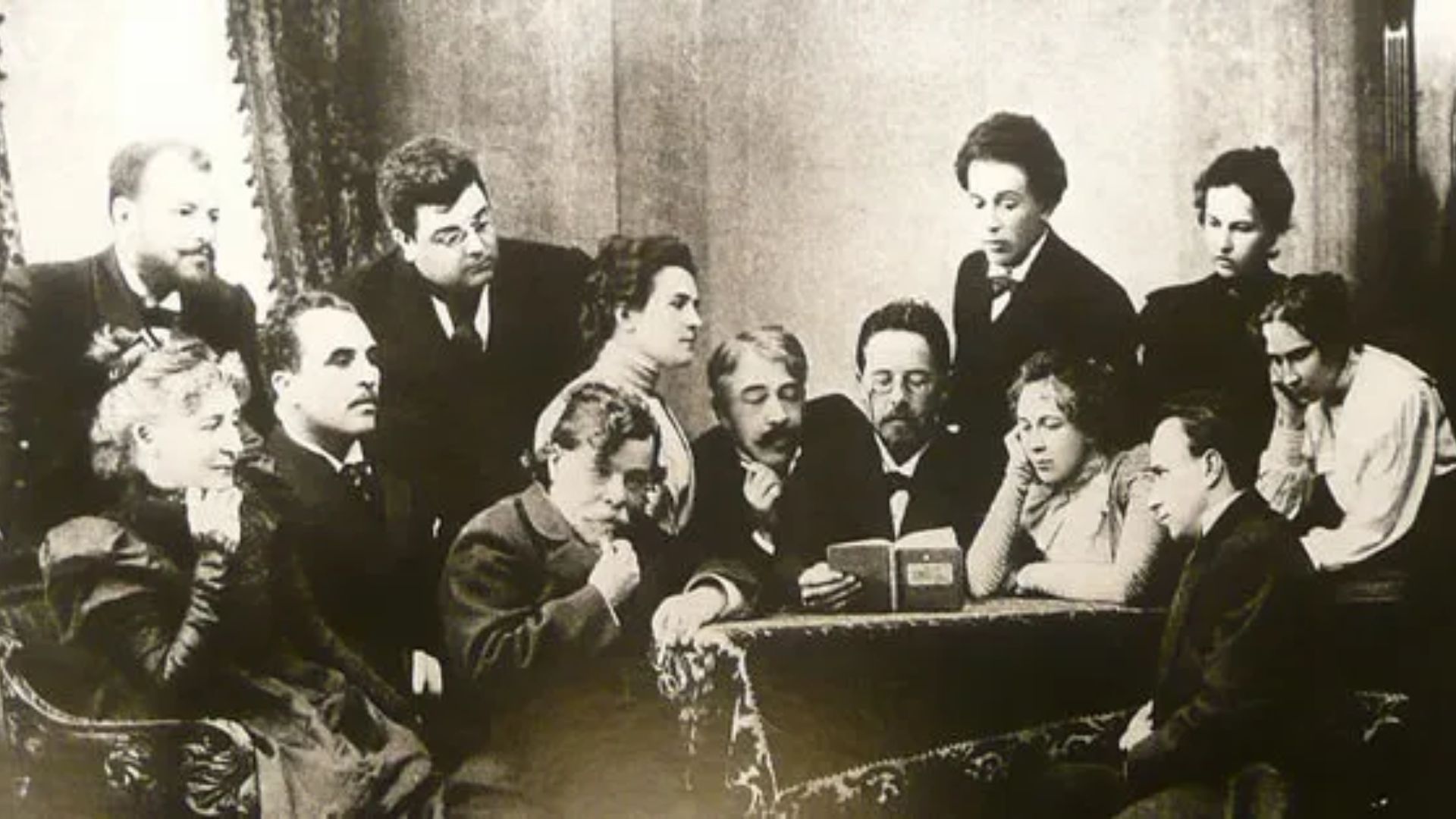
When Stanislavski developed this method through Chekhov’s Uncle Vanya and put on his own production of the same work, the result was transformative. This time, the play was a massive success. The author was still Chekhov, the play and the story were the same, but the acting had fundamentally changed. Despite this success, Stanislavski remained in awe of Chekhov throughout the process. The depth and realism in Chekhov’s work deeply moved him. Chekhov, however, didn’t share the exact same feelings. While he was pleased with the professional success, he was bothered by how Stanislavski dramatized his plays. Chekhov wanted his plays to have a calm, static tempo. For instance, the later play The Seagull was also by Chekhov, but Stanislavski’s touches—and his tendency to lean toward tragedy—created an unpleasant situation for Chekhov.
Stanislavski brought success to his plays and certainly helped build Chekhov’s reputation, but their artistic philosophies simply didn’t align. Nevertheless, the pair eventually managed to find a balance, creating one of the most successful collaborations in theater history.
Natural Acting
Stanislavski was incredibly passionate about a play and a role flowing naturally. His entire perception was tuned to this. We’d love to share an amazing example with you:
An actor in a play directed by Stanislavski used to bring his dog to rehearsals every day. The dog would lie there while everyone acted and Stanislavski directed. While the dog would lie quietly throughout the performance, at a certain point—before the set was even broken down and the play ended—the dog would get up, take its leash in its mouth, and wait for its owner. When Stanislavski noticed this, he looked for the reason. The dog was packing up before he had even called a wrap, and even before the play had technically finished. The actors hadn’t finished their scenes yet, either. That’s when Stanislavski realized a truth that troubled him: The dog could sense when the rehearsal was over because it understood that it was all just a performance. It saw that the conversations and movements weren’t natural. If the flow had been natural enough, the dog wouldn’t have sensed the end; it might have even been caught up in the emotion of what was happening on stage. Upon this, he said those famous words: “The difference between the real and the fake is as sharp as Pavlov’s bell, and I am chasing that reality.” That is how committed Stanislavski was to naturalism. He was a seeker who learned lessons, searched for causes, and questioned everything—even the movements of a dog.
Undoubtedly, modern theater and many of the realistic performances we see today were made possible by systems built upon the method he developed. Since his passing, his system has lived on, carried forward by those who follow in his footsteps and those who seek to make his work even more perfect.
References and Further Reading
Hingley, R. F. (1998, July 20). Anton Chekhov | Biography, plays, short stories, & Facts. Encyclopedia Britannica. https://www.britannica.com/biography/Anton-Chekhov
Moore, S. (2024, November 8). Konstantin Stanislavsky | Biography, Method, & Facts. Encyclopedia Britannica. https://www.britannica.com/biography/Konstantin-Stanislavsky
The Editors of Encyclopaedia Britannica. (1998, July 20). Stanislavsky system | Acting Technique, Method Acting & Character Development. Encyclopedia Britannica. https://www.britannica.com/art/Stanislavsky-system
Originally published in Turkish at Doğa Filozofu.