

As we all know, Turkish literature is divided into specific eras—a framework we were all introduced to back in high school. When we look back at these periods, it’s clear that they still shape the novels we read today. This influence is particularly visible when we talk about folk literature; it is the bedrock of our traditions.
What Does Turkish Folk Literature Tell Us?
It wouldn’t be a stretch to say that Turkish Folk Literature is a tradition that mirrors the traditional culture, values, beliefs, and way of life of the Turkish people. Compared to other literary periods, folk literature—as the name implies—reflects a much more grounded and authentic reality.
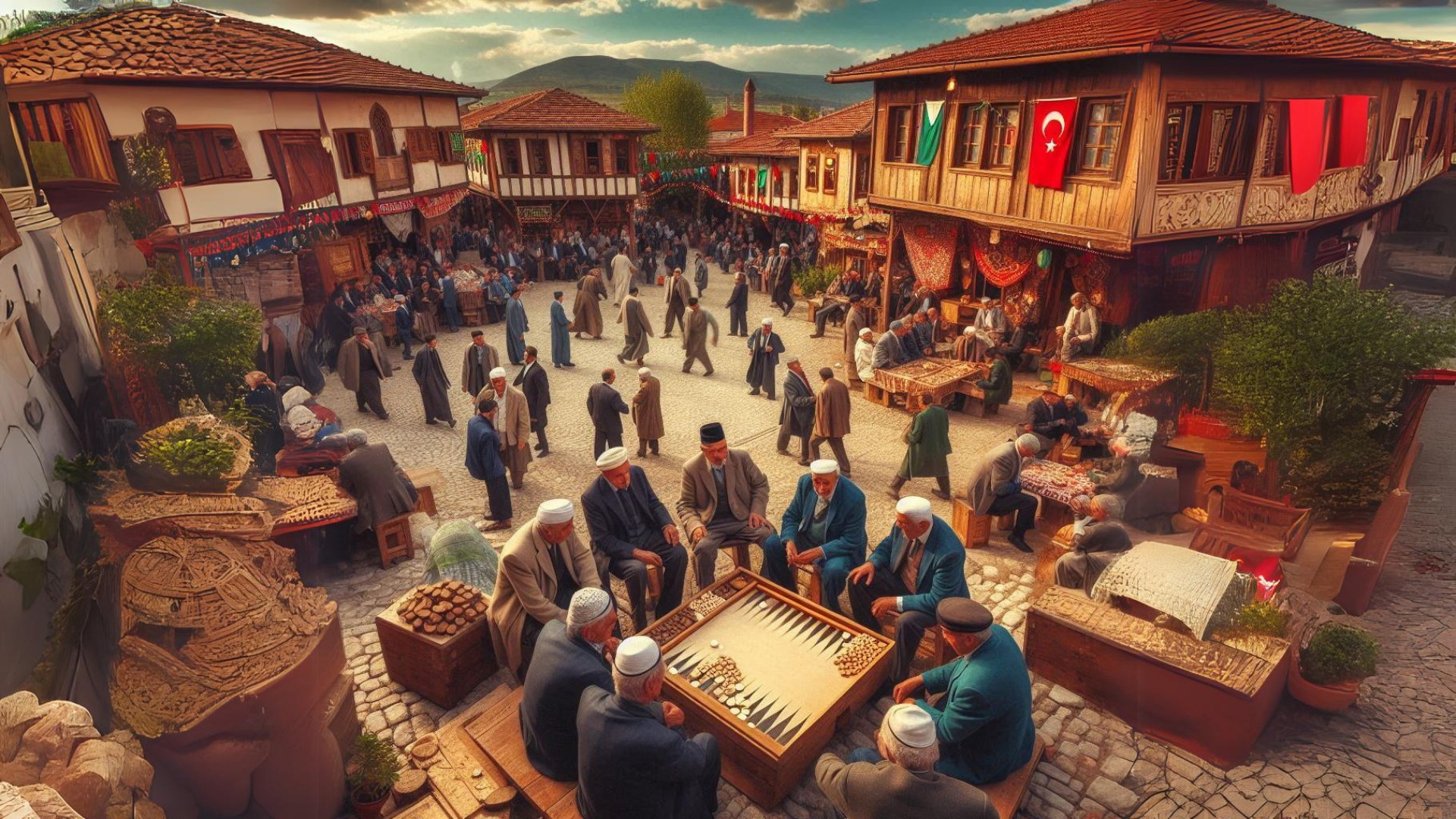
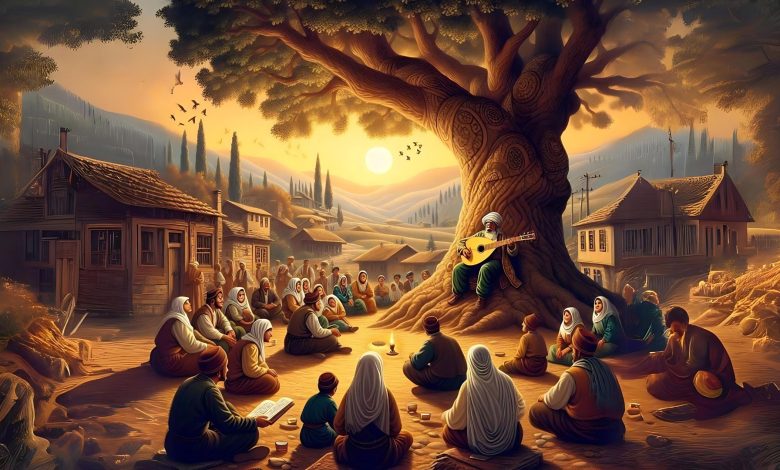
At its core, folk literature is built on an oral tradition, consisting of works created by anonymous folk poets or bards (ozans). Because the Turkic peoples spread across such a vast geography, folk literature evolved differently within each community. Those who settled in Anatolia developed one tradition, while those who moved toward Africa and Asia cultivated entirely different ones. Ultimately, these bards were reflecting their own lives, landscapes, romances, and religious beliefs. Even so, common themes, motifs, and literary techniques hold this tradition together. In other words, even if bards from two different regions were describing different worlds, the themes they gravitated toward—love, faith, and the nature surrounding them—remained strikingly similar.
Characteristics of Folk Literature
If you’ll allow me, I’d like to break down these characteristics under their own headings:
1. Oral Tradition: Turkish Folk Literature is built on the spoken word. Poems and stories were passed down from generation to generation, eventually reaching us today. Of course, folk literature eventually adopted a written form, but its origins are rooted entirely in the oral tradition.
2. Intertwined with Music: Folk literature is almost always inseparable from music. Poems are usually recited or sung to a specific melody, and they are deeply connected to Turkish folk music and dance. The fact that this tradition began long before the Ottoman era played a significant role in this.
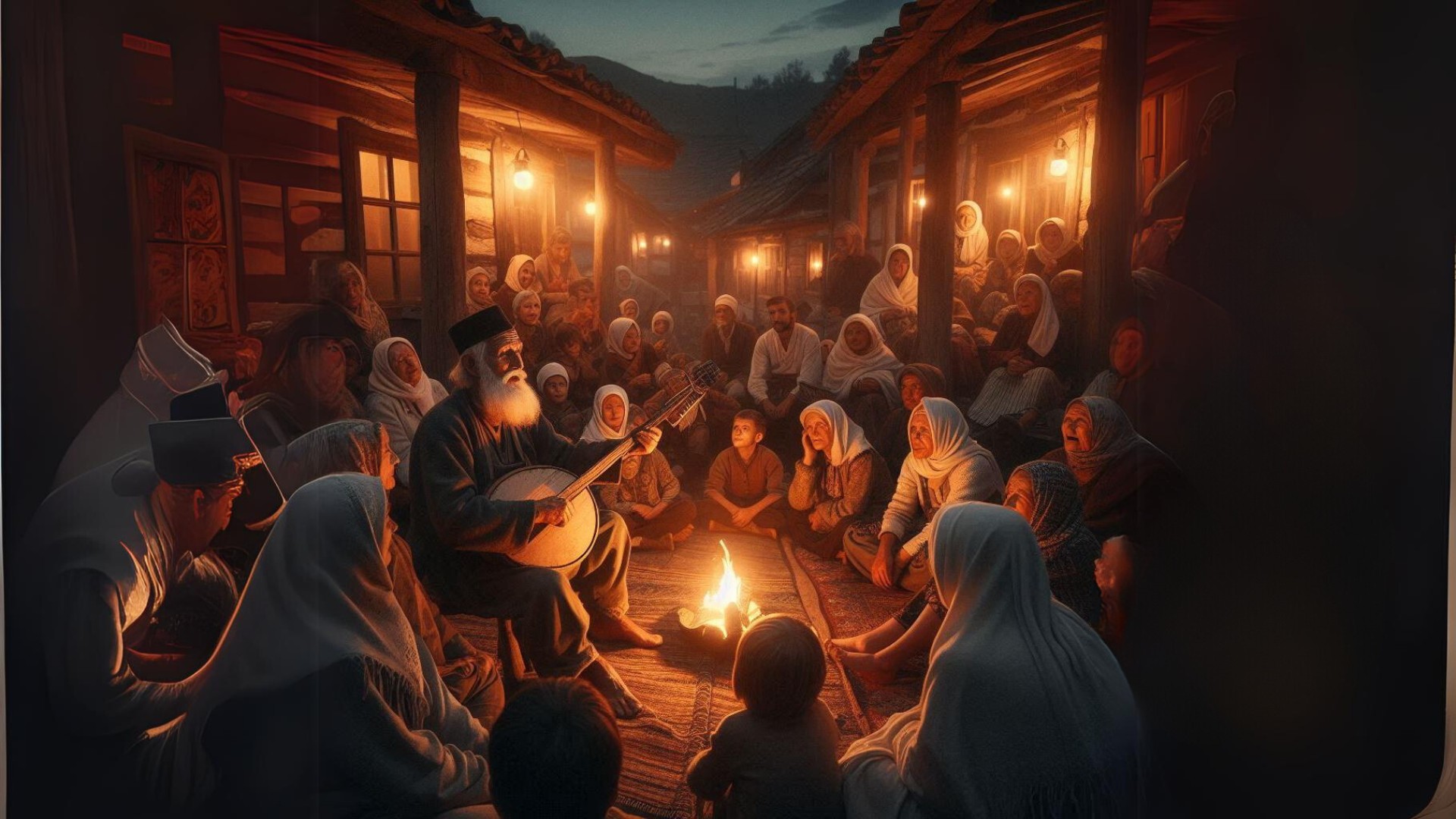
For instance, you’ve likely heard of the *kopuz*. Many poems and literary works were performed to the accompaniment of this stringed instrument. Since the oral tradition is its heart, it’s only natural that music would be its soul.
3. Integration with Nature and Society: Works of Turkish Folk Literature are tightly woven into the fabric of nature and society. Topics like landscapes, animals, agriculture, and nomadic life appear constantly.
We certainly shouldn’t forget about love, either. While it may not have been as emotionally stylized as it was during the Divan literature period, folk literature never turned a blind eye to these fundamental human experiences.
4. Humor and Irony: Humor and irony are staples of Turkish Folk Literature. There is a deeply satirical stance taken against the hardships and contradictions of life. When you look at it this way, the humor hidden beneath many seemingly serious poems becomes clear.
Common Themes in Folk Literature
Again, if you’ll bear with me, I’d like to explore these themes individually.
1. Love and Passion: Themes of love and passion are incredibly common. Poets and bards crafted works detailing the beauty of the beloved, the pain of separation, longing, and intense desire. Karacaoğlan and Âşık Veysel are the perfect examples here.
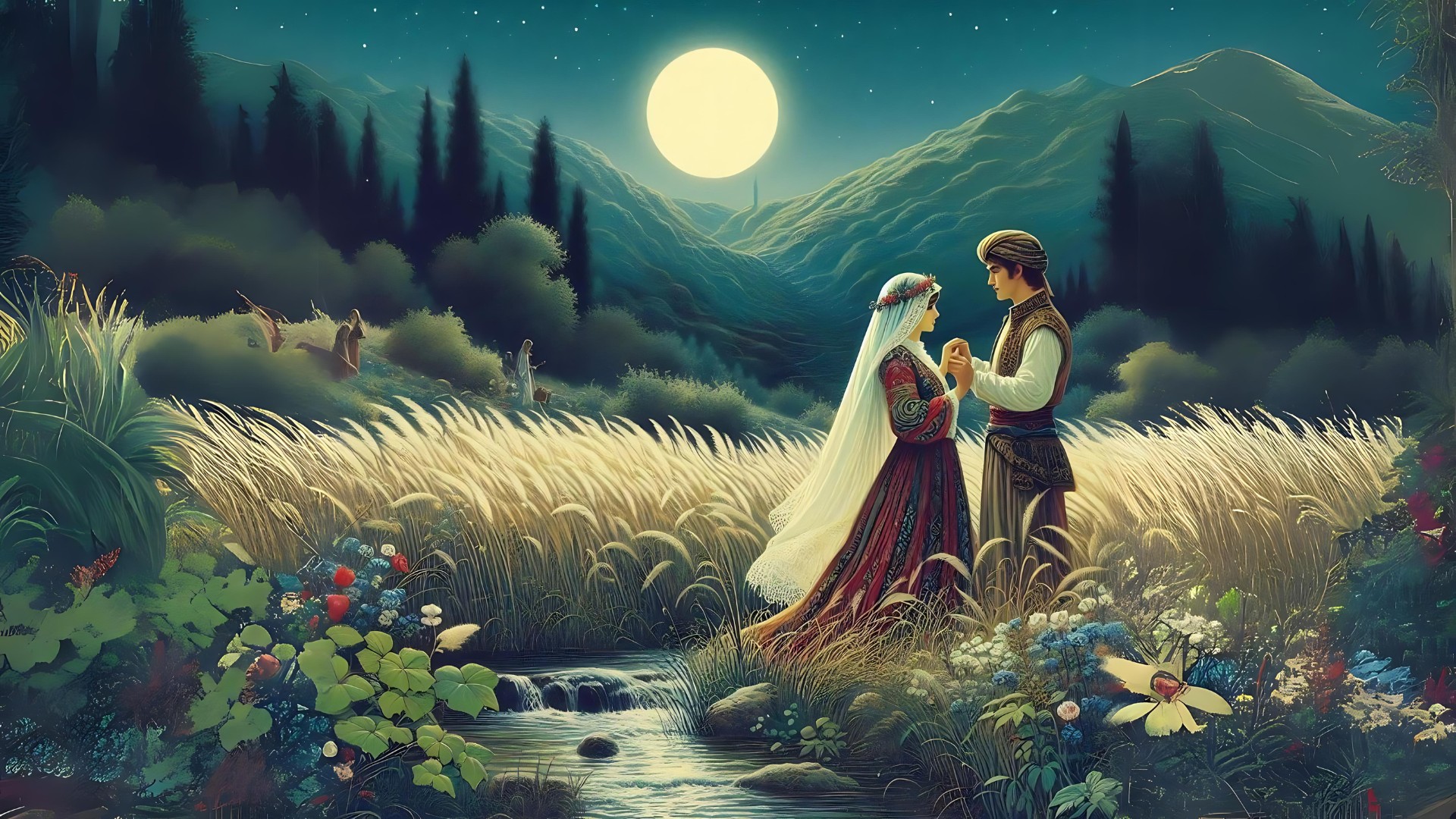
2. Nature and Environment: Nature is a recurring theme. Poets and bards glorified the beauty and power of the world by describing mountains, plains, rivers, and other natural elements.
3. Heroism and Valor: Heroism and bravery are frequently explored through epics and tales. Heroes were—and still are—celebrated for the courage and determination they displayed while facing their enemies.
4. Social Justice and Rebellion: Some works of folk literature critique social injustice and inequality, actively encouraging rebellion for the sake of social change. Taking a stand against slavery, cruelty, and oppression is a vital component of this tradition.
The Titans of Folk Literature
When we talk about folk literature, certain names immediately come to mind—names that everyone from the young to the old recognizes instantly. Here are a few of them:
- Köroğlu: One of the most famous heroes of Turkish folk literature, he was known for his struggle against oppression and his legendary valor.
- Dede Korkut: The Dede Korkut Tales are a cornerstone of our literature. They recount the legendary stories of the Oghuz Turks, reflecting the values, virtues, and lifestyle of the society.
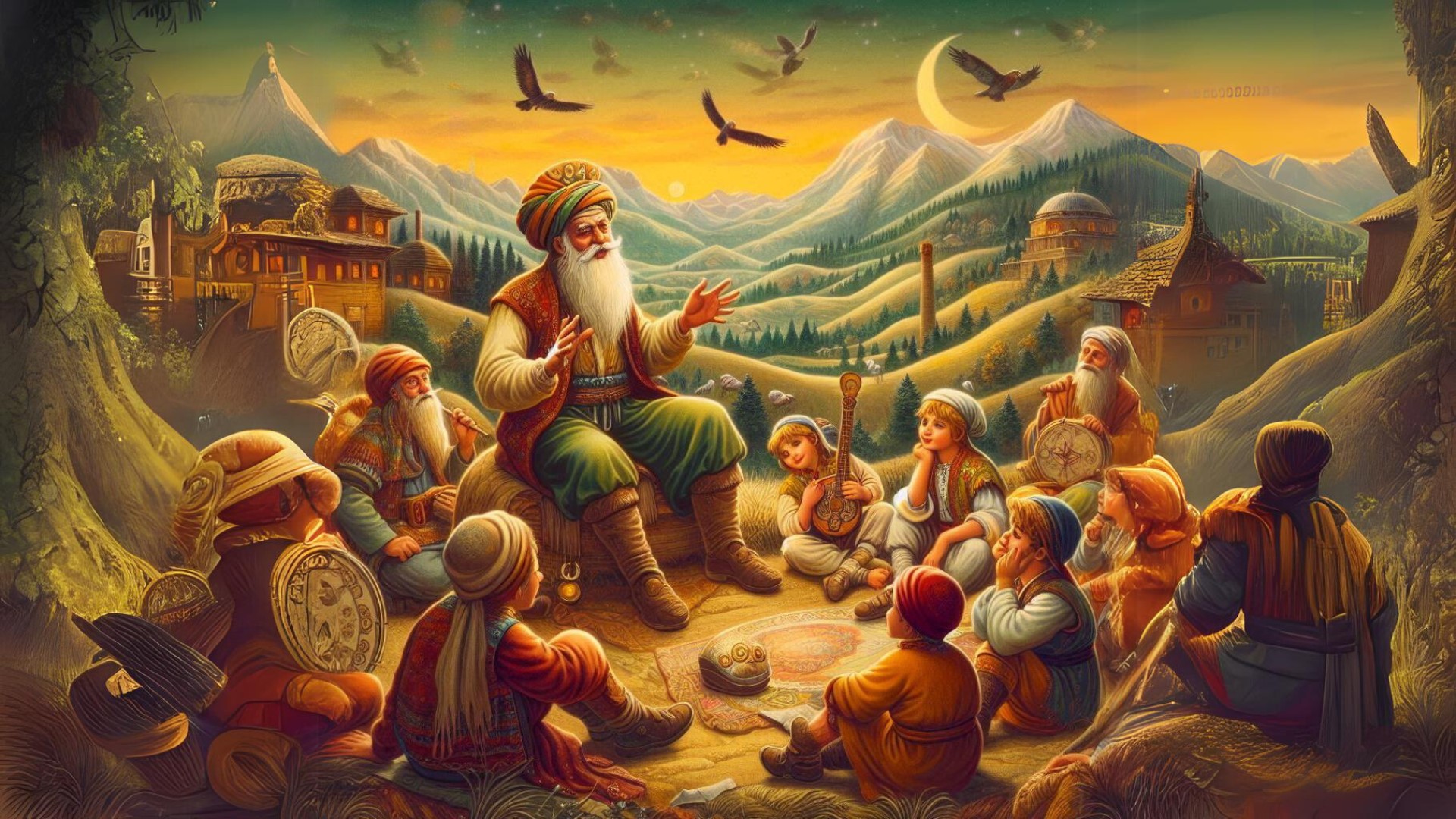
- Karacaoğlan: A vital name in Turkish folk poetry, renowned for his verses on love, nature, and freedom. He remains one of the most significant figures in our folk music tradition.
- Âşık Veysel: A major folk bard of the 20th century, celebrated for his poetry about village life, nature, and human relationships. By reinterpreting the epics like those of Köroğlu, he kept the tradition alive for modern times, proving that folk literature is a living, breathing entity.
- Nasreddin Hoca: The most iconic humorist in Turkish culture, he is etched into our memories through his sharp wit and humorous anecdotes. He sits at the heart of countless jokes and stories told among the people.
In short, Folk Literature emerged as something deeply sincere, natural, and refreshingly unconstrained. It would later be followed by Divan Literature, a period we might describe as far more rule-bound and restrictive. For a deeper dive into that era, you can check out our article, “Divan Literature: The Art of the Palace.”
References and Further Reading
Halk edebiyatı. (n.d.). https://aregem.ktb.gov.tr/TR-12768/halk-edebiyati.html
HALK EDEBİYATI – TDV İslâm Ansiklopedisi. (n.d.). TDV İslâm Ansiklopedisi. https://islamansiklopedisi.org.tr/halk-edebiyati
Öğretmeni, E., & Öğretmeni, E. (2024, March 10). Türk Halk Edebiyatı ve Özellikleri – Türk Dili ve Edebiyatı. Türk Dili Ve Edebiyatı. https://www.turkedebiyati.org/halk-edebiyati/
Originally published in Turkish at Doğa Filozofu.