



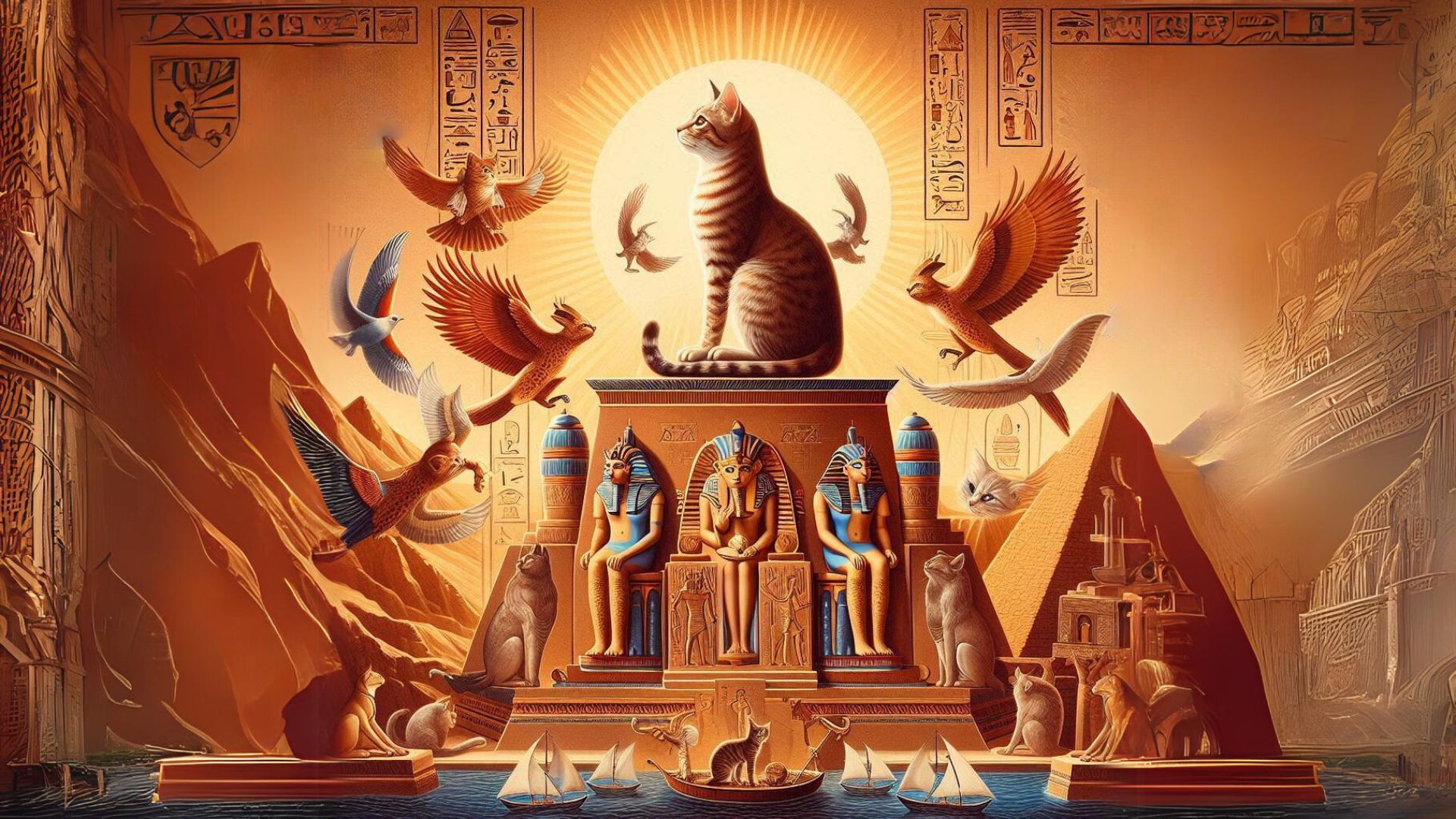
Cats—those small, fascinating creatures that have sparked wonder, provided companionship, and earned the admiration of countless civilizations throughout history. The reverence Ancient Egyptians held for cats, viewing them as protectors and healers, is truly captivating. For instance, harming a cat in Ancient Egypt was a capital offense. You can find traces of this deep respect in China, Japan, India, Iran, and Rome as well. On the flip side, during the Middle Ages, cats were often viewed as demonic entities. It seems our modern-day feline companions have been through quite the journey to get where they are today, haven’t they? They have been both worshipped as gods and feared as devils. So, let’s dive in and take a closer look at the characteristics of the Felis genus.
The Evolutionary Path of Felis
Felis is a genus of small cats that includes our familiar house cat (Felis catus). Unlike their larger cousins, these small cats generally purr rather than roar. While it is commonly believed that they were first domesticated 10,000 years ago in Ancient Egypt, research cited in an article by Joshua J. Mark, Content Director and co-founder of the World History Encyclopedia, suggests there is evidence they may have actually been domesticated in Mesopotamia. Felis cats have been roaming the Earth for 9 million years.
Where They Call Home
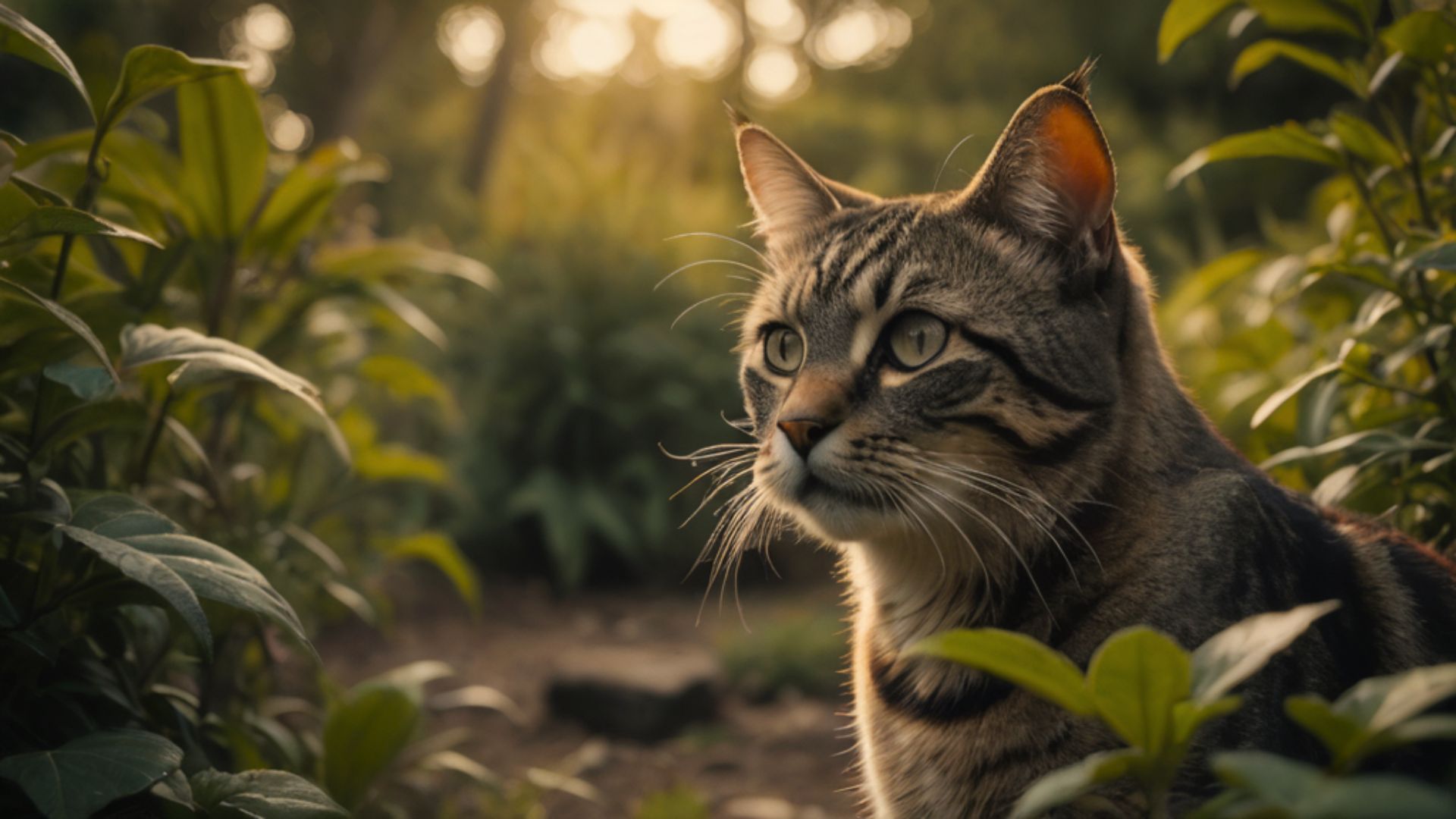
Felis cats hold the title for the most widespread geographic distribution of any predatory mammal. These small hunters can be found in habitats ranging from the scorching savannas of Africa and the forests of Asia to the rural landscapes of Europe and the mountainous regions of North America. This incredible variety in their living spaces is a testament to their remarkable adaptability. They are well-known for their ability to hunt and thrive in diverse environments, including forests, scrublands, steppes, and even urban areas.
Family Structure and Lifestyle
Our feline friends generally prefer a solitary life. Most are known as lone hunters and, unlike big cats, they do not form social groups. While mother cats raise their kittens with intense dedication, males typically live alone across a larger territory. Kittens grow under the watchful eye of their mother, learning the art of the hunt. By about 6–8 weeks old, they begin eating solid food, and between 6–12 months, they leave their mother to establish their own territories. This independent lifestyle is exactly what helps Felis cats hone their survival skills.
Conflicts
Among these beautiful cats, conflicts usually arise over territorial defense. A Felis cat will mark a specific area and defend it against intruders. Territorial disputes are rarely settled with physical brawls; instead, they are usually resolved through posturing and threats. However, when resources are scarce, these confrontations can escalate into serious injury.
The Power of the Cat
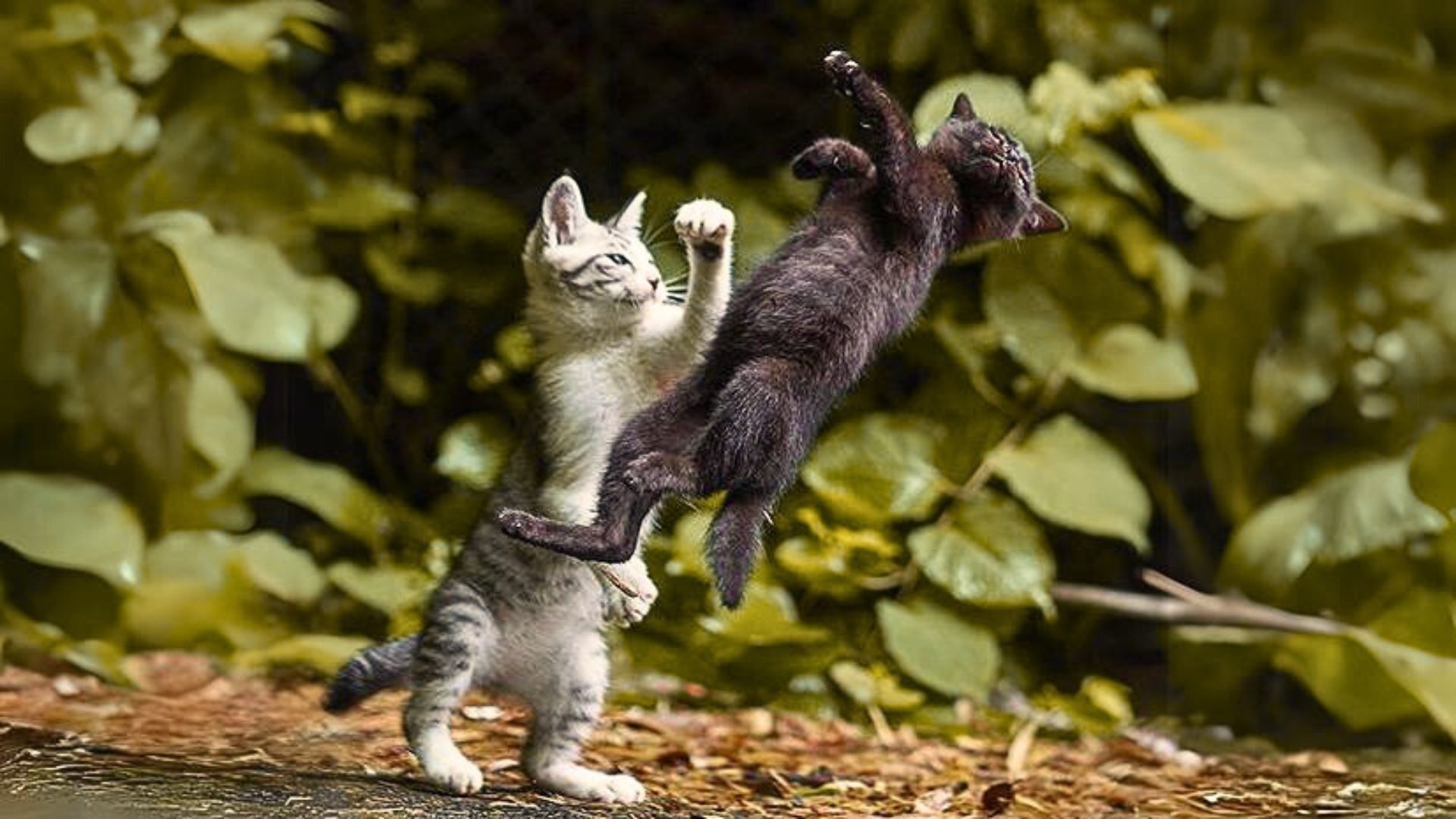
Felis cats may be small, but they possess impressive hunting prowess. They are as agile as they are compact. Their strength lies in their agility, speed, and razor-sharp senses. Their eyes are perfectly evolved for night vision, which makes them masterful nocturnal hunters. With sharp claws and powerful jaws, they can subdue their prey quickly and effectively. Furthermore, their ability to move silently allows them to approach prey completely undetected. These traits make the Felis genus one of nature’s most effective predators.
The Present Day
Today, Felis cats are still found all over the world, and most are beloved as household pets. In addition to domestic cats, several species within the Felis genus continue to live in the wild. However, factors like habitat loss, human activity, and climate change have put some of these species at risk.
Felis cats have a historical and biological legacy that shows they are more than just elegant predators—they are vital players in the balance of nature. These small cats are perfect examples of nature’s resilience and capacity for adaptation.

Alf, our team’s sweet feline companion, is a member of this wonderful Felis family. He is a dear friend whom we adore beyond measure. Cats have been gracing our world for thousands of years, and we are so lucky to have them. They know how to both give and receive love in their own unique way. Let’s make sure we show our own little friends plenty of love in return.
This article is dedicated to the beloved companion of our dear friend and writer, Loki.
References and Further Reading
Driscoll, C. A., Macdonald, D. W., & O’Brien, S. J. (2009). From wild animals to domestic pets, an evolutionary view of domestication. Proceedings of the National Academy of Sciences, 106(Supplement 1), 9971-9978.
Kitchener, A. C., Van Valkenburgh, B., & Yamaguchi, N. (2010). Felid Form and Function. In Macdonald, D. W., & Loveridge, A. J. (Eds.), Biology and Conservation of Wild Felids (pp. 83-106). Oxford University Press.
Mark, J. J., & Yamamura, K. (2022). The History of Cats – From the Past to the Present. World History Encyclopedia. https://www.worldhistory.org/trans/tr/2-466/kedilerin-tarihi—gecmisten-gunumuze-kediler/
Nowell, K., & Jackson, P. (1996). Wild Cats: Status Survey and Conservation Action Plan. IUCN/SSC Cat Specialist Group.
Sunquist, M., & Sunquist, F. (2002). Wild Cats of the World. University of Chicago Press.
Originally published in Turkish at Doğa Filozofu.