

Welcome to the first installment of our series on the history of ideologies. Our goal here is to introduce you to the ideas that have left their mark—for better or worse—on world history. Please note that throughout this series, and indeed in everything we publish here at Doğa Filozofu (Nature Philosopher), we offer no personal praise or condemnation. Our aim is simply to present the facts to you as neutrally as possible.
With that in mind, our first subject is Fascism—one of the first two ideologies that likely spring to mind when we talk about politics. The other, of course, is Socialism, which we’ll tackle in a future piece.
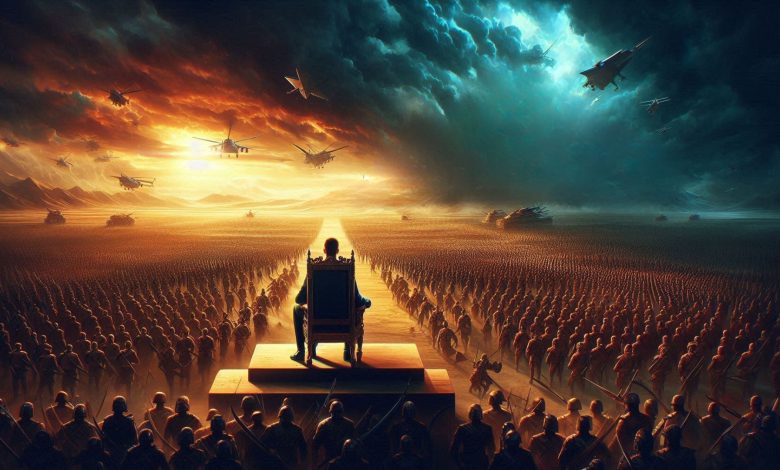
While Fascism existed in parallel with certain ideologies long before it became a formal movement, we can pinpoint the early 20th century as the era when it truly earned its name. Fascism is built upon a foundation of authoritarian government, intense nationalism, and militarism, all while strictly rejecting communism. In this system, the power and authority of the nation are emphasized far above the rights and freedoms of the individual. It is precisely for these reasons that countries dominated by fascism are almost always led by a “dictator.”
The Emergence of Fascism
If you’re wondering, “Okay, but if it didn’t form for thousands of years, why did Fascism pop up in the 20th century?”—that’s a great question. In truth, elements of fascism have existed in various forms for millennia. Many countries governed by dictators and driven by extreme nationalism certainly displayed traces of this ideology, but many of the core values that define modern fascism were absent back then. We’ll dive into those specific values in the “What Makes Fascism, Fascism?” section.
Now, let’s look at how it came to be…
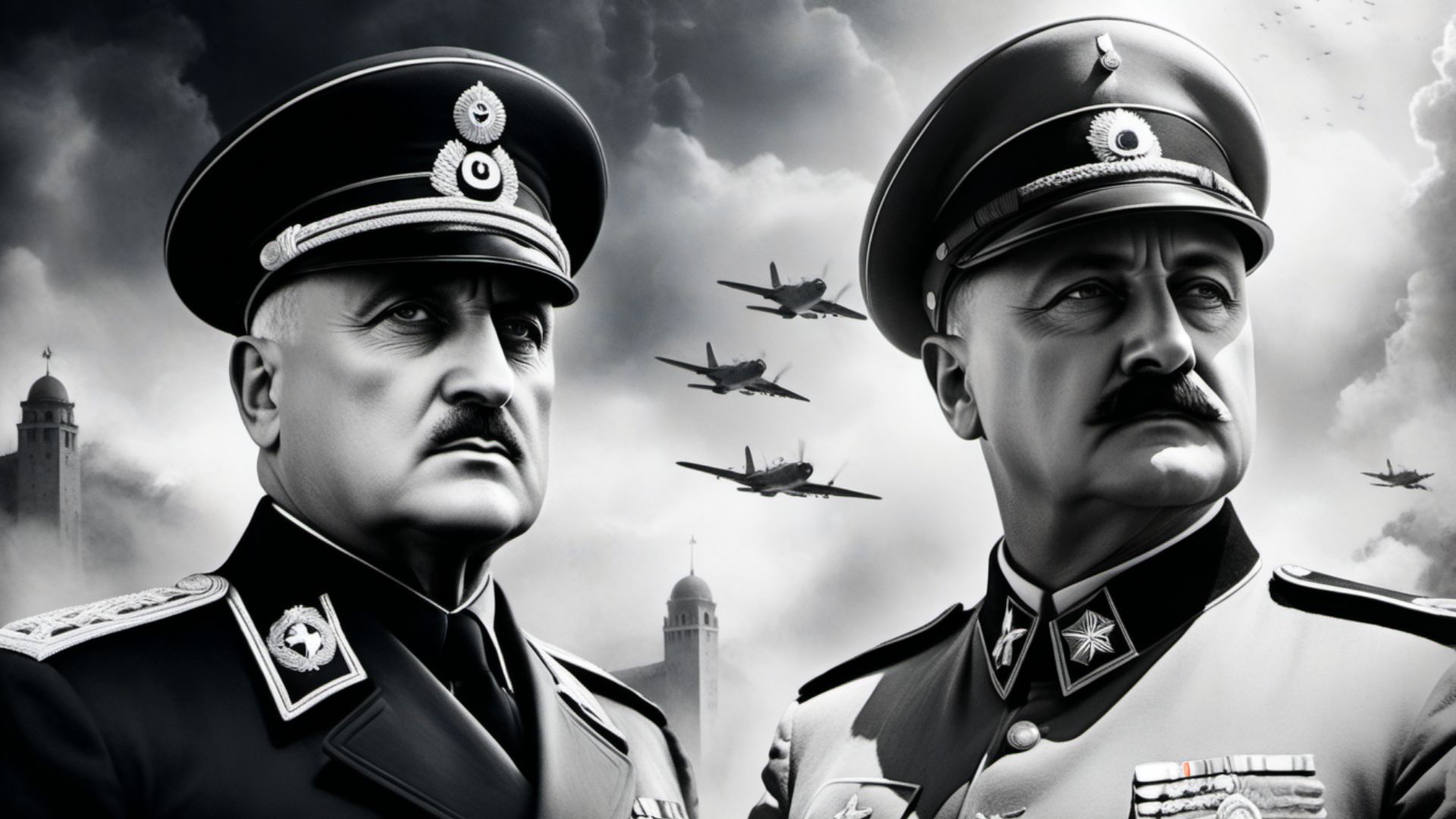
Fascism gained traction in the aftermath of World War I, particularly in Italy and Germany, amid the economic and social chaos of the post-war period. Rising under the leadership of Benito Mussolini in Italy and Adolf Hitler in Germany, the movement gained speed through the manipulative talents of these two figures. The public, who might have rejected such radical ideas under different circumstances, quickly embraced them. While we often associate Fascism directly with Hitler, he was essentially following the lead of his political ally, Mussolini, as the first major example of fascism began with him.
The Rise of Fascism: Mussolini and Hitler
The first and most well-known example of fascism emerged when Benito Mussolini came to power in Italy in 1922. Mussolini’s “Fascisti” movement seized power by weaponizing the disappointment, unemployment, and chaos prevalent in Italian society. By establishing a totalitarian regime in Italy, Fascism crushed the opposition, banned labor unions, and brought economic life under state control. Mussolini exploited the “injustice” Italy felt it had suffered during WWI to turn the Italian public against England and France. As we might remember from our high school history, Italy hadn’t gained the colonial territories it wanted in Africa, and the Allied powers, who had planned to carve up the map among themselves, failed to keep their promises to Italy, giving its intended share to Greece instead. For these reasons, the movement in Italy took off, fueled specifically by Mussolini’s exploitation of these grievances.
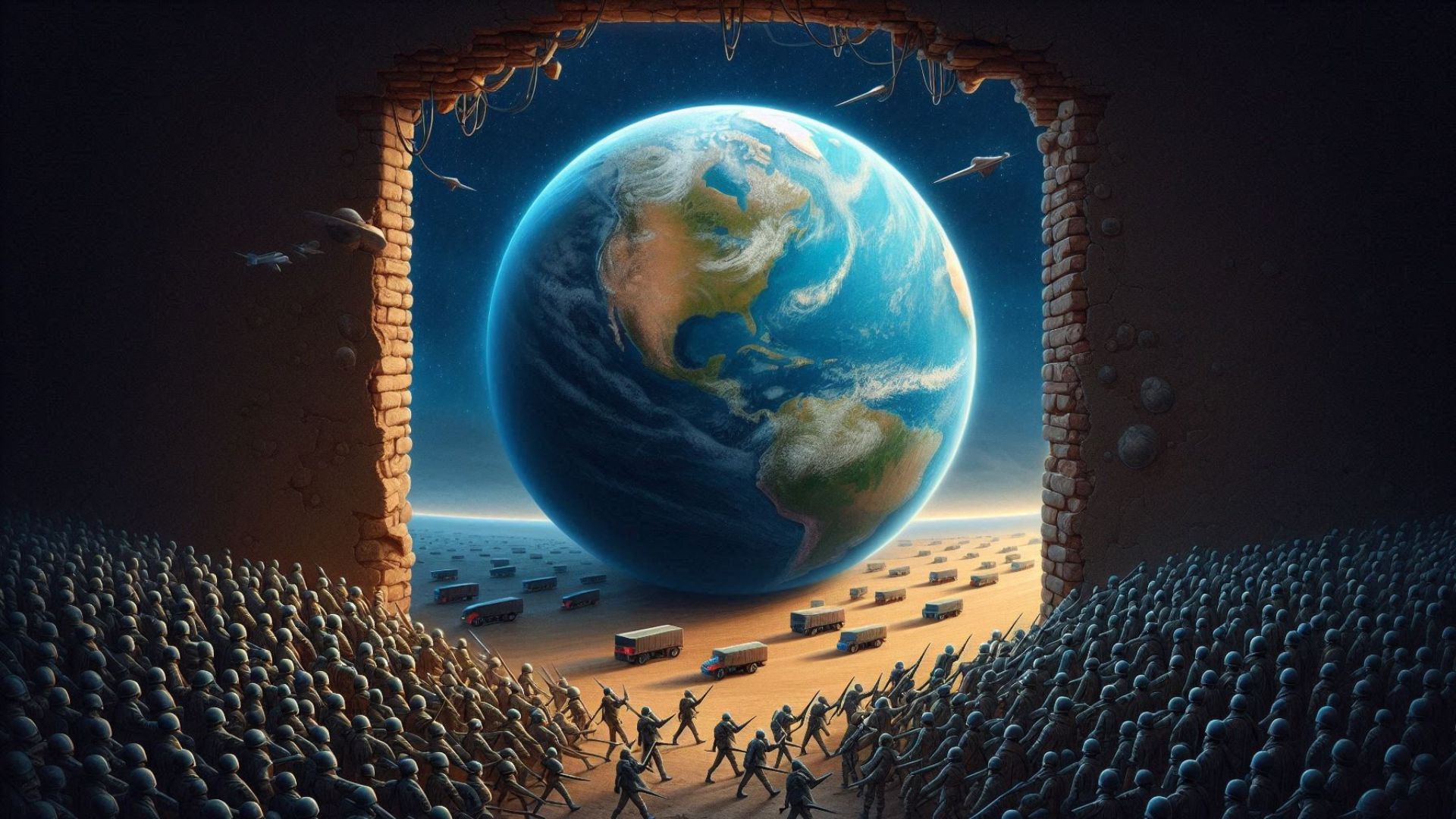
Germany would follow the same path about a decade later under Hitler. The Nazi movement came to power in Germany in 1933. Hitler’s Nazi Party implemented genocidal policies against Jews, Romani people, Slavs, and other minorities based on its racist ideology. The tactics he used were no different from Mussolini’s. Having emerged from WWI defeated and shackled by the Treaty of Versailles, Germany faced crushing economic sanctions and was forced to dismantle its military. Hitler argued that this state of affairs was beneath the dignity of the German people and that the foreigners living within their borders were to blame for the defeat. He built his entire policy on values like the power of the German nation and the Aryan race. And just like that, both the German and Italian peoples embraced the movement in a short time. But what exactly makes a nation—or a person—”fascist”?
What Makes Fascism, Fascism?
Let’s break down the answer to this question into six core points:
- Extreme Nationalism: Fascist regimes exalt national identity to an extreme degree, fostering a hostile attitude toward other nations and ethnic groups.
- Authoritarianism: Fascism advocates for the absolute control of a strong leader and rejects democratic processes.
- One-Party Rule: Fascist regimes typically establish the dominance of a single political party and suppress all opposition.
- Propaganda and Mass Manipulation: Fascist regimes use intensive propaganda to manipulate the masses and spread their ideology.
- Militarism: Fascist ideology glorifies military power and war, viewing militarism as the ultimate symbol of a nation’s greatness.
- Anti-Communism: Fascism views communism and socialism as existential threats and fights these ideologies with violence.
It wouldn’t be accurate to label a country “fascist” just because it exhibits one or two of these traits. For example, Turkey is a country where nationalism is considered a dominant force, but most of these other characteristics do not apply in the same way.
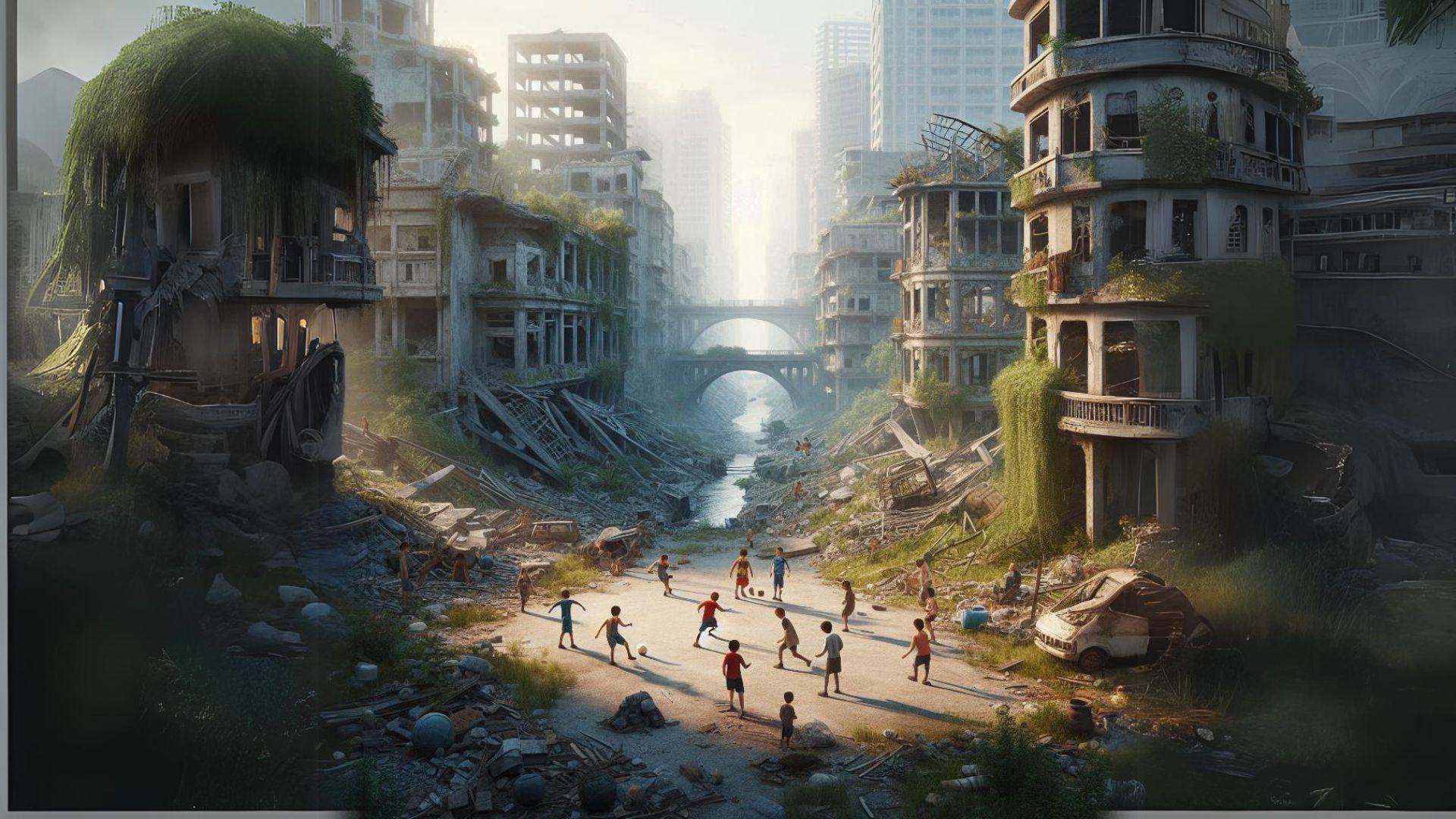
While it is not our place on this platform to offer a moral judgment on fascism, historically speaking, it was one of the primary catalysts for the start of World War II. The violence and genocidal policies enacted by fascist regimes led to the deaths of millions and caused unimaginable destruction. By the end of the war, these fascist leaders were either killed or brought to justice.
And what about Communism, which stood in opposition to Fascism? What is that? Well, we’d love to share the answer to that in detail in the next article of our series! Feel free to use the search bar on our site to find it in a little while.
References and Further Reading
Hibbert, C., & Foot, J. (2024, October 4). Benito Mussolini | Biography, Definition, Facts, rise, & Death. Encyclopedia Britannica. https://www.britannica.com/biography/Benito-Mussolini
Lukacs, J., Bullock, A., Bullock, B., & Knapp, W. F. (2024, October 9). Adolf Hitler | Biography, Rise to Power, History, & Facts. Encyclopedia Britannica. https://www.britannica.com/biography/Adolf-Hitler
Soucy, R. (2024, September 9). Fascism | Definition, Meaning, Characteristics, Examples, & History. Encyclopedia Britannica. https://www.britannica.com/topic/fascism
The Editors of Encyclopaedia Britannica. (n.d.). World War I | Causes & Effects | Britannica. Encyclopedia Britannica. https://www.britannica.com/summary/Causes-and-Effects-of-World-War-I
Originally published in Turkish at Doğa Filozofu.