

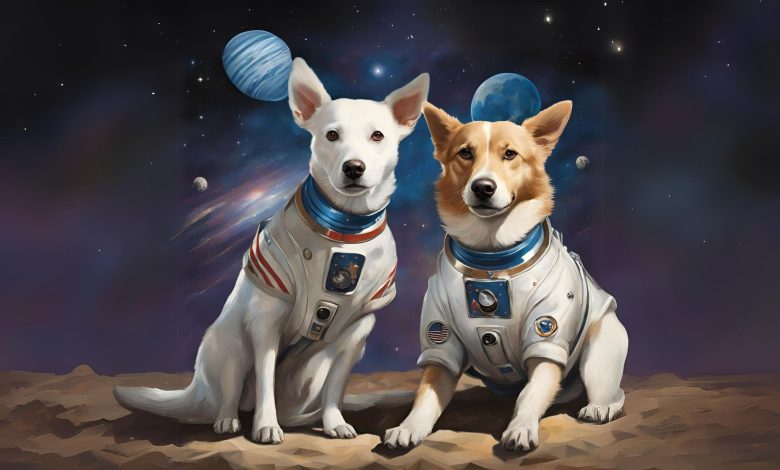
Following the fall of the Nazis in World War II, the Soviet Union and the United States locked themselves into a rivalry that touched nearly every corner of the globe. And it wasn’t just Earth—perhaps the most striking theater of this competition was space. Scientists from both nations were doing everything in their power to be the first to reach the stars.

We all know who eventually won this race: the United States, by sending Neil Armstrong and Buzz Aldrin to the Moon. But before that historic July 20, 1969, landing, it looked for a long time as though the Soviet Union would take the crown. After all, they were the ones who sent the first living creatures to return safely from orbit, and they launched the first human, Yuri Gagarin, into space—which is why the 1950s and 60s felt like such a different era than what we see today.
Today, we’re going to talk about Belka and Strelka, exactly 64 years after their own journey into the unknown.
Early Trials Before Belka and Strelka
The race to send animals into space began in 1947, when the U.S. launched fruit flies aboard a V-2 rocket. The goal was simple: to see how space affected living organisms. This research continued in 1948 and 1949 with the U.S. sending monkeys named Albert I and Albert II into the void. Sadly, both of these monkeys lost their lives during their missions.
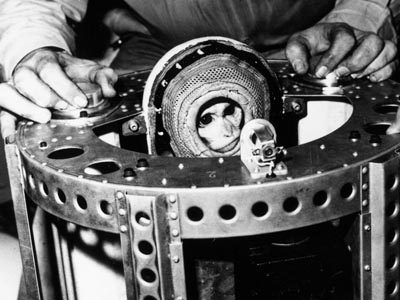
Image: NASA
Eight years later, in 1957, the Soviet Union—under heavy pressure from leader Nikita Khrushchev—pushed forward with their own efforts to send an animal into space and bring it back alive. Drawing on previous research, they launched the dog Laika aboard Sputnik 2 on November 3, 1957. Like the others before her, she did not survive her space adventure.
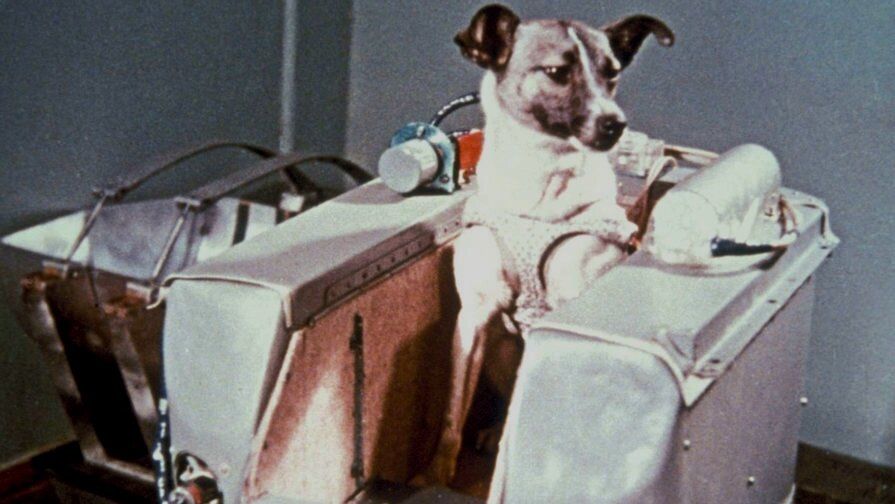
Following that, at least seven more dogs were sent into space by August 1960, but unfortunately, none returned to Earth alive. Yet, despite these tragic outcomes, Soviet scientists learned from their failures and found the new heroes who would eventually etch their names into the history of space travel in gold letters.
The Selection Process for Belka and Strelka
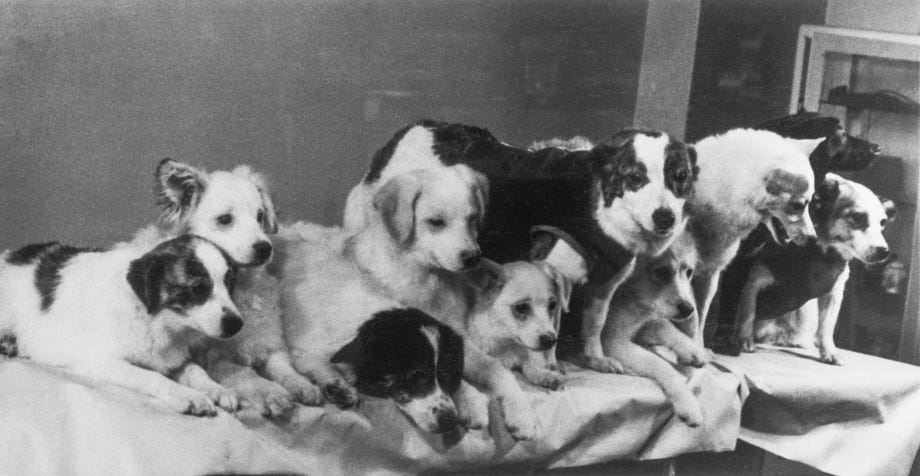
Determined to continue the program using dogs, the Soviets spent three years studying the lessons from Laika’s mission. They chose to work primarily with stray dogs, as they were already accustomed to harsher conditions than house pets. To prepare them for the space environment, the candidates were put through rigorous testing: exposure to high and low gravity, vibrations, and isolation, all to ensure they could handle the psychological strain of spaceflight.
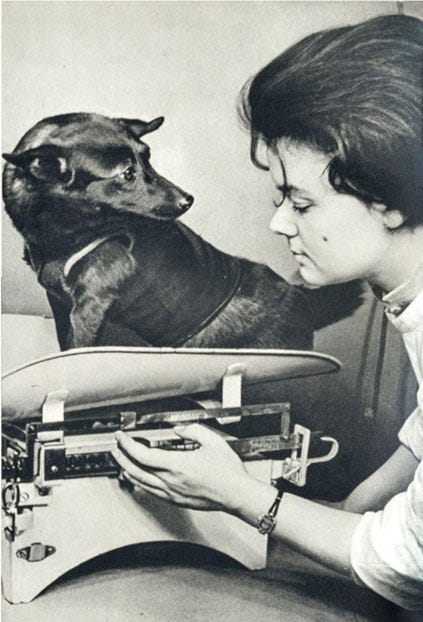
Based on their health, physical endurance, simulation results, and psychological temperament, the scientists finally settled on two dogs: Belka and Strelka.
Belka and Strelka
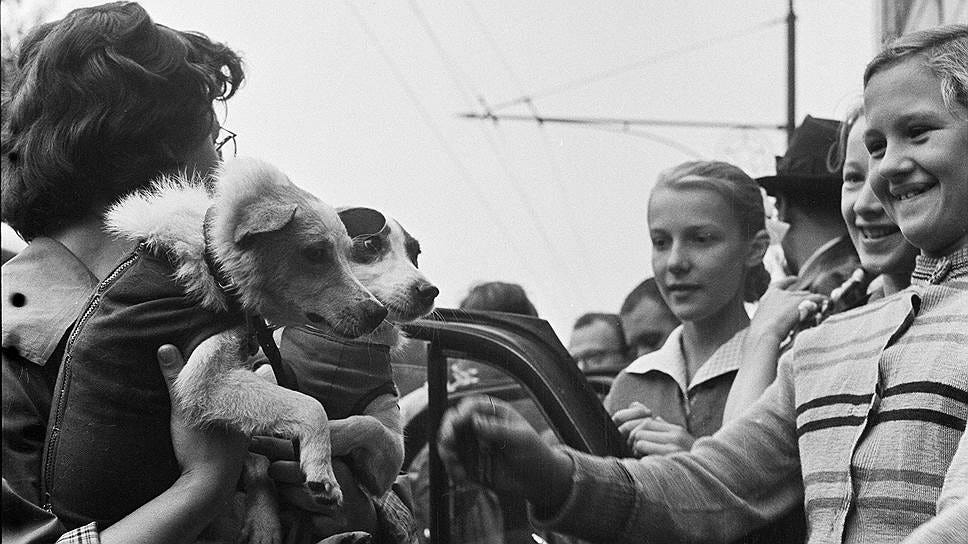
Our two heroes were plucked from the streets of Moscow. Like all the dogs selected for the program, they were small—chosen specifically for their endurance and their ability to fit comfortably within the spacecraft. Both were between two and three years old.
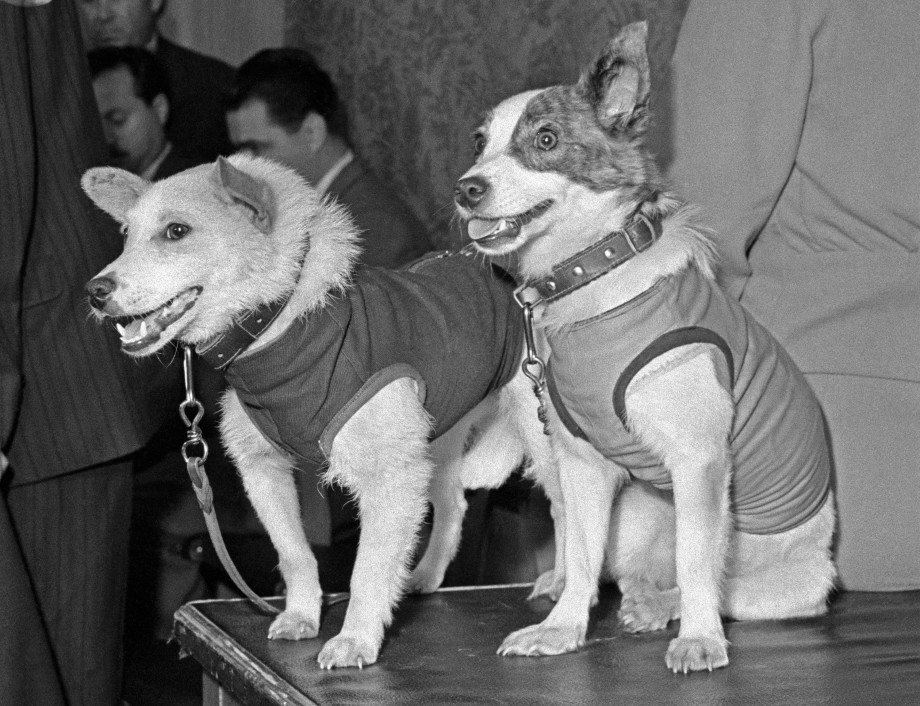
Photo: Sergey Preobrazhensky; Nikolay Sitnikov/TASS
Known as Kaplya and Wilna during their testing phase, they aced every simulation. Once chosen for the mission, the white dog was named Belka (Russian for “Squirrel“), while the other was named Strelka (meaning “Little Arrow“). These names were chosen to reflect their agile, energetic, and quick-witted natures. Belka was also designated as the team leader, as she was more active and communicative during the mission.
August 19, 1960
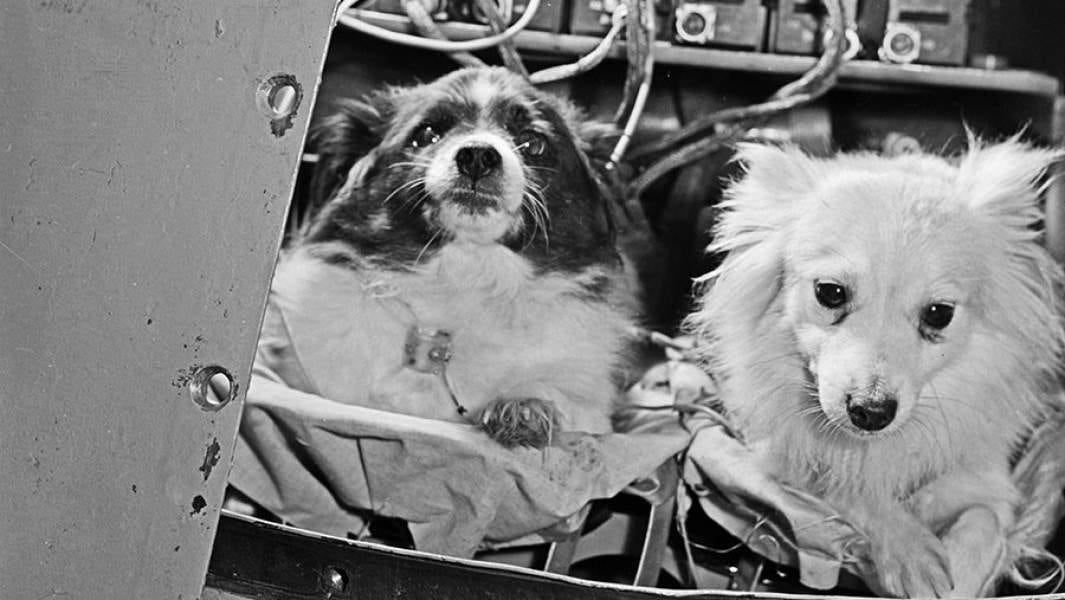
On this day, Belka and Strelka boarded the Korabl-Sputnik 2 (Sputnik 5) spacecraft. They completed 17 orbits around the Earth and, after a journey of nearly 25 hours, they both returned to the ground in perfect health. They were accompanied by several mice, rats, and microorganisms, as researchers wanted to see how various living things would be affected by the trip.
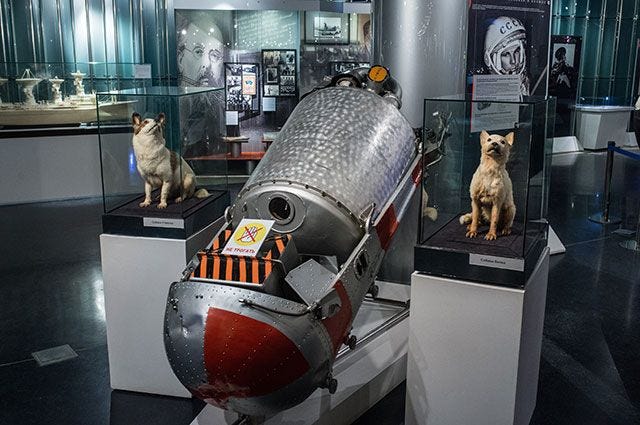
Memorial Museum of Cosmonautics/Moscow
V.S. Georgiyevsky, a young scientist and member of the recovery team, described the moment they landed:
“When the capsule opened, Belka and Strelka recognized me immediately and wanted to cuddle. They were doing well—even better than after some of their daily training sessions. Their little noses were wet, and their tongues were pink as they licked my hand. I was relieved, and later, I even let them run around on the steppe.”
Another major milestone of this mission was that it featured the first-ever television broadcast from space. The footage was aired on TV channels with only a short delay.
Ultimately, for the first time since those fruit flies in 1947, not one but two higher-level organisms had completed this adventure and survived. Beyond the scientific significance, the Soviet Union viewed this as a major political victory. In the years that followed, this achievement would become one of their most effective propaganda tools.
A Small Step for a Dog, a Giant Leap for Mankind
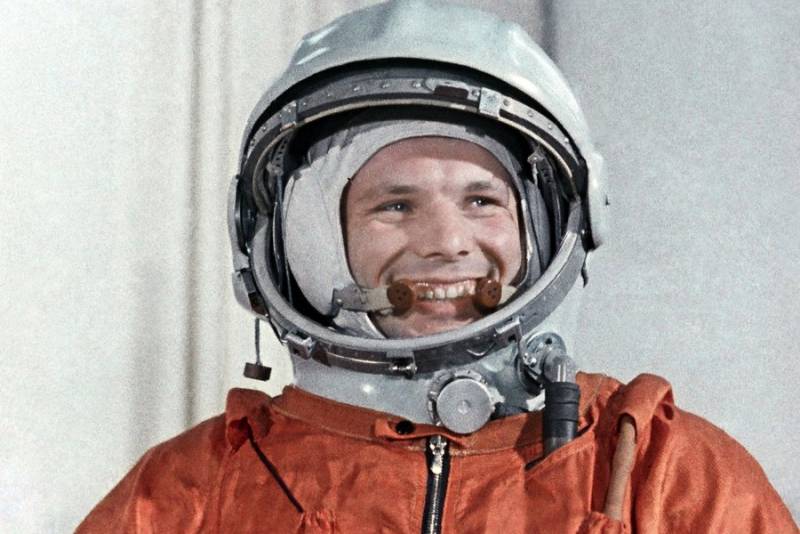
During her fourth orbit, Belka showed signs of distress and vomiting, which scientists attributed to stress, even though her vitals remained stable. While researchers were now confident that humans were ready for space, they decided to minimize the number of orbits for the first human mission due to Belka’s experience. Consequently, it was decided that Yuri Gagarin would complete only one orbit, rather than the 17 that Belka and Strelka had endured.
Life After Space
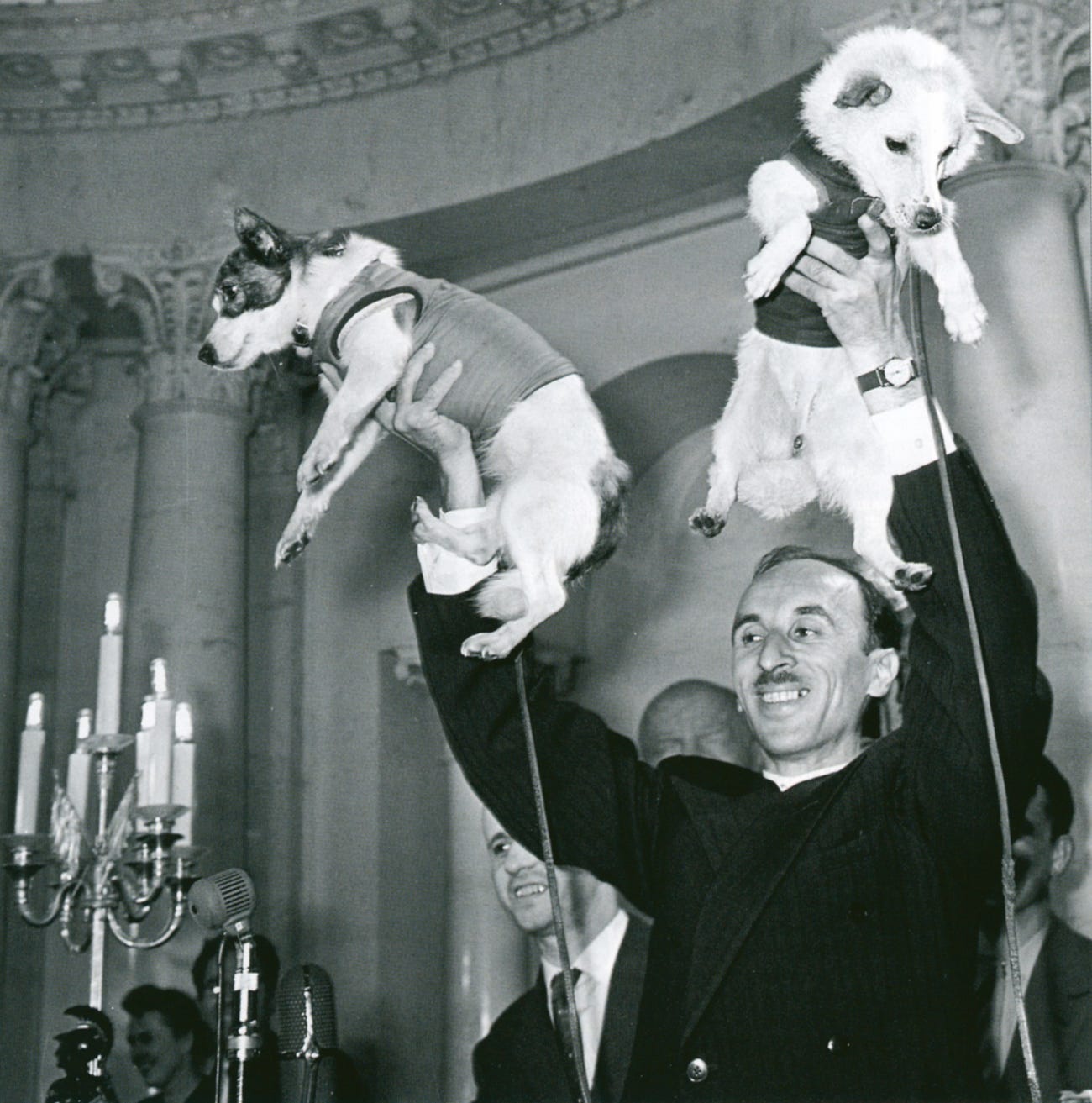
Both dogs lived long lives after their space adventure and eventually passed away from old age. Interestingly, after her return, Strelka gave birth to six puppies with a male dog named Pushok, who had been a candidate for space travel but never actually went.
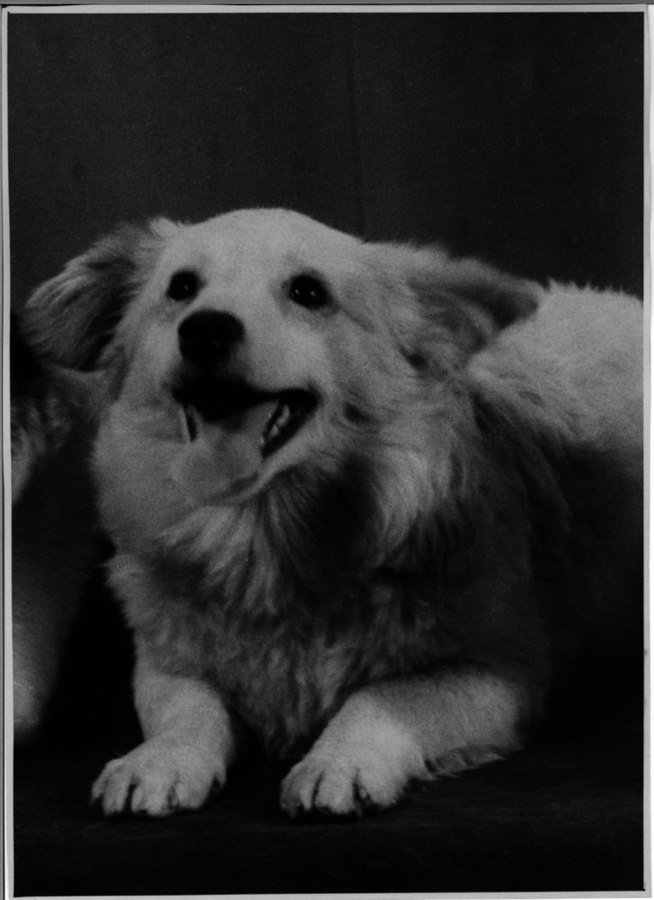
One of these puppies, Pushinka, was gifted by Soviet leader Nikita Khrushchev to U.S. President John F. Kennedy in 1961. Through Pushinka’s lineage, there are still descendants of Strelka alive today.
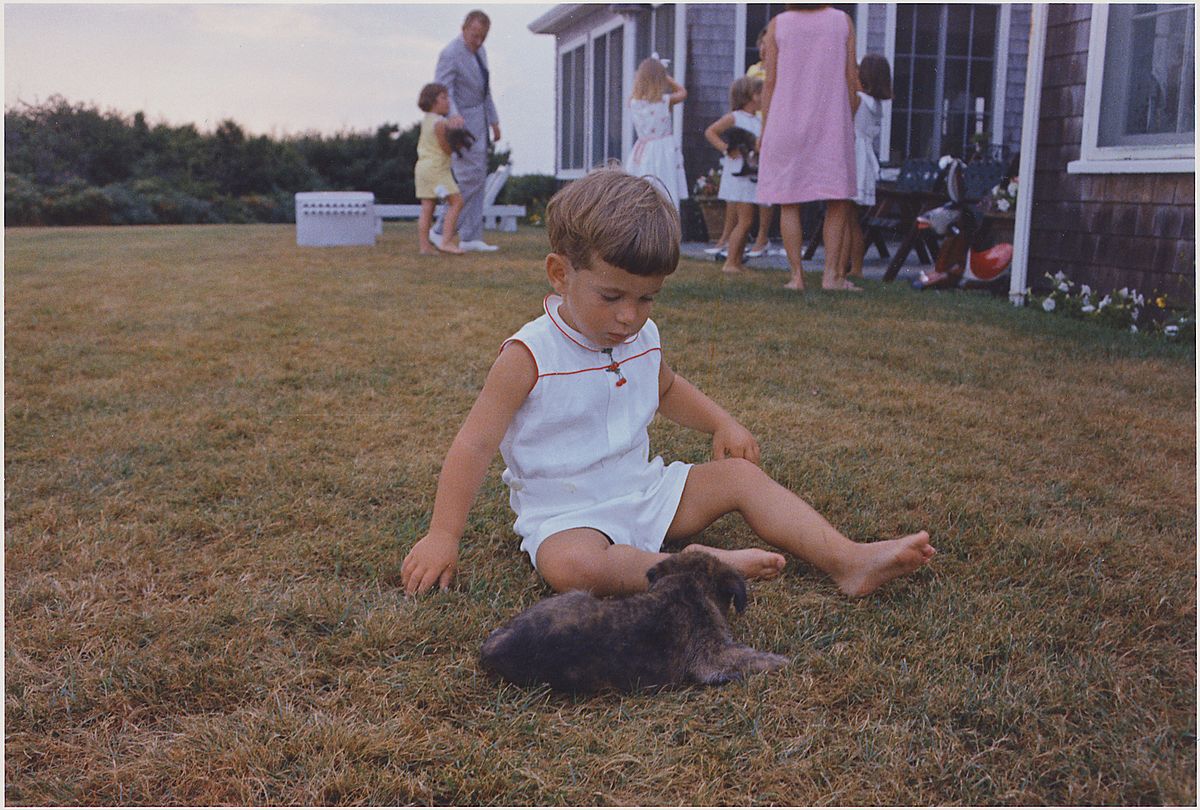
Hyannis Port, Massachusetts, Squaw Island
Author’s Note
First, I want to touch on the significance of Belka and Strelka—not just for me, but for nearly the entire Russian population. Even today, they are celebrated as heroes in Russia, remembered with great respect alongside the scientists who worked on the project for their contribution to science. There have even been animated films and series made about them.
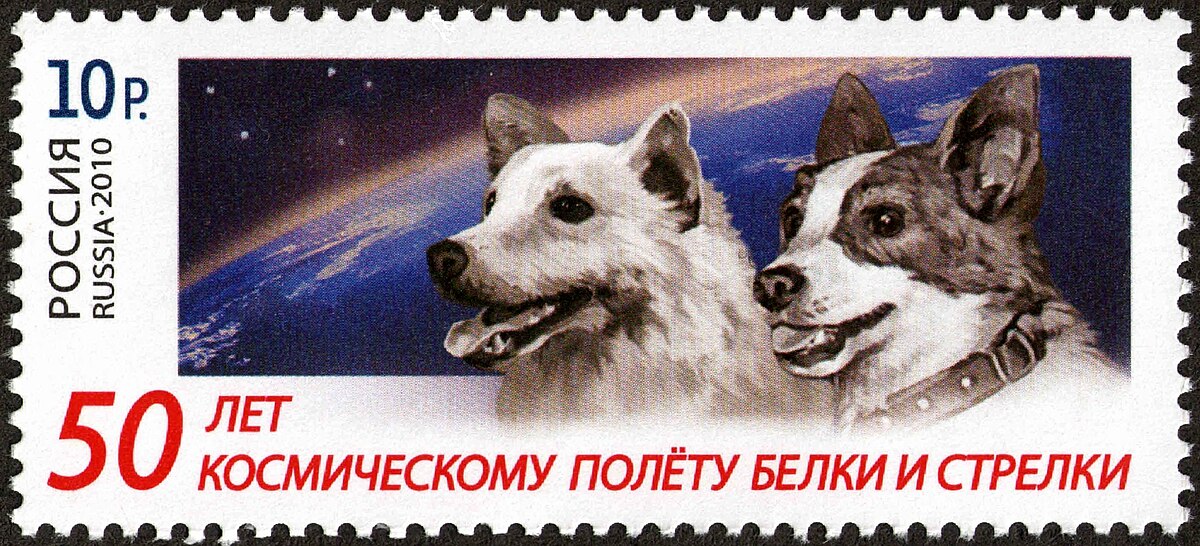
However, while they are iconic figures in space history, there is a darker side to this story. At the time, many animals were lost—Laika, who lacked a return mechanism; Bars and Lisichka, who died when their rocket exploded; and Pchelka and Mushka, who perished when their capsule burned up during reentry—which sparked significant ethical debates.
Setting aside the at least seven dogs we know died in flight, we have no way of knowing how many suffered during the grueling simulation tests. This raises a few questions: Could this research have been conducted using methods other than live subjects? And, perhaps most importantly, was the space race, which became a political tool, truly worth more than the lives of so many creatures?
References and Further Reading
Beyond, R. (2024, August 16). The incredible story of Belka & Strelka – the first dogs to return from SPACE alive. Russia Beyond. https://www.rbth.com/history/335710-story-belka-strelka
Hollingham, R. (2022, February 28). The stray dogs that led the space race. https://www.bbc.com/future/article/20171027-the-stray-dogs-that-paved-the-way-to-the-stars
Ostovar, M. (2024, January 18). A brief history of animals in space – NASA. NASA. https://www.nasa.gov/history/a-brief-history-of-animals-in-space/
Vito Technology, Inc. (2020, August 21). The 60th anniversary of Belka and Strelka’s flight. Star Walk. https://starwalk.space/en/news/60th-anniversary-of-belka-and-strelka-flight
Wikipedia contributors. (2024, July 9). Belka and Strelka. Wikipedia. https://en.wikipedia.org/wiki/Belka_and_Strelka
Originally published in Turkish at Doğa Filozofu.