
We’re willing to bet that if you’ve ever wandered into a bookstore and browsed the “Psychology” or “Neuroscience” sections, you’ve come across this name at least once: David Eagleman.

Maybe you’ve already read one of his books, or perhaps you’ve just flipped through the pages of one while standing in the aisle. Let’s take our guess a step further: among the books you’ve leafed through, read, or at least stared at the cover of, “Incognito” or “The Brain” are likely in the mix. In this article, we’re offering you a great opportunity—whether you want to refresh your memory, decide if you actually want to pick up one of his books, or just get the highlights. Let’s dive in!
David Eagleman in a Nutshell
As always, let’s start by getting to know our author!
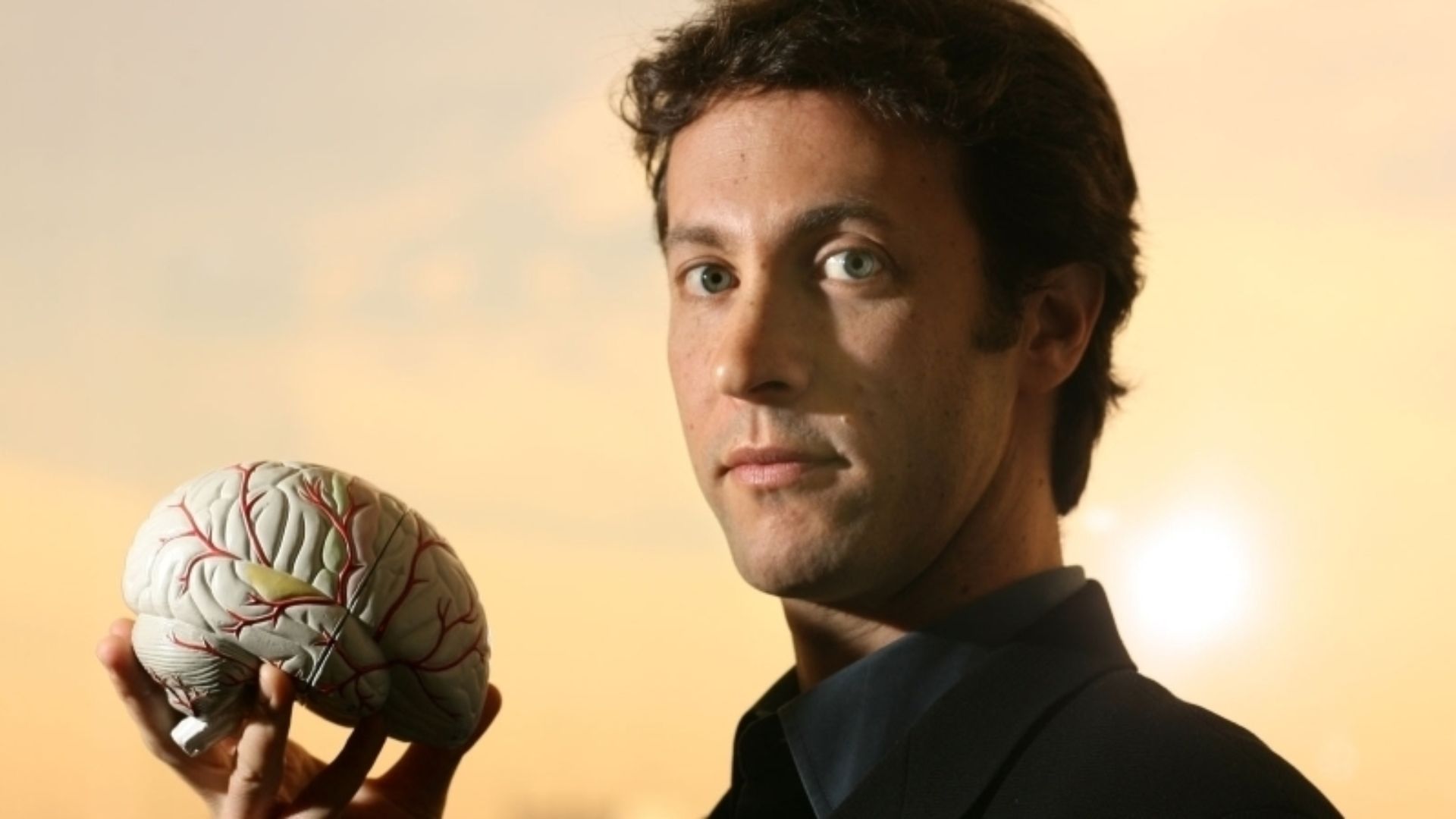
David Eagleman is one of the biggest names in neuroscience, but he’s not the type to drone on about tedious lab stories or write dry, impenetrable papers. He’s a scientist with a narrative style that both challenges and entertains, questioning how our brains work, how we make decisions without realizing it, and whether free will is actually a thing. Although he’s not the first person to tackle these subjects, Eagleman—who continues his academic career at Stanford University—is exceptionally skilled at making them accessible and fascinating for everyone.
His greatest strength and success lie in showing us that our brains aren’t as much under our control as we like to think. In “Incognito,” which we’ll look at in detail shortly, he explains that a vast portion of our brain operates in the unconscious, and many of our daily decisions are made before we even know it. For instance, when we fall in love or decide that a choice is “logical,” are we actually making a conscious decision? According to Eagleman, our brains have usually made the call for us long before, and we’re just left playing catch-up, trying to find a logical justification for it.
Eagleman doesn’t stop at the philosophical side of things. In “The Brain,” which we’ll also cover today, he explains how our brains are constantly being reshaped by our experiences. Even as you read these lines, your brain is physically changing! Eagleman suggests that thanks to this neuroplasticity, the brain could eventually develop new senses in the future and even merge with technology to grant us “superpowers.”
While Eagleman has many masterpieces, in this article, we’re focusing on three books: Incognito, The Brain, and The Runaway Species.
Let’s start with our first stop!
Incognito
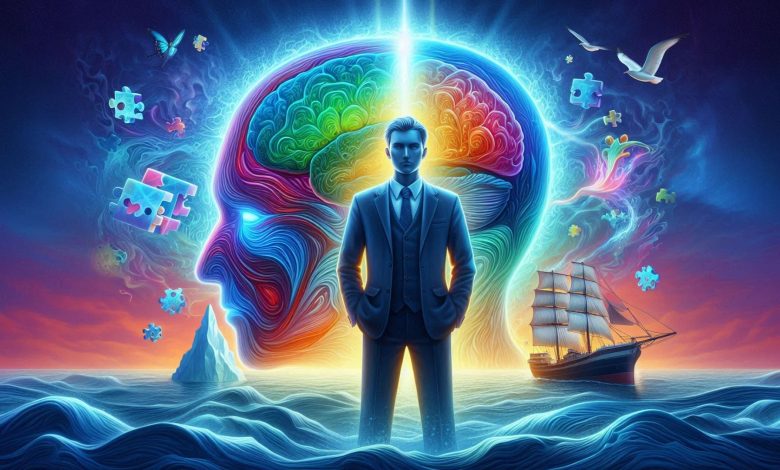
According to Eagleman, most people assume that the conscious mind is the one calling the shots. In reality, consciousness is just the tip of the iceberg. A huge part of our brain runs on processes we aren’t aware of, often steering us independently of our conscious choices.
For example, whether you trust someone at first sight, your decision to buy a product, or even whether you like a song—these are largely determined by unconscious processes.
In this book, Eagleman sets out to reveal these unconscious decisions and explain the operating principles of our brains.
He starts by introducing us to the brain itself. Eagleman argues that the brain isn’t controlled by a single “command center.” Consciousness isn’t the result of a singular system; rather, it emerges from a structure where different systems are in constant competition. Various regions of the brain work toward their own goals, and our eventual behavior is the result of the struggle between them. For instance, when you decide to eat a dessert, one part of your brain is chasing an immediate sugar rush, while another part is trying to pull the brakes to consider your long-term health.
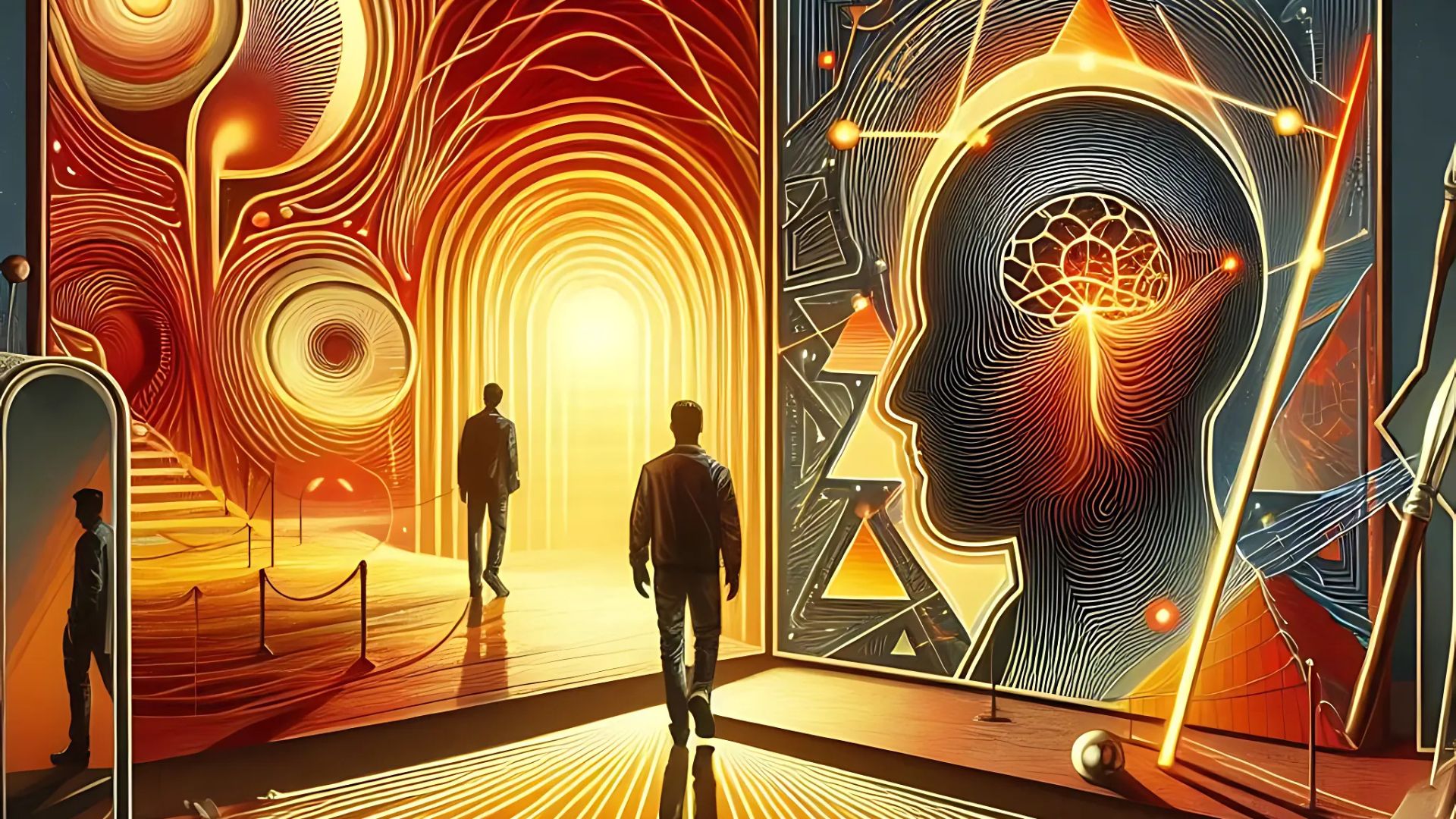
Eagleman emphasizes that the brain is far more than just consciousness, pointing to a phenomenon called “blindsight.” In these cases, a visually impaired patient—though unable to consciously see—can still detect an obstacle in their path and walk around it without bumping into it. This proves that certain parts of the brain can process information without conscious input. We don’t just rely on our five senses. Consciousness, in this view, is primarily there to help us narrate the experience and draw cause-and-effect relationships. The person might not “know” what the obstacle is or why it’s there, but they manage to avoid it. A sighted person, meanwhile, uses consciousness to identify the object and speculate on why it was placed there.
Eagleman doesn’t stop there. You might want to take a seat before we discuss the next experiment, because we’re about to dive into some heavy philosophical waters. Eagleman shares a study where participants were asked to move their wrists at a random moment. Scientists monitoring brain waves observed that the brain had already initiated the movement long before the person consciously realized they had made the decision to move.
Pretty wild, right? When we talk about “free will,” we like to think we move our wrists exactly when we want to. But according to this experiment, the signals begin long before we actually act. We haven’t even thought about it or made a decision yet—or at least, we *think* we haven’t, but the process is already well underway.
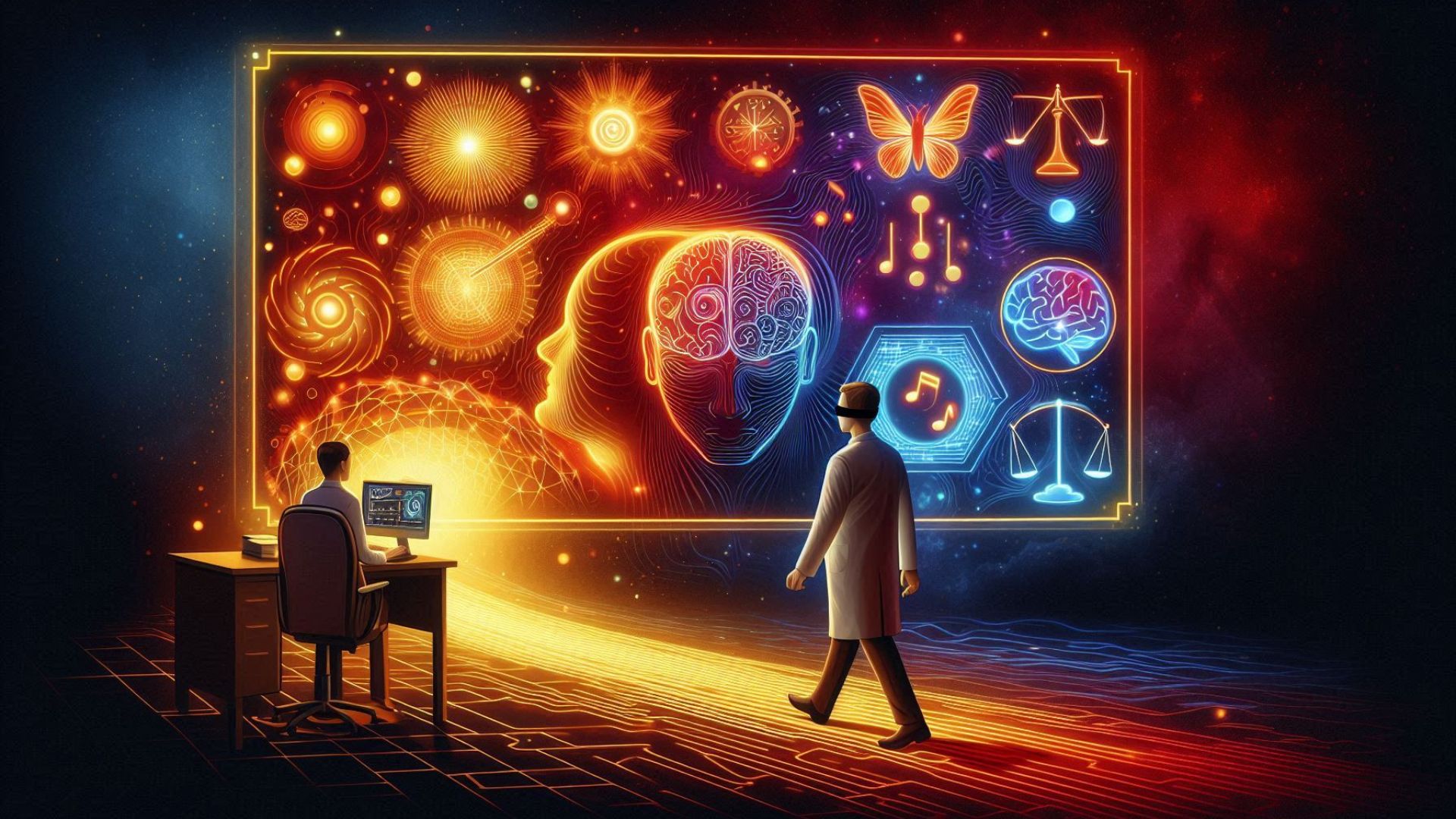
If you’re a regular reader of our philosophy section, you’ve likely come across our piece on free will. You can see the philosophical implications of Eagleman’s experiment there. We won’t go too deep into that rabbit hole here, but Eagleman introduces a new case that highlights the darker side of this realization.
In 1966, a sniper named Whitman killed his mother and wife before heading to the University of Texas, where he shot 16 people. In a note he left behind, he wrote that he felt “something was wrong with his brain.”
An autopsy revealed a large tumor in his amygdala—the very area of the brain responsible for emotional regulation and aggression. This inevitably forces us to question the concept of free will and grounds our actions in the physical structure of the brain.
By the end of the book, Eagleman’s thesis is crystal clear: We are not as conscious or as free as we think we are.
The Brain
When we move to “The Brain,” Eagleman tackles a different core question: “Who am I?” Here, he tries to answer that question through a more physical lens. As Eagleman points out, the brain isn’t a static structure; thanks to its plasticity, it is constantly changing and adapting.
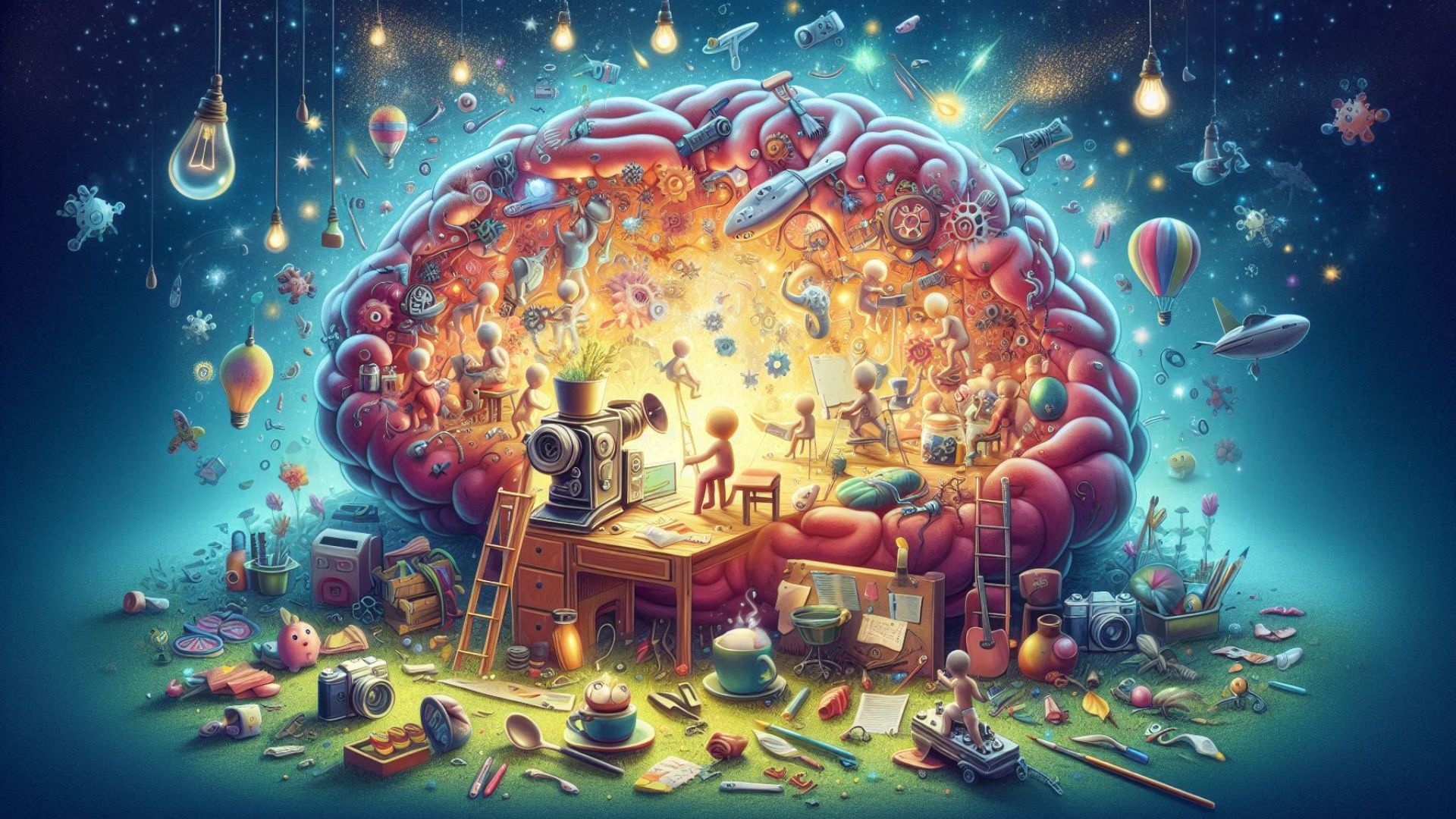
While our brains are more open to new experiences in childhood, they continue to form new connections even in adulthood. In fact, the experiences we have as children can physically alter the brain’s structure and shape our identity. Isn’t that fascinating? How can emotional events physically rewire the brain? According to Eagleman, that is exactly what happens. He explains this further with a striking example.
He recounts the case of Phineas Gage, a 19th-century railway worker who had an iron rod driven through his skull and survived. Following the accident, his personality shifted completely; he became aggressive and erratic.
This is a landmark case showing how the brain’s physical structure dictates our personality. While this example involved a traumatic physical event, Eagleman goes on to show how even subtle sensory illusions shape our perceptions and decisions every day.
According to Eagleman, what we call “reality” is actually just an interpretation provided by our brains. The brain takes signals from our senses and weaves them into a constructed world. In Gage’s case, those senses were clearly skewed. But even without such severe trauma, our perceptions can be deceptive. Think of perspective illusions, where two people of the same height can look vastly different in size. And our senses aren’t just limited to the “big five”—we have many more, like balance, temperature, and proprioception (the sense of our body’s position). The brain blends all of this into the singular experience of “reality.”
In the rest of the book, Eagleman revisits the perceptual biases discussed in *Incognito*, further illustrating the inner workings of the human brain.
The Runaway Species
The final book we’ll look at is Eagleman’s “The Runaway Species.” In this work, he aims to understand the nature and limits of human creativity. Rather than focusing on the unconscious, he shifts his gaze toward why the human species is so uniquely creative. What sets us apart from other living things? It’s our brain’s perspective on events, our way of interpreting nature, and our perpetual desire for novelty.

The core argument Eagleman makes throughout the book is that creativity isn’t about creating something from absolute zero; it’s about taking what already exists and bending, breaking, or blending it. Even when you invent something “brand new,” you’re actually rearranging existing information in your brain. Think about Instagram. Is it truly new? No. Cameras existed, and the internet existed. But when you combined those two ideas into a new form, something entirely original emerged.
According to Eagleman and his co-author Anthony Brandt, there are three fundamental methods of creativity: Bending, breaking, and blending. If you take an idea and twist it, you’re bending it. If you take something apart and reorganize the pieces, that’s breaking. And if you take different things and combine them into a new configuration (like merging a phone and a computer to create a smartphone), that’s blending.

So, why are we so creative when other animals aren’t? The secret lies in our brain’s insatiable curiosity for making new connections. It can’t stand stagnation; it’s always looking to change things. Chimpanzees can use tools, but they don’t think to grab a stick and use it as a musical instrument. We, on the other hand, watch a boxing match and start punching pillows, or use a hairbrush as a microphone. Eagleman defines all of this as creativity. To him, creativity isn’t just for artists or geniuses; we are all creative because that is simply how our brains work. Based on Eagleman’s insights, we can say that what matters is opening ourselves to new ideas, drawing from different fields, and mixing what we learn to create new combinations—right? You don’t need a magical touch to be creative; you just need a little curiosity and a willingness to experiment. Because who knows? The next big idea might be hiding in your brain right now! As the Doğa Filozofu family, we believe in the potential of every one of our readers!
References and Further Reading
Eagleman, D. (n.d.). Can we create new senses for humans? [Video]. TED Talks. https://www.ted.com/talks/david_eagleman_can_we_create_new_senses_for_humans
Eagleman, D. (2011). Incognito: The secret lives of the brain. Pantheon.
Eagleman, D. (2015). The brain: The story of you. Pantheon.
Eagleman, D., & Brandt, A. (2017). The runaway species: How human creativity remakes the world. Catapult.
Originally published in Turkish at Doğa Filozofu.