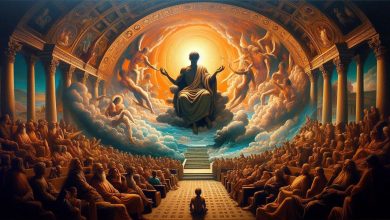


Have you ever felt like you were the protagonist of your own life? That feeling washes over us from time to time, doesn’t it? We feel like the lead character when we’re listening to someone, tackling a project, or especially in those moments of triumph.
According to Jean-Paul Sartre, we actually are. The interesting part is that even though we are the protagonists, there is no script written for us.
In this installment of our series, we’re diving into Sartre’s 1943 masterpiece, “Being and Nothingness,” which explores the philosophy of this unwritten script, freedom, and responsibility. Sartre argues that human existence has no preordained meaning; on the contrary, we define what we become through our own actions. Life is like a puzzle, but the pieces aren’t pre-cut—we shape them ourselves. So, how do we shape them? Let’s dive in and find out!
What is Being?
As you know, we usually take a deep dive into the lives of our authors in these pieces, but since we’ve already covered Sartre in a previous article, we’ll skip that part this time. For those interested, you can check out our piece on Sartre on our website.
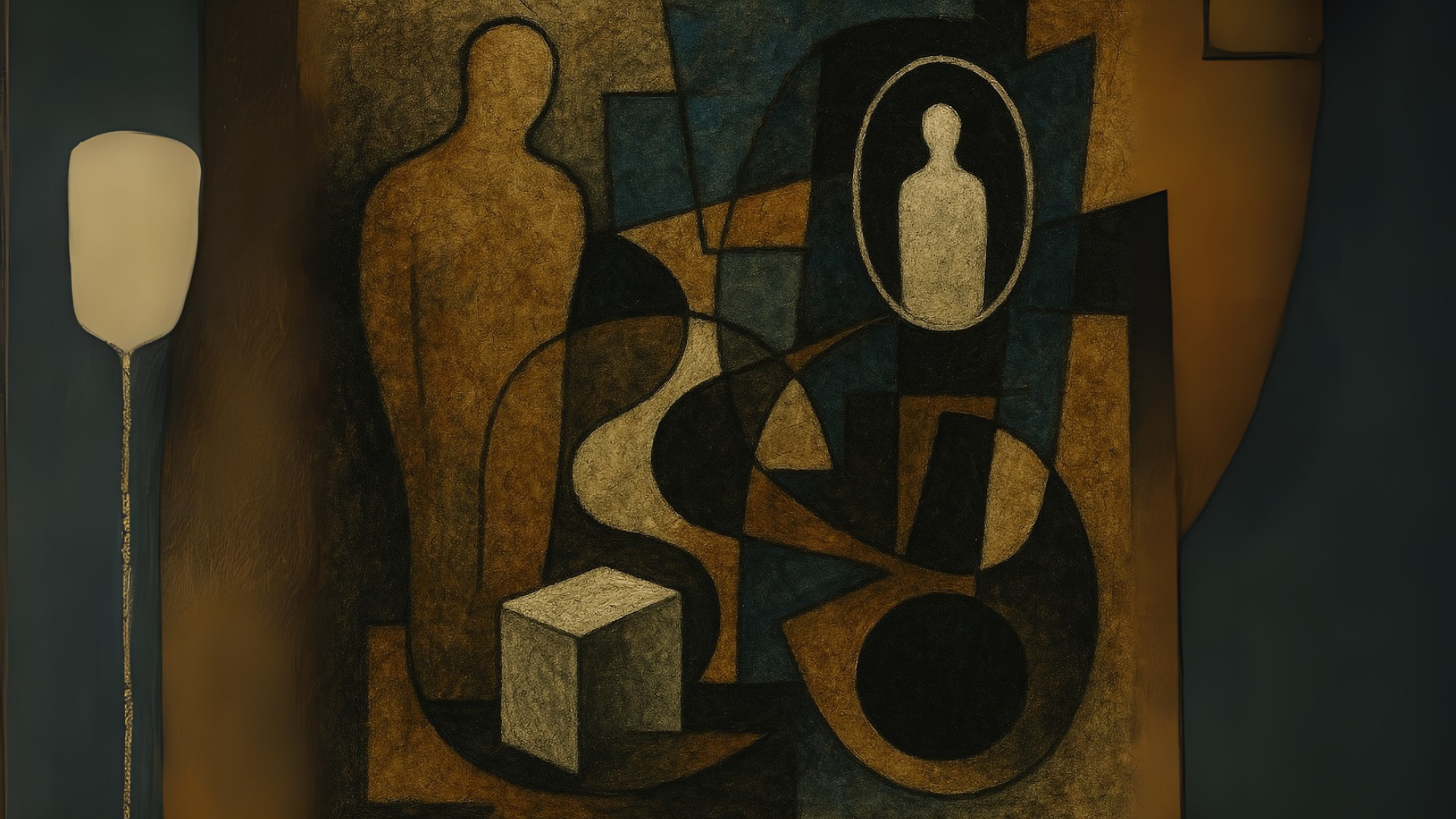
Before we jump into the work, a disclaimer: “Being and Nothingness” is a far more comprehensive book than what we can cover here. Because it touches on some of the most complex corners of philosophy, summarizing it in a few pages is impossible. We’ll provide plenty of further reading for those who want to dig deeper.
Let’s try to make this complex book as simple as possible. In this work, Sartre examines human existence, the nature of consciousness, freedom, responsibility, and our relationships with others. This is a tough subject because human existence brings along a mountain of concepts, mental judgments, and complex ideas like phenomenology. So, let’s start simple and examine what is necessary for existence through Sartre’s eyes: Being!
According to Sartre, being occurs in three categories:
- Being-in-itself (L’Être-en-soi)
- Being-for-itself (L’Être-pour-soi)
- Being-for-others (L’Être-pour-autrui)
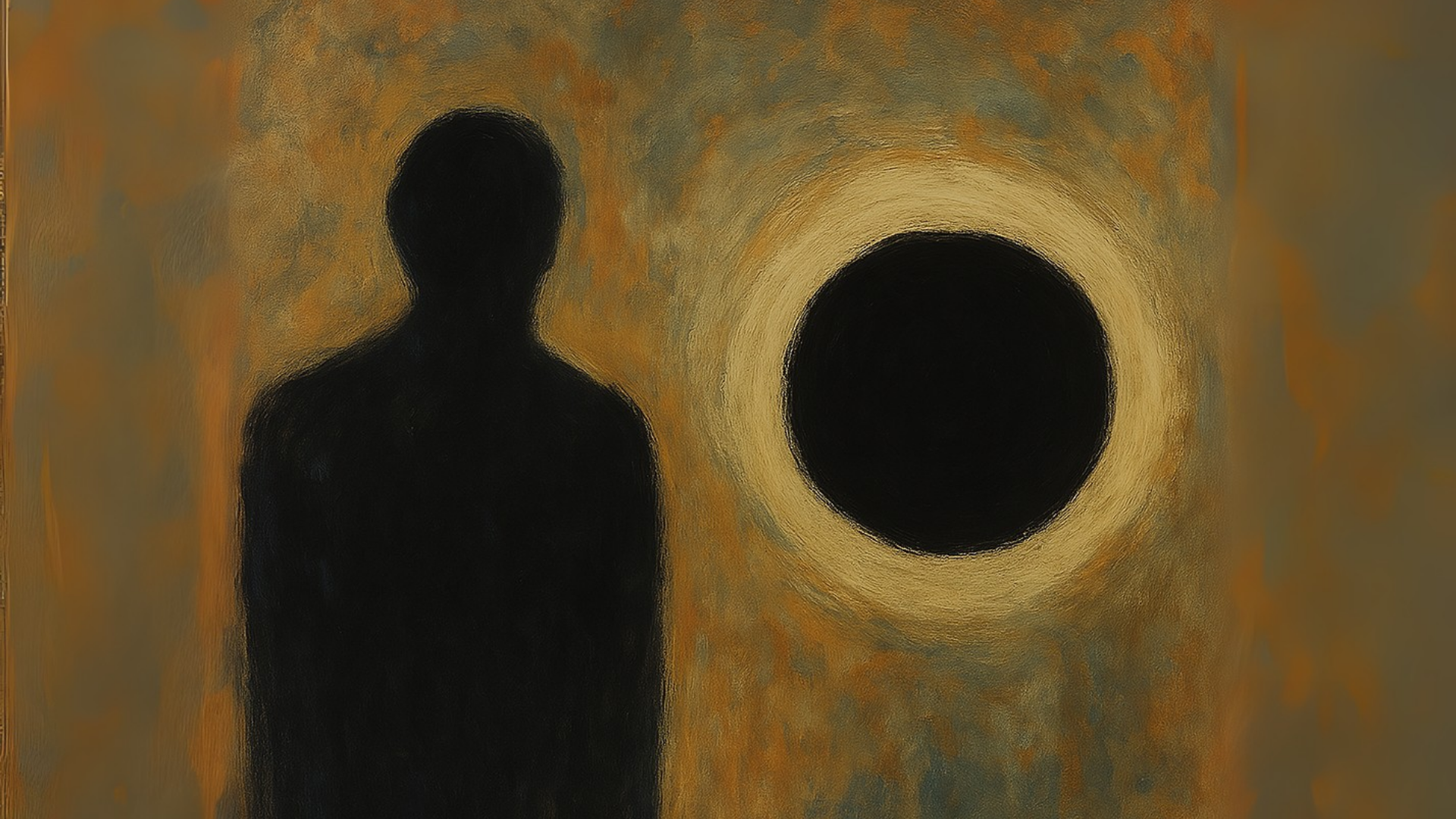
Types of Being
All these types of being are heavier than what we’re about to discuss, but we’ll keep it brief to ensure we only give you a mild headache instead of a full-blown migraine. According to Sartre, “being-in-itself” refers to beings that are unconscious and immutable. They simply *are*. They are not aware of their own existence, they don’t change over time, and they don’t take action on their own. Think of a rock: as far as we know, a rock doesn’t know it’s a rock. It doesn’t care about where it is, and it doesn’t change itself. That is “being-in-itself.”
“Being-for-itself,” however, is different. These beings are conscious. They have the intelligence to question their own existence. This is human consciousness. It questions itself, it is free to make the choices it wants, and it carries within it a difficult concept we’ll explain shortly: Nothingness!
We’ll hold off on the “nothingness” part for a second. When we set that aside, what stands out? The act of questioning one’s own existence, right? A doctor might ask themselves, “Am I really a doctor?” whereas a rock can never wonder, “Am I a rock?”
Another difference is that “being-for-itself” is constantly changing. Sartre captures this by saying, “Man is not what he is, and he is what he is not.” He means that humans are in a state of perpetual flux.
Now, for our final category: Being-for-others.
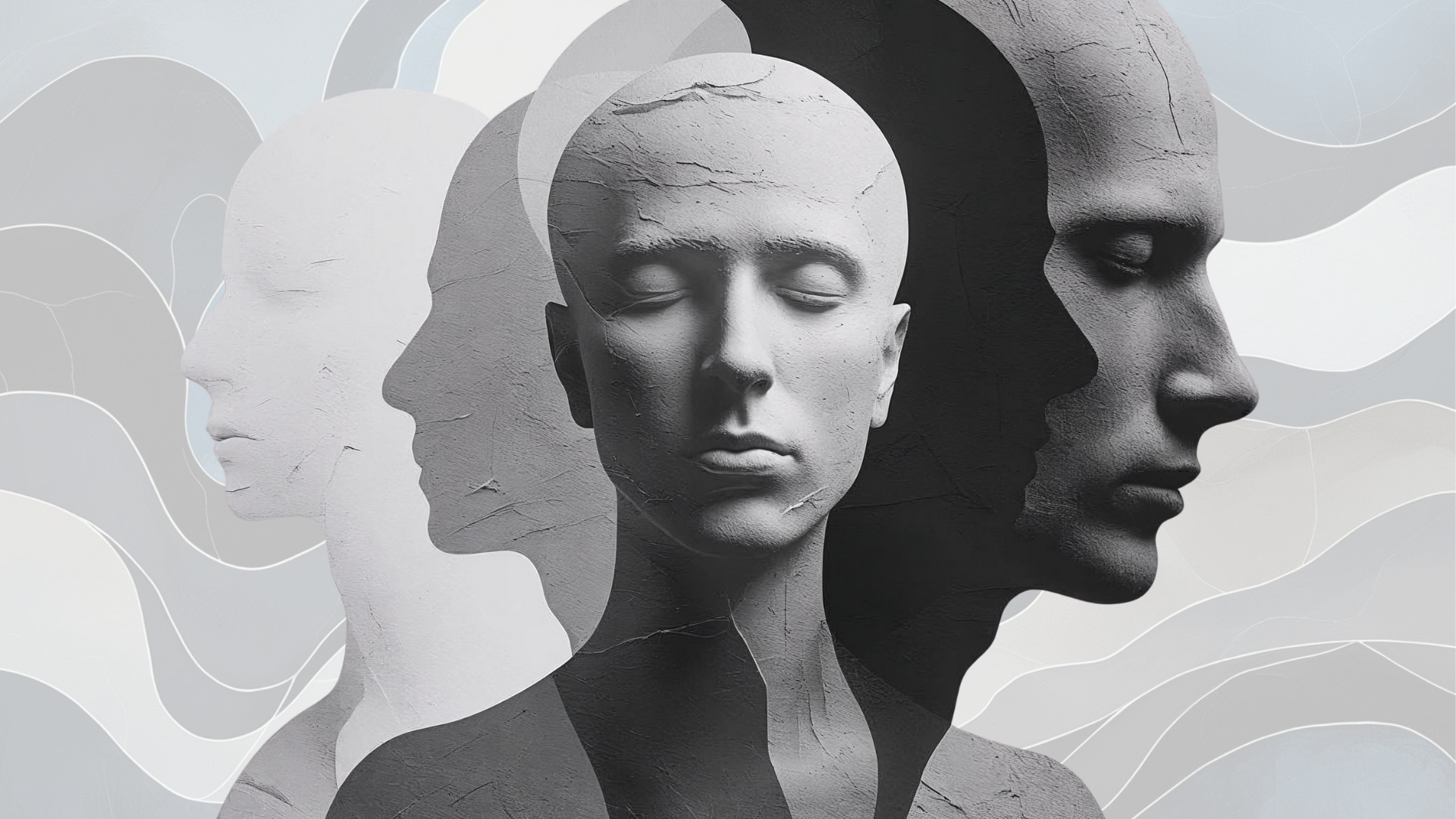
You might be surprised by this category, but it is also human, because humans don’t just shape themselves—they are shaped by other people, too. Others can limit our freedom, influence our decisions, and cast a shadow over our independence. In this sense, Sartre says that humans are both “being-for-itself” and “being-for-others.” For example, consider how you might sit comfortably or dress casually when you’re alone in a room, but the moment someone else walks in, you immediately adjust your behavior.
In other words, the gaze of others can objectify us. A woman might feel like a mere “object” under the gaze of men. A worker might feel like just a “cog in the machine” under the watchful eye of a boss.
Nothingness
Now for the hard part! Nothingness is tricky to describe, isn’t it? Our minds are wired to grasp and define what *is*. But what about what *isn’t*? Add that to a philosopher like Sartre, and… well, you get the picture. Still, we’ll keep it as simple as possible.
According to Sartre, human existence is intertwined with nothingness. We feel a sense of lack within ourselves because we aren’t a complete, set-in-stone entity. Since Sartre didn’t believe in God, he didn’t believe in a predetermined destiny or a fixed life purpose. Because of this, there is always a void inside us. It is up to us to turn this void into something meaningful. In other words, humans aren’t born with a pre-defined essence; we are in a constant state of creating meaning. Because of that inner void, we aren’t forced to follow any particular path—we are free. Because we are constantly forced to fill that void, Sartre famously describes this as “man is condemned to be free.”
Freedom
Sartre speaks of an infinite freedom born from that nothingness within us. Since we aren’t born with a pre-determined “essence,” we have no fixed identity or role. Therefore, we define who we are ourselves. In this process, we are solely responsible for every choice we make.
In short, humans aren’t rewarded with freedom; we are condemned to it. We are condemned to the responsibility that freedom brings, the consequences of the decisions we make, and the suffering that comes with them.
Ultimately, when Sartre said, “We are condemned to be free,” he wasn’t joking, because to exist is to constantly make choices and bear the weight of those choices. We are both the author writing our own life and the actor playing the part. But the interesting part is this: when the gaze of others restricts our freedom, we sometimes feel like puppets. As Sartre said, “Hell is other people.” But perhaps it is in our power to turn this hell into a stage and perform our own existence in the best way possible. So, which role do you choose to play on stage?
References and Further Reading
Baldwin, T. (2025, October 28). Jean-Paul Sartre. Britannica. https://www.britannica.com/biography/Jean-Paul-Sartre
Sartre, J.-P. (n.d.). Being and nothingness: An essay on phenomenological ontology
The Editors of Encyclopaedia Britannica. (2025, October 28). Being and Nothingness. Britannica. https://www.britannica.com/topic/Being-and-Nothingness
Then & Now. (2019, October 27). Sartre’s Being and Nothingness – An introduction [Video]. YouTube. https://www.youtube.com/watch?v=uv2fgsaoJac
Zunjic, S. (n.d.). Sartre’s Being and Nothingness. https://web.archive.org/web/20120825085107/http://www.uri.edu/personal/szunjic/philos/being.htm
Originally published in Turkish at Doğa Filozofu.