
Most of us have heard of “classical conditioning”—or, to put it more simply, the Pavlov’s dog experiment. It’s the phenomenon where a neutral stimulus triggers a conditioned response. In Pavlov’s famous study, he rang a bell, and even when there was no food in sight—or the dog wasn’t even hungry—the dog would start to salivate. It’s the quintessential example of classical conditioning. While the placebo effect shares some similarities, it actually operates through a fundamentally different mechanism. Let’s dive in and take a closer look at what the placebo effect is really all about.

What is a Placebo, and Why Do We Use Them?
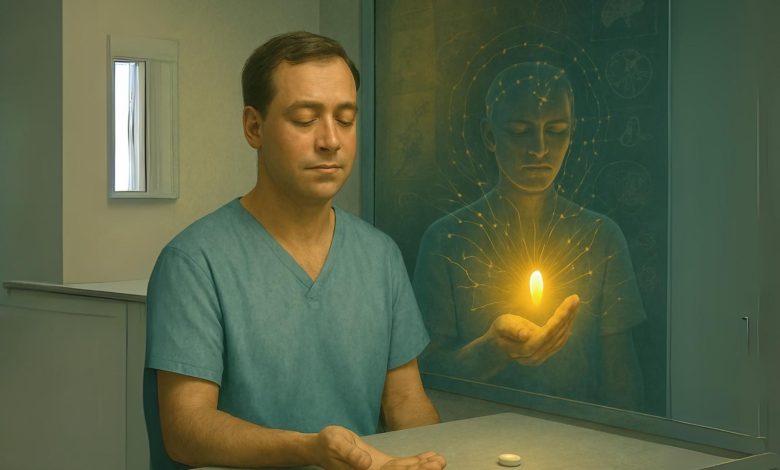
The word “placebo” comes from Latin, meaning “I shall please.” In a medical context, these are substances prepared in the form of medicine and given to patients during treatment. Placebos contain no active pharmacological ingredients and generally have no physiological effect. So, why would a doctor give a patient a “fake” drug? Because the psychological impact of an illness is often just as real as the physical one. Patients might feel sick even if their body is physiologically fine. Giving them a placebo can spark a positive expectation about the recovery process. If the patient starts feeling better after taking it, this signals that the psychological component of their symptoms might be dominant, allowing doctors to adjust the treatment protocol accordingly. If the complaints persist, it’s a sign that the root cause is likely pathophysiological.
Throughout the 19th and 20th centuries, the use of placebos sparked intense debate. While some doctors championed their use, others remained skeptical. Placebos are often used for various reasons: testing the efficacy of new drugs, determining the effectiveness of a treatment, or distinguishing between the natural course of a disease and symptoms that arise after treatment.
The Brain’s Response: Neuroscientific Findings
The improvement seen in patients who receive a placebo is called the “placebo effect.” Crucially, you don’t always need a physical pill to trigger it; the placebo effect can also be activated by verbal suggestion. It emerges from a complex interplay of factors, including the patient’s and healthcare provider’s positive beliefs, their expectations, and the strength of the relationship between them.
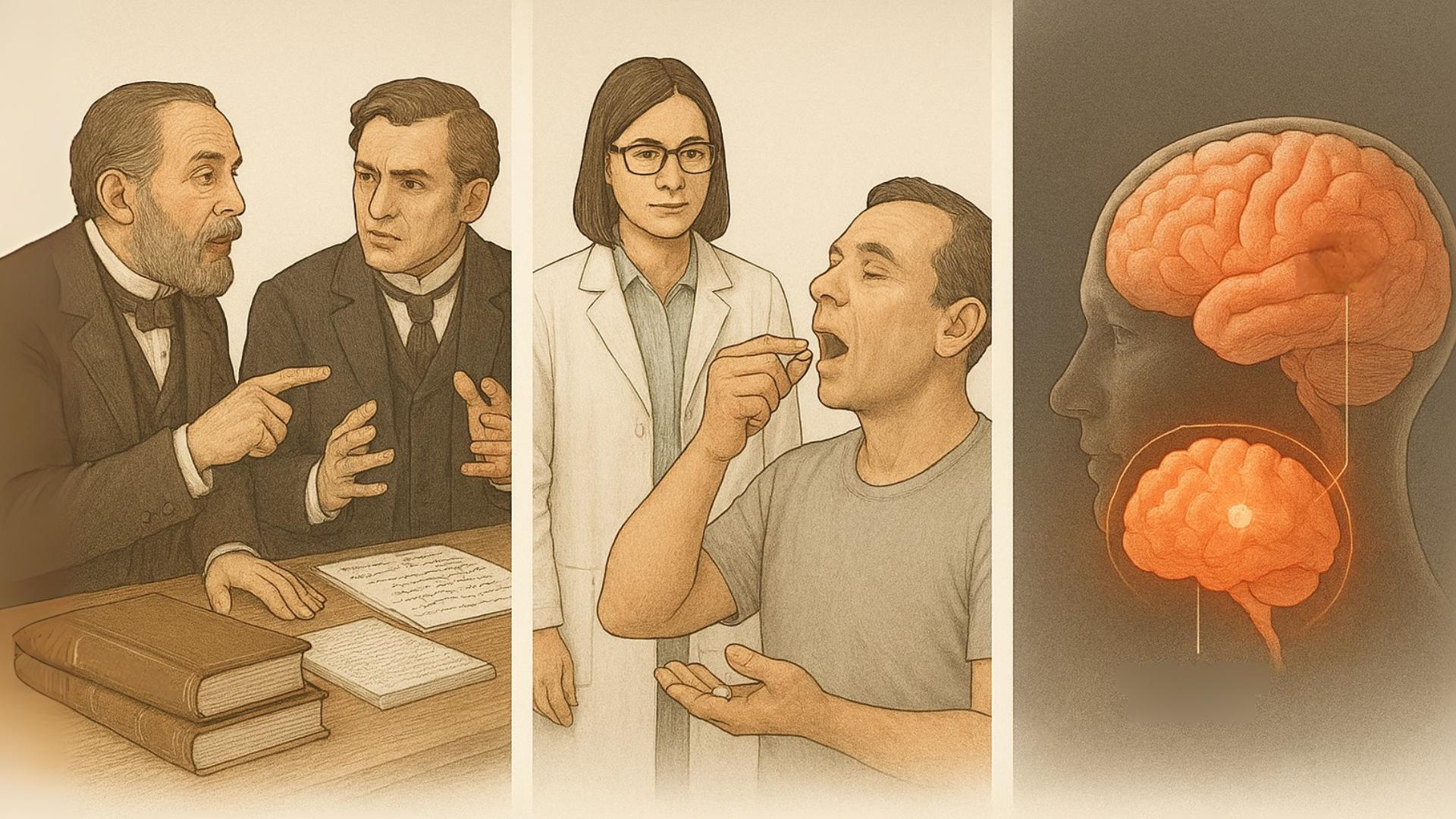
Neurological scans of patients receiving placebos have yielded some striking data. It turns out that placebos can trigger the same areas of the brain as active medication. For instance, in patients given a placebo analgesic (painkiller), brain scans showed that the pain centers were being modulated, and the patients reported actual relief. The effect is so potent that it has even influenced the course of difficult-to-treat conditions like Parkinson’s, depression, and anxiety. In one study involving Parkinson’s patients, it was observed that placebos actually boosted dopamine release in the brain.
Did you know?
In some studies, patients were told that the medication they were given was a placebo—meaning it had no active ingredients—yet these patients still showed significantly more improvement compared to patients who received no treatment at all.
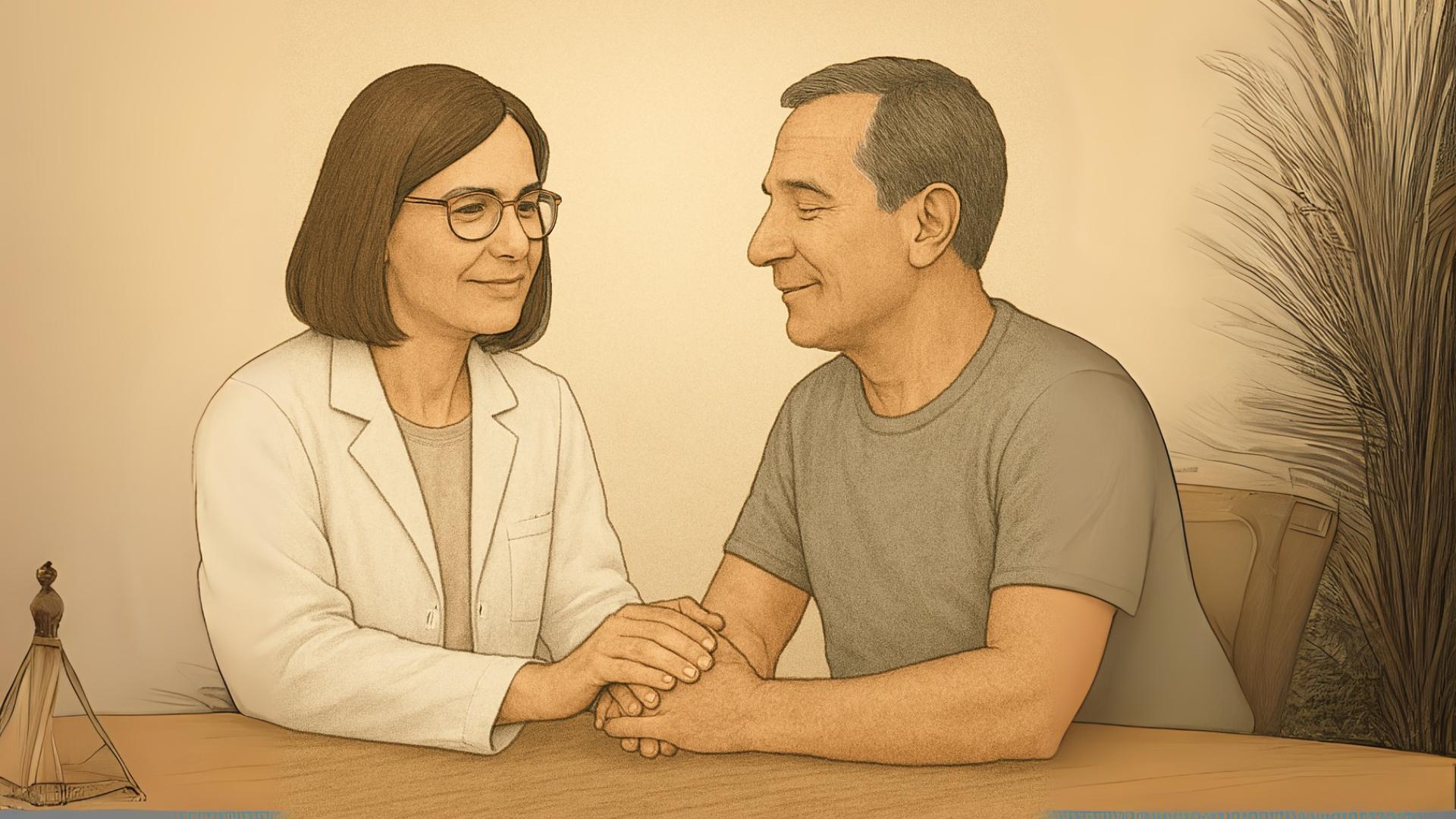
Sociologists have also weighed in on this, offering some fascinating insights. It’s even been observed in animal testing. The consensus is that the trust built between the patient and the physician—especially when they have a long-standing relationship—is a massive factor in the success of the placebo effect. Many now argue that we should view the placebo not just as a doctor-patient dynamic, but through the lens of modern technology as well.
Generally, for the placebo effect to work, the patient shouldn’t be aware that what they are receiving is inactive. While this raises an ethical dilemma regarding honesty, doctors often use it when they believe it is in the patient’s best interest.
The success rate of placebos is often around 30-35%, while active pharmacological drugs only show an effect about 1.3 times greater. Just like with regular medicine, long-term use of placebos can sometimes lead to a “tolerance.” If the initial dose stops working, doctors might even increase the dosage (by increasing the number of placebo pills given per day). Interestingly, some studies have shown that placebos can produce side effects about 20% as often as active drugs, a phenomenon known as the “nocebo effect.”
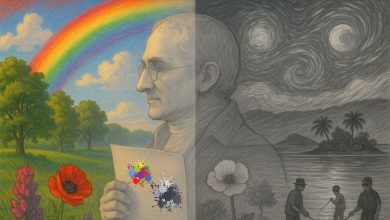
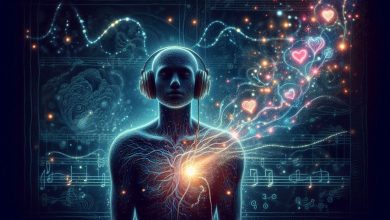
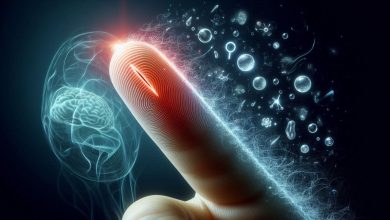
 This image was generated with the help of AI.
Placebos Throughout History
It’s been noted that about 2,000 remedies used in ancient China were essentially placebos. The most critical ingredient in placebo treatment is belief. For example, people believed that wolf bones could cure toothaches, or that fresh urine and ash could heal dog bites. They even believed mistletoe was a cure-all for everything from strokes and infertility to the plague. These treatments actually seemed to “work” for many because the patients firmly believed they would. In reality, none of these practices had any legitimate medical basis.
Conclusion: The Psychological Dynamics of Healing and the Power of the Individual
Suggestion and conditioning are the two main pillars of the placebo effect. If you suggest to a patient that they will get better, they are much more likely to show improvement. Similarly, if a patient is conditioned to believe that a certain substance will cure their ailment, they often experience relief after taking it.
To sum it all up, human beings are incredibly complex. While we’ve spent years conducting research to decode that complexity, nothing has ever been as valuable as an individual’s ability to know themselves and believe in themselves. Ultimately, when we truly believe in our own capacity to heal, we can overcome almost any obstacle.
References and Further Reading
AYYVAŞIK H. B., YORULMAZ O.; The Placebo Effect: Theoretical Approaches and Its Role in the Treatment of Physiological, Neurological, and Psychological Disorders, Turkish Psychological Articles 2007, 10 (19) 33-54.
ERDEM M., AKARSU S., GÜLSÜN M.; Neurobiology of the Placebo Effect, Current Approaches in Psychiatry 2013; 5(3):299-312 doi:10.5455/cap.20130520.
ERDOĞAN Ö. N.; The Subject of Healthcare: “Placebo and Placebo Effects”, Ankara Journal of Faculty of Pharmacy 31 (4) 273-284, 2002.
GÖKA E.; The Concept of Placebo and the Placebo Effect, Turkish Journal of Psychiatry 2002; 13(1):58-64, https://www.researchgate.net/publication/237124573.
ÖZBEK H.; PLACEBO, SD SPRING 2014.
YILMAZ ÇALİK S., KARATAŞ M.; The Helsinki Declaration, Placebo Evolution, and Ethics, DOI: 10.21673/anadoluklin.1100995.
Originally published in Turkish at Doğa Filozofu.