

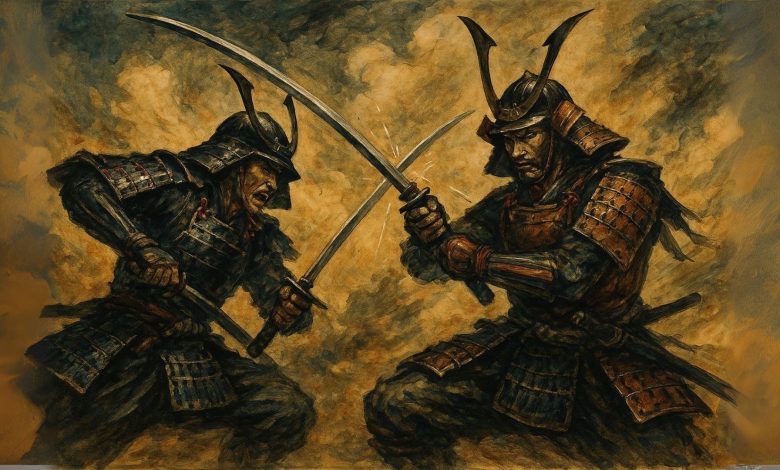
The sharpness of a sword only finds its true meaning through the will of the warrior who wields it. Deep in the annals of history, there existed a class for whom honor and loyalty were sharper than any blade: The Samurai. From the rugged terrain of Japan to the blood-soaked battlefields of history, they rose in the service of feudal lords and under the shadow of the shoguns. They were part warrior, part philosopher, and often the most steadfast protectors of the ruling elite. But who were these legendary figures? How did they emerge, how did they fight, and how did they vanish? Let’s step into the history of the samurai, a story that resonates with the clash of steel.
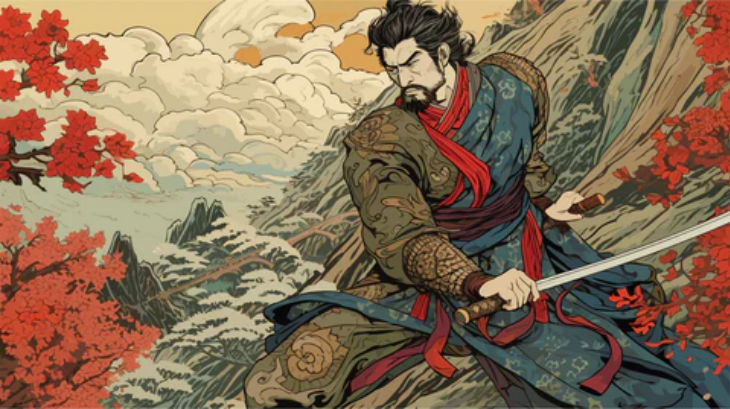
The Heian Period: The Birth of the Samurai (794–1185)
The roots of the samurai trace back to the late 8th century. During this era, Japan was governed by a system imported from China, where the Emperor was a sacred figure, but real political power rested with noble families and the court bureaucracy. As Chinese influence began to wane, Japan gained the autonomy to chart its own course. Powerful aristocratic families, such as the Fujiwara, quickly seized control of the imperial court. However, these families lacked the centuries of administrative experience the Chinese had relied upon, and as the central government struggled, security in the countryside plummeted. Local landowners began training their own private militias for protection. Over time, these warriors evolved into the samurai class. Initially, they served simply as bodyguards for the landed gentry, and they were far more proficient with the bow (yumi) and horse-archery (yabusame) than the swords they would later become famous for.
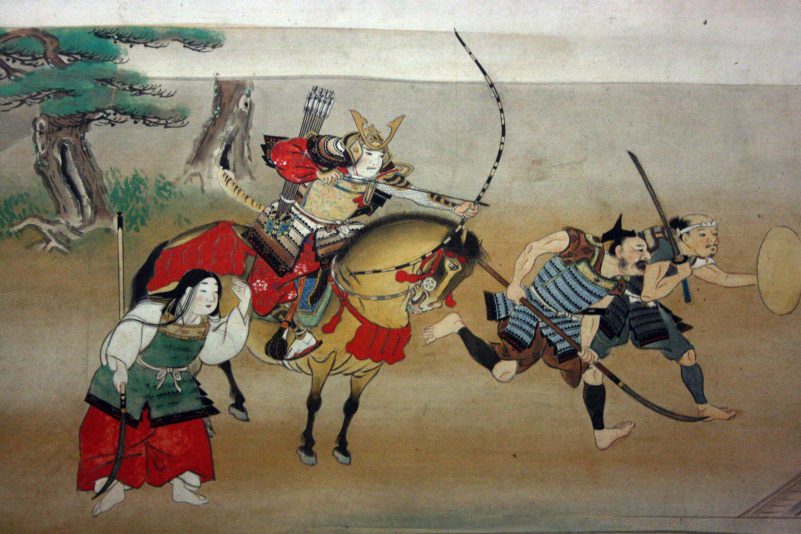
Of course, they weren’t elite warriors from day one; their primary job was protecting the peasantry. But as their ranks swelled, they became the backbone of Japan’s military power. During the 10th and 11th centuries, as the Fujiwara family’s political grip weakened, the samurai emerged as a formidable political force. The Taira and Minamoto clans, both led by samurai, began to exert heavy influence over the state. This tension finally boiled over in the Hōgen Rebellion of 1156. Following the death of the Emperor without an heir, a succession crisis triggered a power struggle. The intervention of the samurai tipped the scales, and they realized their own strength. Just three years later, the Heiji Rebellion broke out. When the leader of the Taira clan, Kiyomori, gained too much power, the Minamoto clan attempted a coup. The Emperor was taken hostage, but Kiyomori intervened, rescued him, and crushed the coup. From that moment on, the samurai clans became the supreme military authority in Japan.
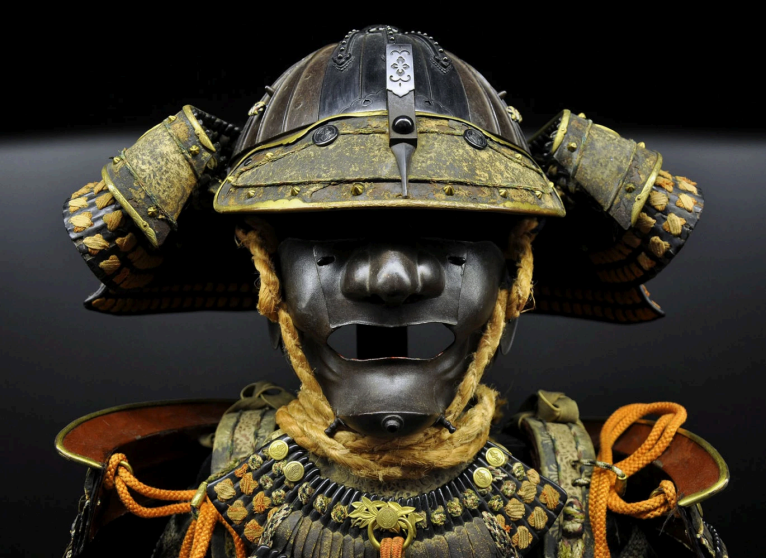
The Rise of the Samurai (1185–1333)
By 1180, Japan was dominated by two great samurai families: the Minamoto and the Taira.
After years of rivalry, the Minamoto clan launched a massive uprising against the Taira. The decisive Battle of Dan-no-ura in 1185 left the Taira annihilated and the Minamoto as the undisputed masters of Japan. In 1192, the Emperor named Minamoto no Yoritomo as “Shogun.” This title, meaning “military dictator,” signaled that the real governance of the country had shifted from the imperial court to the samurai class. Being a samurai now meant everything. During this era, they transcended their military roots, becoming administrators who governed their own territories.
Culturally, the samurai began to embody the ideal of honor. They became an elite group defined by a code that shunned backstabbing and cowardly attacks, favoring justice and integrity.
But this power would soon face a trial by fire. In 1274, Japan confronted the Mongol Empire, the most powerful force of the age. Kublai Khan’s armies invaded in 1274 and again in 1281. The samurai fought valiantly, but it was the Japanese islands themselves that secured the victory: the *kamikaze* (divine wind) typhoons that decimated the Mongol fleet. While the victory was credited to the winds, the samurai’s reputation was cemented forever. The government, however, was not so lucky. The wars against the Mongols left the country in financial ruin, and because the Shogunate couldn’t adequately reward the samurai for their service, it lost their support. The regime collapsed in 1333, though the new order that followed failed to provide lasting stability.
The Muromachi and Sengoku Periods: The Age of Warring States (1336–1603)
With the fall of the Kamakura Shogunate in 1333, Ashikaga Takauji established a new shogunate, beginning the Muromachi Period. However, the Ashikaga shoguns lacked the iron-fisted control of their predecessors. Japan fractured as feudal lords acted with increasing independence, plunging the country into a chaotic, fragmented political landscape. As internecine warfare escalated, the value of the samurai soared. Amidst the turmoil, three great leaders emerged to unify the country. Oda Nobunaga dismantled the Ashikaga Shogunate in 1573, ending the Sengoku (Warring States) period, though the conflicts persisted. In 1590, Toyotomi Hideyoshi successfully conquered all the feudal lords, but he could not establish a lasting peace.
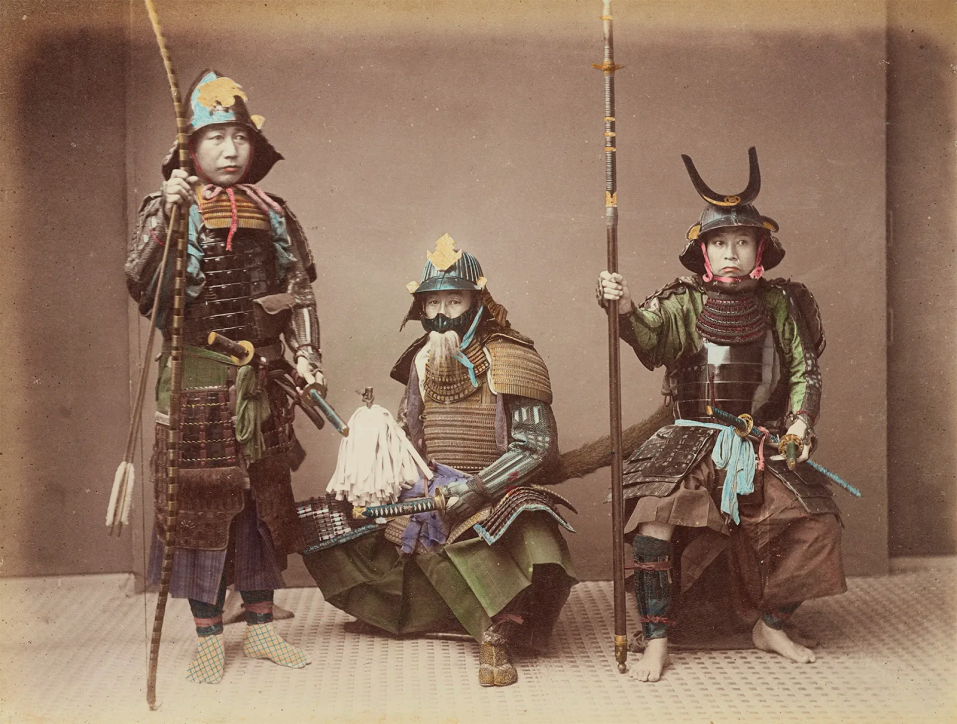
Finally, in 1600, Tokugawa Ieyasu united Japan under a single banner, putting an end to the internal strife and ushering in 250 years of peace.
The Samurai in Times of Peace (1603–1868)
In an era without war, the samurai transitioned into roles as administrators, bureaucrats, and teachers. The philosophy of *Bushido* (The Way of the Warrior), which had once focused on combat, shifted its gaze toward moral discipline, literature, and education. They were now viewed as an administrative class defined by honor and loyalty rather than battlefield prowess. Over time, however, this led to economic hardships for the samurai. In the 1850s, when the United States arrived and pressured Japan to open its borders, the samurai resisted, leading to the Satsuma Rebellion. The uprising was crushed, and the samurai class was officially abolished. Yet, their philosophy continued to influence Japanese military and political thought for decades to come.
The samurai class may be gone, but their spirit lives on in the streets, culture, and philosophy of Japan. Today, you can see echoes of *Bushido* in the grit of a modern entrepreneur, the discipline of a judo master, or the meticulous craft of an artist. While swordsmanship remains a living art in Japan, blades now adorn museums rather than battlefields. Nevertheless, the samurai legacies of loyalty and honor remain among the most valuable principles in our modern world. Perhaps the greatest battle is not against external enemies, but against the weaknesses within ourselves. That is why we believe the history of the samurai will never truly reach its final chapter.
References and Further Reading
Cartwright, M. (2019, July 5). Samurai. World History Encyclopedia. https://www.worldhistory.org/Samurai/
Friday, K. (2005). Once and future warriors: The samurai in Japanese history. Education About Asia, 10(3), 31–38. https://www.asianstudies.org/publications/eaa/archives/once-and-future-warriors-the-samurai-in-japanese-history/
History Skills. (2023, October 26). The history of the Japanese samurai – From Bushido to the Tokugawa Shogunate [Video]. YouTube. https://www.youtube.com/watch?v=SIh8E23VDRo
Pletcher, K. (2025, October 31). Samurai. Encyclopædia Britannica. https://www.britannica.com/topic/samurai
Originally published in Turkish at Doğa Filozofu.