

In the previous three articles of this series, we explored the Ottoman Empire’s founding, its early rise, and its golden age. The success that defined the Empire from its inception was built on a foundation of systematic governance and military prowess. But as we all know, that momentum didn’t last forever. By the early 18th century, the Ottomans had entered a period of decline—but before we get there, there was a transitional phase known as the “Stagnation Period.” In this article, we’re going to dive into that roughly 100-year stretch.
The Backdrop
As you might recall from our last piece, Selim II, who took the throne after Suleiman the Magnificent, was a different kind of ruler. He didn’t join military campaigns, nor did he spearhead bold state policies. During his reign, the real heavy lifting was done by Sokollu Mehmed Pasha.
Sokollu was the statesman who steered the ship of state through the entirety of Selim II’s reign and the early years of Murad III. In fact, if we can consider the reigns of Selim II and Murad III as part of the “Rise,” it’s almost entirely because of him. But he wasn’t immortal. After Sokollu’s death in 1579, Murad III—who hadn’t played an active role until then—was left without such capable guidance. For this reason, many historians mark 1579 as the official start of the Ottoman Stagnation Period.
The Stagnation Period wasn’t a total collapse—the Empire actually reached its greatest territorial extent during this time. However, it was also the era when subtle cracks began to form, both economically and militarily.
While the Ottomans were slowing down, European powers were hitting their stride. From the second half of the 16th century onward, the Renaissance and the Reformation triggered massive leaps in science, technology, and military tactics. The Ottomans struggled to keep pace, and their economic and military systems began to fall behind. The very artillery and naval expertise that had once been the secret sauce of Ottoman dominance were now in the hands of European states. Consequently, the Ottomans began to lose their military edge. Of course, that was just the beginning of the trouble, but let’s first focus on the achievements of this period. Sadly, in our future articles, we’ll see how the Empire eventually came to view these very achievements as a “good old days” benchmark.
The Wars of the Stagnation Period
Even though we’re talking about “stagnation,” there were still victories to be found. Let’s start with the bright spots.
In 1596, the Ottomans faced off against Austria. As the Empire’s primary rival at the time, Austria gathered its allies, hoping to halt the Ottoman push into the West and establish itself as the dominant power in the Balkans. They met at the Battle of Keresztes (Haçova). The Ottomans secured a decisive victory, which helped them maintain their military presence in Europe for a while longer and kept the Austrians at bay. The Battle of Keresztes is often cited as one of the last great field victories for the Ottomans; unfortunately, they would soon lose the capacity to win such decisive land battles.
Following the win against Austria, the Ottomans continued their generational rivalry with the Safavids in the East. Between 1603 and 1618, a massive conflict erupted between the Ottomans and the Safavid State (modern-day Iran). The Safavids initially took the lead and captured Baghdad. Twenty years later, Murad IV led his Baghdad Campaign to reclaim the city, and the 1639 Treaty of Zuhab (Kasr-ı Şirin) ultimately secured the eastern border. It was a vital victory that kept the Safavid threat at arm’s length, and the treaty largely established the current border between Turkey and Iran.
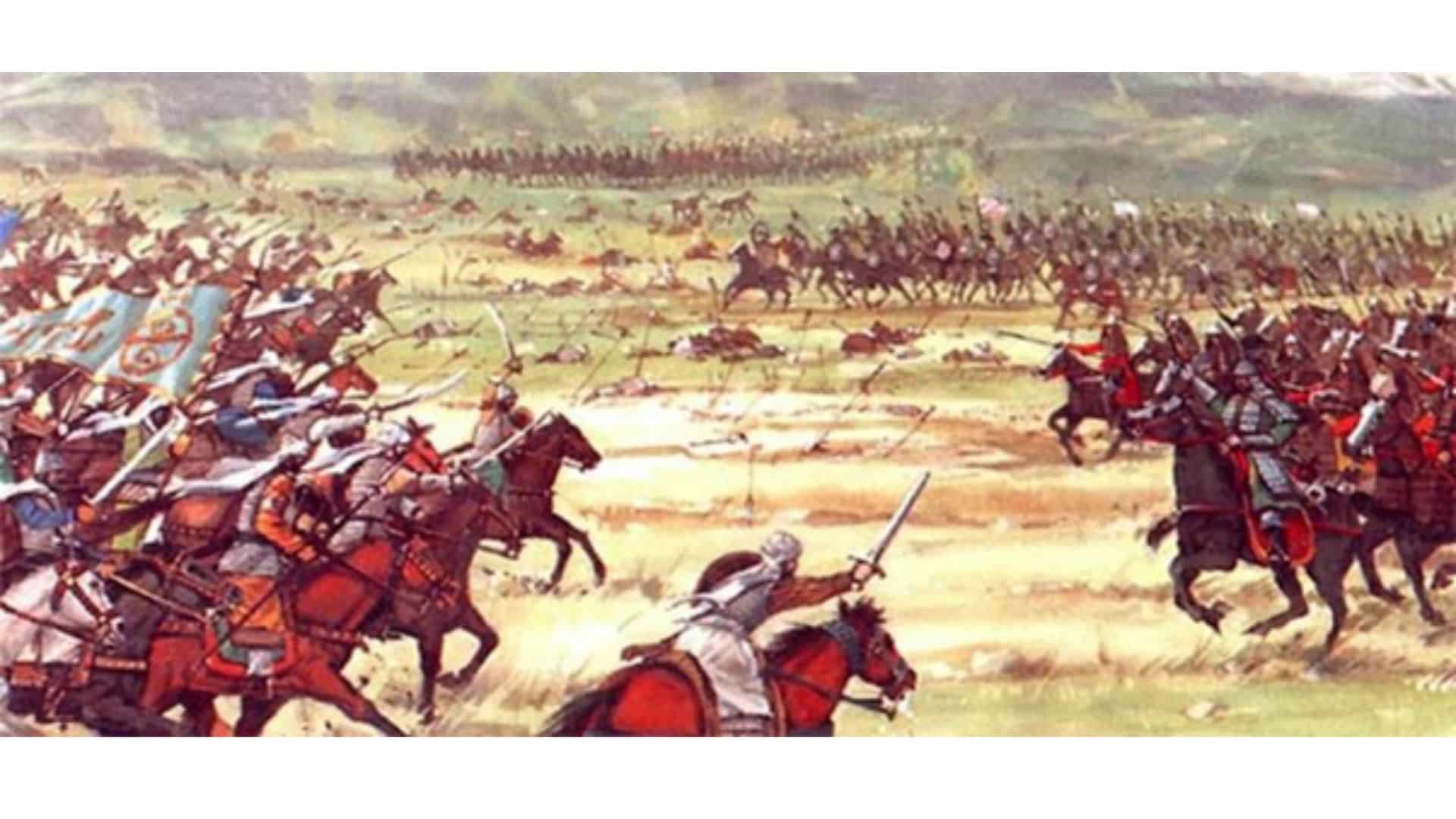
With successes in both Europe and Asia, the Ottomans turned their gaze to the North. They wanted to project power against Russia and solidify their control over the Black Sea, with the fortress of Azov as the key. Azov was a strategically vital port city that had become a flashpoint between the two empires. In 1642, the Ottomans conquered Azov, expanding their dominance in the Black Sea—a critical step in their effort to secure their northern frontiers.
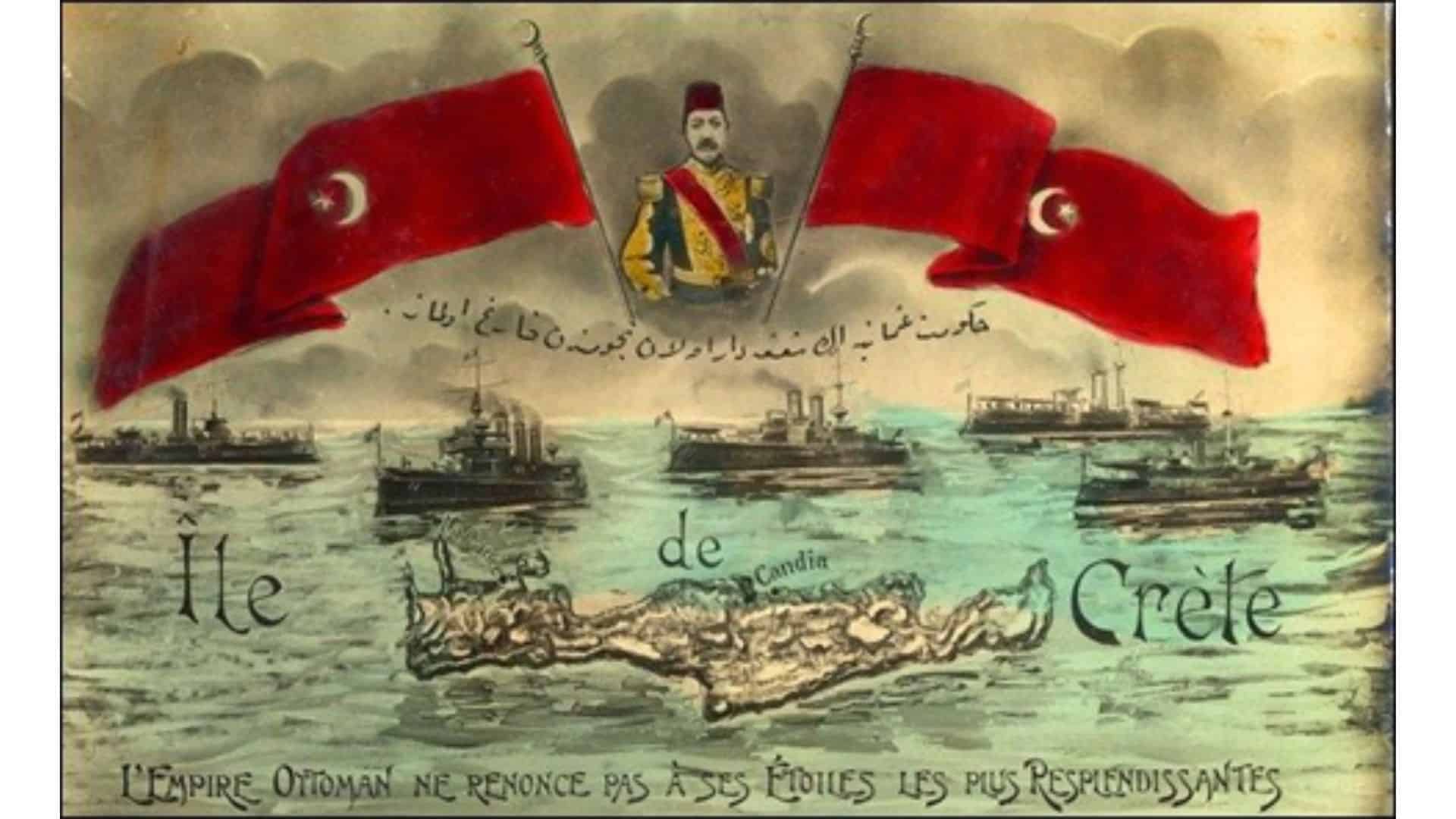
After shoring up the Black Sea, the West, and the East, the Ottomans turned to the seas, setting their sights on Crete, a vital location in the Mediterranean. The island was under Venetian control. For the “old” Ottoman military, this should have been a quick conquest, but it dragged on for a staggering 24 years. The campaign, which began in 1645, didn’t conclude until 1669. While the Ottomans ultimately won, the length of the struggle signaled to Europe that the Ottomans were no longer the force they once were. Beyond the hit to their image, the economic burden of such a long war was a massive strain on the state.
That just about covers the major victories of the era. But as we know, these triumphs were shadowed by the looming failures and systemic issues. Let’s look at what went wrong.
The Celali Revolts
Before the Stagnation Period officially began, economic crises had already started brewing in the mid-1500s. The Age of Discovery had opened up trade routes that bypassed Ottoman lands, meaning the Empire’s location was no longer the indispensable “middleman” it once was. Meanwhile, the pace of territorial expansion slowed down, meaning less loot and less revenue flowing into the treasury. So, how did the Empire keep the lights on? Agriculture, right?
For nearly 200 years, the “Timar System” had been the backbone of the state. Under this system, cavalrymen known as sipahis managed lands, granting them to peasants to farm in exchange for taxes. The sipahi kept a portion of the income and the rest went to the state. It was a strict arrangement: if a peasant rented land for three years, they couldn’t leave early without paying compensation to the sipahi.
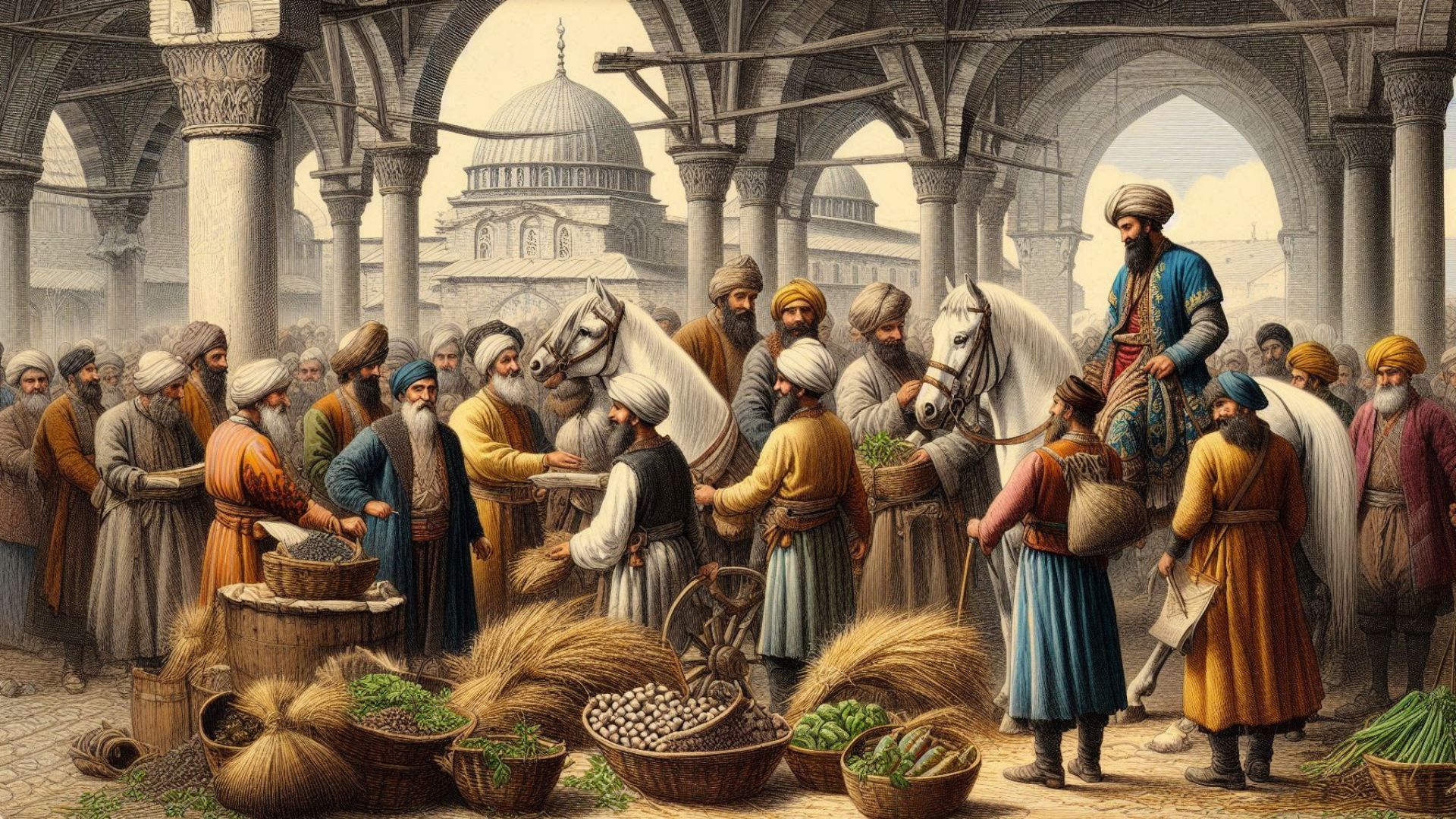
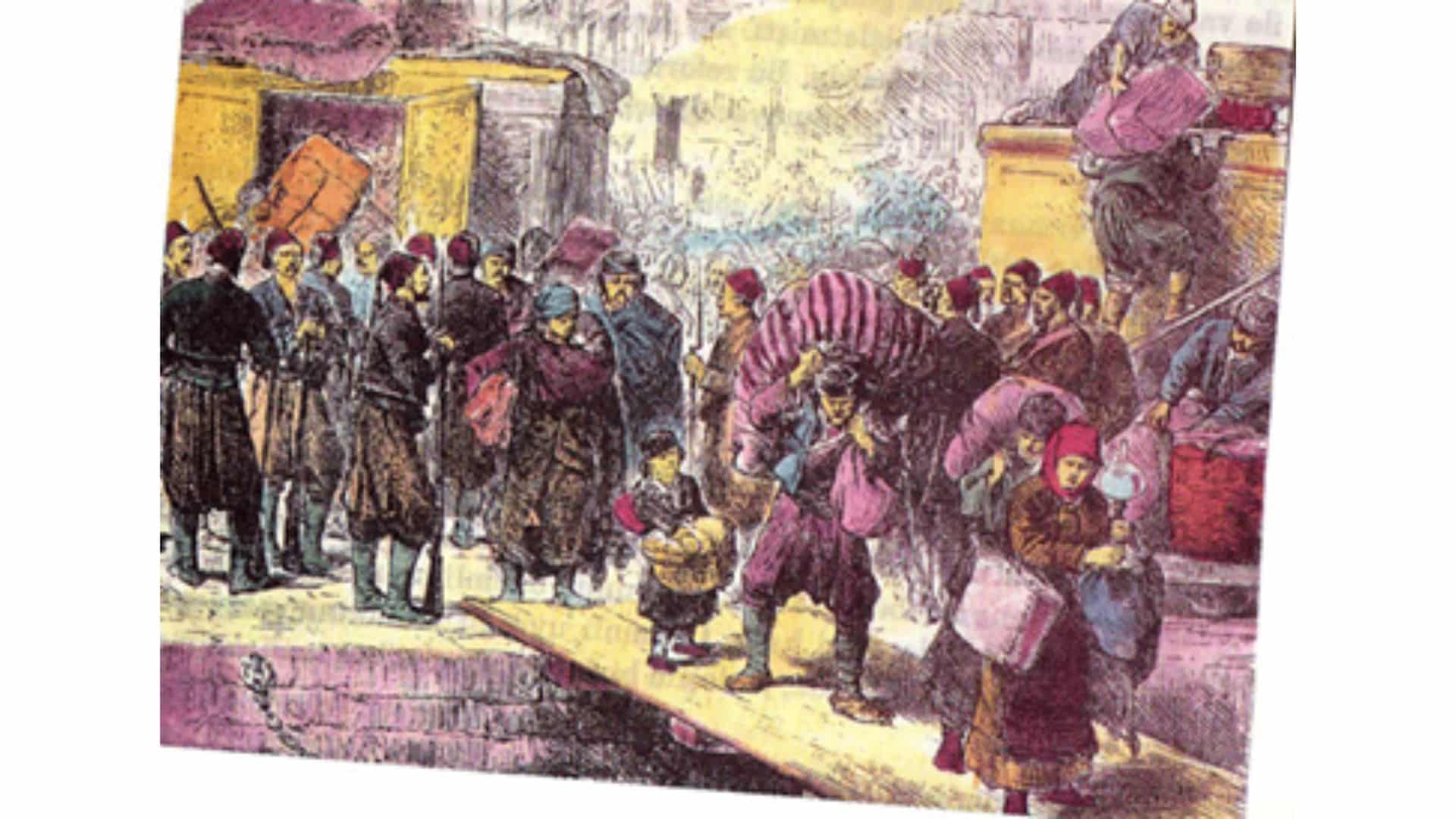
This system allowed the Ottoman state to synthesize its cavalry forces with provincial administration, effectively blending military, economic, and administrative duties. It ensured agricultural production benefited the peasants, the sipahis, and the state, while also cementing central authority. These sipahis served as local administrators during peacetime and as mounted cavalry officers during war. The state didn’t have to waste resources collecting taxes; it delegated that to the sipahis, who used the funds to train soldiers. It was a brilliant, efficient machine—but by the second half of the 16th century, it began to rust. As sipahis and peasants faced financial pressure, many peasants could no longer make ends meet and fled to the cities. This devastated agriculture and the economy. The displaced peasants, unable to find work in the cities, often turned to banditry.
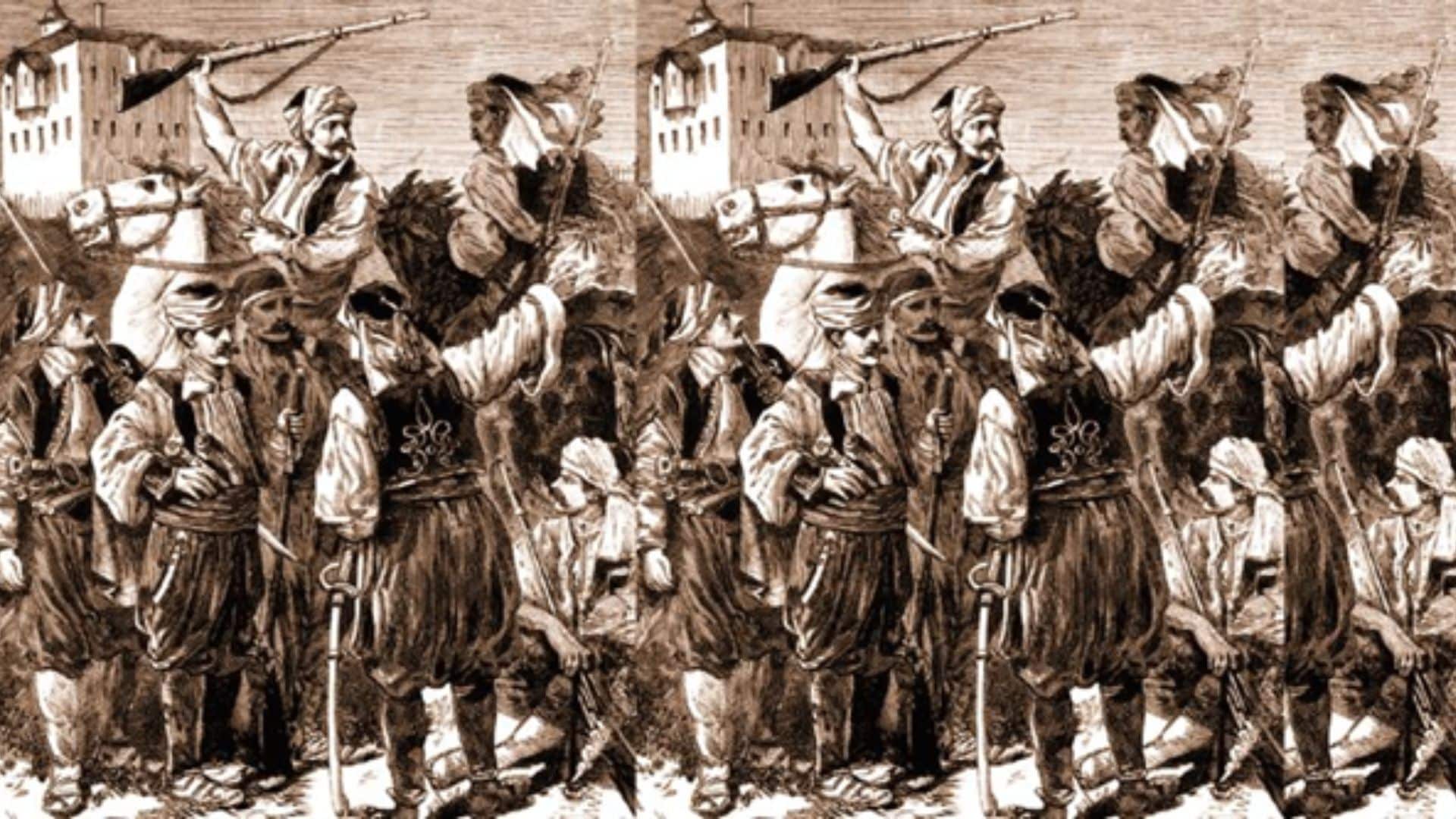
These uprisings, known as the Celali Revolts, began in 1519. While they ebbed and flowed, they reached a boiling point during the Stagnation Period as central authority weakened. By the reign of Ahmed I, the revolts were crushed with significant bloodshed. Even though the uprisings were stopped, the damage was done: the state’s authority had been compromised, and the old systems were effectively broken.
The Second Siege of Vienna
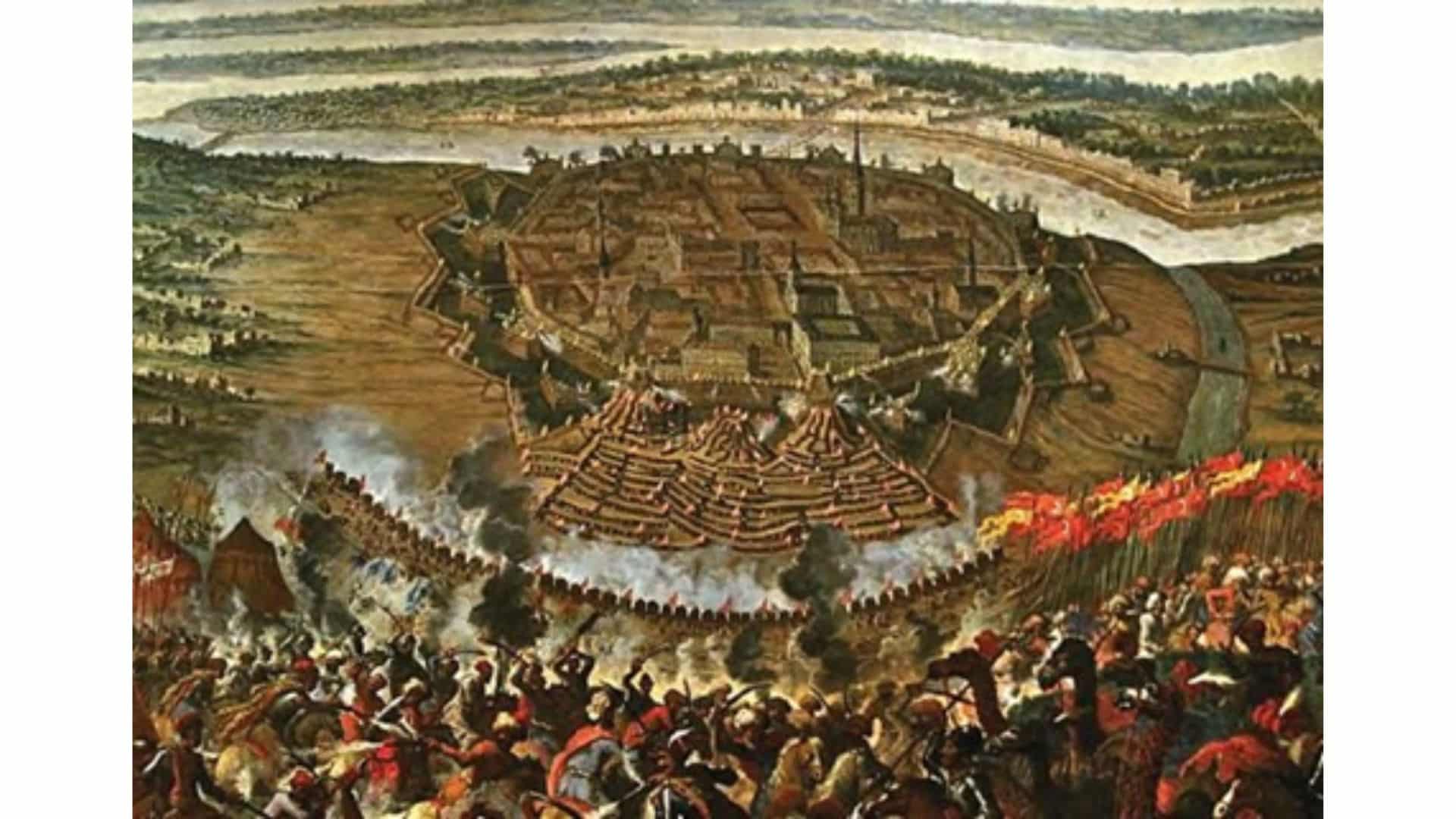
The Ottoman Empire, of course, didn’t want to admit it was stagnating. It still believed it could act with the vigor of its youth. That’s exactly why it revisited a dream that had been tried and failed during the era of Suleiman the Magnificent: the Siege of Vienna.
In 1683, the Ottoman Empire laid siege to Vienna for the second time in its history. The first siege had been long and ultimately unsuccessful, but it hadn’t been a catastrophic disaster. Sadly, the second attempt was a different story. The failure was absolute, and it effectively halted the Ottoman push into Western Europe. This defeat is considered one of the defining turning points into the era of decline, as the vast resources, supplies, and manpower poured into the siege were completely wasted. Austria defeated the Ottomans with relative ease during the siege, and from that moment on, the initiative swung firmly to the Austrians.
The Beginning of the Decline: The Treaty of Karlowitz
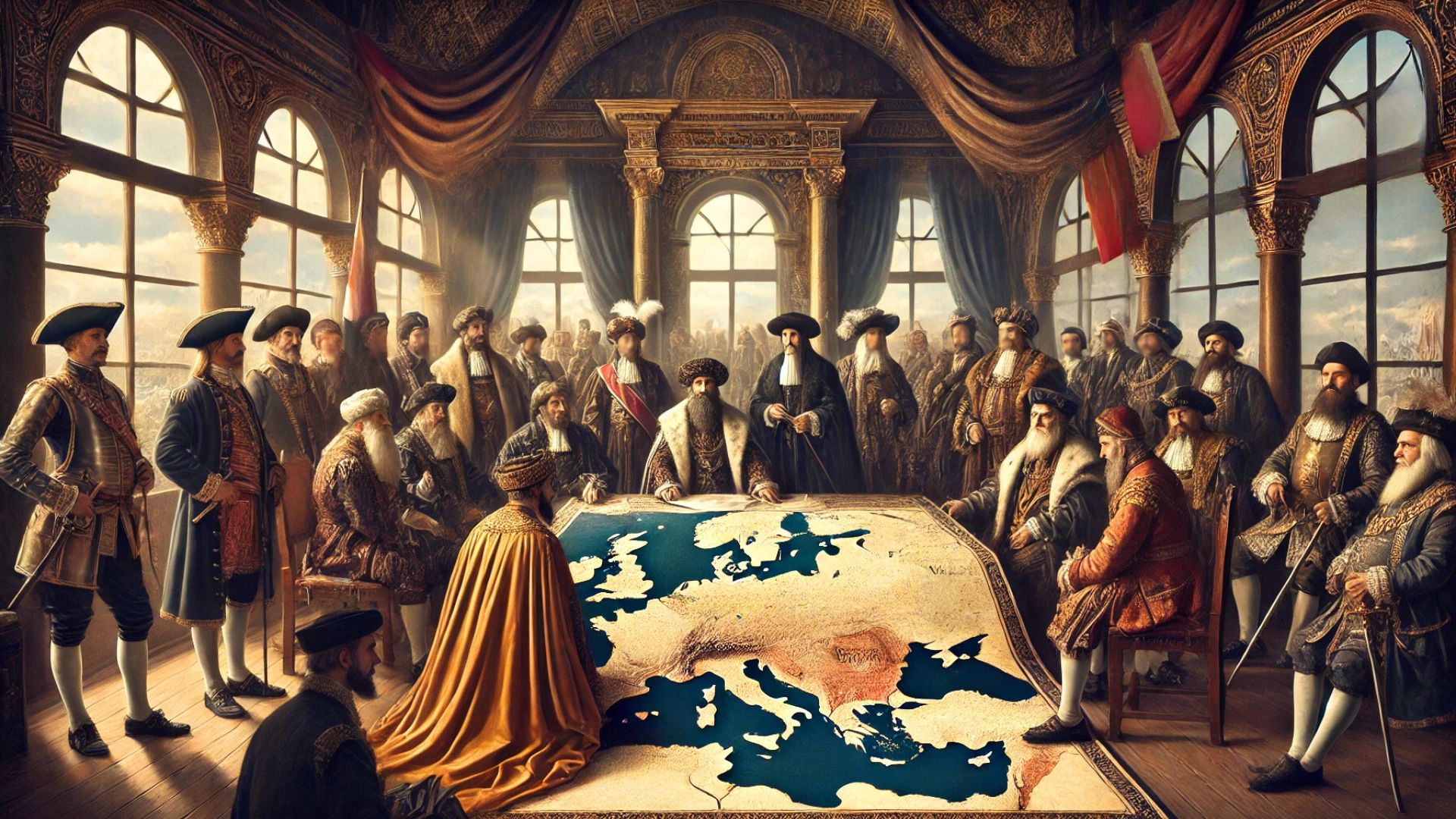
When the Ottoman army reached the heart of Austria and suffered massive losses, its defensive capabilities were shattered. Seeing this as an opportunity, Austria formed a “Holy League” with the Papacy, Poland, and Venice. In 1686, Russia joined the fray as well.
The Ottomans were comprehensively defeated. These powers tore through Ottoman lines, and the Empire lost much of the territory it had gained during this period and before. Perhaps the Austrian pressure could have continued and dealt even more damage, but Austria, concerned about potential conflicts on its own borders, decided to sit down at the negotiating table.
The Ottomans were undoubtedly relieved, but there was little to celebrate. With the Treaty of Karlowitz in 1699, the Ottoman Empire ceded significant territory to Austria. Wallachia, Moldavia, most of Hungary, northern Serbia, and Transylvania were transferred to Austrian control. The Empire had suffered massive losses along its western and northeastern frontiers.
At the same time, Venice managed to peel the island of Crete away from Ottoman hands.
Of course, these two losses were just a fraction of the treaty. The loss of land was merely the visible symptom of a deeper rot. After this crushing defeat, the Ottoman Empire entered a clear period of decline, and the era of losing territory piece by piece had officially begun. As you’ll see in our upcoming articles on the Decline and Dissolution periods, the map was about to become filled with losses.
Bibliography and Further Reading
Cebecioğlu, A., & Cebecioğlu, A. (2023, July 12). The Period of Stagnation of Ottoman Empire | islam and ihsan. Islam and Ihsan. https://www.islamandihsan.com/the-period-of-stagnation-of-ottoman-empire.html#:~:text=The%20period%20beginning%20with%20the,important%20internal%20and%20external%20problems.
Tarih ve Türkler. (2022, March 13). 56 – OSMANLI TARİHİ – 2. VİYANA KUŞATMASI |4.MEHMED| [Video]. YouTube. https://www.youtube.com/watch?v=LHaFEKOHfCg
The Editors of Encyclopaedia Britannica. (1998a, July 20). Holy Alliance | Austria, Prussia, Russia. Encyclopedia Britannica. https://www.britannica.com/topic/Holy-Alliance
The Editors of Encyclopaedia Britannica. (1998b, July 20). Jelālī revolts | Ottoman Empire, Anatolia, Peasants. Encyclopedia Britannica. https://www.britannica.com/event/Jelali-Revolts
The Editors of Encyclopaedia Britannica. (1998c, July 20). Treaty of Carlowitz | Ottoman Empire, Habsburgs, Peace Treaty. Encyclopedia Britannica. https://www.britannica.com/event/Treaty-of-Carlowitz
The Editors of Encyclopaedia Britannica. (2024, August 17). Siege of Vienna | History, importance, combatants, & Significance. Encyclopedia Britannica. https://www.britannica.com/event/Siege-of-Vienna-1683
Wikipedia contributors. (2024, October 6). Battle of Vienna – Wikipedia. https://en.wikipedia.org/wiki/Battle_of_Vienna
Yapp, M. E., & Shaw, S. J. (2024, October 5). Ottoman Empire | Facts, History, & Map. Encyclopedia Britannica. https://www.britannica.com/place/Ottoman-Empire
Originally published in Turkish at Doğa Filozofu.