


We hear the name “hyaluronic acid” constantly in the worlds of science and cosmetics today, usually thinking of it as nothing more than a buzzword on a skincare label. In reality, this molecule plays a much more complex and awe-inspiring role deep within human physiology. Hyaluronic acid isn’t just a moisturizer; it’s a foundational building block that regulates cell-to-cell communication, maintains tissue integrity, and acts as a biological defense mechanism against the aging process. Naturally present in our bodies, this substance is hard at work in our skin, joint fluids, eyes, and connective tissues, directly impacting our quality of life.
First discovered in 1934 at Columbia University by Karl Meyer and John Palmer, hyaluronic acid was isolated from a bovine eye at the time and associated solely with eye health (Laurent 1998). However, subsequent research revealed that this molecule’s biological functions span a much wider spectrum. Today, we know that hyaluronic acid is actively used in various medical fields—from orthopedics and ophthalmology to dermatology and dentistry—not just in aesthetic procedures. This versatility makes it one of the most valuable molecules in modern biotechnology.
Hyaluronic Acid from the Dusty Shelves of History: The Journey of a Molecule That Spread from the Eye to the World
There are moments in history where a small laboratory finding evolves, years later, into a story that transforms both science and industry. That is exactly how the adventure of hyaluronic acid began.
1934 – A Glass-Like Discovery
In 1934, at Columbia University, two scientists named Karl Meyer and John Palmer were conducting what seemed like a routine study, examining the vitreous humor of cow eyes. From this transparent gel, they isolated a previously undefined substance made of two sugar molecules. Because the molecule contained uronic acid and was extracted from a glass-clear medium, they derived its name from the Greek word hyalos, meaning “glass”, calling it hyaluronic acid. Thus, the story of one of the most valuable molecules in modern medicine and cosmetics began.

1942 – From Baking to Science
Just eight years after its discovery, Hungarian scientist Endre Balazs considered using hyaluronic acid in an entirely different field: baking. In 1942, Balazs filed a patent for this natural polymer as a potential substitute for egg whites. At the time, this went down in history as the first commercial step demonstrating the molecule’s potential.
Though it sounds surprising today, the story of hyaluronic acid continued with an interesting transition from kitchen counters to operating rooms.
1950s – First Medical Use in Eye Surgery
By the late 1950s, hyaluronic acid was firmly on the medical world’s radar. It began to be used in eye surgery to replace the vitreous fluid within the eye. High-purity, high-molecular-weight forms were first isolated from human umbilical cords and later from rooster combs. This development marked the beginning of the molecule’s rise in the medical field.

Unlocking the Chemical Structure
During the same period, Karl Meyer and his team successfully decoded the molecule’s chemical structure. Although it was isolated in its acidic form, it behaved like a salt under physiological conditions, so it was defined as sodium hyaluronate. This naming better reflected the molecule’s behavior in biological environments.
1986 – A New Name: Hyaluronan
In the mid-1980s, Endre Balazs took the stage once again. He argued that a single term was needed to cover not just the acidic form of the molecule but all its forms, and in 1986, he introduced the word “hyaluronan” into the literature. This term became a scientific umbrella covering hyaluronic acid, sodium hyaluronate, and all other salt forms.
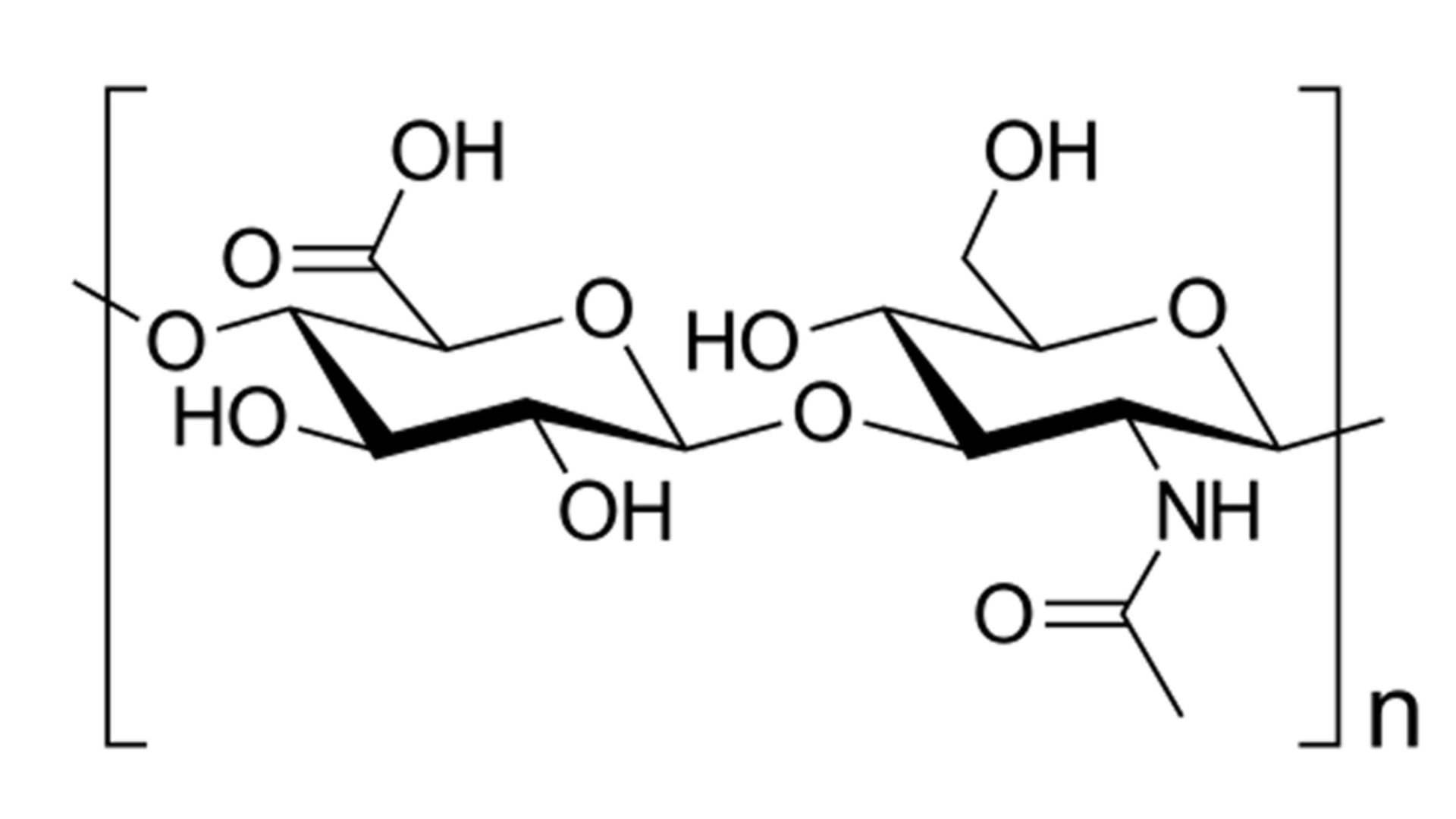
Image Source: Wikipedia
A Global Impact Born from the Eye
Today, hyaluronic acid appears in a wide range of applications: from joint injections and eye surgeries to wound healing and tissue engineering in medicine, and from moisturizers to dermal fillers in cosmetics. However, we must not forget that this global impact began with a glass-clear substance isolated from cow eyes by a pair of scientists back in 1934.
Let’s Get Hydrated!
When we look at its chemical and biological structure, Hyaluronic Acid (HA) is a naturally occurring, high-molecular-weight, linear glycosaminoglycan (Kaya & Taşkın, 2017). Its structure consists of repeating D-glucuronic acid and N-acetyl-D-glucosamine units, linked by p(1→3) and p(1→4) glycosidic bonds (Kaya & Taşkın, 2017). Thanks to its negatively charged carboxyl groups, it can retain high amounts of water, which gives it powerful moisturizing and gel-forming properties (Kim & Park, 2023).

It is found naturally in our bodies in the skin, joint fluid, eye vitreous, and umbilical cord (Karaduman & Doğan, 2017). In the skin, it provides plumpness; in joint fluid, it reduces friction and increases mobility (Balazs & Denlinger, 1993). In the eye, it helps maintain visual function by forming the gel-like structure of the vitreous (Kim & Park, 2023).
Physicochemical Properties
In laboratory studies, it has been observed that cross-linked HA gels swell more as the pH increases (Kim & Park, 2023). As ionic strength increases, the swelling ratio decreases, which shows that the composition of the solution plays a critical role in formulation design (Kim & Park, 2023). Drying processes can significantly reduce HA’s water-holding capacity, so production and storage conditions directly affect performance (Kim & Park, 2023).
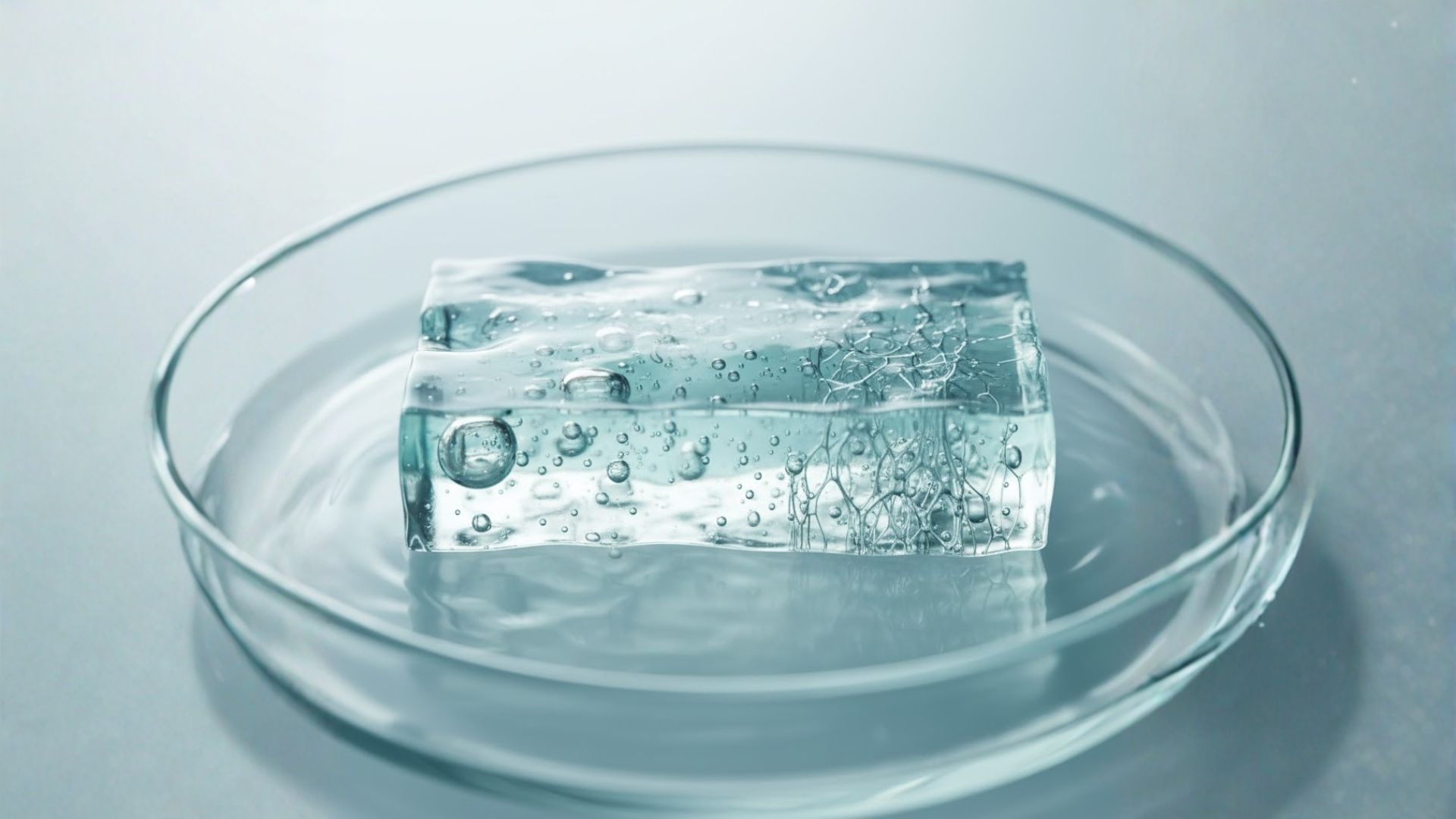
Cross-link density also impacts both the mechanical strength and water-holding capacity of the gel (Kim & Park, 2023). A lower cross-link ratio allows for more swelling, while a higher ratio creates firmer structures that hold less water (Kim & Park, 2023).
Molecular Weight and Biological Effects
The biological effects of hyaluronic acid vary depending on its molecular weight (Kaya & Taşkın, 2017). High-molecular-weight HA increases tissue stability, suppresses inflammation, and supports the differentiation of osteogenic cells (Kaya & Taşkın, 2017). Conversely, low-molecular-weight HA initiates angiogenesis, attracts immune cells to the tissue, and plays a role in the early phase of wound healing (Kaya & Taşkın, 2017).
Current Clinical Applications
In eye surgery, viscoelastic HA solutions are used to fill the vitreous cavity and protect intraocular structures during operations (Kim & Park, 2023). Beyond that, in intra-articular injections for osteoarthritis treatment, sodium hyaluronate injections can reduce pain by improving the viscoelastic properties of joint fluid (Balazs & Denlinger, 1993). Looking at bone healing, HA application in animal models has accelerated bone repair and increased osteoblast activity (Yılmaz & Kocabaş, 2023). Finally, in tissue engineering, it is used as a biocompatible scaffold for cell growth and integrated into delivery systems for the controlled release of drugs (Kim & Park, 2023).

Diagnostic Use
Serum hyaluronic acid levels are significantly higher in inflammatory diseases like rheumatoid arthritis compared to healthy individuals (Kaya & Taşkın, 2017). This has made HA a potential biomarker (Kaya & Taşkın, 2017).
Aging at the Molecular Level
The history of cosmetic products dates back thousands of years. Recipes for skincare existed in Ancient Egypt as early as 4000 B.C. and in Ancient Greece between 130–200 A.D. Today, one of the essential components of skincare is hyaluronic acid, which is already present in our skin.
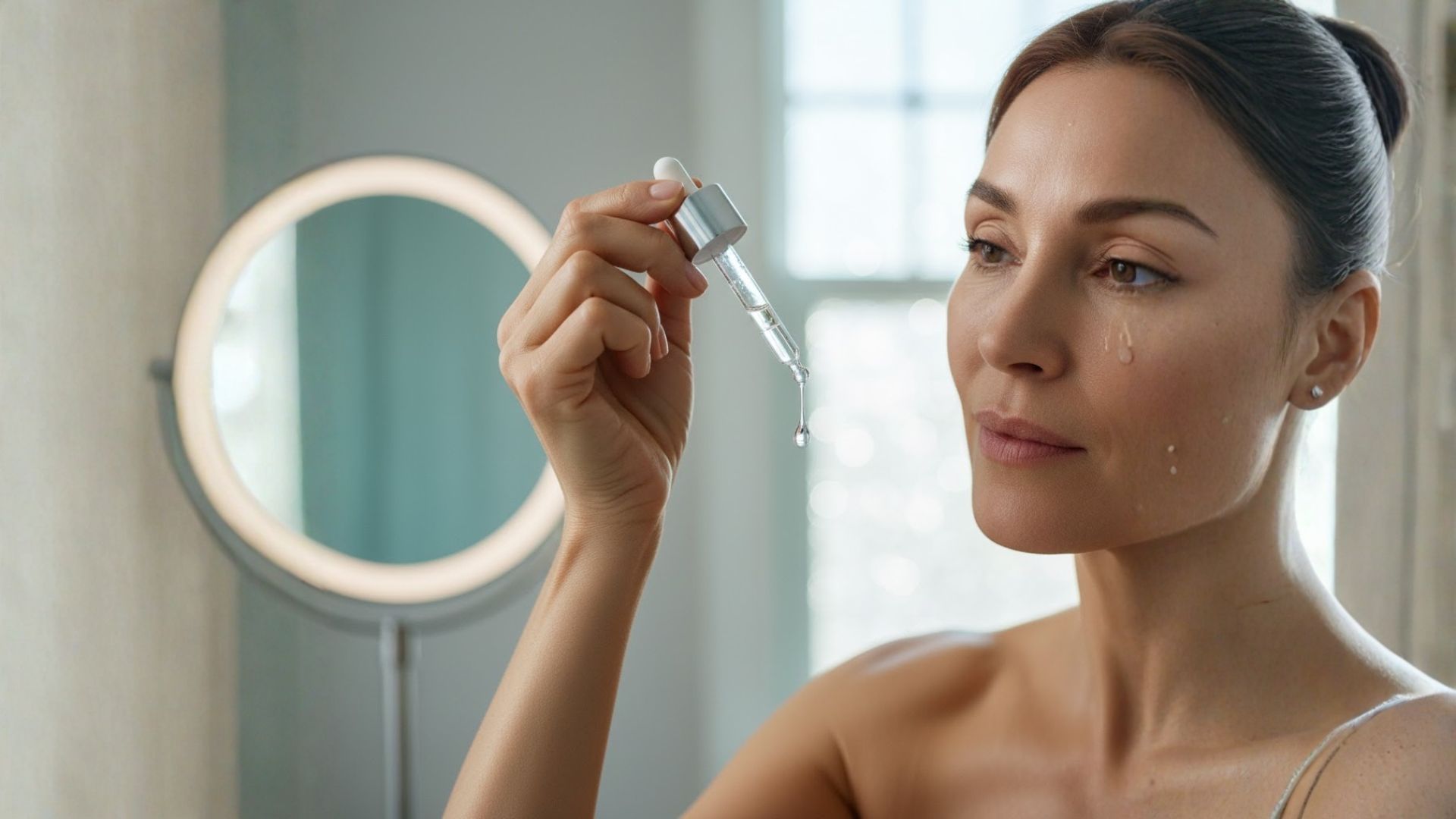
As skin ages, the amount of structural building blocks like collagen, elastin, and glycosaminoglycans decreases. Hyaluronic acid is no exception to this process. This decline causes the skin to lose its firmness, radiance, and elasticity, leading to more visible wrinkles.
In modern cosmetics, hyaluronic acid is used as a key supportive agent against the signs of aging. Today, it is possible to hydrate the skin, restore plumpness, and achieve a smoother appearance on the surface through creams, serums, or fillers.
Aging is inevitable, but with hyaluronic acid and the right skincare habits, it is within our power to slow down its effects (Yapar, EA and Tanrıverdi, ST (2016).
With aging, the amount of HA in the dermis decreases, leading to wrinkles, dryness, and loss of elasticity (Özer & Yılmaz, 2020). Different forms of HA are used in cosmetic products. Low-molecular-weight HA penetrates the epidermis more easily, providing short-term moisture increases. Sodium hyaluronate provides long-term hydration on the surface. Microencapsulated HA provides a slow release of the active ingredient, offering benefits throughout the day. In a recent study, a cream containing innovative components like HA and gold microspheres significantly reduced the depth and length of wrinkles around the eyes after 28 days of use (Karaduman & Doğan, 2017).
A Microscopic Miracle: Why Is Hyaluronic Acid Now Produced via Biological Synthesis Instead of Animal Sources?
Having a wide range of uses, from skincare products to eye drops, and joint treatments to wound-healing gels, this miraculous molecule was obtained from animal sources for many years. Tissues like rooster combs and umbilical cords were the primary raw materials for hyaluronic acid production. So, what changed? Why have microscopic organisms taken the stage?
The answer is scientific, ethical, and economic all at once. Let’s take a look behind the scenes of this transformation together.

In the past, obtaining hyaluronic acid was like a laboratory marathon. The complex structure of animal tissues, along with the proteoglycans and other biomolecules they contained, made the purification process difficult and burdensome for producers in terms of both time and cost. Furthermore, animal-derived products carried the risk of cross-species infections and negative interactions with the immune system.
It is precisely at this point that science introduced microscopic heroes: bacteria. Specifically, species like Streptococcus zooepidemicus can synthesize hyaluronic acid under the right conditions. This method is not only safer but also more efficient, cheaper, and more sustainable.
One of the greatest advantages of microbial production is the controllability of the molecule. It is possible to produce hyaluronic acid at the desired molecular weight. Thanks to genetic engineering, production efficiency can be increased, and purification processes can be completed in less time. Moreover, this method eliminates the use of animals, thereby addressing ethical concerns (Mimiroğlu, D. (2015)).
Another benefit is its environmental impact. Animal-based production is more challenging in terms of both resource consumption and waste management. Microbial production, however, can be carried out in a controlled, eco-friendly laboratory environment. This makes it not just a scientific, but also an ecological choice.
Today, when you pick up a cream containing hyaluronic acid, the molecules inside most likely emerged from a bacterial cell to reach the shelves. This is a silent revolution occurring at the intersection of science and beauty.
The shift from animal sources to microbial synthesis is not just a change in production; it is a major step forward for health, ethics, and sustainability. This step continues to inspire us on the path toward the biotechnological solutions of the future.
Future Applications
Research shows that HA will be used in much more advanced forms in the future. HA-based systems are being developed for smart hydrogels that control drug release by reacting to pH, temperature, or ion changes (Kim & Park, 2023). In advanced cross-linking techniques, safer formulations are being achieved with more biocompatible and non-toxic binders (Balazs & Denlinger, 1993). In targeted tissue engineering for cartilage and bone repair, HA scaffolds combined with growth factors are showing high success (Kaya & Taşkın, 2017). In combination therapies, HA is being paired with collagen or biomimetic peptides to enhance both mechanical and biological effects (Özer & Yılmaz, 2020). With the integration of nanotechnology, HA is being used for targeted drug delivery to deeper tissues or tumors via nano-carrier systems (Karaduman & Doğan, 2017).

Conclusion
Beyond being a simple moisturizing molecule, hyaluronic acid is a key player in both current and future biomedical solutions (Kaya & Taşkın, 2017). Thanks to its molecular structure, it supports both health and aesthetics, and its role will only expand with evolving technology (Balazs & Denlinger, 1993).
References and Further Reading
Balazs, E. A., & Denlinger, J. L. (1993). Clinical uses of hyaluronan. Ciba Foundation Symposium, 143, 265–275.
Balazs, E. A., & Laurent, T. C. (1989). The biology of hyaluronan. Chemistry and Physics of Lipids, 50(1–2), 1–14.
Karaduman, D., & Doğan, A. (2017). Kozmetik ürünlerde hyaluronik asit kullanımı. Türkderm – Archives of the Turkish Dermatology and Venerology, 45(Suppl 2), 60–67.
Kaya, A., & Taşkın, E. (2017). Hyaluronik asit düzeylerinin romatoid artritli hastalarda değerlendirilmesi. Ortadoğu Tıp Dergisi, 9(2), 60–65.
Kim, J. H., & Park, K. (2023). Crosslinked hyaluronic acid hydrogels: Swelling behavior and biomedical applications. Polymers, 15(20), 4134. https://doi.org/10.3390/polym15204134
Laurent, T. C. (1998). The discovery of hyaluronan by Karl Meyer. ResearchGate. https://www.researchgate.net/publication/228447716_The_Discovery_of_Hyaluronan_by_Karl_Meyer
Mimiroğlu, D. (2015). Mikrobiyal hyaluronik asit üretimi ve saflaştırılması [Master’s thesis, Ankara University Institute of Biotechnology].
Necas, J., Bartošíková, L., Brauner, P., & Kolar, J. (2008). Hyaluronic acid (hyaluronan): A review. Veterinarni Medicina, 53(8), 397–411. https://doi.org/10.17221/1930-VETMED
Özer, Ö., & Yılmaz, G. (2020). Anti-aging kozmetik yaklaşımlar ve ürün bileşenleri. Türkderm – Archives of the Turkish Dermatology and Venerology, 45(Suppl 2), 60–67.
Yapar, E. A., & Tanrıverdi, S. T. (2016). Yaşlanma karşıtı kozmetik yaklaşımlar ve ürün bileşenleri. Turkish Journal of Clinics and Laboratory, 7(3), 59–64.
Yılmaz, T., & Kocabaş, M. (2023). Hyaluronik asit ve kemik iyileşmesi üzerine etkileri. U. Ü. Tıp Fakültesi Dergisi, 49(3), 230–236.
Originally published in Turkish at Doğa Filozofu.