
A thunderous opening, isn’t it? We’re looking at a philosopher who dared to ask why existence is, well, existence. That philosopher is Aristotle, a student of Plato. He was a thinker who would completely reshape Ancient Greece and pave a brand-new path. His narrative was so powerful that it birthed a system of physics that remained the gold standard all the way until Copernicus arrived in the 1500s. Now, can we pack such an incredible resume into a single post? If we tried to cover everything, the answer would be a hard no—but if we focus on his views on existence, we might just have a shot. If we were to tack on his ethics, for instance, we’d end up with a whole second article, much like this one: “If You’re Unhappy, You’re Immoral: Virtue Ethics“. Yes, we’ve already put that together for you. But for now, let’s keep our eyes on the prize. Let’s dive in!
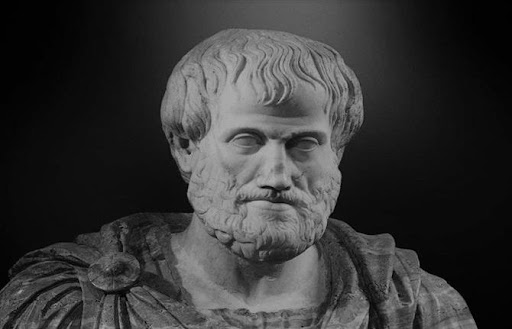
Aristotle and Plato
Before we get into Aristotle’s take on matter, we have to talk about his connection to Plato. To get the full picture, we highly recommend checking out our post, “The Philosopher of Ideals: Plato”.
First off, Aristotle spent a long time listening to Plato’s theory of the World of Forms, and he actually agreed with him on certain points—especially the idea that matter is in a state of constant flux. Unlike Plato, however, Aristotle didn’t find the World of Forms necessary to explain this change. For him, there is no such “second world”; instead, matter is simply the kind of thing that inherently contains the quality of change. In other words, the properties Plato and Aristotle assigned to matter aren’t exactly the same. Plato argued that the matter in the World of Forms is reflected in our world, and what we see isn’t the “real” thing, just a shadow. Aristotle, on the other hand, argued that matter exists and that what we see is the actual state of reality. For him, the question is: Why does a seed turn into a tree? What is it that turns it into a tree?
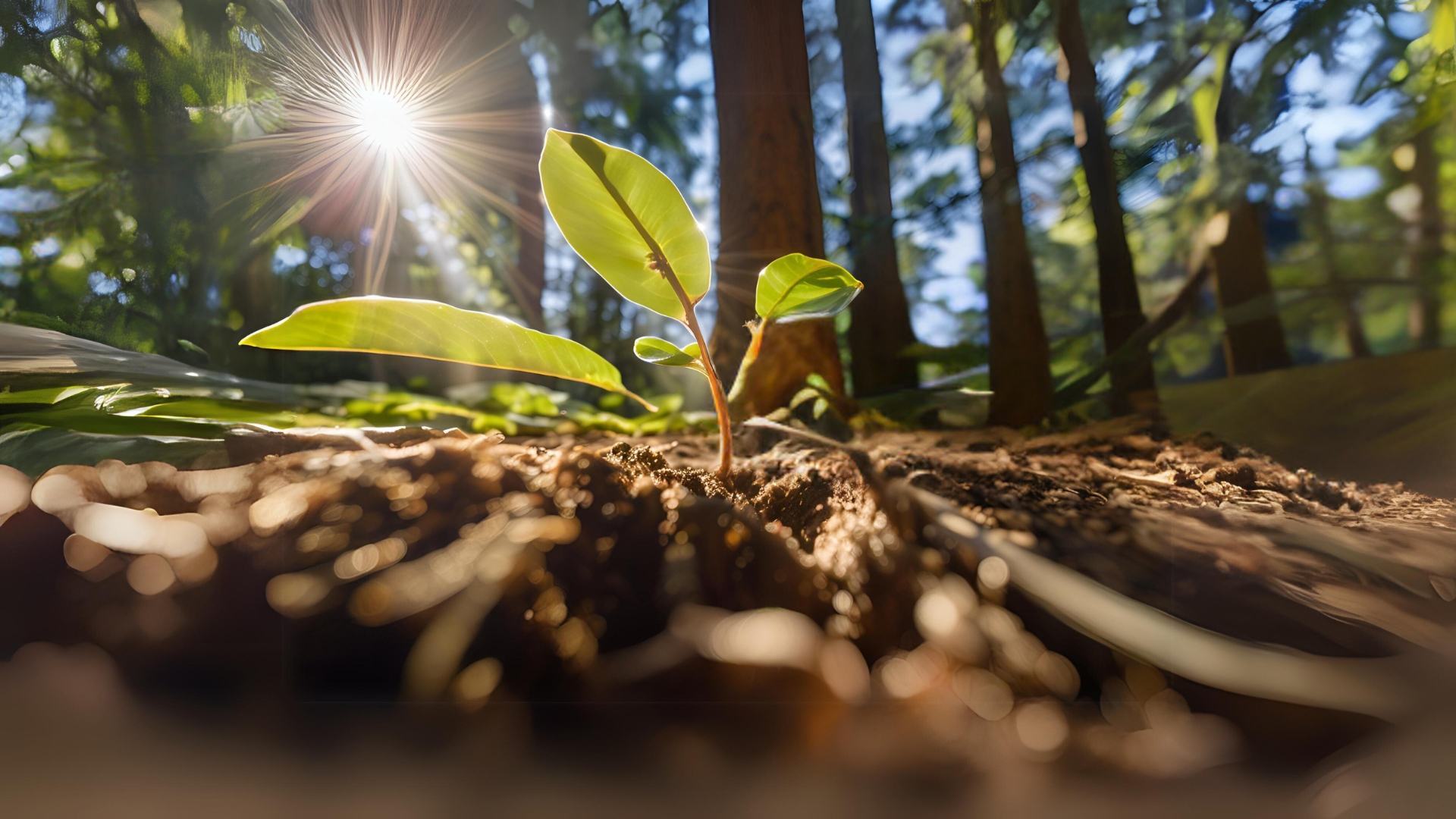
To put it another way, while Plato attributes the difference between two trees to the fact that they are mere reflections of a single, perfect tree in the World of Forms, Aristotle attributes those two different appearances to the structure of matter, which we’ll discuss in a moment. For Aristotle, change is constant, just as Plato thought, but he didn’t see it as an obstacle to seeing the truth. To him, change doesn’t interfere with the essence of matter.
Aristotle and Matter
Plato introduced us to things that couldn’t be touched or seen through his World of Forms. These were the entities that allowed us to contemplate concepts like “cat,” “horse,” or “circle.” Aristotle didn’t reject these non-material entities, but he saw them as existing directly within the matter itself, without needing a separate World of Forms. This is also how he explained how matter can change while still retaining its essence.
According to Aristotle, matter is that which possesses the capacity for change. For example, when water is in a warm environment, it loses its cold quality, gains heat, and eventually changes its form to become gas. So, just because the form of the water changes, it doesn’t suddenly cease to exist. We could say that matter is the stuff that holds this ability to transition between forms and can take on or shed qualities. In other words, what constitutes matter isn’t its form or its qualities. These are certainly part of its identity, but it isn’t made up of them directly.
To take it a step further, the concept of “essence” you might remember from high school philosophy doesn’t exist for Aristotle in the same way. Matter isn’t made of something else. Matter is the essence itself.
If you’re thinking, “Okay, but Plato is right. Two trees aren’t exactly the same. How does Aristotle explain that?” well, that’s where his theory of the four causes comes in. We’ll break that down in detail right now.
Potentiality and Actuality
That question we just mentioned—”Why does a seed turn into a tree?“—is exactly where Aristotle started. Before even getting to the “why,” Aristotle defines that seed as: “Something that has the potential to become a tree.“
Wait, does that sound like potentiality and actuality? Exactly! Aristotle puts the spotlight on the potential of matter. Every piece of matter carries a potential for transformation, and when that matter reaches its end, it achieves its actuality. For example, every human has the potential to age. We might not realize that potential, but it is inherent within us. Likewise, every seed carries the potential to grow and become a tree. That’s where the potential-actuality dynamic comes in for Aristotle. But what exactly are these? Let’s break them down:
Potentiality, for Aristotle, refers to the abilities or possibilities that an entity or object possesses but has not yet realized. Potentiality expresses what something can become. A good example is the seed: its potential is to become a tree. The seed isn’t a tree yet, but it has the capacity to grow into one.
Actuality, on the other hand, is the realized state of an entity’s potential. It refers to the state where something truly exists and has gained its full form. Continuing with our seed example, that same seed growing into a tree is its actualized state. The seed has realized its potential and has become a tree.
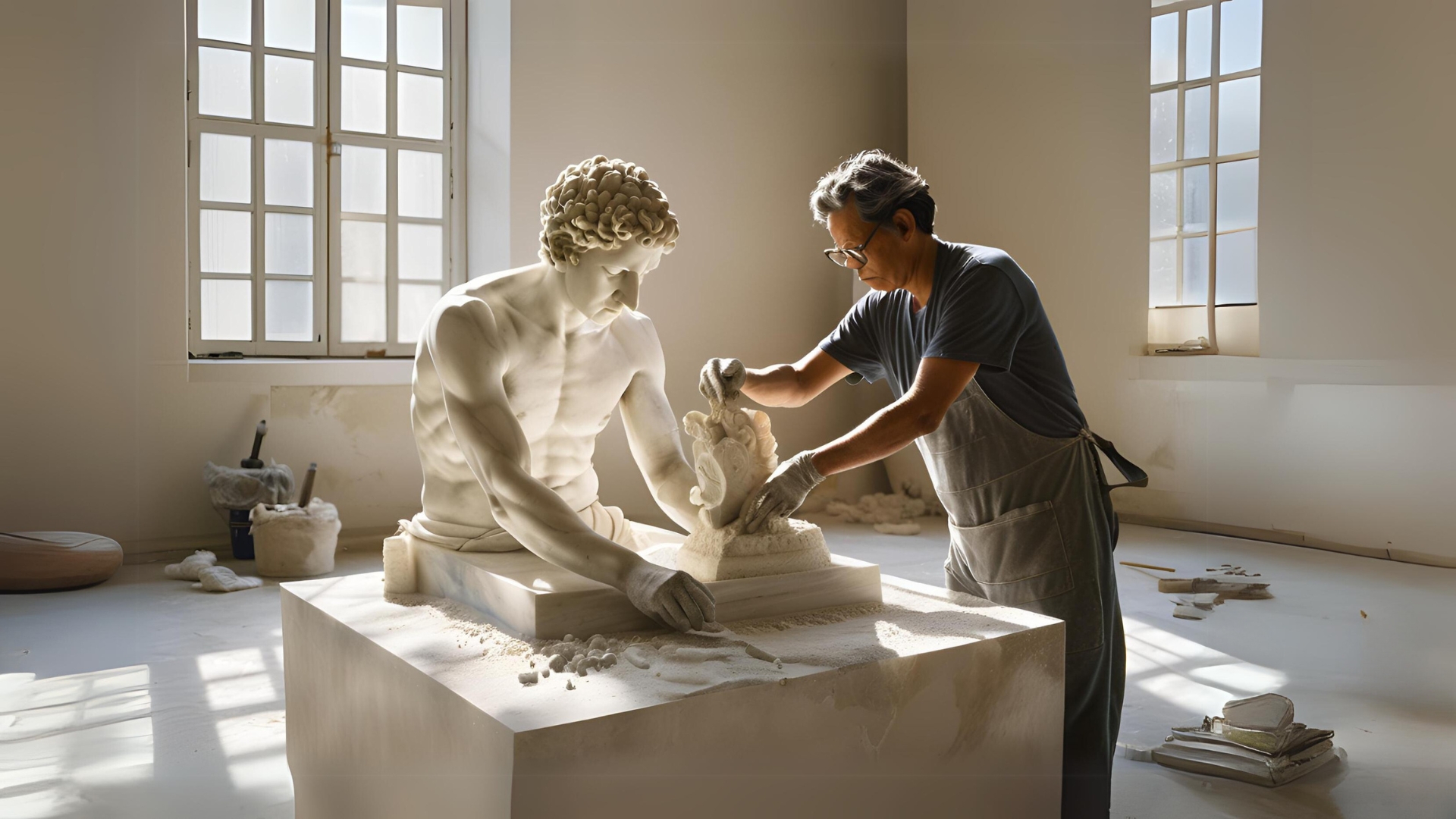
When we think about it all together, we can explain the final state like this:
A block of marble has the potential to become a statue. When this block is carved by a sculptor, that potential becomes actual, and the marble becomes a statue. The marble block was initially just a potential statue, but through the intervention of the artist, that potential was realized, and the statue became actual.
So, what makes matter move from potential to actual? Is it just random? That can’t be right, can it? If it were, how could science exist? It must be causal. That, for Aristotle, is where his theory of the four causes provides the answer.
The Four Causes
According to Aristotle, to understand why something exists or how it came to be, we need to look at four distinct causes (or explanations) working together. These are:
- Material Cause
- Formal Cause
- Efficient Cause
- Final Cause
Don’t worry, we’re almost there! Let’s walk through these one by one:
1. Material Cause
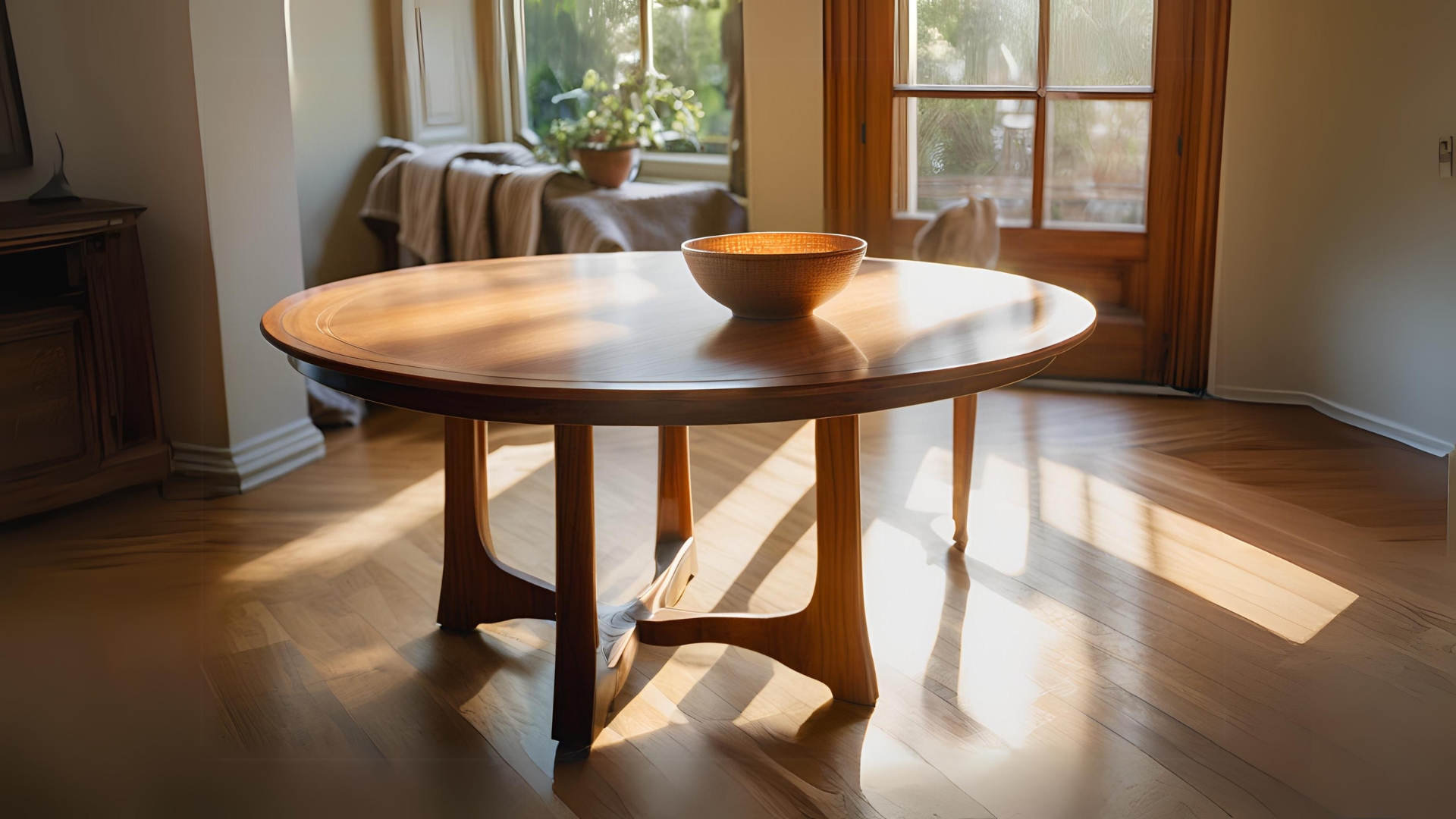
This is the most “physical” cause. It’s the physical stuff or building blocks of an object. For instance, for a table, the material cause is the wood, metal, or other materials that make it up. In other words, it’s the raw material.
2. Formal Cause
This is the form, structure, or design of an object; the shape and arrangement that determine “what it is.” For that same table, the formal cause is the table’s shape, design, and structural blueprint. Essentially, the formal cause expresses the form and order that the matter has taken. This can also be thought of as the essence or nature of the object—the properties that define it.
3. Efficient Cause
This is the cause that explains the change we mentioned earlier, like water turning from liquid to gas. It is the external agent or factor that causes an object or event to exist. It is the cause that initiates movement, creates something, or brings it into being. Keeping with our table example, the carpenter who builds it is the efficient cause.
In other words, the efficient cause explains how something gained existence. It is usually defined within a cause-and-effect relationship as the factor that brings the object or event into the world.
4. Final Cause
Finally, the final cause is the purpose or goal of an object or event; it explains “what it is for.” The final cause of the table is to hold food, provide a surface for writing, or fulfill other functions. The final cause expresses the purpose of existence or the ultimate goal. According to Aristotle, every entity and event develops and exists for a specific purpose.
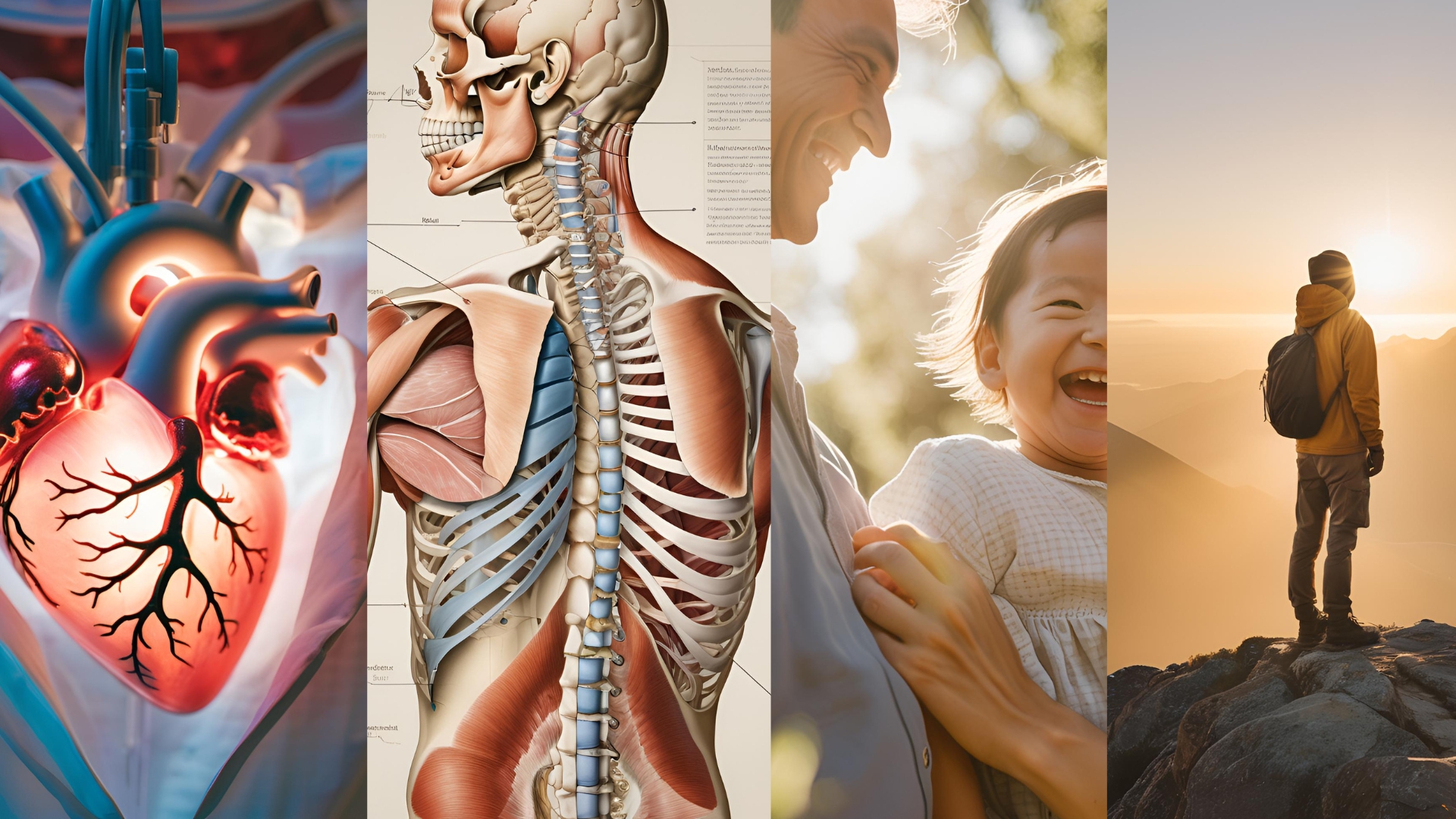
Now, couldn’t someone ask: “Okay, but these have all been applied to things like tables. What about humans? Aren’t we matter, too?” Spot on! Of course, these four causes apply to us as well. How, you ask? Let’s re-examine these causes with examples specifically for humans:
Material Cause: The substances that make up the human body (cells, organs, etc.).
Formal Cause: The qualities that make a human human (genetic makeup, intelligence, anatomical structure, etc.).
Efficient Cause: The external factors that allow a human to exist, grow, and develop (parents, education, experiences, etc.).
Final Cause: The purpose of human existence and the ultimate goal in life.
And just like that, we’ve finished and understood Aristotle’s view on matter at an introductory level! It was a tough topic, but you nailed it! Of course, we should remind you that Aristotle’s work is a subject on which entire books are written, and this article only covers his take on matter. His physics and political philosophy are massive subjects in their own right. Still, between our virtue ethics post and this one, you’ve gained some essential insights into Aristotle! We hope you manage to fulfill your own final cause!
References and Further Reading
Amadio, A. H., & Kenny, A. J. (2024, October 8). Aristotle | Biography, Works, Quotes, Philosophy, Ethics, & Facts. Encyclopedia Britannica. https://www.britannica.com/biography/Aristotle
Aristotle (Stanford Encyclopedia of Philosophy). (2020, August 25). https://plato.stanford.edu/entries/aristotle/
Aristotle’s Metaphysics (Stanford Encyclopedia of Philosophy). (2020, November 21). https://plato.stanford.edu/entries/aristotle-metaphysics/
Form vs. Matter (Stanford Encyclopedia of Philosophy). (2024, June 27). https://plato.stanford.edu/entries/form-matter/
Originally published in Turkish at Doğa Filozofu.