
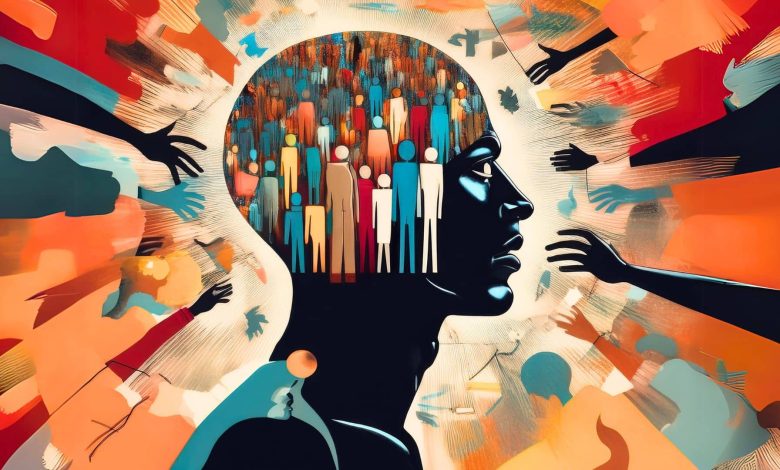
Have you ever stopped to wonder, “When is a society truly free?” Karl Popper certainly did, and he poured his thoughts into his seminal work, The Open Society and Its Enemies. In it, he presents two contrasting models: the “closed” society, where people are trapped in a box of dogma, and the “open” society, where they have the room to breathe. Let’s dive in and explore these two structures, and see why freedom and critical thinking are the lifeblood of a healthy society.
Karl Popper
Before we jump into the deep end, let’s get to know our philosopher a bit better, shall we? Karl Popper, born in 1902, was a heavyweight in both the philosophy of science and political philosophy. You might remember him from our piece on Hume—he’s the one who popularized the crucial concept of “falsification.”
Even though he was a titan in the philosophy of science, Popper never neglected political philosophy. He spent his career interrogating the fundamental contradictions of authoritarian ideologies. “The Open Society and Its Enemies” stands as his greatest contribution to this field. So, what exactly are these open and closed societies?

Closed Societies
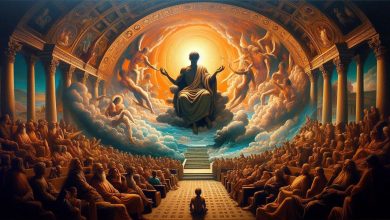
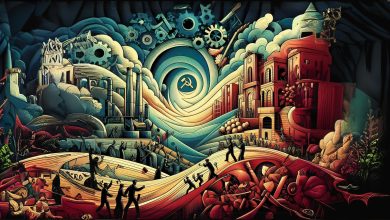
We’re willing to bet you already have a pretty good idea of what these two structures look like, and chances are, your intuition is spot on. Let’s see how well you guessed. Popper defines closed societies as systems where individual freedom is crushed, change and innovation are resisted, and authoritarianism is the default setting. In this structure, there is very little room for individuality; the collective is everything. These societies treat a specific religious, cultural, or ideological system as the absolute, objective truth—a truth that cannot be questioned. In short, it’s a dogmatic order. And where dogma rules, change doesn’t stand a chance.
In these societies, change is viewed as chaos, and any sign of innovation is rejected to preserve the status quo. If you’re wondering, “Wait, what exactly is the status quo?”—let’s clear that up. It’s Latin for “the existing state of affairs,” and in political philosophy, it refers to the position held by those who oppose any change to the current order. In this context, the status quo is all about keeping things exactly as they are, often by pushing back against reforms or revolutions. You can see how perfectly it fits into the closed society mold.
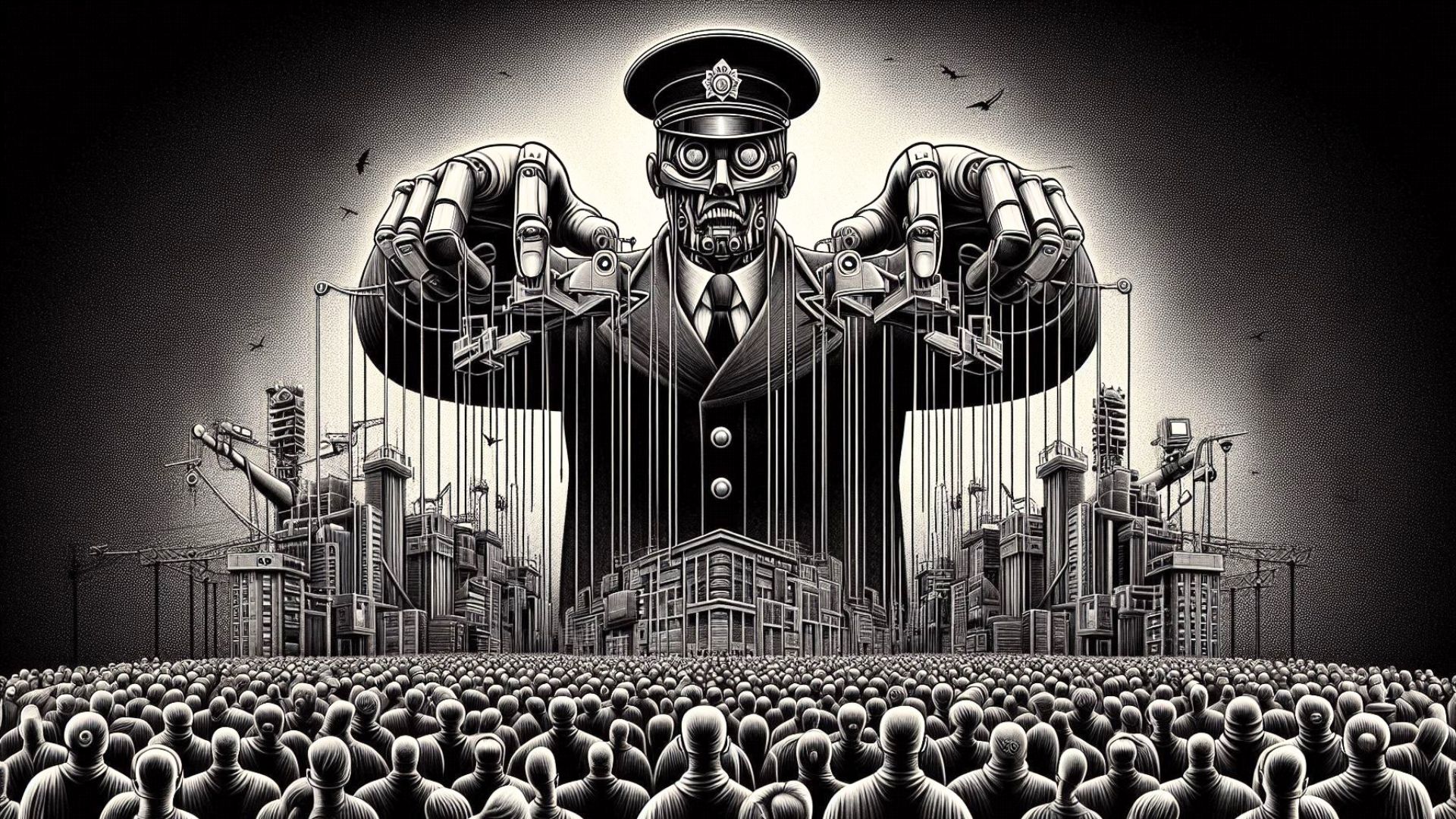
In these societies, the state exerts total authority over its citizens, leaving no room for opposition. Ancient kingdoms, feudal states, or modern regimes defined by heavy censorship are, according to Popper, prime examples of closed societies. Philosophically, Popper points to Plato’s Republic as a blueprint for the closed society.
Plato’s idea of the “philosopher-king” demands that society bow down to absolute authority. Popper argued that this model inevitably leads to totalitarianism by suffocating individual liberty.
He was also a fierce critic of the “historicism” found in the works of Hegel and Marx. To Popper, these thinkers built their philosophies on the idea that history is moving toward a predetermined destination, a belief system that paved the way for authoritarian regimes.
Today, North Korea serves as a textbook example of this kind of state and social structure.
Open Societies
Open societies, on the other hand, are where individual freedom takes center stage, and dissent and opposition are accepted as a natural part of life. Democracy and the rule of law are the pillars here. These societies actively support change; human rights, freedom of expression, and critical debate are not just ideals, but lived realities. There is no state-mandated religion, ideology, or cultural monolith. Popper held up liberal democracy as the best example of an open society. Democracy manages to protect the individual’s freedom while keeping a diverse society cohesive. However, Popper warned that the open society is under constant threat and must be vigilantly protected from the creeping influence of dogmatism.
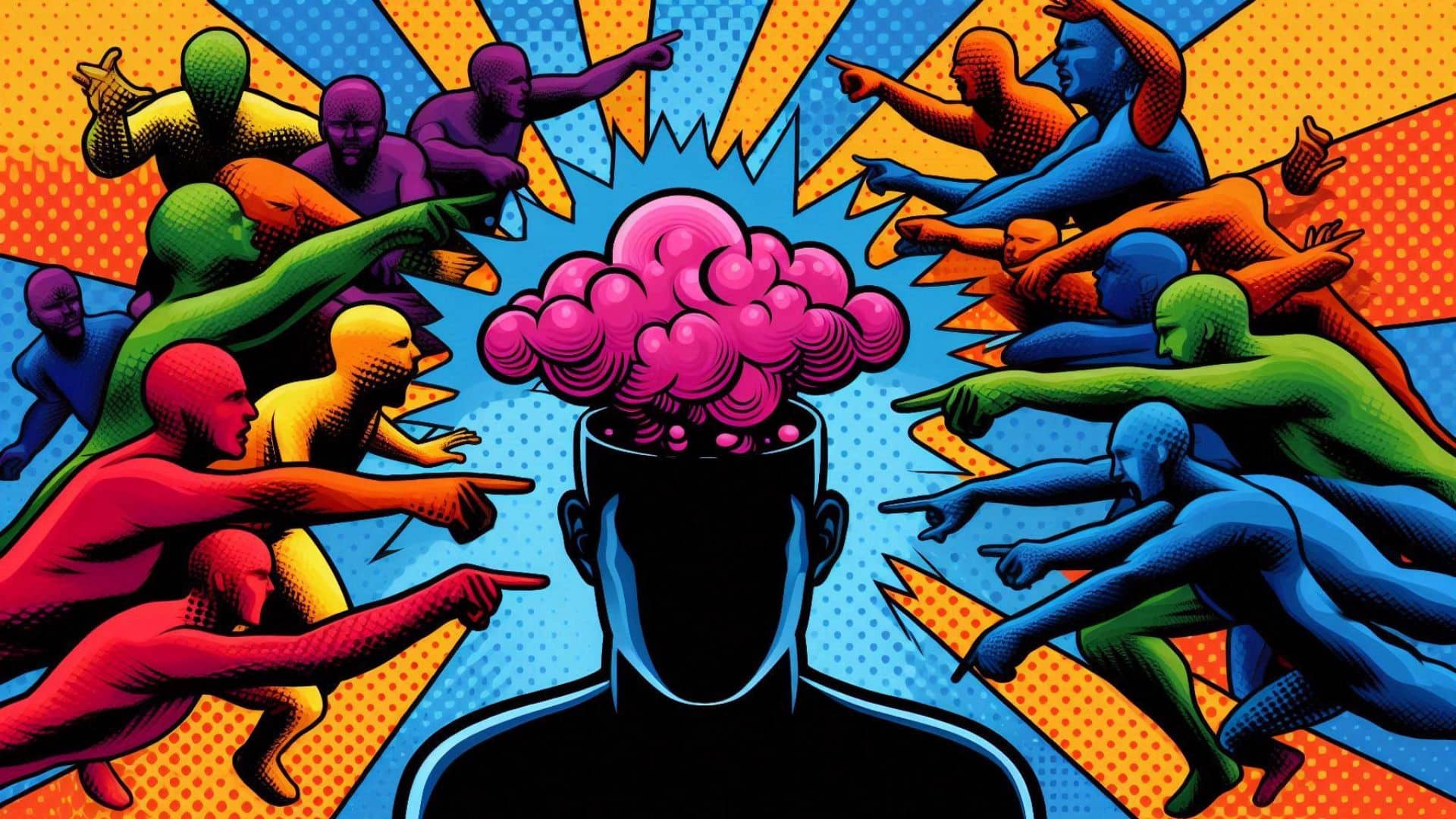
According to Popper, open societies are fragile and require constant maintenance. Why are they in danger? Because, as Popper noted, democracy can harbor its own enemies—those authoritarian ideologies lurking within. In other words, a group that embraces a closed-society mindset—even if they start as a minority—can use the very freedoms provided by an open society to seize power, eventually turning the whole system back into a closed one. So, how do we prevent this? Popper’s answer is simple: Education.
Popper looked to ancient Athens as an early example of an open society. In our modern era, countries like Sweden, Canada, and Switzerland serve as contemporary examples. At its core, the open society is one that creates a space for different ideas to coexist without violence.
Popper’s distinction isn’t just a political exercise; it’s an ethical, social, and historical analysis. Closed societies stunt human potential by crushing freedom. Open societies unlock human creativity and critical thought, paving the way for a fairer, more progressive world. Popper’s concepts are just as relevant today as we watch the clash between authoritarian regimes and liberal democracies. We’ve seen nations like Iran shift from open to closed, proving that Popper’s narrative isn’t just a theory—it’s a reflection of historical reality.
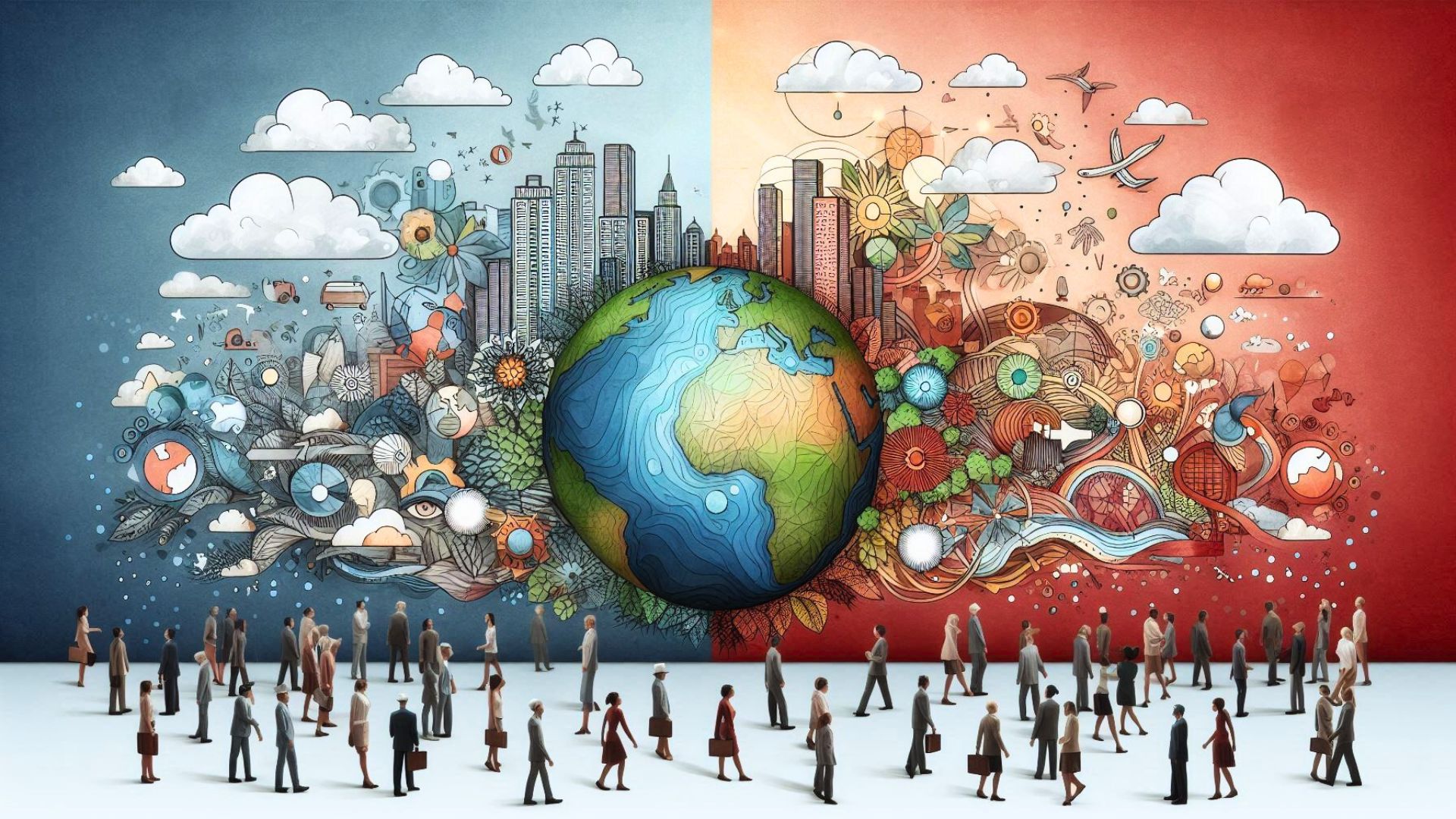
So, to circle back to our original question: according to Popper, a society is truly free only when it embodies the characteristics of an open society. But what do you think? Can a society ever be truly free?
We’ll leave you with this thought from Popper:
“We must plan for freedom, and not only for security, if for no other reason than that only freedom can make security secure.”
References and Further Reading
Karl Popper: Political Philosophy | Internet Encyclopedia of Philosophy. (n.d.). https://iep.utm.edu/popp-pol/
Karl Popper (Stanford Encyclopedia of Philosophy). (2022, September 12). https://plato.stanford.edu/entries/popper/
The Editors of Encyclopaedia Britannica. (2025, May 24). Karl Popper | Biography, Books, Theory, & Facts. Encyclopedia Britannica. https://www.britannica.com/biography/Karl-Popper
Wikipedia contributors. (2025, May 25). The open society and its enemies. Wikipedia. https://en.wikipedia.org/wiki/The_Open_Society_and_Its_Enemies
Originally published in Turkish at Doğa Filozofu.