
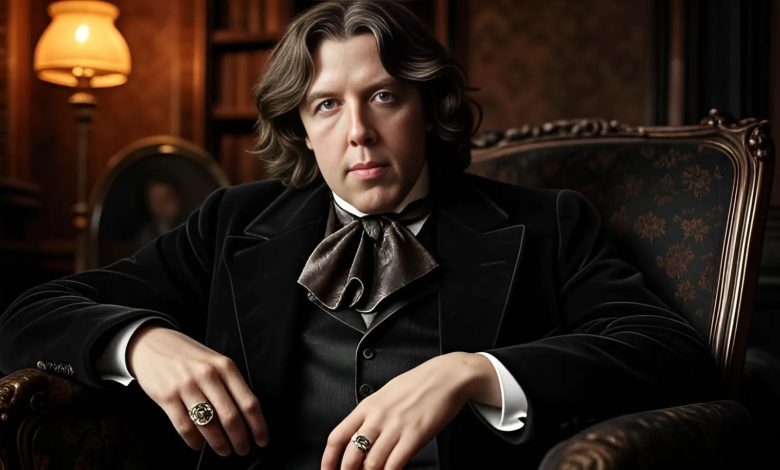
Oscar Fingal O’Flahertie Wills Wilde—or as the world knows him, Oscar Wilde—was born in Dublin on October 16, 1854. A poet, playwright, and editor, Wilde stands as one of the most compelling and striking figures of Victorian literature. His body of work, his perspective on the individual’s place in society, and his defiant stance against the rigid moral and social conventions of his time remain as provocative today as they were then.
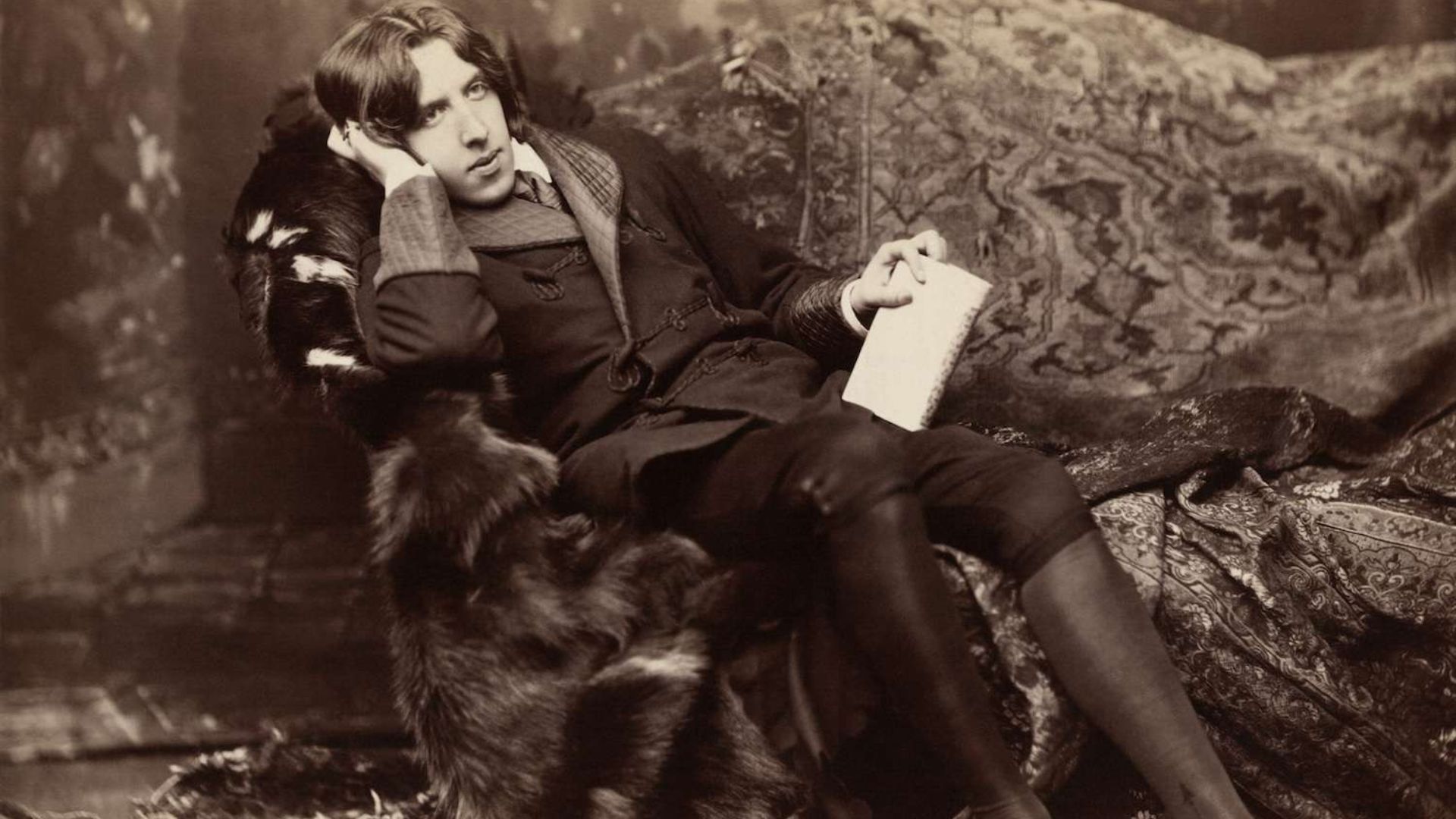
Image Source: ThoughtCo
“Art Cannot Be Kept Separate from Life”
We’re going to dive into the life and works of this icon to pay him the tribute he deserves. His experiences didn’t just inform his writing; they shaped his very soul.
Wilde was a brilliant student who tried his hand at every literary form, finding success in all of them. As he began to carve out his place in society, he used his theater work to hold a mirror up to the hypocrisy and moral decay of his peers. Think of plays like Lady Windermere’s Fan and An Ideal Husband. His final play, The Importance of Being Earnest, masterfully plays with themes of mistaken identity. While his sharp-tongued satire wasn’t always appreciated by the stuffy crowds of his day, it’s impossible not to tip our hats to his razor-sharp wit and critical brilliance.
While his literary career was a triumph, his personal life was marked by profound tragedy. In 1895, he was imprisoned in England on charges of “gross indecency”—a legal weapon used against him due to his private homosexual relationships. Even though Wilde fought back with a countersuit, he lost and was ultimately sent to jail. It was there that he penned De Profundis, a harrowing, soul-searching letter to his lover, Lord Alfred Douglas. After his release and subsequent exile, he wrote The Ballad of Reading Gaol, one of his most powerful poems, inspired by an execution he had witnessed while behind bars.
Aestheticism: Art for Art’s Sake
Wilde championed the idea that art doesn’t need to serve a moral or social agenda; it exists simply to pursue beauty. He treated this philosophy as a literary manifesto across his books, essays, and plays, earning him the title of the leading figure of the “Aestheticism” movement. Simply put, Aestheticism is the pursuit of “art for art’s sake.” The movement finds its roots in German Romanticism and draws intellectual heavy lifting from Immanuel Kant’s Critique of Judgement. By the late 19th century, figures like Dante Gabriel Rossetti and Walter Pater had helped turn Aestheticism into a cultural force.
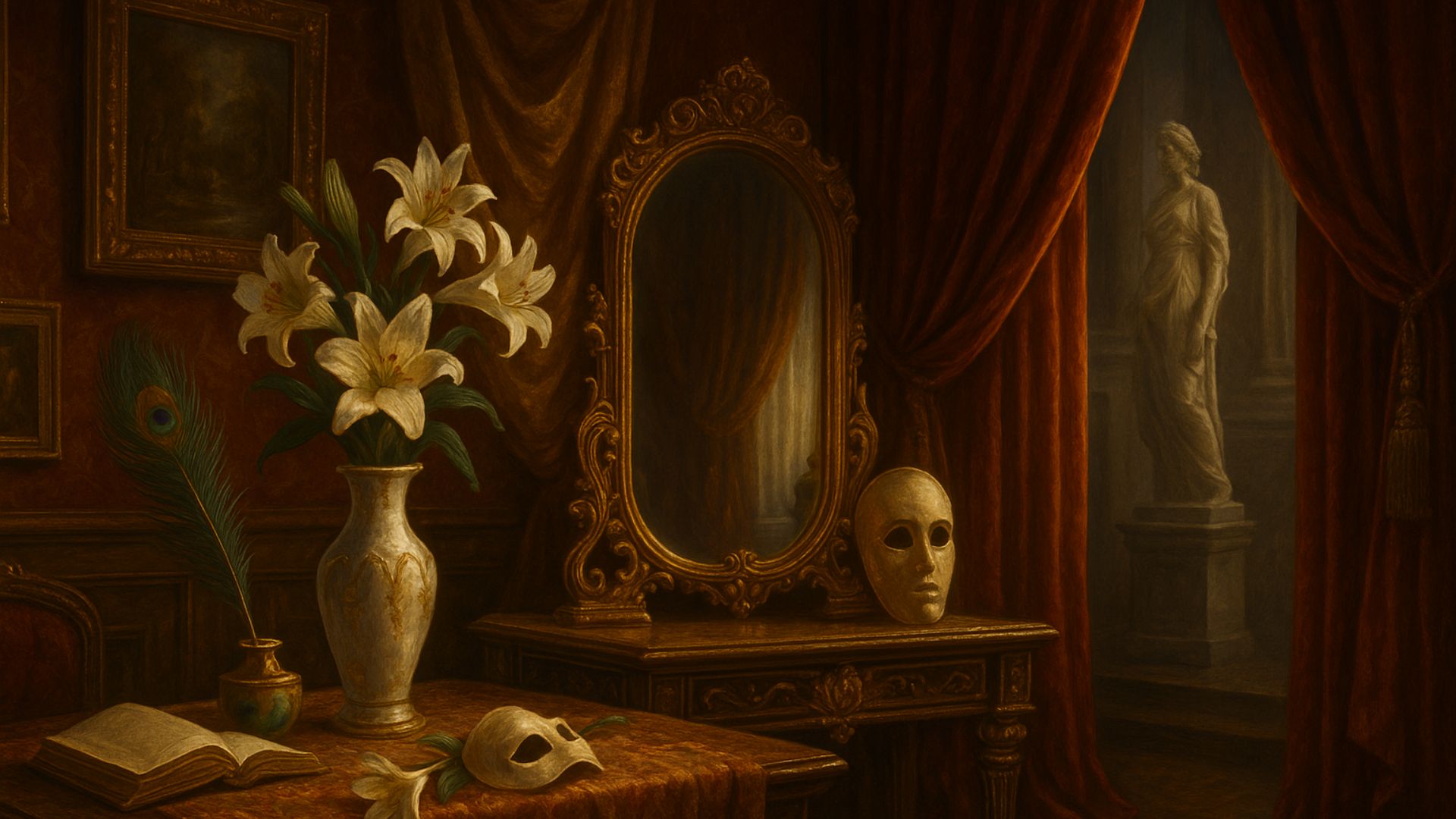
The Picture of Dorian Gray
Wilde’s only novel, The Picture of Dorian Gray, is a masterpiece that weaves together moral decay, beauty, and conscience. The story begins when an artist named Basil Hallward becomes obsessed with the beauty of a young man named Dorian Gray and paints his portrait. Dorian soon meets Lord Henry Wotton, who plants a seed of destruction in his mind: “Live your life for pleasure, for youth and beauty are the only things worth having.”
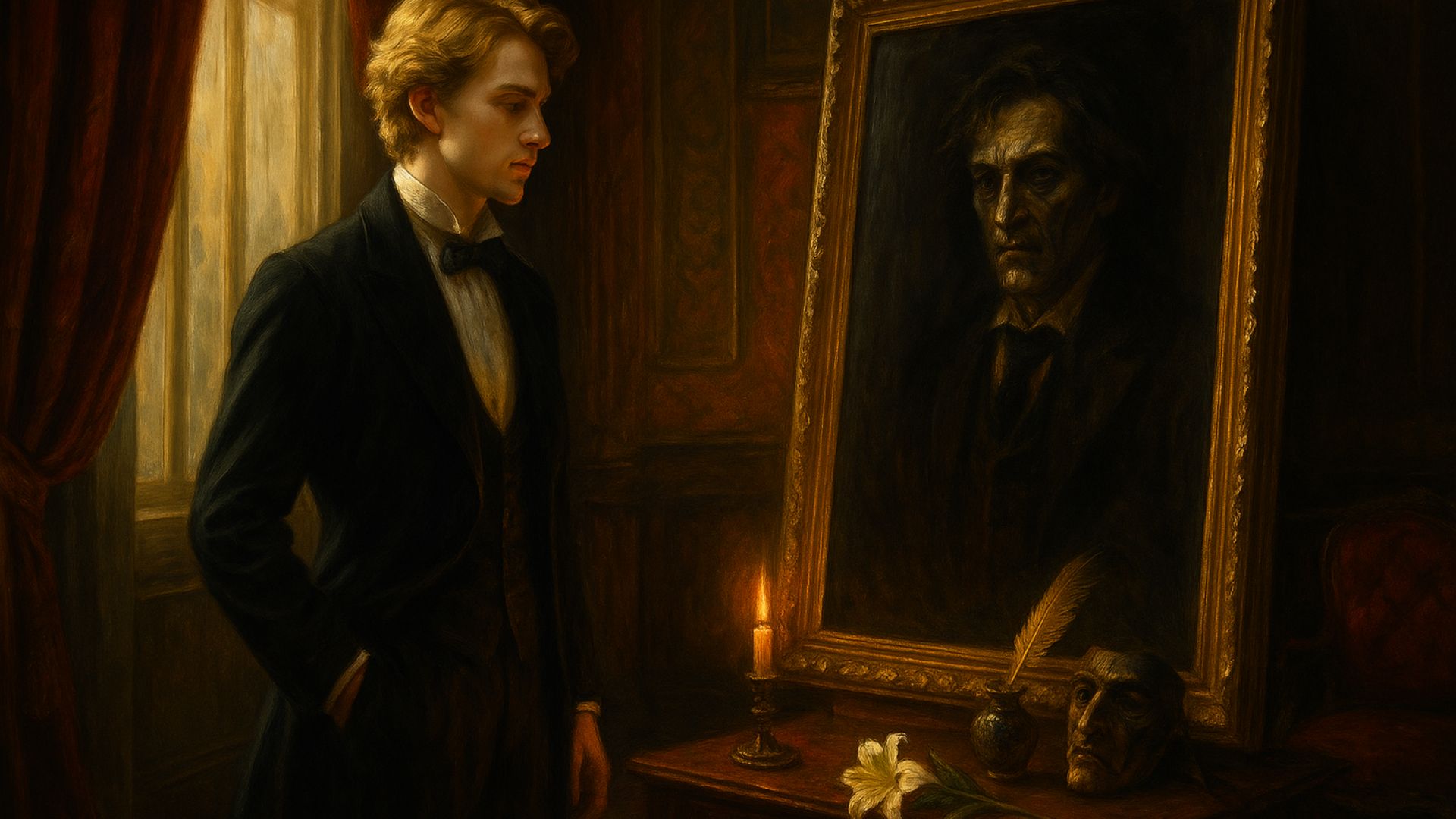
Following this advice, Dorian makes a fateful wish: he will never age; instead, his portrait will bear the burden of time and his sins. Thus, Dorian embarks on a life of reckless indulgence, ignoring his conscience, committing cruel acts, and ruining lives, all while remaining untouched by the passage of time. The rot of his soul is captured solely on the canvas of his portrait.
With this novel, Wilde challenged the Victorian assumption that “what is beautiful is good,” exposing the moral bankruptcy behind that idea. Just as the portrait serves as a mirror for Dorian, the book serves as a mirror for the hypocrisy and moral decay of society itself.
Final Thoughts
Long after his death, and once the laws criminalizing homosexuality were finally repealed, Oscar Wilde was vindicated. Today, he is remembered not just as the most successful playwright of the Victorian era, but as an icon whose sharp intellect and courageous voice continue to command respect.
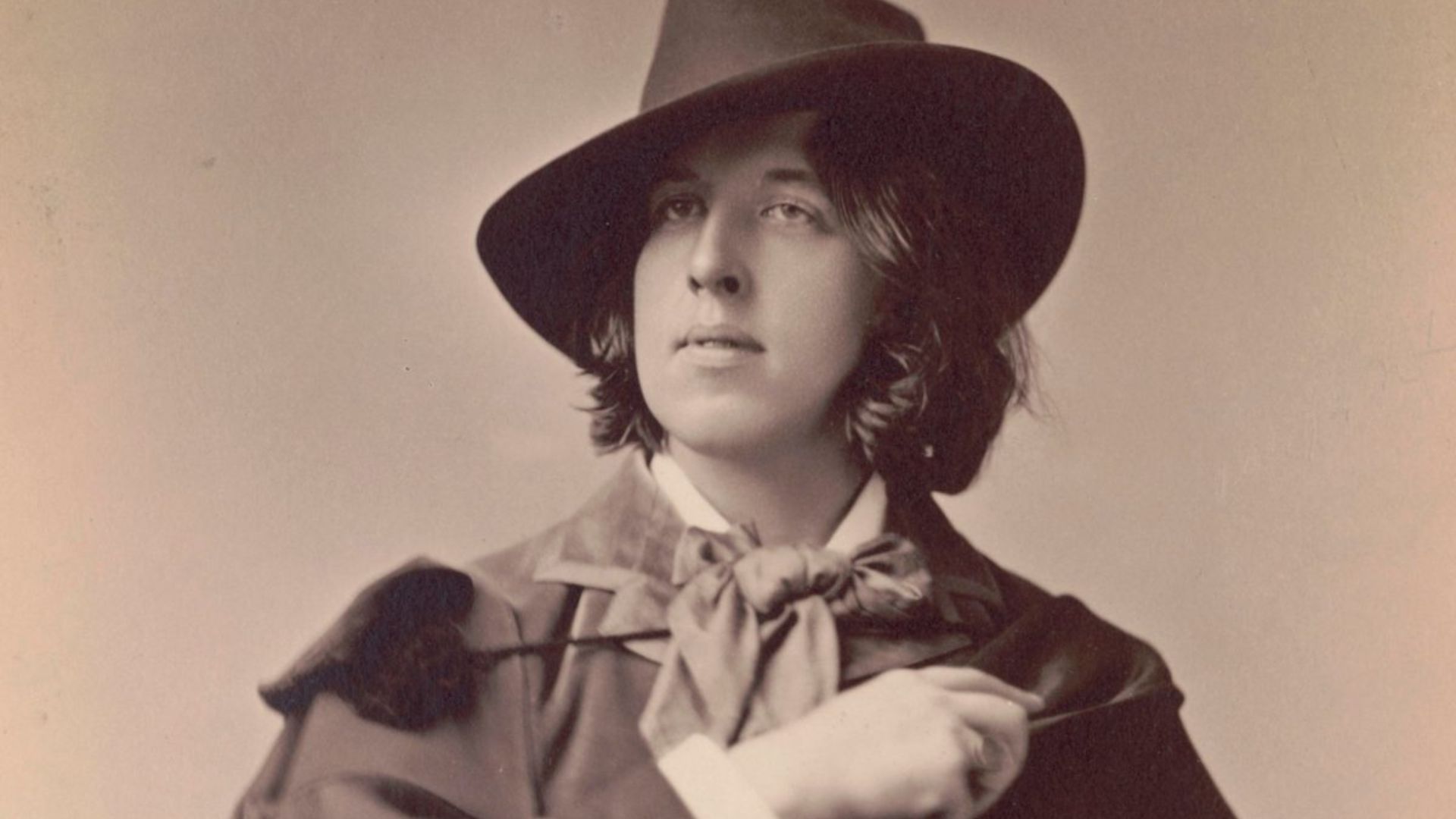
Image Source: Speak Easy News
References and Further Reading
BBC. (n.d.). Oscar Wilde. http://www.bbc.co.uk/history/historic_figures/wilde_oscar.shtml
Beckson, K. (2024, December 6). Oscar Wilde. Encyclopædia Britannica. https://www.britannica.com/biography/Oscar-Wilde
Poetry Foundation. (n.d.). Oscar Wilde. https://www.poetryfoundation.org/poets/oscar-wilde
The Editors of Encyclopaedia Britannica. (2024, November 11). Aestheticism. Encyclopædia Britannica. https://www.britannica.com/art/Aestheticism
Wilde, O. (2022). The Picture of Dorian Gray (Trans. D. Z. Batumlu). Türkiye İş Bankası Kültür Yayınları.
Originally published in Turkish at Doğa Filozofu.