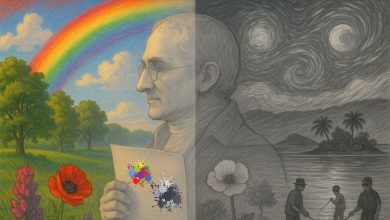



What if I told you that it’s possible to dream of an event before it actually happens? No, we aren’t talking about simple déjà vu. And what if we said you could perceive the invisible, the things that lie beyond the surface? Let’s try a less complex question: have you ever wondered if your gut feelings might actually be telling you the truth? If you’re nodding along to these questions, it suggests your body might possess an organ—a sense—that functions quite differently from the ones we usually rely on. Specifically, an eye: a third eye.
The Anatomy and Physiology of the Pineal Gland
The pineal gland is a tiny neuroendocrine organ located deep within the human brain, roughly the size of a chickpea or a lentil. It sits exactly in the center of the brain and is the only structure in the brain that lacks symmetry. Because it resembles a pinecone, it was named pineal—literally meaning “pinecone.” However, when you consider how it sits alongside the hypothalamus, thalamus, and pituitary gland, the entire structure looks remarkably like an eye. This is why, in ancient times, it was often referred to as the “Eye of Horus.” Light hitting the retina travels to this structure before being distributed to the brain’s processing centers, completing the act of vision.
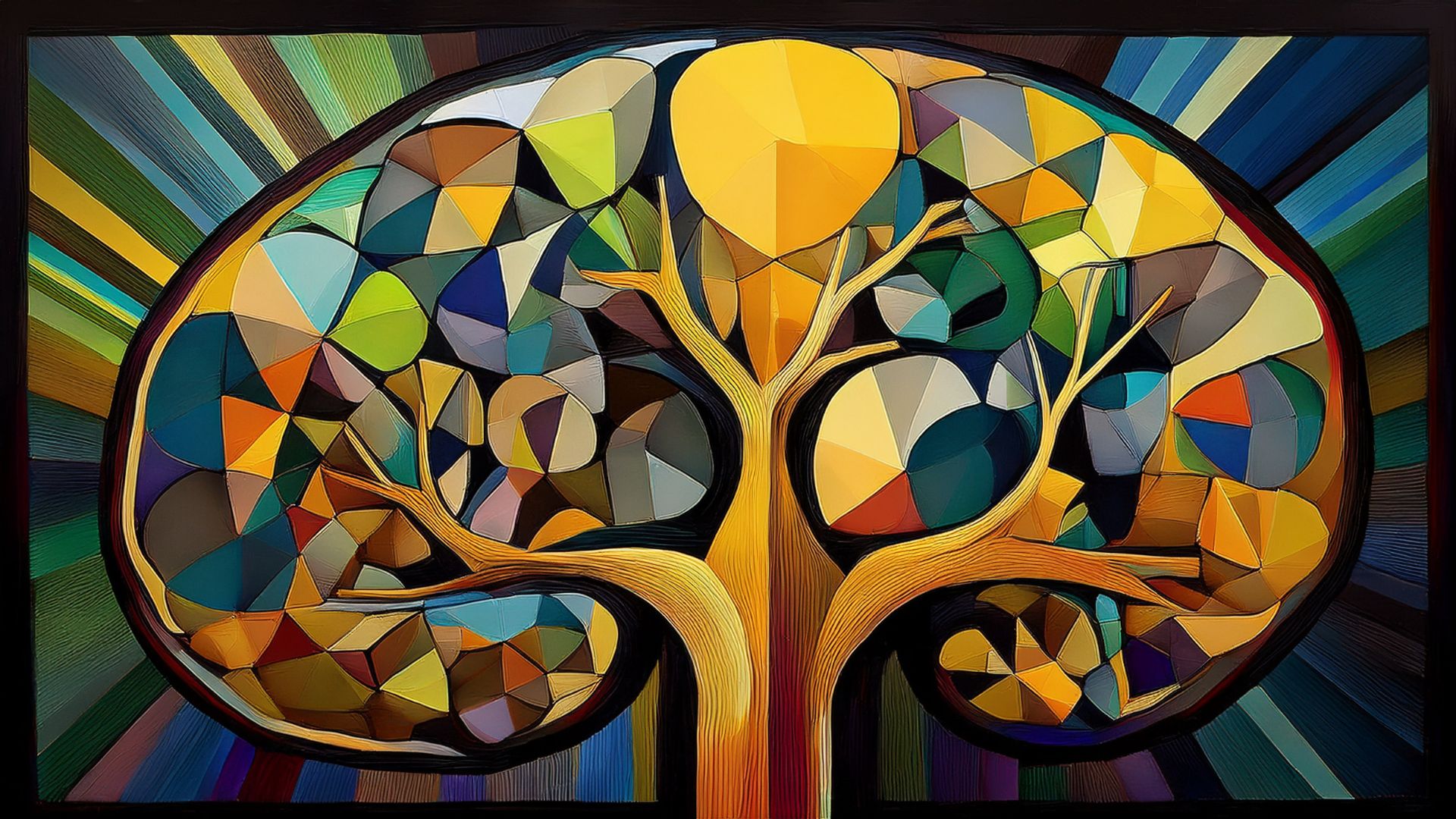
This gland responds to varying light intensities and plays a vital role in regulating our circadian rhythm through a cycle known as photoperiodism. Using signals from the retina, it regulates the secretion of melatonin and serotonin based on light levels. Depending on whether it’s dark or light, the gland secretes norepinephrine; at night, it keeps melatonin levels high while keeping its precursor, serotonin, at lower levels.
The pineal gland is also responsible for secreting another fascinating molecule: Dimethyltryptamine (DMT). Because this is a hallucinogenic molecule, it is believed to be the catalyst for entering trance states, vivid dreaming, and perhaps even experiencing other realms. It’s thought that children have a more active pineal gland, which explains why they produce more DMT and possess such vivid, active imaginations. This molecule is widely known as the “spirit molecule.” While it’s said to be secreted most intensely in the early morning hours, between 4:00 and 5:00 AM, there are two moments when DMT levels are thought to peak: birth and death. Many believe this is the biological mechanism for the soul entering and exiting the body.
The Pineal Gland and Religion
René Descartes famously described the pineal gland as the “seat of the soul”—or literally, the place where thoughts emerge. Given its function, it holds significant weight in the three major monotheistic religions. While the gland itself might not be explicitly worshipped, the traditions surrounding it focus on achieving a state of ecstasy or spiritual trance to communicate with the divine. The historical preference for dim lighting in churches, the practice of retreat and seclusion in dark rooms in Islamic traditions (often called chilla), and the concept of the “opening of the heart’s eye” are all classic examples. Since this organ is so sensitive to light, rituals performed in these settings—aimed at total surrender to the Divine—are essentially exercises in developing the pineal gland to help the seeker detach from worldly distractions.

In India, we see this concept manifest differently: according to Hindu belief, humans have 7 chakras. The 6th chakra, located between the eyebrows, is known as the third eye. This is called the soul-body chakra. It is the seat of the relationship between the spirit and the body, governing dreaming, imagination, and the formation of one’s inner voice. It sits right in the middle of your forehead, slightly above the level of your eyes—exactly where the pineal gland is located. This is why practices like meditation and yoga are often associated with developing this part of the brain. For those dealing with neurological issues or pineal tumors, yoga and meditation are frequently recommended. These practices, which prioritize calm and stillness, usually involve candle-gazing, silence, and turning one’s focus inward to address the soul’s needs. Through pleasant scents, rhythmic breathing, and proper posture, these practices aim to soothe the brain and strip away the layers of stress.
Buddhism approaches it similarly, often referring to the third eye as the “eye of wisdom” or the “divine eye.” They don’t view it as a physical structure, but rather as a symbol for the spiritual world and higher consciousness. Regardless of the specific terminology, the methods for “awakening” it remain the same: yoga and meditation.
The Pineal Gland Through the Eyes of Philosophers
The pineal gland has been a subject of interest for Greek philosophers as well. The ancient physician Galen is known for his early studies on it. He proposed that the gland was filled with “psychic pneuma,” which he described as the “first instrument of the soul.” However, he strongly disagreed with the idea that the gland controlled the flow of animal spirits, arguing that the worm-like structure of the cerebellum was a more likely candidate. Later, in the Middle Ages, Qusta ibn Luqa expanded on Galen’s work, suggesting that when people try to remember something, they look downward, effectively closing the channels of the soul and opening the channel related to memory.
René Descartes wrote extensively about the pineal gland in both his first book, Treatise on Man, and his final work, The Passions of the Soul. Descartes argued that to truly understand the human being, one must analyze the body, then the soul, and finally the synthesis of the two. Because he viewed the pineal gland as the meeting point of soul and body, it became a critical pillar of his philosophy. He theorized that nerves were tubes filled with “animal spirits” and that sensory perception occurred when valves in these tubes opened, causing the soul to tilt or shift. He argued that imagination worked on the same principle, but unlike perception, it was triggered by internal rather than external stimulation.
Pineal Gland Health
Modern research confirms that the pineal gland is not just a spiritual curiosity—it is biologically vital. Due to factors like chronic exposure to artificial light and poor nutrition, the gland can shrink or develop calcifications (tumors). The most important factor for a healthy pineal gland is your sleep cycle. Since this organ is directly responsible for melatonin secretion, it is most active at night. Therefore, you should avoid artificial light sources as much as possible after a certain hour. In an era where we take our phones to bed with us, it’s no wonder the pineal gland struggles to function at its peak.

The second pillar of health is a balanced diet and physical exercise. Because of the hormones it secretes, the pineal gland is prone to calcium buildup over time, which leads to calcification and loss of function. Fluoride consumption is a significant accelerator of this process, so it’s important to be mindful of how much fluoride you’re ingesting. Finally, a stressful life impacts every system in the body, and the pineal gland is no exception. Living a calm, stress-free life is essential for brain development. In this regard, yoga and meditation are highly recommended, as numerous studies show they can help mitigate the effects of pineal gland dysfunction.
Wishing you the best in taking care of yourself—and your pineal gland…
References and Further Reading
Altinbay, D. (2020). Retinal ganglion cell and epiphysis (Pineal gland, third eye). Turkiye Klinikleri Journal of Ophthalmology, 29(1), 73–81. https://doi.org/10.5336/ophthal.2019-66841
Descartes and the Pineal Gland (Stanford Encyclopedia of Philosophy). (2013, September 18). https://plato.stanford.edu/entries/pineal-gland/
Emre, B. (1993). Pineal bez ve melatonin. Ankara Üniversitesi Veteriner Fakültesi Dergisi, 40(03). https://doi.org/10.1501/Vetfak_0000001504
Ophthalmology Breaking News. (n.d.). The Pineal Gland & The Eye of Horus. Ophthalmology Breaking News. https://ophthalmologybreakingnews.com/ophthalmologynews-the-pineal-gland-the-eye-of-horus
Turgut, M., Uysal, A., & Yurtseven, M. (2003, March 1). Epifiz Bezinin Morfolojik Özellikleri, Embriyolojik Gelişimi ve Deneysel Greftleme İşlemleri. https://dergipark.org.tr/tr/pub/aktd/issue/2233/29496#article_cite
Varlı, N. (2020). İslamî bakış açısıyla epifiz bezinin işlevi. https://hdl.handle.net/20.500.12436/1655
Originally published in Turkish at Doğa Filozofu.