

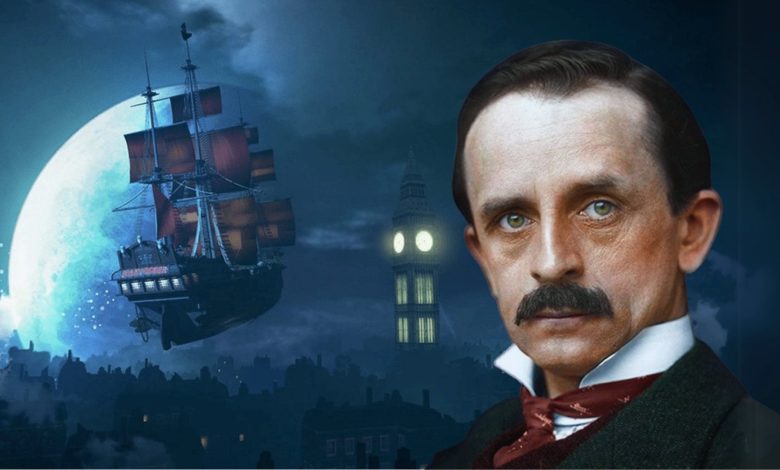
Is growing up a necessity, or is it a choice? Peter Pan, a story most of us know by heart, centers entirely on these questions. But did you know that the author, James Matthew Barrie, actually drew from his own life to write it?
In this piece, we’ll dive into J.M. Barrie’s tragic life, his major works, and the legacy he left behind.
Childhood Years
James Matthew Barrie was born on May 9, 1860, in the town of Kirriemuir, Scotland. He was the ninth of ten children in a family known for being incredibly close-knit. However, the family’s peace was shattered when James’s older brother, David Barrie, died in a tragic ice-skating accident at the age of 13 or 14.
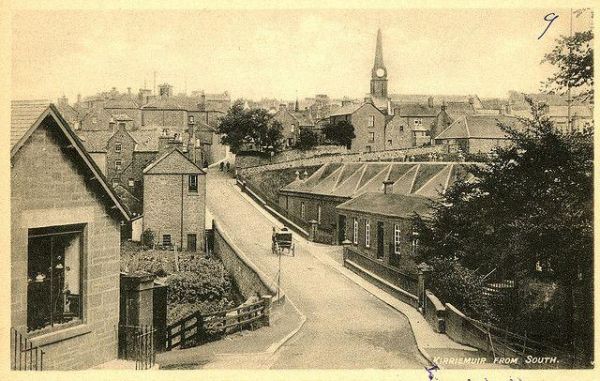
Kirriemuir in the late 1900s
David had been his mother’s favorite child, and his passing devastated her. Desperate to comfort his mother and earn her love, James began wearing his late brother’s clothes and even mimicking the whistle that had been David’s signature. His mother, meanwhile, clung to the belief that David would remain a child forever and never leave her. She began calling James “David,” treating him as if he were her lost son.
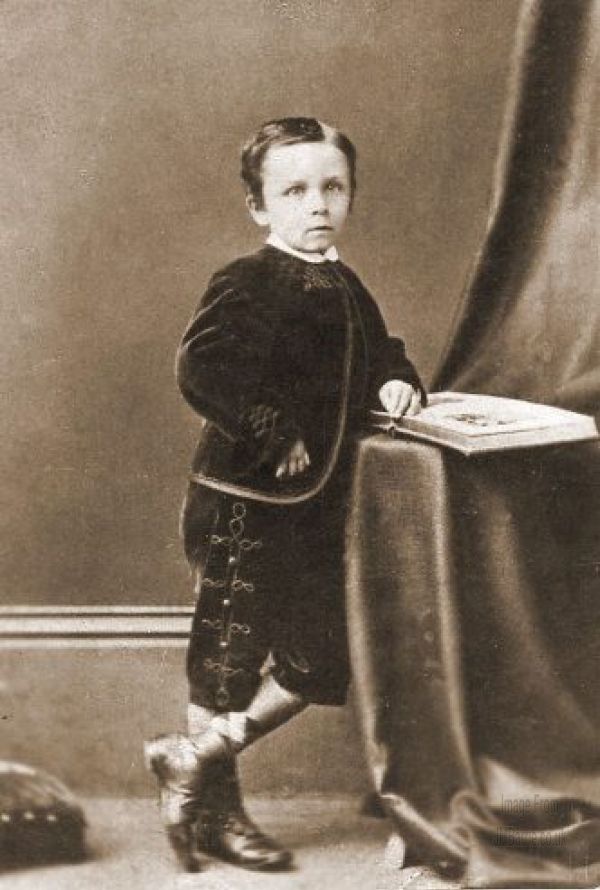
J.M. Barrie at age 6
After David’s death, James essentially became invisible to his mother. This fixation on “David’s immortality” that began with his mother, Margaret Ogilby, eventually led James to believe that David’s spirit and life were actually living within him.
Education Years
James Barrie began his formal schooling at age 8. Even as a child, his gift for writing was clear. He would share stories he’d written—often inspired by the books he read with his mother—with his friends. While at Dumfries Academy, he drew from these early tales to write his first play, Bandelero the Bandit.
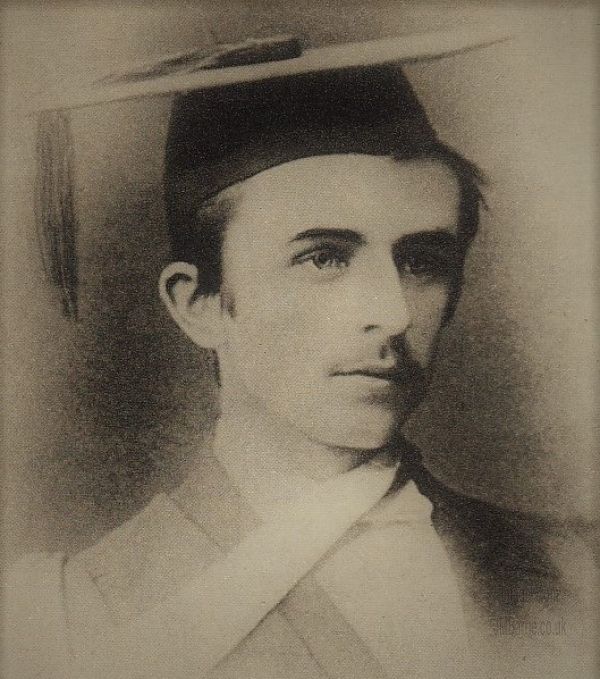
Barrie at age 22 at the University of Edinburgh, 1882
By 18, Barrie knew he wanted to be a writer, but his mother pushed for a more stable profession, like the ministry. With the help of his older brother Alexander, they reached a compromise: he would study literature at the University of Edinburgh.
While there, he began writing reviews and articles for local newspapers. After graduating, he took a job as a writer for the Nottingham Journal. He eventually returned to his hometown of Kirriemuir, where the pieces he wrote about his mother and the town caught the attention of London newspapers. They wanted more, and this demand laid the groundwork for J.M. Barrie’s first novels.
Early Works
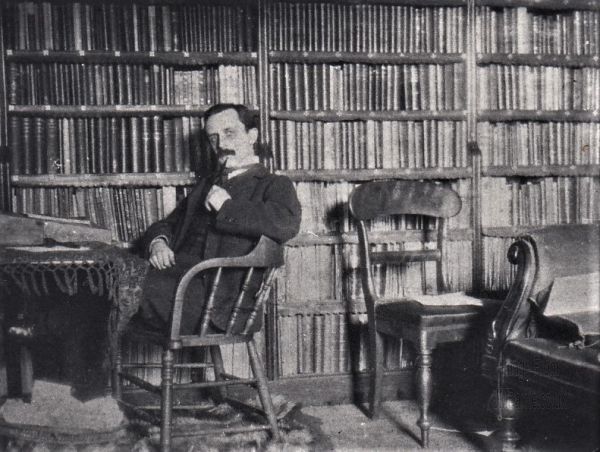
Over time, Barrie wrote many works, drawing heavily from his own life—his mother, his roots, and those adults who managed to preserve a childlike spirit within them. However, critics were often less than kind, and his early works faced significant pushback.
He eventually turned his focus toward theater. After a failed biography, he wrote a parody of Henrik Ibsen’s plays, Hedda Gabler and Ghosts, titled Ibsen’s Ghost, or Toole Up-to-Date (1891). William Archer, the man responsible for translating Ibsen’s work into English, saw the play, loved the humor, and recommended it to his own circle.
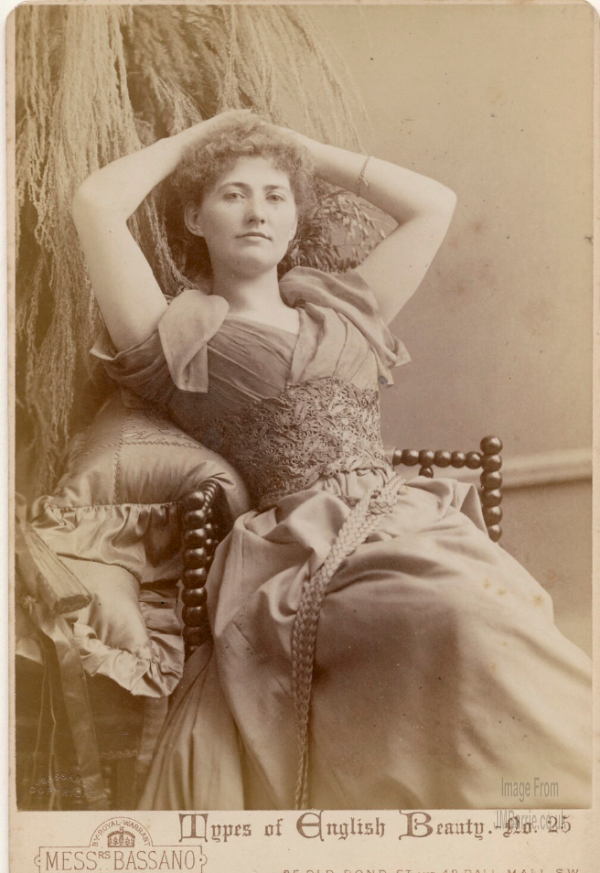
Mary Ansell
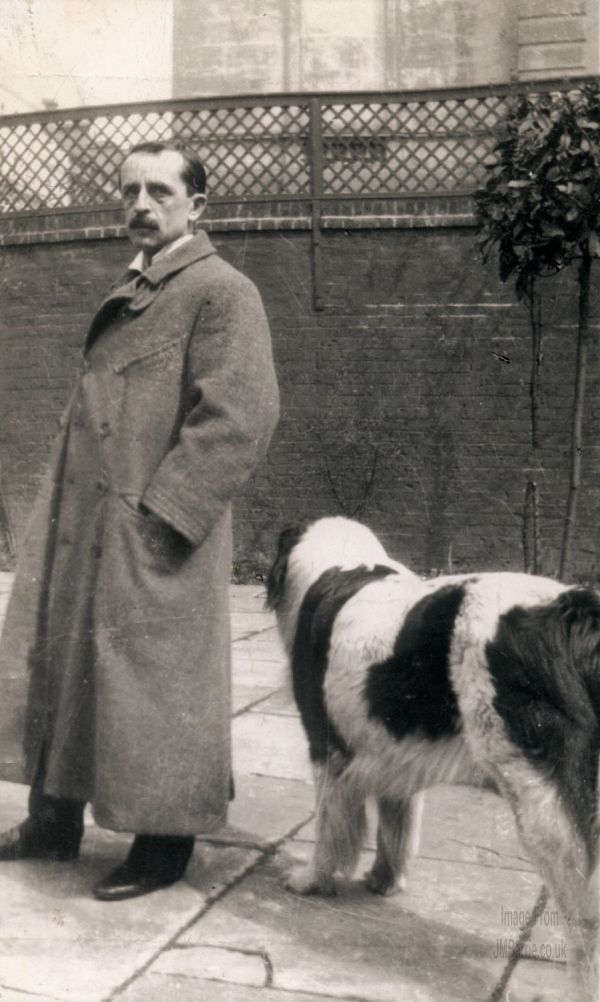
During the production of his third work, Walker, London (1892), he met a young actress named Mary Ansell. The two married in 1894. In the works that followed, he frequently used the names of his wife and even their dog, Porthos.
The Birth of a Legend
Continuing his career across opera, theater, and novels, Barrie found fame in the U.K. with Tommy and Grizel. In this work, inspired by himself, he introduced a character who yearned to live out his childhood and refused to grow up. The Peter Pan we all know first entered our lives through his book The Little White Bird.
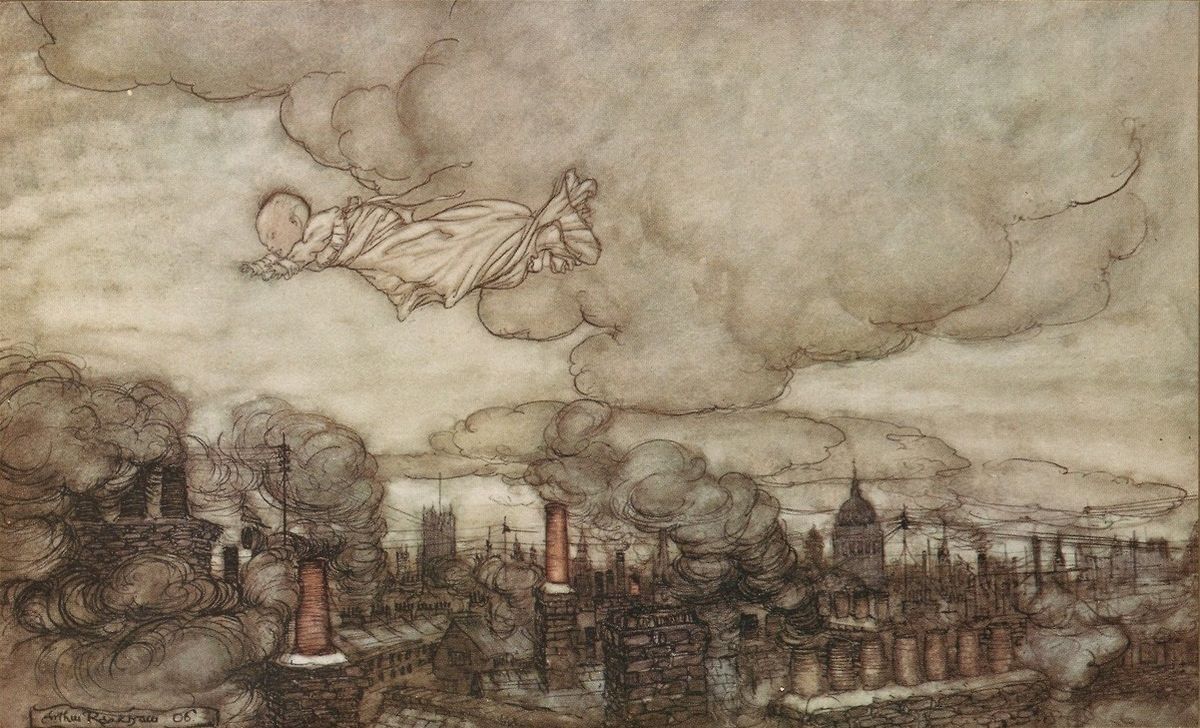
As his fame grew, his most famous play, Peter Pan, or The Boy Who Wouldn’t Grow Up, premiered in late 1904 to positive reviews from critics across the U.K.
Yet, while Barrie’s career soared, his personal life was crumbling. His wife, Mary, began losing interest in him, and some claim she had an affair with one of his closest friends, Gilbert Cannan. Though James initially tried to save his failing marriage and forgave his wife several times, he eventually realized he could no longer bear it and they divorced.
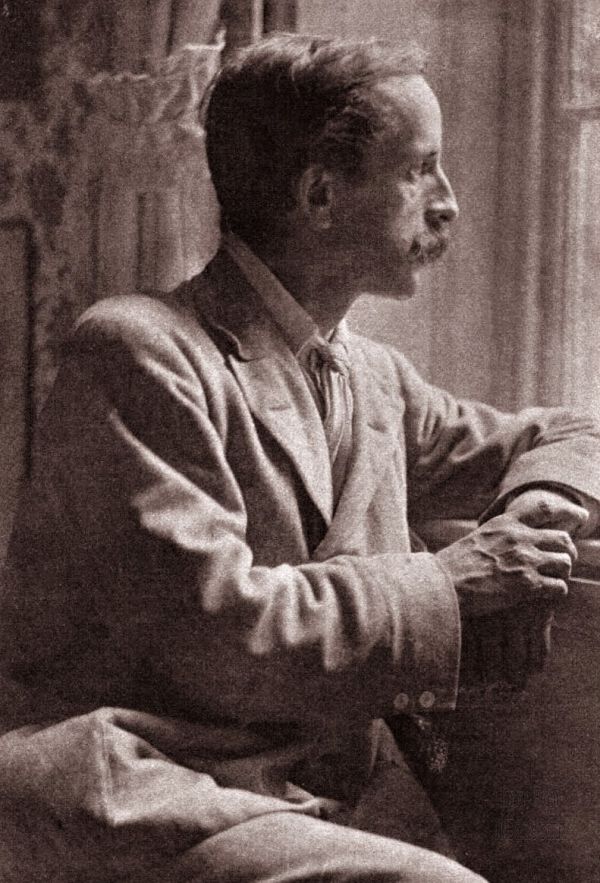
His emotional struggles—rooted in his brother David’s death and an overwhelming sense of loneliness—were deep fractures in his marriage. He came to realize that he simply wasn’t meant for a happy, traditional marriage.
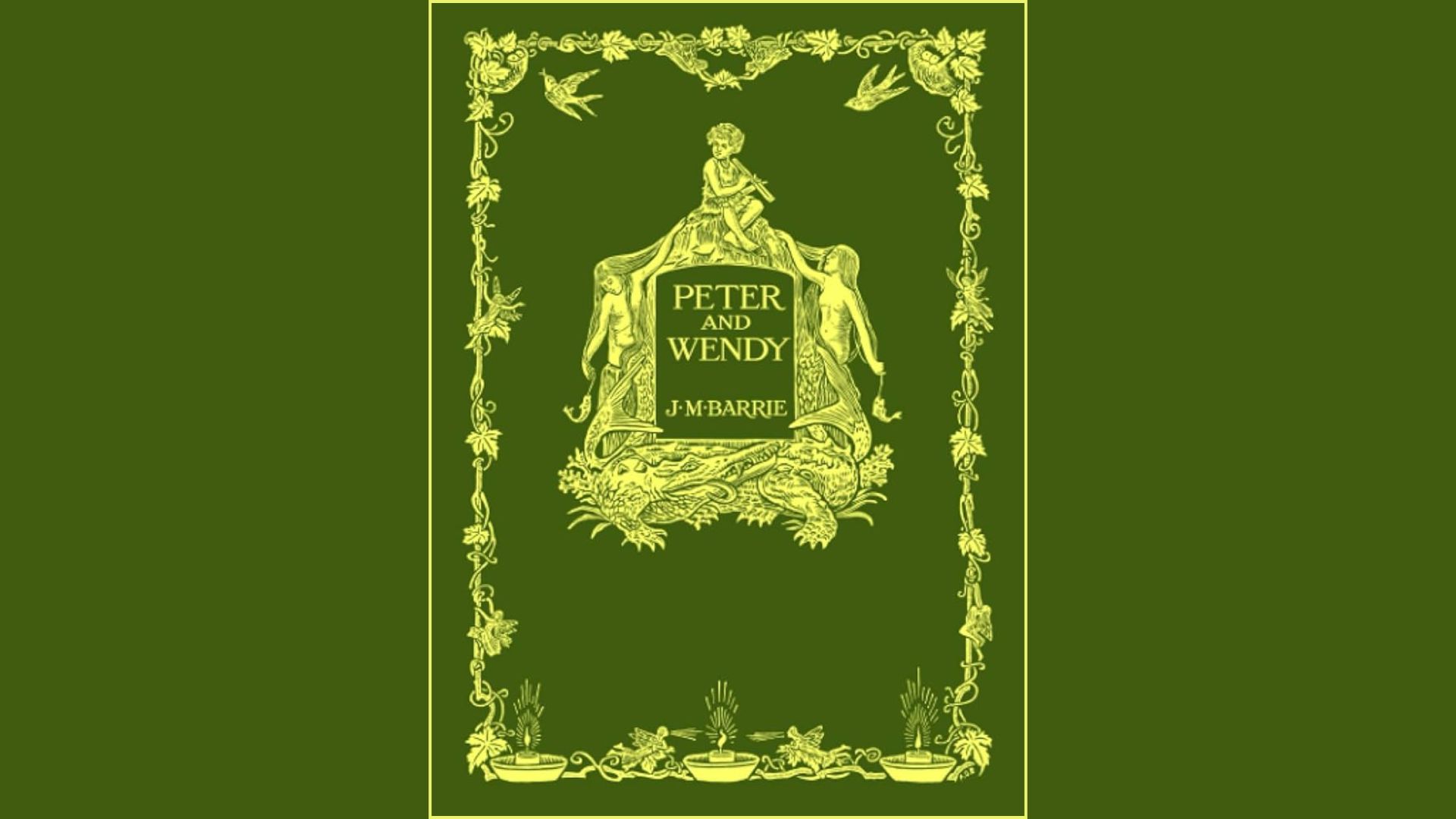
These painful life events drew him closer to his creation, Peter Pan. His writing became his solace. Finally, in 1911, James adapted the Peter Pan play into the novel Peter and Wendy. This book went down in history as one of the most famous children’s stories of all time.
The Inspiration Behind Peter Pan
At its core, Peter Pan is based on a family Barrie knew intimately: the Llewelyn Davies family. In the mid-1890s, Barrie met the family in Kensington Gardens, the very setting we’ve come to associate with Peter Pan.
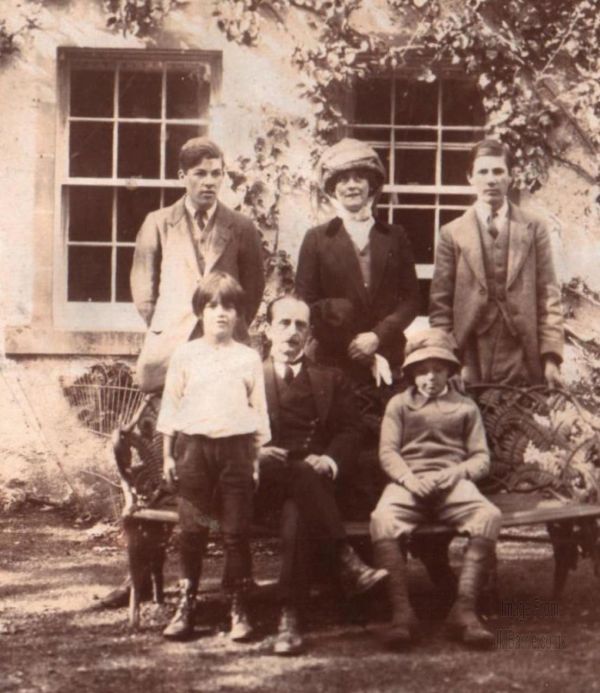
Barrie and the Davies family
The family consisted of Sylvia Llewelyn Davies, her husband Arthur, and their five children. Barrie spent a great deal of time with them, playing games and telling stories. Among them, the one who captured his attention most was Sylvia’s young son, Peter Davies. Peter was the real-life inspiration for the character of Peter Pan. Barrie formed a close bond with the boy, drawing inspiration from his imagination and his unique view of the world. It’s fair to say that Peter Pan was shaped by the children of the Davies family, especially Peter himself.
It wasn’t just Peter; the other family members left their mark on the story too. For instance, the character of Wendy was shaped in Barrie’s eyes as a loving, nurturing figure, much like Sylvia Davies herself. Furthermore, Wendy’s brothers, John and Michael Darling, were also inspired by the Davies children.
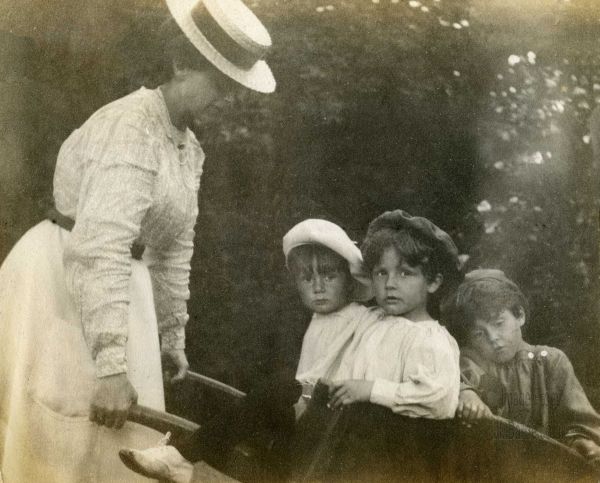
George, Peter, and Jack in a wheelbarrow
Barrie’s closeness to the Davies family was profound, and his relationship with them was a key factor in the emotional depth and character development of Peter Pan. This connection was his way of coping with the traumas of his own life and keeping the dream of a “lost boy” alive.
In Short: Peter Pan
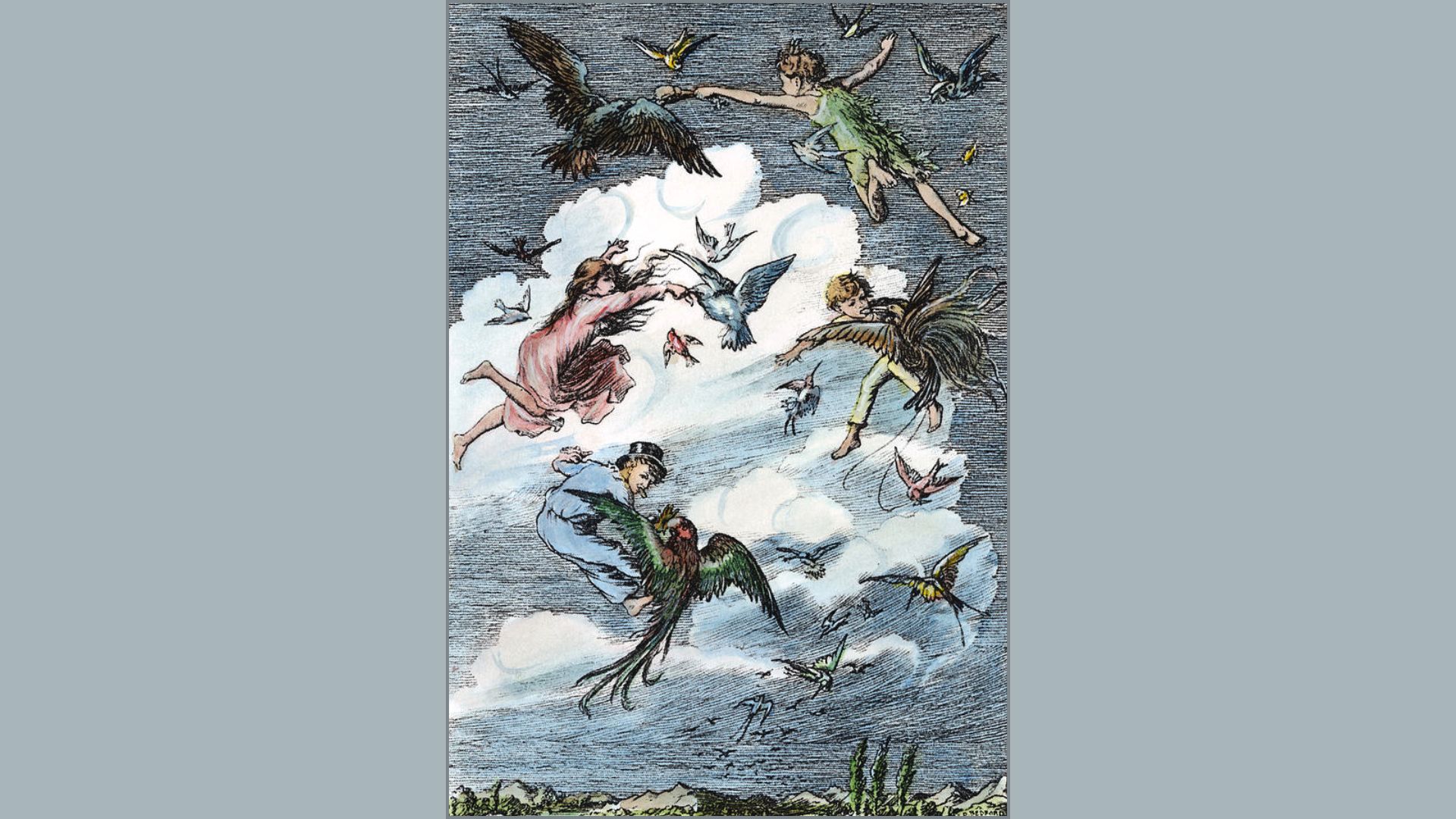
Even though most of us know the story of Peter Pan, let’s do a quick recap. The book follows adventures in the land of Neverland. Peter Pan is a boy who lives there, can fly, and refuses to grow up. He is an adventurous, brave character who chooses to remain a child forever.
After Peter and his jealous but loyal fairy, Tinkerbell, visit London, they take Wendy Darling and her brothers, John and Michael, to Neverland. There, they encounter the Lost Boys, mermaids, terrifying monsters, and pirates.
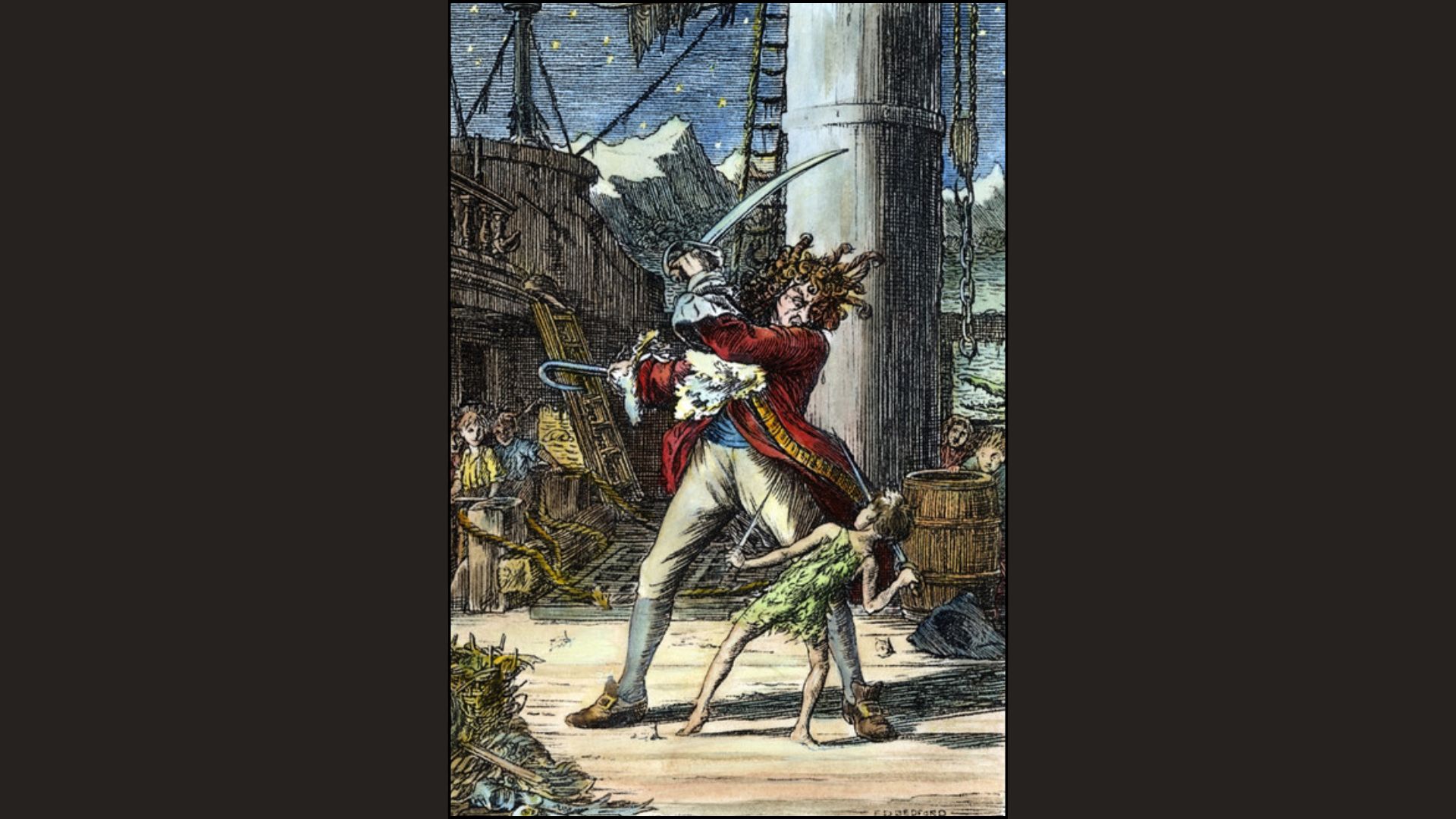
While Peter accepts Wendy as a maternal, nurturing figure, he chooses freedom and fun over the responsibility of growing up. Wendy, on the other hand, eventually chooses to return home and accept the responsibilities that come with growing up.
In short, the story revolves around themes of preserving innocence, lost childhood, and the transition into adulthood.
The Peter Pan Syndrome
Peter Pan is not only a landmark in literature; it also gave us a psychological concept: the Peter Pan syndrome.
This syndrome is a term used to describe adults who refuse to grow up. People with Peter Pan syndrome, much like the character himself, may find stepping into adulthood, maturing, and taking on life’s responsibilities to be overwhelming or frightening.
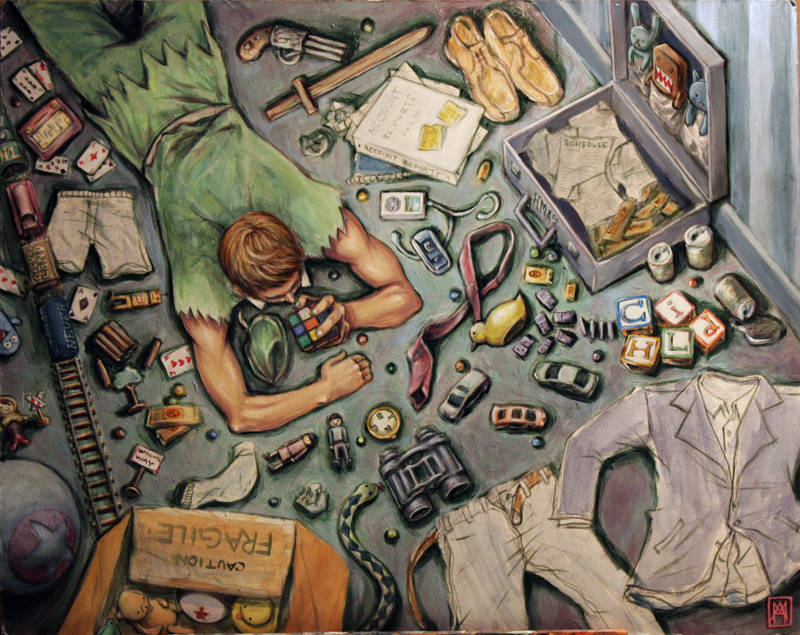
Artist: Haatsu
Individuals with Peter Pan syndrome often struggle to gain independence and may adopt an avoidant attitude toward life’s challenges. They are primarily driven by a search for comfort and entertainment. Rather than facing the realities of emotional maturity or adult responsibilities, they may prefer to live in a state reminiscent of adolescence.
In personal relationships, people with this syndrome often have difficulty with commitment, responsibility, and long-term obligations.
It is often speculated that J.M. Barrie himself suffered from this syndrome.
J.M. Barrie’s Legacy
Barrie passed away from pneumonia on June 19, 1937, in a nursing home on Manchester Street in Marylebone.
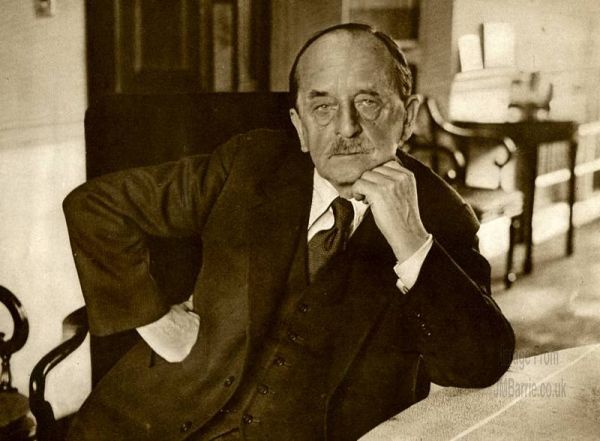
Although Barrie left most of his estate to his secretary, Lady Cynthia Asquith, he had already gifted the copyright of his Peter Pan works in 1929 to the Great Ormond Street Hospital, one of London’s leading children’s hospitals.
He also made arrangements to ensure his ex-wife, Mary Ansell, received an annual income for the rest of her life.
Cultural and Artistic Impact
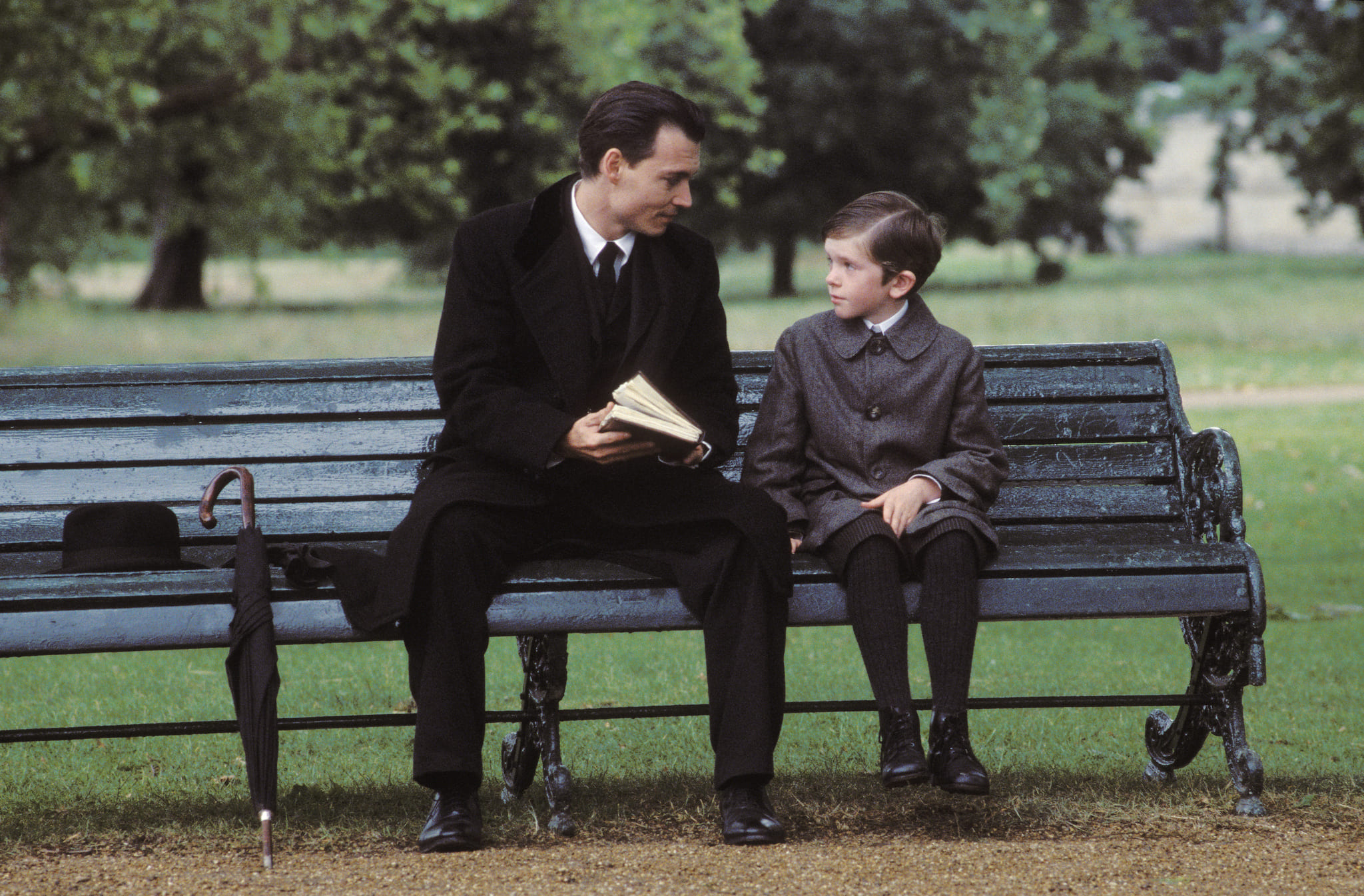
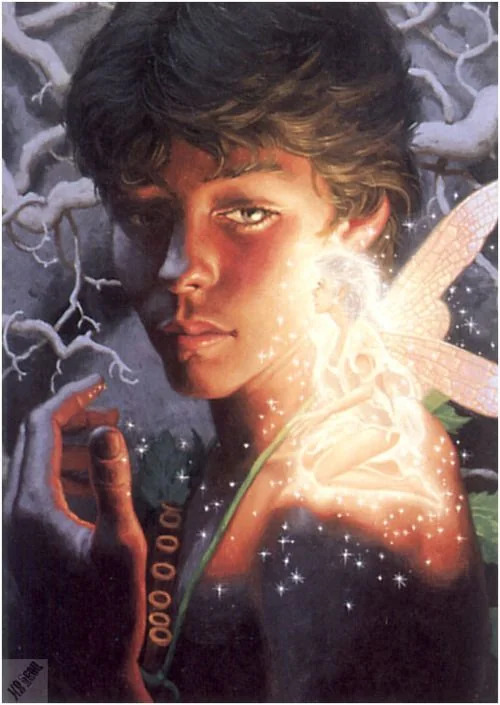
Beyond the novel and the Disney animated film, Peter Pan has been adapted countless times for theater, cinema, and pop culture. Its influence has reached far into music, painting, and beyond.
A few examples:
Finding Neverland (2012) – A musical telling the story of Barrie’s life and the birth of Peter Pan
Illustrations by Greg Hildebrandt
Music
Ruth B. – Lost Boy (2015) and Tomorrow X Together – Neverland (2023)
Ruth B. – Lost Boy (2015)
Tomorrow X Together – Neverland (2023)
Peter Pan Statue in Kensington

Additional Facts
- The name “Wendy” was coined by J.M. Barrie. It was inspired by a young girl named Margaret Henley who called Barrie “Friendy” but struggled to pronounce the letter “r.”
- James Matthew Barrie, who essentially “replaced” his brother who died at 13, suffered from a condition sometimes called “psychological dwarfism” because he believed his brother’s spirit lived within him. As a result, he remained around 140 cm (about 4’7″) tall even into adulthood.
- Barrie never had a sexual relationship with Mary Ansell. To him and almost everyone around him, he was more like a small child to her. His wife once famously told him, “You are a little boy, you won’t grow up. You are inadequate.”
- Peter Davies had a complicated view of Barrie. While he saw him as a father figure, he also felt deep discomfort due to his permanent association with “Peter Pan.” This caused him inner turmoil throughout his life.
Author’s Commentary
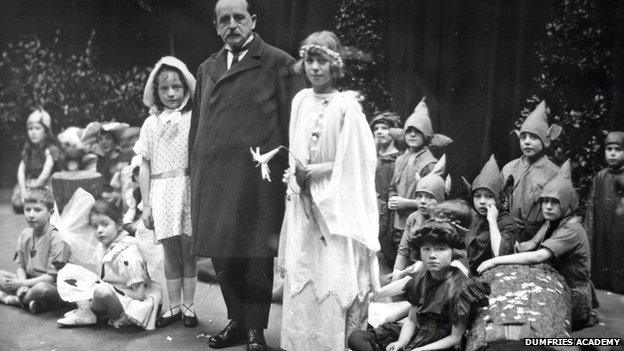
J.M. Barrie is an unforgettable figure, both for his tragic life and his timeless works. He was a hero who advocated for children’s rights. He became a voice against the exploitation of children and the ways adults often restrict them, championing the idea that children should be allowed to simply enjoy their childhood.
As you can see, this “child at heart” who fought for the freedom of children didn’t stray far from his own life in his writing. His mother, his brother David, his wife, his dog, the Davies family, and himself—they were all the inspirations for the heroes of his novels and plays.
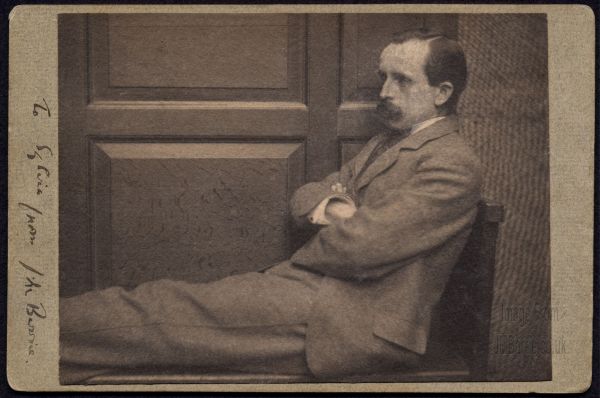
While the desire to remain a child is a recurring theme in Peter Pan, the fact that Wendy chooses to grow up by the end of the story proves that James’s philosophy was about much more than just “staying a child.”
Peter Pan is not just a novel; it is a reminder of the immortality of the childlike spirit. So, don’t leave the innocent and happy child within you all alone.
References and Further Reading
J.M. Barrie: Biography, Scottish Dramatist, Playwright, Peter Pan: https://www.biography.com/authors-writers/jm-barrie
A glimpse into the life of J M Barrie | National Trust for Scotland: https://www.nts.org.uk/stories/a-glimpse-into-the-life-of-j-m-barrie
To – 2020 – J M Barrie: https://jmbarrie.co.uk/letters/j-m-barrie-to-peter-michael-llewelyn-davies-1903?
J.M. Barrie | Scottish Playwright & Novelist | Britannica: https://www.britannica.com/biography/J-M-Barrie
Originally published in Turkish at Doğa Filozofu.