

In the previous installment of our series, we covered the founding era of the Ottoman Empire. To recap briefly: the Ottomans were established in Bilecik in 1299, and from then until 1453, they largely succeeded in their military campaigns, establishing dominance across Anatolia and the Balkans. Although the Battle of Ankara in 1402 and the subsequent Interregnum period dealt a significant blow to this stability, order was largely restored under Çelebi Mehmet and Murad II.
Following these relatively successful first 150 years, the empire would go on to etch its name into history in golden letters under sultans like Mehmed the Conqueror, Selim the Grim, and Suleiman the Magnificent.
The Conquest of Constantinople and the Conqueror
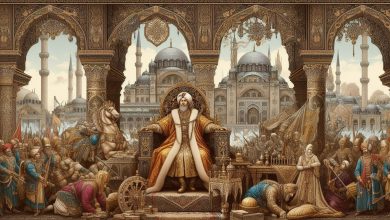
Mehmed II, whom we know today as “Fatih” (the Conqueror), first ascended the throne between 1444 and 1446. His father, Murad II, had abdicated in his favor before his death and without any external pressure, but Mehmed was only 12 years old at the time. While the state of the empire was stable, Mehmed wasn’t yet ready to fill the throne. When internal rebellions flared up and a new Crusader threat emerged, Mehmed stepped down, allowing his father to return. Murad II successfully navigated these dangers and eventually passed away in 1451, at which point Mehmed II ascended the throne for the second time.
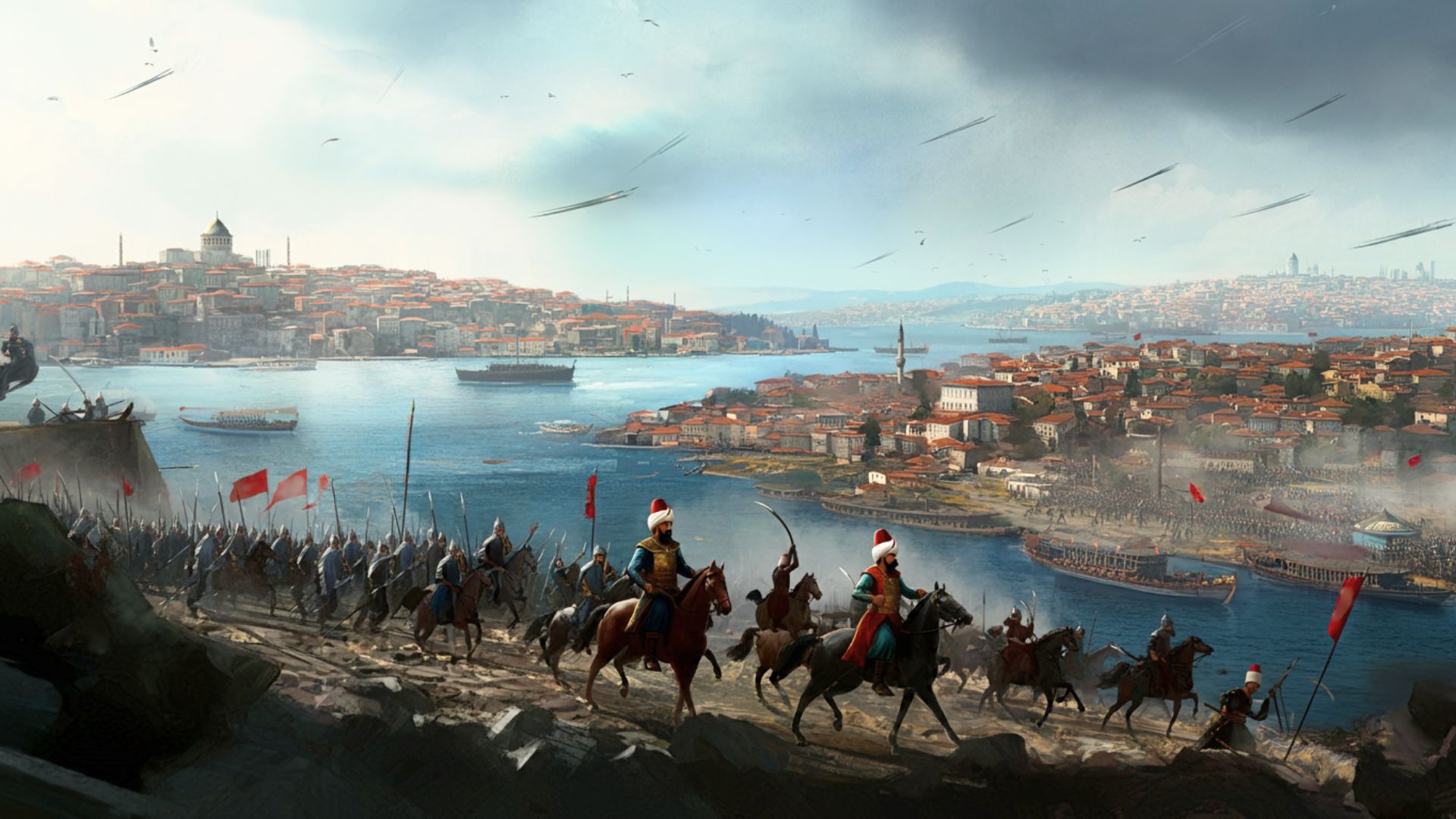
Mehmed II was a highly educated sultan with immense potential. He could speak Arabic, Persian, Latin, Greek, and Italian fluently. Having laid the groundwork for this by the age of 19, he was still remarkably young when he began his second reign. From the moment he took the throne, he made the conquest of Constantinople his primary objective. It wasn’t just about taking the city; the Byzantine Empire’s constant instigation of internal strife and the Ottoman desire to secure territorial unity were the main drivers. Though Byzantium had weakened, Constantinople remained a formidable fortress—a city perfectly designed for defense. Furthermore, the Golden Horn had been blocked off with giant chains to prevent naval attacks.
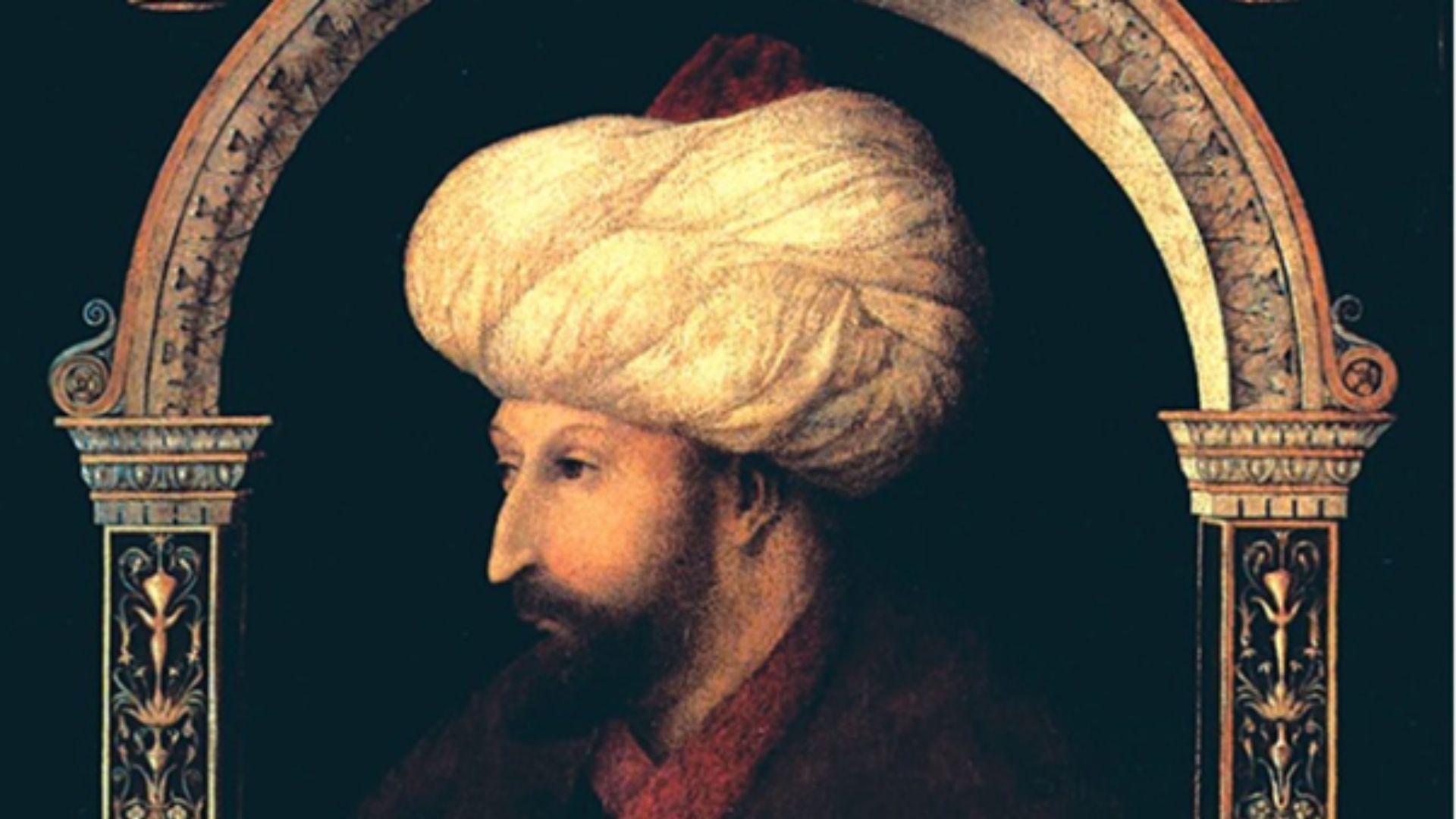
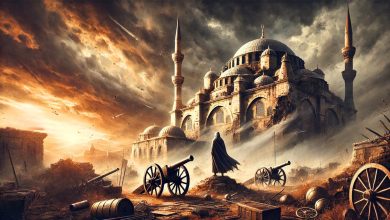
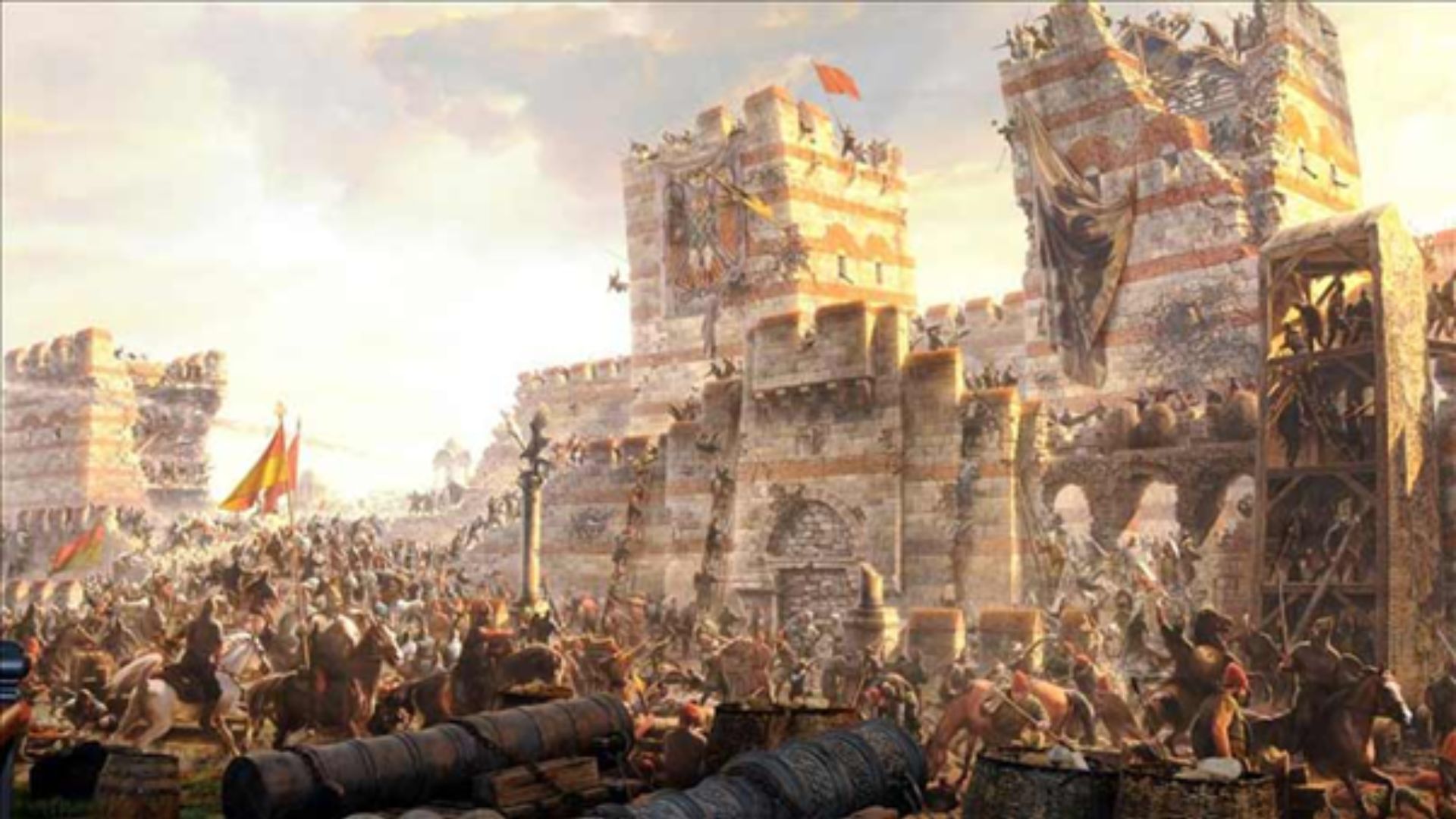
Regardless, Mehmed II was determined. The conquest required meticulous preparation and strategy. He needed an army to besiege the city and a powerful navy. To control the Bosphorus, Mehmed built the Rumeli Fortress (Rumeli Hisarı), cutting off all potential aid to Byzantium. Then, he began battering the Byzantine walls with massive cannons designed by the Hungarian engineer Urban. These assaults were revolutionary in terms of medieval military technology.
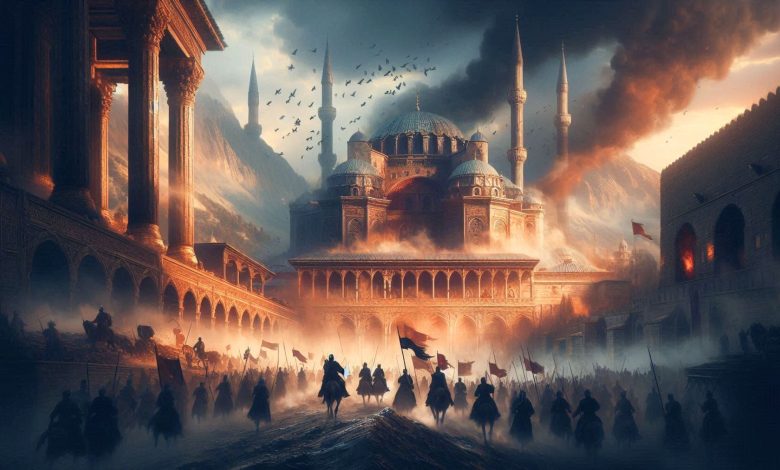
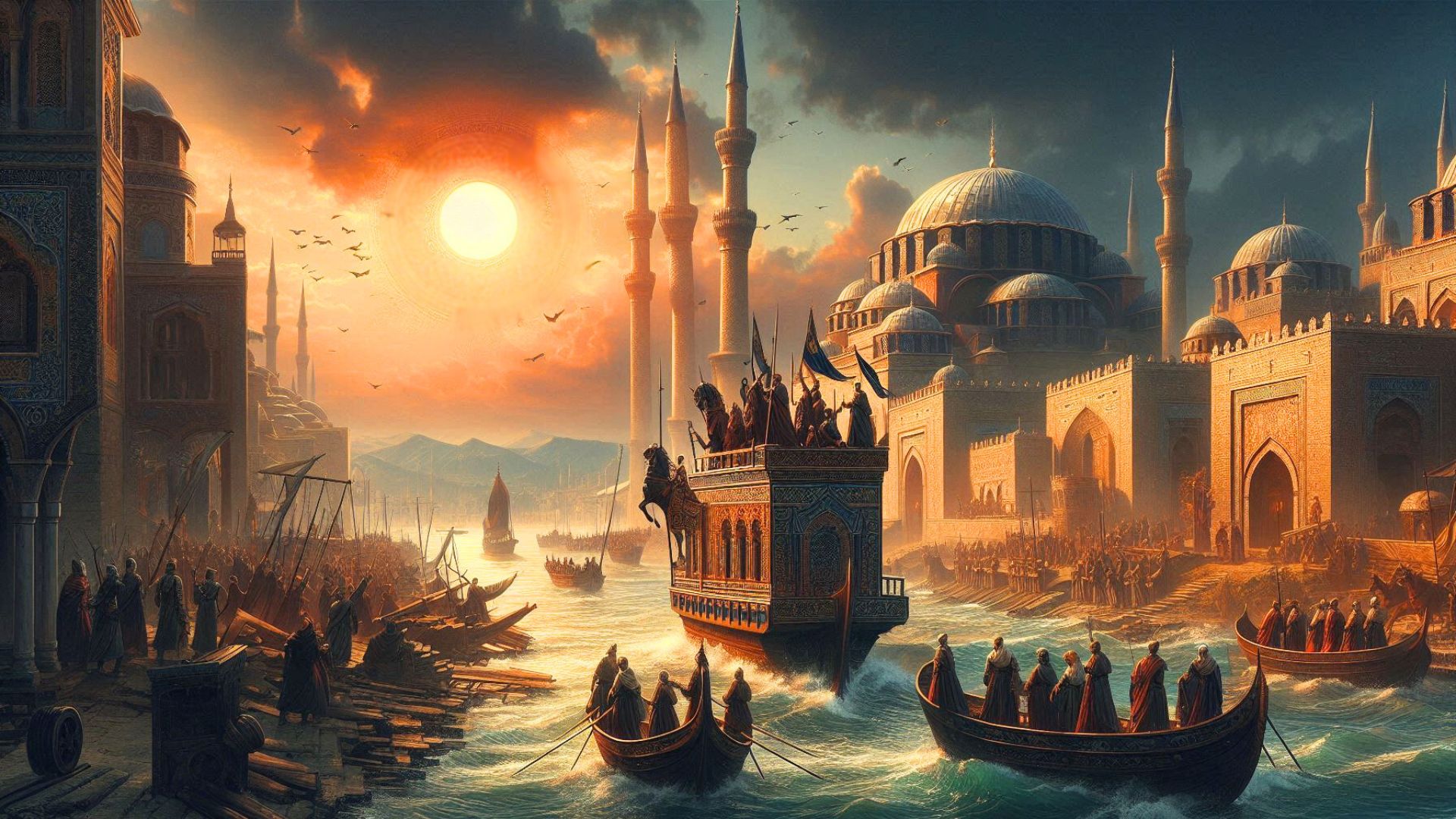
On May 29, 1453, after a prolonged siege, the city fell, and the Byzantine Empire came to an end. The conquest transformed the Ottomans into a true empire and gave them a capital that served as a bridge between East and West. This victory is widely recognized as marking the end of the Middle Ages in Europe and the dawn of a new era for the Ottomans. The reason it is considered a “turning point in history” wasn’t just the capture of the city; it was the migration of Byzantine scholars to Europe, which introduced Westerners to a wealth of scientific knowledge and tools. Of course, the sight of the Ottoman siege machinery also left a lasting impression, opening many eyes to new possibilities.
While all of this was significant for the world, the priority for the Ottoman Empire was the elimination of their greatest threat to date and the acquisition of such a critical city. With this victory, the young Mehmed earned the title “Fatih” (the Conqueror), and at only 21 years old, he had begun an extraordinary reign. Constantinople was immediately declared the new capital. Fatih did not impose any pressure or sanctions on the city’s Christian population, which effectively prevented any further uprisings.
Naturally, Fatih’s era wasn’t limited to the conquest of Constantinople. It was followed by the fall of the Empire of Trebizond, which had been conspiring with Byzantium, known as the Conquest of Trabzon (1461). In this way, Fatih brought the Black Sea under Ottoman control. He then launched campaigns into the principalities of Wallachia and Moldavia to consolidate Ottoman rule in the Balkans, bringing those lands under his sovereignty.
Did Fatih stop there? Of course not! Next in line was the Kingdom of Bosnia, which had refused to submit to Ottoman rule. By conquering this region, Fatih expanded Ottoman lands deep into Central Europe. In addition, he conquered the Peloponnese Peninsula.
After this, Fatih took a short break from conquests. While he was paused, perhaps we should take a look at the reforms he made internally, shouldn’t we? Beyond his warrior persona, Fatih was a true man of culture. He established a school known as the Fatih Complex (Fatih Külliyesi), commissioned the translation of works from the West, and invited philosophers to the city to raise the cultural level of the country. He also leveraged Constantinople’s location to bring trade routes firmly under Ottoman monopoly. While these positive developments continued, war was always on the horizon. After a decade of relative calm, a war broke out in 1473 between the Ottomans and the Akkoyunlu State. Fatih wanted complete control over Anatolia. He confronted the ruler of the time, Uzun Hasan, and by winning the Battle of Otlukbeli, he secured dominance over Eastern Anatolia as well.
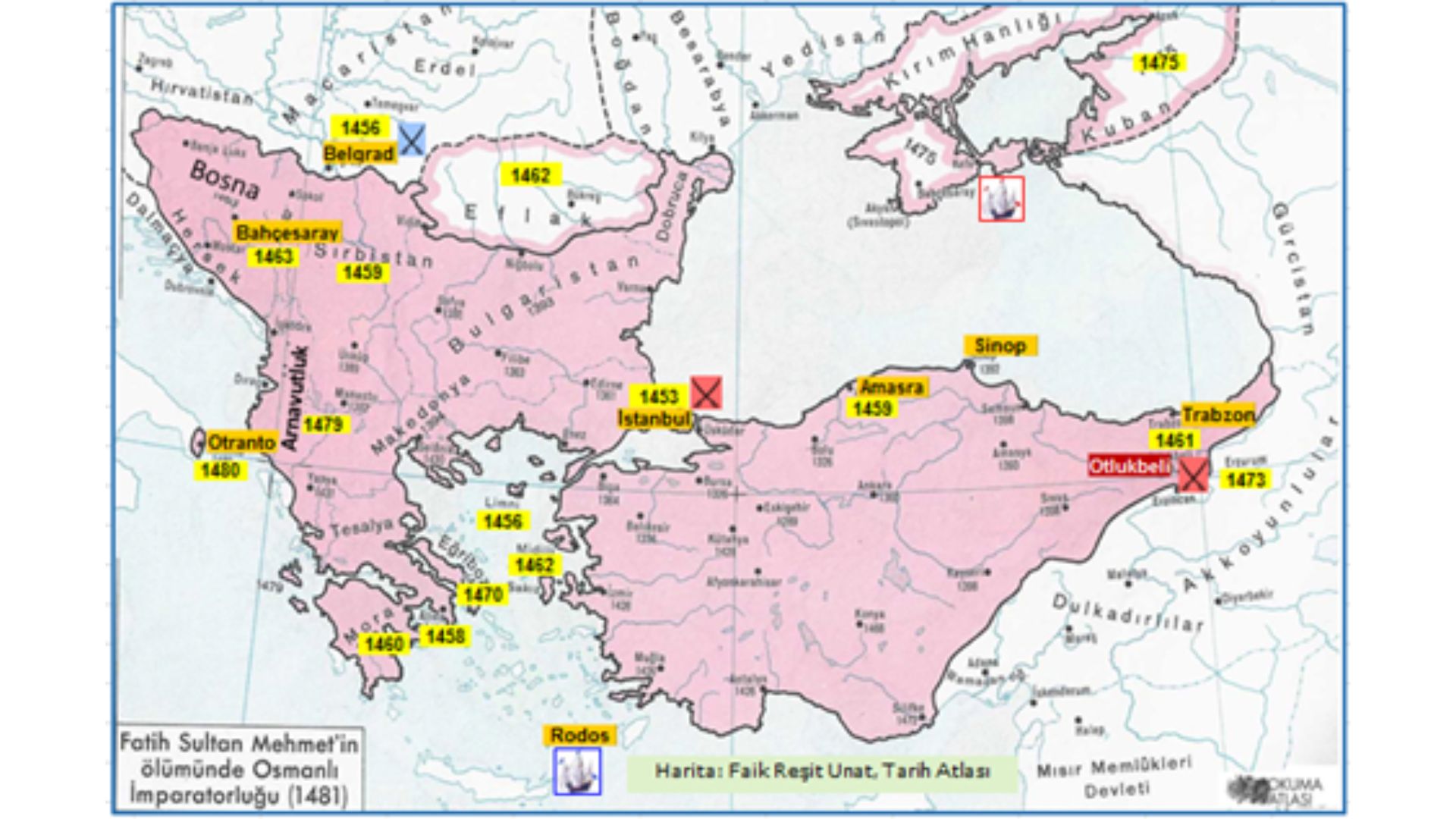
After achieving such great successes, Fatih passed away in 1481 under circumstances still believed to be a poisoning. A great ruler had died. His intellectual depth, military achievements, and strategic brilliance are beyond debate. His grandson would continue his tradition of success, yet a period of stagnation within the rise would soon follow: the reign of Bayezid II.
A Stagnation Within the Rise
When Fatih died, the Ottoman Empire was in a strong position. It had become the dominant power in both the Balkans and Anatolia. The centuries-old Byzantine Empire had been dismantled, and the greatest threat to the Ottomans had been removed, but a new threat would emerge from within. With the accession of Fatih’s eldest son, Bayezid II, his brother Cem Sultan—who also had his eyes on the throne—would not accept the situation. Under the fratricide law formalized during Fatih’s reign, brothers could execute one another to ensure the stability of the throne, but Bayezid II did not—or could not—resort to this method. Exploiting this, Cem Sultan first tried to gather supporters in Anatolia to seize power, but the plan failed. After losing the battle against Bayezid’s forces in Yenişehir, Cem Sultan took refuge with the Knights of Rhodes. The knights handed him over to the Papacy, which allowed Western Europe to use Cem Sultan as a bargaining chip against the Ottomans. Bayezid II was forced to make diplomatic maneuvers to counter the West’s use of Cem Sultan as a threat. Cem Sultan’s “captivity” in the West negatively affected Ottoman-Western relations for a time, and Bayezid had to suspend potential conquests in Europe. Because of this, the Ottomans missed out on many opportunities. Both this situation and Bayezid II’s more peaceful nature compared to other sultans led this period to be remembered as a time of stagnation within the rise.
There were still developments, of course, but they were often reactive. For example, in 1511, a major uprising known as the Shahkulu Rebellion broke out. Seen at the time as a reflection of the Ottoman rivalry with the Safavid State, this was an insurrection started by Alevi Turkmens in Anatolia against the Ottoman state. Led by a figure named Shahkulu, it spread quickly across a large region of Anatolia. The rebellion was suppressed with great difficulty by the Ottoman army, ending only after Shahkulu was killed. This event damaged Ottoman authority in Anatolia and intensified the Safavid threat.
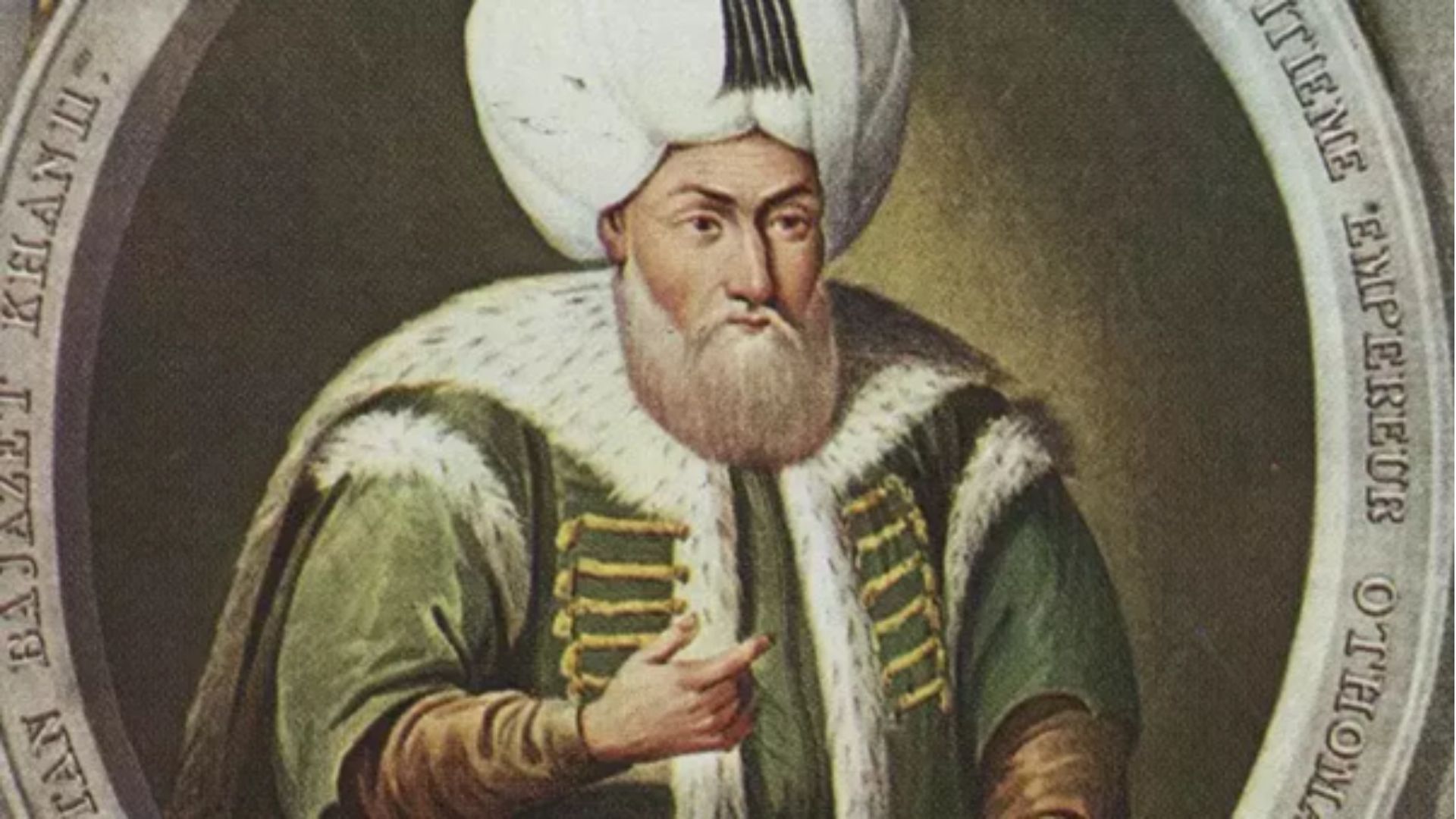
Of course, this rebellion gives you a hint that there were ongoing Ottoman-Safavid problems. Unable to advance toward the West, Bayezid had to focus his struggles on the East. Shah Ismail, who had founded the Safavid State, was influencing the Turkmens living on Ottoman soil and maintaining a hostile stance. The Safavid-Ottoman conflict deepened, particularly over sectarian differences in Anatolia. Shah Ismail’s Shiite policies clashed with the Sunni-based structure of the Ottoman Empire, making relations between the two states increasingly tense in the following years.
And then, of course, there was the war with Venice. The Ottomans and Venice were having issues at sea. Venice, known for its naval prowess, naturally didn’t want to fight the Ottomans on land; they chose the seas, where they were strong, as their battleground. Despite this, the Ottoman State won victories against Venice in the Aegean and Adriatic seas, capturing important strategic fortresses like Modon, Koron, and Navarin. These victories bolstered Ottoman power in the Mediterranean and turned the naval rivalry between the Venetian Republic and the Ottoman Empire in the Ottomans’ favor.
The Conqueror of the East: Yavuz
Following Bayezid, a name ascended the throne who would secure his place in immortality in a remarkably short time: Yavuz Sultan Selim.
Unlike the soft and peaceful management style of his father, Bayezid II, Yavuz possessed a stricter and more expansionist character. He had received military training from a young age and served as a provincial governor. Struggling to take his father’s throne, Yavuz Sultan Selim first fought his brothers, then deposed his father to ascend the Ottoman throne in 1512. He was the first sultan to depose his father. He had a very stern temperament. During his era, the Safavid State in the East and the Mamluks in the South posed major threats, and Yavuz ensured the empire confronted them head-on. Once the issue of Cem Sultan passed, he turned his back on the West and focused entirely on the East.
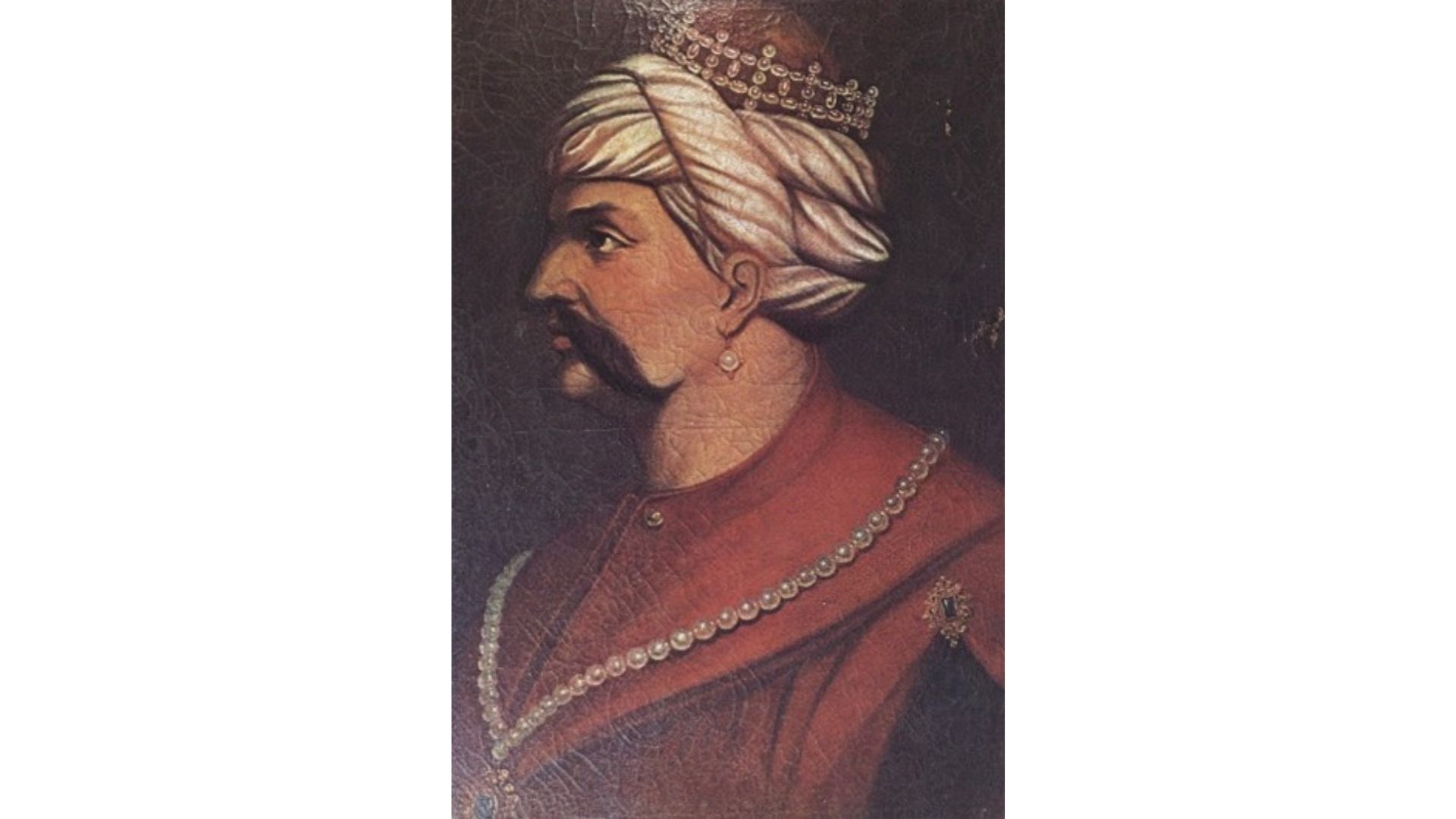
Yavuz aimed to fundamentally resolve the Safavid issue that had begun during his father’s reign. Therefore, one of his primary targets was the rising Safavid State and its leader, Shah Ismail. The Safavids were inciting Alevi Turkmens in Anatolia against the Ottomans, and their Shiite policies conflicted with the Ottoman Sunni understanding. Consequently, Yavuz set out on a campaign against the Safavids with a powerful army. The Battle of Chaldiran, fought in 1514, resulted in a crushing victory for the Ottoman army. The war cemented Ottoman superiority in the East, and Shah Ismail suffered a major defeat. With this victory, the Ottomans incorporated Eastern Anatolia and Northern Iraq into their territories.
Yavuz wasn’t satisfied with that; he aimed for complete control of Anatolia. Therefore, he ended the Dulkadirid Principality with the Battle of Turnadağ, effectively eliminating the last principality in Anatolia that was not under Ottoman rule. As a result of this war, the Ottomans fully secured political unity in Anatolia.
Ascending the throne in 1512, Yavuz established an incredible level of dominance in just five years, but he wouldn’t stop there. He now had his sights set on the Mamluk State. The Mamluks ruled over Egypt, Syria, and the Hejaz, and held great influence in the Islamic world. Yavuz Sultan Selim launched a campaign against the Mamluks in 1516, defeating their army at the Battle of Marj Dabiq and adding Syria to Ottoman lands. Immediately after, in 1517, he completely defeated the Mamluks at the Battle of Ridaniya and captured Egypt. This victory opened the gates of North Africa to the Ottomans, and control of the Hejaz region also fell into Ottoman hands.

With this victory, the Abbasid Caliph, who held the caliphate, ceded the title to the Ottoman throne, and Yavuz Sultan Selim brought the office of the Caliphate to the Ottoman State. Considering all this happened in just eight years, we are talking about an incredible level of dominance. Yavuz didn’t plan to stop even there; it is said he was planning a major campaign into Europe. However, he passed away in 1520 at the age of 50 due to a skin ailment (carbuncle) near Çorlu. Throughout his reign, he had doubled the borders of the Ottoman Empire and left a massive impact on the Islamic world.
Thus, the first half of the empire’s rise was complete. Especially with Fatih and Yavuz, between 1453 and 1520, the empire became a clear and undisputed power, but it wouldn’t end there. In the next installment of our series, we will examine the Era of Suleiman the Magnificent (Kanuni), who would build even further upon this foundation.
References and Further Reading
Inalcik, H. (1998, July 20). Mehmed II | Biography, The Conqueror, Accomplishments, Cannon, & History. Encyclopedia Britannica. https://www.britannica.com/biography/Mehmed-II-Ottoman-sultan
Parry, V. (1998, July 20). Bayezid II | Biography, History, & Facts. Encyclopedia Britannica. https://www.britannica.com/biography/Bayezid-II
The Editors of Encyclopaedia Britannica. (2024a, September 18). Selim I | Biography, Accomplishments, History, & Facts. Encyclopedia Britannica. https://www.britannica.com/biography/Selim-I
The Editors of Encyclopaedia Britannica. (2024b, September 30). Mamluk | History, Significance, Leaders, & Decline. Encyclopedia Britannica. https://www.britannica.com/topic/Mamluk/The-Mamluks-under-the-Ottomans-1517-1798
Yapp, M. E., & Shaw, S. J. (2024a, October 5). Ottoman Empire | Facts, History, & Map. Encyclopedia Britannica. https://www.britannica.com/place/Ottoman-Empire/Selim-I
Yapp, M. E., & Shaw, S. J. (2024b, October 5). Ottoman Empire | Facts, History, & Map. Encyclopedia Britannica. https://www.britannica.com/place/Ottoman-Empire
Originally published in Turkish at Doğa Filozofu.