

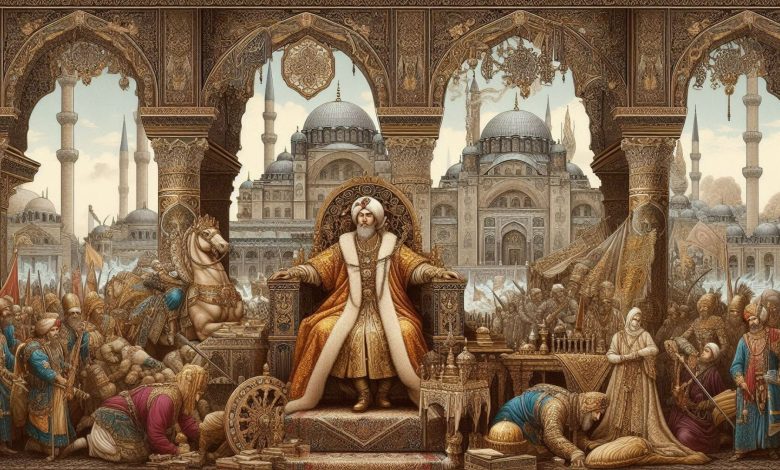
In our Ottoman series, we’ve already covered the Founding and Early Rise periods. You might be wondering why we didn’t tackle the entire “Rise” era in a single post. The reason is simple: the reigns of Fatih (the Conqueror), Yavuz (the Grim), and Kanuni (the Magnificent) are incredibly rich in detail. It makes much more sense to focus on a ruler like Kanuni, who held the throne for 46 years, and then round out the era with his successors, Selim II and Murad III. Naturally, a significant portion of this piece will revolve around the man who ushered in the Ottoman Golden Age.
Life After Yavuz
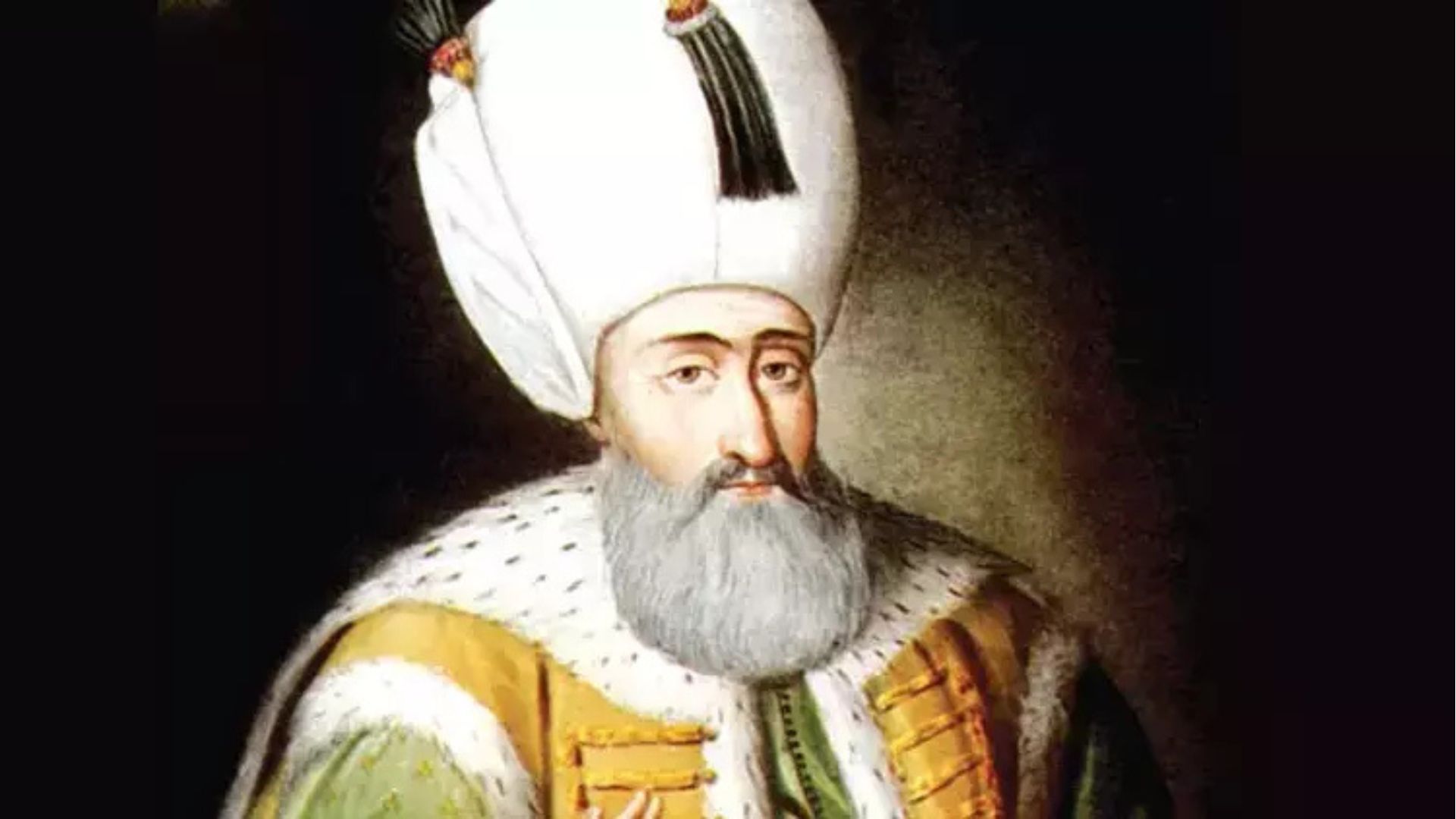
As we mentioned in our previous article, the Ottoman Empire had become an undisputed superpower by the time of Fatih and Yavuz. Anatolia, Istanbul, the Balkans, and the lands around Egypt were all under Ottoman rule. Suleiman—the man we will come to know as Kanuni—was born in 1494, while these developments were unfolding. Yavuz insisted that his son receive a rigorous education. This young prince learned Arabic and Persian, and was trained extensively in military and political strategy. He served as the governor of Manisa, which was traditionally the province assigned to the crown prince considered the favorite for the throne.
Following the death of Yavuz Sultan Selim in 1520, Suleiman became Suleiman I. With his ascension, the Ottoman Golden Age truly began. From the moment he took the helm, he prioritized justice and the rule of law, which earned him the title “Kanuni” (The Lawgiver). So, what exactly happened during his reign?
Conquests and Romance
Kanuni ascended the throne in 1520 and immediately began preparing for campaigns. In 1521, he declared war on the Kingdom of Hungary and conquered Belgrade. This would not be his only campaign against the Hungarians. Shortly after securing Belgrade, he set his sights on Rhodes, a goal his father Yavuz had also held. Rhodes was controlled by the Knights Hospitaller, who threatened maritime trade routes. The battle proved tougher than it looked, but Kanuni didn’t falter, and the Ottomans captured the island in 1522.
Meanwhile, Kanuni had set sail on a different kind of journey: a great love. Upon meeting Hürrem shortly after his ascension, he was completely smitten. A year after they met, Prince Mehmed was born. Of course, Mehmed was not born to Hürrem; he was the son of Mahidevran. Following Mehmed’s birth, Mihrimah, Abdullah, Selim, Bayezid, and Cihangir were born at yearly intervals.
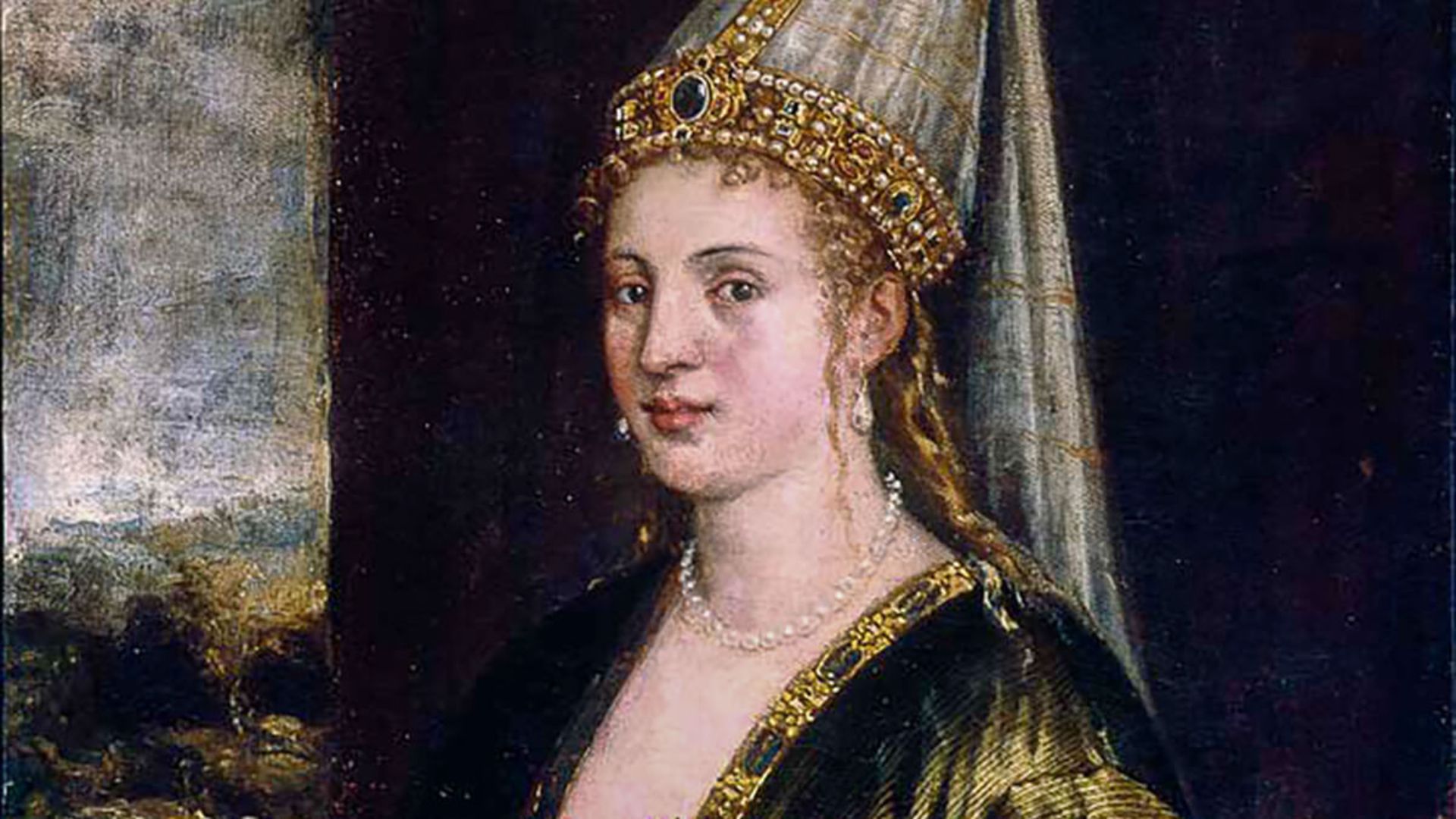
Hürrem was a formidable woman. Traditionally, sultans did not marry women from the harem—after all, according to the Ottoman view, all concubines were considered property of the sultan—but Hürrem convinced Suleiman otherwise. She became not just a concubine, but the sultan’s legal wife. She didn’t stop there; she was granted the power to manage the palace, which was unheard of at the time. Despite the many intrigues later attributed to her name, one truth remained: Kanuni and Hürrem were genuinely in love.
Hürrem may have been sincere in that love, but she certainly wasn’t shy about using the power that came with it; she was a master of manipulation.
Campaigns
While this romance blossomed, Kanuni was readying for a new campaign—though it wouldn’t be a long one. The Ottomans wanted to intervene early because Hungary was pursuing a threatening policy and forming alliances with surrounding kingdoms, though that wasn’t the “official” reason for the war.
The public justification was the rivalry between Holy Roman Emperor Charles V and the King of France, Francis I. After Francis I was defeated and captured by Charles V, his mother, Louise of Savoy, sent an envoy to Istanbul, urged by Chancellor Dupart, to ask Kanuni for help in rescuing her son. Kanuni, who had been waiting for just such an opportunity, launched his campaign and declared war on the Hungarians for the second time.
The Battle of Mohács began between 1:00 and 2:00 PM and ended in an Ottoman victory before sunset. Hungary ceased to be a major power after this battle, entering a period of decline.
Kanuni had stepped out of the shadow of his father Yavuz and his grandfather Fatih, carving his own name into history. But he wasn’t finished. In 1529, the Ottomans attempted something never tried before: the first siege of Vienna. The siege wasn’t successful, but the Ottomans had seen how far they could reach. The consequences of this failure weren’t severe; the Ottoman Empire lost none of its strength in this attempt.
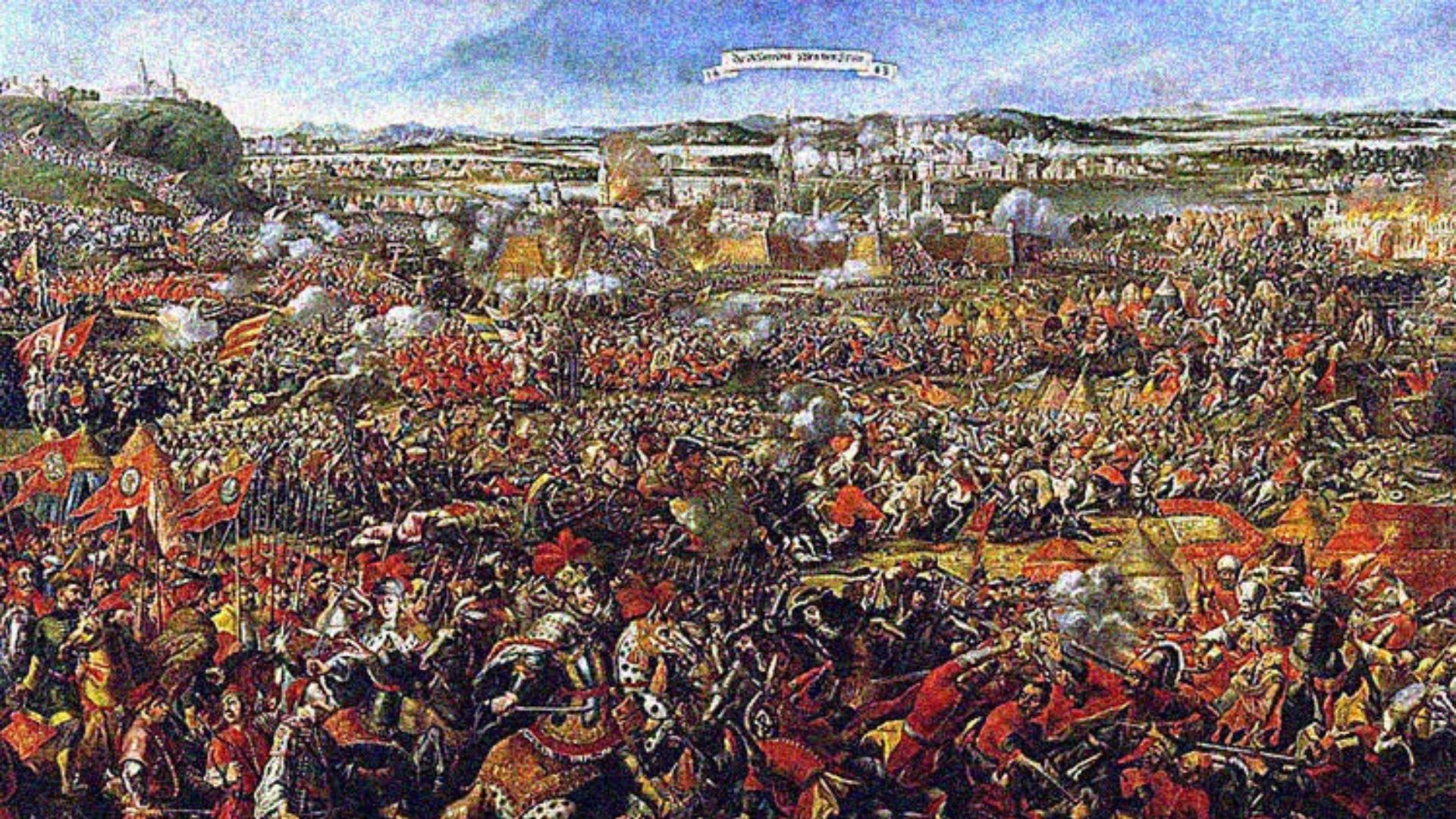
After the Siege of Vienna, Kanuni didn’t launch any new campaigns in the West for a while. He turned his attention to the Safavid Empire, leading a series of campaigns that resulted in the capture of Tabriz and Baghdad in 1534. These conquests brought vast lands in the East under Ottoman control and provided a major strategic advantage.
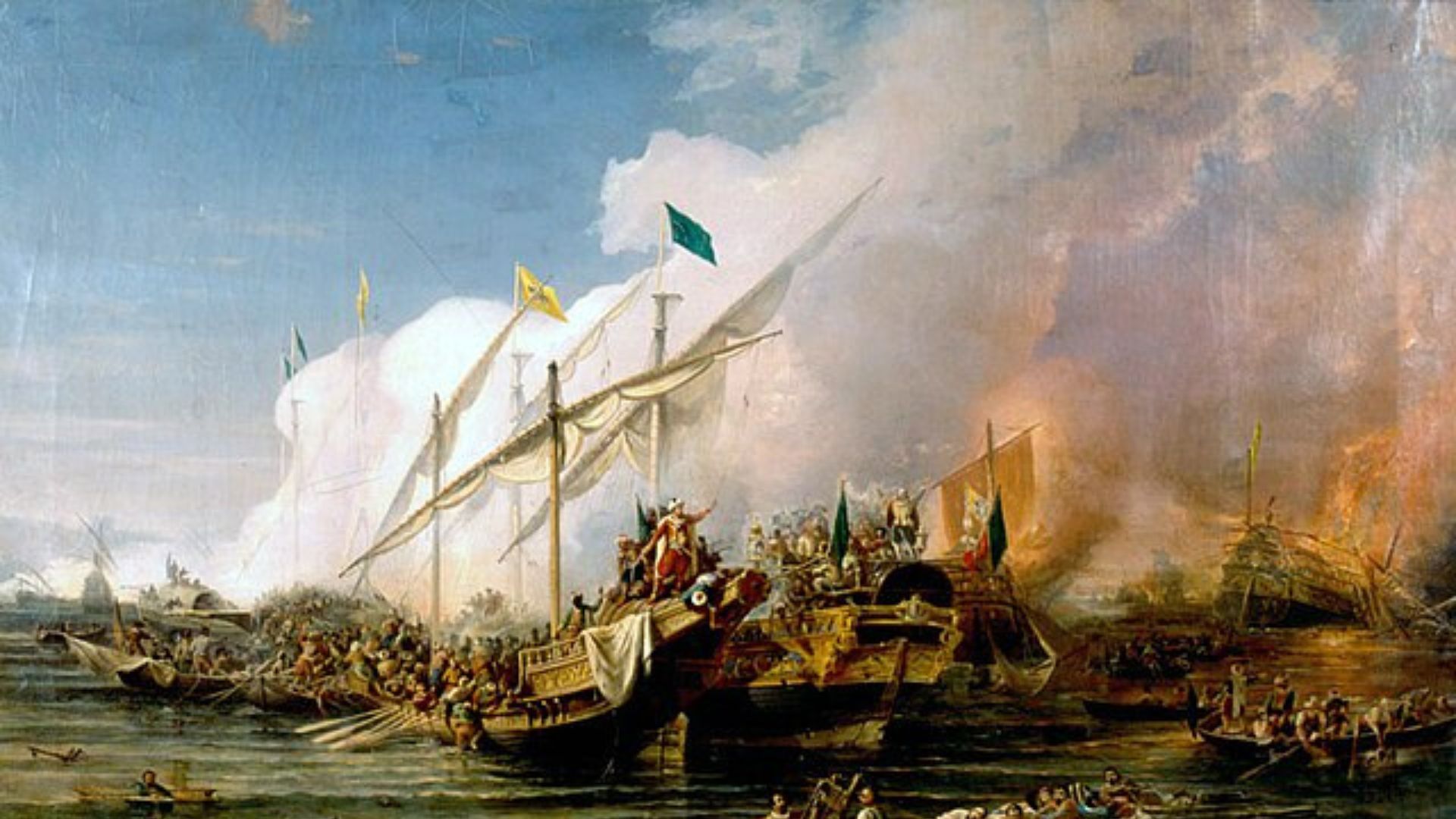
Just four years later, in 1538, another massive battle broke out, though the venue changed: it was a naval war. The Ottoman fleet, under the command of Barbaros Hayreddin Pasha, met the Crusader navy at Preveze and handed them a crushing defeat, securing Ottoman dominance in the Mediterranean. This victory effectively turned the Mediterranean into an “Ottoman lake.”
During this time, Kanuni didn’t personally lead campaigns, but the Ottoman army continued to succeed. In 1551, the Ottoman navy, led by Turgut Reis, conquered Tripoli (modern-day Libya). With this, the Ottomans took control of North Africa and another gateway to the Mediterranean. Beyond this, the Ottomans took part in a lesser-known struggle: they formed an alliance with France. By siding with France against the Habsburg Dynasty in Europe, they played an active role in European diplomacy. In 1543, the Ottoman fleet participated in the siege of Nice to support France against the Habsburgs. This alliance significantly increased the Ottoman Empire’s influence in European politics.
Following these successes, Kanuni donned his armor once more, this time heading out against the Persians. The Iranian campaigns took place between 1548 and 1549. As a result, the Ottomans maintained their dominance over Tabriz and Eastern Anatolia. Furthermore, the 1555 Treaty of Amasya brought a temporary peace to the Ottoman-Safavid conflict and stabilized the eastern borders.
At this point, the Ottoman Empire was nearly twice the size it had been in the previous era. The infrastructure inherited from the past was put to good use, and the empire doubled its territory under Kanuni’s rule.
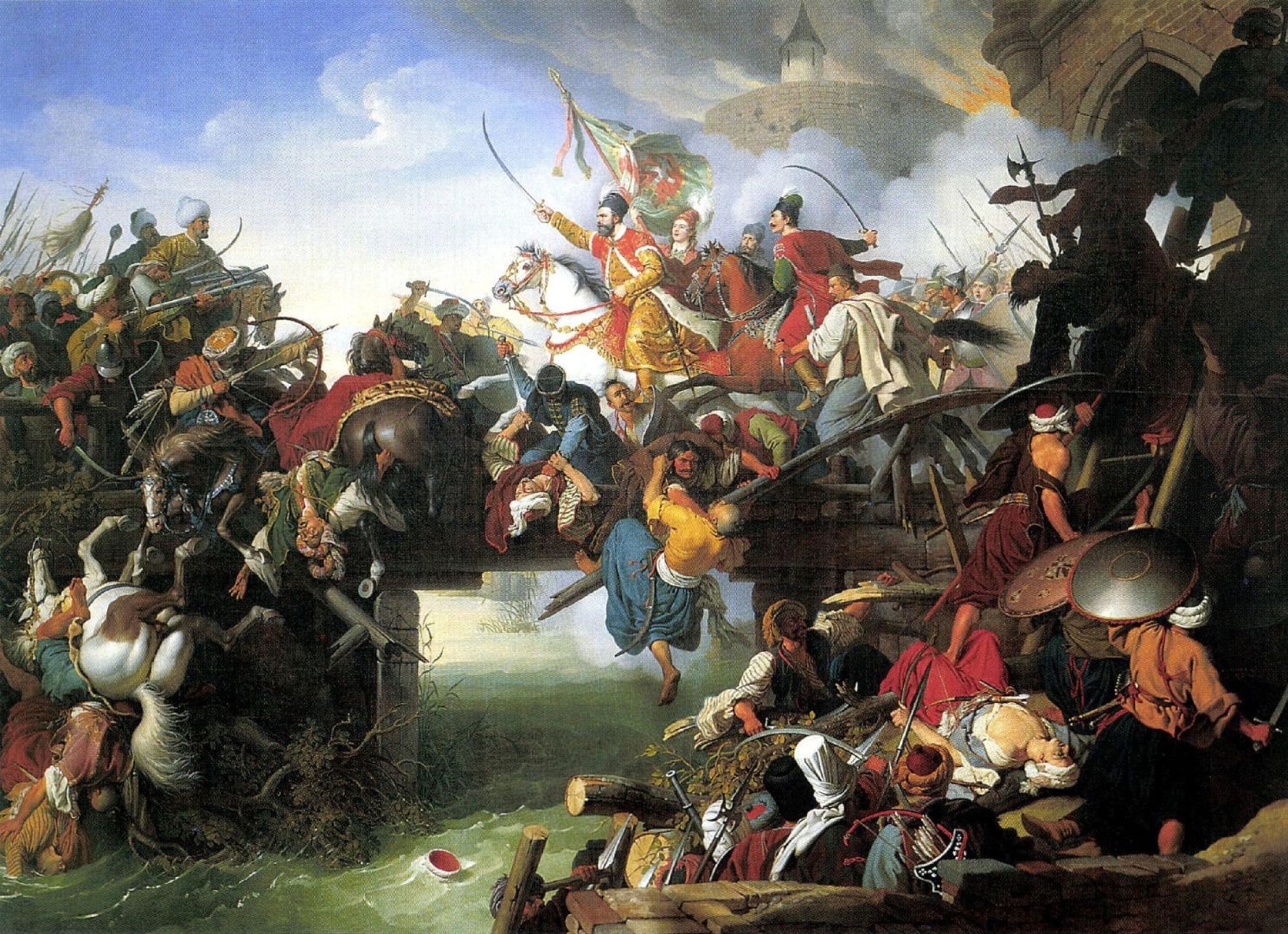
Despite all this, Kanuni had no intention of stopping. In 1566, unaware it would be his final campaign, he prepared for the Siege of Szigetvár. During the siege in Hungary, Kanuni fell ill and passed away at the age of 72. His death was kept secret for 42 days until the siege was completed and the fortress was captured by the Ottoman army. This campaign went down in history as Kanuni’s final major military achievement.
While his campaigns and victories ended this way, we must also touch upon his domestic accomplishments.
Domestic Developments
As we noted at the beginning, Kanuni focused heavily on law and justice—hence his title. He reorganized the Ottoman legal system and made the administration more centralized. Ensuring justice, strengthening central authority, and refining the administrative structure of the state became top priorities during his reign.
This era also saw the construction of architectural landmarks that remain iconic today, such as the Süleymaniye Mosque, the Şehzade Mosque, and the Selimiye Mosque (completed during the reign of Selim II), all built by master architects like Mimar Sinan.
The most scandalous event of his reign, however, was the execution of his own son.
Kanuni’s eldest son, Prince Mehmed, was one of his favorite children and was widely seen as the heir apparent. Mehmed had served as a provincial governor at a very young age and was groomed by his father to be the future ruler. However, Mehmed died in 1543 at the age of 21 due to a childhood illness. His death caused Kanuni profound grief.
Following Mehmed’s death, Kanuni commissioned the Şehzade Mosque (Prince’s Mosque) to transform his love and sorrow for his son into an architectural masterpiece. Built by Mimar Sinan, this mosque is one of the most important Ottoman structures in Istanbul and is often considered the “apprentice work” of Mimar Sinan.
Mehmed’s death from natural causes paved the way for future struggles for the throne. These conflicts became even more tragic with the death of Prince Mustafa. After Mehmed’s passing, Prince Mustafa rose to prominence. He was seen by everyone as the natural successor. He was more qualified than his brothers, but Hürrem Sultan and Grand Vizier Rüstem Pasha convinced Kanuni that Mustafa posed a threat and was planning a rebellion.
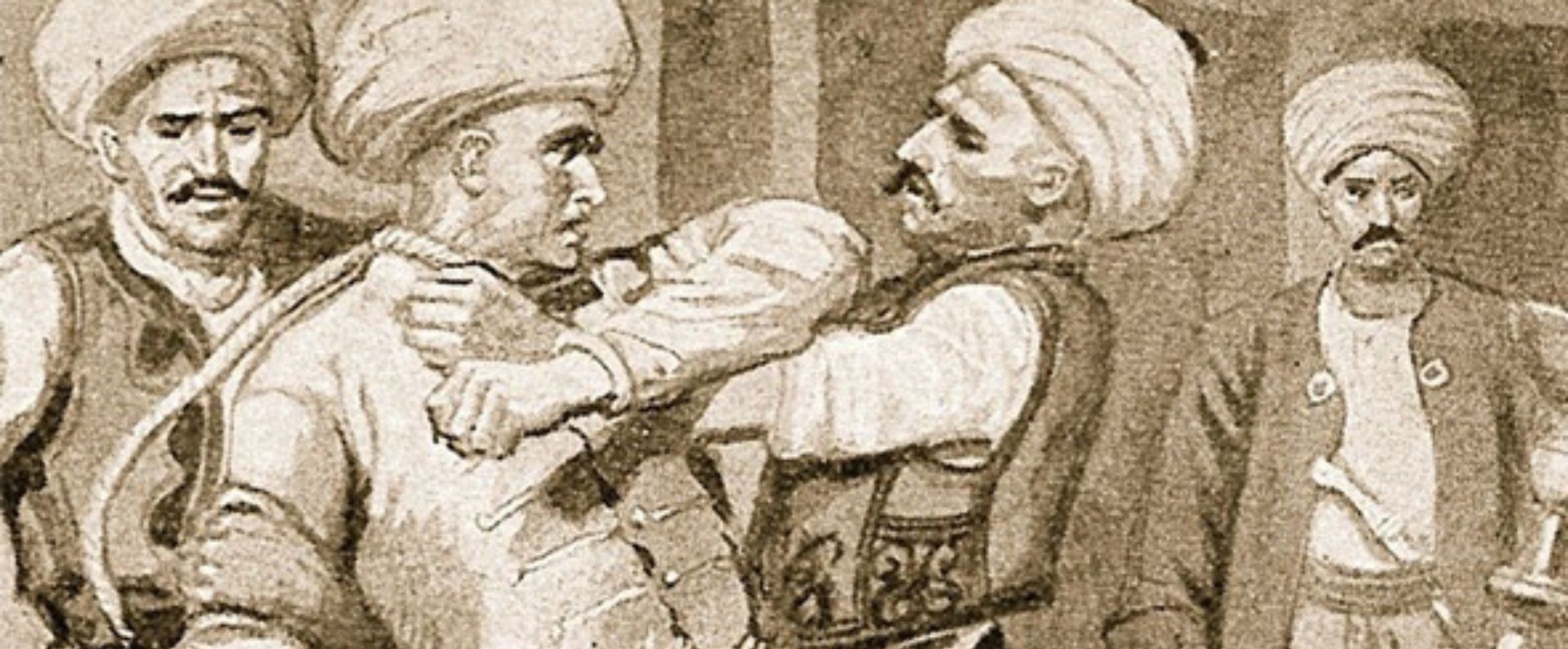
By the late 1540s, this issue had become critical. Kanuni became convinced that his son was a threat. In 1553, while the army was on campaign in Konya, Prince Mustafa was summoned to the camp and, by Kanuni’s order, was strangled. This event sent shockwaves through Ottoman history and caused deep public mourning. The execution of Prince Mustafa remains a tragic turning point in Kanuni’s reign.
Even today, this is one of the most criticized events of Kanuni’s life, and it is the incident that gave Hürrem her reputation for intrigue. Hürrem had poisoned Kanuni’s mind against Mustafa to ensure her own sons’ positions. While many sources claim Kanuni regretted this decision later, it was too late.
After Prince Mustafa’s death and Kanuni’s passing, the throne fell to Selim II, also known as “Sarı Selim” (Blond Selim). Many consider this period the beginning of the “Stagnation Era,” though it is still technically considered part of the “Rise.”
Of course, the reign of Kanuni is far too vast to fit into a short summary, but as Doğa Filozofu, we aim to provide you with a glimpse into this magnificent empire and its rulers.
The Reigns of Selim II and Murad III
To keep things concise, we won’t dwell too long on the two sultans who followed Kanuni: Sarı Selim and Murad III. Let’s take a quick look at their eras.
Selim II inherited a powerful legacy, but he wasn’t an active soldier or warrior like his father. Consequently, grand viziers and ministers played a more active role in governing the state. Sokullu Mehmed Pasha, in particular, was a dominant figure. An experienced statesman who had served in high positions since the time of Kanuni, Sokullu was effectively running the state when Selim II took the throne. He ensured that state affairs ran smoothly and maintained the empire’s strong central authority.
During this period, Sokullu planned the Don-Volga and Suez Canal projects. Though these canals were never completed, his vision was undeniable. Under his administration, Cyprus was conquered, further strengthening Ottoman dominance in the Mediterranean. But a major defeat was looming on the horizon.
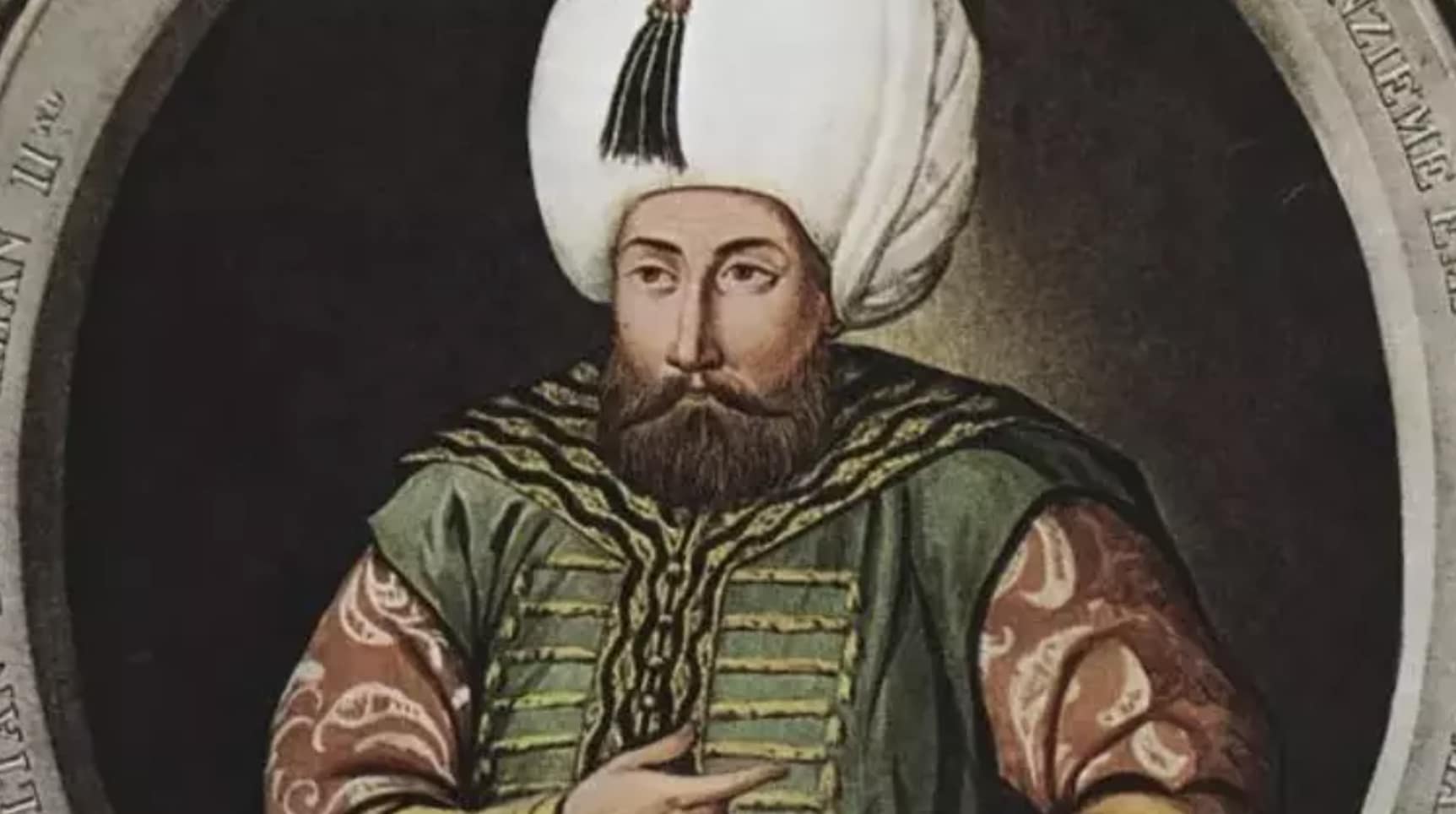
Following the conquest of Cyprus, a major Crusader alliance formed in Europe. In 1571, at the Battle of Lepanto, the Ottoman fleet was severely defeated by a combined Crusader force consisting of Spanish, Venetian, and Papal ships. The battle resulted in the destruction of a significant portion of the Ottoman fleet.
Although this defeat was a heavy blow, the Ottomans managed to recover their naval power quickly. Sokullu Mehmed Pasha’s famous words are linked to this event: “You have cut off our beard, but we have cut off your arm. A beard grows back, but an arm does not.” This quote refers to the Ottoman Empire’s ability to rapidly rebuild its naval strength. Indeed, the fleet was rebuilt in a short time, and Ottoman dominance in the Mediterranean continued for a long time afterward.
Beyond Sokullu, if we look at Selim II, domestic policy took center stage. He mended relations with Austria. Aside from that, Sarı Selim stayed largely within the palace and showed little interest in military campaigns. According to many sources, he was fond of comfort and wine, leaving the administration to Sokullu. Perhaps as a result, he passed away in 1574 due to cirrhosis.
After his death, Murad III ascended the throne and had his brothers executed. His reign continued to see slow progress, fueled by the wealth and power inherited from Kanuni. During Murad III’s reign, the old rivalry with the Safavid Empire reignited, and war broke out once again.
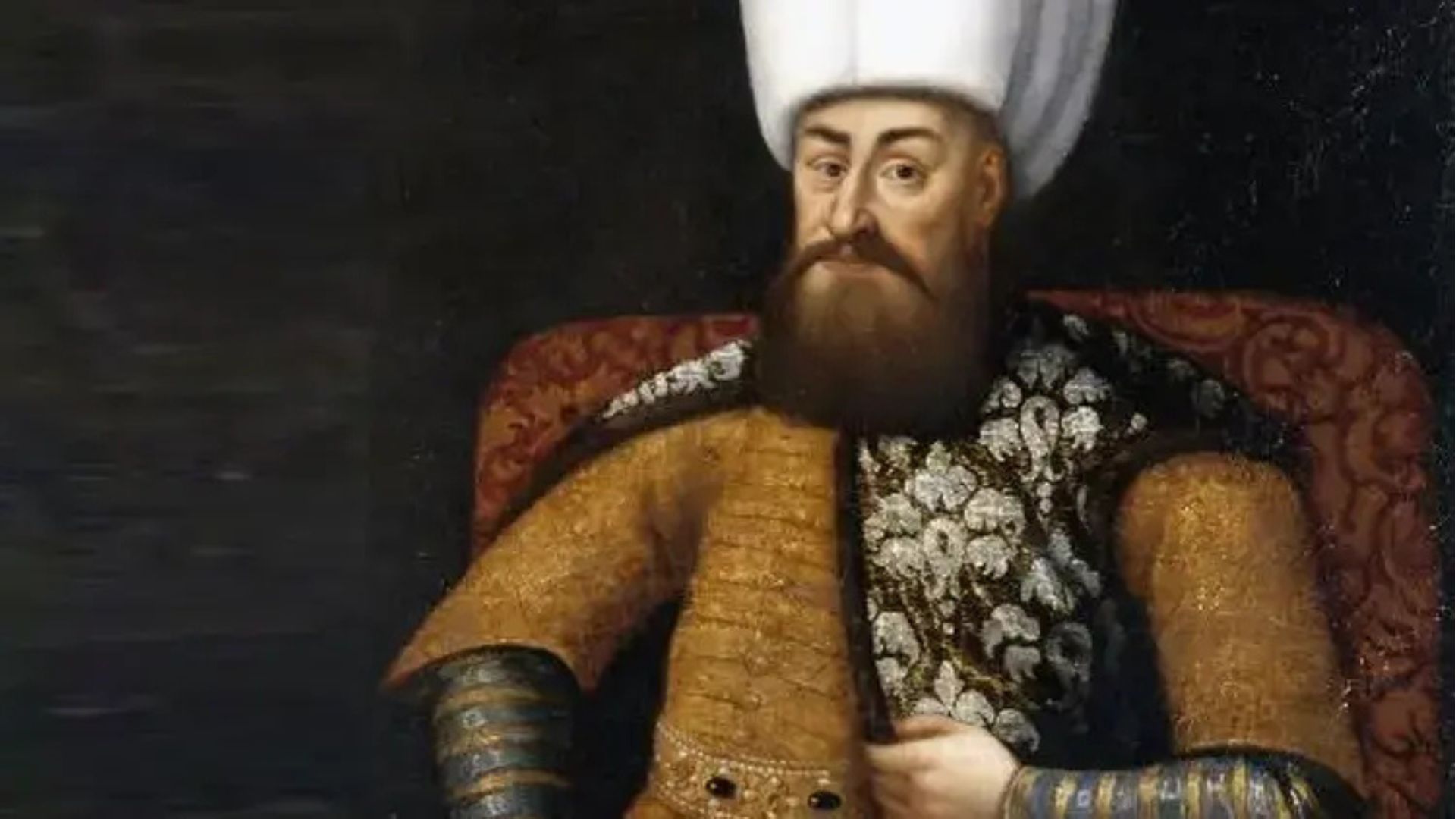
The Ottoman-Safavid War of 1578–1590 was one of the longest conflicts of Murad III’s reign. It was a continuation of the struggle for the eastern borders and resulted in Ottoman expansion into the Caucasus and Eastern Anatolia. The capture of Tabriz in 1585 was a significant victory, but the duration of the war and the strain it put on the empire signaled that the period of stagnation was approaching.
The war eventually ended with the 1590 Treaty of Ferhat Pasha, with the Ottomans gaining territories in modern-day Azerbaijan, Georgia, and Dagestan. This treaty marked the point where the Ottoman Empire reached its greatest extent in the East.
Sokullu continued to serve the empire and manage the state until he was assassinated in 1579, a moment when authority began to weaken and rebellions increased. Still, progress continued during these years. While the pace of advancement slowed and the Ottomans faced more difficulties, success was still present. Murad III passed away in 1595. With the reign of Mehmed III, the era of stagnation would officially begin by 1606.
References and Further Reading
The Editors of Encyclopaedia Britannica. (1998a, July 20). Murad III | Reign, Succession & Legacy. Encyclopedia Britannica. https://www.britannica.com/biography/Murad-III
The Editors of Encyclopaedia Britannica. (1998b, July 20). Selim II | Reformer, conqueror, successor. Encyclopedia Britannica. https://www.britannica.com/biography/Selim-II
The Editors of Encyclopaedia Britannica. (2024, September 18). Selim I | Biography, Accomplishments, History, & Facts. Encyclopedia Britannica. https://www.britannica.com/biography/Selim-I
Yapp, M. E., & Shaw, S. J. (2024, October 5). Ottoman Empire | Facts, History, & Map. Encyclopedia Britannica. https://www.britannica.com/place/Ottoman-Empire
Originally published in Turkish at Doğa Filozofu.