


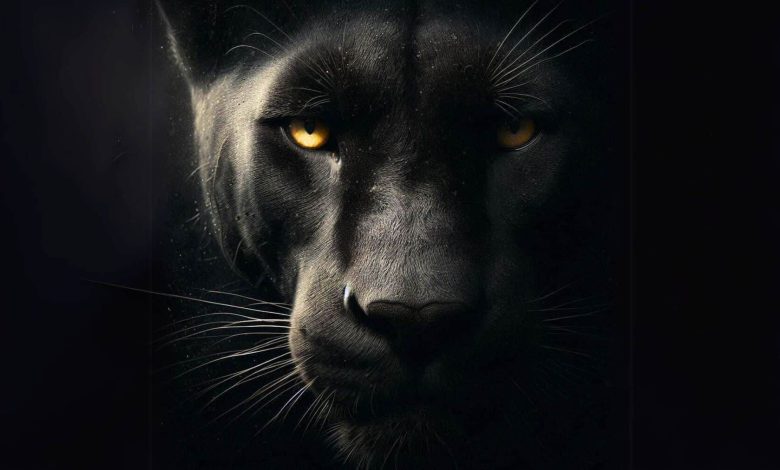
When we think of the cat family, our minds usually jump to the big, heavy hitters like tigers and lions. But there’s another group that deserves just as much spotlight: the dark rulers of the forest, the black panthers. So, who are these “lords of darkness” really? To answer that, we need to take a quick trip back into their history.
Origins and Evolution
First things first: black panthers aren’t actually a distinct species. They are simply individual leopards or jaguars that carry a genetic condition called melanism (extreme pigmentation). But what exactly is melanism?
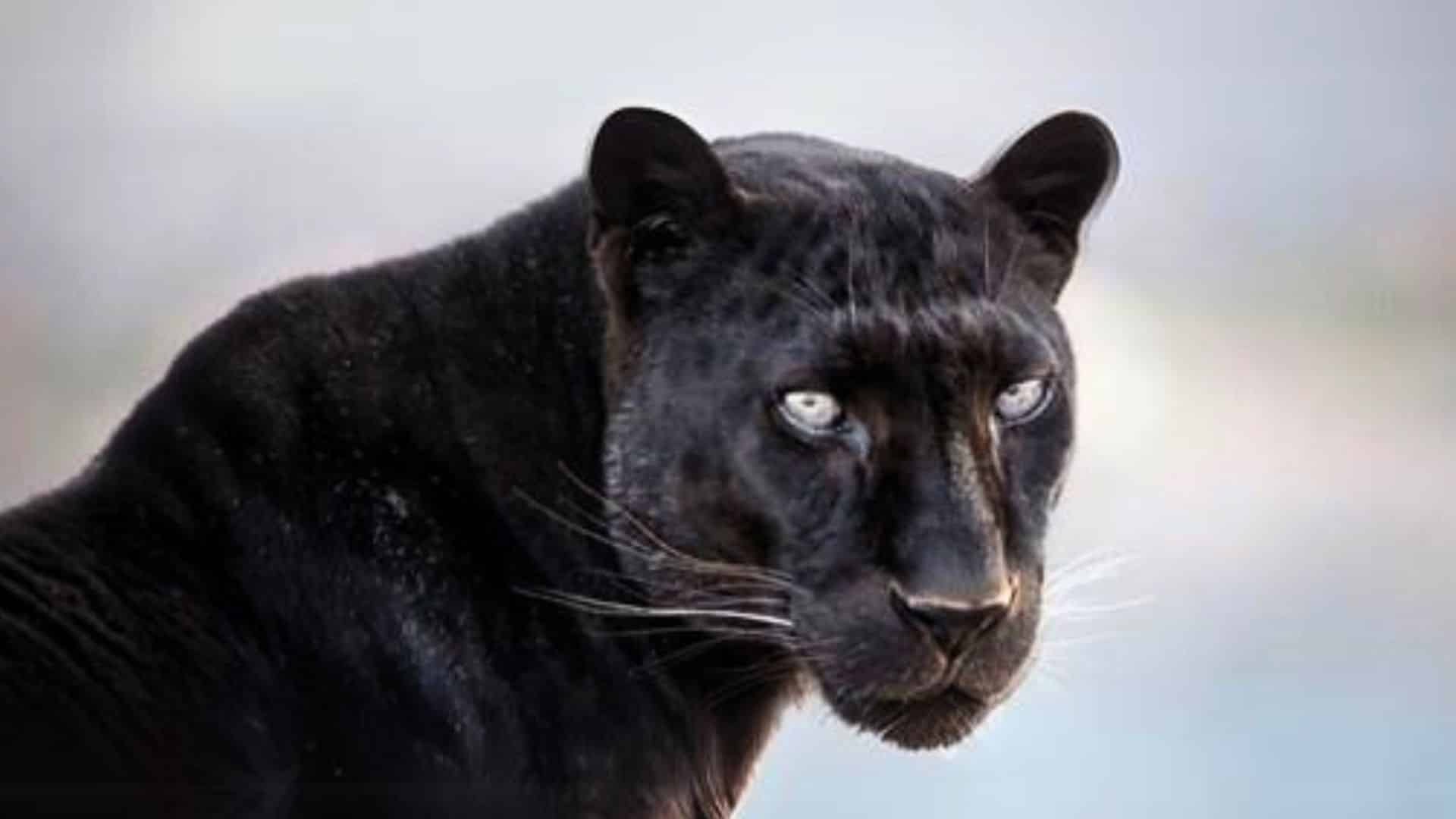
Black panthers are defined as either leopards (Panthera pardus) or jaguars (Panthera onca) that possess the melanistic allele. Melanism is a genetic mutation that causes an animal’s skin, fur, or scales to be darker than normal—usually black. In nature, this mutation can actually be an advantage. It’s likely been preserved through natural selection because dark-colored individuals are often more successful at camouflage while hunting at night or moving through dense, shadowy forests. In short, the animals we call black panthers are just regular jaguars and leopards in disguise. This genetic quirk sticks around precisely because it gives them an edge in the wild.
See what happened there? You came here to read about one animal, and suddenly you’re learning about two different species and a genetic condition. Let’s dive a bit deeper into what makes these cats tick.
Both jaguars and leopards belong to the genus Panthera, and they share more in common with each other than they do with lions. Their evolution has been shaped by the specific corners of the world they call home.
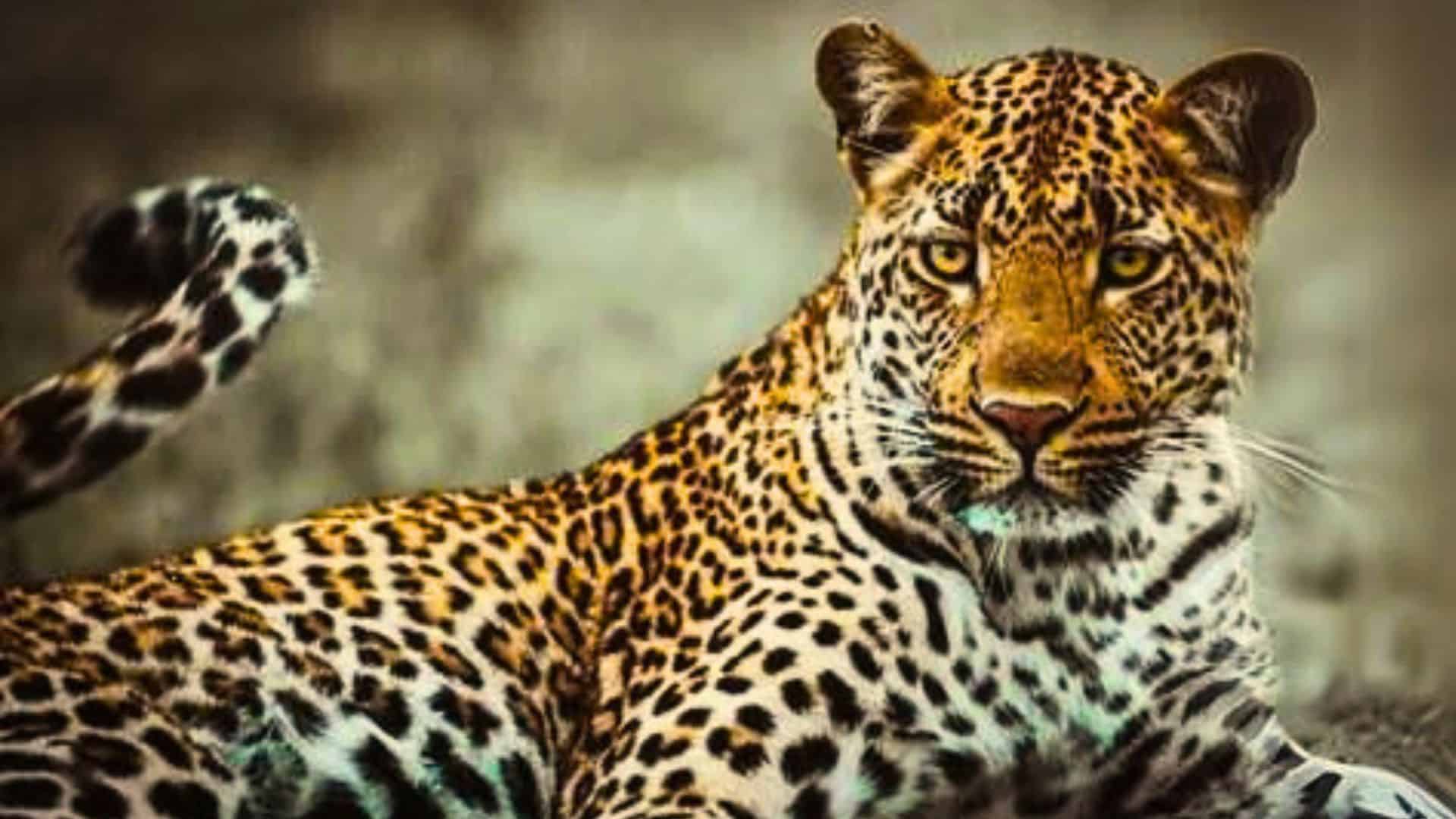
The evolutionary roots of the leopard (Panthera pardus) trace back to the Pleistocene epoch, about 2–3 million years ago. Genetic analysis suggests that this lineage originated in Asia. The most iconic part of the leopard’s evolution is the black rosettes on its golden coat, which provide perfect camouflage in forests and scrublands.
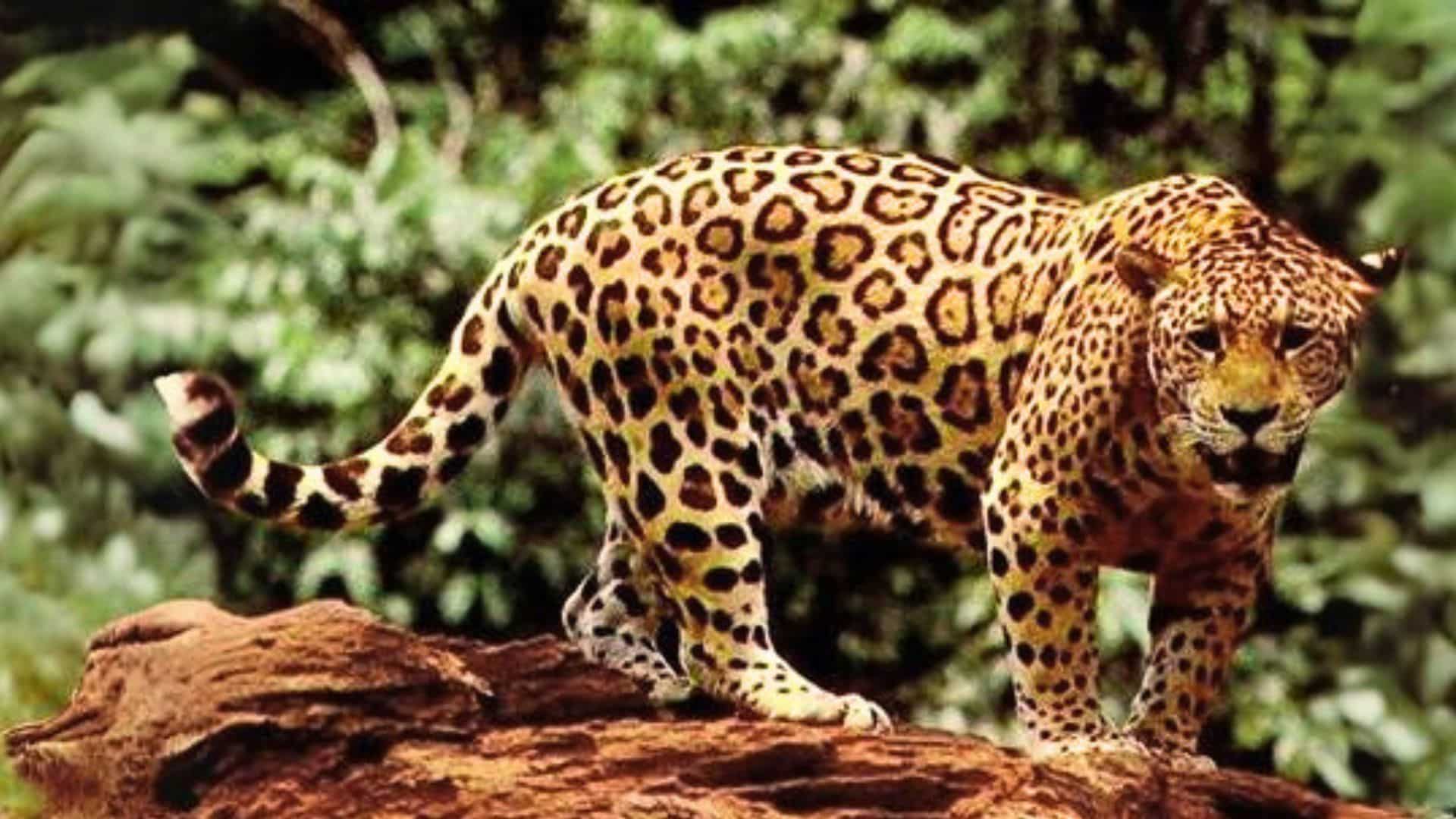
Jaguars, on the other hand, branched off from their Panthera cousins about 500,000 years ago. Fossil records show they have a long history in the Americas, with their ancestors migrating there during the Pleistocene. They’ve perfectly adapted to the rainforests of Central and South America. The main differences between jaguars and leopards? Jaguars are better swimmers and have much more powerful jaws. Aside from that, they share many of the same traits.
Habitats and Species
These agile, charismatic creatures occupy two main geographic zones. Leopards are found across Africa and Asia, particularly in India. Jaguars, as we mentioned, are the kings of the South American wilderness. Both species are masters of the forest and are incredibly skilled at climbing trees. And yes, the melanistic individuals—the “black panthers”—live right alongside their spotted counterparts.
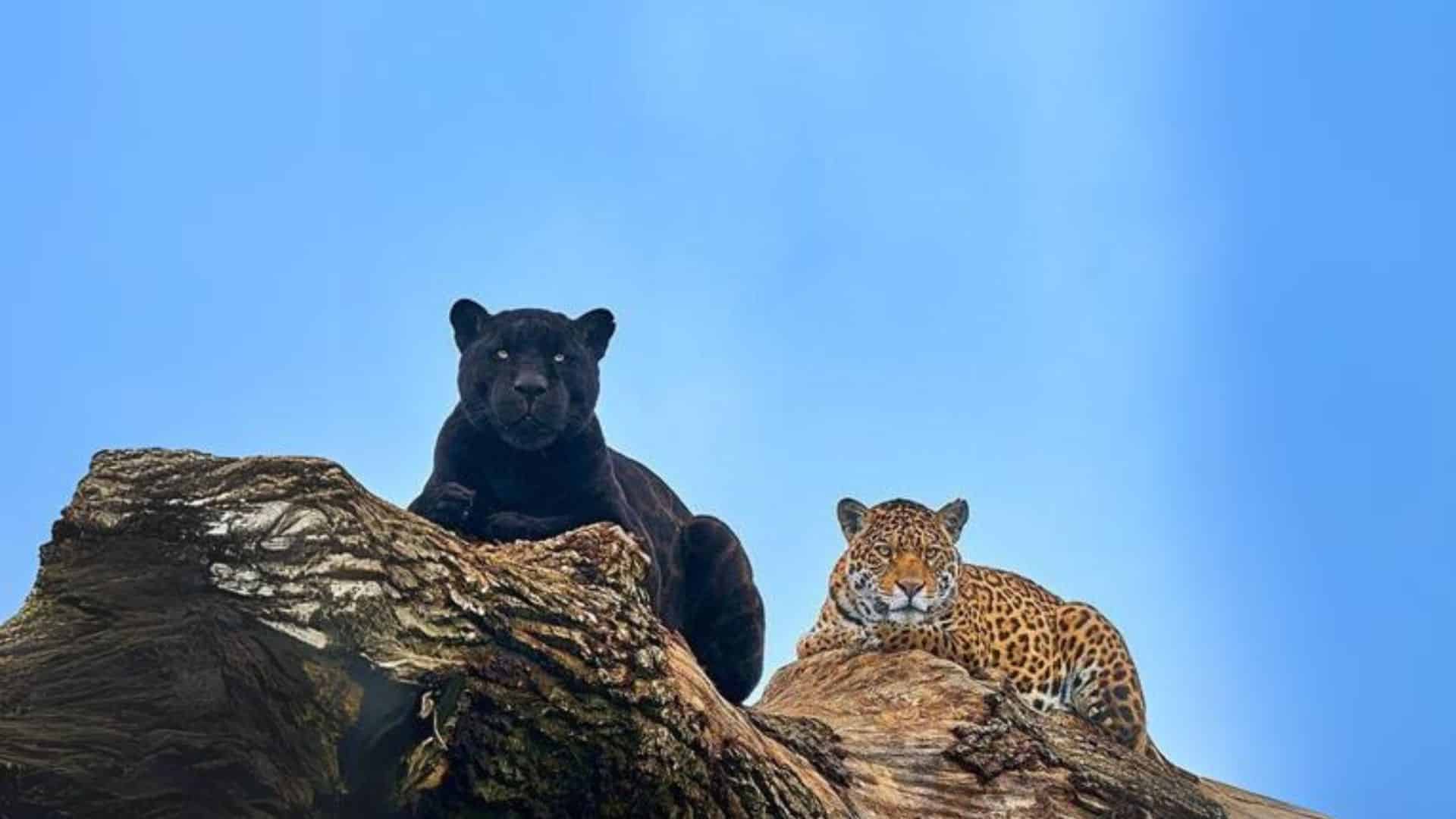
Both leopards and jaguars are solitary by nature. They don’t really do “social”; they prefer to hunt across vast territories alone. The only time they break this habit is when a mother is raising her cubs or when it’s time to find a mate.
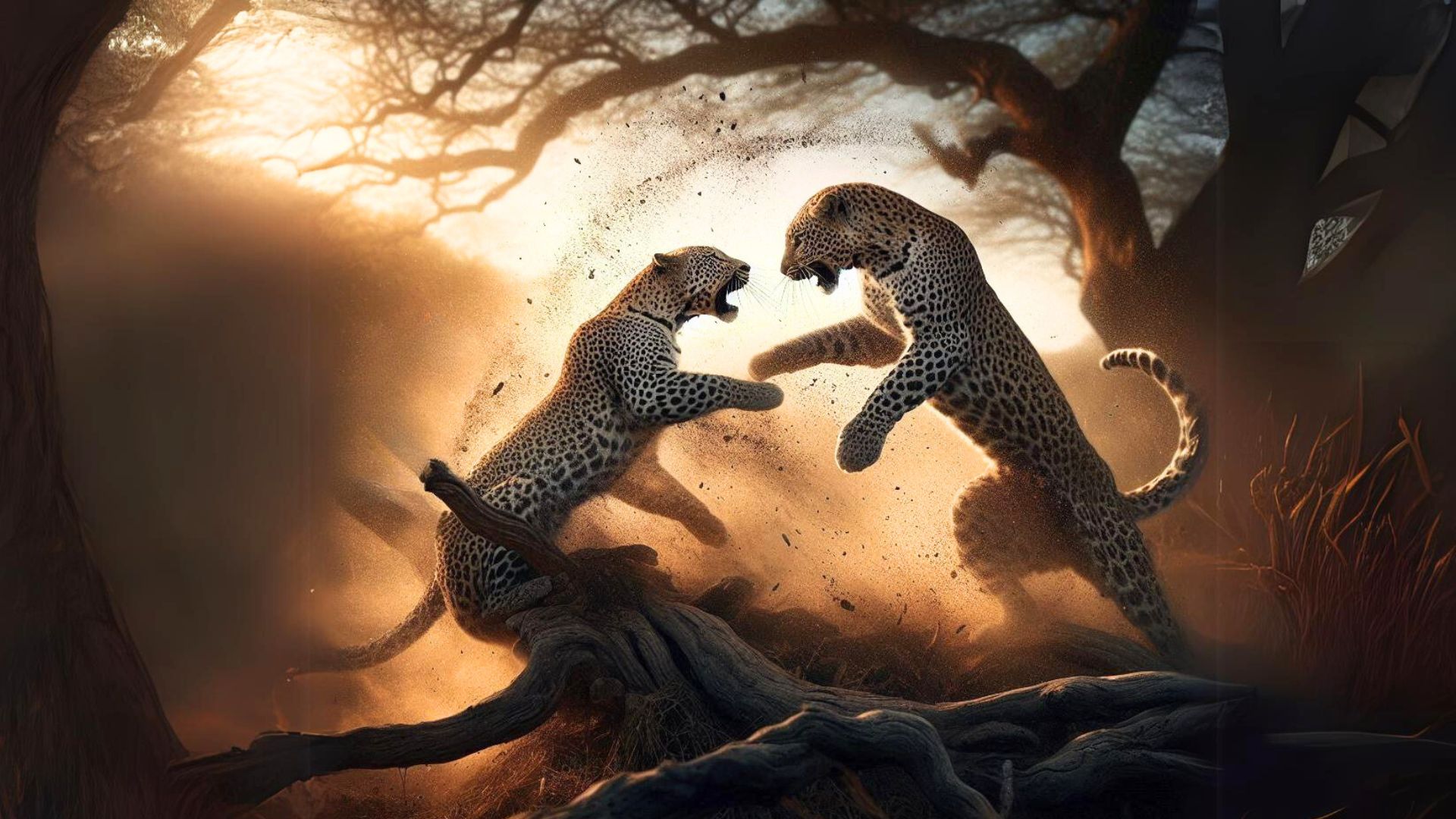
Structurally, these animals can be extremely aggressive. If two leopards spot each other from a distance, they don’t mess around—they often attack without hesitation. Unlike lions or house cats, you won’t see much posturing, growling, or “stand-off” rituals here. They skip the theatrics and go straight for the fight.
So, when do these cats choose violence?
Conflict
As mentioned, leopards and jaguars aren’t exactly shy when it comes to conflict. They don’t go looking for trouble, but they certainly don’t shy away from it, either. We should look at their conflicts based on where they live, because their “neighborhoods” dictate their rivalries.
Leopards:
Leopards often butt heads with hyenas over food. Hyenas are notorious for trying to steal a leopard’s hard-earned kill. Leopards usually hunt relatively large prey, and once they’ve spent all that energy on the hunt, dragging it into a tree to hide it is no easy feat. That’s exactly when hyenas swoop in. They face similar issues with other predators, like lions. The lion is a particularly tough match; even if the leopard is faster, a lion is much more likely to come out on top in a scrap.
Leopards also have to watch their backs near water, where they can be ambushed by crocodiles—another situation where a fight for survival becomes inevitable.
And, of course, they often find themselves in territorial disputes with others of their own kind.
Jaguars:
The struggles of a jaguar aren’t much different from a leopard’s, though the cast of characters changes depending on the continent. They face the same territorial and food-stealing pressures. One key difference is that jaguars don’t encounter many animals larger than themselves. Their main competition is the puma (Puma concolor), and usually, the jaguar comes out on top in those encounters.
Plus, thanks to those swimming skills we mentioned, jaguars can even take the fight to crocodiles in the water. Looking at the big picture, jaguars tend to have an easier time dominating their specific ecosystem.
Keep in mind, everything we’ve said about these species applies to their black-furred counterparts, too. The only real difference is that some research suggests black leopards or jaguars may be slightly more physically robust, and their dark coats give them a stealth advantage for hunting under the cover of night.
The Modern Day
Black panthers captivate us with their mystery and rarity. But we shouldn’t forget that, like all big cats, they face serious threats. Conservation efforts and protecting their habitats are vital for their future. Today, both leopards and jaguars face a single, overwhelming danger: us.
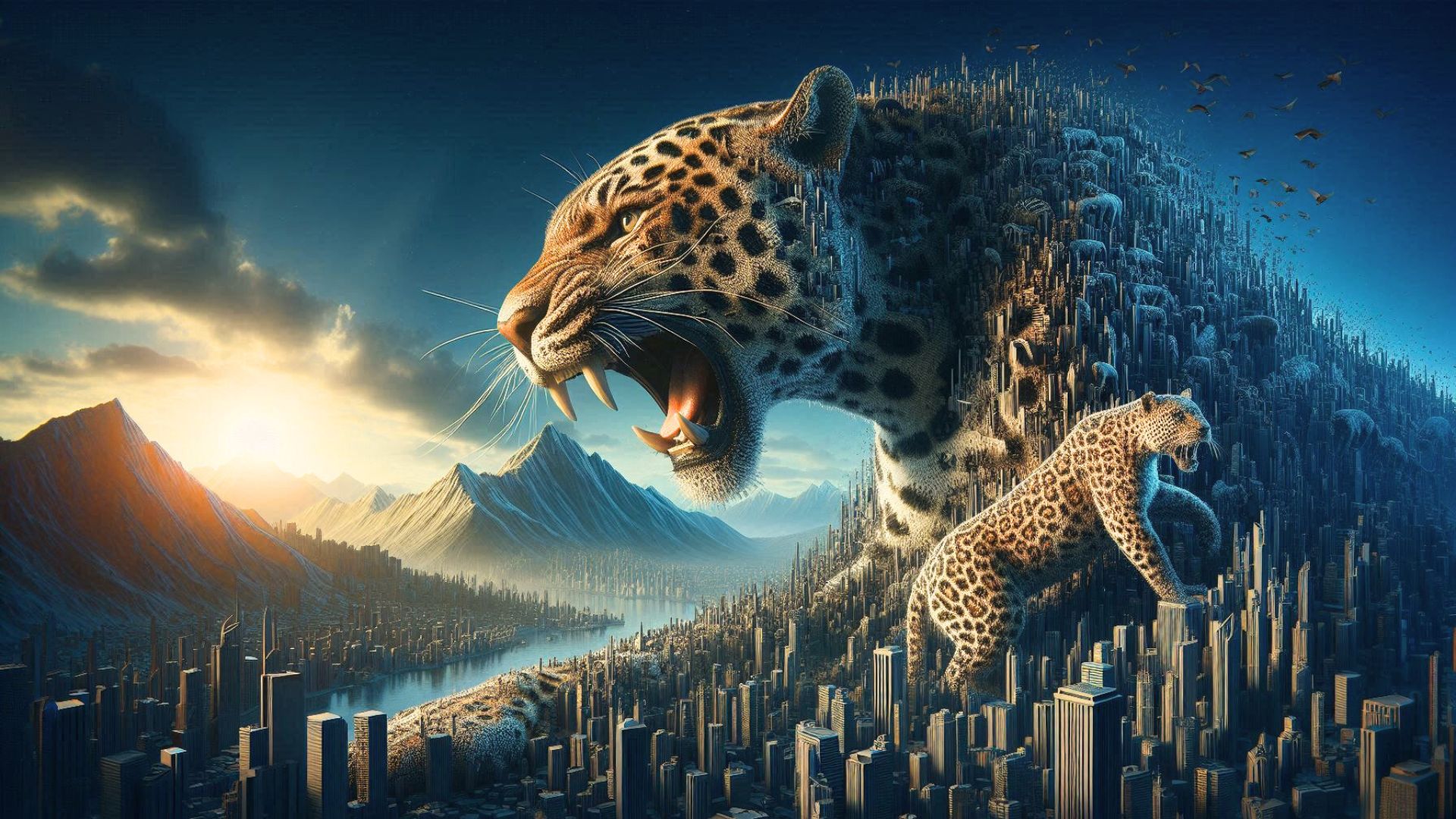
As humans encroach further into their territories and poaching continues, the numbers of these magnificent cats are dwindling. We need to protect these agile, fierce friends just as much as any other species.
Now that you know them a bit better, did you used to think black panthers were their own species? It’s a common mix-up!
References and Further Reading
Rafferty, J. P. (2012, June 22). Black panther | Facts, Habitat, & Diet. Encyclopedia Britannica. https://www.britannica.com/animal/black-panther-mammal
The Editors of Encyclopaedia Britannica. (2024a, September 13). Jaguar | Habitat, Diet, & Facts. Encyclopedia Britannica. https://www.britannica.com/animal/jaguar-mammal
The Editors of Encyclopaedia Britannica. (2024b, October 4). Leopard | Description, Habitat, & Facts. Encyclopedia Britannica. https://www.britannica.com/animal/leopard
Originally published in Turkish at Doğa Filozofu.