


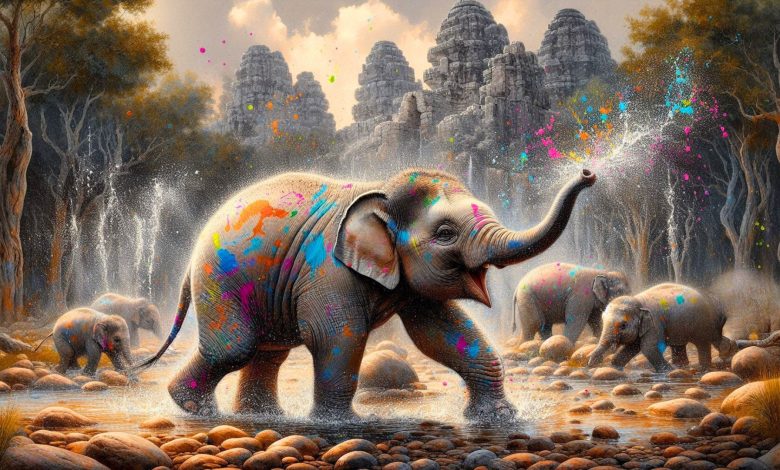

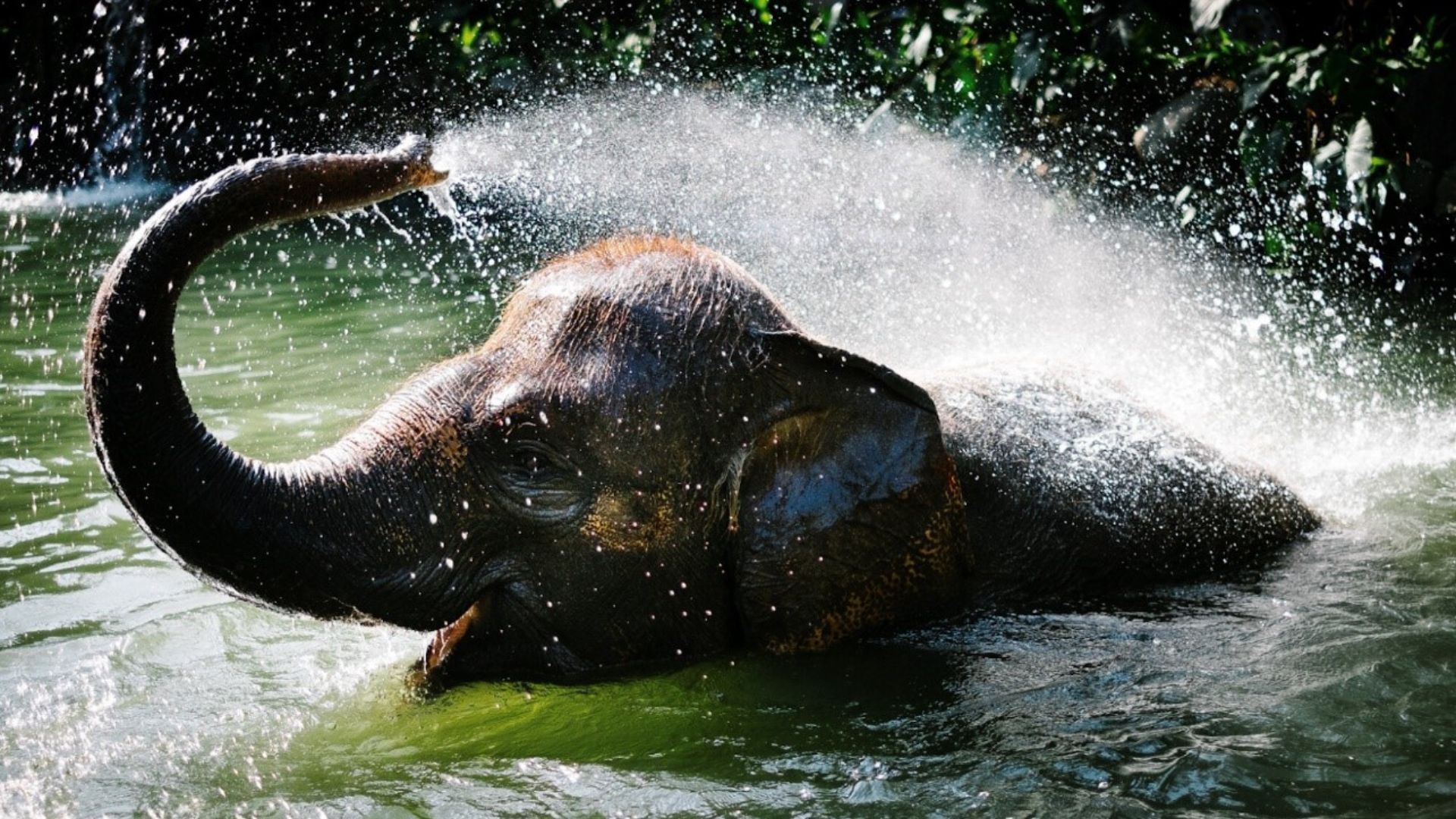
Elephants are the largest land mammals on Earth, which means they’ve managed to become the most majestic of the roughly 6.5 million species out there. You’ll mostly find them in savannas, grasslands, and forests, but they are surprisingly adaptable, thriving in a variety of habitats including deserts, marshes, and even the mountainous regions across tropical and subtropical Africa and Asia. A healthy elephant can live anywhere from 70 to 80 years. With their oversized ears, powerful legs, long tusks, and adorable trunks, elephants are the gentle giants we all know and love. Their trunks are Swiss Army knives—they use them to lift heavy objects, stay hydrated, and even greet their friends and family. Contrary to popular belief, their natural color isn’t actually dusty light grey. If you catch them after a dip in the water, you’ll see that their true color is a deep, dark grey. There are three distinct species of elephants in the world: the African savanna (or bush) elephant, the African forest elephant, and the Asian elephant. The African forest elephant, recognized as a separate species in 2000, is smaller than its savanna cousin. The Asian elephant itself is divided into three subspecies: the Indian, the Sumatran, and the Sri Lankan elephant.
What Do Elephants Eat?
Elephants are herbivores. They meet their nutritional needs with a variety of plants, including grasses, fruits, and roots. An adult elephant consumes about 100 kilograms of food and 100 liters of water every single day. If they’ve gone a long time without food or water, that amount can easily double. Because they consume such massive quantities, elephants have become a critical ecological factor. They are known to significantly shape and reshape the ecosystems they call home.
Elephant Anatomy
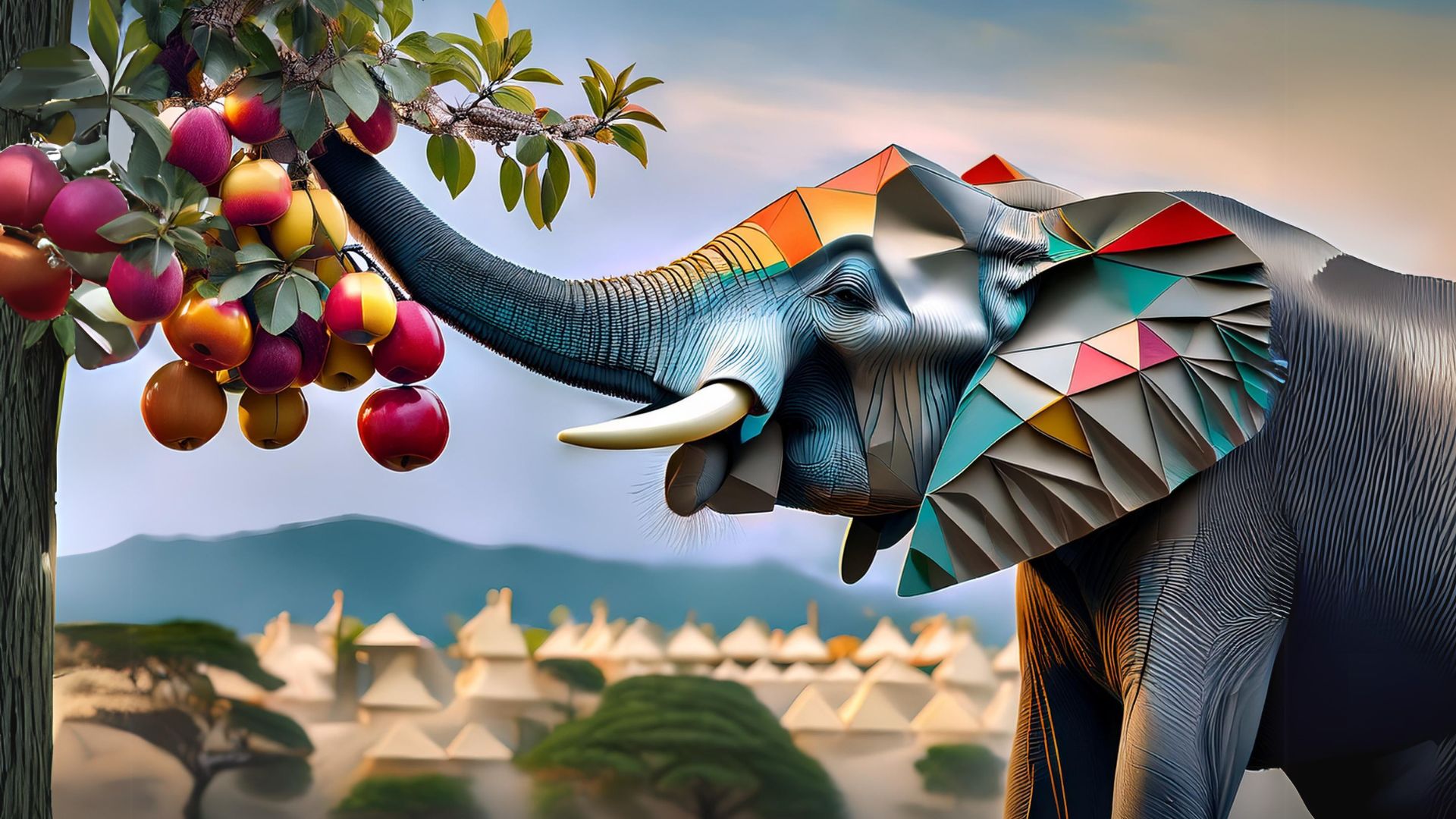
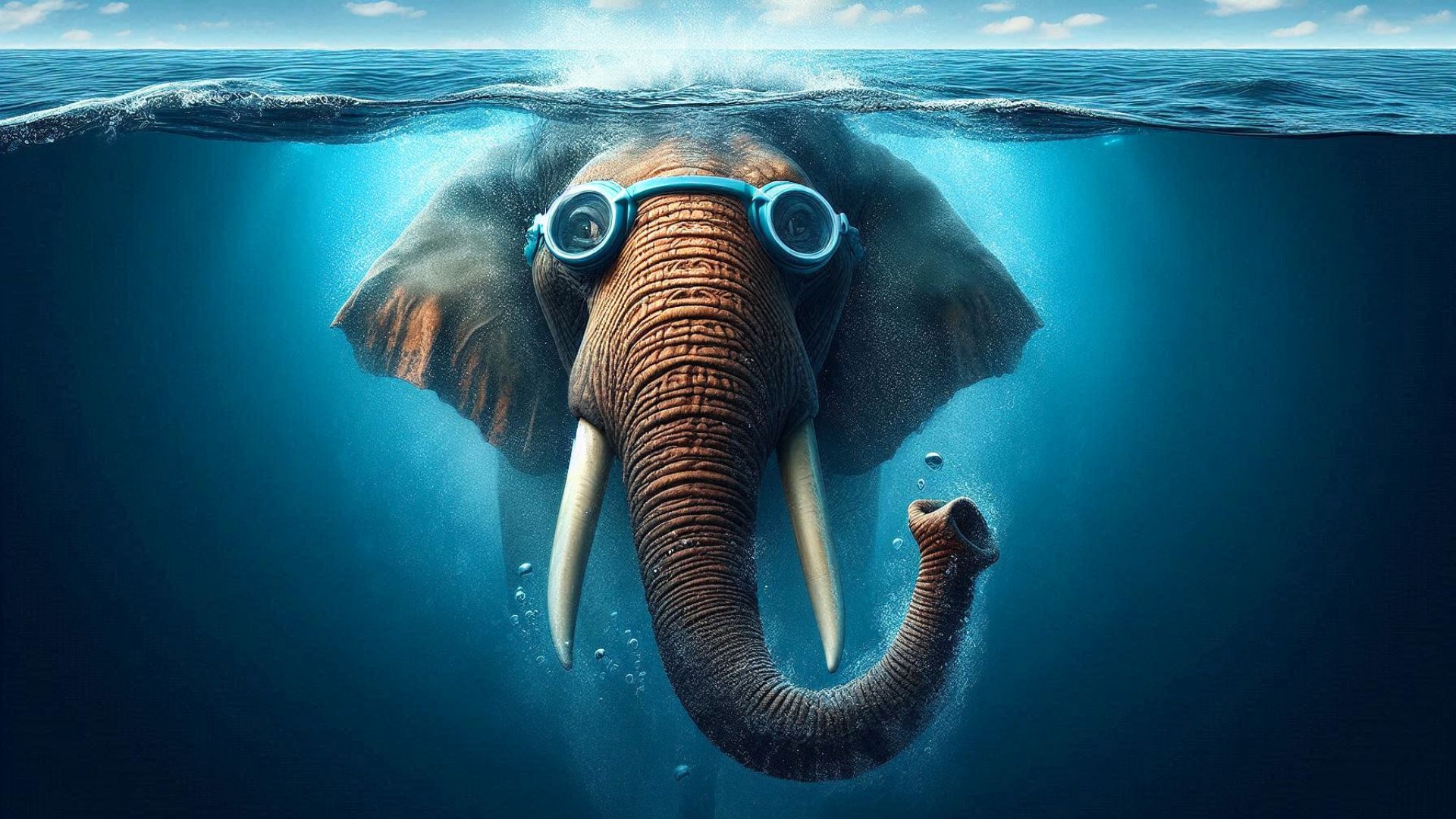
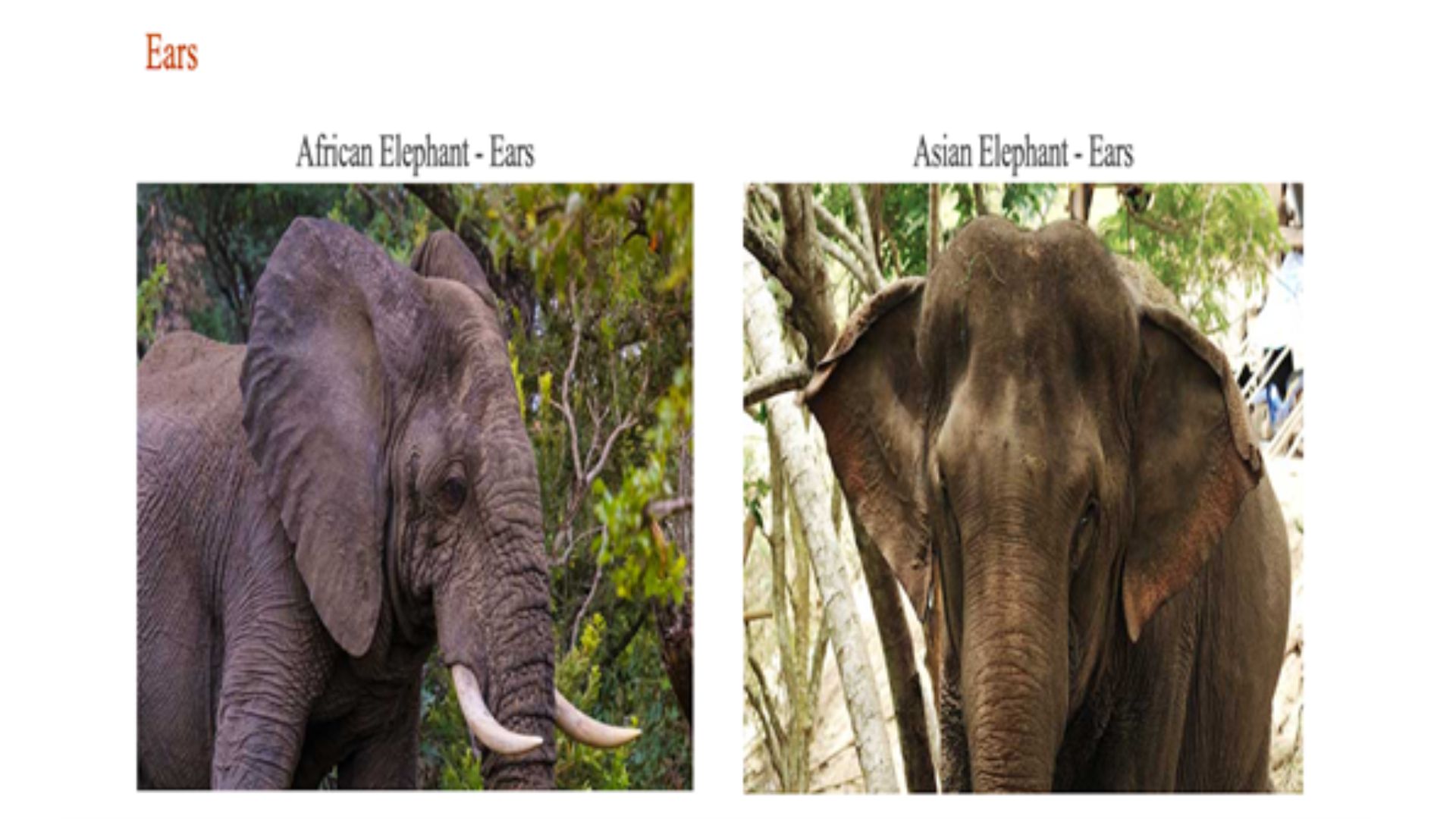
Experts can quickly tell elephant species apart just by looking at their ears. African elephants have ears that are much larger than their cousins, and they’re often described as being shaped like the African continent. Asian elephants, meanwhile, have ears that resemble the Indian subcontinent. Their trunks differ, too: African elephants have two “fingers” at the tip of their trunks, while Asian elephants have only one. An elephant’s trunk is impossibly strong and dexterous. Each one contains around 40,000 muscle units, making it perhaps the most sensitive organ found in any mammal. Beyond the functions we’ve already mentioned, elephants use their trunks exactly like we use a snorkel, making it much easier for them to navigate through deep water.
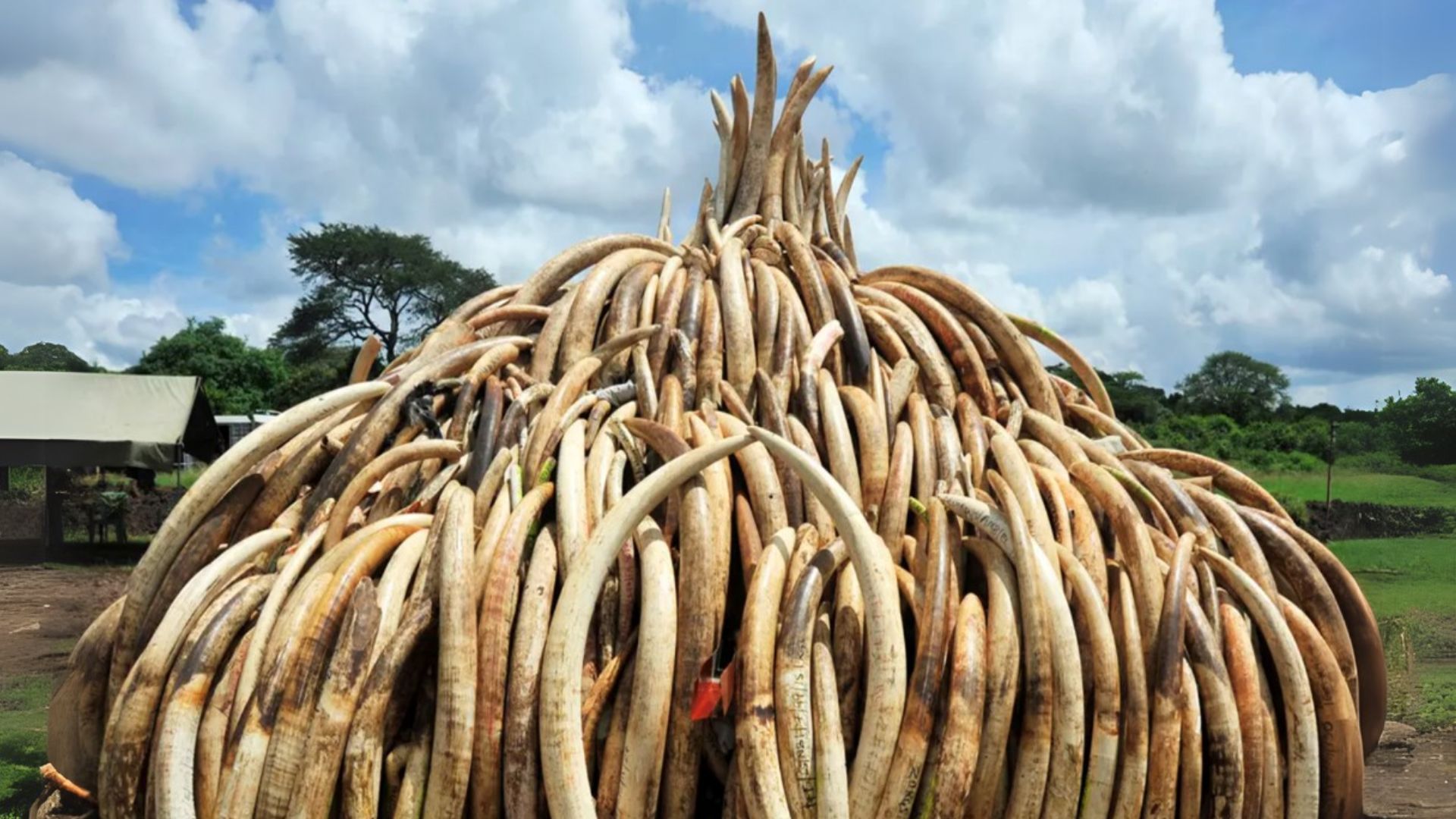
Trunks aside, elephant tusks are fascinating. They start appearing when the elephant is about two years old, are incredibly sharp, and continue to grow throughout the animal’s life. They use them to help with feeding, stripping bark off trees, and digging for roots. But they are also a powerful tool for defense, allowing elephants to protect themselves against natural predators. Unfortunately, these beautiful tusks present a grave danger to the elephants: humans. Ivory is a highly sought-after material, and for this reason alone, elephants are poached. If you’ve ever seen an “ivory” piano key or table, it’s called that because it was literally carved from elephant tusks.
An elephant’s skin is about 2.5 cm thick—for comparison, human skin is only 0.3 to 2.6 mm thick. The folds and wrinkles in their skin can hold 10 times more water than flat skin could, which helps them stay a bit cooler in hot climates. They also regularly take dust and mud baths to keep their skin clean and protected from sun damage.
In the image below, you can see the different ear structures of Asian and African elephants:
Interesting Facts About Elephants
In this section, we’ll look at a few fascinating facts that reveal just how unique these creatures really are:
- Only male Asian elephants have large tusks; female Asian elephants rarely have small tusks that extend beyond their lip line.
- Each tusk can weigh over 90 kilograms.
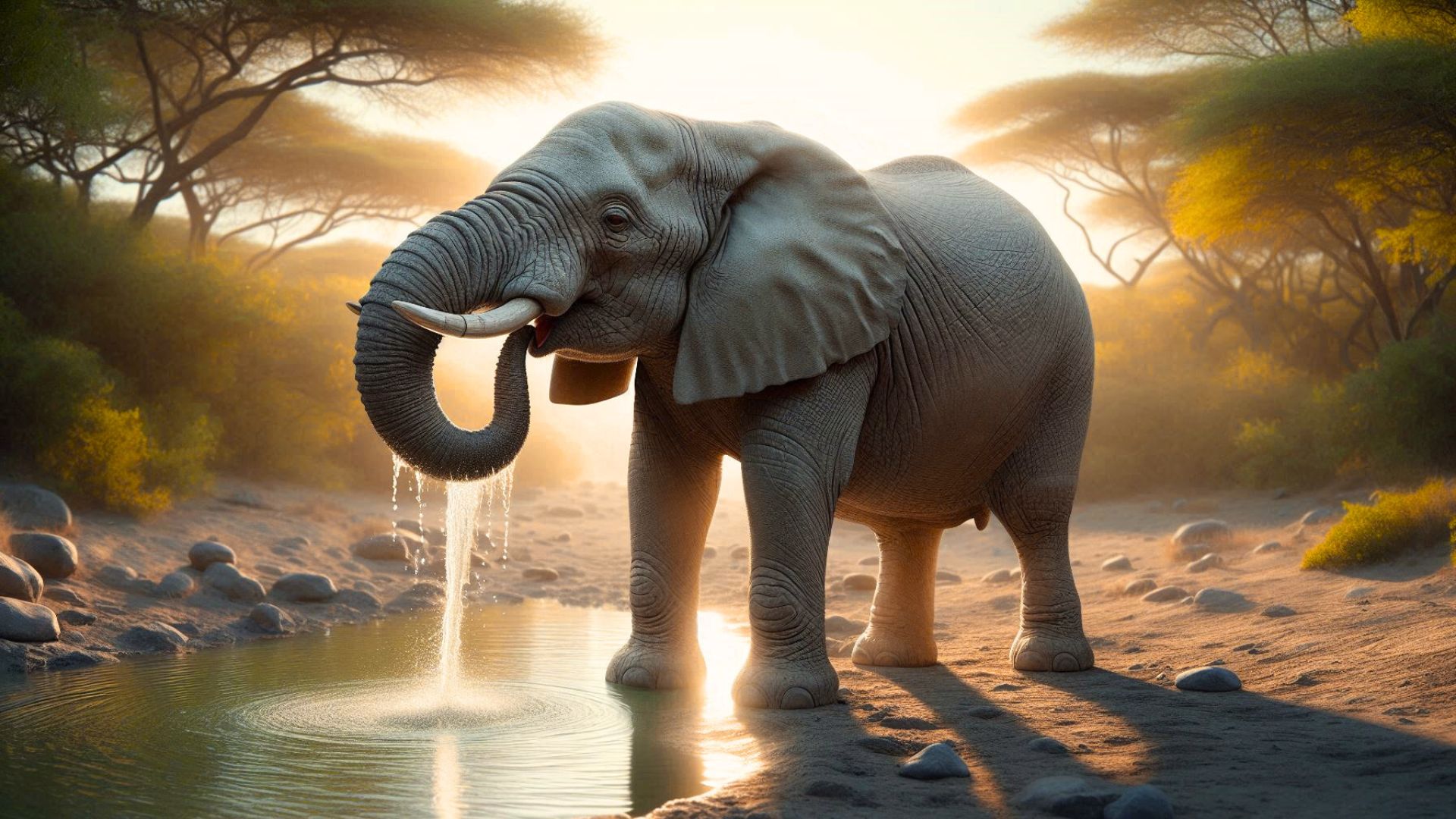
- Elephants don’t drink through their trunks like a straw; instead, they use their trunks like a cup to hold water and then pour it into their mouths. They also use them as snorkels when crossing rivers.
- Elephants are the only mammals that cannot jump.
- On average, a baby elephant weighs between 90 and 135 kg at birth.
- A well-equipped car could travel about 32 km on the methane produced by an elephant in a single day.
- Elephants make sounds we can’t hear. Some of their calls are so low-frequency that they fall well below the range of human hearing. Despite this, elephants can recognize over 100 different friends just by their calls.
The Threat of Extinction
In the last century, 90% of African elephants have disappeared. This is largely due to the ivory trade, and today it’s estimated that only about 300,000 wild elephants remain. Asian elephants are also threatened, with their population having declined by at least 50% over the last three generations, leaving only about 52,000 individuals in the wild. As their habitats change due to human settlement and agriculture, Asian elephant populations struggle to follow their traditional migration routes to reach water, food, and breeding grounds, often leading to dangerous encounters with humans. In the 1500s, there were over 25 million elephants in Africa. By the 1900s, this number had dropped to about 10 million, and by 1979, it was down to 1.3 million. The 1980s saw a rapid decline, and by the mid-1990s, the elephant population had plummeted to 300,000. Unfortunately, there are very few ways for us as individuals to stop their extinction, and the most effective actions must be taken by governments: preventing poaching, protecting elephant habitats, and curbing the illegal ivory trade. The image below clearly shows just how brutal and cold-blooded the ivory trade is.
The most effective step we as citizens can take—especially when traveling to Asian or African countries—is to avoid any activities that involve interacting with elephants or seeing them outside of their natural habitats. Too often, elephants are torn from their homes and turned into props for tourist entertainment just so local operators can turn a quick profit.
References and Further Reading
International Fund for Animal Welfare. (2024, April 24). Elephant facts and statistics. IFAW. https://www.ifaw.org/journal/elephant-facts-statistics
Ritchie, H., & Roser, M. (2024, March 9). The state of the world’s elephant populations. Our World in Data. https://ourworldindata.org/elephant-populations#:~:text=In%201500%2C%20there%20were%20over,numbers%20had%20fallen%20below%20300%2C000.
SheldrickTrust. (n.d.). About elephants: Elephant Conservation & Protection. Sheldrick Wildlife Trust. https://www.sheldrickwildlifetrust.org/about/species-we-protect-elephants?gad_source=1&gclid=Cj0KCQjwwuG1BhCnARIsAFWBUC3CieWO0YTbHoowgI3UyZFypU43uJKJNO_RDOKeU2UKlbCBLck4pwoaApbqEALw_wcB
YouTube. (n.d.). YouTube. https://www.youtube.com/watch?v=nC4jOfpWV1E
10 amazing elephant facts you need to know. United for Wildlife. (2022, September 21). https://unitedforwildlife.org/news/10-amazing-elephant-facts-need-know/
Originally published in Turkish at Doğa Filozofu.