

What if someone told you they could give you a logical reason to believe in God? Sounds like a tall order, right? After all, the mechanism we call “faith” doesn’t always rely on logic. Think back to your childhood: if you watched Toy Story and spent the next few days hoping your toys would start talking or moving, you were entertaining a possibility without a shred of logical evidence. Many philosophers have argued that faith—and the lack thereof—exists entirely outside the realm of logic. And yet, there is one philosopher who tried to turn the question of religious belief into a matter of math and logic. Or, to be more precise, let’s rephrase that: Did he actually succeed?
The Mathematics of Faith
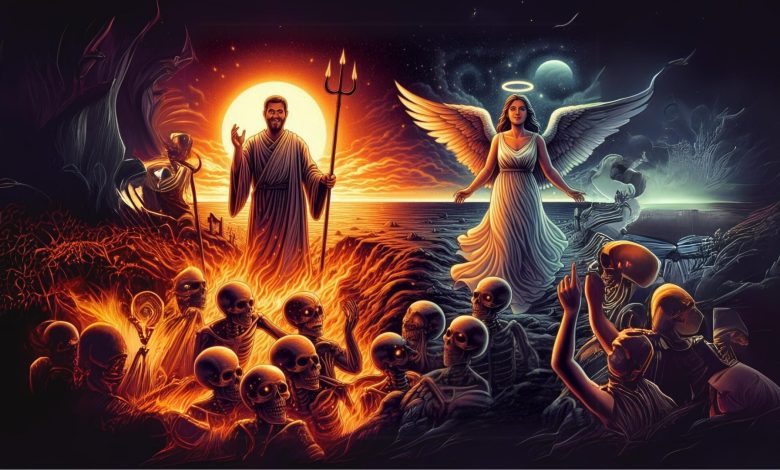
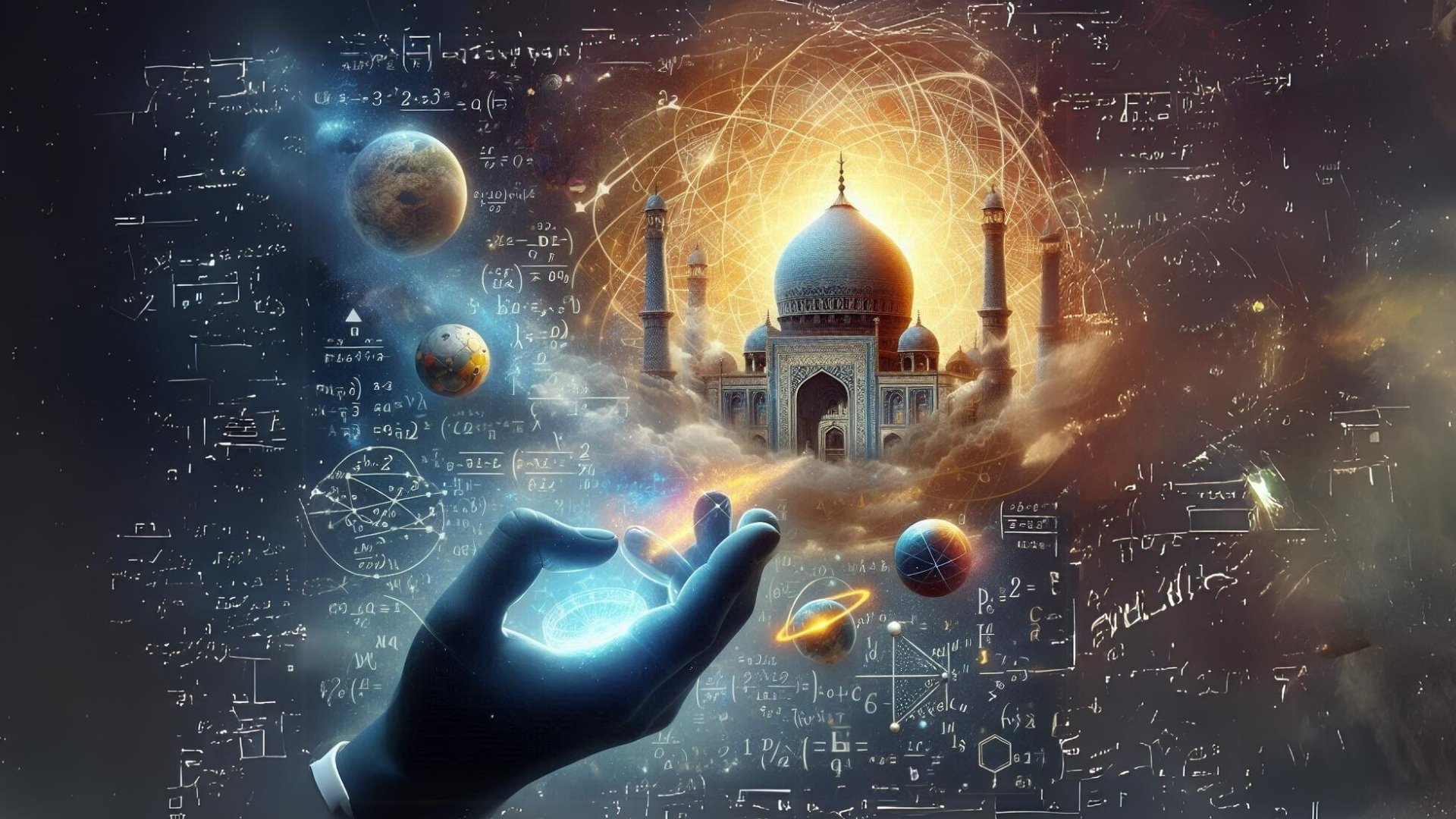
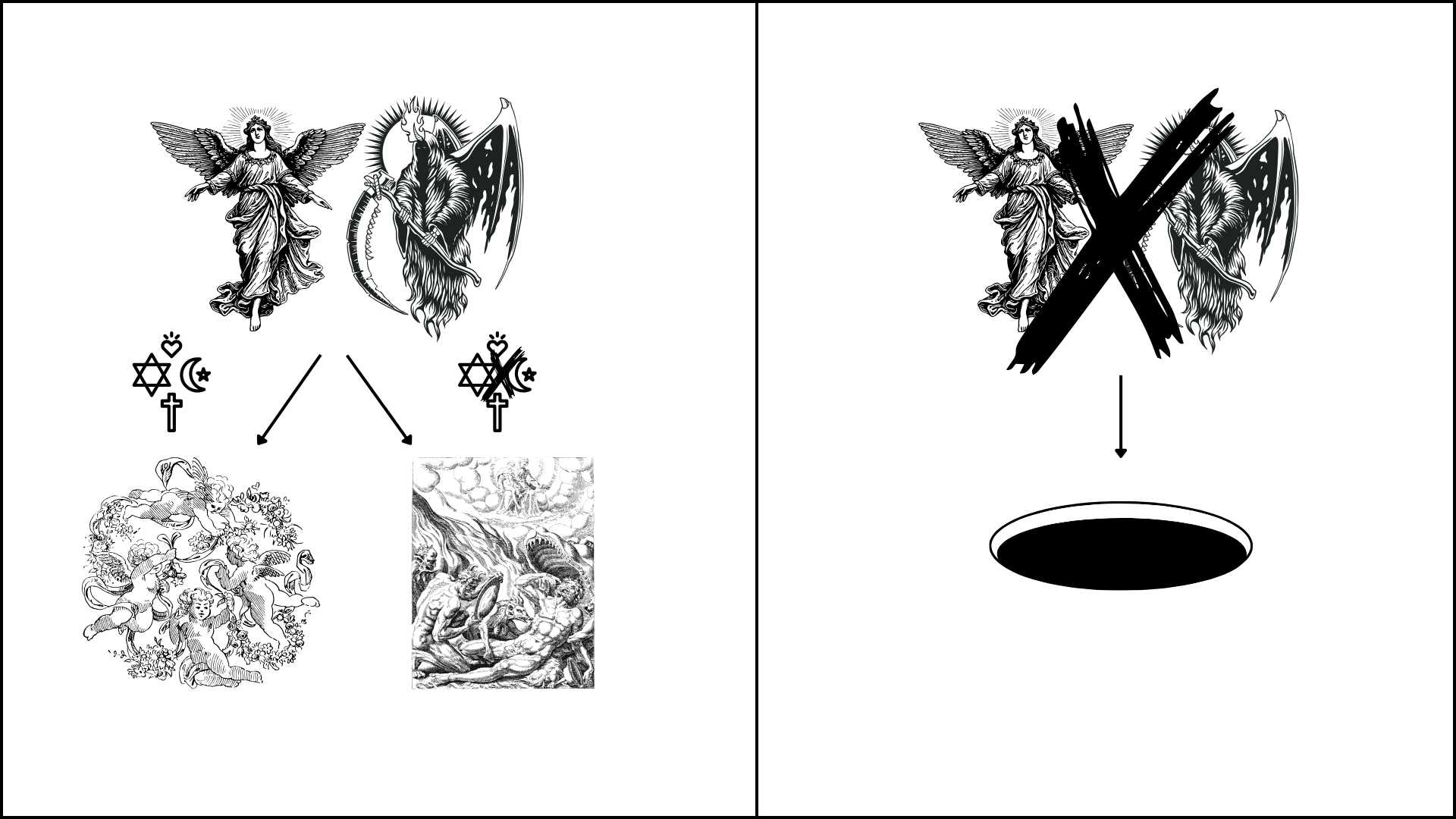
Blaise Pascal was convinced of the necessity of faith in God. He believed everyone should believe, but he backed this conviction with his own unique brand of logic. He wasn’t talking about blind faith based on the Bible, the Torah, or the Quran. For Pascal, the math of faith was simple. According to the traditional view, those who believe in God and follow His commandments go to heaven when they die, while those who don’t end up in hell. To Pascal, choosing not to believe and not following the commandments is simply irrational. The reasoning is straightforward: on one side, you have the prospect of 70 or 80 years of life where you might forgo certain worldly pleasures in exchange for an eternity of bliss. On the other side, you have the choice to indulge in those pleasures now, only to face eternal suffering later. Of course, this assumes the scenario where God exists. Now, let’s look at the other side of Pascal’s math. But what if God doesn’t exist?

What If There Is No God?
Even if his math seems to collapse here, it doesn’t quite. According to Pascal, in a scenario where God does not exist, believing or not believing doesn’t change the outcome because faith has no tangible consequence; therefore, you have nothing to lose. So, what happens if there is no God? Our existence simply ends at death, and we won’t experience pleasure or pain. In this case, Pascal points out that whether you chose to forgo certain pleasures or not, the void is the same. As we see in the table below, this creates a specific mathematical outcome:
- If God exists and we believe and act accordingly, we are rewarded with eternal happiness.
- If God exists and we don’t believe, we are punished with eternal suffering.
- If God doesn’t exist and we believe, nothing happens.
- If God doesn’t exist and we don’t believe, nothing happens.
| God Exists | God Does Not Exist | |
| Believing in God | Eternal Happiness | Nothing |
| Not Believing in God | Eternal Suffering | Nothing |
For Pascal, this table only creates pleasure or pain in two scenarios. In the other two, the outcome is the same, so it’s irrelevant. While not believing creates no pleasure in either scenario, believing offers at least a 50% chance of a massive payoff. That is why, for Pascal, not believing in God is irrational and absurd.
Is This Truly Faith?
Pascal’s argument is undeniably logical; however, if this were a concrete, tangible matter—like a war tactic or a job interview—taking precautions might yield a benefit without costing us anything. For instance, if a commander spends 10 hours developing an extra tactic to win a battle, that tactic might work, or it might never be needed. The 10 hours spent is a harmless investment, and if it works, it’s a gain; if not, it’s just time spent.
The same could be said for preparing 10 hours extra for a job interview or studying for a topic you aren’t sure will appear on an exam. In these concrete events, we either gain an advantage, or at worst, our extra effort goes unrewarded. According to many philosophers, this is precisely Pascal’s mistake. They argue that he incorrectly blended faith with logic. They believe that approaching faith as a way to maximize personal gain strips it of its sincerity, turning it into a transactional pursuit based on the expectation of a reward. They argue that if God does exist, this kind of calculated, logical “wager” is the wrong path to take.
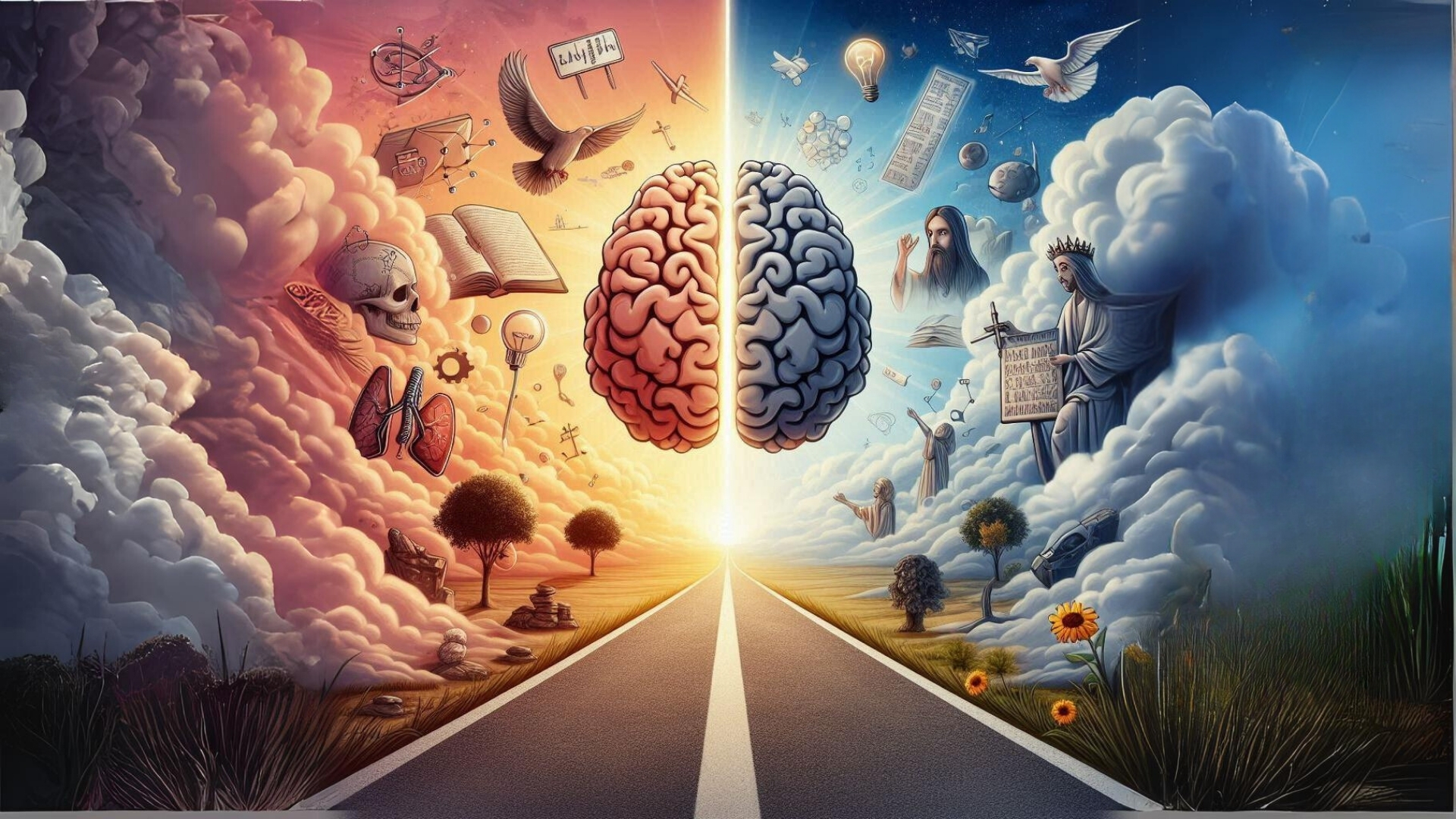
In short, while Pascal presented a structured, logical table, many philosophers feel he lost sight of the concepts of genuine faith and intuition. Consequently, the system he proposed might work for navigating the material world, but it falls short when dealing with the spiritual.
What Do You Think?
What went through your mind when you looked at that table? Do you think Pascal ignored the true essence of faith and intuition, or did he actually find the explanation we’ve been looking for? Isn’t your current faith—or lack thereof—more valuable precisely because it carries no concrete proof? After all, isn’t believing in something something that grows through intuition and conscience rather than logic?
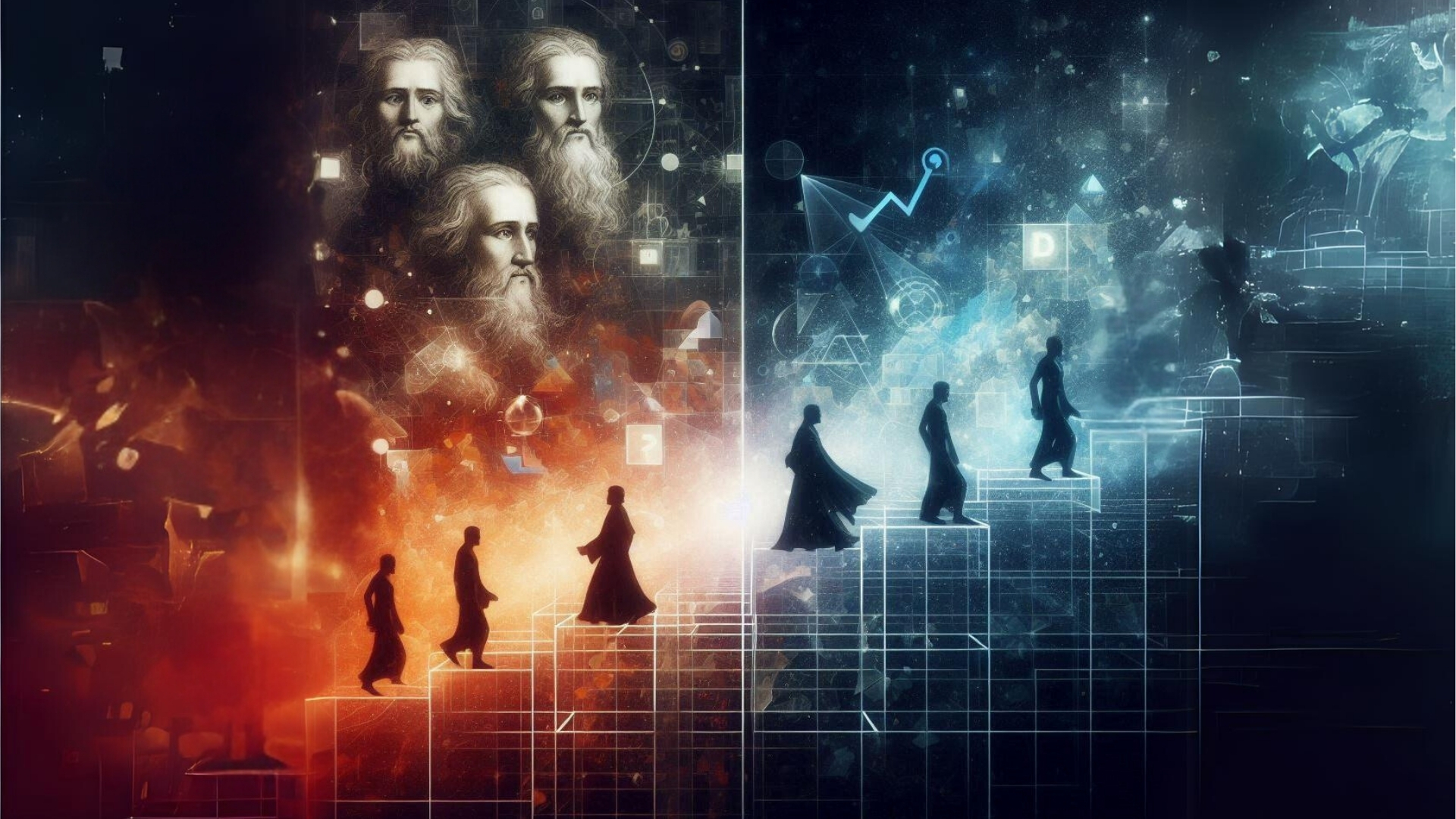
Of course, we must remember that what we know about God is so limited that it’s impossible to tell if Pascal was on the right track or if he missed the mark entirely. This is where the beauty of philosophy comes in: it doesn’t necessarily vindicate those who believe in Pascal’s wager, nor does it fully condemn them. Neither side is definitively “right” or “wrong.” So, where do you stand on this mathematics of faith?
References and Further Reading
Pascal’s Wager about God | Internet Encyclopedia of Philosophy. (n.d.). https://iep.utm.edu/pasc-wag/
Pascal’s Wager (Stanford Encyclopedia of Philosophy). (2022, September 11). https://plato.stanford.edu/entries/pascal-wager/
The Editors of Encyclopaedia Britannica. (2009, April 20). Pascal’s wager | Definition, Description, Criticisms, & Facts. Encyclopedia Britannica. https://www.britannica.com/topic/Pascals-wager
Originally published in Turkish at Doğa Filozofu.