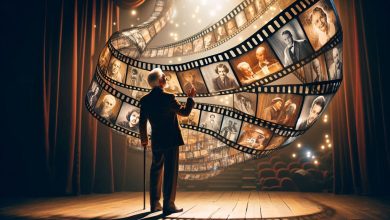


Welcome to our new series! In this series, we’re going to dive into the works of some truly great minds—authors who have shaped how we think about literature, philosophy, and science. Now, when we say “dive into,” we can’t exactly promise a comprehensive, PhD-level analysis, but we can promise to give you the essential scoop on both the author and their book! Of course, this intro is just fluff if we don’t get straight to the action, right? So, let’s not waste another second. Let’s get started!
Meet the Author
We believe there is a deep, invisible thread connecting an author to their work. Reading a book is one thing, but reading it after you’ve gotten to know the person behind the pages changes everything. So, before we crack open the book, let’s get to know our author.
Our author, Daniel Kahneman, was born in 1934 and was a renowned psychologist and behavioral economist. When we talk about behavioral economics, we’re talking about a field that examines the psychological, social, emotional, and cognitive factors that actually influence our decisions. While traditional wisdom assumes that humans are perfectly rational decision-makers who always act in their own best interest, behavioral economics argues that this process is anything but rational—it’s driven by those messy cognitive factors we mentioned. Kahneman was a titan in this field.

Born in Israel, Kahneman studied psychology and mathematics at the Hebrew University before continuing his psychology studies at the University of California. He later earned his PhD in psychology from Berkeley and went on to have a distinguished academic career at Princeton University.
At a turning point in his career, Kahneman began collaborating with a brilliant psychologist named Amos Tversky. Their goal was simple yet monumental: to understand how humans actually make decisions. Honestly, that’s a project that might take another century to fully solve, don’t you think? Still, as we’ll see in the book, they managed to uncover quite a few profound truths along the way.
But let’s not get ahead of ourselves, shall we? Let’s keep moving!
Kahneman spent his life digging into the complexity of the human mind and how it functions within the bounds of “limited rationality.” A whole host of biases and heuristics influence our decisions, often steering us away from the most logical path. However, Kahneman also argued that once we become aware of these mental shortcuts, we can learn to make more deliberate, effective decisions. His contributions to both psychology and economics haven’t just stayed in the ivory tower—they’ve fundamentally changed how we approach business, public policy, and our own daily lives.
And it’s right here that we can finally dive into our book. This way, we can continue getting to know Kahneman while we explore the real star of this post: “Thinking, Fast and Slow.”
Thinking, Fast and Slow
Winner of the 2002 Nobel Prize in Economic Sciences, this book aims to explain how the human mind functions and the mechanisms hidden behind our decision-making processes. The fact that it won a Nobel Prize is a pretty good indicator that he succeeded. The book is the culmination of Kahneman’s years of research in psychology and economics, focusing on behavioral economics and cognitive psychology. And the best part? These studies are actually quite fun. In fact, we might even try a few of them together right now!

Kahneman suggests that the human mind operates using two main systems: System 1 and System 2 (not exactly the most creative names, right?)
The first of these, System 1, points to the “Fast Thinking” part of the title. This is the part of your brain that makes intuitive decisions. These decisions might sometimes be illogical or wrong, but they provide the lightning-fast speed we often need for survival. System 1 works automatically and effortlessly. It’s what allows you to read the emotion on someone’s face, solve 2+2, or ask “Who’s there?” when you hear a knock at the door.
System 2, you guessed it, corresponds to the “Slow Thinking” part of the title. This system handles deliberate, analytical decisions. It kicks in when you’re solving a math problem you can’t do in your head—like Kahneman’s example of 17×24—or when you’re trying to figure out how many hours it would take to fill a pool under specific conditions. When System 2 is working, your mind gets tired, and while it usually leads to more accurate results, Kahneman reveals that even System 2 isn’t entirely error-proof. Let’s test that out.
Actually, let’s start now!
The Lazy System 2
Let’s say we ask you a question that requires a quick, intuitive answer:
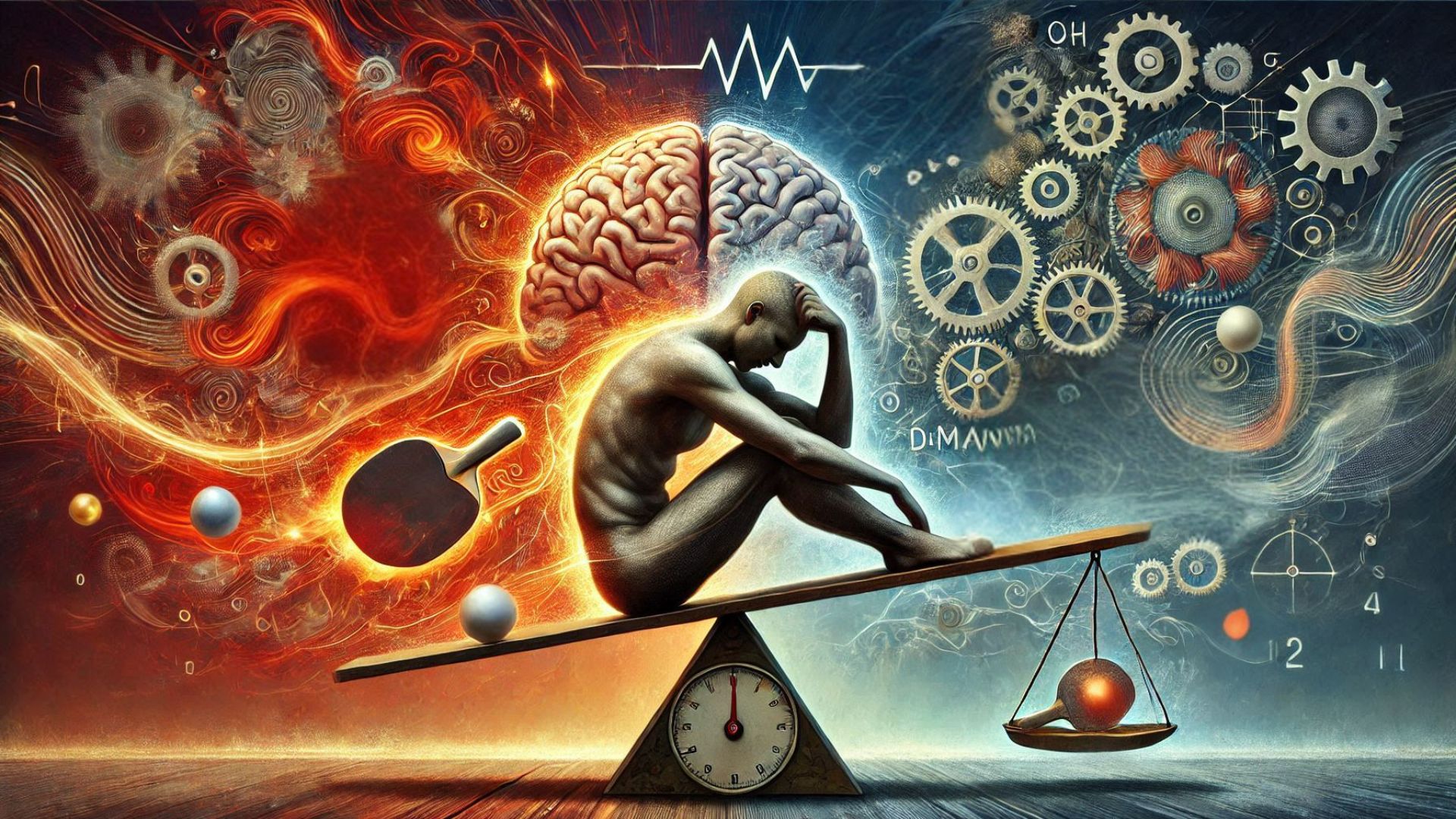
“A ping-pong ball and a paddle cost $1.10 in total. If the paddle costs $1.00 more than the ball, how much does the ball cost?”
Your mind probably rushed to answer “10 cents.” But that answer is wrong. If it were 10 cents, the total would be $1.00 + 0.10 + 0.10 = $1.20. The correct answer is actually 5 cents. The error here happens because System 2 is a bit lazy—it likes to take the shortcut to a quick answer rather than doing the heavy lifting. That’s exactly how System 2 can lead us astray.
Now, let’s try a verbal problem. Please, just relax—don’t try to overthink it!
“All roses are flowers.
Some flowers fade quickly.
Therefore, some roses fade quickly.”
If we asked you if this is correct, most of us would say “yes” at first glance. But it’s actually flawed. The reason is that just because “some flowers” fade quickly, we don’t actually know if those specific flowers include roses. So, the statement isn’t necessarily true.
The Framing Effect and the Representativeness Heuristic
Kahneman points out that how a subject is framed significantly impacts our decision-making. For instance, if a patient visits a doctor and hears the following two sentences, their perception changes entirely:
Option 1 (Positive Framing): “With this treatment, 90% of patients live for another 5 years.”
Option 2 (Negative Framing): “With this treatment, 10% of patients pass away within 5 years.”
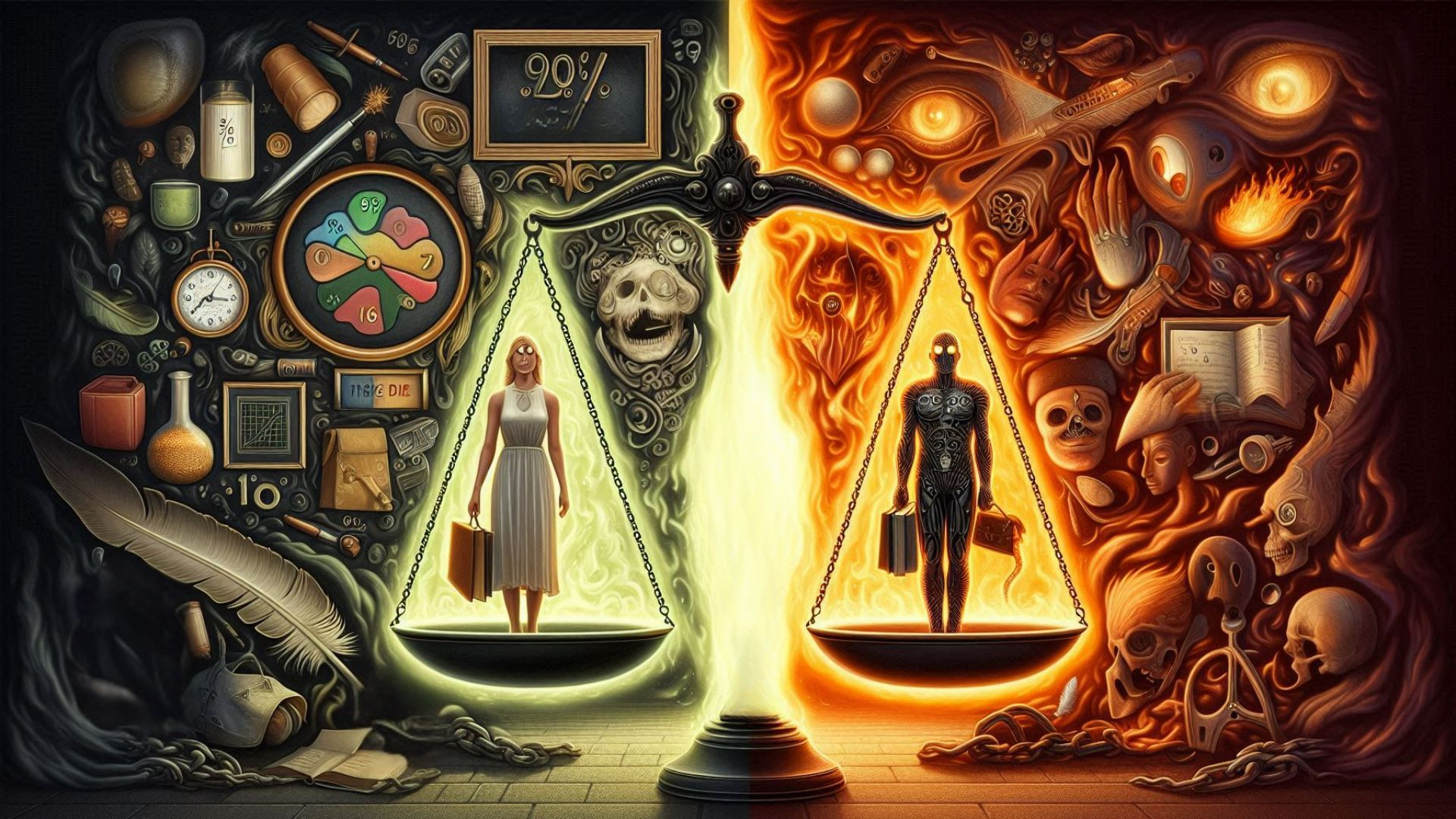
They both say the exact same thing, right? But the first one uses the phrase “live for another 5 years,” which the mind finds much more appealing. The mind naturally gravitates toward Option 1. The problem is that if the doctor explains it using Option 2, many patients might refuse the treatment. This shows just how easily even our analytical System 2 can be misled by the way information is presented.
Another issue is what we call the representativeness heuristic—the tendency of the mind to be filled with prejudices. For example, if you see someone wearing glasses and holding a book, your first thought is likely that they are a writer, a scientist, or an academic. Conversely, if you see someone with tattoos and a leather jacket, you might find it hard to imagine them being an academic. This is a cognitive trap.
And we aren’t done yet!
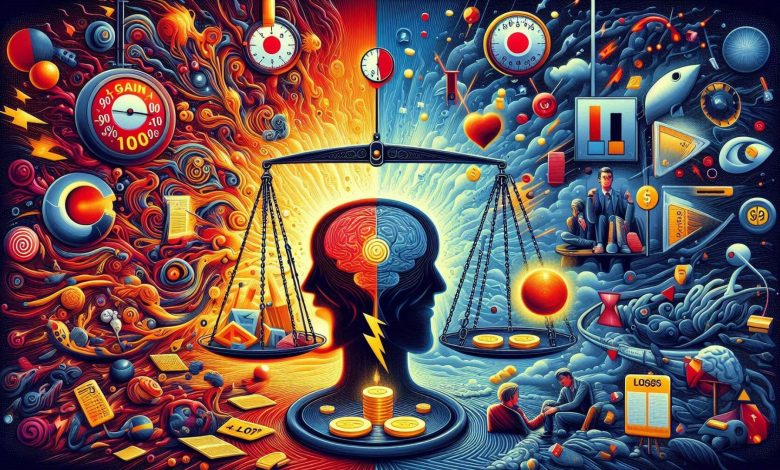
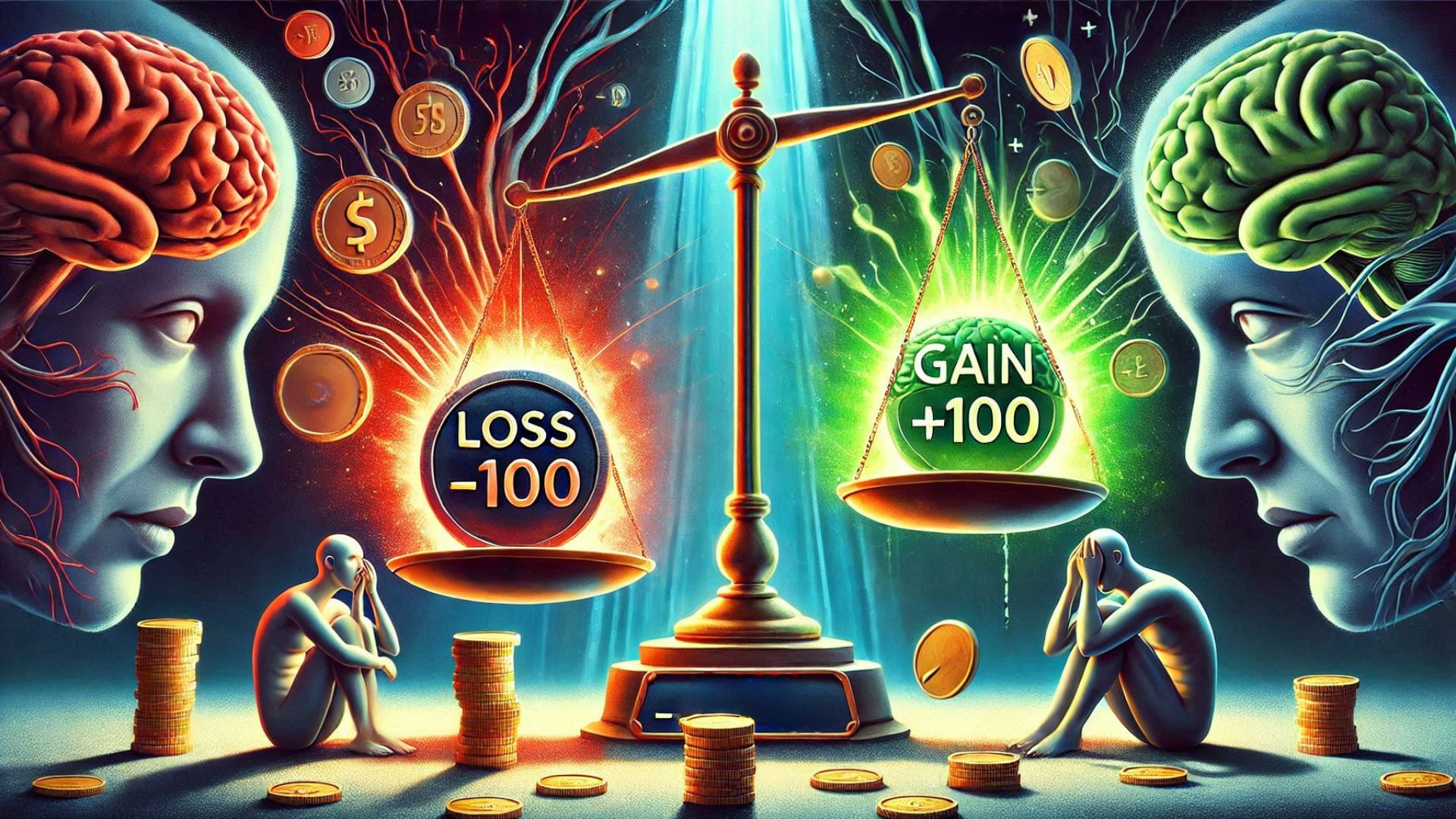
According to Kahneman, humans are terrified of potential loss. The pain of a loss is psychologically twice as powerful as the pleasure of an equivalent gain. Because of this, people are generally risk-averse to avoid loss, which often leads them to make overly cautious, low-risk choices that ultimately result in lower returns.
For instance, people feel much more distress over losing $100 than they feel joy from gaining $100. Consequently, out of fear, people often choose options that are “safer” but significantly less rewarding.
All of these factors combined mean that we humans often make flawed decisions and drift far away from the “rational” choices we think we’re making.
In writing this book, Kahneman aimed to expose both the fact that we aren’t as rational as we think and the specific factors that warp our decision-making. It’s fair to say he succeeded brilliantly.
So, what do you think? Are you still busy trying to multiply 14 by 27? Or have you moved on to testing your mind with even bigger challenges? We know our readers have the cognitive capacity to master both fast and slow thinking! Just… be careful when you’re making your next big decision, okay?
References and Further Reading
Amos Tversky | Israeli psychologist | Britannica. (n.d.). Encyclopedia Britannica. https://www.britannica.com/biography/Amos-Tversky
Kahneman, D. (2011). Thinking, fast and slow.
Kohn, M. (2011, November 18). Thinking, Fast and Slow, by Daniel Kahneman | The Independent. The Independent. https://www.independent.co.uk/arts-entertainment/books/reviews/thinking-fast-and-slow-by-daniel-kahneman-6263560.html
Observer. (2018, March 22). Daniel Kahneman changed the way we think about thinking. But what do other thinkers think of him? The Guardian. https://www.theguardian.com/science/2014/feb/16/daniel-kahneman-thinking-fast-and-slow-tributes
The Editors of Encyclopaedia Britannica. (2025, February 7). Daniel Kahneman | Biography, Nobel Prize, & Facts. Encyclopedia Britannica. https://www.britannica.com/biography/Daniel-Kahneman
Originally published in Turkish at Doğa Filozofu.