
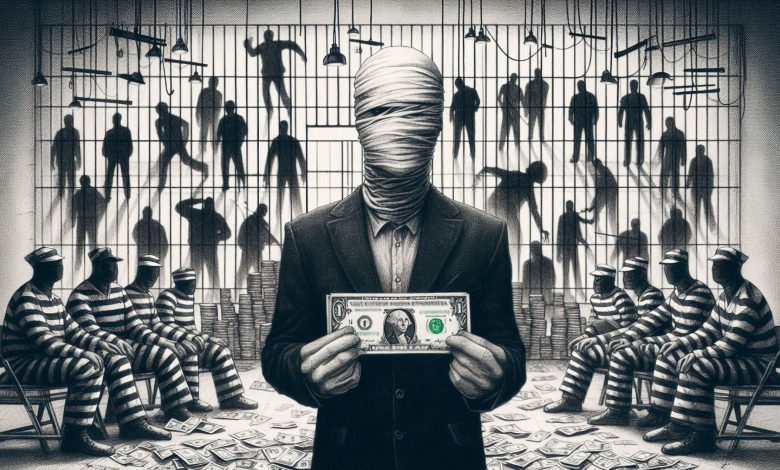

Hello there! What would you say if we invited you to our artificial prison and asked you to live there for two weeks, taking on a role we assigned you for $15 a day? You’d either be a guard or a prisoner. Sounds pretty bizarre, right? But why would we make such a request? Well, we wouldn’t—but social psychologist Philip Zimbardo actually ran an ad doing just that. This is the “Stanford Prison Experiment,” a study we’re about to dive into in detail. So, if you’re ready, let’s see what happened back in 1971.
The Goal of the Experiment
The goal of Zimbardo’s famous prison experiment was to understand how quickly people could adapt to the roles of guard and prisoner. It was designed to examine how individuals internalize assigned roles by creating a realistic prison environment. What Zimbardo really wanted to know was whether the brutal behavior observed in American prisons was due to the sadistic tendencies of the guards, or if the prison environment itself was what triggered those actions. In seeking an answer, he also set out to understand the power of environment over human behavior.
How the Experiment Was Conducted
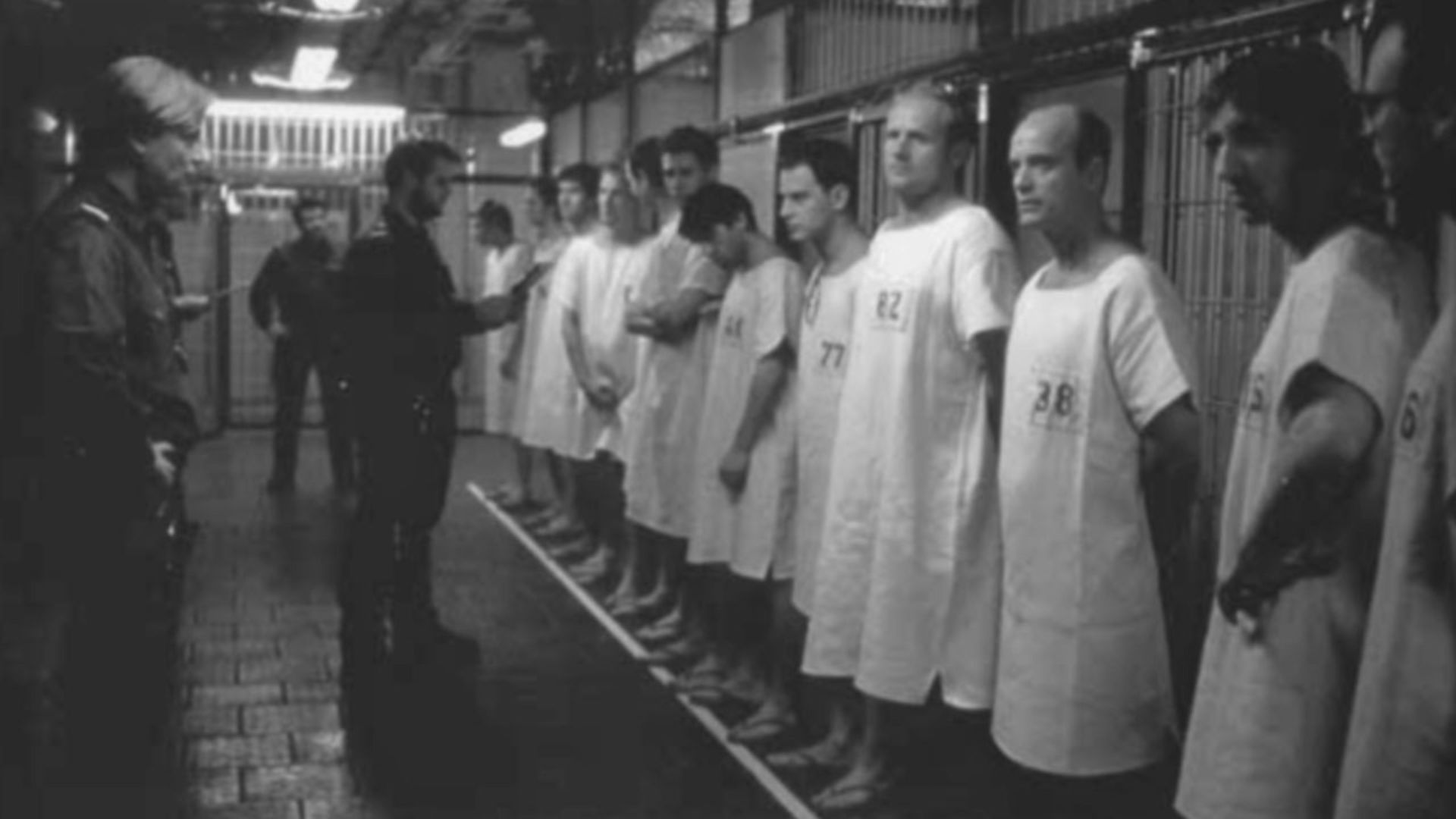
Zimbardo planned for the experiment to last two weeks. In 1971, he set up a mock prison in the basement of Stanford University. From 70 applicants, he selected 24 male college students who were in good physical and mental health, promising them $15 for each day they participated. Half were to be guards and half prisoners, and they didn’t know their roles beforehand. The setting was made to feel just like a real prison, with the “prisoners” even being arrested at their homes and brought in. The arrest process was carried out with startling realism.
So, do you think everything went according to plan? Unfortunately, things took an extraordinary turn, and the experiment lasted only 6 days. But why? Let’s first look at the roles the participants took on.
Distributing the Roles
The Guards
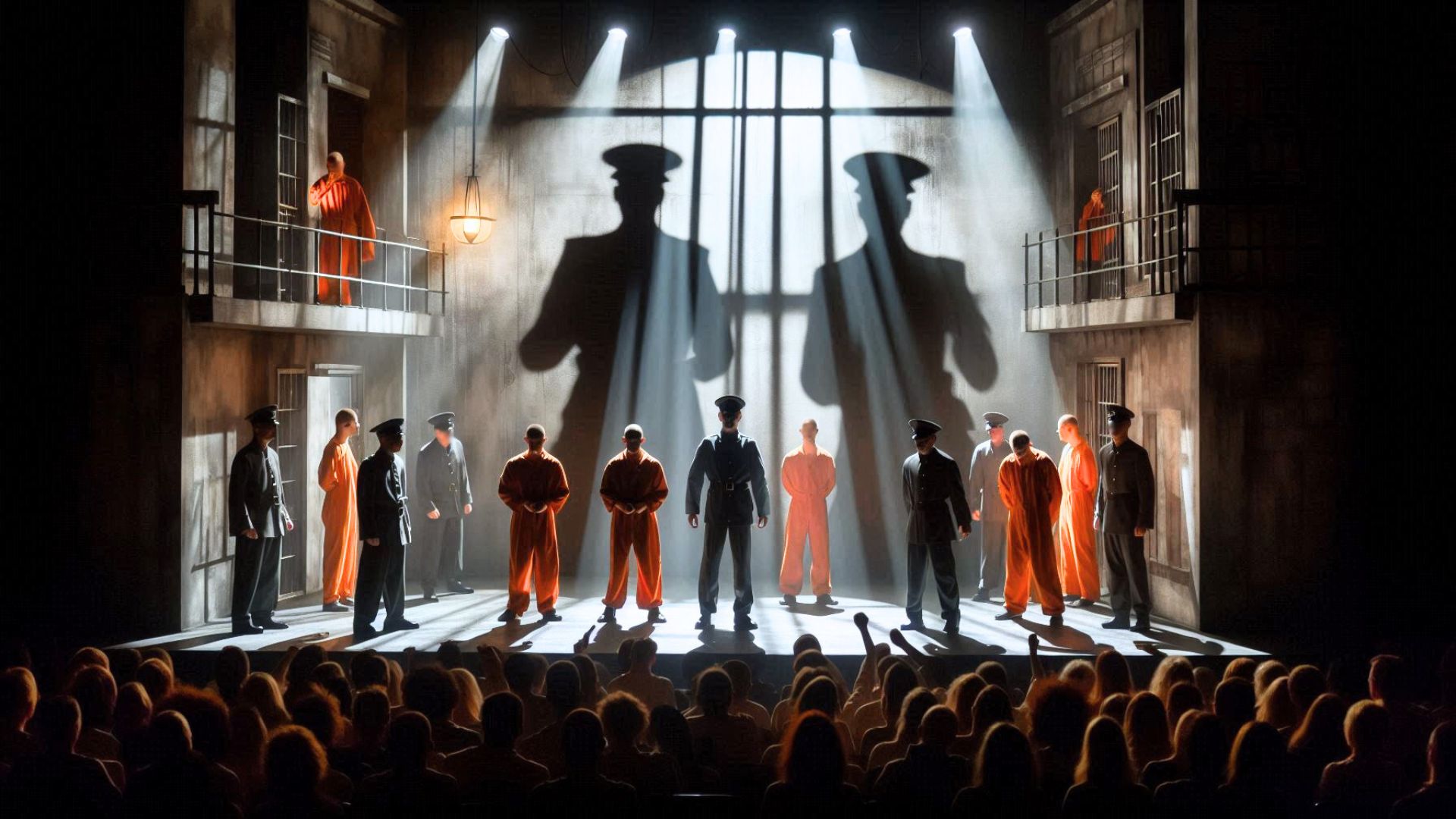
- They wore authentic guard uniforms.
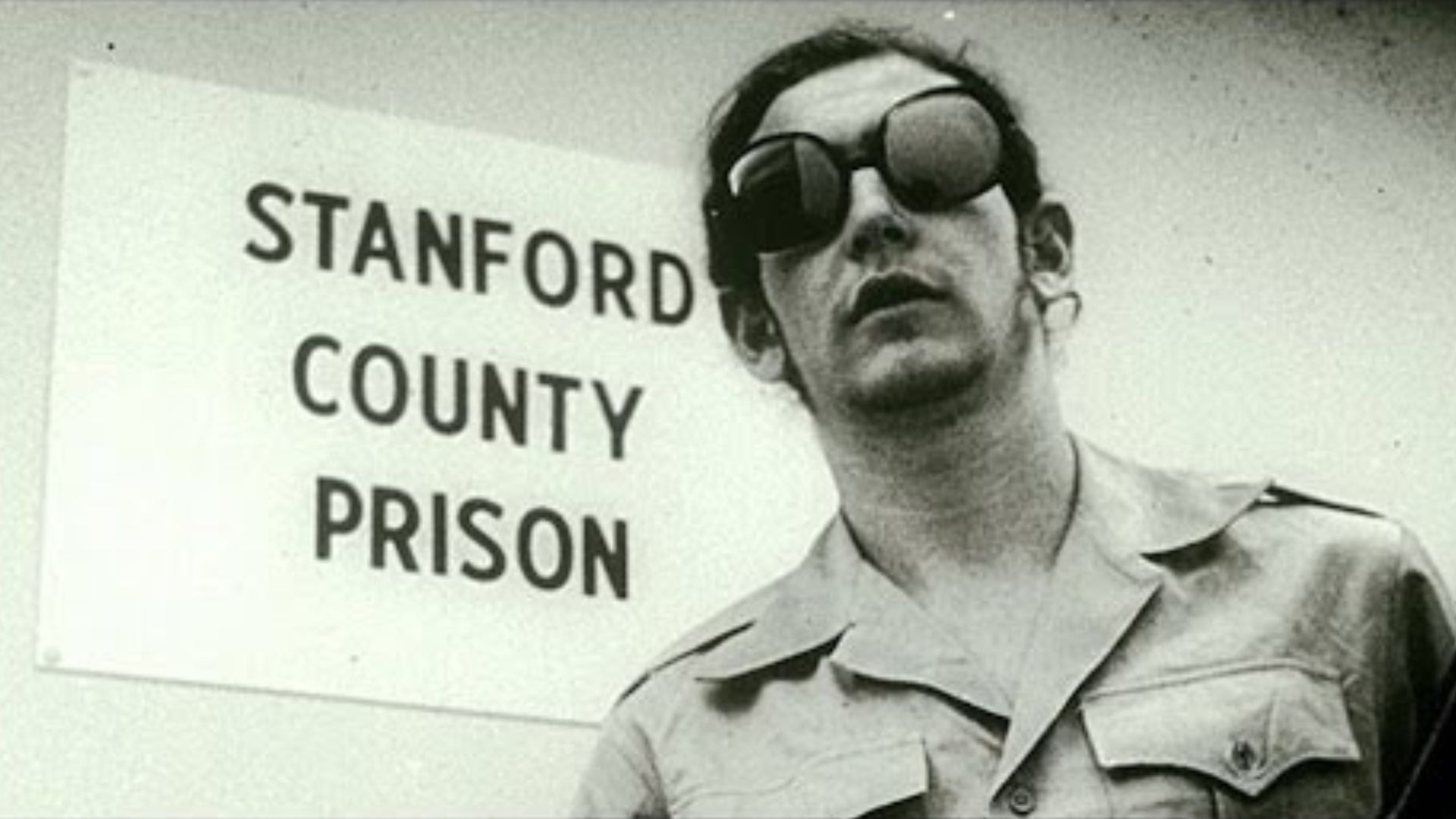
- They carried batons and wore mirrored sunglasses to prevent eye contact with the prisoners.
- The guards were instructed to be stern. Zimbardo trained them, but the use of physical violence was strictly forbidden.
The Prisoners
- They wore prisoner uniforms.
- Their clothing was uncomfortable, and they had chains around their ankles.
- Throughout the experiment, they were required to follow the guards’ orders.
The Warden
- And who was the warden of the Stanford Prison? As you might have guessed, it was Zimbardo himself.
What Happened in This Prison?
The participants settled into their roles incredibly quickly. At first, even though they knew they were part of an experiment, as the days went by, things began to change for both the prisoners and the guards. By the second day, the prisoners staged a major rebellion. The guards, eager to regain control, developed a system based on rewards and punishments. Within the first four days, three prisoners had to be released due to the trauma they were experiencing. As the experiment progressed, some guards became increasingly cruel and oppressive, while many prisoners began to suffer from depression and confusion. Eventually, the guards moved from subtle psychological pressure to outright physical abuse. So, why did the experiment end early?

Zimbardo decided to shut it down after seeing the shock and horror of an outside observer watching the experiment. At this point, the study faced massive criticism from both ethical and methodological perspectives. In the final section of our article, we’ll take a closer look at those criticisms.
Takeaways from Our Artificial Prison
This experiment showed us that people adapt quickly to social roles and authority, and that these roles profoundly influence their behavior.
- Social Roles and the Power Effect: People can rapidly shift their behavior based on the social roles they are given and the authority they hold. The guards began showing violent tendencies shortly after the experiment began.
- Abuse of Authority: People in positions of authority can easily abuse that power. The guards began using their authority to inflict psychological and physical pressure on the prisoners.
- The Power of Environment: It became clear how powerful a structure like a “prison” environment is in shaping human behavior. Even in this artificial setting, the participants started acting as if they were in a real prison.
- Psychological Effects: Even though the experiment was cut short, serious psychological trauma was observed in some participants. Some prisoners had to leave early due to extreme stress and feelings of helplessness.
Criticisms
From the moment it began, the Stanford Prison Experiment faced harsh criticism regarding both its methods and ethics. Philip Zimbardo admitted that, at times, he felt more like a prison warden than a research psychologist. In later explanations, he attributed the guards’ cruel behavior to “social forces and environmental conditions.” However, some critics argued that the experiment’s advertisement attracted people who already had authoritarian tendencies. Another approach suggests that such results feed into the idea of inevitable human savagery—yet, humans possess a decision-making mechanism in every situation they face. Critics point out that this experiment largely ignored the power of individual agency.
One of the most notable critiques of our experimental results comes from the BBC Prison Study, which was covered in the 2002 documentary series The Experiment. The BBC’s mock prisoners were far more confident and resilient than those in Zimbardo’s study. British researchers questioned the core assumptions behind the experiment, describing the Stanford study as “a project where a powerful authority figure (Zimbardo) imposed bullying.” These criticisms show that the Stanford Prison Experiment is not just a social experiment; it is a field of debate that sheds light on complex questions about authority, power dynamics, and human behavior.
Based on all these criticisms and many others, we can say that making generalizations from a single experiment can be misleading—but it’s just as exciting to see how many variables there are to think about and question when faced with real-world events. So, how about we take a look at the impact that the events in our daily lives have on our own decisions? Just be sure to think twice before heading down to your apartment basement! 🙂
References and Further Reading
Britannica, T. Editors of Encyclopaedia (2024, September 17). Stanford Prison Experiment. Encyclopedia Britannica. https://www.britannica.com/event/Stanford-Prison-Experiment
McLeod, S. (2020). Stanford prison experiment. Simply Psychology.
Originally published in Turkish at Doğa Filozofu.