



We all come into this world to be happy, don’t we? We want to make the most of our experience here. We aim to become wealthier, more attractive, more knowledgeable, and more loved. Yet, there are two ideologies that push us to pull away from this beautiful life and shy away from its pleasures: Asceticism and Mortification.
Burn It All Down: Asceticism
Let’s start with the first one: Asceticism. According to this worldview, as long as we indulge in worldly pleasures, we cannot attain true spiritual or moral depth. Quite the opposite! They believe the path to enlightenment is only possible by avoiding these worldly distractions. In fact, we see roots of this in traditions like Buddhism and Hinduism. Buddhism, at least in its early stages, was centered on a total withdrawal from worldly desires, though it has since shifted its focus toward the virtue of moderation.
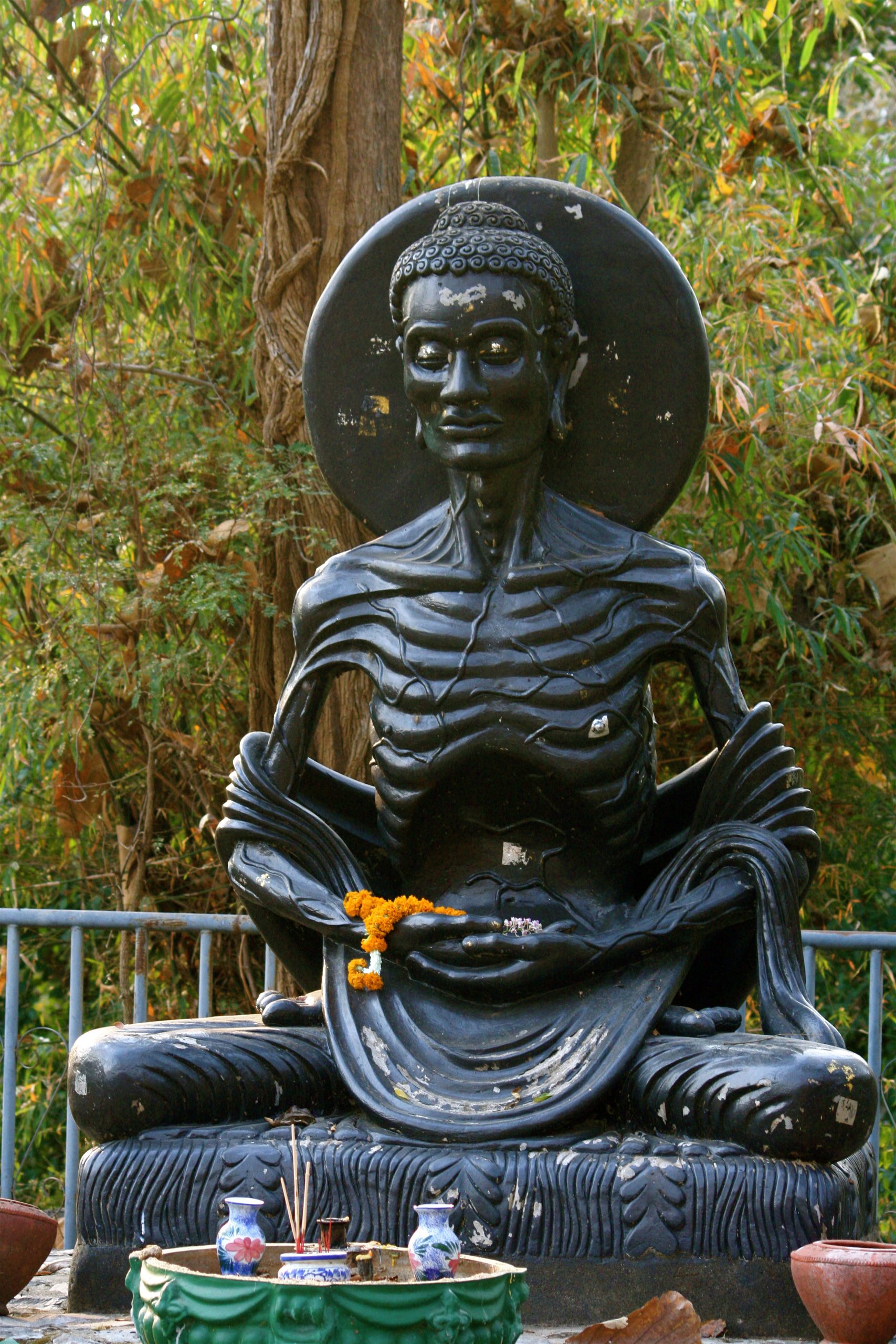
The reason for this shift is simple: living a life of pure asceticism is incredibly difficult and grueling. It requires stripping away everything that brings joy—fine dining, nice clothes, romance, sex, family ties, and so on. Naturally, this can lead to profound loneliness and a depressive state. Yet, for the ascetic, this path is a prerequisite for spiritual depth.
In the early days of Christianity, monks and “saints” embraced this path. Some religious orders even codified these practices for their clergy. The requirement of celibacy for priests and nuns in certain denominations is rooted in this exact perspective. Of course, this rigorous lifestyle rarely lasted in its extreme form, but asceticism has surfaced repeatedly throughout history across many religions. In the Islamic world, Sufis became a part of this ideology—often intuitively rather than by doctrine—by turning their backs on worldly pleasures like the accumulation of wealth and possessions.

Philosophically, Schopenhauer moved along a similar line. He believed that by following this path, a person could cleanse themselves of the harmful “ego” and find spiritual peace. Granted, his choice wasn’t pure asceticism; he occupied a space between asceticism and the mortification we’re about to discuss. In this context, the philosophical school most closely aligned with asceticism would be the Stoics of Ancient Greece. The Stoics suggested reining in our passions and living in harmony with nature to achieve spiritual tranquility. They, too, believed this was the only way to gain true depth.
So, let’s say you want to commit to the ascetic life. What would you actually do?

At its simplest, it means a lifestyle of physical restriction—eating very little or fasting to distance yourself from the pleasures of food. It involves adopting an approach that shuns luxury goods and material wealth. Note, however, that it would be inaccurate to call ascetics “socialists,” as they have no interest in social equality. This entire process is a product of individual effort. The next step beyond this is to isolate oneself from society and live a solitary life—a state that could almost be considered vagrancy. The final stage that completes the ascetic path is the total abandonment of sexuality. Holding onto a pleasure you could become addicted to would be the worst thing possible. There you have it: we’ve completed a look at a rather exhausting philosophy, but we aren’t finished yet! Now, we move on to something even tougher.
Mortification
When it comes to mortification, unlike asceticism, there is an active pursuit of hardship. Asceticism is about depriving oneself of pleasure; mortification goes a step further by seeking out pain and adversity. Asceticism and mortification share the same goal: spiritual purification and the attainment of inner depth. They only differ in the methods they deem necessary.
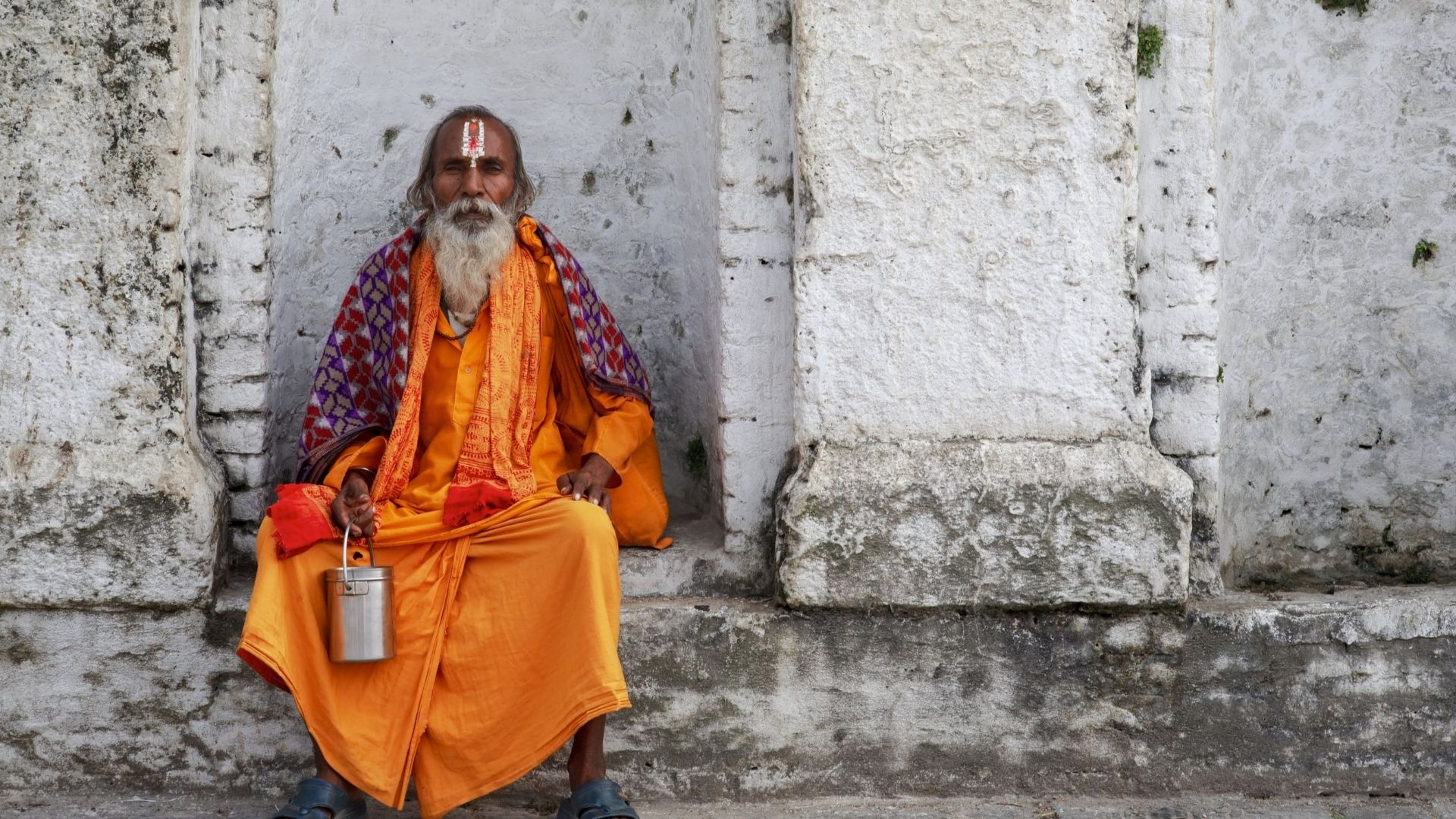
You could say that mortification is asceticism taken to the extreme. The groups that have experimented with these two paths are largely the same. For instance, the Christian religious figures we just mentioned also practiced mortification. Some saints would whip themselves, lock themselves in rooms without food or water for days, or stand on pillars in tight spaces where it was difficult to even keep their balance. They believed that by doing so, they could forge a closer relationship with God.
When we think about it, while mortification may seem distant, it still lives on in the endurance training of certain sports or in some ongoing Buddhist practices. Mortification involves days of fasting, sleep deprivation, self-flagellation, total detachment from family, and living without equipment in extreme environments—all of which made it a target for harsh criticism by philosophers like Nietzsche.
The Unbearable Lightness of Deprivation
In truth, some activities from these extreme ideologies are used in areas we are familiar with today. For example, sex addicts treat themselves through abstinence. Similarly, many addictions or disorders—like social media addiction or eating disorders—can actually be treated using this method of deprivation. Of course, fully embracing asceticism and mortification would mean walking away from almost everything we enjoy or do in life. You wouldn’t even have that job you do for money or prestige, the one you often drag yourself to. You would distance yourself from anything that carries a hint of satisfaction or pleasure, thereby ensuring you are no longer a slave to your own desires.
To many, these two ideologies are nothing more than extreme relics, but for their followers, adopting these mindsets is the only true path to liberation. What do you think? Whatever your answer, don’t leave the Nature Philosopher behind! The thing that will truly set you free is knowledge, and we will keep working hard to ensure you reach the right information!
References and Further Reading
Asceticism and Ritual Self-Practices – Stockholm University. (n.d.). https://www.su.se/english/research/research-subjects/history-of-religions/asceticism-and-ritual-self-practices
The Editors of Encyclopaedia Britannica. (n.d.). Asceticism and religion | Britannica. Encyclopedia Britannica. https://www.britannica.com/summary/asceticism
The Editors of Encyclopaedia Britannica. (2024, November 11). Asceticism | Self-Discipline, renunciation & Spiritual growth. Encyclopedia Britannica. https://www.britannica.com/topic/asceticism
Originally published in Turkish at Doğa Filozofu.