

Have you ever held a coin and taken a close look at the tiny ridges along its edge? Are those grooves just a stylistic choice, or could they be the product of a fascinating story involving Isaac Newton himself?
Let’s take a quick trip back in time and uncover the big story behind these tiny notches.
Precious Coins from Precious Metals
The coins we carry in our pockets today are usually made of “wallet-friendly” metals like nickel, copper, or zinc. In fact, if you tried to melt down a modern coin to sell the raw materials, you might not even be able to afford a stick of gum with the proceeds. That’s because modern currency carries symbolic value, not physical worth.
But things were very different in the past. There was a time when coins were truly precious. We aren’t talking about purchasing power here; we mean the literal value of the metal inside. Coins minted from gold, silver, or copper were considered actual wealth, regardless of the number stamped on them. A silver coin in your hand wasn’t just a medium of exchange; it was physical treasure.
And what do you think human ingenuity did? Naturally, it found a loophole in the system…
The Case of Coin Clipping
Some “entrepreneurial” minds had a bright idea: “What if we shave off tiny slivers from the edges of these coins? We get to spend the coin, and we can collect the shavings to melt down into a bullion bar!”
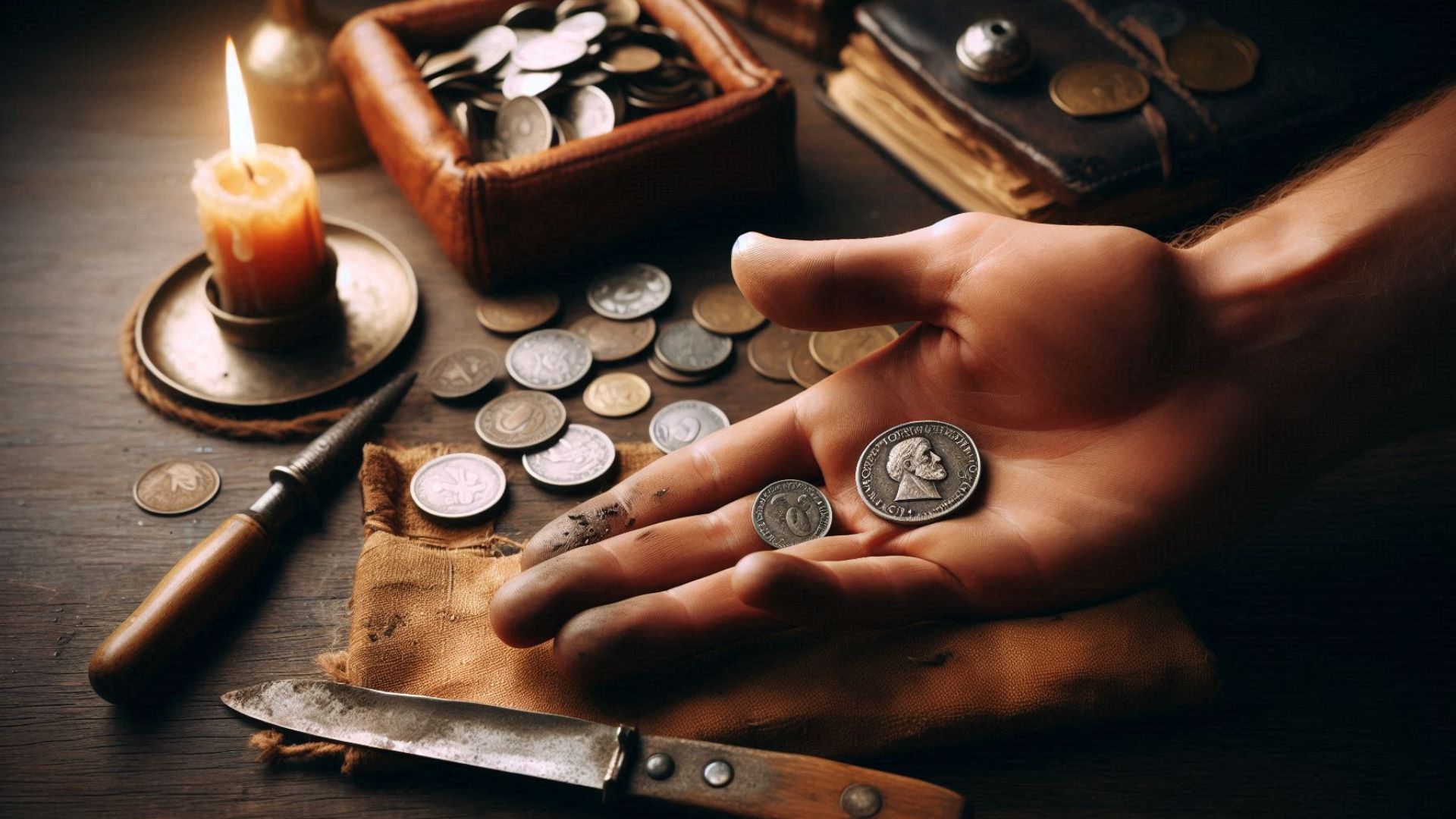
This practice became known as “coin clipping.” By taking small pieces off the edges, people gathered valuable metal while keeping the coin in circulation as if nothing had happened. It might have looked a bit mangled, but no matter—it was still “legal tender.”
Of course, once merchants caught wind of this trickery, they started taking precautions, leading to the era of weighing coins before accepting them. Everyone suddenly became an amateur jeweler, weighing coins to ensure they met the standard weight. But as you can imagine, that wasn’t a sustainable way to run an economy. They needed a permanent solution.
The Solution: Science, Engineering, and… Isaac Newton?
In 1696, a man was appointed to the British Royal Mint. He was famous for physics, mathematics, and that legendary apple falling on his head: Isaac Newton.
His mission this time wasn’t to figure out gravity, but to solve “coin clipping.” Newton recalled all the old currency, had it melted down, and minted brand-new coins that were much harder to tamper with. And here is where his genius shone: “If we add a pattern to the edges of the coins, any clipping will be immediately obvious!”
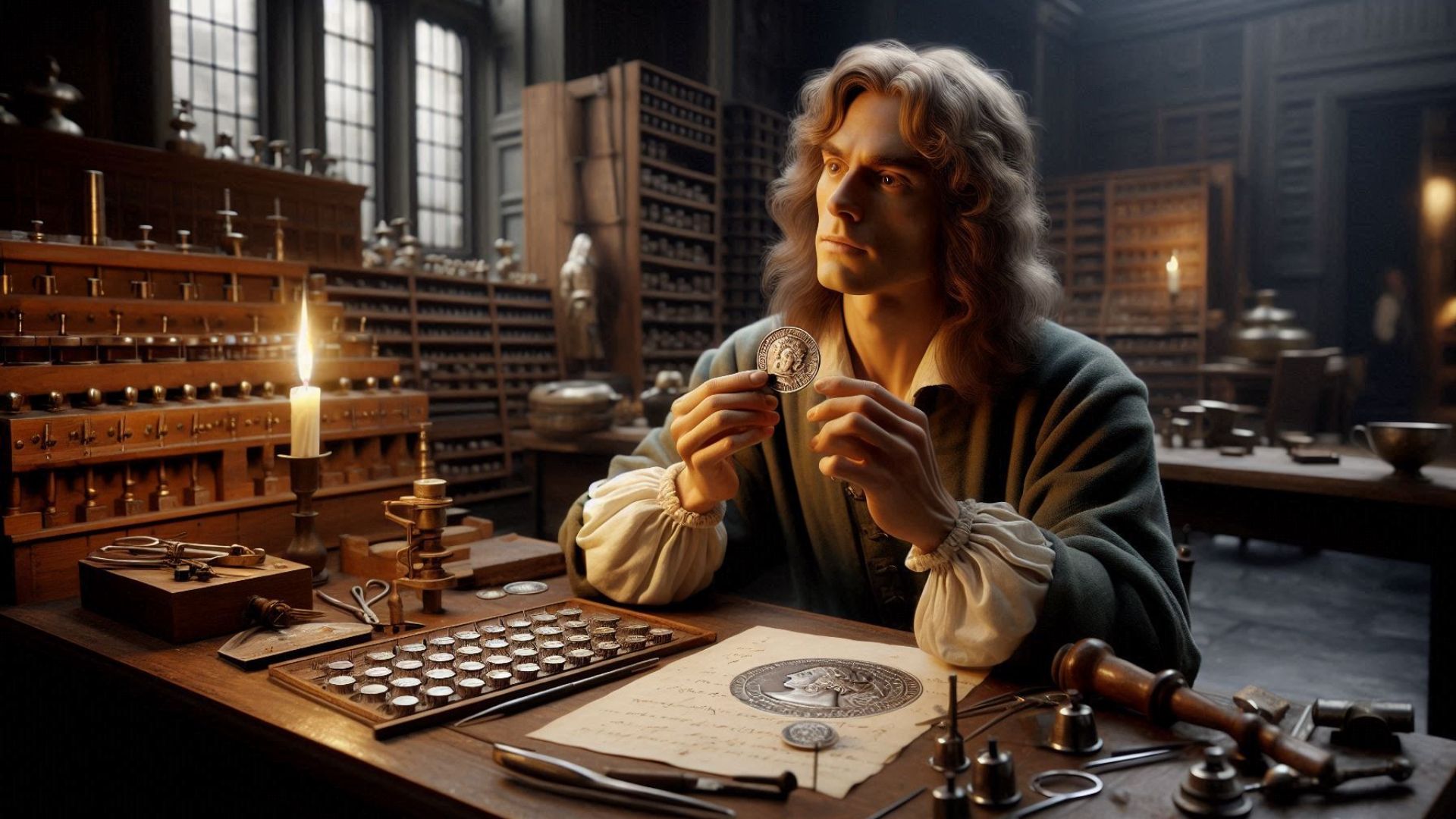
That is how the serrated edges on our coins today came to be. If a coin was clipped, the pattern on the edge would be broken, making the tampering instantly visible. Suddenly, no one would accept a coin with missing ridges. Newton had solved a massive problem not just in natural science, but in financial security.
So, Why Are They Still Around?
You might be thinking, “Most coins aren’t made of precious metals anymore, so why do they still have ridges?” Let’s look at the reasons:
- Traditional Aesthetics: Used for centuries, this design maintains the psychological perception of a “trustworthy” coin.
- A Minor Anti-Counterfeiting Measure: It makes life harder for would-be counterfeiters, who now have to replicate the edge pattern as well.
- Accessibility: Different types of edges (smooth, lettered, grooved, etc.) help visually impaired individuals distinguish between different denominations easily.

Yes, those tiny ridges on our coins are more than just a design detail. They are a security measure handed down through history, a cultural habit, and a graceful way for human ingenuity to trip up dishonesty. See you in the next story!
References and Further Reading
Mint, P. (2022, November 2). Why do coins have serrations (or grooves) around their edges? https://www.perthmint.com/news/collector/coin-collecting/why-do-coins-have-serrations-or-grooves-around-their-edges/
Soniak, M. (2011, June 22). Why do coins have ridges? Mental Floss. https://www.mentalfloss.com/article/28044/how-many-ridges-are-quarter-and-why-are-they-there-first-place
Staughton, J. (2023, October 19). Why Do Some Coins Have Notches (Reeding) On The Edge,
While Others Don’t? ScienceABC. https://www.scienceabc.com/eyeopeners/why-do-some-coins-have-notches-reeding-on-the-edge-while-others-dont.html
Originally published in Turkish at Doğa Filozofu.