
There isn’t exactly a simple, cut-and-dry answer to the question “What is art?”, is there? For some, it’s a serene landscape painting; for others, it’s the way Van Gogh took reality and reimagined it through his own vibrant lens. Today, we’re diving into an art movement that thumbed its nose at both of those perspectives: Pop Art!
What is Pop Art?
To put it briefly, Pop Art is an art movement that emerged in Britain in the 1950s and hit its stride in America during the 1960s. Think about it: traditional art rarely gave the spotlight to the products you’d see in a commercial, right? The popular items of the day didn’t typically find their way into “fine art.” Pop Art was about to change all that. By embracing consumer culture and popular media, it challenged the traditional norms of what art was supposed to be. It brought everyday life to the center stage by integrating the imagery of pop culture—ads, comic books, celebrity portraits, and product packaging—into the gallery. But how did this movement just suddenly appear? It had to have a pioneer, didn’t it? Of course it did! That pioneer’s name was Andy Warhol.
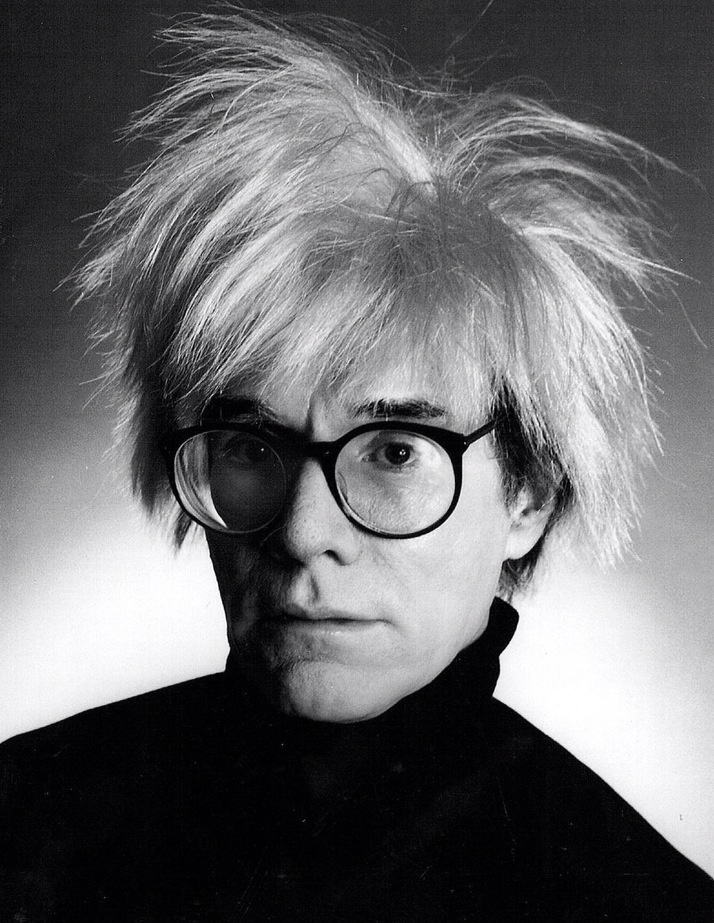
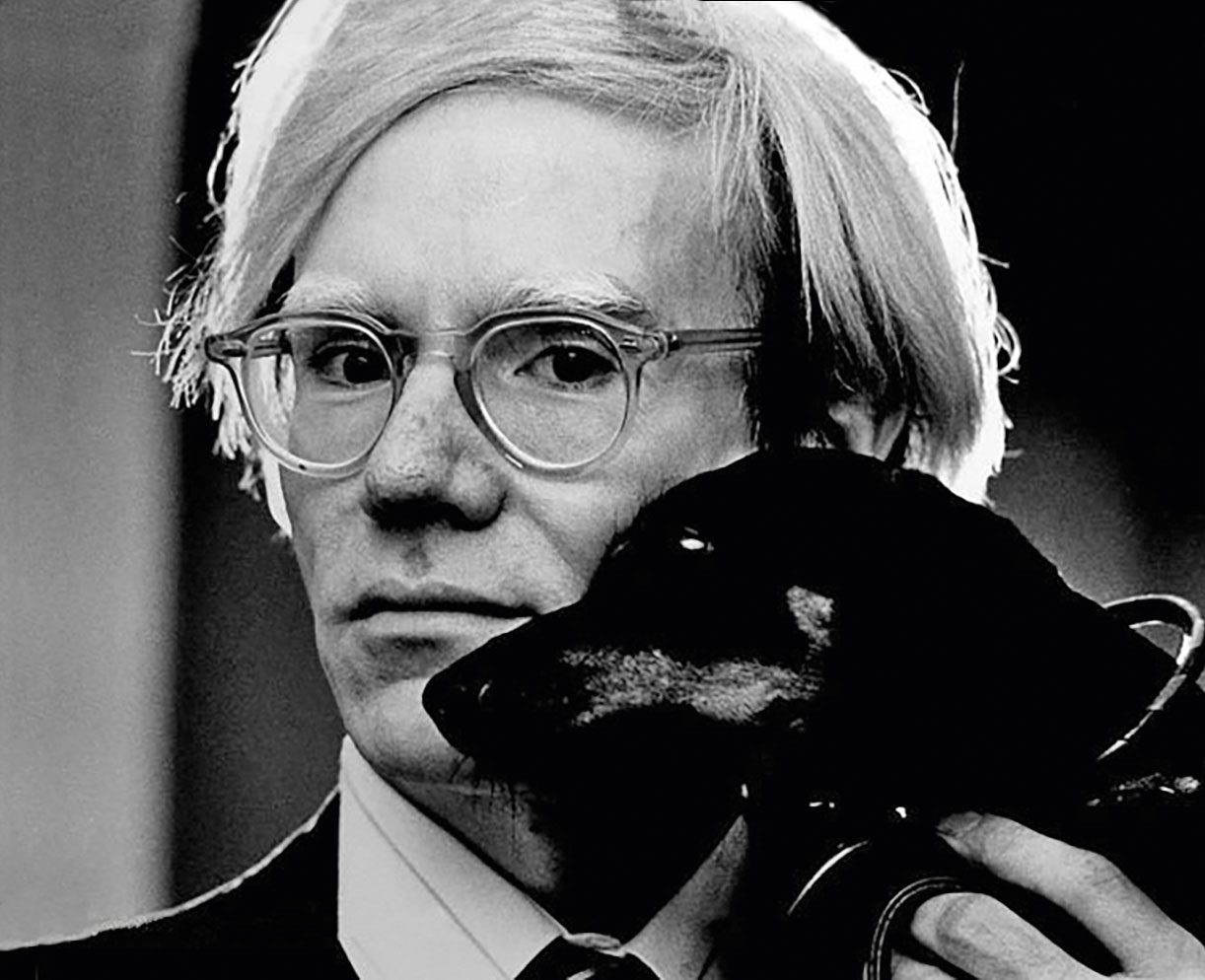
Andy Warhol is a name you’ve likely heard. If you follow American culture even a little bit, it’s bound to have crossed your radar. You might not know exactly what he did or why he became such a icon, but in this piece, we’ll break that down together. Born in Pennsylvania in 1928, Warhol began his career as a commercial illustrator, creating visuals for magazines and books, before eventually becoming the undisputed face of Pop Art.
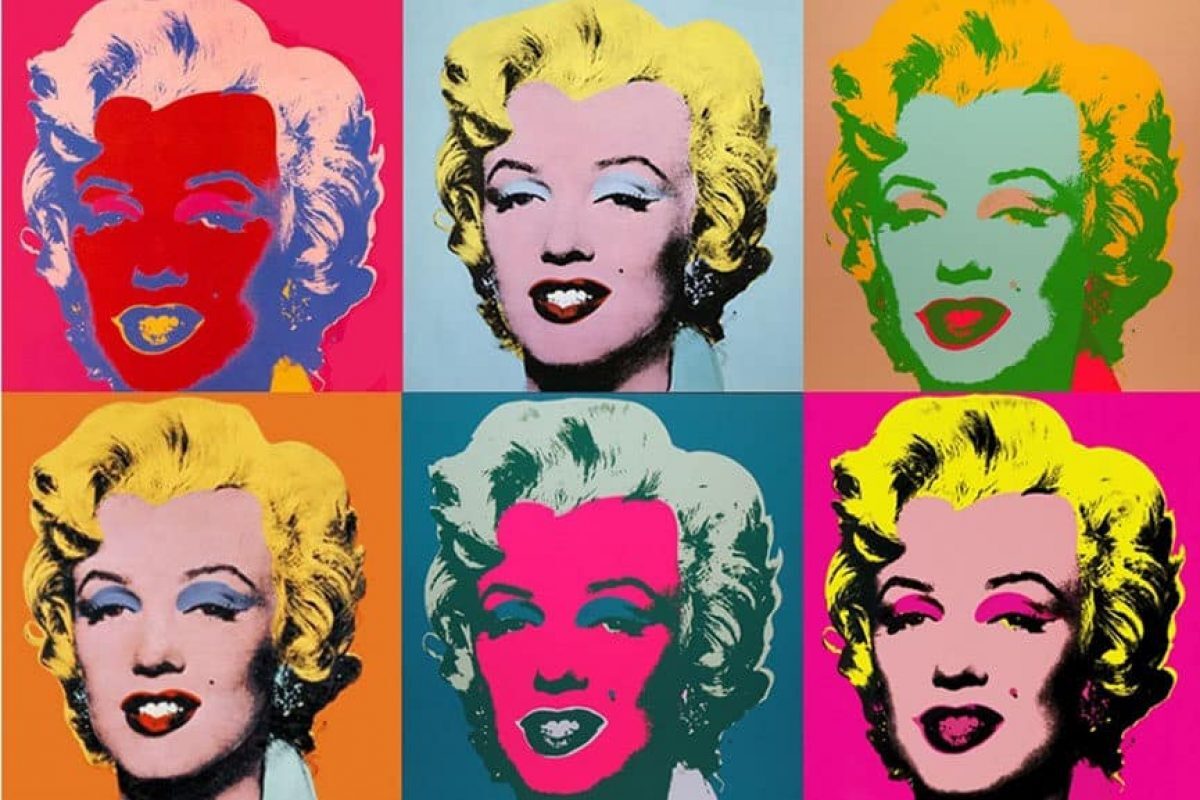
Unlike traditional art, Warhol’s work centered on the popular brands and celebrities of the era. His pieces are famous for their repetitive depictions of mundane objects and famous faces. Through his art, Warhol offered an ironic commentary on the superficiality of modern life and the homogenized nature of mass-consumer society. I’m sure the way his Marilyn Monroe portrait repeats itself—while centering on the biggest star of the time—perfectly captures what we mean.
Warhol’s Works
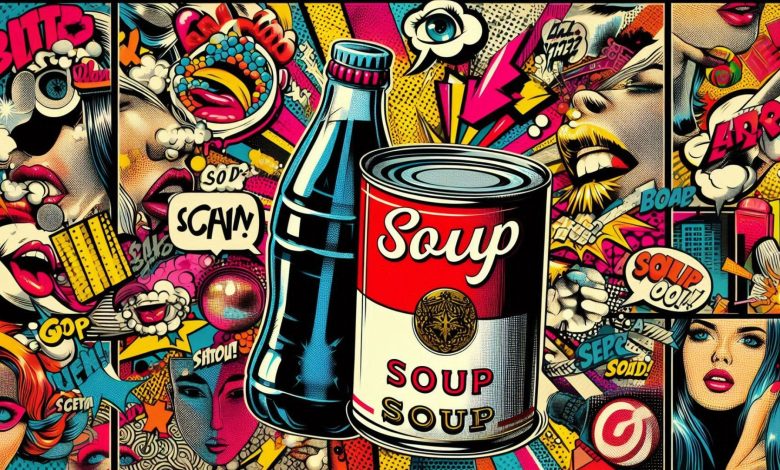
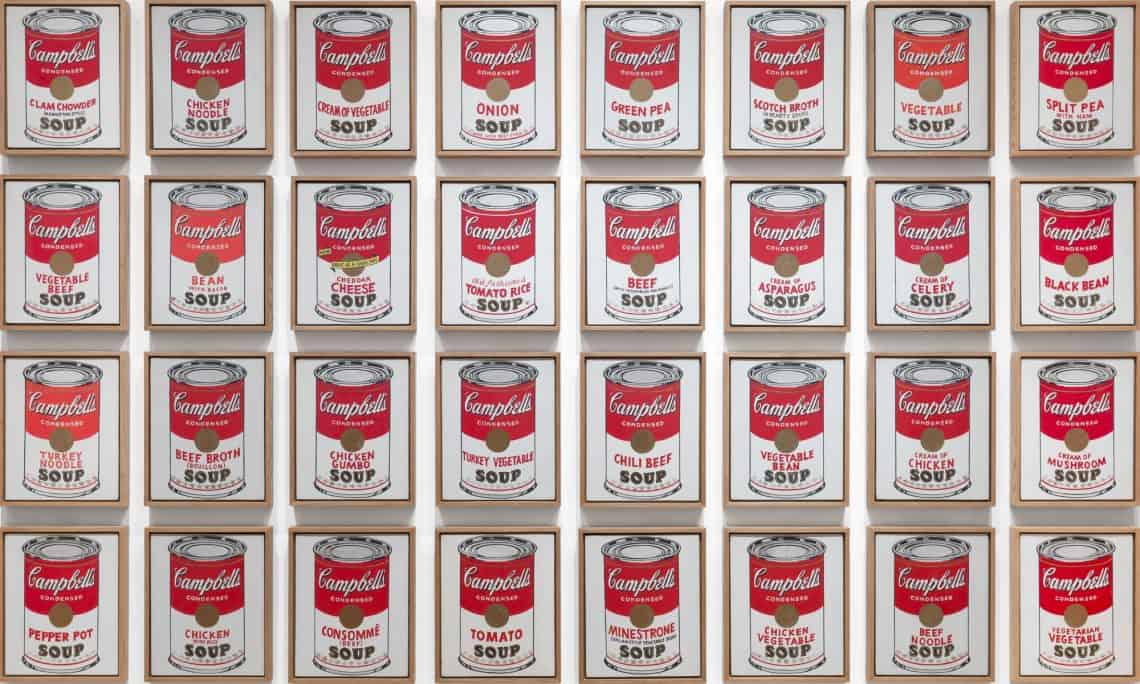
The Marilyn Monroe portrait certainly wasn’t his only work. To really understand Warhol, we wanted to share a few more pieces. Our first stop: his Campbell’s Soup Cans. Created in 1962, this piece is famous for turning a mundane supermarket item into high art. By depicting 32 different soup varieties, the work reflects the culture of mass production and consumption. It forces us to question the assembly-line nature of consumer society and asks: why can’t this be art?
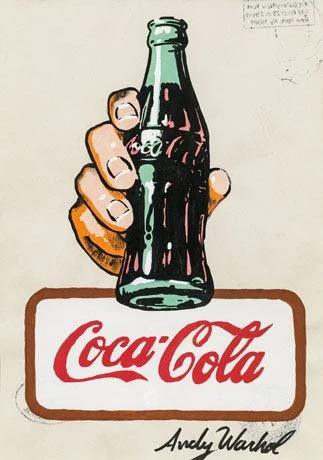
We know—it sounds and looks a bit wild. We can almost hear you asking, “Is this really art?” You aren’t alone in that sentiment; plenty of critics took issue with Warhol at the time. The backlash was significant, but Warhol didn’t slow down. He created countless works featuring Coca-Cola. For Warhol, anything we encounter in our daily lives was a valid subject for art. His logic was simple: we see soda cans far more often than we see lakes, so why shouldn’t they be the subject of our focus?
A Critique of Pop Culture
As you’ve probably noticed, Warhol’s work leaned into recurring themes. Whether it was Coca-Cola, soup cans, or Marilyn Monroe, the focus was always on popularity.
There was also the element of repetition in his work, which mirrored the processes of mass production. If you had coffee before the age of mass production, its taste would have depended entirely on the person who made it; if you bought a rug, it would have been uniquely yours. Almost everything you owned or consumed had a sense of originality. In a consumer society, however, that individuality starts to fade. Warhol was critiquing exactly that. And he was deeply involved in the art world—he even established a studio called “The Factory,” a hub where many famous and talented artists honed their craft and supported one another.
Pop Art and Art
In today’s world, products, brands, and advertisements have taken on deep cultural meaning. Brand names like “Starbucks” or “Burger King” mean much more to us than just a service. Warhol incorporated these elements into his art, with his Coca-Cola bottles and soup cans carrying symbolic weight. He took this even further with figures like Marilyn Monroe. While a soup can isn’t a human, the way he treated her portrait—as a repetitive, iconic image—showed how modern media turns even individuals into consumer products.
Of course, “Warhol = Pop Art” isn’t the whole story. The movement continued well beyond him. Generally speaking, Pop Art’s approach to consumer culture is two-sided: on one hand, it elevates consumer goods to the center of art, and on the other, it critiques their banality and their impact on modern society. This tension is exactly what gives Pop Art its power. Why? Because conflict is always compelling.
At first glance, Pop Art was dismissed as hollow. We’re sure the thought “Can a soup can really be art?” crossed your mind, too. But once you look at the underlying critique, it becomes clear that Warhol and the Pop Art movement were standing on much deeper ground than they were given credit for.
Warhol and Pop Art didn’t just influence the art world; they left their mark on fashion, advertising, and graphic design. Modern artists still carry this legacy, frequently referencing consumer culture and popular media. When you watch a music video or a movie today, notice how much branding is on display. Sometimes, brand names even make their way into song lyrics. That is the lasting impact of Pop Art. Of course, when these names appear in songs, it’s not always a conscious, philosophical critique—often, it’s just a marketing play. Yet, the fact that we see it everywhere is evidence of Pop Art’s massive influence.
To take it a step further, Pop Art demonstrated that in a world of mass production and popular imagery, art doesn’t have to be reserved for “high culture”—it can be a form of expression for everyone. It reminds us that art isn’t just about aesthetic pleasure; it’s a way to understand society and its dynamics.
This brings us to the personal question: Should art be an original, emotional expression, or should it be a mirror that elevates the things we ignore in daily life? Does Warhol’s soup can or his repetitive Marilyn Monroe face lead you to aesthetic pleasure, or to intellectual inquiry? When you look at these pieces, do you really see “art,” or just a reflection of a consumer society?
As we wrap up, we want to share a great quote from Warhol:
“Don’t think about making art, just get it done. Let everyone else decide if it’s good or bad, whether they love it or hate it. While they are deciding, make even more art.”
Perhaps the final question is this: To call something “art,” do we need to accept its depth, or is the message on the surface enough on its own?
References and Further Reading
Andy Warhol. (n.d.). National Gallery of Art. https://www.nga.gov/collection/artist-info.1966.html#works
Andy Warhol – 358 artworks – painting. (n.d.). www.wikiart.org. https://www.wikiart.org/en/andy-warhol
Newman, R. (2020, January 22). Andy Warhol – Mega Guide to the Pop art King | Hamilton Selway. Hamilton-Selway. https://hamiltonselway.com/andy-warhol-art-guide/
The Andy Warhol Museum. (2025, April 16). Biography – The Andy Warhol Museum. https://www.warhol.org/andy-warhols-life/
The Editors of Encyclopaedia Britannica. (2025, April 27). Andy Warhol | Biography, pop art, Campbell Soup, artwork, & Facts. Encyclopedia Britannica. https://www.britannica.com/biography/Andy-Warhol
Originally published in Turkish at Doğa Filozofu.