

If we told you about a world where televisions worked without plugs or cables, and where airplanes could refuel while soaring through the sky, you’d probably dismiss it as pure fantasy. Yet, this is exactly what the visionary scientist Nikola Tesla was dreaming of: wireless electricity. A future where our homes are free of wall outlets and we never have to carry a charger again… But was this just a pipe dream? Let’s dive in and take a look at Tesla’s project and where we actually stand today.
Nikola Tesla was a Serbian-American electrical engineer and physicist. Born in 1856 in what is now Croatia, he began his studies at Graz University of Technology in Austria. Despite his early academic brilliance, he eventually dropped out due to financial and personal struggles. In 1882, he began working at Thomas Edison’s new company, the Continental Edison Company, in Paris. There, he took on tasks like installing lighting systems, repairing direct current (DC) dynamos, and maintaining equipment. Tesla quickly made a name for himself by improving these dynamos and inventing an automatic regulator—an innovation that became a significant milestone in the electrical systems of that era.
Tesla moved to America in 1884, where he met and worked with Thomas Edison for a few months. When Edison refused to pay Tesla for his work, Tesla decided to part ways and forge his own path as an inventor.
Tesla’s Journey Toward Wireless Electricity
By the late 1880s, Tesla had made massive strides in alternating current (AC) systems. His work on AC motors and generators enabled the efficient transmission of electrical energy. The AC system he showcased at the 1893 World’s Fair caused a sensation and soon became the foundation for modern power grids—but Tesla’s dreams didn’t stop there.
Toward the end of the 1800s, Tesla began exploring the potential for wireless transmission of electrical energy, focusing on using the Earth’s electromagnetic frequencies to send signals without wires. Deepening his research in this direction, he developed the Tesla Coil in 1891. This would become his primary tool for his experiments with wireless power in the years to come.
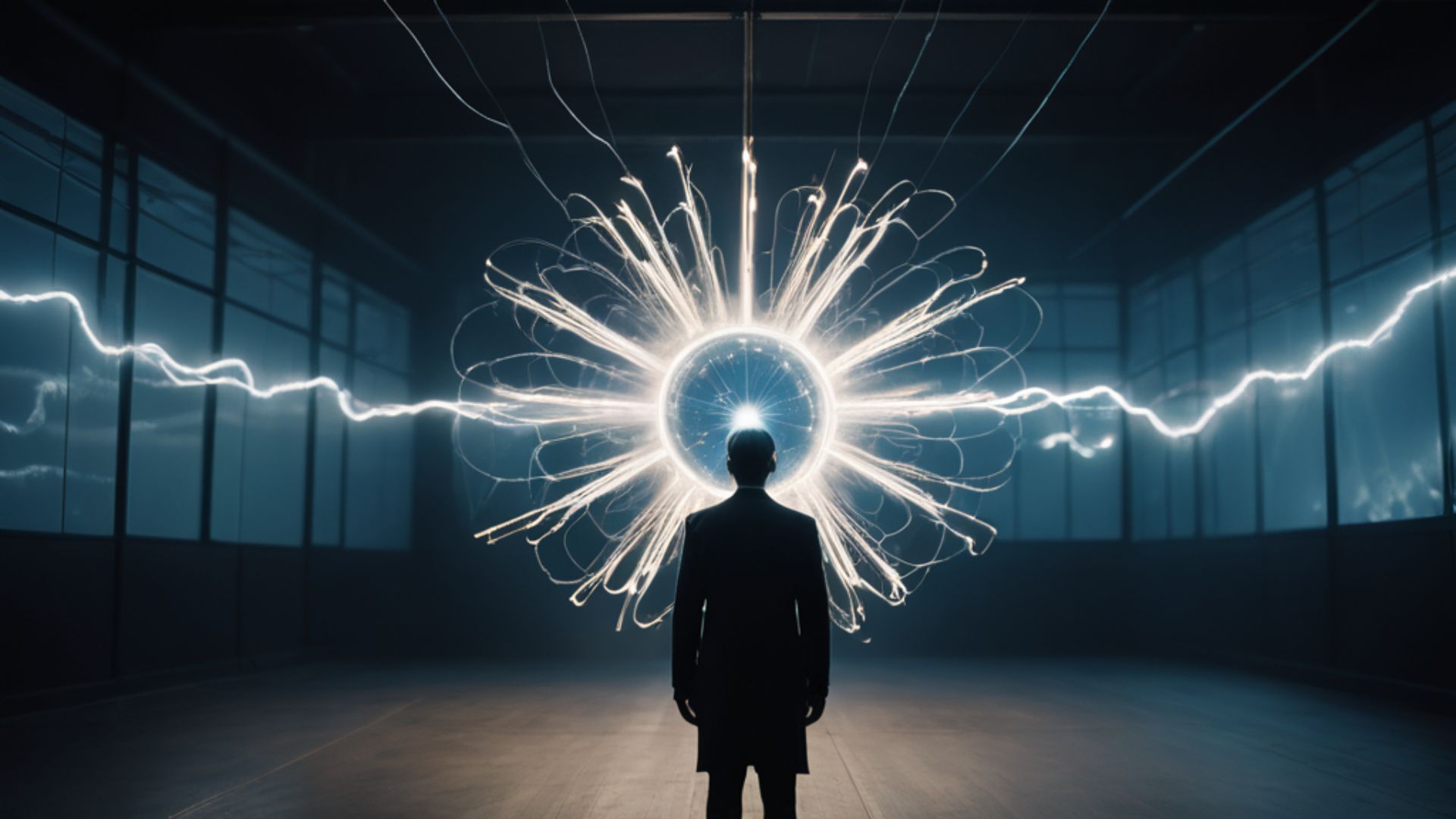
The Tesla Coil converts low-current electricity into high-voltage power. By doing so, it creates a fluctuating magnetic field that generates an electric field around it. During his experiments in Colorado Springs, Tesla used his coil to successfully light about 200 bulbs from 45 kilometers away. He even managed to produce man-made lightning!
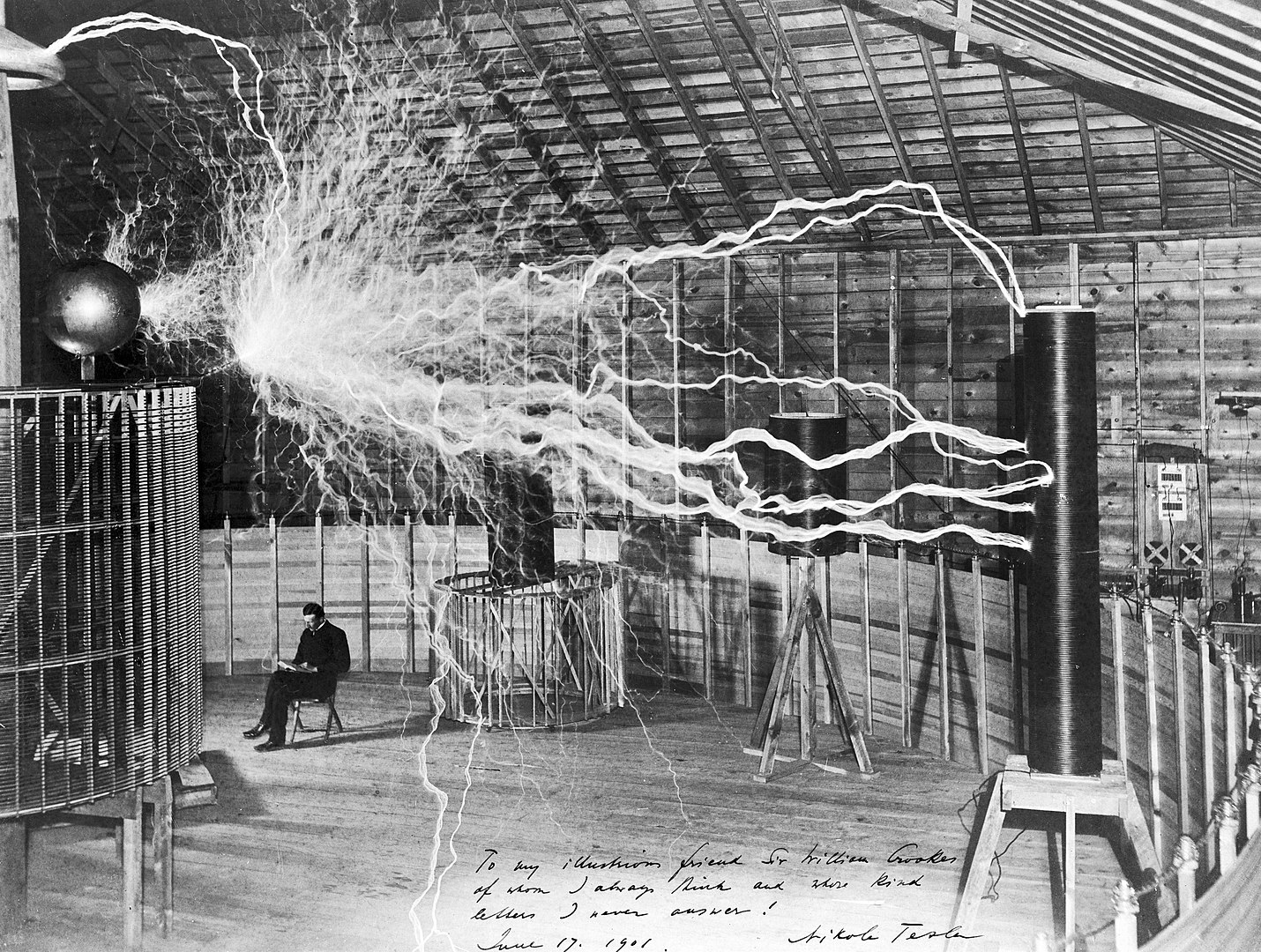
Source: Wikipedia
This discovery was a major turning point for Tesla; for the rest of his life, he would dedicate almost all his efforts to finding ways to transmit electrical power over long distances without cables.
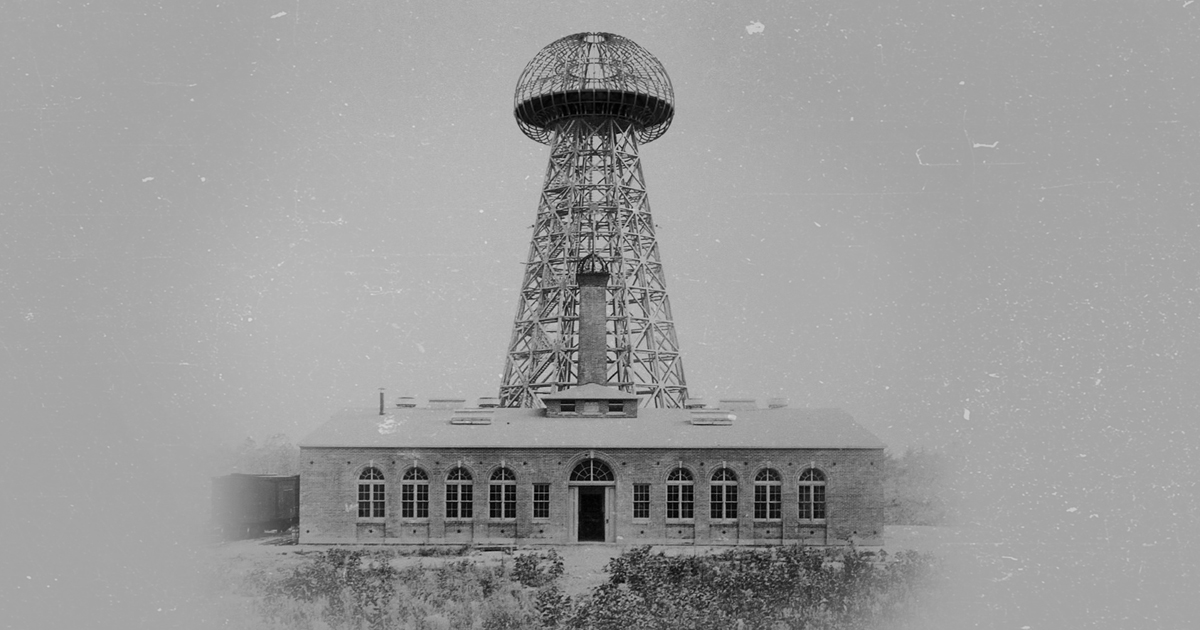
In 1901, with the backing of the legendary financier J.P. Morgan, he successfully began construction on the Wardenclyffe Tower, his first experimental wireless transmission station. Tesla’s goal was to build hundreds of these towers across the globe to provide near-free electricity to everyone on Earth. He imagined powering everything from airplanes in flight to ships in the middle of the ocean. However, when Morgan announced in 1904 that he would no longer provide funding, it was a devastating blow for Tesla. He was absolutely certain about his project, based on his Colorado Springs experiments: free, wireless electricity was possible! Unfortunately, no matter how hard he tried afterward, he could never find the capital to continue his experiments.
So, Was Tesla Right?
Yes, Tesla did successfully light those 200 bulbs wirelessly in Colorado. But the problem was that he assumed because he could light bulbs 45 kilometers away, he could use the same method to light them thousands of kilometers away. However, the range of a Tesla Coil is quite limited, and the effect drops off exponentially as the distance increases. Furthermore, Tesla’s entire plan relied on the assumption that the air and the Earth were excellent conductors. He believed he could transfer energy between towers by using the atmosphere and the ground instead of miles of copper wiring. He wasn’t necessarily wrong for thinking this—most scientists of his day held the same assumption. Today, however, we know that air is not a conductor under normal conditions. In short, our modern understanding of physics shows that we cannot easily replicate the system Tesla envisioned.
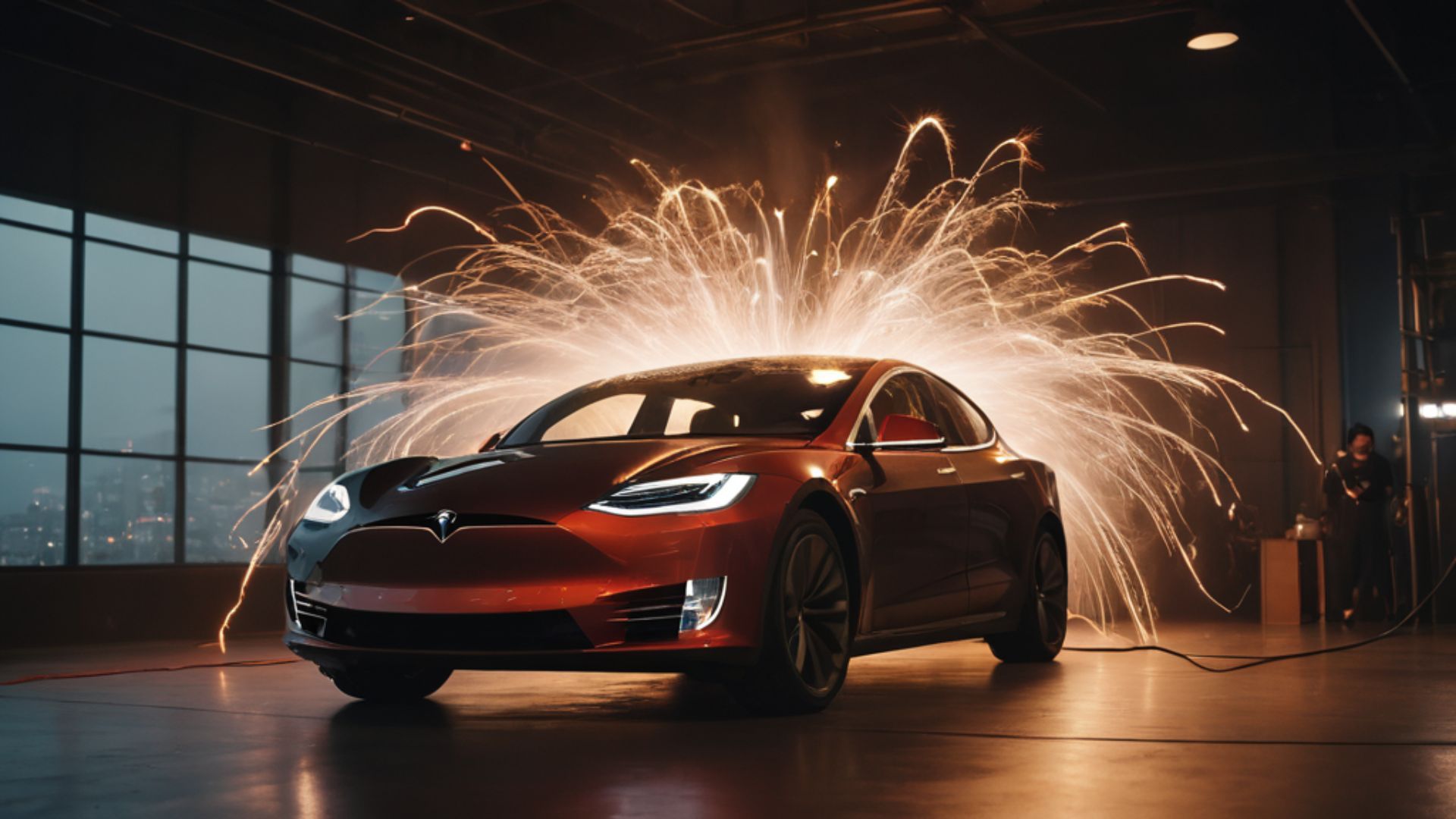
Despite all this, wireless electricity wasn’t a total pipe dream. While we aren’t quite at the point Tesla imagined, significant progress has been made. Electric vehicles, in particular, are gaining attention for their wireless energy transfer technologies, which offer both ease of use and practicality. Let’s take a look at some of the developments in this field:
Wireless Charging and Its Applications:
Wireless charging, which first gained traction with electric toothbrushes, has recently become commonplace for smartphones. “Qi Charging Stations,” which convert electromagnetic fields into current, are already a fixture in airports and cafes.
While wireless charging is most commonly used for smartphones, it is gradually spreading to other devices. Household appliances—like vacuum cleaners and kettles—are now appearing in wireless versions, making them much more convenient to use.
Japan’s Space-Based Wireless Power Project
Japan has taken some remarkable steps toward its goal of generating electricity in space and transmitting it wirelessly to Earth. The Japan Aerospace Exploration Agency (JAXA) has made significant progress in generating energy in space using microwave beams and transmitting that energy to the ground.
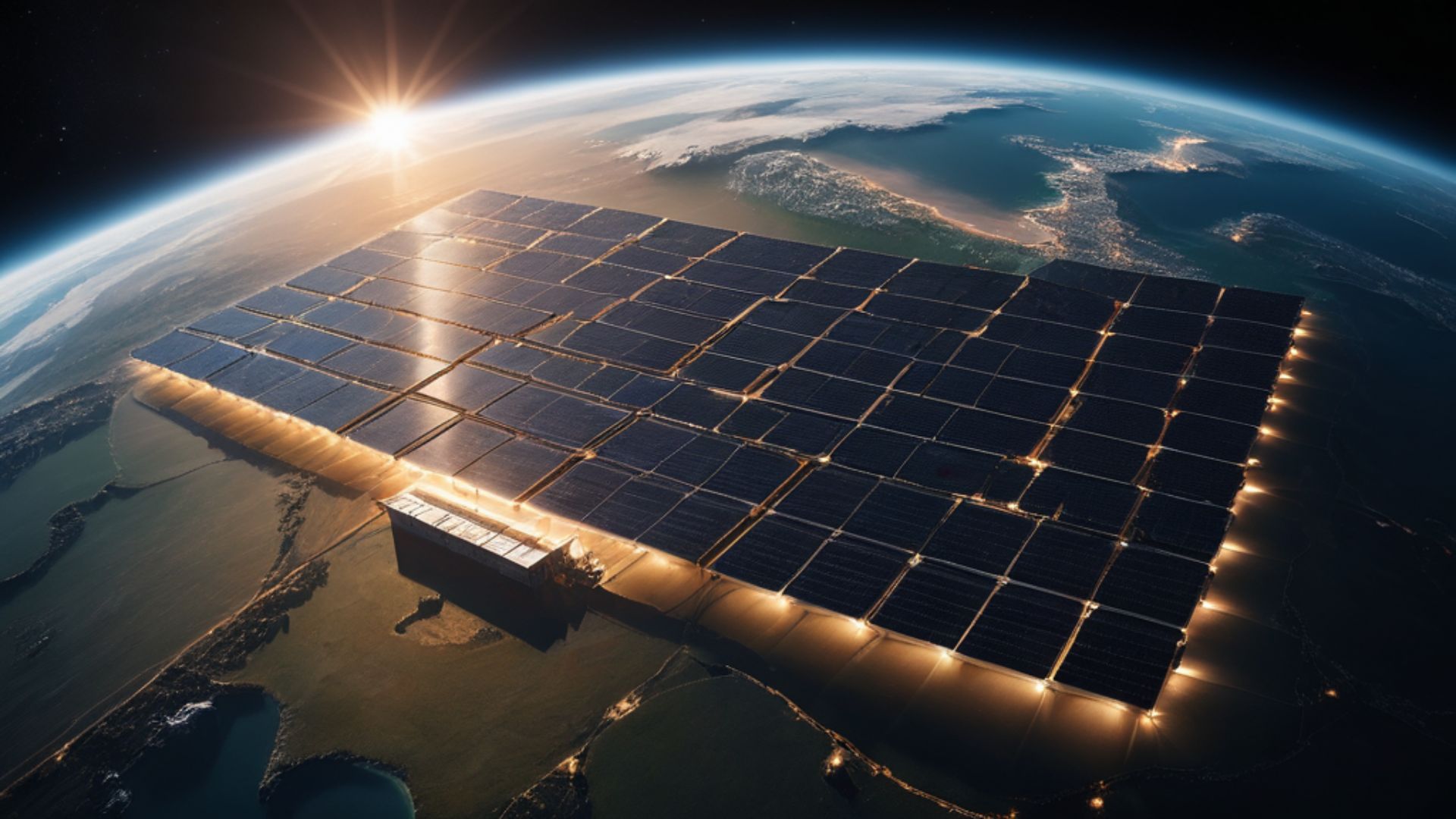
In 2020, JAXA researchers conducted an experiment to transfer energy from space to Earth. In this test, they successfully sent 1.8 kilowatts of energy to a kettle 55 meters away using microwave beams. The success of this experiment was a major breakthrough. JAXA has been working on space-based solar power systems for years, and their ultimate plan for the future is to transmit energy to Earth using massive solar panels placed in orbit! They aim to do this using microwaves, just like in their successful experiments. The project, which involves placing panels 36,000 kilometers away from our planet, is currently slated for 2040.
Wireless Charging Projects on Highways
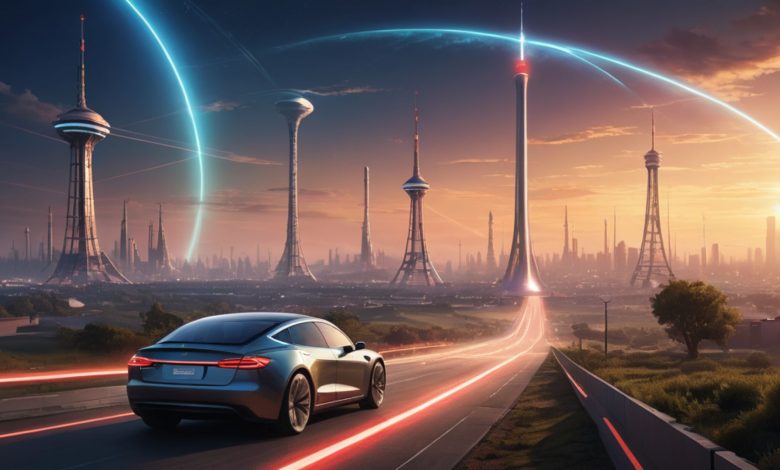
Japan is also working on significant projects for “Dynamic Wireless Charging Systems” to charge electric vehicles while they are in motion. For example, in a 2020 trial on a highway in Tokyo, electric buses were charged via wireless systems embedded directly into the road.
In this system, electromagnetic coils buried underground interact with receivers installed under the buses to transfer energy. This allows the buses to receive power while moving, without ever needing to stop or plug in. This application aims to increase the efficiency of electric vehicles in urban transit and cut down on charging downtime.
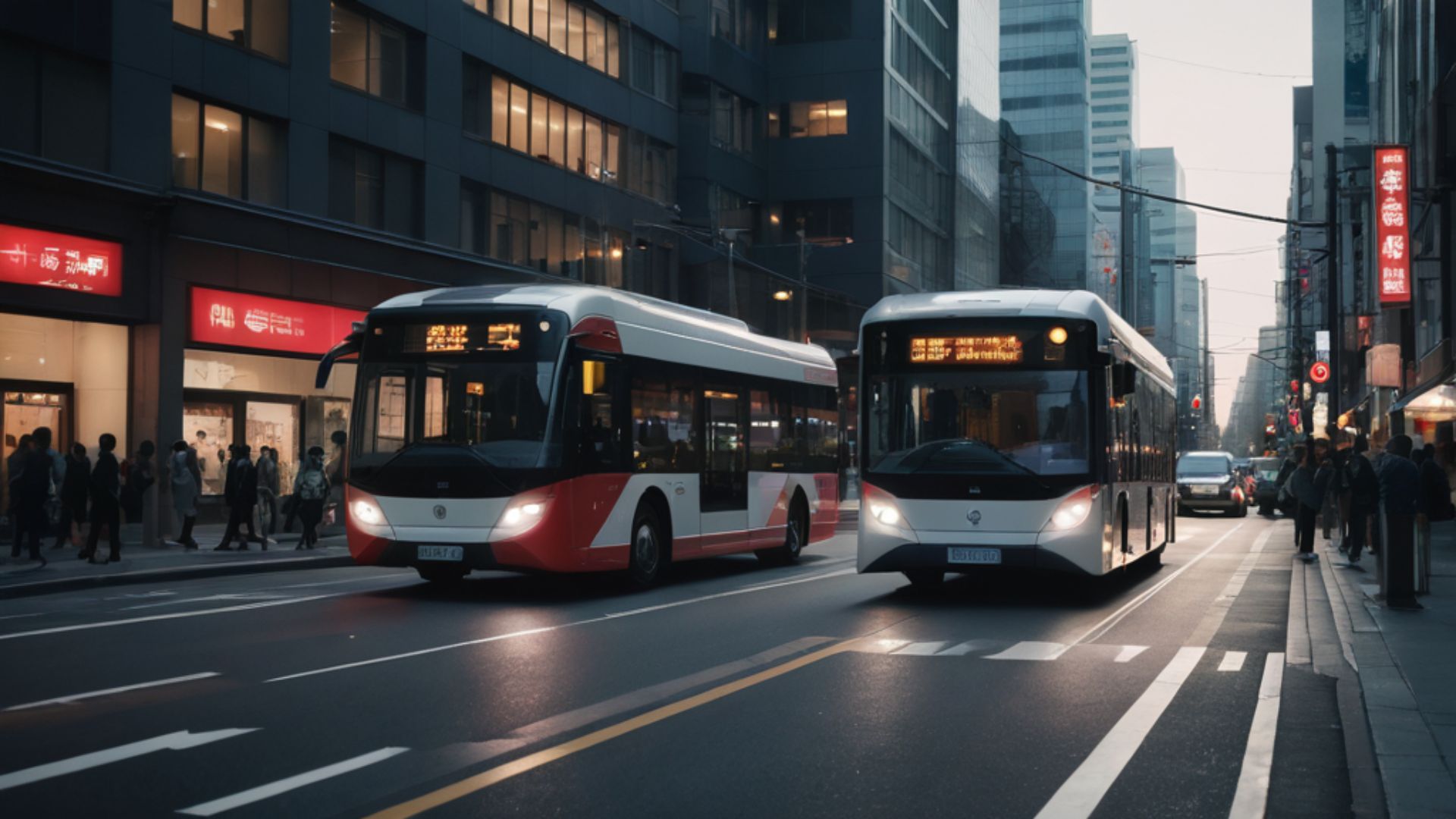
Japan is also pushing an innovative idea to provide charging to cars while they wait at red lights. The plan is for vehicles to gain up to 1 kilometer of range in just 10 seconds of idle time using this system. This is expected to provide a significant advantage in city traffic, as it allows drivers to put their waiting time to productive use.
The Journey Continues
We may not be exactly where Tesla imagined, but we are making significant strides in wireless energy technology every single day. Innovative ideas and rigorous research are pushing us further with each passing moment. Who knows? Perhaps in the future, we will achieve breakthroughs we can’t even imagine today and make wireless energy transmission a normal part of our everyday lives…
References and Further Reading
Ground demonstration testing of microwave wireless power transmission|JAXA|Research and Development Directorate. (n.d.). https://www.kenkai.jaxa.jp/eng/research/ssps/150301.html
Hunt, I. W. (2024, October 29). Nikola Tesla | Biography, Facts, & Inventions. Encyclopedia Britannica. https://www.britannica.com/biography/Nikola-Tesla
Tesla’s folly – why Wardenclyffe didn’t work. (2015, February 22). https://www.moreisdifferent.com/2015/02/22/teslas-folly-why-wardenclyff-didnt-work/
Tesla’s Wireless Power – Tesla Science Center at Wardenclyffe. (2024, November 18). Tesla Science Center at Wardenclyffe. https://teslasciencecenter.org/teslas-wireless-power/
The People Profiles. (2023, April 24). Tesla – inventor of the Modern World documentary [Video]. YouTube. https://www.youtube.com/watch?v=HEH3qLofMaU
Originally published in Turkish at Doğa Filozofu.