

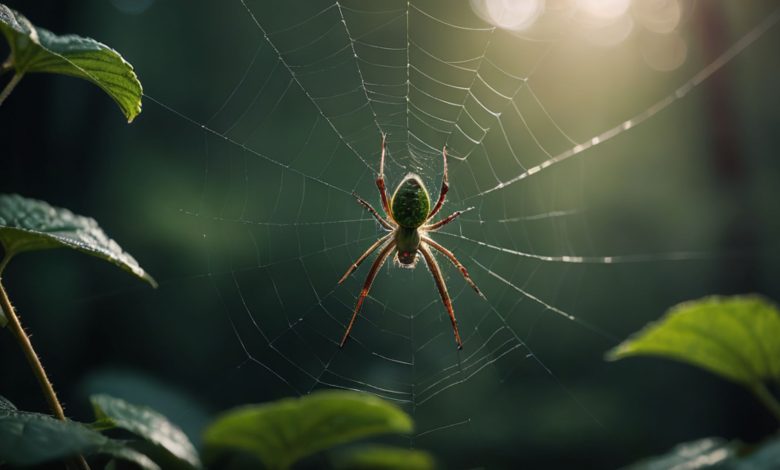
Spiders are a species that manage to strike fear into humans, despite their generally mysterious nature and diminutive size. From the way they weave their webs to their hunting tactics, every detail about them is capable of sparking wonder—and they undeniably hold an indispensable place in every ecosystem. In this piece, we’ll take a deep dive into the world of spiders and embark on a tour of their enigmatic lives.
Evolution and Origin
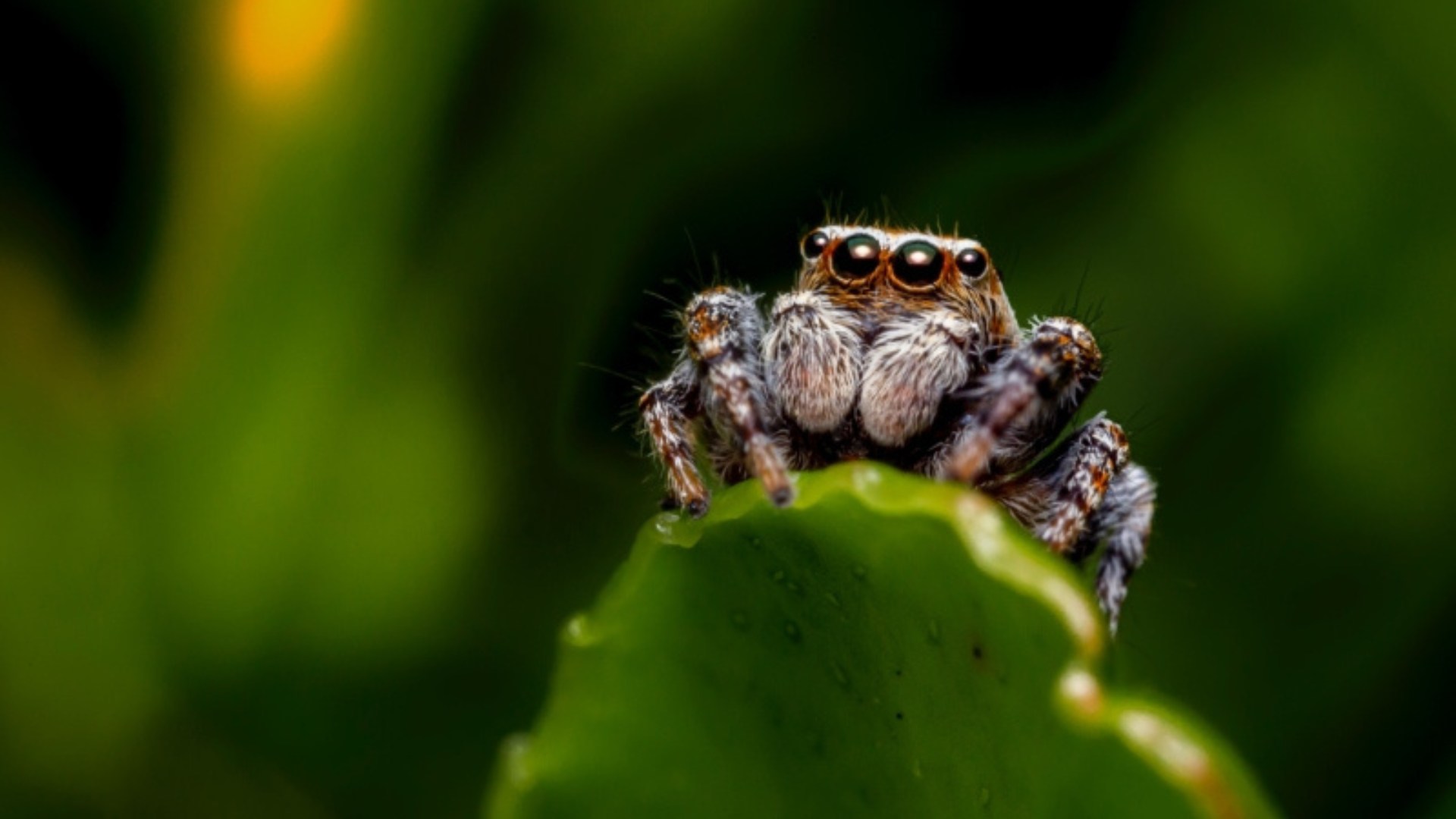
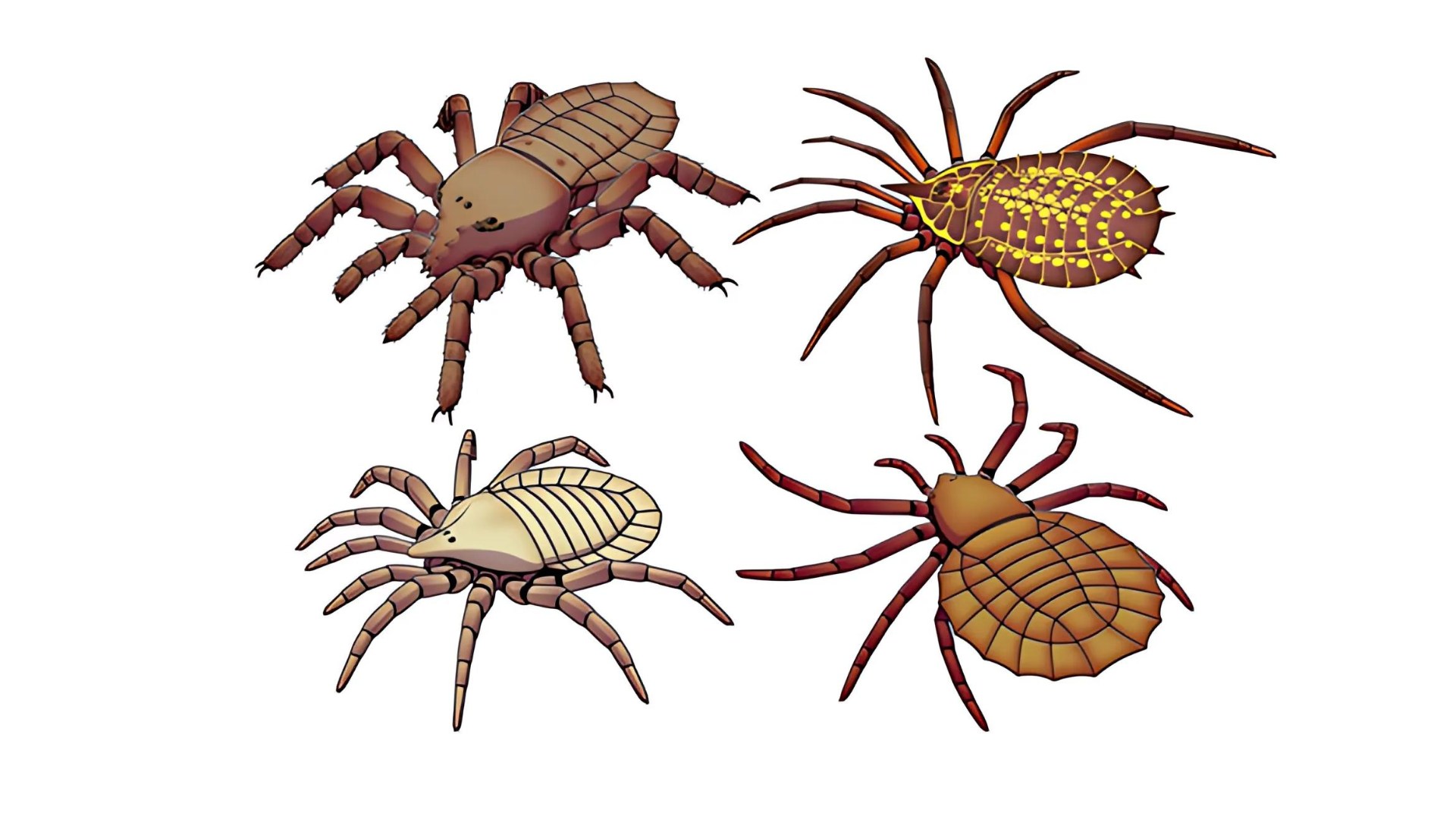
Spiders (Araneae) first appeared roughly 380 million years ago during the Carboniferous period. Much like their ancestors, the trilobites that lived in the sea, the earliest spiders were very simple creatures. According to the fossil record, many of their modern features—particularly their silk-producing abilities and jointed legs—evolved quite early on. These traits significantly boosted their ability to survive and thrive in terrestrial environments.
Their talent for spinning webs is, as you’ll see later in this piece, one of their most defining characteristics. The fact that their adaptation revolves around the web speaks volumes about just how vital this skill is. While they might not rank among the “cutest” animals in the visual sense, you have to admit they have a truly fascinating architecture.
Species
The truth is that when we say “spider,” we’re talking about a massive spectrum, ranging from the common house spider to the tarantula. Because of this, this article—unlike others in our series—has to take a more general approach. Still, let’s take a look at the types of creatures that fall under this umbrella:
While it’s impossible to cover all 50,000 species of these magical creatures, we can broadly categorize them as follows:
- Jumping spiders (Salticidae): Known for their advanced vision and impressive leaping abilities.
- Wolf spiders (Lycosidae): These generally hunt on the ground and are known for their speed.
- Huntsman spiders (Sparassidae): Recognized for their large size and quick movements.
- Web-weaving spiders (Theridiidae and Araneidae): They catch their prey by spinning silk webs.
- Venomous spiders: Species like the Black Widow (Latrodectus) and the Brown Recluse (Loxosceles) possess dangerous venom.
Among these, the Heteropoda maxima holds the title for the largest spider species in history, reaching up to 30 cm in length. On the other end of the spectrum, the Patu digua is recorded as the world’s smallest spider, measuring just 0.46 mm. You can get a sense of this staggering difference with a bit of simple math. For instance, while the largest wolves weigh around 90 kg and the smallest around 30 kg—a 3-fold difference—the gap between the smallest and largest spiders is a massive 652-fold. Of course, the variation among wolves isn’t the same as the variation between spider species, but it’s still an impressive margin, isn’t it?
Habitats and Social Structure
Naturally, with 50,000 different species, we must remember that they live on vastly different continents and in diverse habitats, and their social structures vary just as much. Keep in mind that we are sticking to generalities from here on out.
Spiders are found on every continent except Antarctica and thrive in many different habitats. They can live in rainforests, deserts, mountains, swamps, and even our own homes. Most spiders are solitary and lack a social structure, though some species do live in colonies and develop complex social behaviors.
Family life varies from species to species. Female spiders generally keep their eggs in silk cocoons and tend to their young for a period of time. In some species, the mother provides food or protection for her offspring. “Sexual cannibalism,” where the female consumes the male, is also a behavior seen in certain species. Unlike wolves or lions, spiders are not warm-blooded creatures. They don’t make decisions or act based on emotions—at least, not according to anything science has identified so far. This holds true for their interactions with one another, too. But can you imagine what a species capable of such cold-bloodedness might do in a real conflict?
Conflict
Spiders don’t really have a concept of “territorial defense” in the way we think of it. They don’t protect a pack or their young like lions do. They aren’t looking for a fight unless it’s for food or self-defense. In short, a spider isn’t likely to engage in conflict unless it absolutely has to.
Generally speaking, spiders exist within a predator-prey relationship with other animals. Some spiders feed on other insects and even small vertebrates. Conversely, spiders themselves are hunted by birds, reptiles, amphibians, and mammals. Humans interact with them in various ways, too; while some people are afraid of them and cause them harm, others find them useful for keeping pests in check.
Of course, the larger examples of the species (like tarantulas) sit higher up in the food chain and have defenses against predators like birds. This defense is much lower in smaller species.
Spider Weaponry
Spiders have two primary weapons: the web and venom.
Both are crucial for hunting and survival. Let’s start with their webs, which are truly engineering marvels:
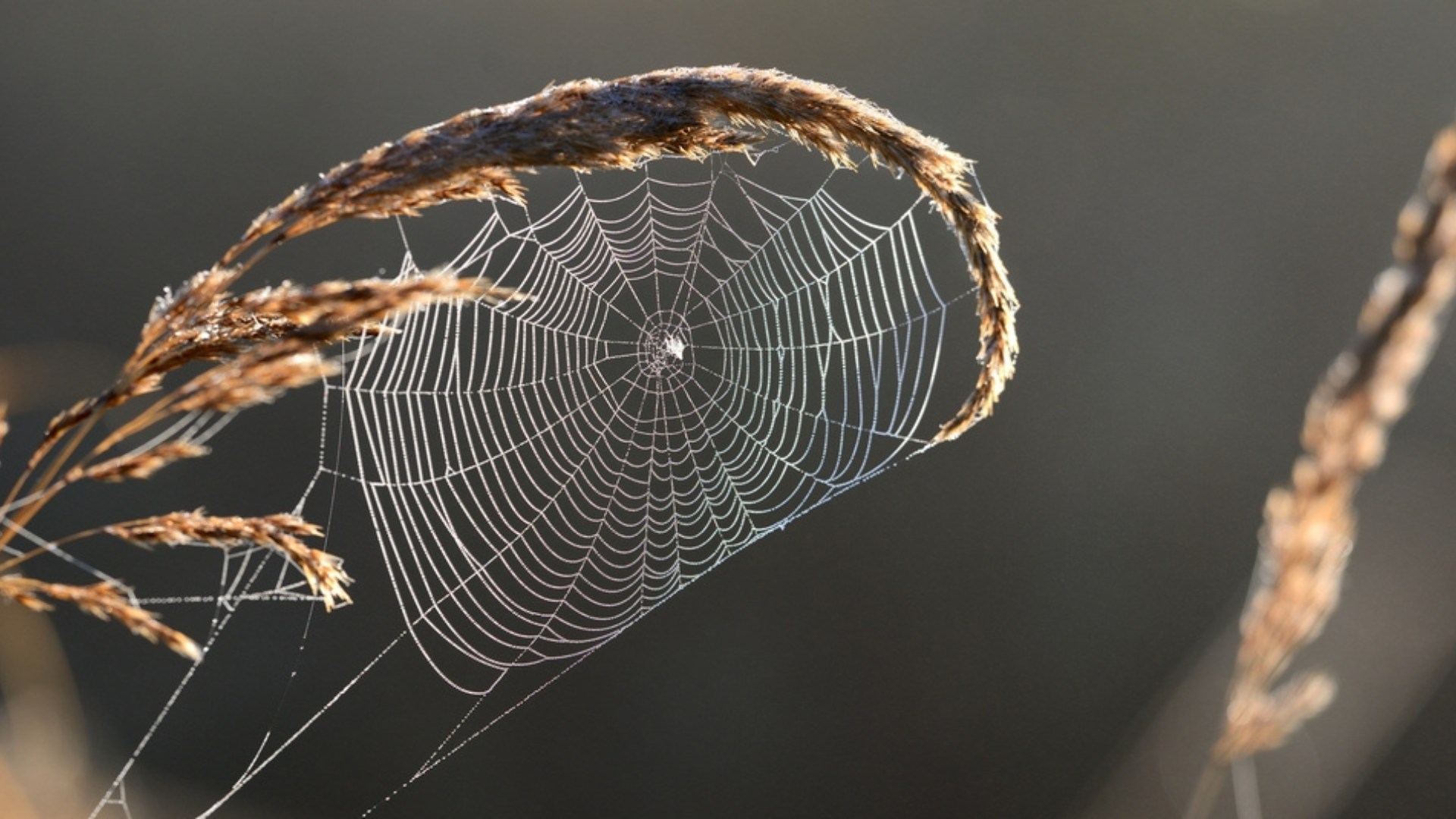
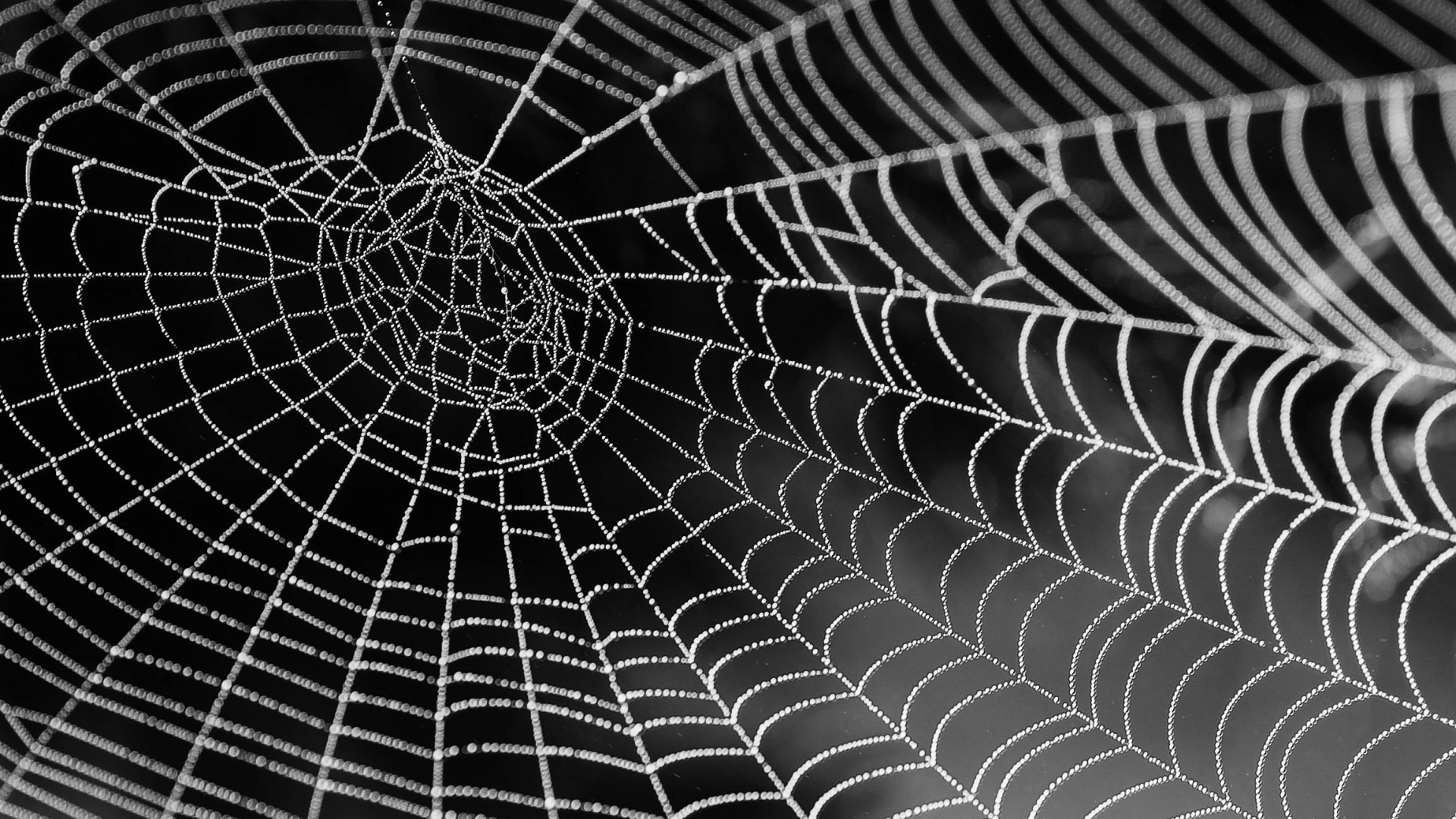
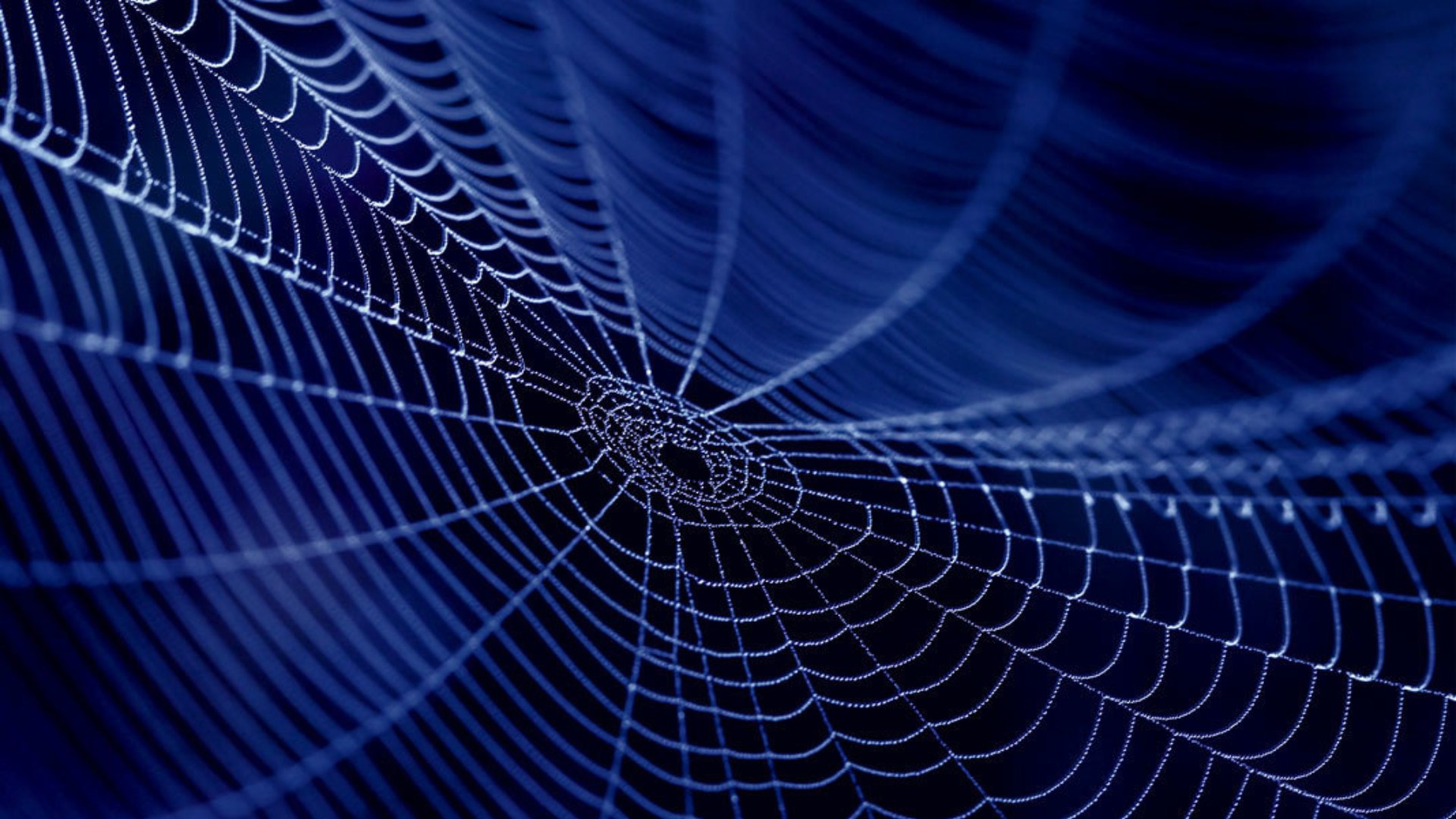
Spiders can produce different types of silk, each serving a unique purpose. They produce this silk through glands located in the lower part of their bodies, and it is typically made of proteins. Generally, these webs are both resilient and flexible. But why exactly do spiders use them?
1. Hunting:
Spider webs are the most common tool for catching prey. The webs contain sticky silk that ensures insects get trapped upon contact. In other words, the web is an incredibly effective trap that serves many purposes. Spiders sense the vibrations caused by prey getting caught and move in to finish the job.
2. Shelter and Protection:
Webs also serve as protection. They can use them as homes. For female spiders, the web isn’t just a shelter—it’s also a way to secure and protect their eggs.
3. Travel:
Some spiders use their silk to be carried by the wind. This behavior is called “ballooning.” Young spiders can use this method to disperse into new habitats. If you ask us, this is the most creative use of their silk. It would be very difficult for a spider to travel without a web; this allows them to cover ground rapidly.
4. Mating:
Finally, male spiders may offer silk-wrapped gifts to females during mating. Romantic, right?
Their other major weapon is venom, which they use for two purposes: attack and defense.
So, how do they produce and use this venom? Which species are venomous? Let’s take a look:
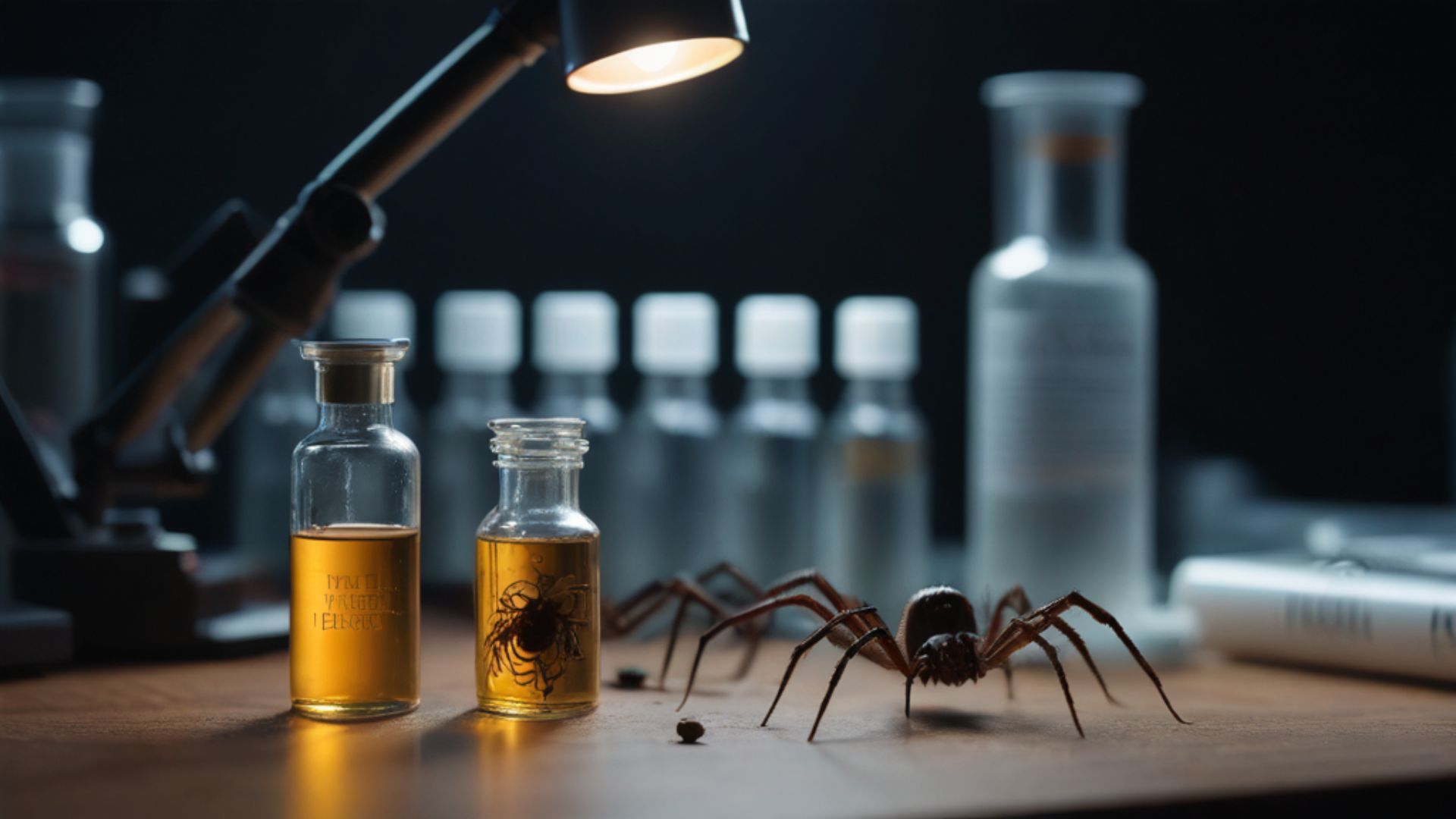
Spiders produce venom through specialized glands. These glands are usually located just behind the spider’s head, and the venom is injected through their fangs. The composition of spider venom is quite complex and varies by species. In general, it may contain:
- Neurotoxins: These affect the nervous system and disrupt the prey’s neural activity.
- Proteolytic enzymes: These break down the prey’s tissues to make digestion easier.
- Hemotoxins: These damage blood cells and blood vessels.
- Antimicrobial compounds: These kill microbes in the prey’s body, protecting the spider from infection.
The effects of spider venom depend on the species and the target. Generally, it may cause:
- Paralysis: Neurotoxins paralyze the prey’s muscles, rendering it unable to move.
- Digestion: Proteolytic enzymes liquefy the prey’s internal tissues, simplifying digestion for the spider.
- Pain and Inflammation: Bites from venomous spiders often cause pain and swelling in humans.
Of course, not every spider is venomous, and some have venom that causes nothing more than a mild itch or allergic reaction in humans. However, some species can be dangerous. Here are a few notable ones:
- Black Widow (Latrodectus):
- Female black widows contain potent neurotoxins.
- Their bites can cause severe muscle pain, cramps, and other symptoms.
- Their bites are rarely fatal but often require medical attention.
- Brown Recluse (Loxosceles):
- Their venom contains proteolytic enzymes and can cause tissue necrosis.
- Bites can lead to serious wounds and infections.
- Sydney Funnel-Web Spider (Atrax robustus):
- One of the most venomous spiders in the world.
- The venom acts rapidly on the nervous system and can be fatal.
- Death rates have dropped significantly thanks to the development of antivenom.
While this venom can be deadly, it can also serve medicinal purposes.
Medical and Scientific Use of Spider Venom
Spider venom is a subject of great interest in biomedical research. Some venoms are being studied as potential treatments in the following areas:
- Pain Management: The effects of neurotoxins on nerve cells are being explored for treating chronic pain.
- Neurological Research: Venoms can serve as tools to help us understand how nerve cells function.
- Antibiotic Development: The antimicrobial compounds in the venom could aid in the development of new antibiotics.
- Cancer Treatment: Certain components of the venom may have specific effects against cancer cells.
Overall, spiders provide a great service to science. Even if they don’t do it consciously, both their venom and their webs have been the subject of countless studies.
Before we wrap up, we’d like to ask you not to kill the little spiders wandering around your home. They have no intention of attacking you, and 99% of the species living in urban areas are non-venomous. Plus, they show their worth by cleaning up other unwanted creatures in your house for you.
References and Further Reading
Largest spider in the world. (2000, February 4). Guinness World Records. https://www.guinnessworldrecords.com/world-records/largest-spider
Levi, L. R., Levi, H. W., & Culin, J. (2024, September 16). Spider | Description, Behavior, Species, Classification, & Facts. Encyclopedia Britannica. https://www.britannica.com/animal/spider-arachnid
World’s largest spider. (n.d.). [Video]. Animals. https://www.nationalgeographic.com/animals/invertebrates/facts/spiders
Originally published in Turkish at Doğa Filozofu.