
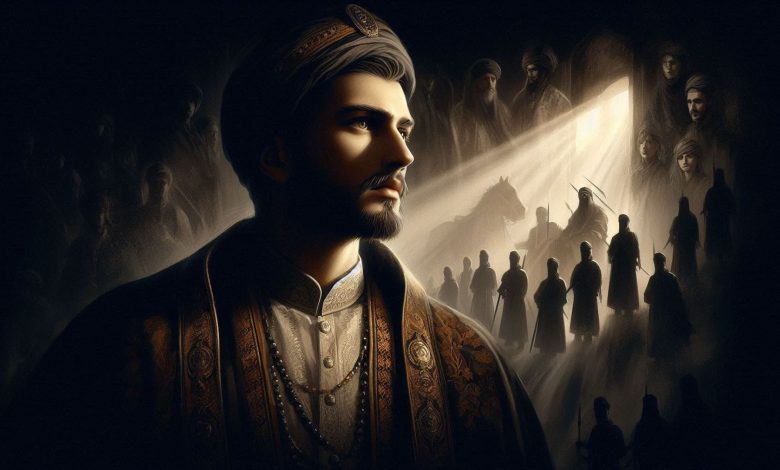
In our previous pieces, we explored the death of Prince Mehmed, the favored son of Suleiman the Magnificent, and tried to determine whether his passing was the result of a calculated conspiracy. In this article, we’re focusing on another of Suleiman’s sons—one whose death was, without a shadow of a doubt, a product of pure palace intrigue. Today, we’re diving into the execution of Prince Mustafa, a moment that remains one of the greatest “What if?” scenarios in Ottoman history, and looking at the shockwaves it sent through the empire.
The Janissaries’ Favorite and Hürrem’s Nemesis: Prince Mustafa
We know, we know—that’s a bit of a cheeky subheader. But hey, in a story this dramatic, we like to start with a little bit of levity. Unfortunately, we won’t be able to keep that energy up for the rest of the piece. As always, instead of jumping straight into the thick of it, let’s introduce our protagonist properly. Who was Mustafa?
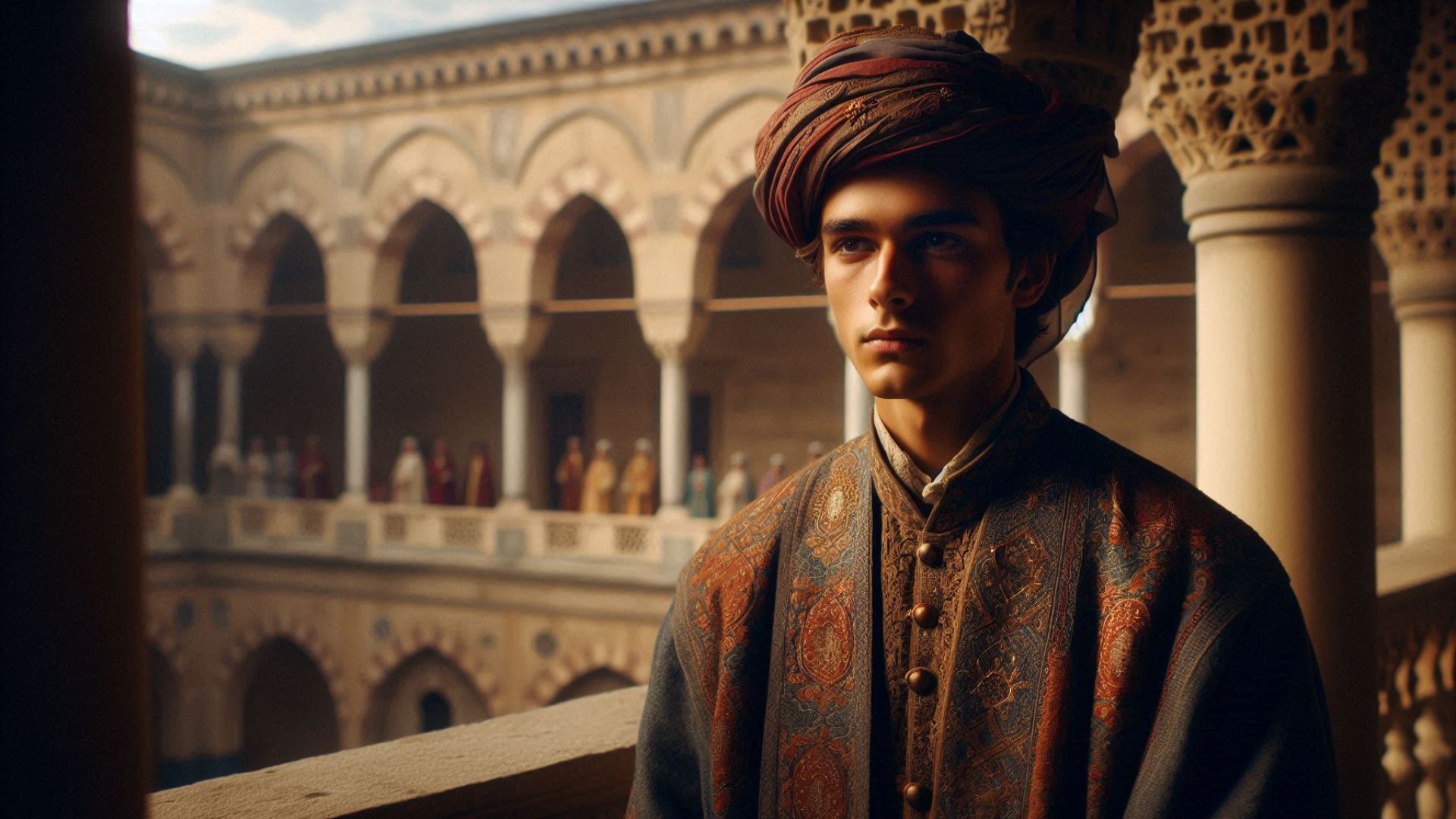
Born in 1515, Mustafa was the eldest surviving son of Suleiman the Magnificent and Mahidevran Hatun. From a young age, he was groomed for greatness, tutored by the finest minds of the era. His intellect, courage, and military prowess quickly earned him widespread respect. In 1534, he was appointed the governor of Manisa, later moving to Amasya. These assignments were clear indicators that he was a top-tier contender for the throne. It’s worth noting that the governorship of Manisa was the most prestigious post a prince could hold. After a period where he fell out of favor with his father, he was moved to Amasya, and his younger brother, Mehmed, took his place in Manisa. As we mentioned in our previous article, this set the stage for a potential sibling rivalry—but because Mehmed died so young, that conflict never truly materialized.
Returning to Mustafa: he was beloved not just in the palace, but especially within the ranks of the military. The Janissaries and the officer class saw him as the natural heir to Suleiman. The public, too, looked at him as their future Sultan. There was a widespread belief that he would grow into a powerful, charismatic, and just leader.
Naturally, this didn’t go unnoticed by someone: Hürrem Sultan.
The Road to the End
The biggest threat hanging over Prince Mustafa’s head was, without a doubt, Hürrem Sultan. As Suleiman’s favorite and his legal wife, she was determined to see one of her own sons ascend to the throne. This meant that Mustafa had to be sidelined. Many historians also believe that Hürrem held Mahidevran responsible for Mehmed’s death. Even if that weren’t the case, once Mehmed was gone, Mustafa became the undisputed heir-in-waiting. To secure her own children’s future, he had to go.
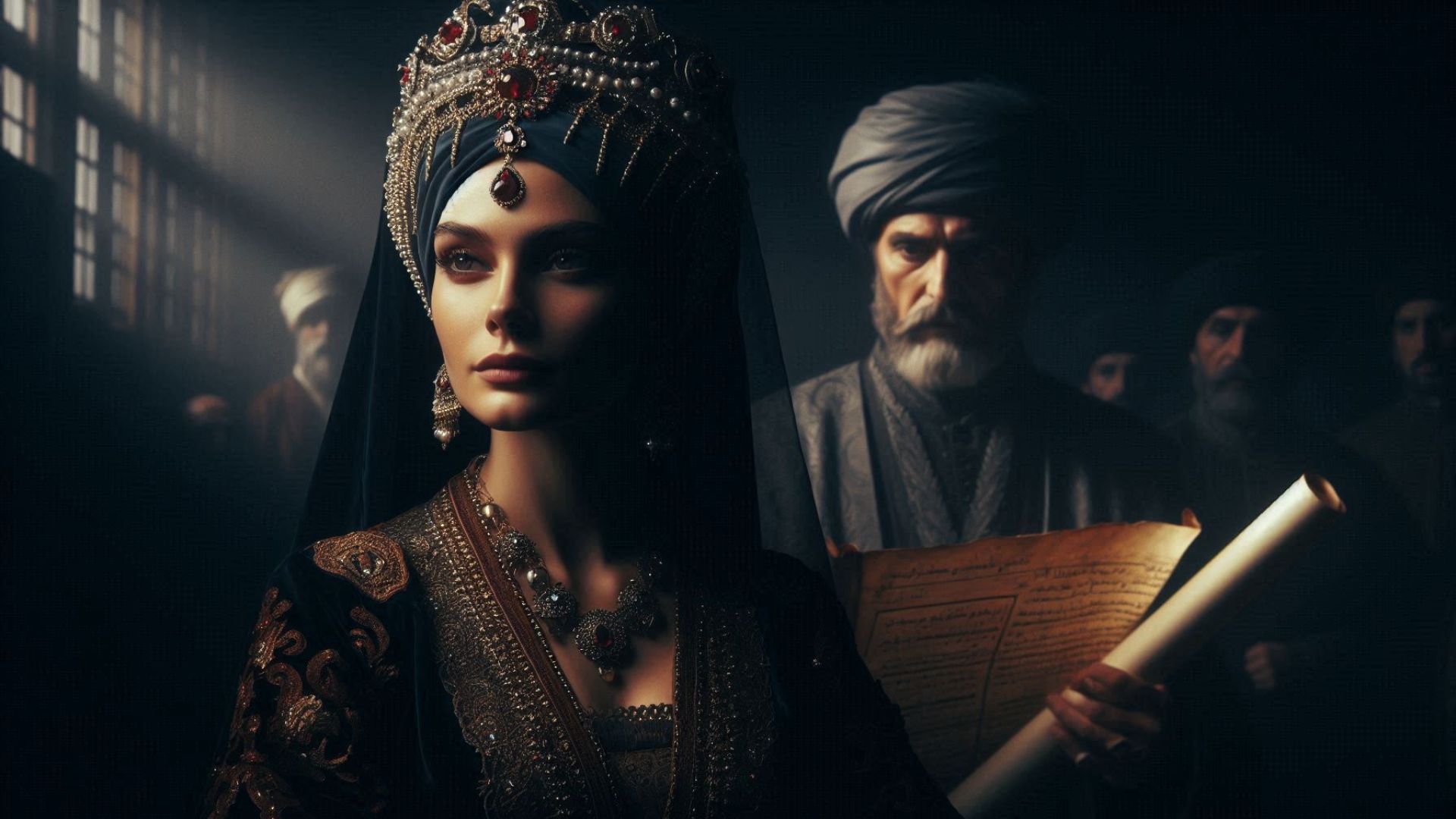
The architect of this plan was the Grand Vizier, Rüstem Pasha, who rose to power under Hürrem’s influence. Rüstem was not only Hürrem’s son-in-law but also a man of immense cunning and pragmatic ruthlessness. During his tenure, reports were fabricated against Mustafa, and a network of spies spread rumors that he was conspiring with Persia.
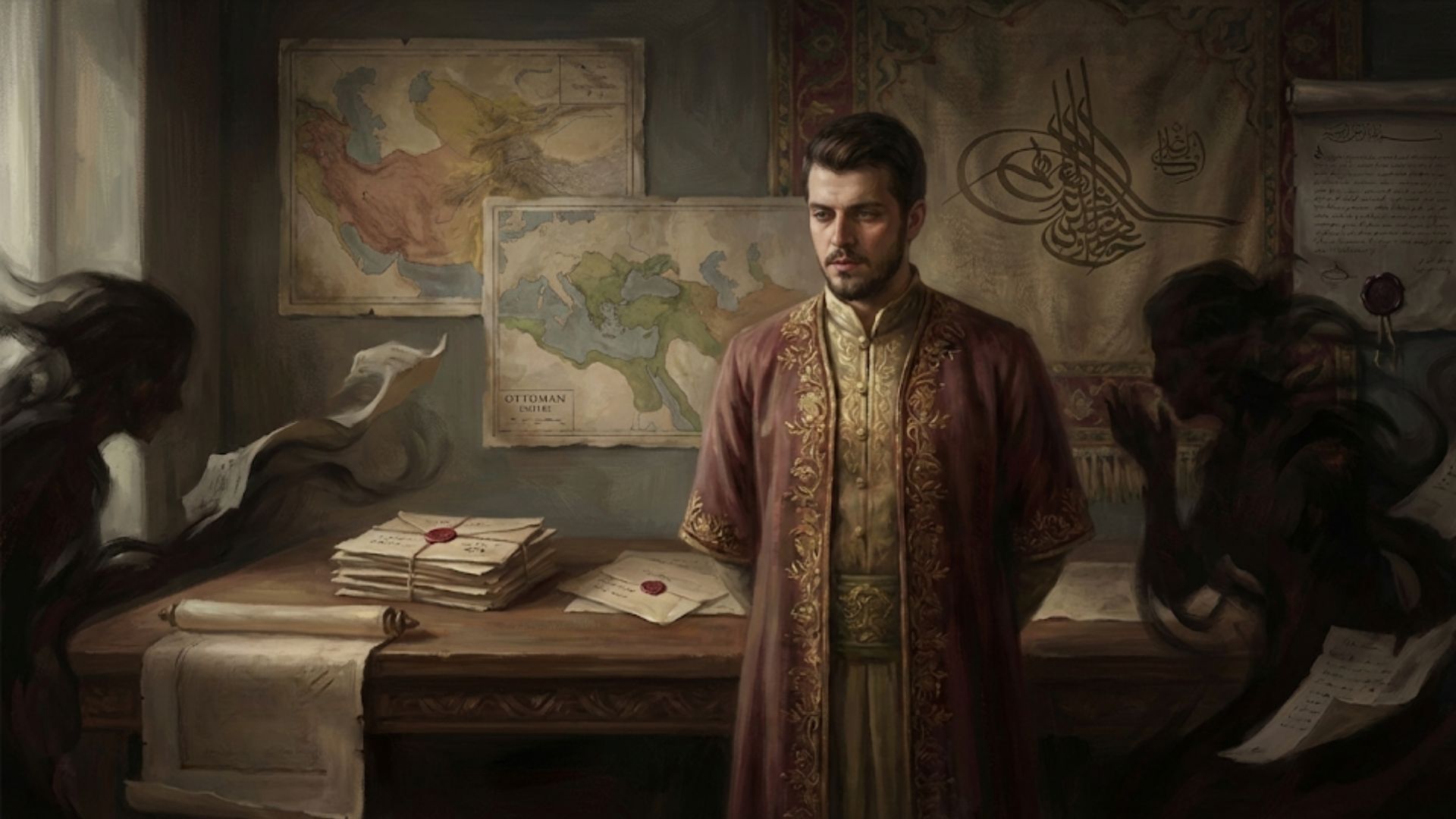
Documents suggesting that Mustafa was writing to the Persians, trying to seize the throne by force, and even plotting to depose his father were presented to Suleiman. Today, most historians agree these documents were almost certainly forgeries. Furthermore, via intermediaries, Mustafa was led to believe that his father wanted to see him ready to take the throne. As a result, Mustafa began growing a beard and had a royal kaftan prepared. In the Ottoman tradition, this was a clear signal of “I have my eyes on the throne,” as princes did not grow beards unless they were ruling. Seeing this, Suleiman was convinced that his son was indeed planning a betrayal.
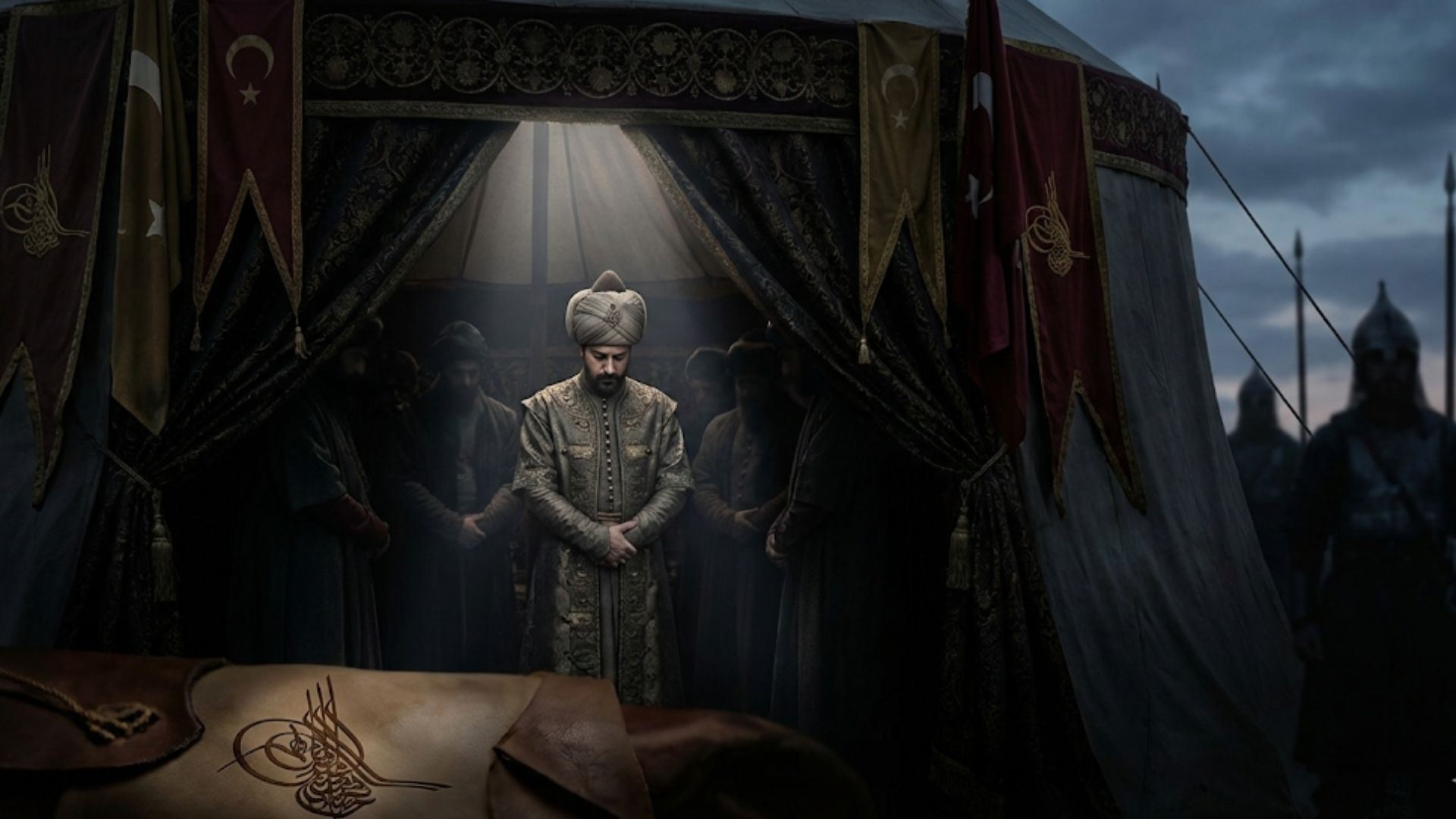
In 1553, the Ottoman army set out for the Nakhchivan Campaign. As Suleiman camped near Konya with his army, he summoned Prince Mustafa to his tent. This was the beginning of the end. By the time Mustafa stepped into the tent, his death warrant had already been signed.
Mustafa, so beloved by the Janissaries, was strangled by executioners who had been organized in advance by Grand Vizier Rüstem Pasha. It is said that he fought back and cried out, and that while the soldiers were horrified, no one dared to intervene to save him.
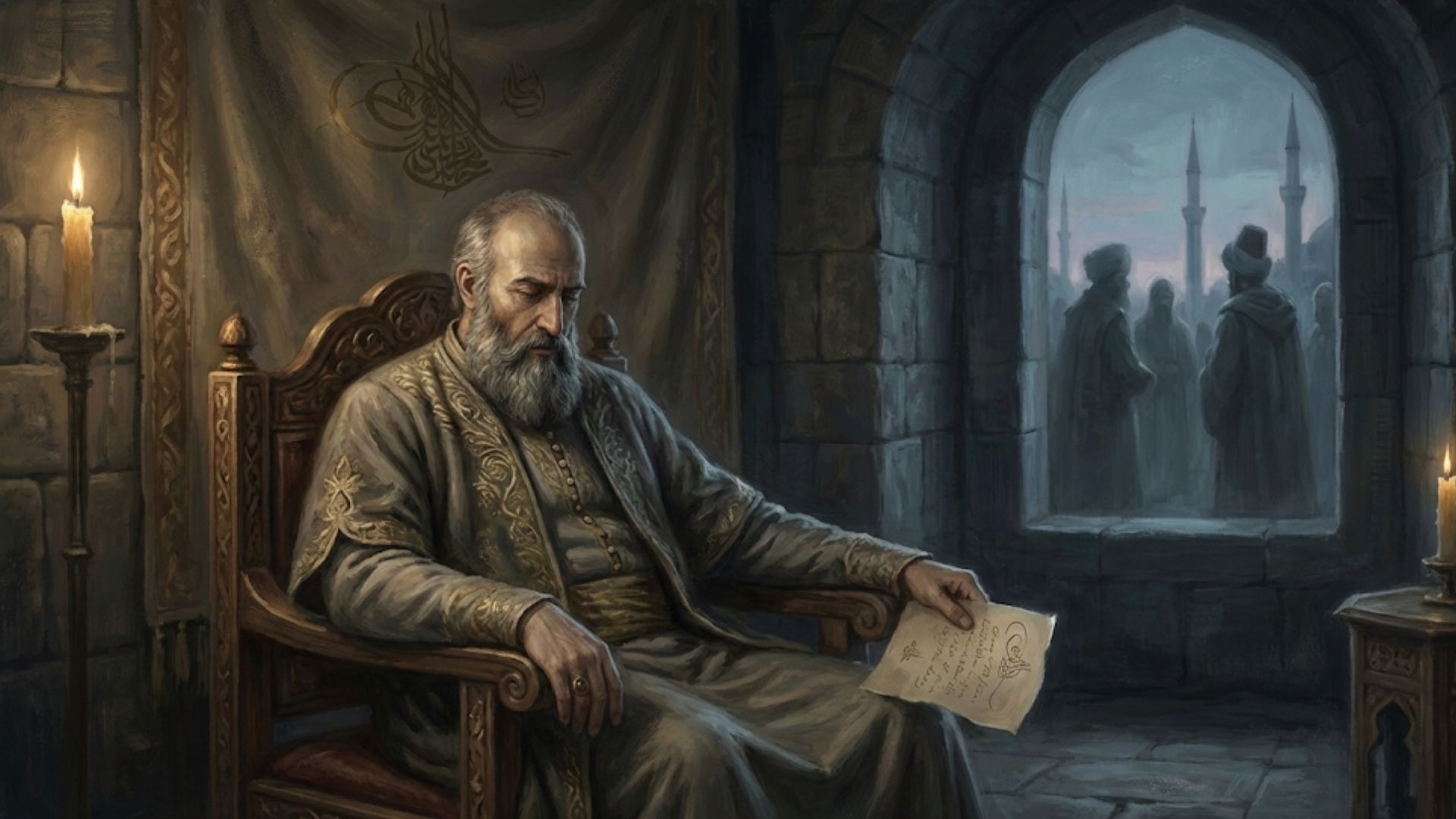
This execution left a deep, festering wound in Ottoman history. The fact that a ruler as great as Suleiman the Magnificent could order the death of his own son invited intense moral and political scrutiny, both then and for centuries to come. The execution sparked unrest among the public, the Janissaries, and even within the palace. To dampen the fallout, Suleiman was forced to dismiss Rüstem Pasha, replacing him with Kara Ahmed Pasha. Of course, this was only a temporary move; Rüstem eventually returned to power. The entire affair laid bare just how toxic and powerful the court intrigues had become. Later, it seems Suleiman was haunted by his decision, as evidenced by these lines he reportedly penned:
“Bîgânelere bakma cümle işin iç yüzün bilmezler
Bir özge derde müptelâyım ben, neyleyim el bilmez.”
Which translates to:
“Pay no mind to what the outsiders say, for none of them know the truth of the matter.
I am afflicted by a sorrow all my own; what can I do, others cannot understand.”
Whether these lines were written for Mustafa remains a matter of debate, but that is the common interpretation. In any case, it is widely said that after Mustafa’s death, Suleiman himself changed, weighed down by a newfound, heavy melancholy.
So, Was Mustafa Really Plotting to Take the Throne?
Whether Prince Mustafa was actually planning a coup is still a subject of intense debate among historians. In the context of the Safavid-Ottoman tensions of the time, the claims that Mustafa was in secret communication with the Shah of Iran could have been viewed as “treason” by the Ottoman state. However, there is a strong academic consensus today that most of these documents were fabricated—part of a conspiracy orchestrated by Rüstem Pasha himself.
On the other hand, some historians argue that Mustafa’s hold over the army may have genuinely frightened his father, making him a “potential threat” even if he never intended to act on it. But what is certain is that Suleiman signed the death warrant himself. Whether he was deceived or not, the decision was his.
What is indisputable is that Mustafa’s death was the indirect catalyst for several major turning points. If you’re wondering what those might be, consider the following:
- The trust of the Janissaries and the provincial bureaucracy in the palace was shattered.
- The balance of power within the palace shifted entirely in favor of Hürrem Sultan and her son, Selim.
- The struggle between Bayezid and Selim became inevitable.
- The post-Suleiman era began with a much weaker ruler, Selim II.
Regardless of the circumstances, the death of Mustafa diminished the caliber of the leadership that followed Suleiman, causing long-term damage to the Ottoman Empire.
Bibliography and Further Reading
Atçıl, Z. (2016). Why did Süleyman the Magnificent execute his son Prince Mustafa in 1553? Osmanlı Araştırmaları / The Journal of Ottoman Studies, 48, 67–103. https://dergipark.org.tr/en/download/article-file/752469
Parry, V. J. (1998b, July 20). Suleyman the Magnificent. Encyclopedia Britannica. https://www.britannica.com/biography/Suleyman-the-Magnificent
Originally published in Turkish at Doğa Filozofu.