


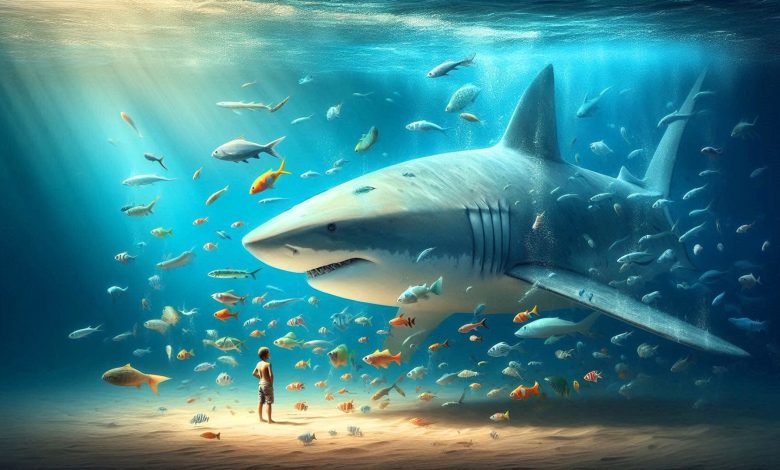
If we asked you to think of something scary regarding the ocean, what’s the first thing that comes to mind? Long before you think of tsunamis, dolphins, whales, or rip currents, sharks are likely to top the list. After all, films like Jaws have spent decades painting them as hyper-aggressive, dangerous monsters. While there’s a grain of truth in that, today we’re going to dig deeper and get to know these fascinating creatures a bit better.
The Origins and Evolution of Sharks
As always, let’s start at the very beginning. Sharks first appeared roughly 450 million years ago, during the Ordovician period—long before the dinosaurs ever walked the earth. These early sharks were quite primitive and didn’t look much like the sleek predators we see today. It wasn’t until the Devonian period that they truly diversified, laying the groundwork for their modern forms. They continued to evolve through the Carboniferous and Permian periods, eventually reaching the incredible variety we see today.
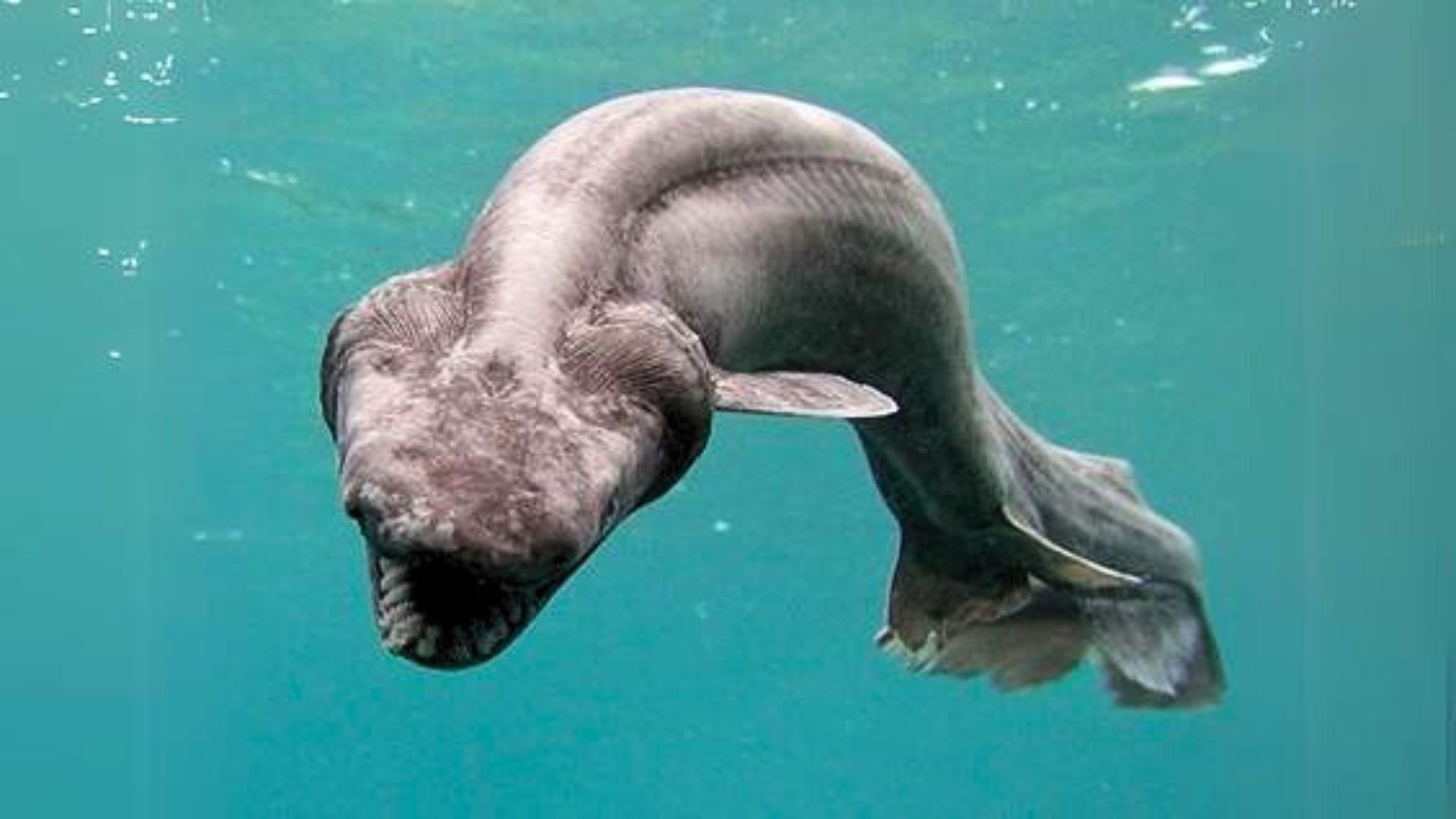
This is how researchers believe those early ancestors looked. Naturally, as the world shifted through various eras, sharks were forced to adapt and change shape to survive. While the Great White is the poster child for the species, there are countless other types out there. Let’s take a closer look at some of the most notable members of the family.
Shark Species and Their Habitats
We couldn’t possibly cover every single shark species here, but we’d love to introduce you to the headliners.
Great White Shark (Carcharodon carcharias)
- Traits: A powerful, heavy-duty predator. They typically reach about 4.5 meters in length, though some individuals have been known to exceed 6 meters.
- Habitat: Great Whites prefer cool to temperate waters. They are frequently spotted off the coasts of the U.S., South Africa, Japan, and Australia. You can breathe a sigh of relief, though: they aren’t native to seas like the Mediterranean.
- Diet: These apex hunters feast on seals, sea lions, large fish, and sometimes even other sharks.

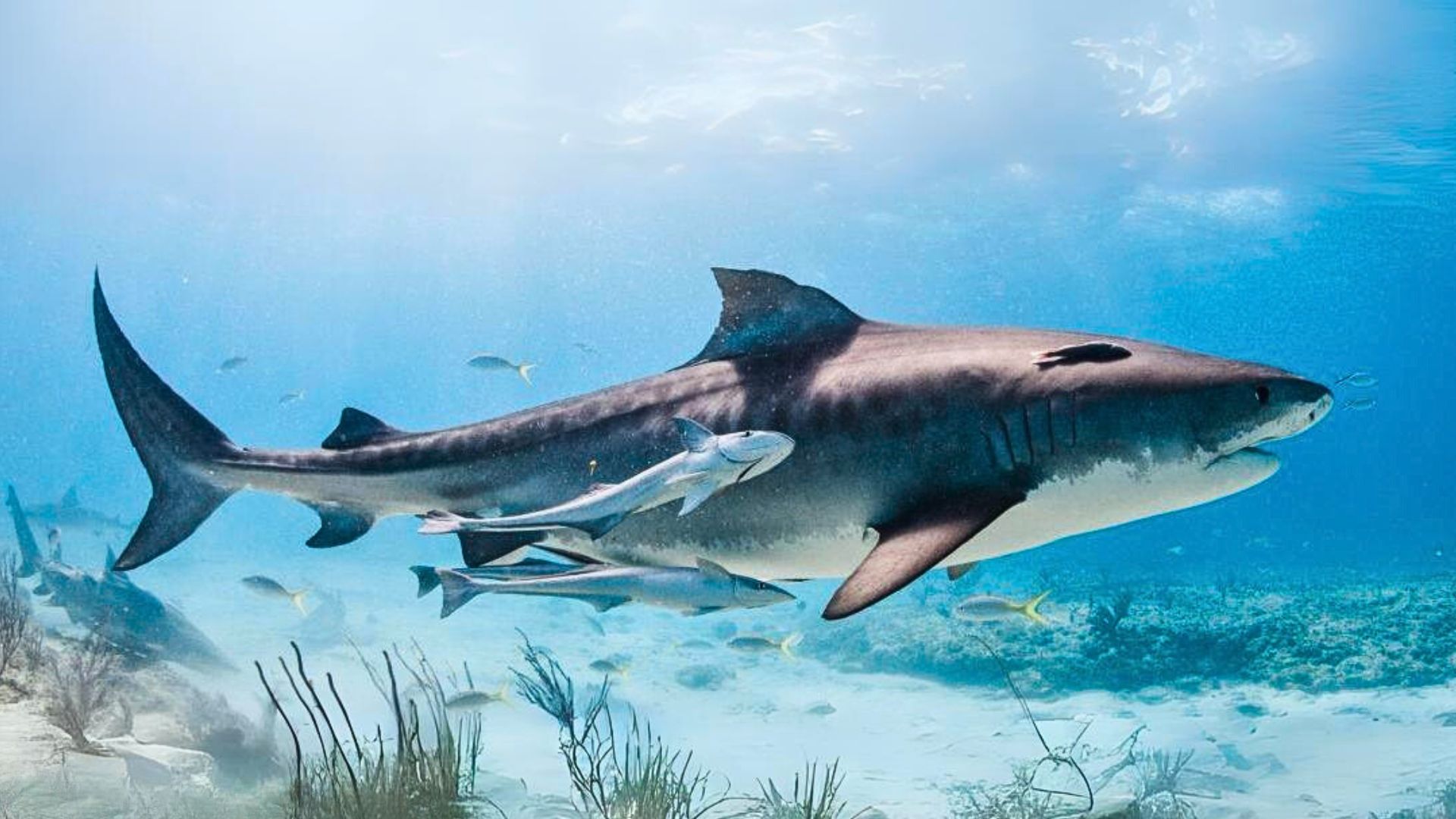
Tiger Shark (Galeocerdo cuvier)
- Traits: Usually 3 to 4 meters long, though some reach over 5 meters. They get their name from the dark, vertical stripes that run down their bodies.
- Habitat: They thrive in tropical and subtropical waters, typically hanging out in coastal regions.
- Diet: They have an incredibly broad palate. They’ll eat fish, seabirds, sea turtles, and—true to their reputation as the “garbage cans of the sea”—even random debris.
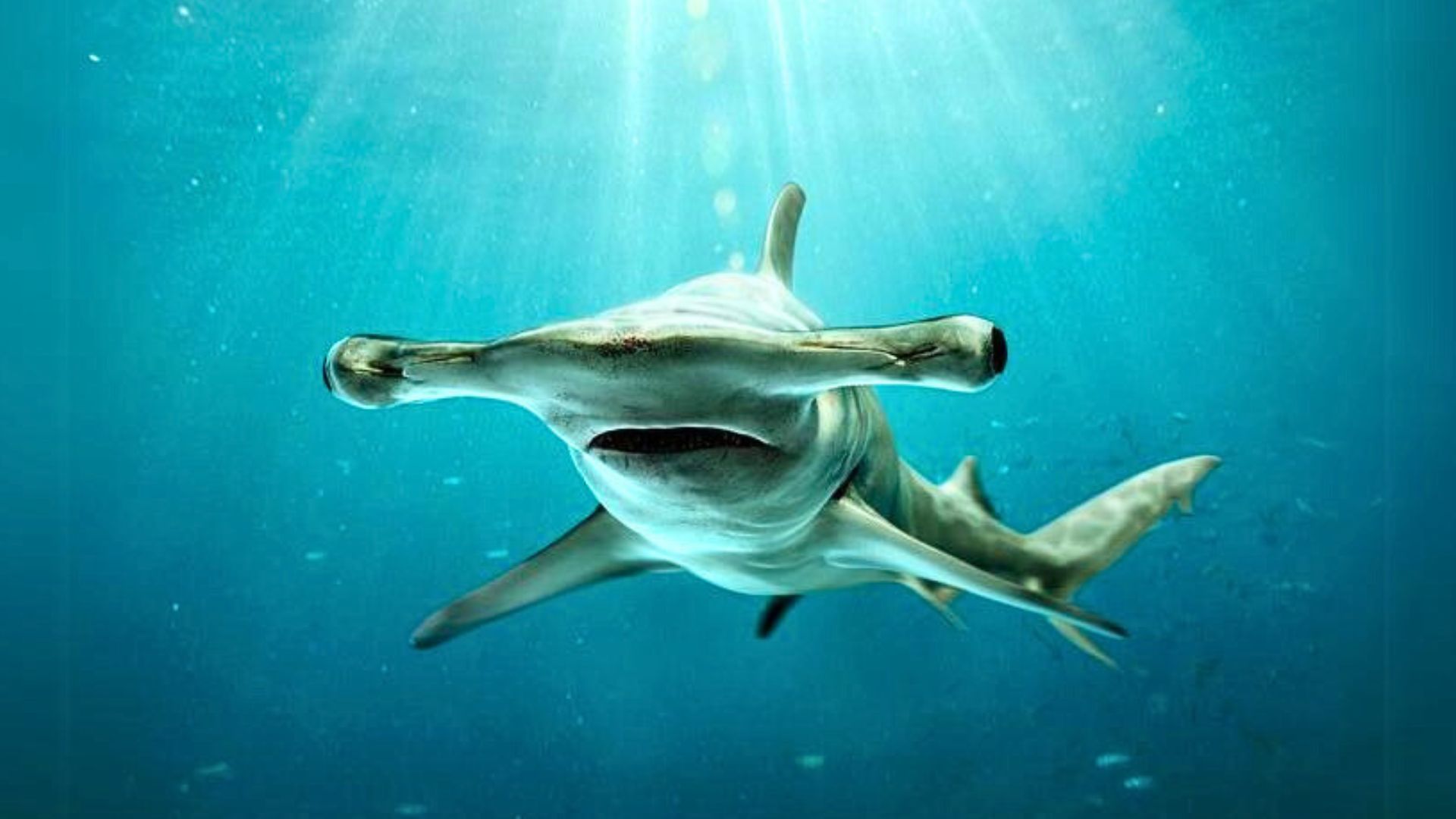
Hammerhead Shark (Family Sphyrnidae)
- Traits: Instantly recognizable by their unique, hammer-shaped heads (called a “cephalofoil”). This structure actually enhances their vision and hunting precision.
- Habitat: They live in tropical and temperate waters, often found near reefs and coastlines.
- Diet: They feed on fish, cephalopods (like octopuses and squid), and crustaceans.
Basking Shark (Cetorhinus maximus)
- Traits: The second-largest fish on the planet, reaching up to 12 meters. They swim with their massive mouths wide open to filter-feed on plankton. They don’t look like your typical “scary” shark.
- Habitat: Found in cool and temperate waters, usually near the surface.
- Diet: Strictly plankton. They cruise along, filtering water through their gills to catch tiny organisms.
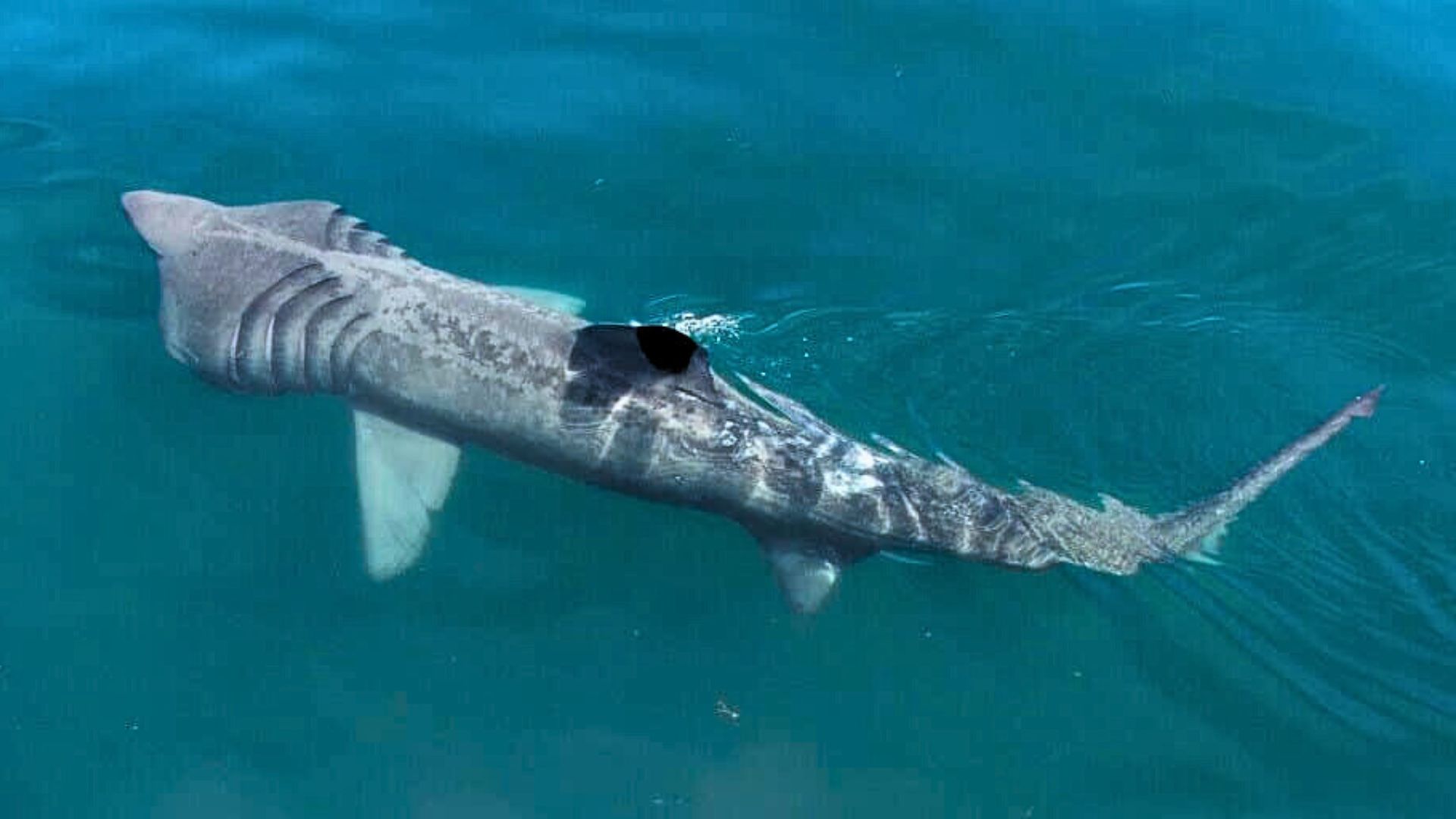
Megalodon (Carcharocles megalodon)
- Traits: The stuff of nightmares, though thankfully extinct. This was the largest carnivorous fish in history, estimated to reach lengths of up to 18 meters.
- Habitat: They likely roamed oceans worldwide; their fossils have been found across a vast geographical range.
- Diet: Large marine mammals, whales, and other big fish.
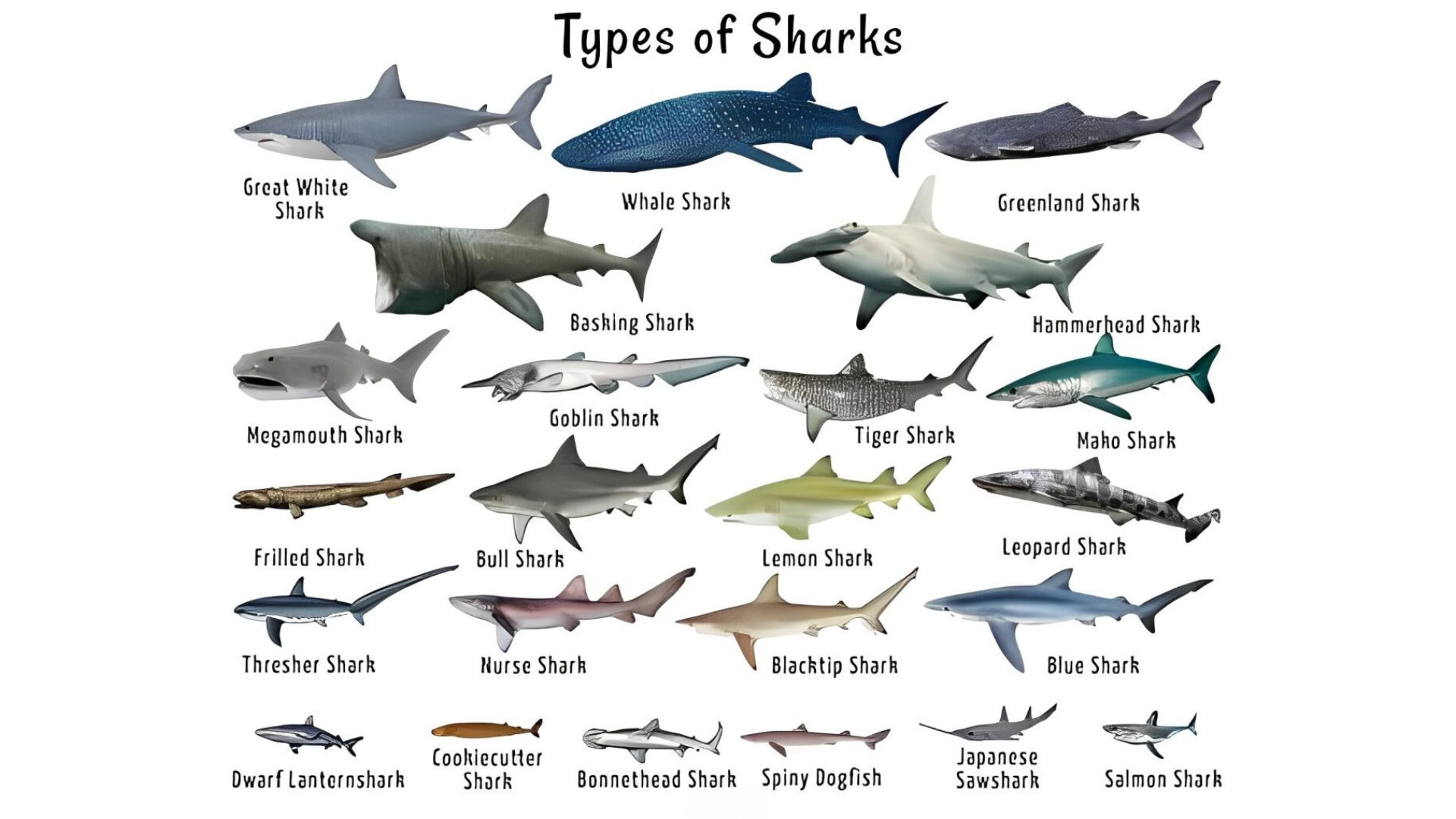
As you can see, the shark family is incredibly diverse—there are even herbivorous species out there! Their social structures vary just as much as their hunting styles. Some species are social and live in groups, while others are solitary loners. Even the Great White, often portrayed as a lone hunter, is rarely truly alone; smaller fish often trail them, cleaning their teeth and scavenging scraps. This is a classic example of mutualism—a win-win for everyone involved. So, in a way, they’re never really solitary.
There are so many misconceptions about Great Whites. Let’s set the record straight.
Myths About Great White Sharks
As you can see, there is a huge variety in the shark world, including different social behaviors and diets. While some prefer to hunt solo, others aren’t as lonely as you’d think. Take the Great White: they are often accompanied by smaller “cleaner” fish that feed on bits of food and keep their teeth clean. It’s a perfect example of biological mutualism.
There are so many myths surrounding these apex predators. Let’s break them down.
- They hunt humans: This is the biggest myth of all. Great White encounters with humans are extremely rare, and when they do happen, they are almost always cases of mistaken identity. The primary reason is that from below, a human on a surfboard looks strikingly like a seal or sea lion. Once the shark realizes the mistake, it usually loses interest and swims away. To put it in perspective: you are statistically much more likely to be killed by a cow than by a shark. The second reason is territoriality. If we drift into their space, they might give a warning nudge or a “test bite” to tell us to back off—a language we don’t speak and often don’t even see coming. Attacks aren’t about malice; they’re about defense.
- The scent of blood drives them into a frenzy: The idea that a single drop of blood turns sharks into mindless, bloodthirsty machines is pure fiction. Yes, sharks have an incredible sense of smell and can detect blood, but they aren’t “triggered” by it from miles away. If a shark smells blood, it uses that information to locate a potential meal—it doesn’t mean they go into a blind rage.
- Great Whites are always aggressive: Actually, it’s quite the opposite. They are generally calm and often highly curious, approaching new objects or creatures cautiously to investigate. Aggression is almost exclusively reserved for hunting or self-defense.
- Great Whites need to eat constantly: Not at all. After a large meal, like a seal or a whale carcass, a Great White can go weeks without needing to feed again. Despite their portrayal as movie villains, they are actually quite composed. They are powerful, yes, but they aren’t inherently more aggressive than a lion. In fact, they are often incredibly patient. It’s also worth noting that sharks are sometimes hunted by orcas—which really makes you wonder who the “dangerous” ones are.
The Present Day
Today, sharks are facing a crisis. Overfishing, habitat loss, ocean pollution, and climate change are all putting immense pressure on their populations. The demand for shark fins, in particular, has driven some species to the brink of extinction. On the bright side, global conservation efforts and awareness campaigns are finally gaining traction. Many countries have implemented strict protections and bans on shark fishing to give these ancient survivors a chance to recover.

See the irony? While some still view them as horror-movie monsters, others are fighting tooth and nail to save them. These creatures—so often labeled as “aggressive”—are actually the ones that need our protection. By all means, stay alert and respect the ocean, but let’s stop turning these beautiful, essential animals into the stuff of nightmares.
References and Further Reading
Carrier, J. (2024, September 30). Shark | Attacks, Types, & Facts. Encyclopedia Britannica. https://www.britannica.com/animal/shark
Facts. (n.d.). World Wild Life. https://www.worldwildlife.org/species/shark
Shark Species — Shark Research Institute. (n.d.). Shark Research Institute. https://www.sharks.org/species
Originally published in Turkish at Doğa Filozofu.