

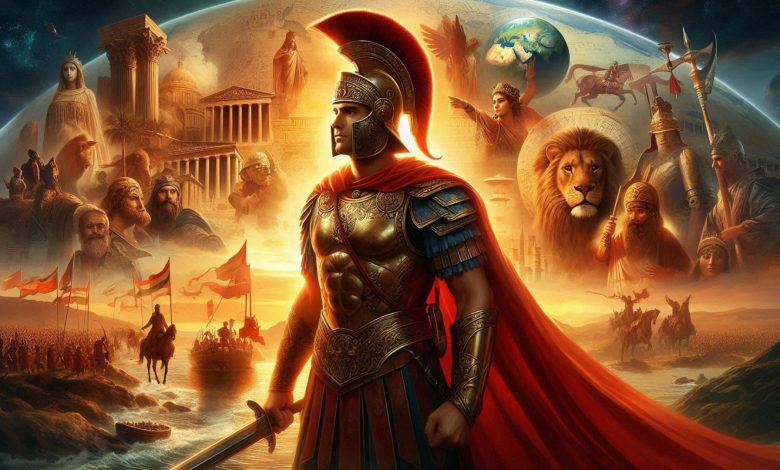
Throughout history, many conquerors have come and gone, but few left a legacy as profound as Alexander the Great. When he ascended the throne at 20, no one predicted he would reshape the world. Yet, by leveraging the powerful Macedonian army his father, Philip II, had built, he dismantled the Persian Empire in just a decade. He carved out a massive empire stretching from Egypt to India and immortalized his name forever. He was more than a warrior; he was a cultural bridge, spreading Greek influence across his conquests and ushering in the Hellenistic age. So, what made him so extraordinary? Why is he still remembered as one of history’s greatest leaders? In this piece, we’ll dive into Alexander’s rise, his relentless conquests, and the immense legacy he left behind.
The Unification of Macedonia
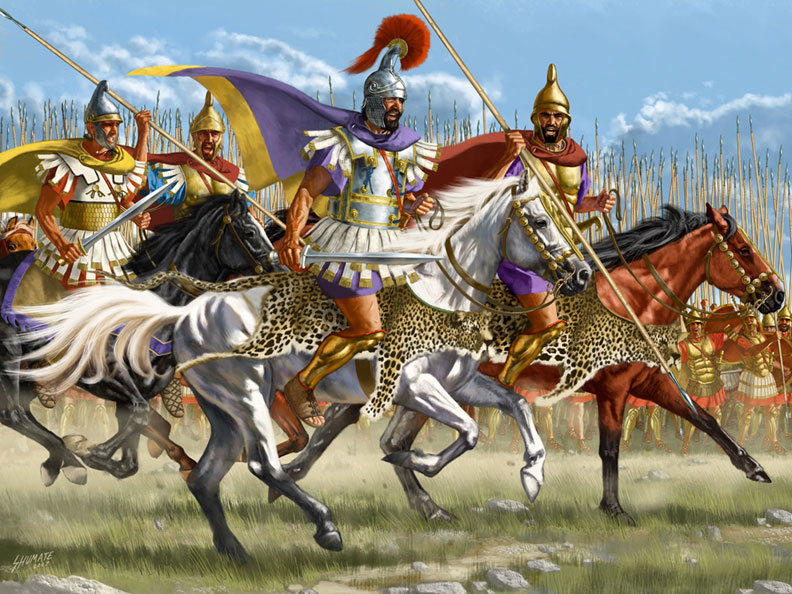
As readers of our article on Ancient Greek history will recall, the Greek landscape was defined by independent city-states long before Philip II. Macedonia was one of these, but for a long time, it was largely overlooked by the rest of the Greek world. Unlike the democratic city-states, it was governed by a monarchy and viewed as a somewhat backwater region. That changed when Philip II stepped onto the stage, transforming Macedonia into a formidable military and political powerhouse.
Philip was a master of political marriage. He wed at least seven different women to secure Macedonia’s internal stability and forge external alliances. One of these wives was Olympias, the mother of Alexander the Great.
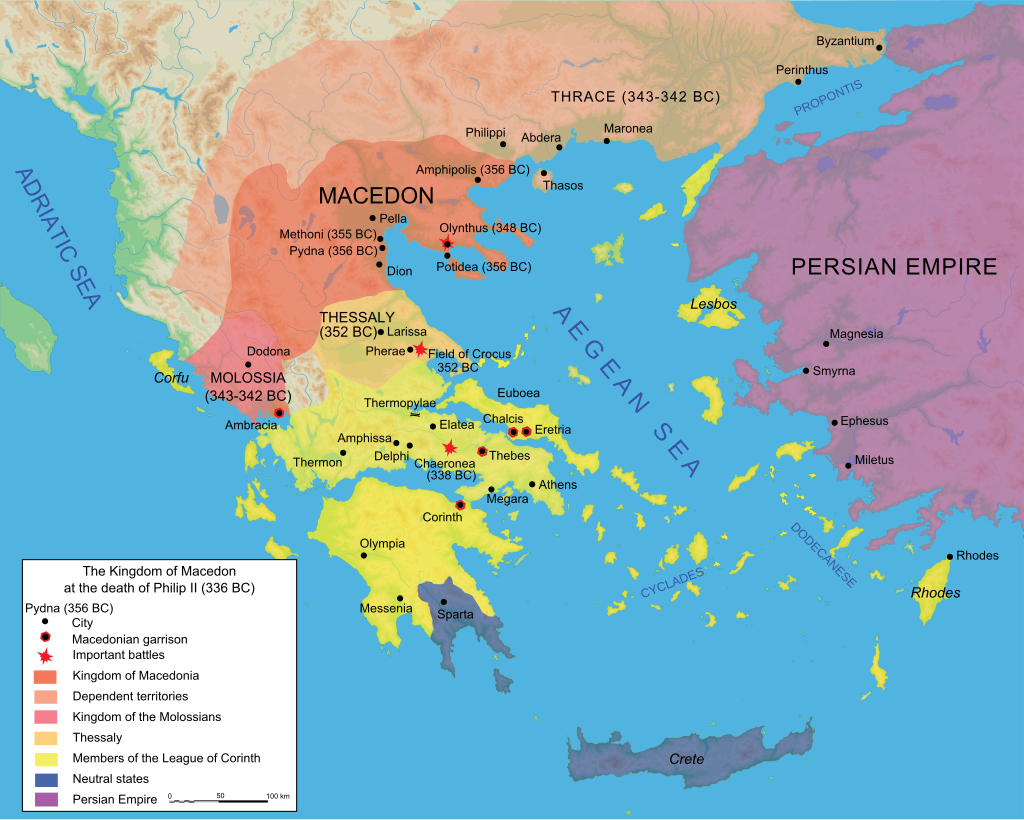
He first built a rock-solid army centered on the Macedonian phalanx. Under Philip’s leadership, this force became disciplined, potent, and highly effective. Philip had essentially created a war machine, though it wouldn’t reach its full potential until Alexander took the reins. Even so, Philip worked wonders with it, defeating Athens and Thebes at the Battle of Chaeronea in 338 BC and bringing Greece under Macedonian hegemony.
During a battle, Philip was struck in the eye by an arrow and lost his sight in that eye. It didn’t stop him, though; he kept leading his troops into combat. This is why he is almost always depicted with one eye in his statues.
While Philip was busy consolidating the Greek world, the baby who would eventually carry the “Great” title was born in 356 BC. Alexander was tutored by Aristotle as a youth, developing a sharp mind for philosophy, science, and politics. He was also obsessed with Homer’s Iliad, identifying deeply with Achilles. Even as a young man, he stood out for his courage and tactical brilliance, proving his leadership during his father’s campaigns. By the time he was 20, he was already considered a natural leader. When his father was assassinated in 336 BC, Alexander found himself on the throne. Some city-states saw the king’s death as their chance to revolt, but Alexander passed his first test with flying colors, crushing the rebellions immediately.
The Age of Alexander Begins
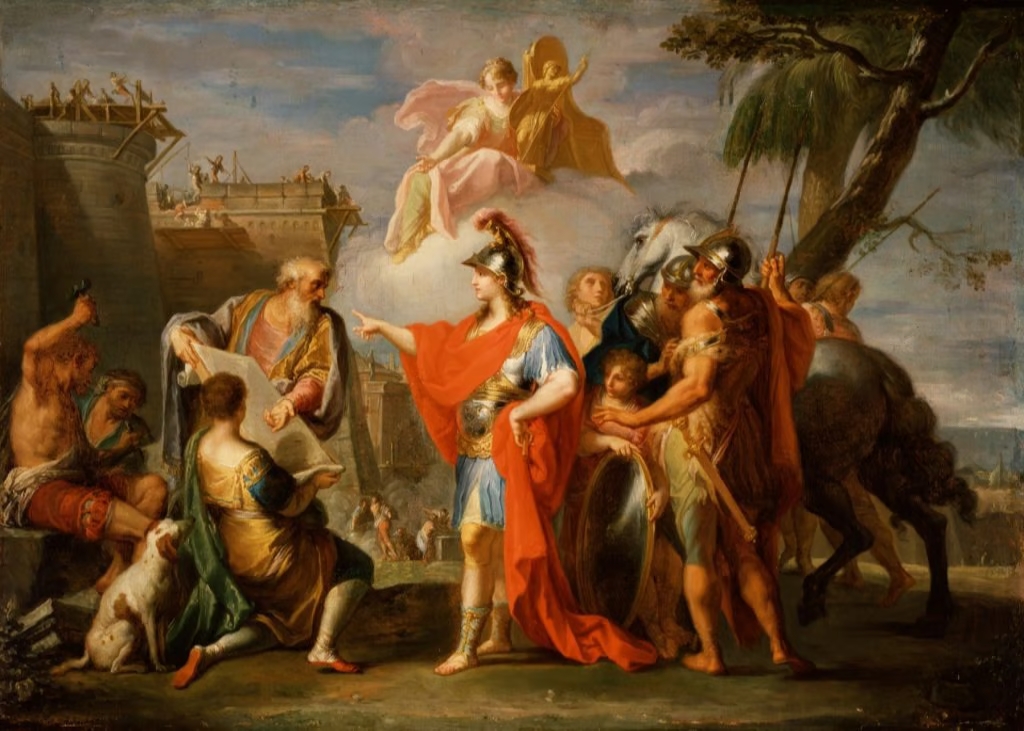
Alexander didn’t just stop at putting down revolts. Only two years into his reign, he set his sights on Anatolia. He took on the Persians—who controlled the region at the time—at the Battle of the Granicus in 334 BC, kicking down the doors to Anatolia and pushing forward with lightning speed. After that victory, he went on to crush King Darius III at the Battle of Issus in 333 BC. Darius fled the battlefield, leaving his family behind as prisoners of Alexander. The Persian Empire didn’t collapse overnight, but the writing was on the wall. Alexander was determined to finish them off. In 331 BC, he took on a monumental challenge. The Persian army vastly outnumbered his own, yet through superior tactics, Alexander dealt them a crushing defeat. With that victory, the Persian Empire was effectively done for. This was the feat that truly made him “Alexander the Great,” but he was far from finished.
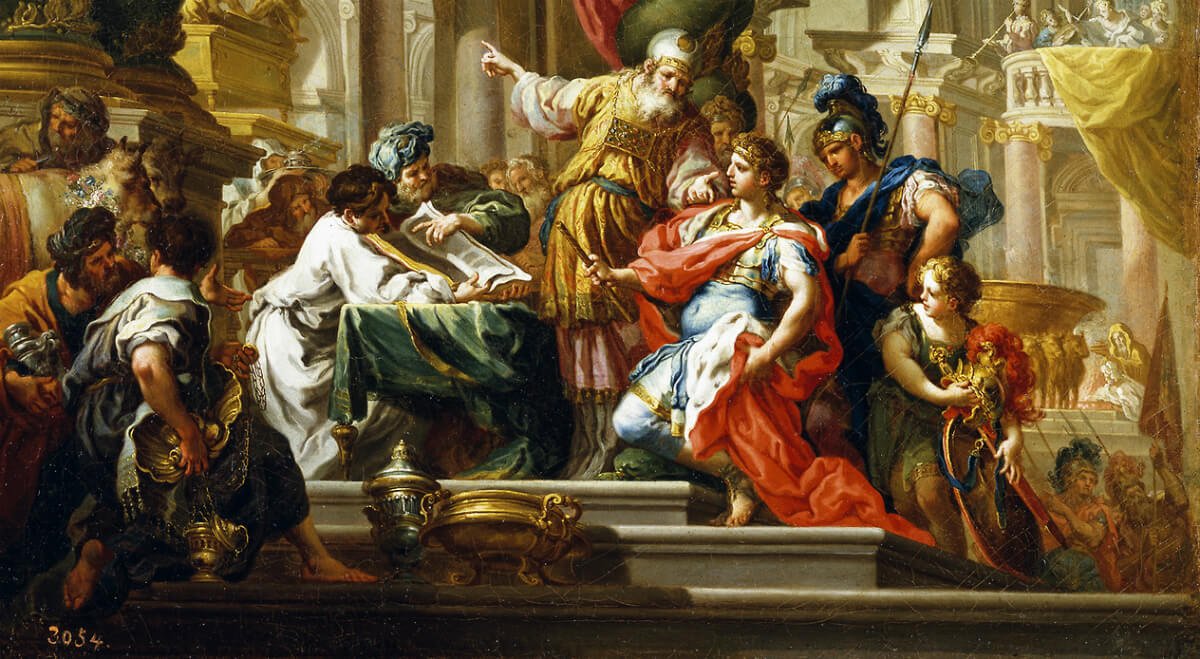
In 332 BC, Alexander marched into Egypt, which had been under Persian rule, and was welcomed by the locals as a liberator. He visited the Temple of Amun-Ra, where the priests declared him the son of a god. This move brilliantly solidified his authority over both the Greek and Egyptian populations.
He founded Alexandria in 331 BC, a city that would become a beacon of science and culture for centuries to come. As you can see, Alexander wasn’t one to sit still. He had more to do. He set his sights on India, thousands of miles away, and marched his army there in 327 BC. He fought and defeated the Indian prince Porus, but was so impressed by Porus’s bravery that he allowed him to keep his kingdom. Alexander may have been undefeated, but the push into India was grueling for his men. They were exhausted and had no desire to push further. In 326 BC, bowing to the wishes of his army, Alexander turned back.
Throughout his entire reign, Alexander the Great focused on conquests and campaigns, and he remained undefeated in every battle he fought.
Alexander’s Fall and the Empire’s Collapse
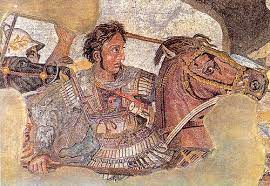
Not long after returning to Babylon, Alexander died suddenly in 323 BC at the age of 32. Even today, the cause of his death remains a mystery. Most historians point to a few likely culprits:
- A disease like malaria or typhoid
- Poisoning
- Excessive drinking and sheer exhaustion
While the cause is debated, the impact of his death is not. His massive empire fractured almost immediately. Civil wars broke out among his generals, and the empire split into several major kingdoms:
- Ptolemy: Took Egypt (The Ptolemaic Dynasty).
- Seleucus: Took Mesopotamia and Persian lands (The Seleucid Empire).
- Antigonus: Controlled Anatolia, Macedonia, and Greece.
These kingdoms wouldn’t last long, either. Within just 250 years, all three would be absorbed by the rising power of Rome.
Alexander the Great may have left this world at a young age, but his name and legacy are still very much alive. His story isn’t just about conquest; it’s about the collision of cultures, and about how far raw ambition and courage can carry a human being. He was a king, but also a legend; a conqueror, but also a visionary. Perhaps his greatest achievement wasn’t the territory he held, but the fact that he left behind a legacy that permanently altered the course of human history.
References and Further Reading
Baines, R, J., Dorman, F, P., Samuel, Edouard, A., Bowman, K, A., Wente, & F, E. (2025, July 13). Ancient Egypt | History, Government, Culture, Map, Gods, Religion, rulers, Art, writing, & Facts. Encyclopedia Britannica. https://www.britannica.com/place/ancient-Egypt/Macedonian-and-Ptolemaic-Egypt-332-30-bce
Homepage. (2025, July 15). Hearst Networks EMEA. https://www.history.com/articles/alexander-the-great
Hornblower, & Simon. (2025, July 11). Ancient Greek civilization | History, Map, Culture, Politics, Religion, Achievements, & Facts. Encyclopedia Britannica. https://www.britannica.com/place/ancient-Greece/Alexander-in-Egypt
Hughes, T. (n.d.). How Alexander the Great became Pharaoh of Egypt. History Hit. https://www.historyhit.com/how-alexander-the-great-became-pharaoh-of-egypt/
Walbank, & W, F. (2025, June 19). Alexander the Great | Empire, Death, Map, & Facts. Encyclopedia Britannica. https://www.britannica.com/biography/Alexander-the-Great
Originally published in Turkish at Doğa Filozofu.