

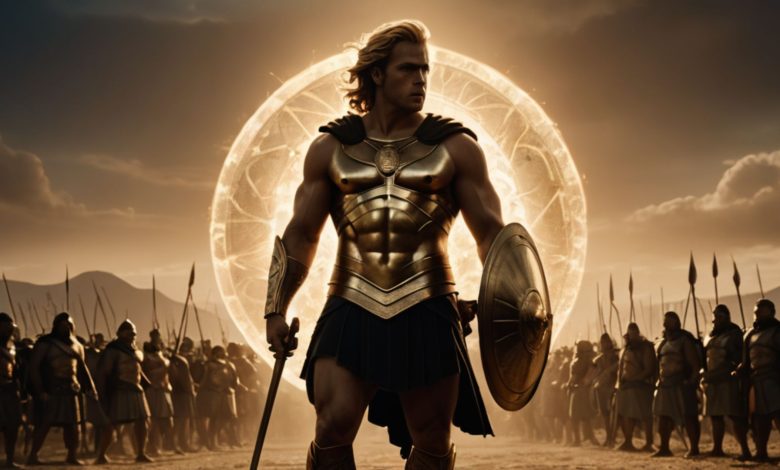
You’ve surely heard of the Greek gods and their legendary tales. But did you know we carry traces of them within us? In modern medicine, the Achilles tendon—the largest and strongest tendon in the human body—is located just above the heel. It takes its name from Achilles, one of the greatest warriors in Greek mythology. By getting to know Achilles a little better, we can gain a fresh perspective on our own anatomy.
The twelve gods and goddesses of Greek mythology each had their own domain: the seas, the winds, fertility, the heavens, chastity, war, and so on. Among them was the sea nymph Thetis. Because it was prophesied that her future children would possess the power to topple even the gods themselves, she was married off to Peleus, the mortal King of Phthia. Even though his mother was a goddess, because his father was mortal, their children were born as mere humans. Achilles was one such child—a demigod, yet still mortal. Despite his mortality, he was an incredibly formidable warrior who struck terror into the hearts of his enemies on the battlefield. When he was just a baby, Thetis sought to protect him from any harm by dipping him into the sacred River Styx, known as the river of invincibility and immortality. Any part of his body touched by the water would become invulnerable. However, because Thetis herself was immortal, she could not touch the water. She found a solution by holding her son by his left heel, leaving that one spot untouched. His entire body became invincible—except for that one small heel.
Achilles’ Training and Military Prowess
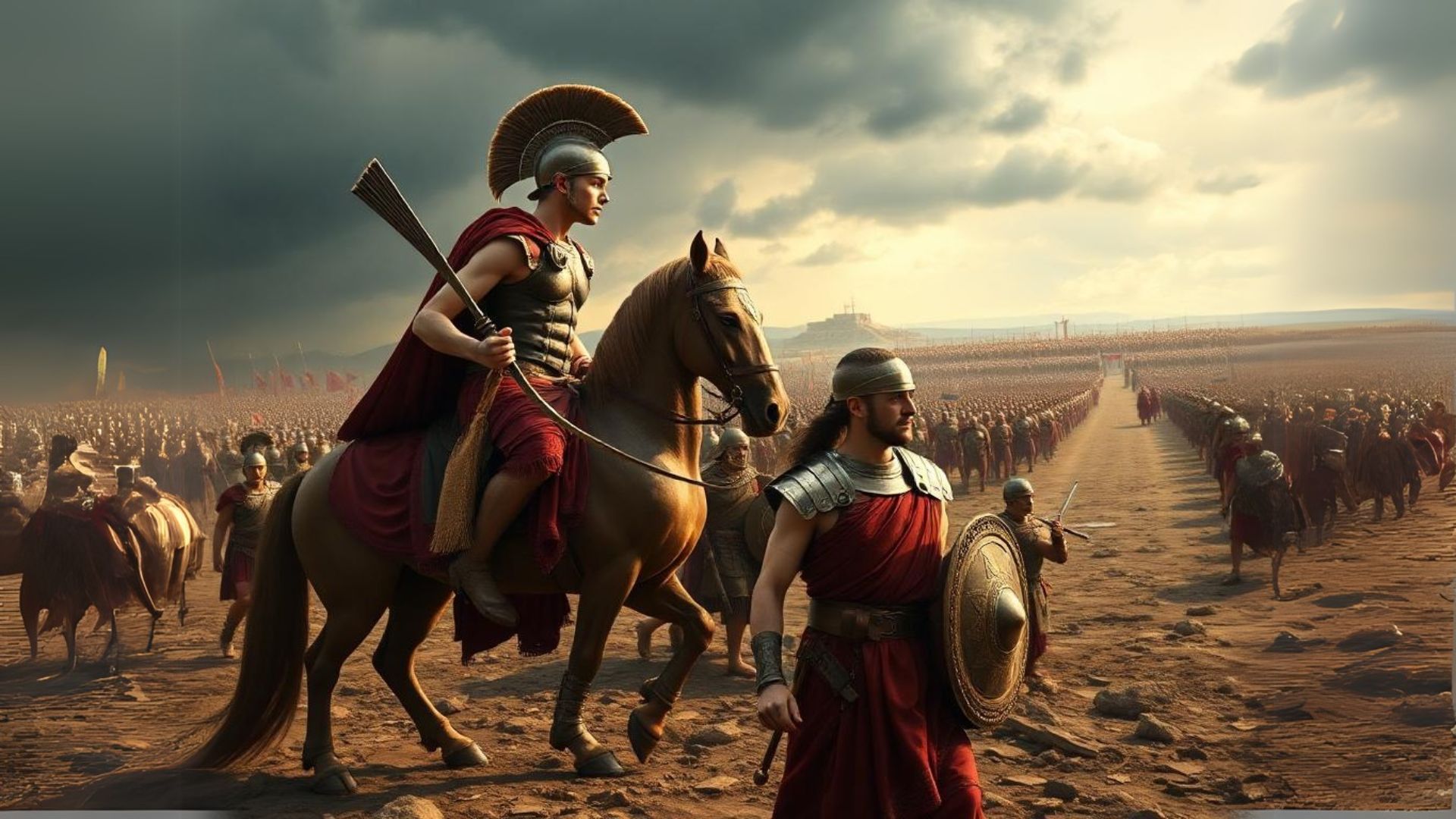
Achilles began his training in his father’s palace. While Phoenix is often cited as his tutor, another legendary figure played a massive role: Chiron, the wisest of the centaurs and a close advisor to King Peleus. Chiron himself had a god for a father and a mortal for a mother. Being part-divine meant he was immortal, but because he was part-human, he lacked the wild, destructive nature of other centaurs. Chiron mentored many famous figures, including Asclepius (the son of Apollo), but Achilles was undoubtedly his most famous pupil.
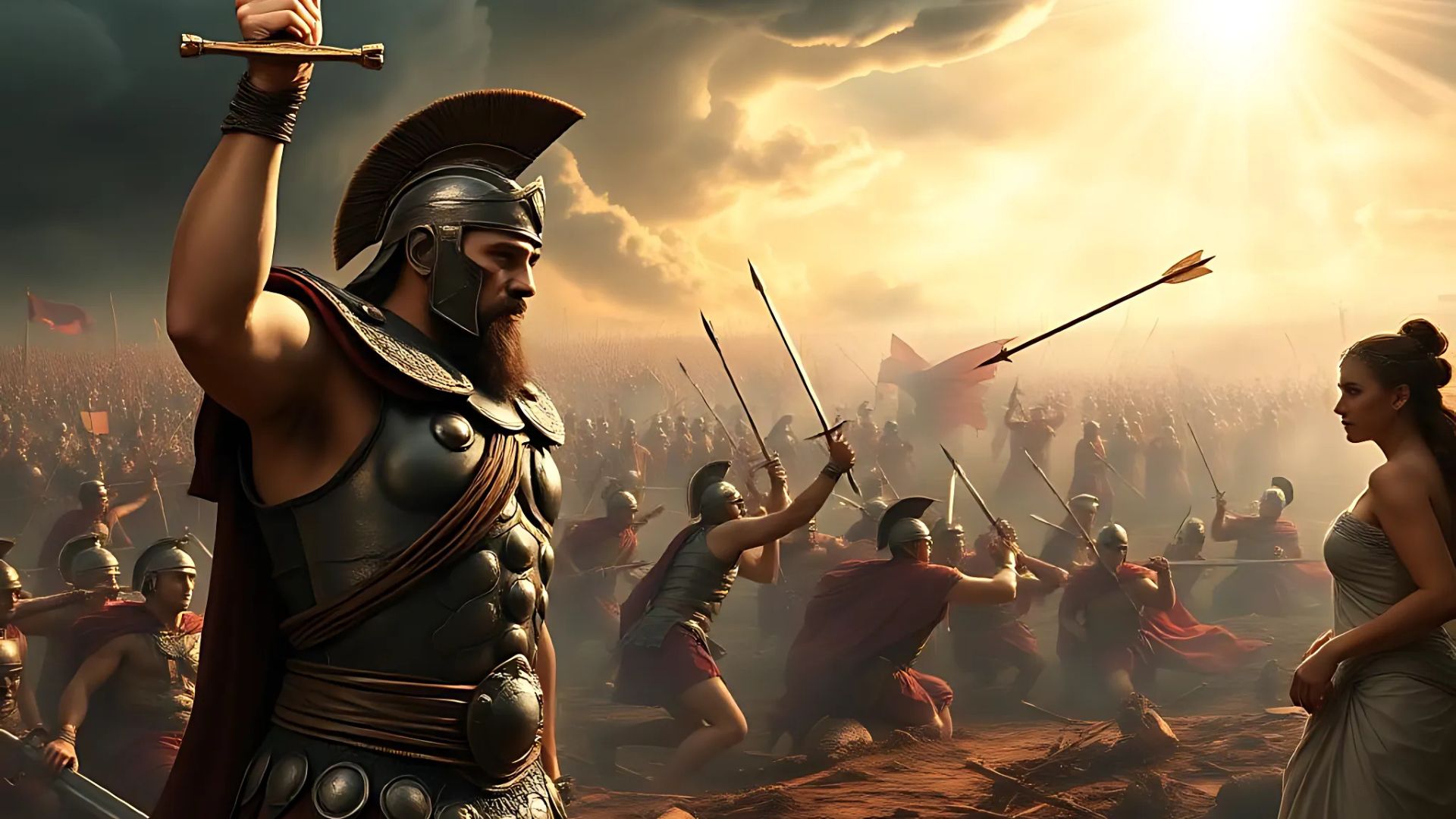
Chiron was instrumental in shaping both Achilles’ character and his military skill. Beyond teaching him medicine, he instructed him in music, hunting, horsemanship, archery, and much more. From a young age, Achilles excelled in riding, archery, and swordsmanship. In short, he became an elite warrior. In the wars he fought, the mere mention of his name was enough to secure a massive psychological advantage for his army. Not only was he impervious to arrows and blades, but his training allowed him to perform feats worth hundreds of soldiers on the battlefield.
The Trojan War
Agamemnon, the King of the Greeks, once hosted the Trojan King’s sons, Hector and Paris, at his palace. During this visit, Agamemnon’s wife, Helen, found herself falling for Paris. Yielding to her desires, she confessed her feelings, learned they were reciprocated, and the two decided to elope. They fled the palace in secret and made their way to Troy.
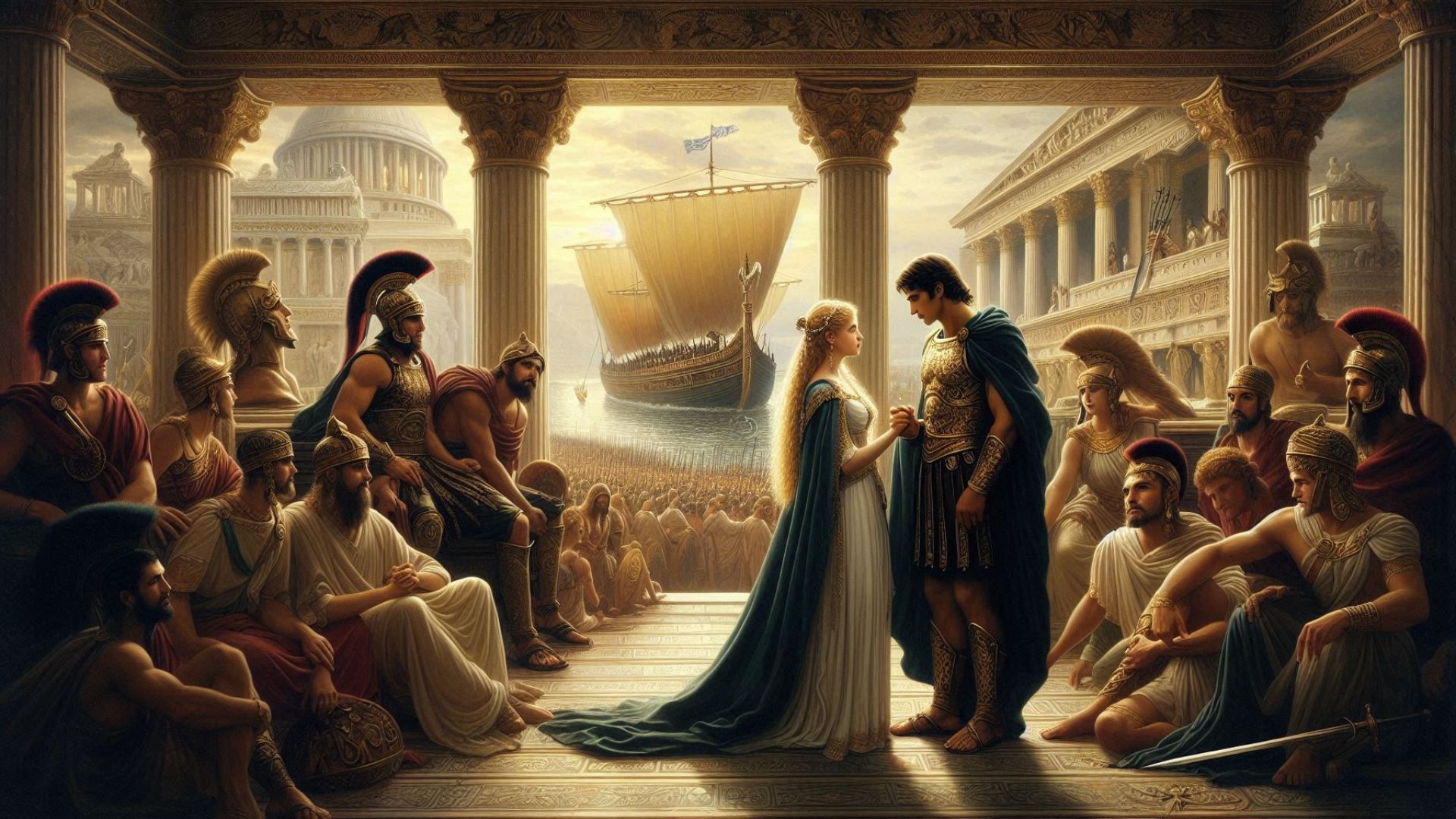
Once Paris’s abduction of Queen Helen was discovered, the palace was thrown into chaos. Agamemnon decided to declare war on Troy to reclaim his wife and the spoils of war, and his armies began their mobilization. Achilles joined the war on the side of the Greeks. The news that Achilles would be joining the fight was a massive morale boost for the army.
When the Trojans heard of the impending war, they began their own preparations, securing alliances with powerful commanders to make their army invincible. Paris’s brother, Hector, took up the mantle for Troy, providing a significant military advantage. The war began, but both sides were remarkably powerful. On the battlefield, it was a symphony of clashing blades and flying arrows. The war dragged on for nine years, with neither side able to gain the upper hand. The forces were so evenly matched that, to use an idiom, they hadn’t made a lick of progress.
Achilles’ Withdrawal and the Death of His Friend
In the ninth year of the war, Agamemnon seized a woman whom Achilles had chosen for himself from the war captives. Furious at this, Achilles—despite having joined the war of his own volition—withdrew from the conflict and vowed to speak to no one in the army. He only kept in touch with Patroclus, his childhood friend and soulmate. No matter what Patroclus did, he couldn’t convince Achilles to return to battle. The news of Achilles’ withdrawal caused a deep collapse in the army’s morale, and their casualties began to mount rapidly. Sensing the shift, the Trojans grew emboldened by Achilles’ absence and pushed forward aggressively. When the Greeks couldn’t stop the relentless Trojan advance, Patroclus tried one last time to talk to Achilles, but to no avail. Finally, Patroclus decided to make it look as though Achilles had returned, asking his friend for permission to wear his armor. Achilles reluctantly agreed and handed over his gear. When Patroclus appeared on the battlefield wearing Achilles’ armor, everyone believed the hero had returned. From that moment on, psychological superiority shifted back to the Greeks. However, after fighting for a time, Patroclus was killed by Hector.
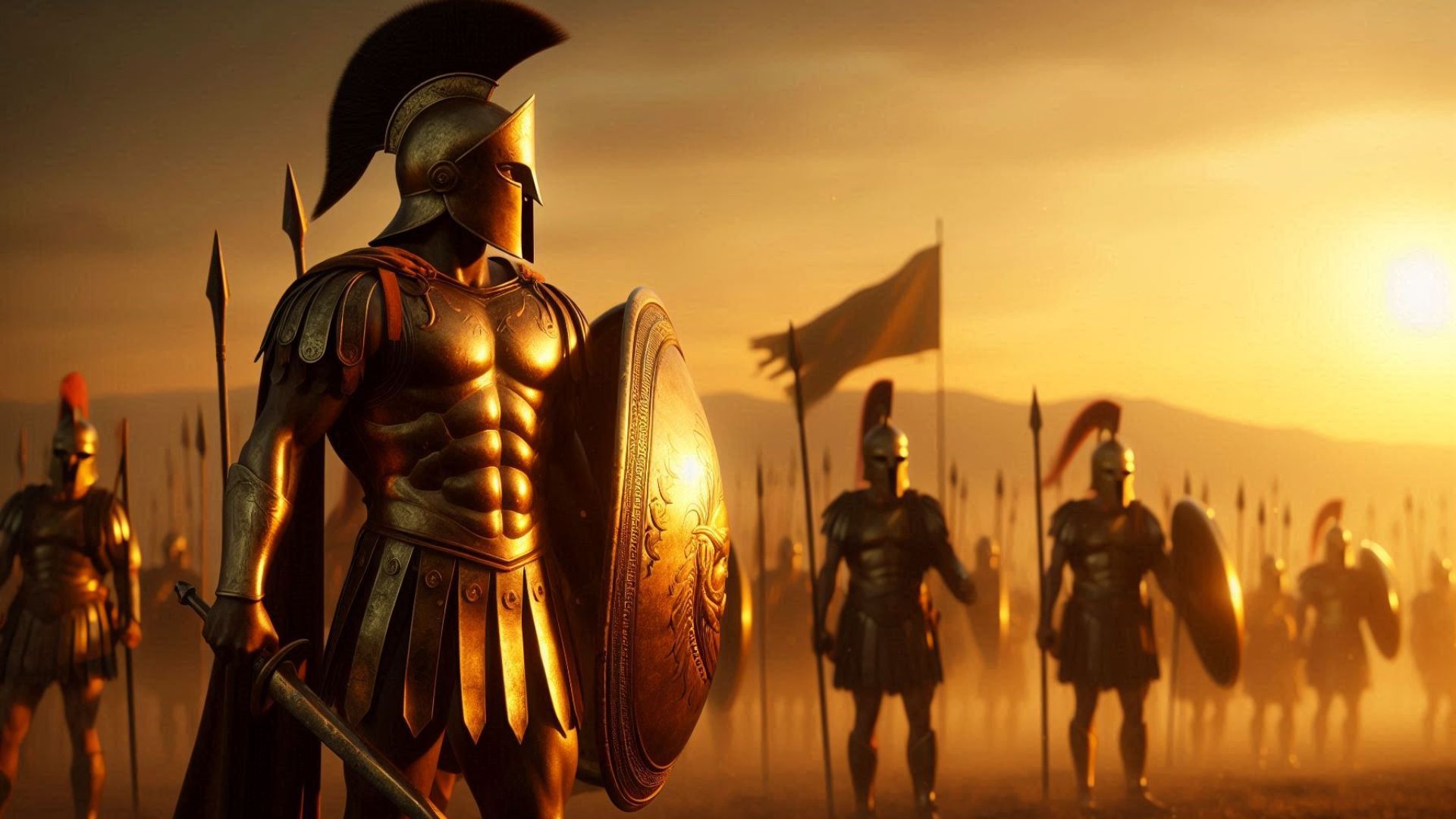
This was the herald of the war’s end. At first, everyone thought Achilles himself had been killed, which felt like the end of the war for the Greeks. When Achilles heard the news of his friend’s death, he was driven into a frenzy and rushed back to the battlefield. He swore to take the life of his friend’s killer, and the war reignited with renewed ferocity. Achilles fought with an intensity never seen before; he was like a stone wall, feeling no blows, his eyes blinded by a thirst for vengeance. The Greek army made massive gains, and eventually, Achilles and Hector stood face to face. During their duel, blades danced in the air as the two great warriors, both considered invincible, clashed. Achilles drove his spear into Hector’s heart and then finished him with his sword. Hector was dead, but Achilles’ rage remained unquenched. He tied Hector’s body to his chariot and dragged it through the dirt around the city walls, before the eyes of the Trojans and Hector’s father, repeatedly bringing the body to Patroclus’s tomb. Hector’s father, Priam, begged Achilles for his son’s body, but Achilles’ fury would not subside. Only after some time did his heart soften, and he agreed to return the body for a ransom. The Greeks had won the war.
The Death of Achilles
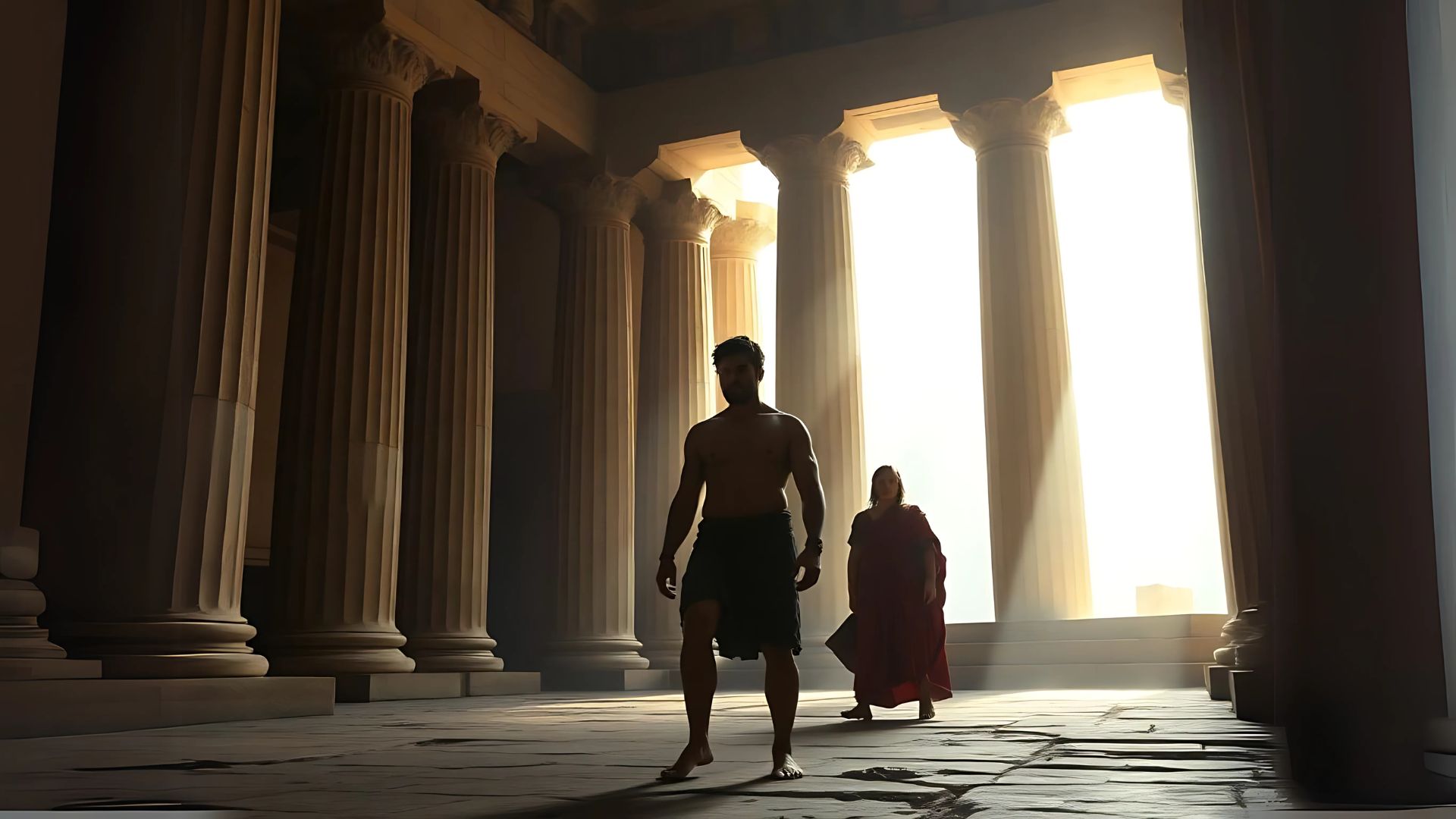
During the war, Achilles had fallen in love with the Trojan princess Polyxena. But Polyxena was Hector’s sister, and she harbored deep hatred for her brother’s killer, plotting her revenge. Polyxena had learned the secret of Achilles’ invulnerability. She lured him to the Temple of Apollo in Thymbra, unarmed and barefoot. Paris, who had started the war, lay in wait and fired a poisoned arrow. Guided by Apollo, the arrow struck the exact spot on Achilles’ heel, and the great warrior breathed his last in agony.
The Anatomy of the Achilles Tendon
Achilles’ tragic end has survived to the present day—not just as a mythological tale, but as a vital and powerful structure in the human body. The tendon that bears his name is one of the strongest and most critical structures we possess. Tendons are essentially the connective tissue between muscle and bone. The thickest, strongest tendon in the body—the one that allows us to jump, sprint, and leap—is the Achilles tendon, located just above our heel, named after that legendary hero. Despite being able to withstand roughly a ton of force, it is ironically recorded in medical literature as the most frequently ruptured tendon. Achilles tendon ruptures are often accompanied by a “whip-crack” or “pop” sound, followed by the muscle bunching up as it retracts. Damage to this tendon can result in lifelong mobility issues.
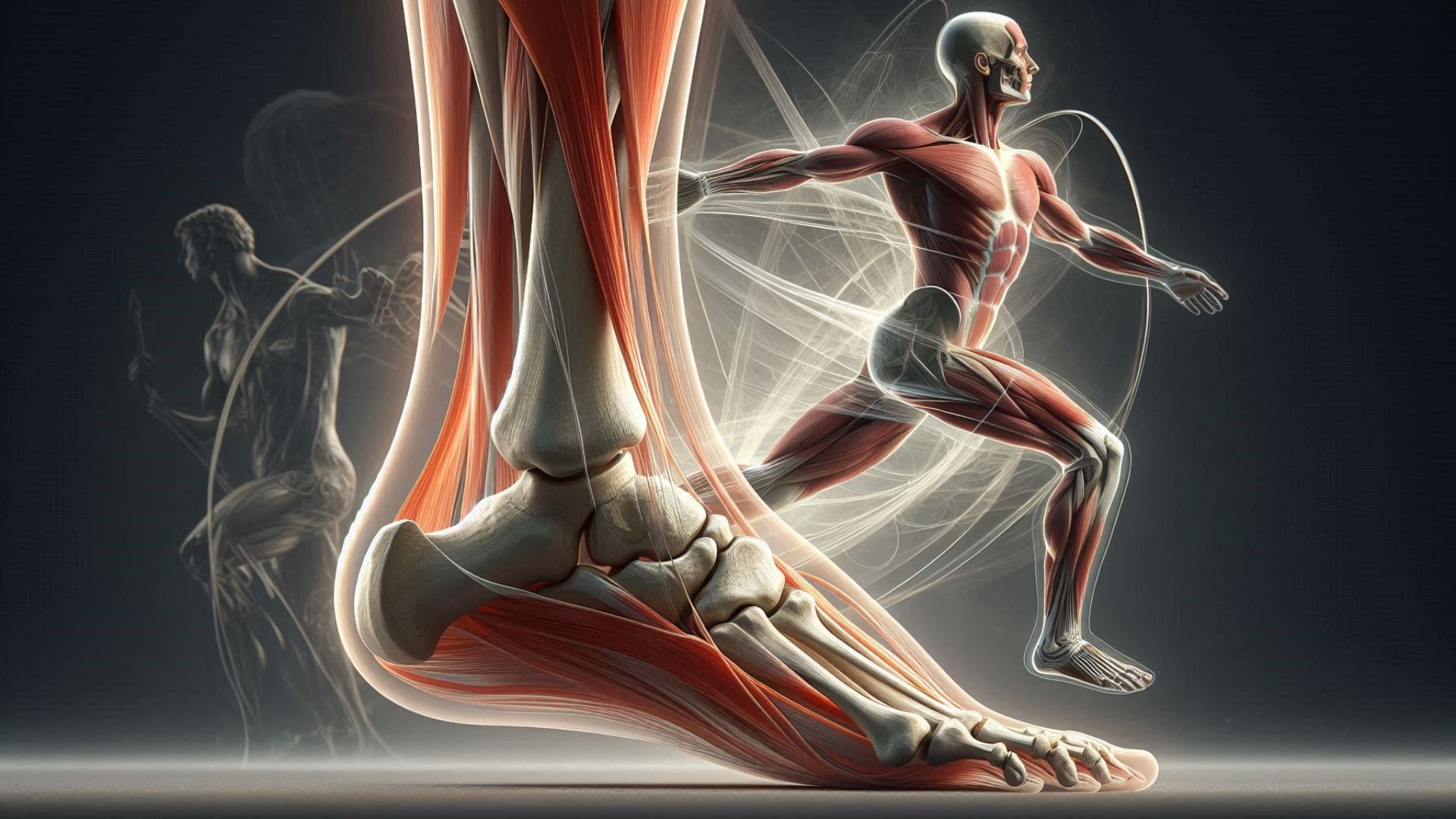
Today, unless you are struck by a poisoned arrow, a rupture is rarely fatal, and even non-severe tears can be treated through rehabilitation. However, spontaneous ruptures can occur, particularly in men over 40 or those returning to sports after a long hiatus. Take care of your tendons by staying active, exercising, and seeking immediate medical attention if you feel any discomfort. Just like the hero it’s named after, it is both incredibly powerful and vitally important.
References and Further Reading
Apaydın, N., Ünlü, S., Bozkurt, M., & Doral, M. N. (2011). Functional Anatomy and Biomechanical Properties of the Achilles Tendon. TOTBİD Dergisi, 10(1), 61-68.
Cartwright, M. (2012, September). Achilles. World History Encyclopedia. https://www.worldhistory.org/trans/tr/1-10354/akhilleus/
Çağrı Mutlu, E. (2018). Teacher Homer. Beytulhikme Philosophy Circle, Beytulhikme International Journal of Philosophy, 8(1), 319-338.
Kapukaya, Z. (2018). Ida (Mount Ida) in the Iliad Epic. Journal of Social and Human Sciences Research.
Kırlar Barokas, S. (2005). The Influence of the Iliad on the Film Troy: A Semiotic Approach. Journal of Istanbul Kültür University.
Uğurluel, T., & Kayatekin, M. (2014). How Was the Greatest Hero of Mythology, Achilles, Killed? Timaş Yayınları.
Originally published in Turkish at Doğa Filozofu.