

Throughout history, we’ve seen plenty of fascinating and world-altering events. The invention of the wheel, the rise of Alexander the Great, the Fall of Constantinople, and, perhaps most impactful of all for the world we live in today, the Age of Discovery—the first real step toward the globalization we know today.
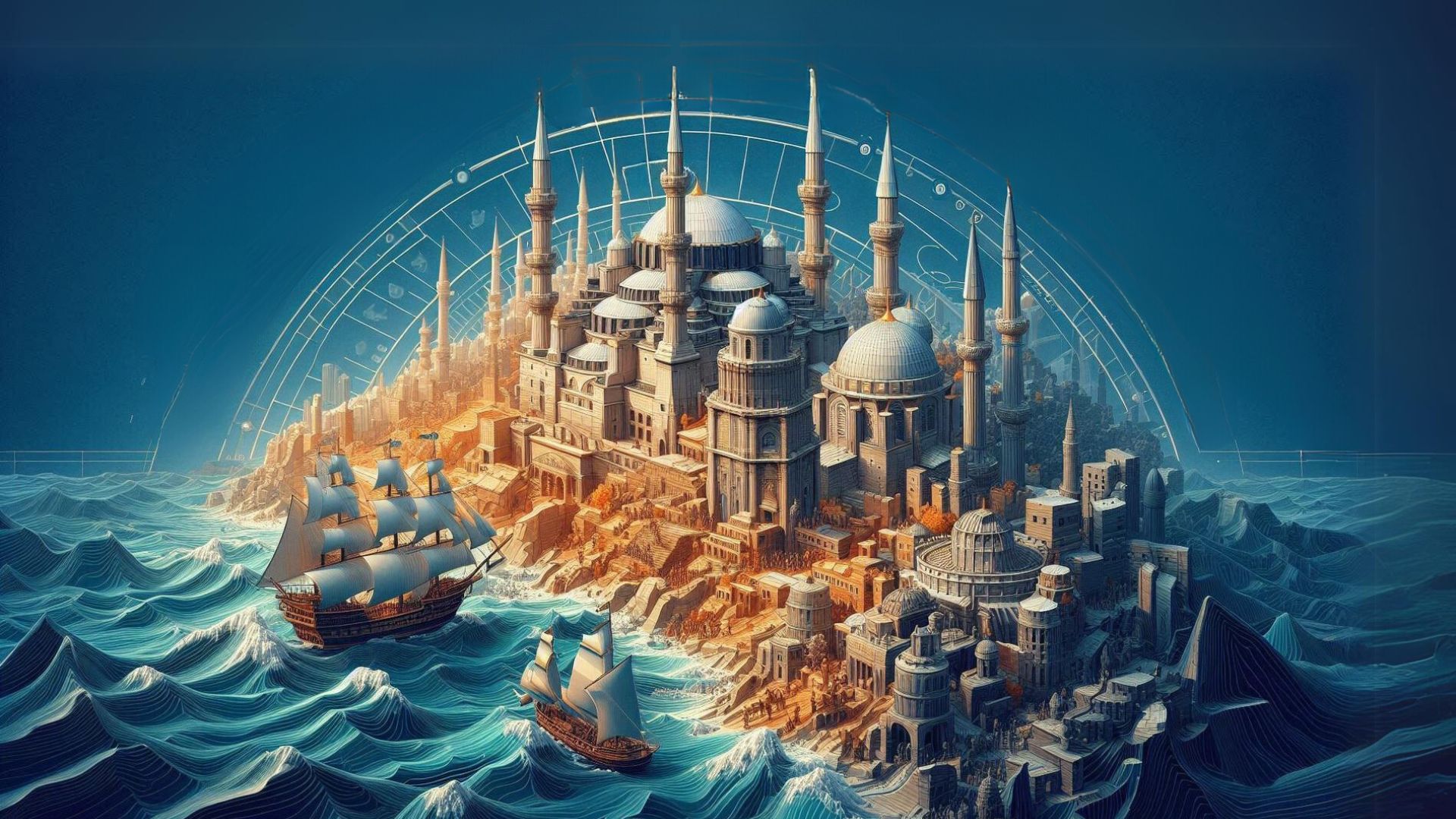
In reality, this era of exploration was kicked off by the fall of Constantinople. With Mehmed the Conqueror taking the city, the established trade routes underwent a massive shift. Europe could no longer rely on overland routes to Asia as it once had. Previously, they hadn’t faced much competition, but now the Ottoman Empire stood as a formidable barrier to those ambitions. Consequently, major European powers like Spain, Portugal, and England began hunting for an alternative. That alternative, of course, meant taking to the oceans—but there was a catch. Up until that point, the oceans hadn’t really been mastered for trade. It was a dangerous way to travel. Maritime trade was largely confined to within Europe; there were exceptions, sure, but nothing on a large scale.
With their sights set high, Europe was determined to make it happen. Naturally, they needed skilled sailors. The solution lay in the fractured Italian city-states—that’s where the best navigators were. However, those city-states didn’t have the financial muscle to fund their own expeditions. This is why these qualified mariners ended up setting sail under the flags and funding of countries like Spain, Portugal, and the Netherlands. Of course, the Spanish and Portuguese also made the most of their own sailors’ talents.
The Conquest of the Americas
As everyone knows, the route they hoped would open up a path to Asia ended up opening the gates to a whole new continent: America. This mysterious new land was already home to other nations. Great civilizations like the Inca and the Aztec ruled here, but it didn’t last long. The Age of Discovery didn’t happen overnight, after all.
Initially, they were just looking for a trade route. You’d expect that when they didn’t find a civilization ready to do business, they might say, “I think we took a wrong turn!” and keep looking. But that’s not how it played out. While it took time for Europe to gain a foothold, the Aztec and Inca were quickly overwhelmed by Spanish and Portuguese forces who were simply better equipped for war. Gunpowder, which had become widespread following the Fall of Constantinople, played a huge role. Siege warfare and advanced metallurgy were foreign concepts to the Americas at the time. And let’s not forget the horse—the Americas hadn’t used them in warfare before.
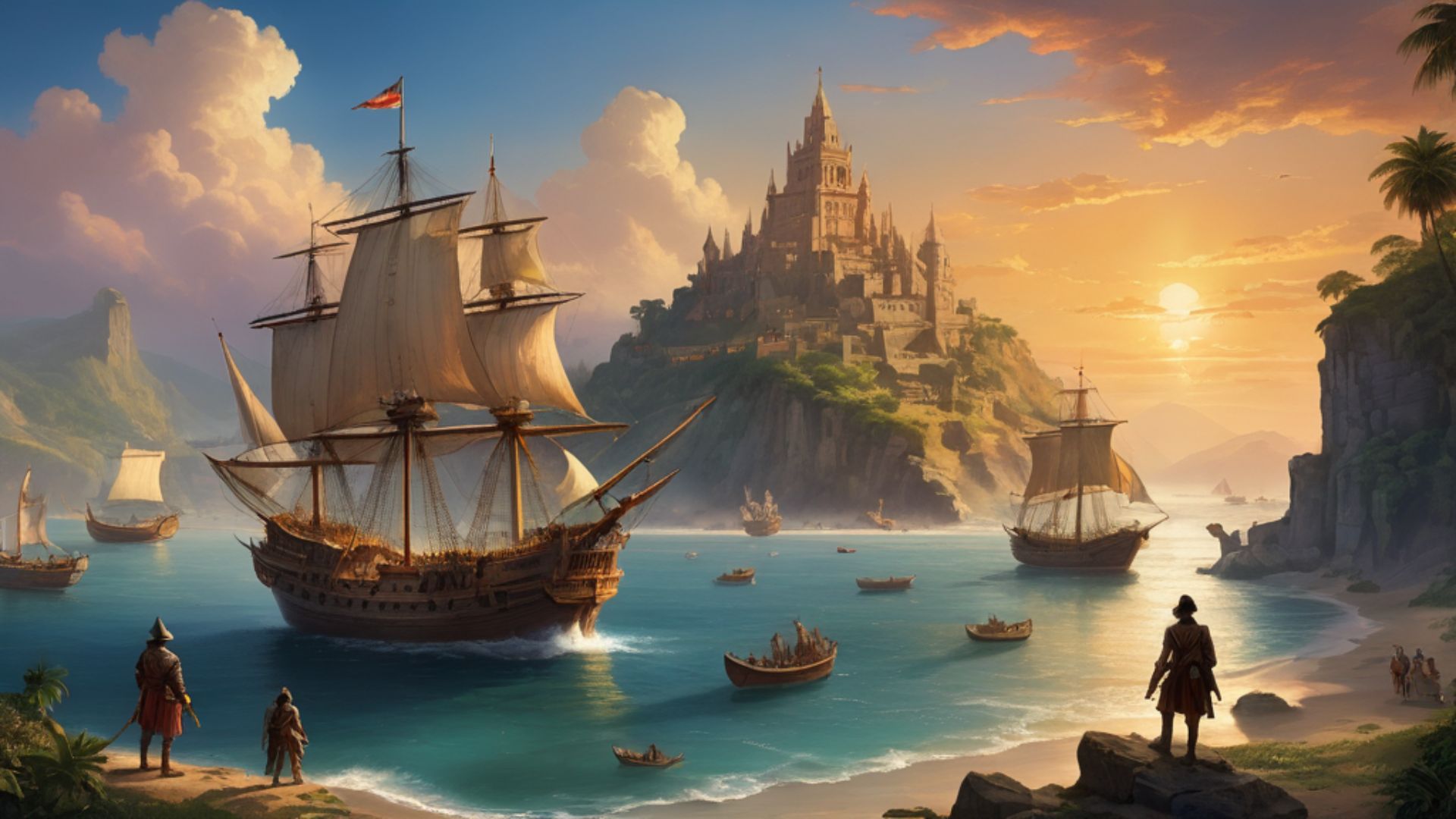
All of this was the beginning of what we would later call imperialism. European nations rapidly turned these regions into their own colonies, enslaving the local populations to work for them. This enslavement wasn’t limited to the Americas, either. Slavery, which had already taken root in parts of Africa, suddenly spread to the Americas as well. Slaves were brought from Africa to America, and goods were shipped from America to Africa. A literal triangular slave trade had begun.
Diseases from Afar
During this exchange of people, the native products of the Americas were introduced to European markets. The problem was that the diseases Europe had endured over centuries were completely unknown in the Americas. This brought deadly illnesses like smallpox to the continent, and the poor indigenous populations were decimated by these unfamiliar pathogens. In fact, it is believed that the mysterious disappearance of the “Lost Colony” was due to this. During the colonial era, one colony suddenly stopped responding to letters. When investigators arrived, they found the entire colony had perished. Since there were no signs of violence on their bodies, these deaths have been attributed to a fatal disease. This is just one of the many consequences of these discoveries. In return, the Americas gave the world tomatoes, sugar, and various livestock that hadn’t been seen in Europe before.
While these goods improved the health of Europeans, the Americas found themselves face-to-face with the European order—and, of course, the Europeans were the ones reaping the rewards. We hear you asking, “What about the U.S.?” England didn’t jump into this immediately. While the Spanish and Portuguese saw immediate potential in the continent, the English didn’t find the investment all that compelling at first. Over time, however, England decided to take a gamble on this mysterious continent, and the Age of Discovery began for them, too. Eventually, England became the most organized nation in the endeavor. Unlike the Spanish and Portuguese, who looked at it purely in terms of quick wealth and didn’t focus on deep integration or broad expansion, the English were much more methodical.
England Enters the Fray
Because of this, the English engaged in a very organized effort from the moment they arrived, though they couldn’t escape becoming victims of the very civilization they created. The people in their new, organized colonies were, after all, English. The colonists demanded an active voice in the British Parliament. Naturally, England rejected this; they viewed the colony simply as another territory under their thumb. This attitude eventually pushed the colony toward rebellion. Initially, this wasn’t an attempt to break away from England—it was a demand for equality. But things didn’t end up that way. For more details on that, you can check out our article on “The Founding of America.”
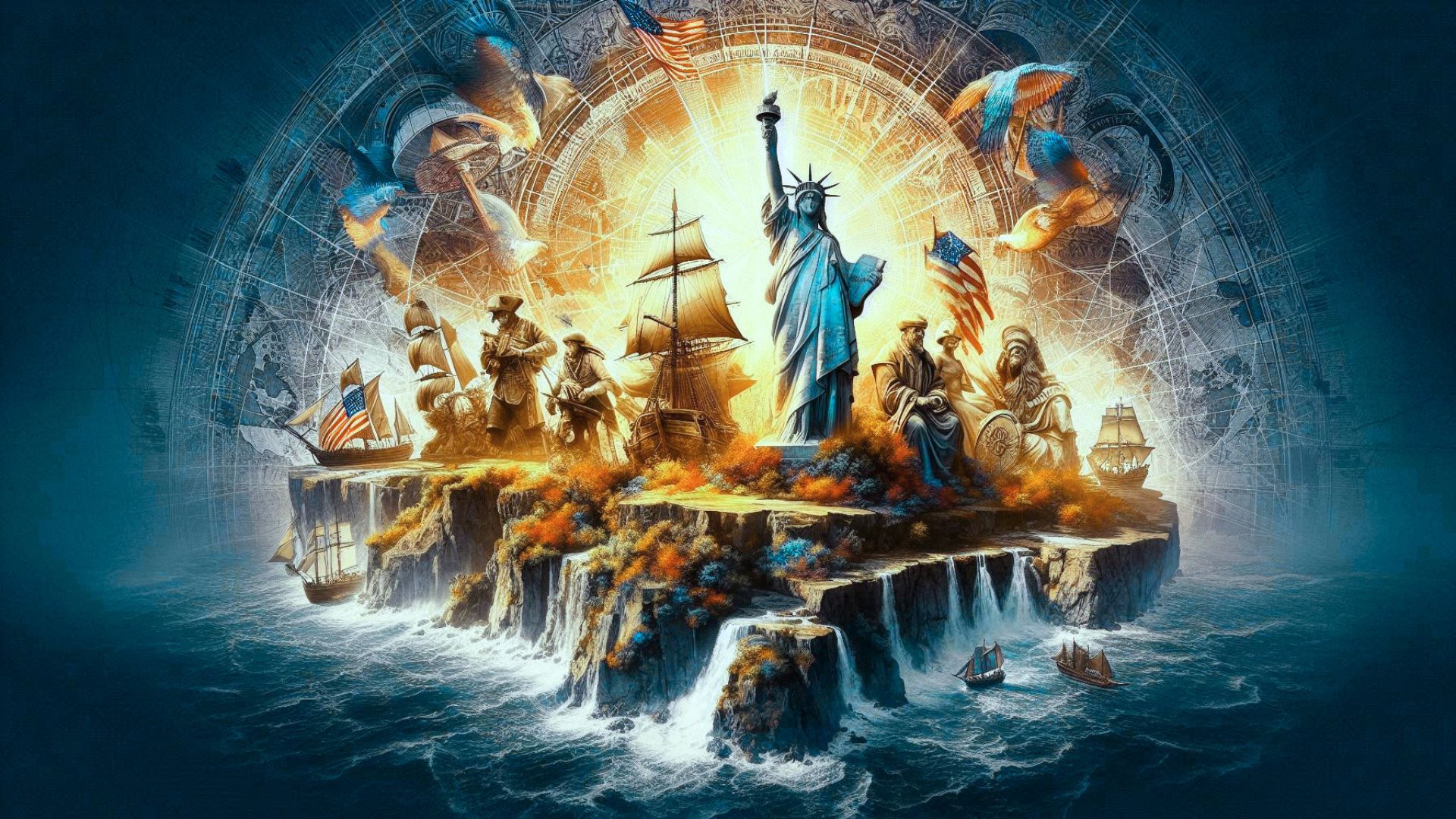
Ultimately, the Age of Discovery gave birth to the founding of America and the subsequent, often brutal, movement of imperialism. Along with that dark side of imperialism, it shaped the world into what we know today. These discoveries, which brought globalization in their wake, left an incredibly deep mark on our planet.
What do you think? If the continent had been discovered earlier or later, what would have changed? Or, if countries like the Ottoman Empire, which didn’t participate in these expeditions, had joined in, would the outcome have been different?
References and Further Reading
Cemeri. (2023, July 12). The Discovery of America. https://cemeri.org/en/enciclopedia/e-descubrimiento-america-gw
Early exploration of the Americas. (n.d.). Britannica Kids. https://kids.britannica.com/students/article/early-exploration-of-the-Americas/543490#:~:text=Columbus’%20voyages%20opened%20the%20way,route%20from%20Europe%20to%20Asia
Gopnik, A., Robinson, E. E., Oehser, P. H., Link, A. S., Hassler, W. W., Harris, J. T., Owen, W., Donald, D. H., Weisberger, B. A., Rollins, R. C., Pole, J., Zelinsky, W., Freidel, F., Bradley, H. W., Winther, O. O., Handlin, O., Naisbitt, J., Flaum, T. K., Schmidt, K. P., . . . Wallace, W. M. (2024, July 17). United States | History, map, flag, & population. Encyclopedia Britannica. https://www.britannica.com/place/United-States/Foundations-of-the-American-republic
Hudson, M. (2019, August 29). Fall of Constantinople | Facts, Summary, & Significance. Encyclopedia Britannica. https://www.britannica.com/event/Fall-of-Constantinople-1453
John H. Parry, The Age of Reconnaissance: Discovery, Exploration, and Settlement, 1450-1650
Originally published in Turkish at Doğa Filozofu.