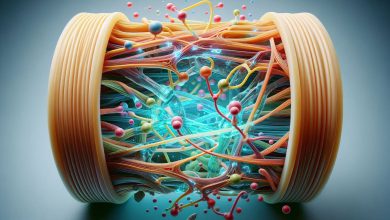


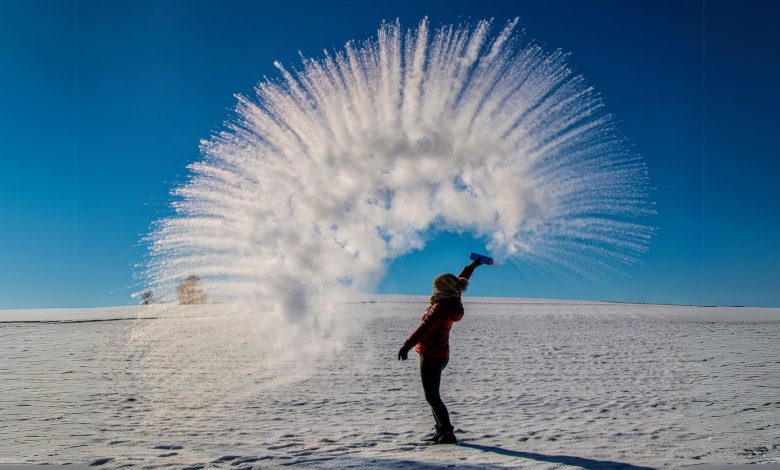
Would you believe us if we told you that hot water can freeze faster than cold water? If you haven’t heard of the Mpemba effect, your first instinct is probably to assume that colder water will naturally freeze first—and while that makes perfect sense, it isn’t always the case.
Our logic tells us that freezing cold water should require less energy and therefore happen faster, but nature rarely plays by such simple rules. The Mpemba effect is a complex phenomenon driven by a variety of factors, and under the right conditions, it allows hot water to beat cold water to the finish line. So, what exactly is this effect?
A History of the Mpemba Effect: From Aristotle to Modern Science
Long before the high school student who gave the effect its name, many thinkers had already noticed and commented on this quirk of nature. Aristotle, the first recorded person to observe it, noted in his 4th-century BCE work Meteorologica that hot water can, in certain circumstances, freeze more quickly than cold water.
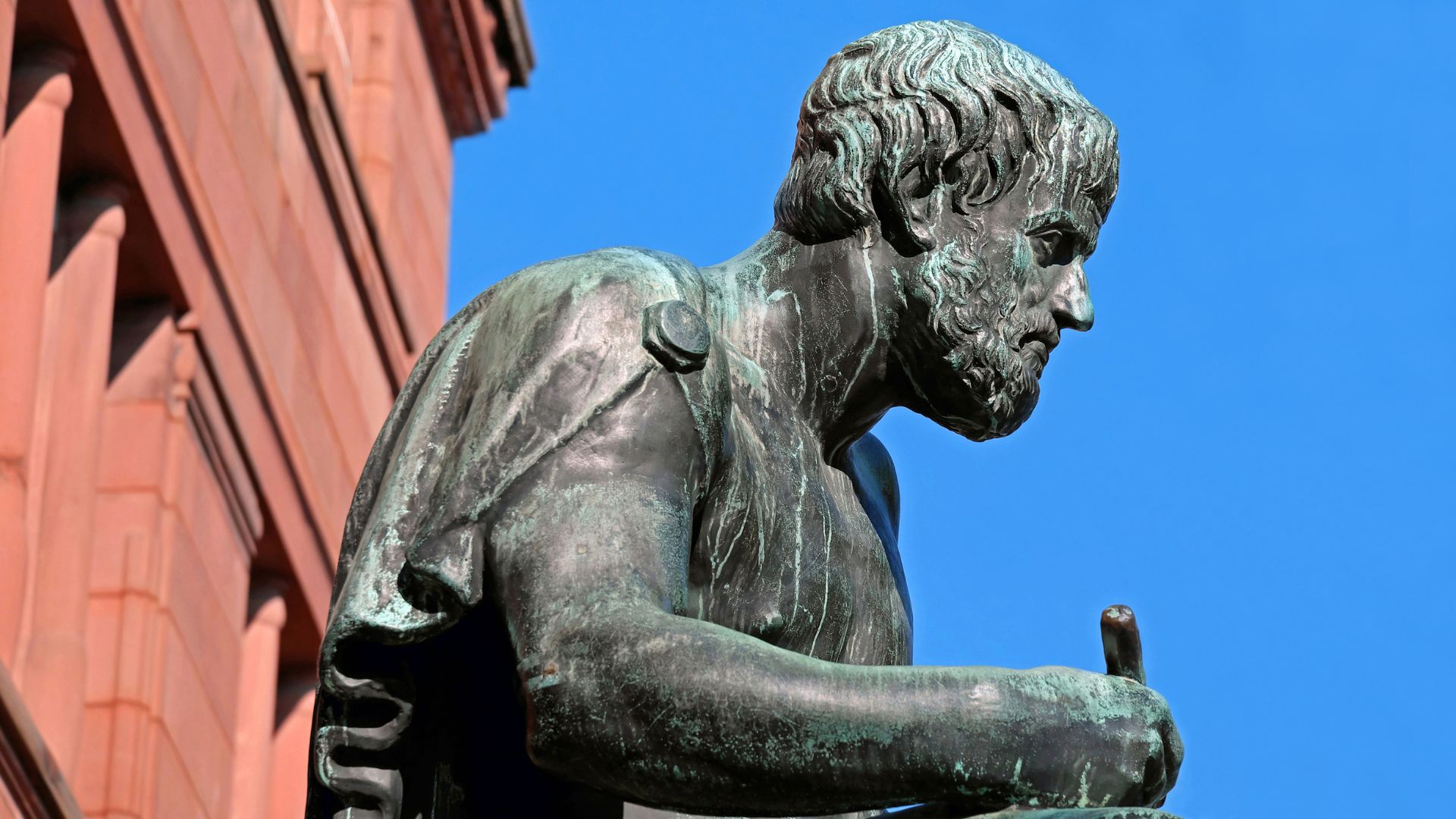
Later on, Francis Bacon also touched upon this phenomenon in his Novum Organum. While others undoubtedly remarked on it throughout history, these observations generally lacked the rigor of systematic experimentation.
As science evolved, researchers eventually began to put these anecdotal claims to the test.
The Discovery by a High Schooler
The person who gave this effect its modern name was Erasto Mpemba, a Tanzanian high school student in the 1960s.
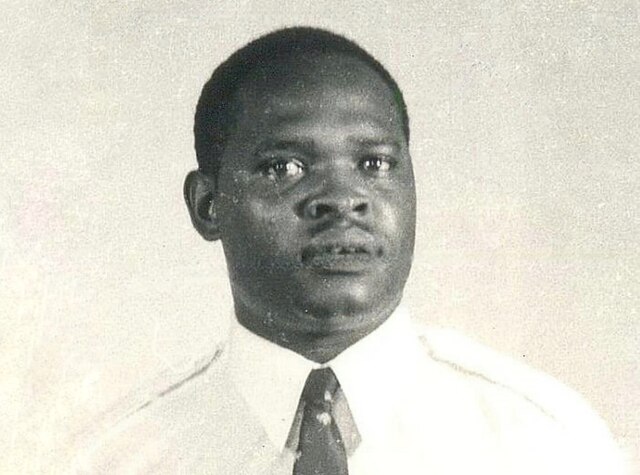
While making ice cream with his classmates, Erasto was in a rush. Instead of waiting for his milk mixture to cool down before putting it in the freezer, he shoved it in while it was still hot. To his surprise, his mixture froze faster than his friends’ batches, which had been allowed to cool first. That observation stuck with him.
At first, he tried telling his friends and teachers, but nobody took him seriously. Everyone thought it was logically impossible. His teachers insisted that what Mpemba was claiming violated the laws of physics, and his classmates simply laughed at him.

But Mpemba didn’t give up. He observed the situation over and over, and his experiments consistently yielded the same result: the hot water was indeed freezing faster than the cold water.
The Key to the Scientific Community: Denis Osborne
In 1963, a physicist named Denis Osborne visited Tanzania to work on educational projects. At the time, Tanzania was a young nation that had just gained its independence and was pouring energy into education—especially science—as a pillar of development. As part of a Commonwealth educational program, Osborne visited various high schools, teaching students the fundamentals of physics and thermodynamics. He wanted to make physics relatable by connecting it to everyday life, which meant he made a point of engaging directly with both students and teachers.
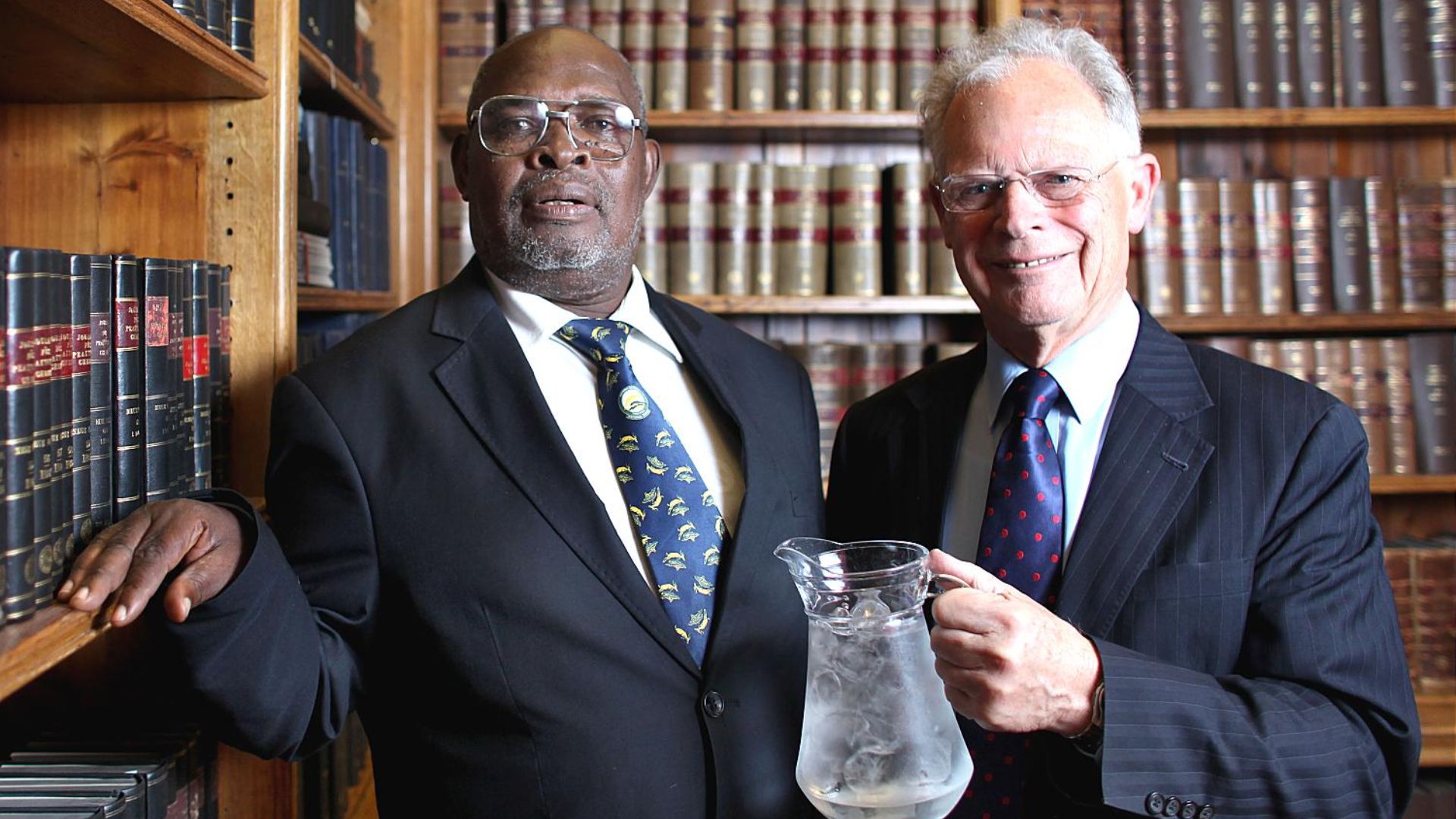
Despite the skepticism of those around him, Mpemba seized the opportunity when he heard Osborne was visiting his school. During a physics lesson, he gathered all his courage and asked:
“If I put the same amount of hot and cold water in the freezer under the same conditions, why does the hot one sometimes freeze faster?”
Osborne was stunned, as no scientist had seriously considered this question before. Though initially skeptical, he was intrigued by the student’s persistence and decided to test it in a lab environment.
When Denis Osborne examined Mpemba’s experiments, he realized there was something truly fascinating going on. He observed the same phenomenon in his own lab. After conducting a more systematic study, they co-authored a paper titled “Cool?” in the journal Physics Education in 1969.
From that point on, the phenomenon became known as the “Mpemba Effect.”
The Ambiguity of the Mpemba Effect
Although the Mpemba effect has captivated scientists for decades, there is still no definitive consensus on exactly why or how it happens. At the heart of this uncertainty lies the complex structure of the water molecule and the sheer number of variables at play. Furthermore, the fact that experiments don’t always yield consistent results makes the puzzle even harder to solve.
Today, a wealth of experimental and theoretical work in physics, chemistry, and engineering is dedicated to understanding the effect. Molecular dynamics simulations and nano-scale experiments in recent years have helped us make significant strides. By studying not just the macroscopic properties of water but also the interactions between molecules, researchers have uncovered mechanisms that previously went unnoticed.
In this context, physical chemist Nikola Bregović’s work, “Mpemba Effect from a Viewpoint of an Experimental Physical Chemist,” seeks to break down the phenomenon from the perspective of an experimentalist. In his paper, Bregović evaluates various hypotheses while emphasizing the importance of meticulously controlling experimental conditions.
He highlights that a complex interplay of variables—such as initial temperature, evaporation, convection currents, and dissolved gases—all play a role. The paper suggests that the Mpemba effect is too multifaceted to be attributed to a single cause.
Modern Perspectives
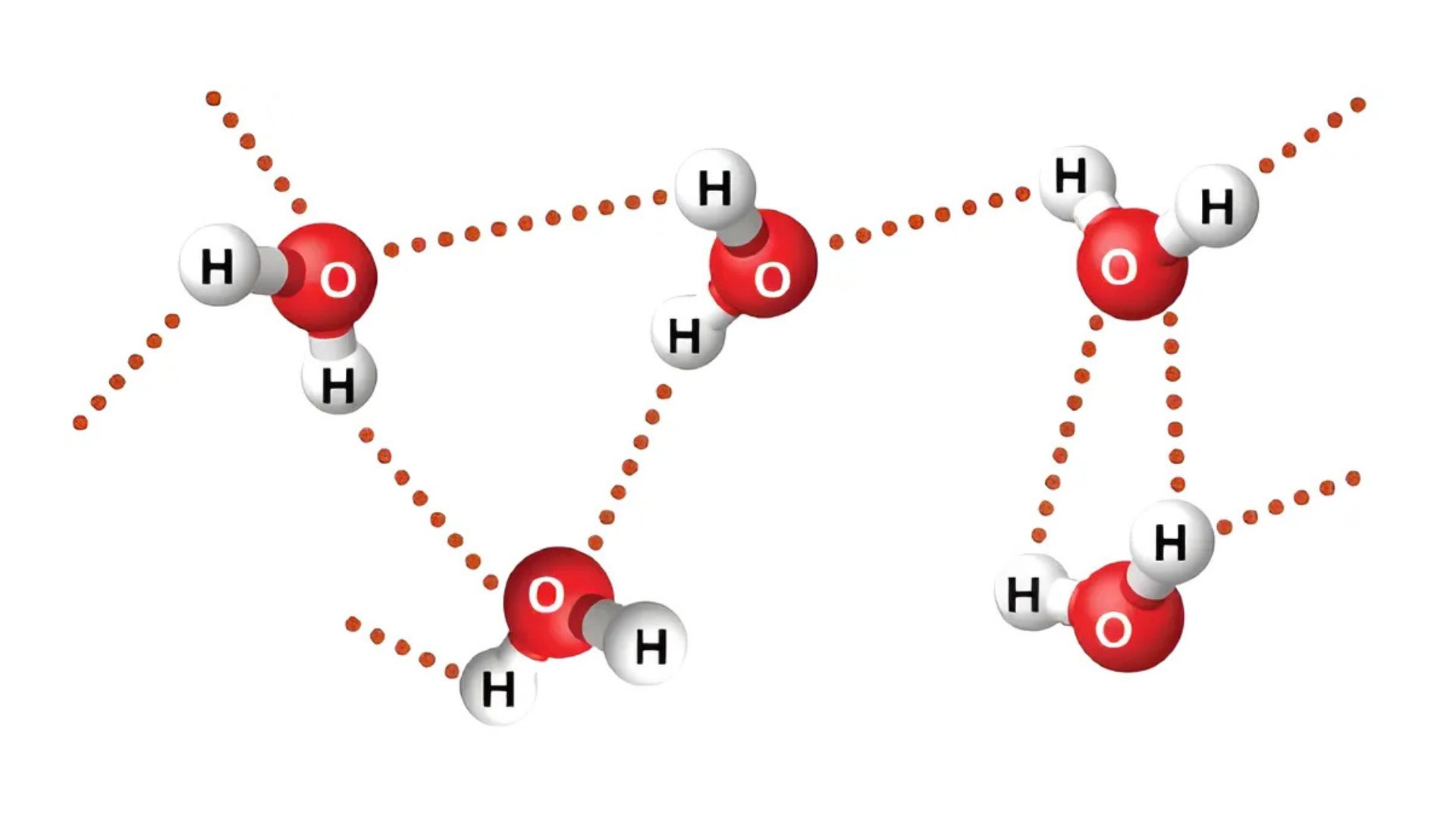
A 2017 supercomputer-aided simulation showed that hydrogen bonds within water might play a significant role in the Mpemba effect. The argument here is that hydrogen bonds in hot water may allow for faster and more orderly crystallization.
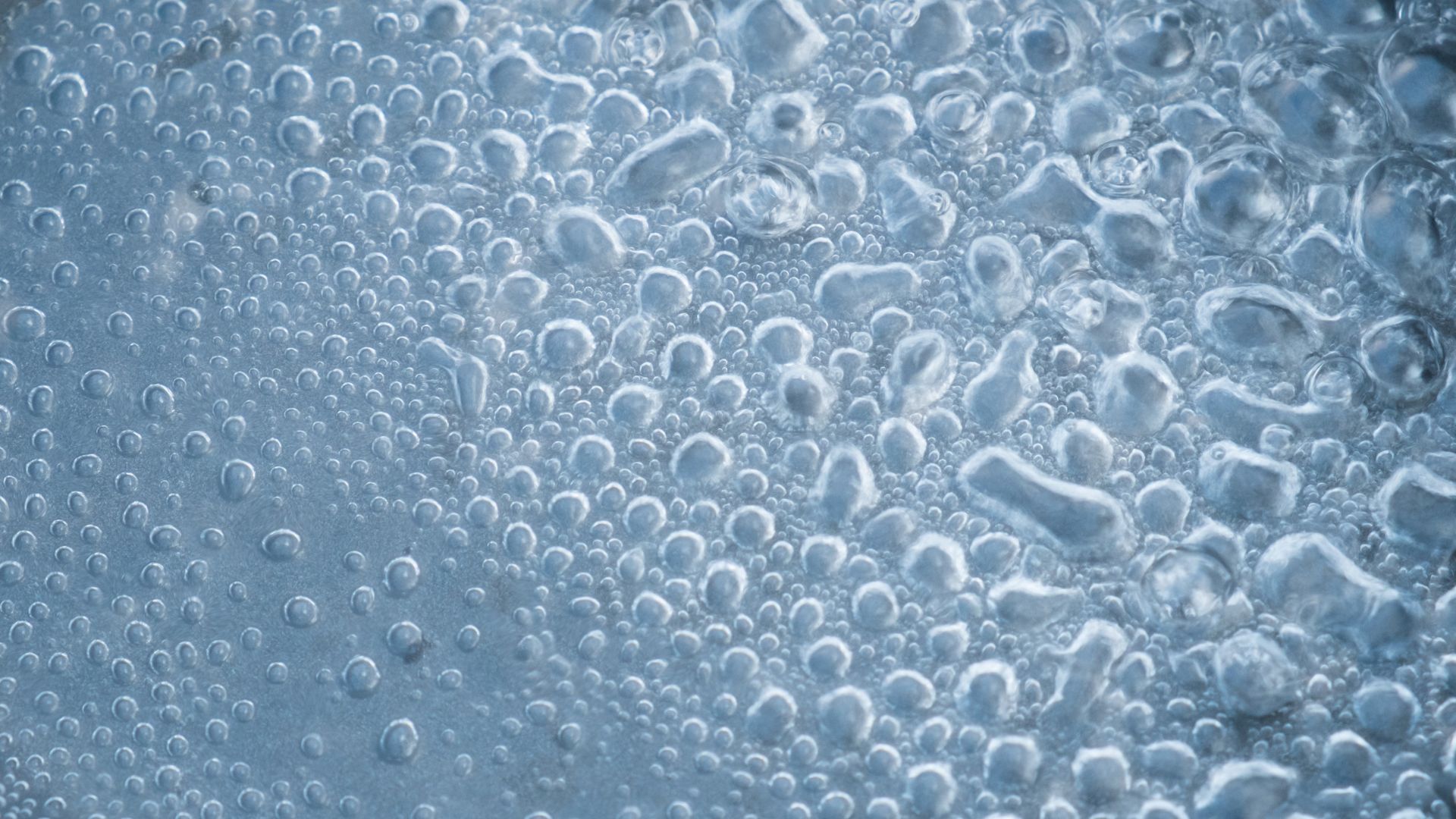
Meanwhile, other experiments have pointed to factors like evaporation, temperature distribution, and the surface area and volume of water droplets, adding further layers to our understanding. Some studies even suggest that the causes behind this effect may vary not only at the macroscopic level but also at microscopic and nano levels.
Final Thoughts
While we may not yet be able to explain the exact mechanism behind why hot water freezes faster than cold, our understanding of the phenomenon is growing every day thanks to advancing technology and research methods.
Beyond that, could the fact that the Mpemba effect remains elusive be a sign that there are still fundamental things we don’t know about how water behaves? Could supercomputer simulations lead us to realize that classical thermodynamic models are insufficient, eventually giving rise to a more modern model?
Setting those questions aside, the future is genuinely exciting—especially for the world of science.
References and Further Reading
Can hot water freeze faster than cold water? (n.d.). This Document Is Copyright as Described in the Copyright Notice. https://math.ucr.edu/home/baez/physics/General/hot_water.html
Chaplin, M. (n.d.). Mpemba effect. https://water.lsbu.ac.uk/water/mpemba_effect.html
Edwards, L. (2010, March 26). Mpemba effect: Why hot water can freeze faster than cold. Phys.org. https://phys.org/news/2010-03-mpemba-effect-hot-faster-cold.html
Mpemba, E. B., & Osborne, D. G. (1969). Cool? Physics Education, 4(3), 172–175. https://doi.org/10.1088/0031-9120/4/3/312
Royal Society Of Chemistry. (2013, January 10). The Mpemba effect [Video]. YouTube. https://www.youtube.com/watch?v=dOAUdJR0SIo
The Internet Classics Archive | Meteorology by Aristotle. (n.d.). https://classics.mit.edu/Aristotle/meteorology.1.i.html
Originally published in Turkish at Doğa Filozofu.