
World history is packed with struggles for independence. Turkey, India, and even the United States serve as classic examples. But today, we’re going to talk about a state that’s a bit different—one whose journey toward independence has been going on for about 700 years: Scotland.
Scotland and England
Geographically, Scotland is located at the northern tip of the island, sitting right on top of England. For the English, establishing sovereignty over the entire island was a top priority. King Edward I of England was determined to bring Scotland under the English crown and solidify England’s dominance on the island. And as far as timing goes, the moment seemed perfect. Why? Well, in 1286, King Alexander III of Scotland died, leaving a massive power vacuum. With no direct heir, a succession crisis exploded. This plunged Scotland into a period of internal turmoil. When the King’s granddaughter, Margaret, also passed away in 1290, Scotland was left completely without a monarch.
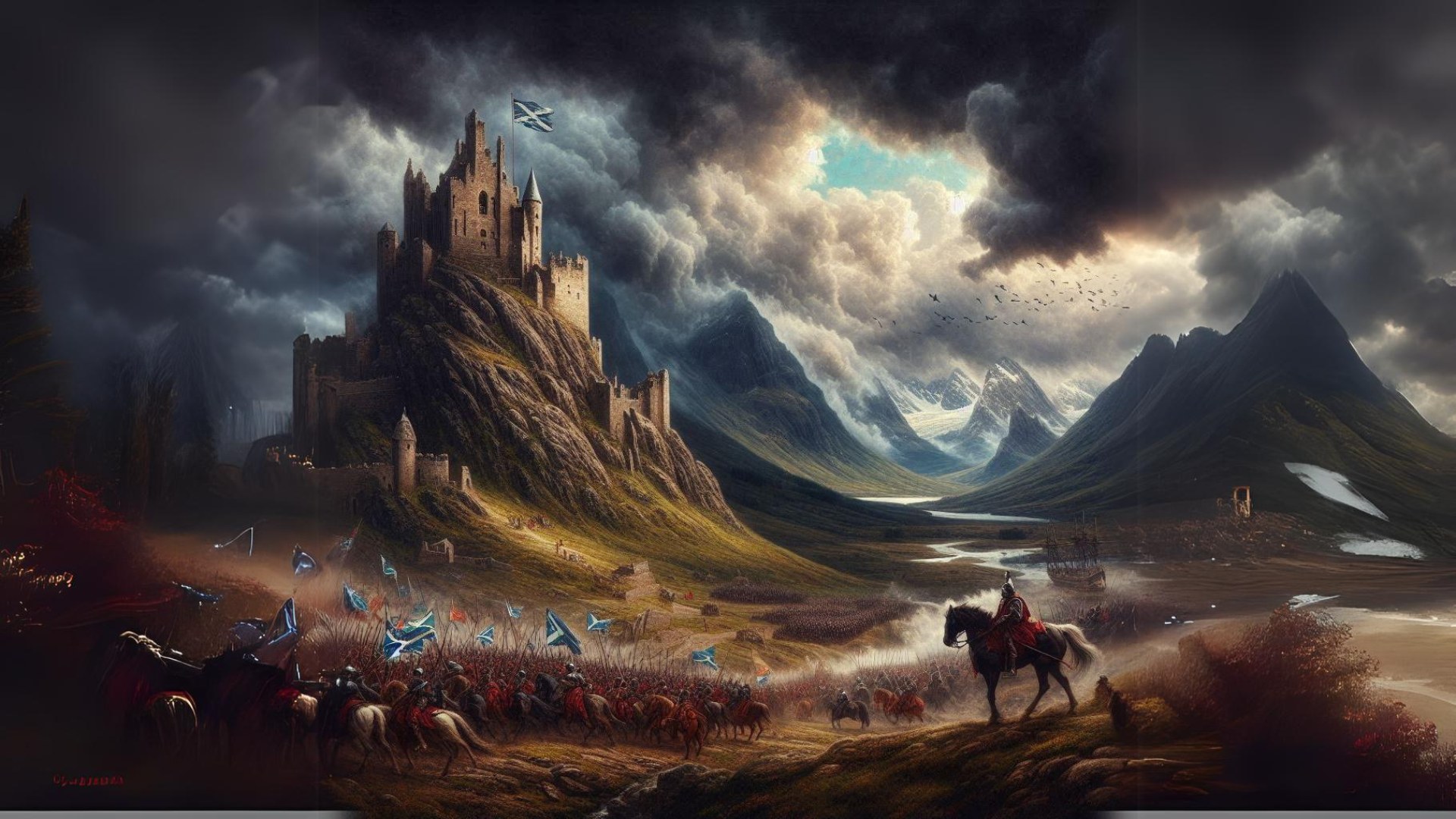
In 1296, King Edward I seized the opportunity to invade and attempt to bring the Kingdom of Scotland under his control. But things didn’t exactly go according to plan. Thanks to the fierce resistance led by figures like William Wallace and Robert the Bruce, Scotland managed to shake off the English occupation—at least for a while. This conflict planted the seeds of a deep, mutual unease that would last for years. England hadn’t given up on its goal, and even though they eventually recognized Scottish independence in 1328, they were always waiting for another chance. Meanwhile, the Scots knew full well that England would eventually try again.
The Treaty of Edinburgh-Northampton finally cemented Scotland’s independence. This peace held for nearly 300 years, right up until the turn of the 1600s.
The Crowns Unite
Here’s where things get really interesting. Usually, unification happens through the barrel of a gun, but this political merger was remarkably peaceful. In 1603, Queen Elizabeth I of England died childless, leaving no heir. This created a royal crisis in England, but there was a distant relative waiting in the wings. Who was it? None other than King James VI of Scotland. By taking the throne, King James became the monarch of both England and Scotland simultaneously. This event is known in history as the “Union of the Crowns.”
While the crowns were now held by one person, the two remained distinct nations in political terms. They each kept their own parliaments and legal systems. For a century, they coexisted under a shared monarch while remaining independent states. But that wasn’t going to last forever.
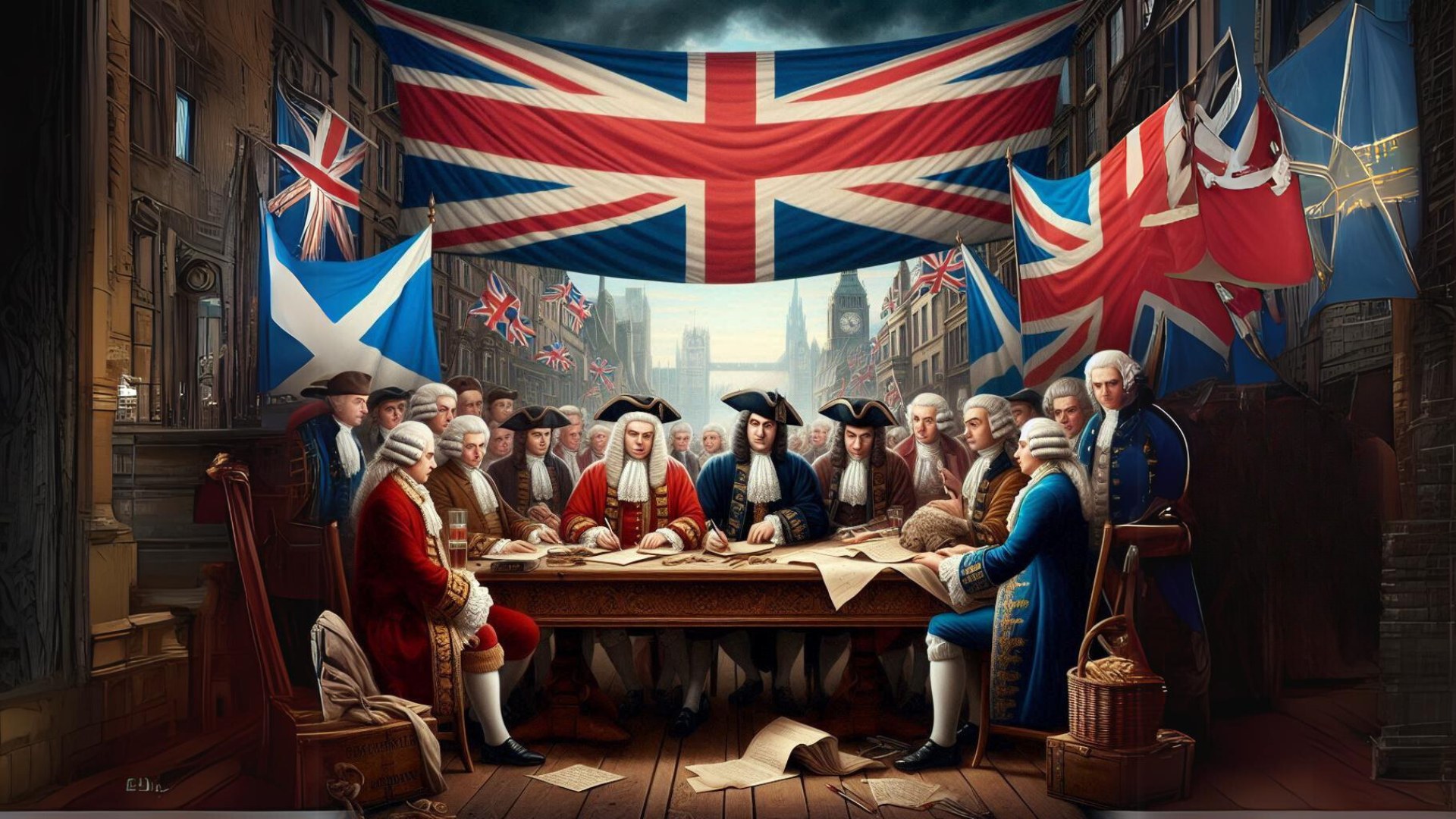
By the late 1600s, Scotland was spiraling into a severe economic crisis. Their economic policies had backfired spectacularly. Because of this, the Scottish people began looking favorably toward a formal union with their neighbor to the south—a country they had shared a monarch with for 100 years and, more importantly, a country that was doing much better economically. For many Scottish political figures, this was a golden opportunity. England, having waited centuries for this moment, adapted its policies accordingly, and in 1707, the union was finally sealed through a treaty. Following negotiations between the two countries, the Acts of Union were passed. This agreement dissolved the parliaments of both Scotland and England and established a single Parliament of Great Britain. And just like that, the two nations merged, and the Kingdom of Great Britain was born.
So, did the story end there? Of course not. We haven’t reached the finale yet, dear reader.
The Stirrings of Change
For about 250 years, this arrangement held steady, but the 1900s brought a wave of nationalism that began to resonate deeply with the Scottish people. The Scottish National Party (SNP), founded in 1934, began campaigning for Scotland’s independence. It laid the groundwork, and the movement started gaining followers. Then, in the 1970s, the discovery of North Sea oil highlighted just how much Scotland—which had originally joined the union due to economic hardship—was actually contributing to the UK’s wealth.
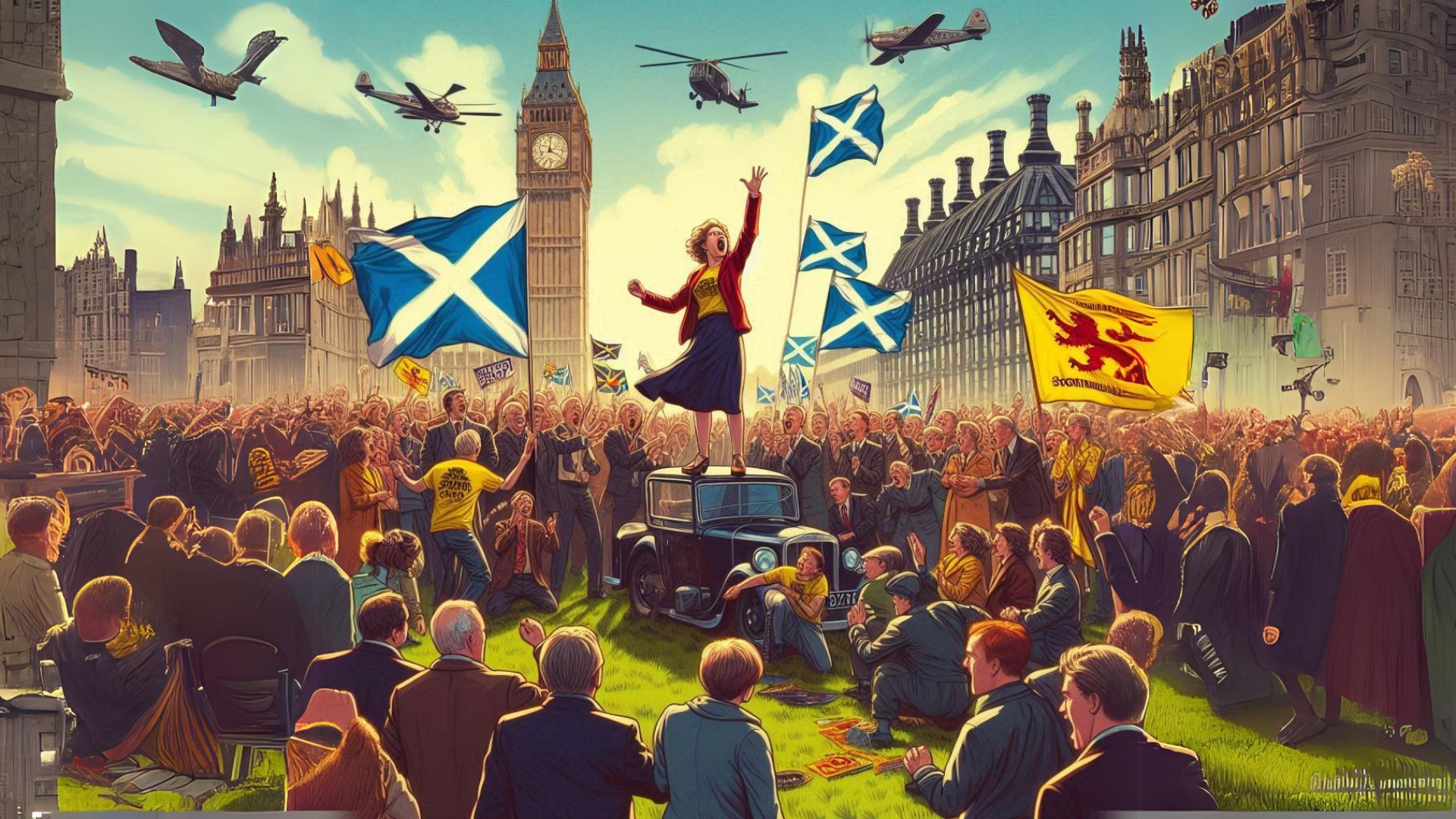
Driven by these factors, there was a push in 1979 to establish a Scottish parliament as a step toward independence, but it failed to garner enough votes. It was clear the movement hadn’t reached a critical mass yet. Just 20 years later, the demand resurfaced. Tony Blair’s Labour government held a new referendum, and this time, the majority of the Scottish people supported the re-establishment of a Scottish Parliament with devolved powers. In 1999, the Scottish Parliament was reopened, gaining the right to draft its own laws in specific areas like education and healthcare.
Was this the end? Absolutely not! Even with those new rights in 1999, Scotland was still not independent. So, they decided to take another step.
Today
The SNP achieved a landslide victory in the 2011 elections, a success that emboldened them to put the question of independence back on the table. In 2012, the UK government and the Scottish government agreed to hold an independence referendum.
In the 2014 referendum, the Scottish people were asked, “Should Scotland be an independent country?” The result was 55% “No” and 45% “Yes.” While the Scots opted to remain in the United Kingdom, the demand for independence didn’t vanish with that vote.
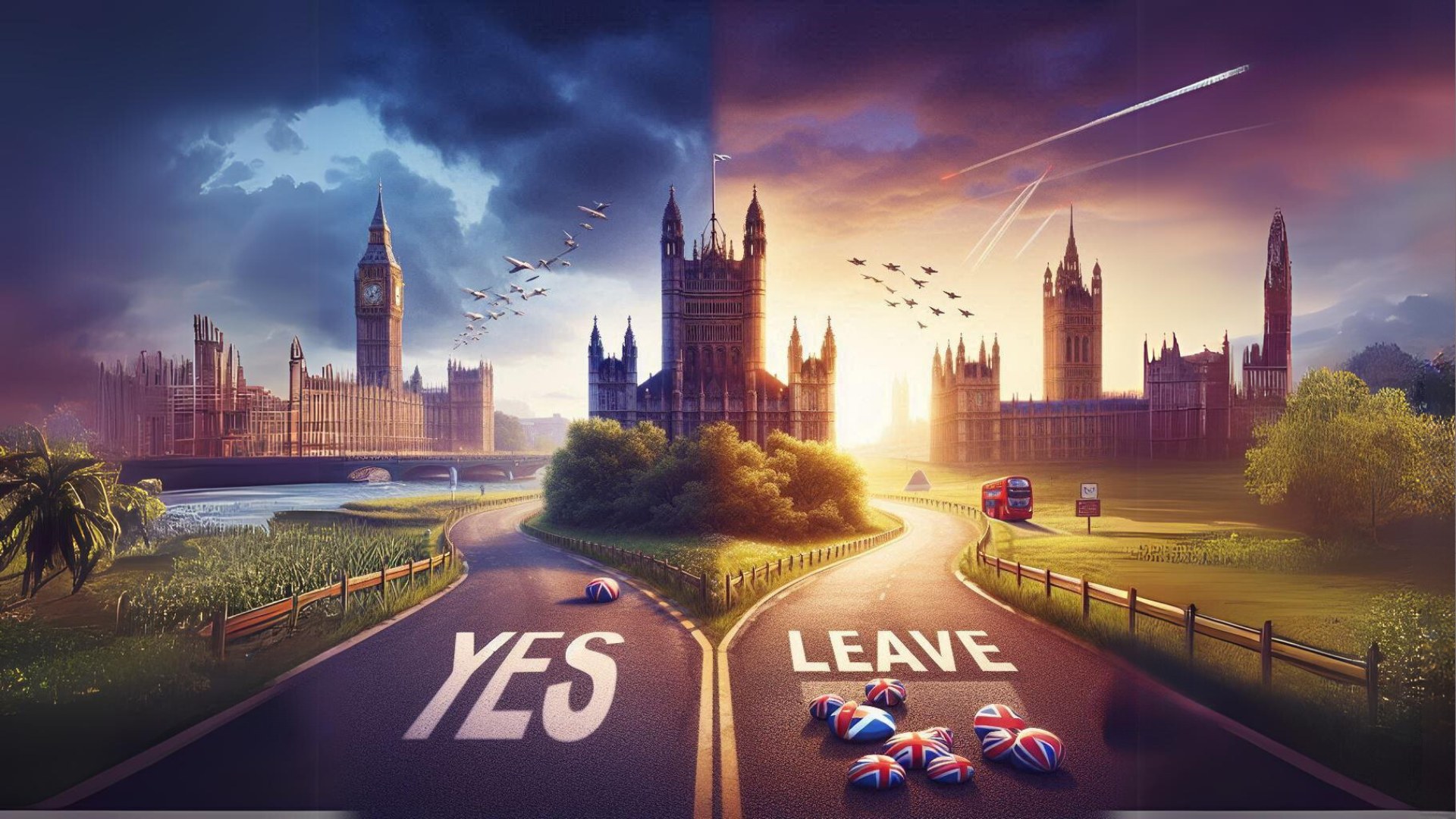
The 2016 Brexit referendum, which saw the UK vote to leave the European Union, triggered a fresh debate in Scotland. Even though the majority of Scots (62%) voted to remain in the EU, the UK as a whole decided to leave. This led Scotland to seriously question its political ties with England once again. The SNP ramped up its efforts and called for a new referendum, though their requests have been denied thus far.
While that’s where the story stands for now, don’t be surprised if this struggle reignites in the coming years, potentially leading to full independence.
References and Further Reading
Broughton, D. (2024, September 23). Scottish National Party (SNP) | History, Policy, & Leader. Encyclopedia Britannica. https://www.britannica.com/topic/Scottish-National-Party
The Editors of Encyclopaedia Britannica. (2024, August 28). Act of Union | Scotland, England, Ireland. Encyclopedia Britannica. https://www.britannica.com/event/Act-of-Union-Great-Britain-1707
Treaty of Northampton | England [1328] | Britannica. (n.d.). Encyclopedia Britannica. https://www.britannica.com/topic/Treaty-of-Northampton
Union of the Crowns. (n.d.). UK Parliament. https://www.parliament.uk/about/living-heritage/evolutionofparliament/legislativescrutiny/act-of-union-1707/overview/union-of-the-crowns/
Wikipedia contributors. (2024, September 25). Opinion polling on Scottish independence. Wikipedia. https://en.wikipedia.org/wiki/Opinion_polling_on_Scottish_independence#Remain/Leave_question
Originally published in Turkish at Doğa Filozofu.