

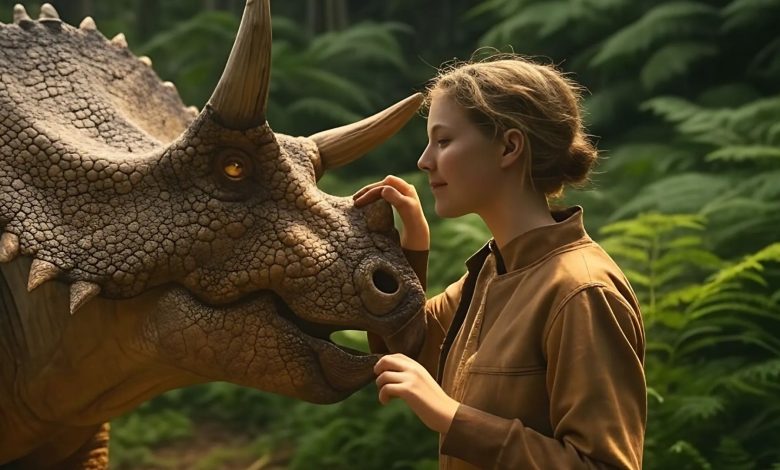
Extinct animals have always fascinated both the scientific community and the general public. Just imagine: mammoths with massive tusks, the 50-foot-long mega-snake Titanoboa, or the most famous icons of all—dinosaurs that reached lengths of 100 feet or more—all walking the same Earth we do. It’s breathtaking! Naturally, we’re obsessed with finding ways to bring these creatures back, both in the real world and on the silver screen. But is it actually possible? Do we have a real-world shot at creating a “Jurassic Park”? Let’s dive in and take a closer look at the science of de-extinction.
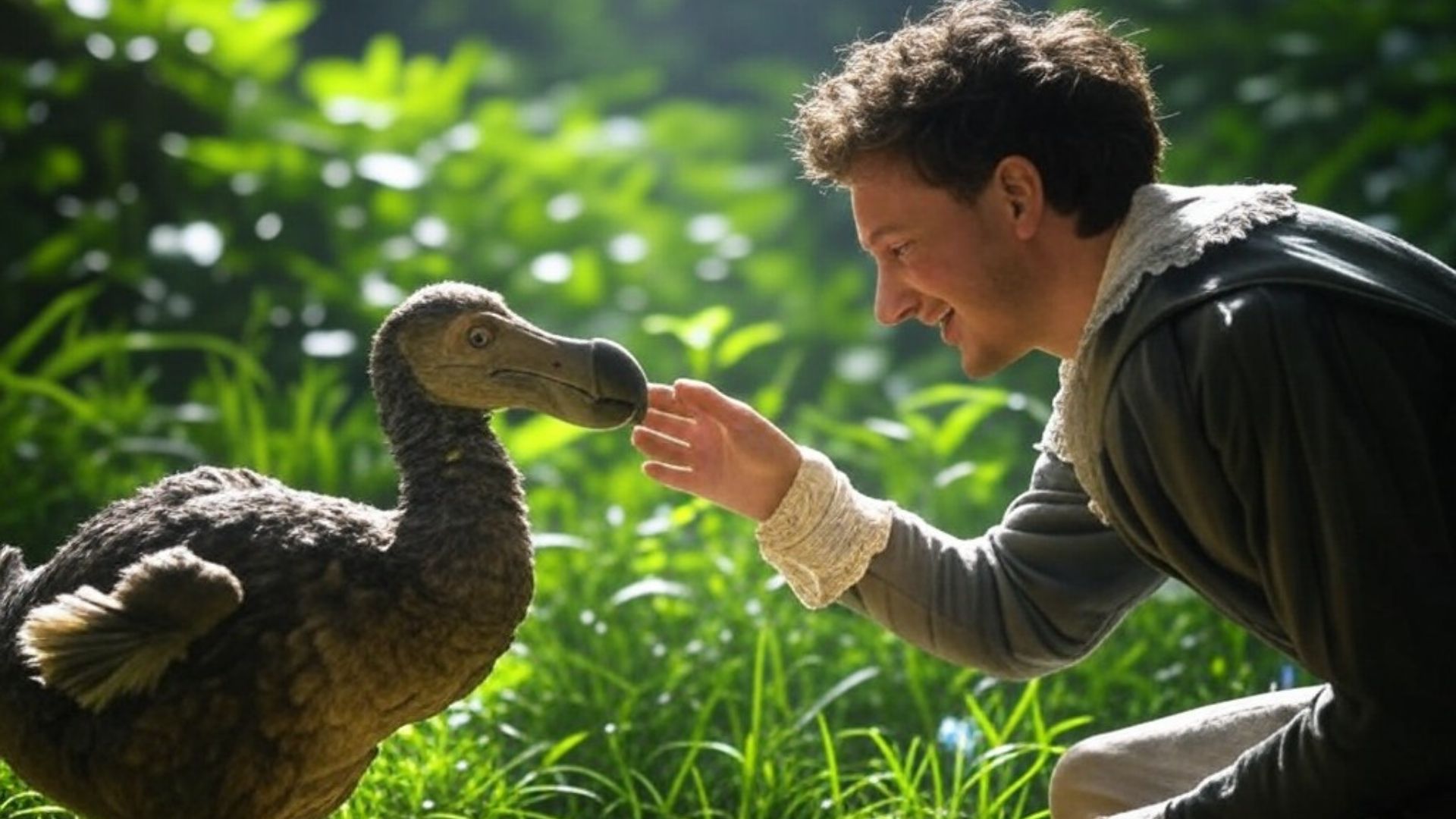
De-extinction is the process of recreating an extinct species or making its presence sustainable once again. It relies on using the genetic material of a species that lived in the past, with the help of genetic engineering, biotechnology, and modern scientific techniques. Let’s explore some potential methods and the work that has been done so far:
Cloning Technology and SCNT:
Cloning is the process of transferring genetic material from one organism to another to create a new individual that is genetically identical. We’ve all heard of Dolly the sheep. Born in 1996, Dolly made waves in the scientific world as the first mammal cloned using somatic cell nuclear transfer (SCNT). SCNT is a technique where the nucleus of a somatic cell is transferred into an egg cell that has had its own nucleus removed, then placed into the cytoplasm. This success immediately sparked the question: “Could we use this method for extinct creatures?“
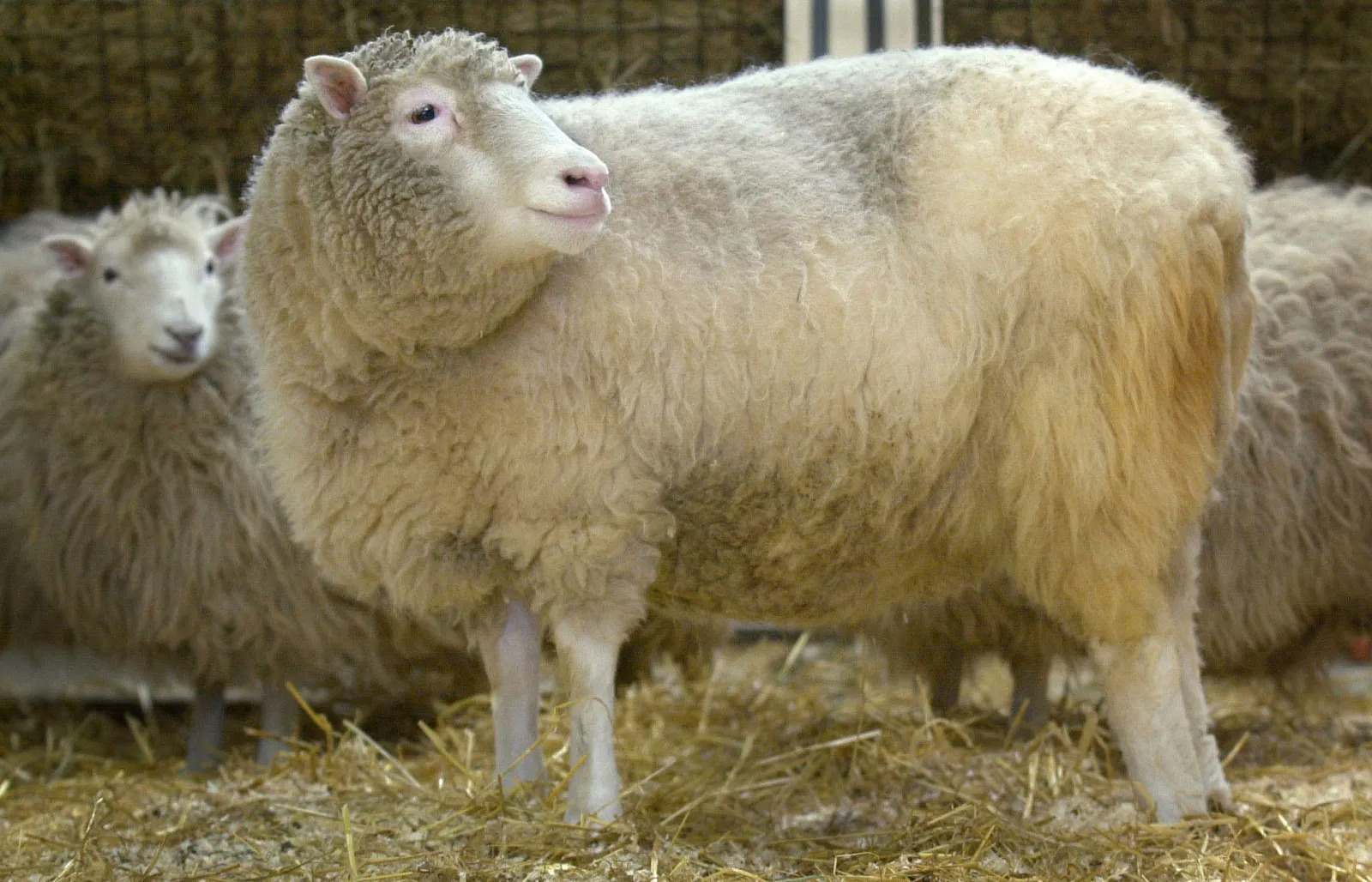
While cloning is a significant step forward, it has serious limitations. To create a successful clone, you need a cell with intact genetic material. The DNA in dead cells usually degrades quickly, making it unusable for cloning. While we can’t bring back an animal that went extinct centuries ago using just this method, SCNT could be a viable option for recently lost species. Take the Pyrenean ibex, for example. After the last individual died in 2000, a Spanish research team attempted to clone it using SCNT. A kid named “Celia” was born, but sadly, she lived for only seven minutes due to lung complications. Even so, it was a landmark moment for de-extinction.
A Breakthrough Discovery: CRISPR-Cas9
CRISPR-Cas9 is a revolutionary tool in genetic engineering. This technology allows for highly specific edits to DNA, making genetic modification incredibly precise. It gives researchers the power to add, delete, or alter DNA sequences. Two scientists who pioneered this discovery, Emmanuelle Charpentier and Jennifer A. Doudna, were awarded the Nobel Prize in Chemistry for their work.

The system works through the interaction of two main molecules: the Cas9 protein and a guide RNA (gRNA). Cas9 is the protein that acts as the “scissors” to cut DNA, while the guide RNA is programmed to match the specific DNA sequence we want to target. Together, they allow us to make exact changes.
Simply put, the guide RNA is designed to be a perfect match for the target DNA. Just as Guanine pairs with Cytosine and Adenine pairs with Thymine, the guide RNA recognizes the sequence we want to edit. For example, if we want to change a sequence like ACGGTTA, we use a guide RNA with a sequence of TGCCAAT. The Cas9 protein then follows the guide RNA to the target site and, like a pair of molecular scissors, initiates the cut.
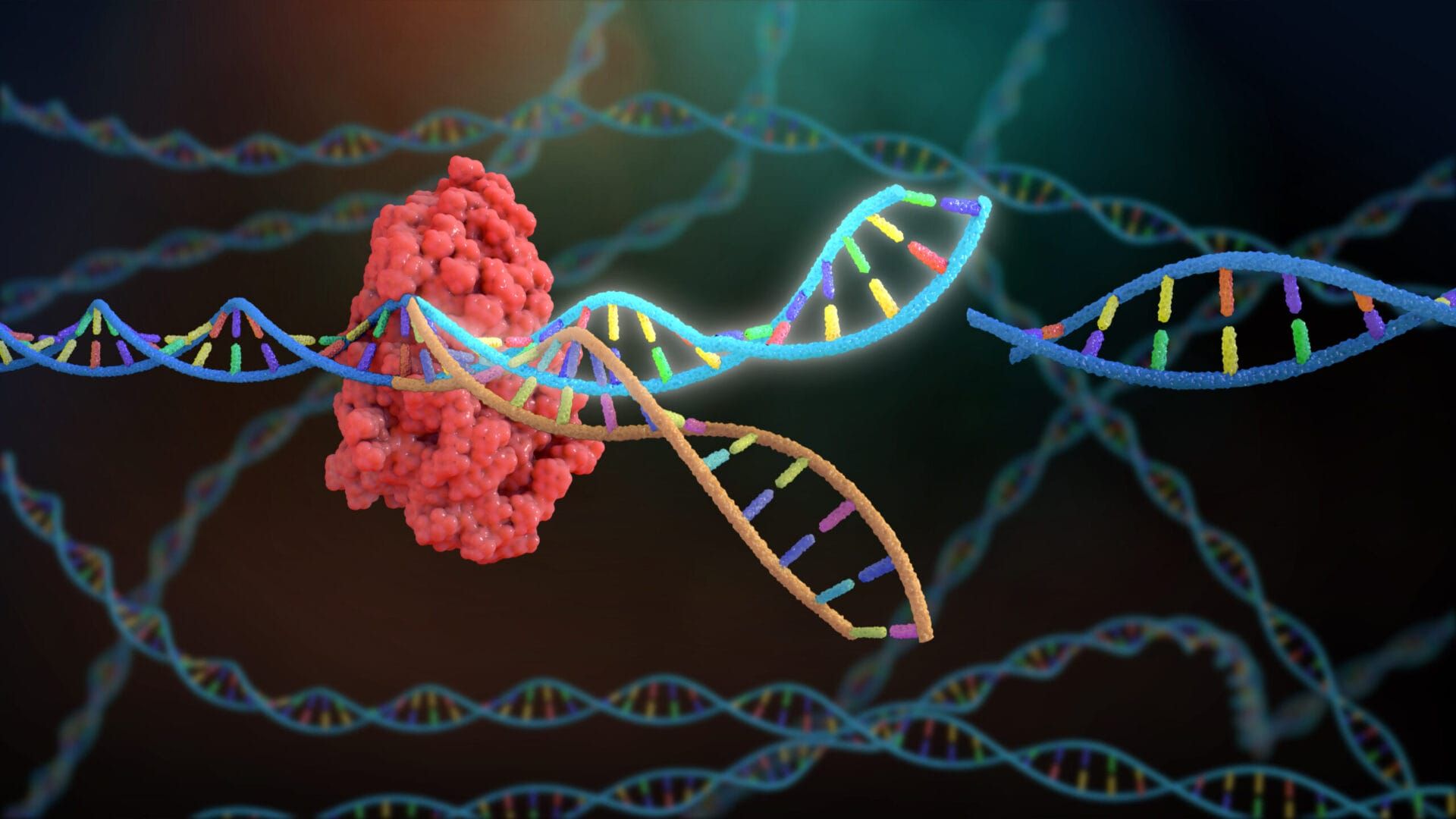
Once the DNA is cut, we can delete genetic material or insert new sequences. We essentially gain the power to rewrite what took nature eons to perfect! The fact that we can do this at the nano-scale shows just how extraordinary these genetic engineering technologies really are.
So, how can we use this for de-extinction?
The first step in resurrecting an extinct animal using CRISPR is to decode its genome. Having the genetic code is like having the “recipe” for the animal. From there, we take the genome of the animal’s closest living relative and use CRISPR-Cas9 to edit it, making additions and deletions until it matches the genetic structure of the extinct species as closely as possible.
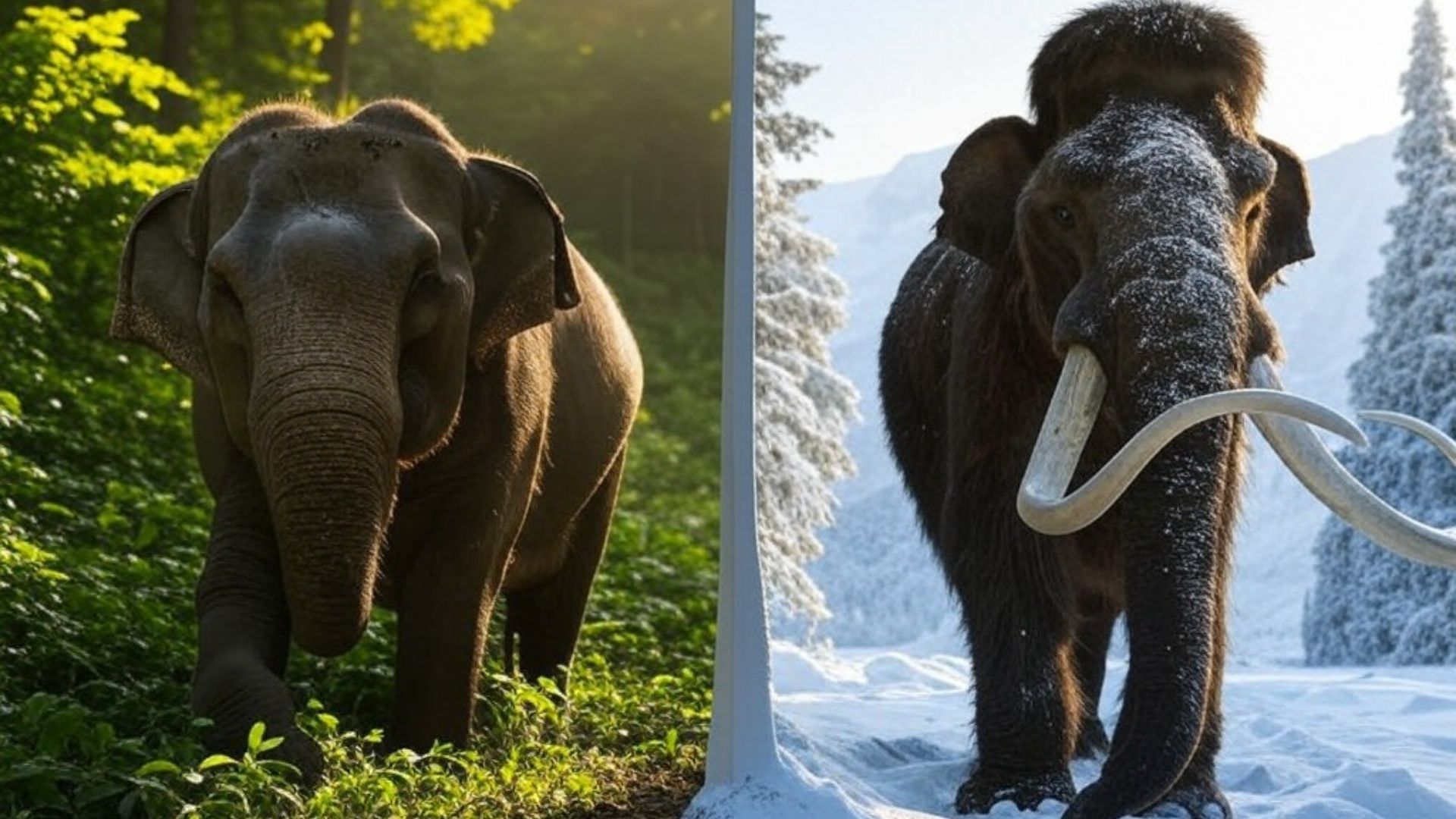
Scientists compare both genomes and integrate the critical genetic pieces of the extinct animal into the relative’s genome. For instance, if we want to bring back the mammoth, we would need to integrate its cold-tolerance genes into the genome of an Asian elephant.
While this is a hopeful and significant step for de-extinction, it’s not without major hurdles. The sheer volume of genetic changes required is a massive obstacle. According to a 2006 article in Nature, titled “Memories of Mammoths,” mammoths and Asian elephants diverged about 6 million years ago, with roughly 1.4 million nucleotide differences between them. That is an astronomical gap to bridge.
What path does Jurassic Park offer us?
The core idea of the film relies on a mosquito that drank dinosaur blood and then became fossilized in tree resin. In the movie, scientists carefully extract the blood and then the DNA. They fill in the gaps in the DNA using frog DNA to create a complete dinosaur genome. Finally, they insert this DNA into an egg cell, using genetic engineering to create a dinosaur embryo. The dinosaur DNA then triggers the embryo to develop.
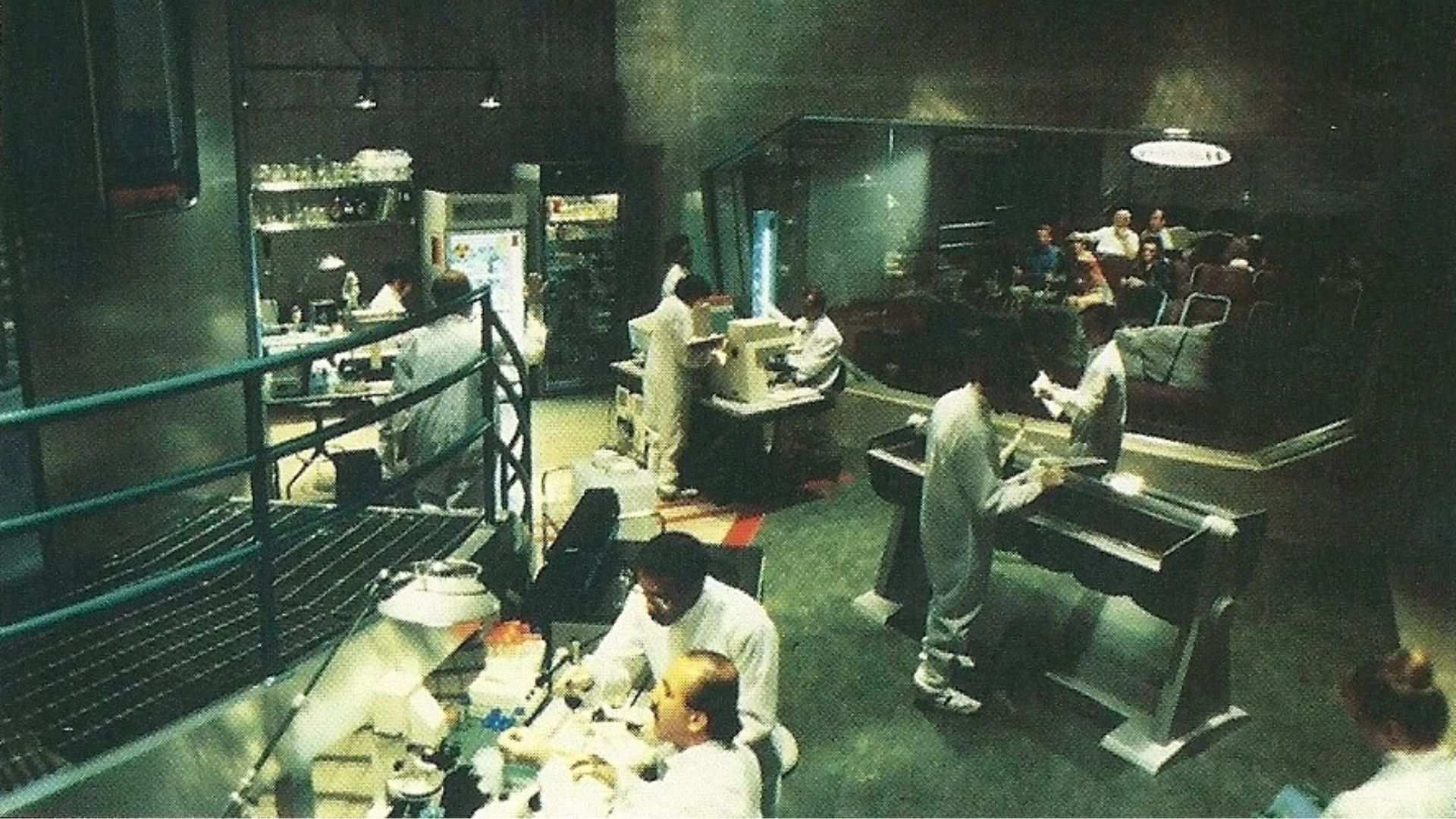
Is this method feasible in real life?
As logical as the process in Jurassic Park sounds, the real world is full of massive challenges. The biggest one is that we have yet to find any viable dinosaur DNA. The oldest DNA scientists have ever recovered is about 2.4 million years old, but for a dinosaur, we would need genetic material from at least 66 million years ago.
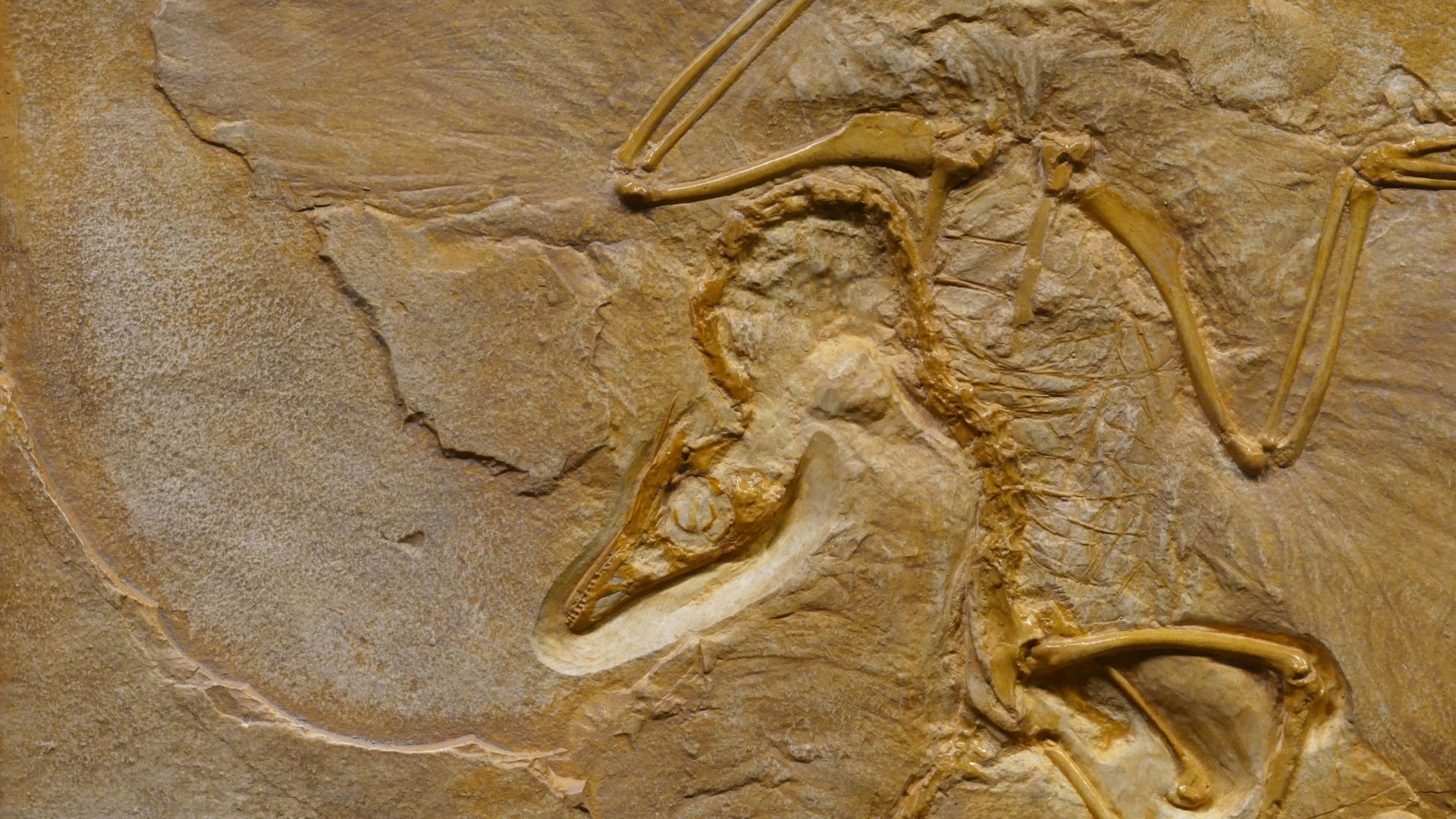
Furthermore, using frog DNA to fill in the gaps is scientifically problematic for two reasons. First, to know where the gaps are, you need a complete dinosaur genome. Second, using frog DNA is a very strange choice. While it served the plot of the movie, in reality, it would make more sense to use a closer relative—like birds—but even that would fall short. In short, given our current technology and findings, bringing dinosaurs back is impossible, and the Jurassic Park film fails the test of scientific accuracy.

While Jurassic Park may not offer a scientifically sound method for recreating dinosaurs, we are making progress every day thanks to evolving genetic engineering technologies like SCNT and CRISPR-Cas9.
Although these methods have their limitations and challenges when it comes to editing genetic material and directing biological processes, they continue to hold promise for de-extinction as science advances. Who knows? Perhaps one day we will step into a future where we share the world with dinosaurs again!
References and Further Reading:
Barış Özcan. (2020, October 11). Genetik alanındaki en büyük keşif Nobel ödülü aldı: CRISPR-Cas9 nedir? [Video]. YouTube. https://www.youtube.com/watch?v=4Ag90YCgBqQ
Funnell, R. (2023, June 15). Can we bring back dinosaurs, and is anyone trying to? IFLScience. https://www.iflscience.com/can-we-bring-back-dinosaurs-and-is-anyone-trying-to-69382
Gee, H. (2006). Evolution: Memories of mammoths. Nature, 439(7077), 673. https://doi.org/10.1038/439673a
Rogers, K. (2024, December 23). De-extinction | Definition, History, ethics, & Facts. Encyclopedia Britannica. https://www.britannica.com/science/de-extinction
Shah-Neville, W. (2023, March 10). De-extinction: can CRISPR bring back extinct animals? Labiotech.eu. https://www.labiotech.eu/in-depth/crispr-de-extinction-to-bring-back-animals/
Söğüt, M. S. (2022, April 19). CRISPR: Nobel ödüllü gen düzenleme yöntemi. Bilim Genc. https://bilimgenc.tubitak.gov.tr/makale/crispr-nobel-odullu-gen-duzenleme-yontemi
Originally published in Turkish at Doğa Filozofu.