
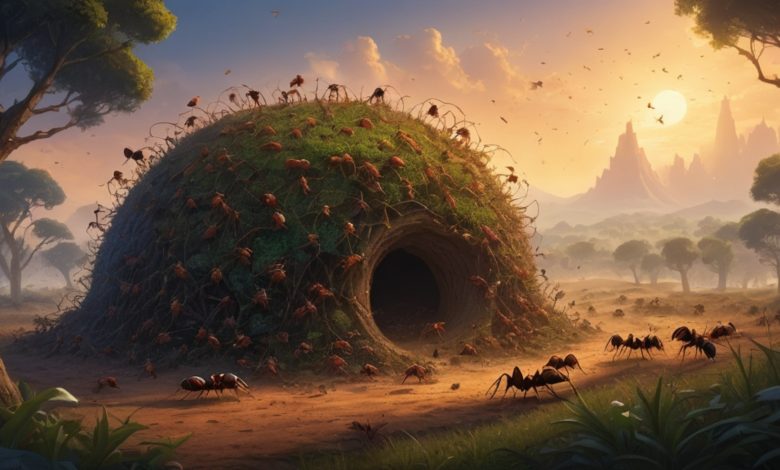
Don’t let their size fool you—these tiny creatures belong to one of the most fascinating, populous, and ancient communities on Earth. Capable of lifting 50 times their own body weight and functioning as a flawless society, ants are one of nature’s greatest miracles. Let’s dive in and explore the world of these remarkable little beings!
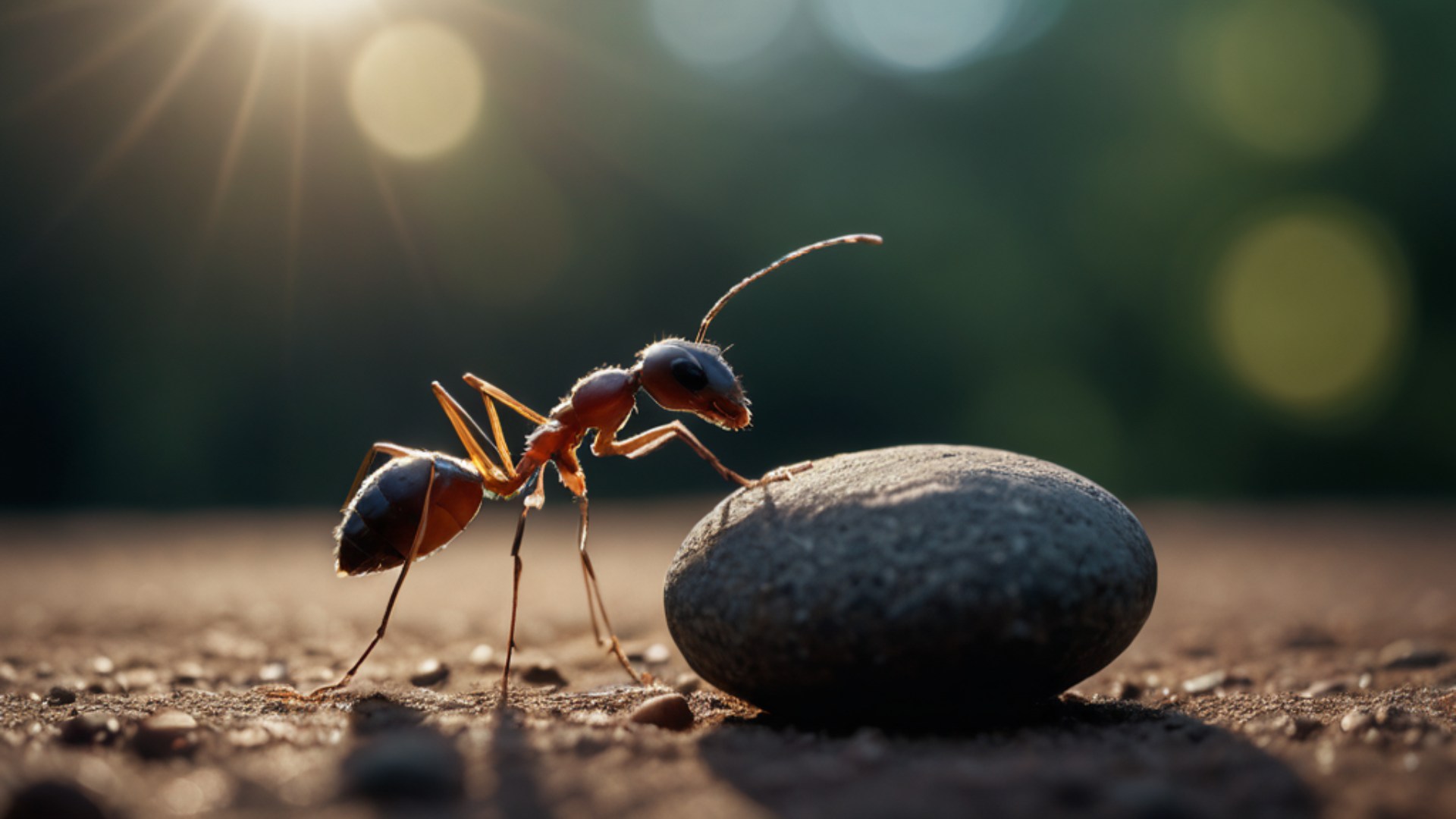
Ants are among the most impressive creatures on the planet, famous for their legendary communication skills and unique ability to function as “superorganisms.” But have you ever wondered just how many ants there are in the world? Way more than you’d guess! There are roughly 20 quadrillion ants globally; that’s 2.5 million ants for every single human. So, where do these massive crowds live? Just about everywhere, except for Antarctica, Iceland, Greenland, and a few island nations. They thrive in the soil, among leaf litter, and within decaying vegetation.
The Evolution of Ants
The history of ants stretches all the way back to the Cretaceous period, the age of the dinosaurs. While it was long thought that they first appeared about 100 million years ago, new research suggests they may have been around for 140 to 168 million years. Scientists have discovered that one of the oldest members of the ant family is the little-known subfamily Leptanillinae. Following this group, two major lineages emerged: the predatory ants (poneroids) and the more familiar pavement and carpenter ants (formicoids).
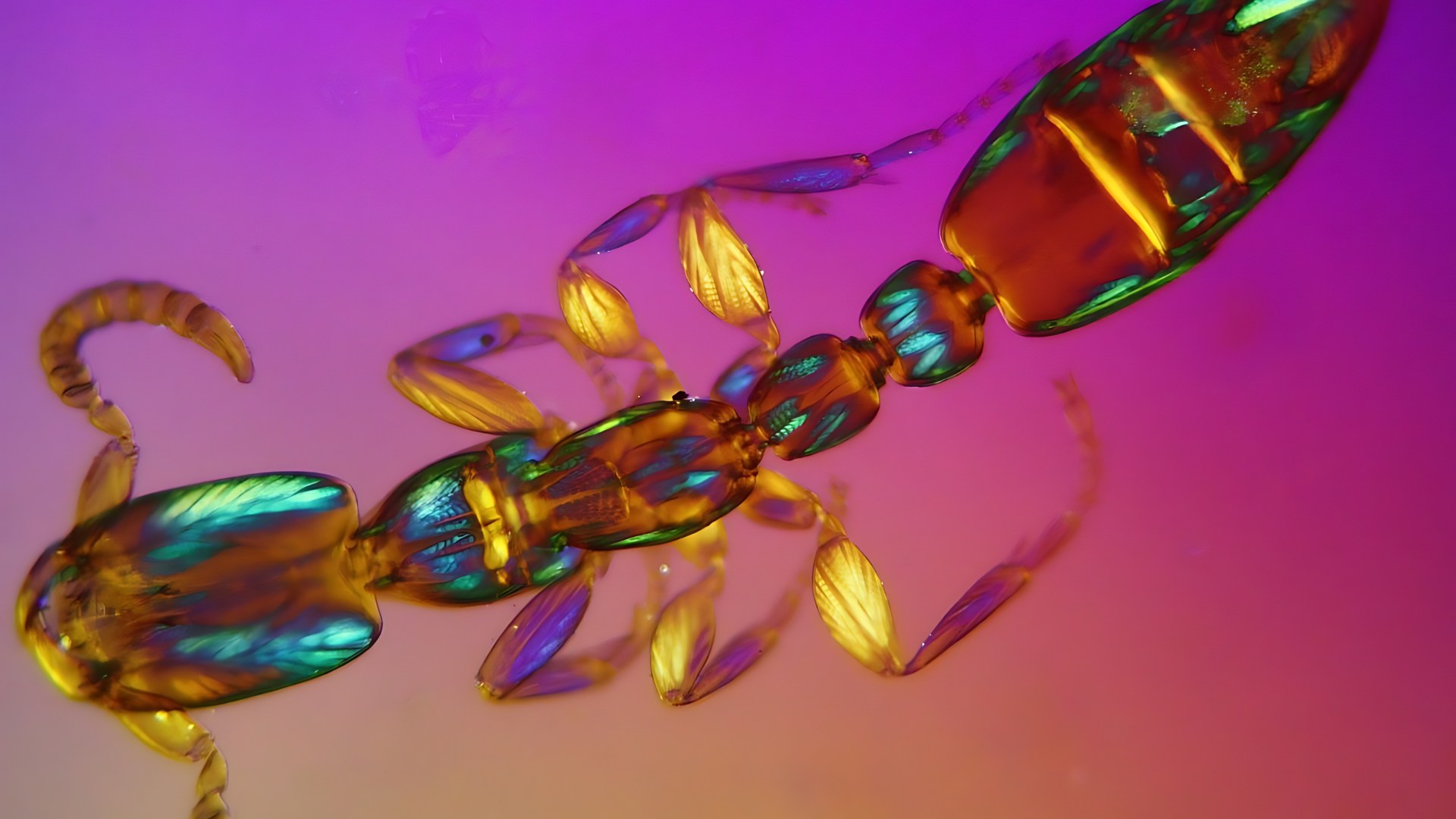
The social structure and adaptability of ants have made them an evolutionary success story. Thanks to these skills, ants have secured vital roles in almost every ecosystem on Earth, diversifying into approximately 12,000 different species. In short, we can safely say that ants have achieved massive evolutionary success over the last several million years.
Ant Anatomy
Ranging from 2 to 25 millimeters in length, an ant’s body is divided into three sections: the head, the thorax, and the gaster (the abdomen behind the waist). Some ants have wings, which indicates they are reproductive. Winged ants are either queens or the males destined to mate with a queen. There are over 12,000 species living alongside us today, typically found in shades of black, brown, or red.
Nature’s Feminists: Female Dominance in Ant Colonies
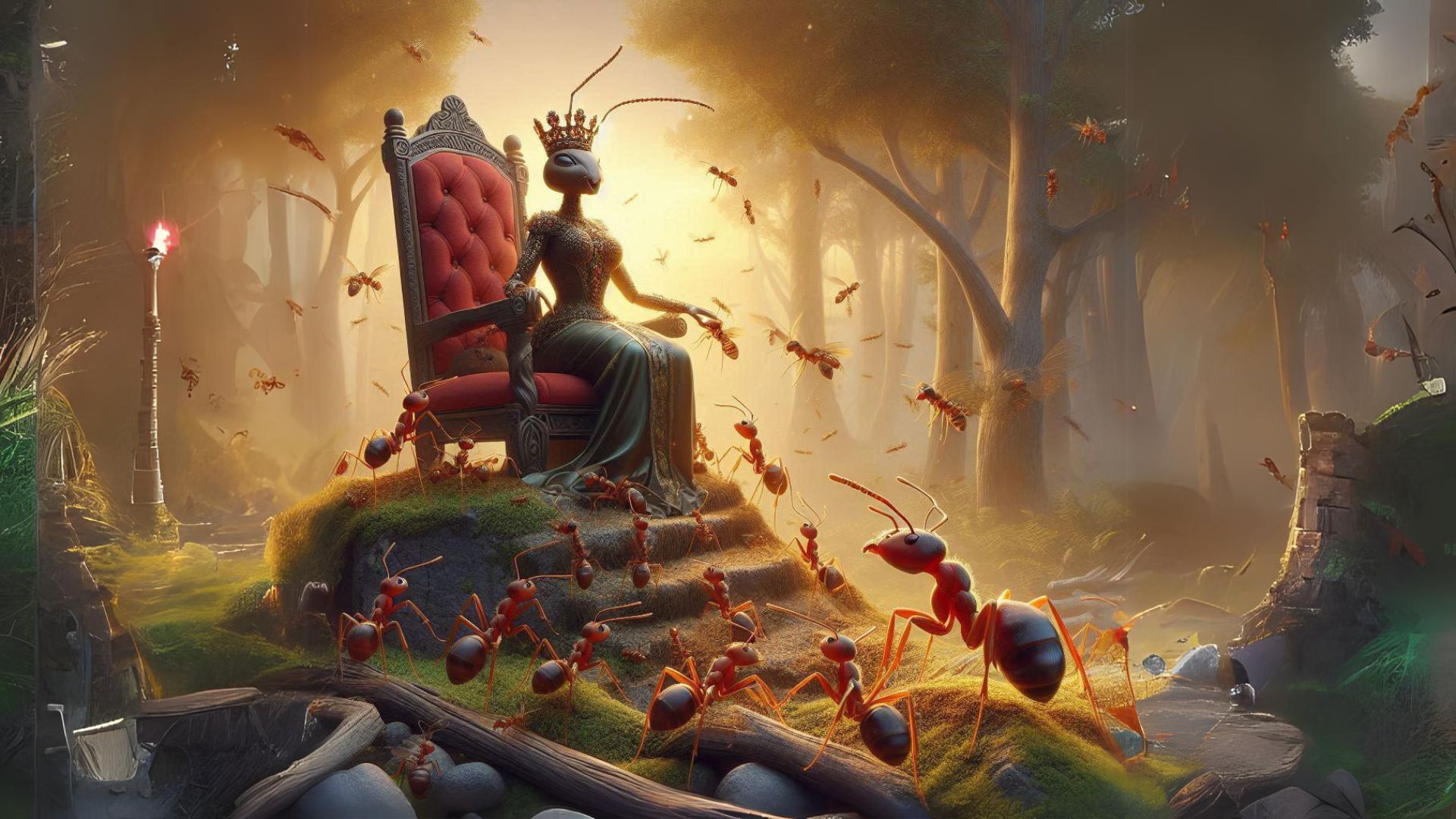
Ant colonies are divided into castes: workers, soldiers, and queens. These communities are typically ruled by one or more queens. The workers are all female; they tend to the queen and the brood, and venture out to gather resources. You’ve likely seen ants carrying large pieces of debris; those are worker ants on a mission to bring food back to their queen. Worker ants can carry 50 times their own weight. Winged males mate with the queens and die shortly after. The queens lay thousands of eggs to ensure the colony’s survival. The sole role of the male ants (often called drones) is to mate with the queen. In other words, it’s fair to say that ant societies are run by women.
How Do Ants Communicate?
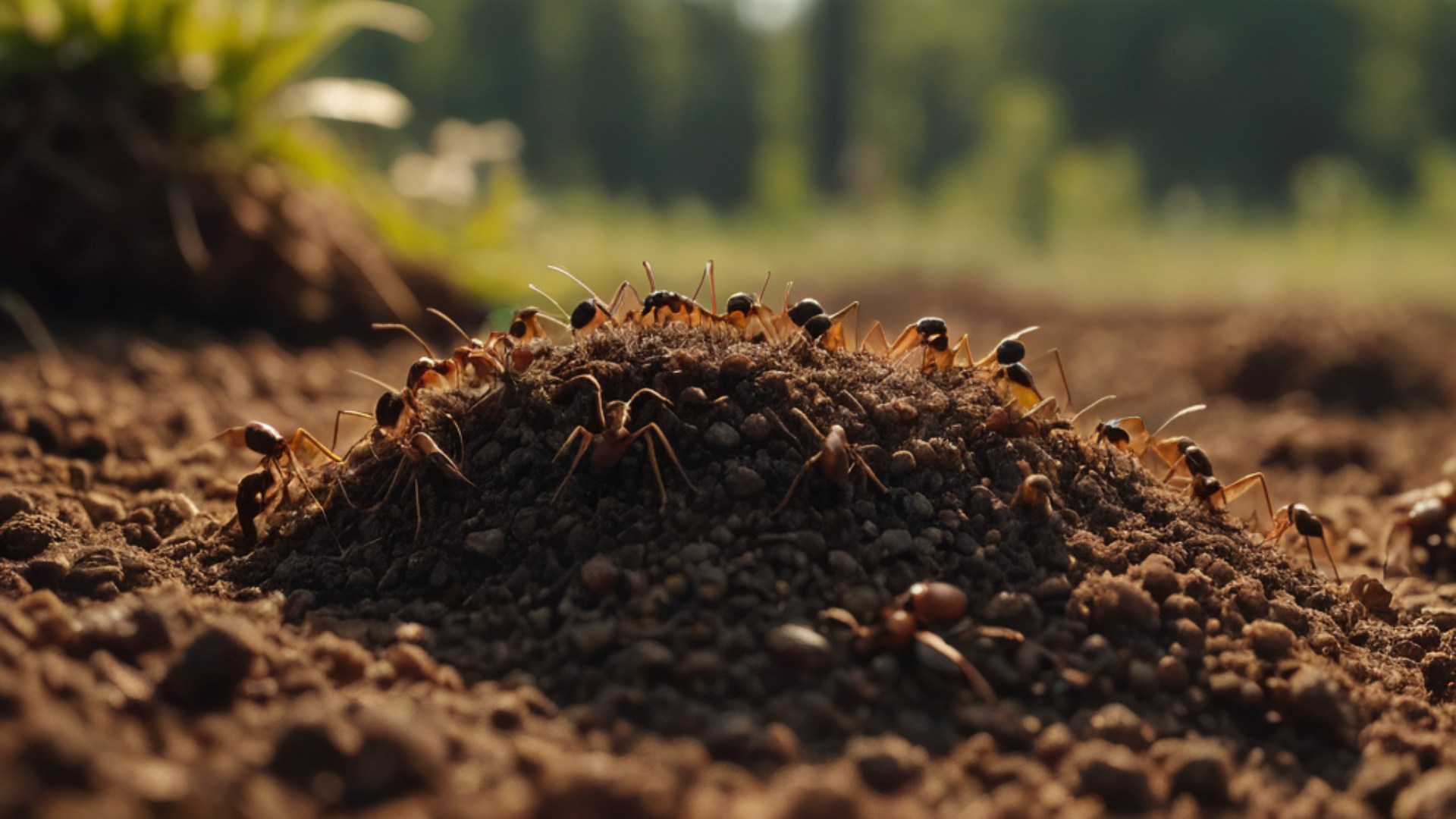
Ants are incredibly social creatures. Their strict hierarchical order makes communication an absolute necessity. The reason their division of labor functions with such machine-like efficiency is entirely due to their communication skills. So, how do they manage such complexity? They use their sharp senses to interact with other colony members. By secreting pheromones and chemical signals, they alert one another to danger and point the way to food sources. These chemicals allow them to cooperate and coordinate seamlessly. Beyond that, they use physical contact—like tapping with their antennae or passing food mouth-to-mouth—to share information and strengthen their collective effort.
What Do Ants Eat?
Ants generally feed on nectar, seeds, fungi, or insects. Contrary to popular belief, their diet is quite broad, including termites, caterpillars, larvae, grasshoppers, small spiders, aphids, and even dead or injured winged insects.
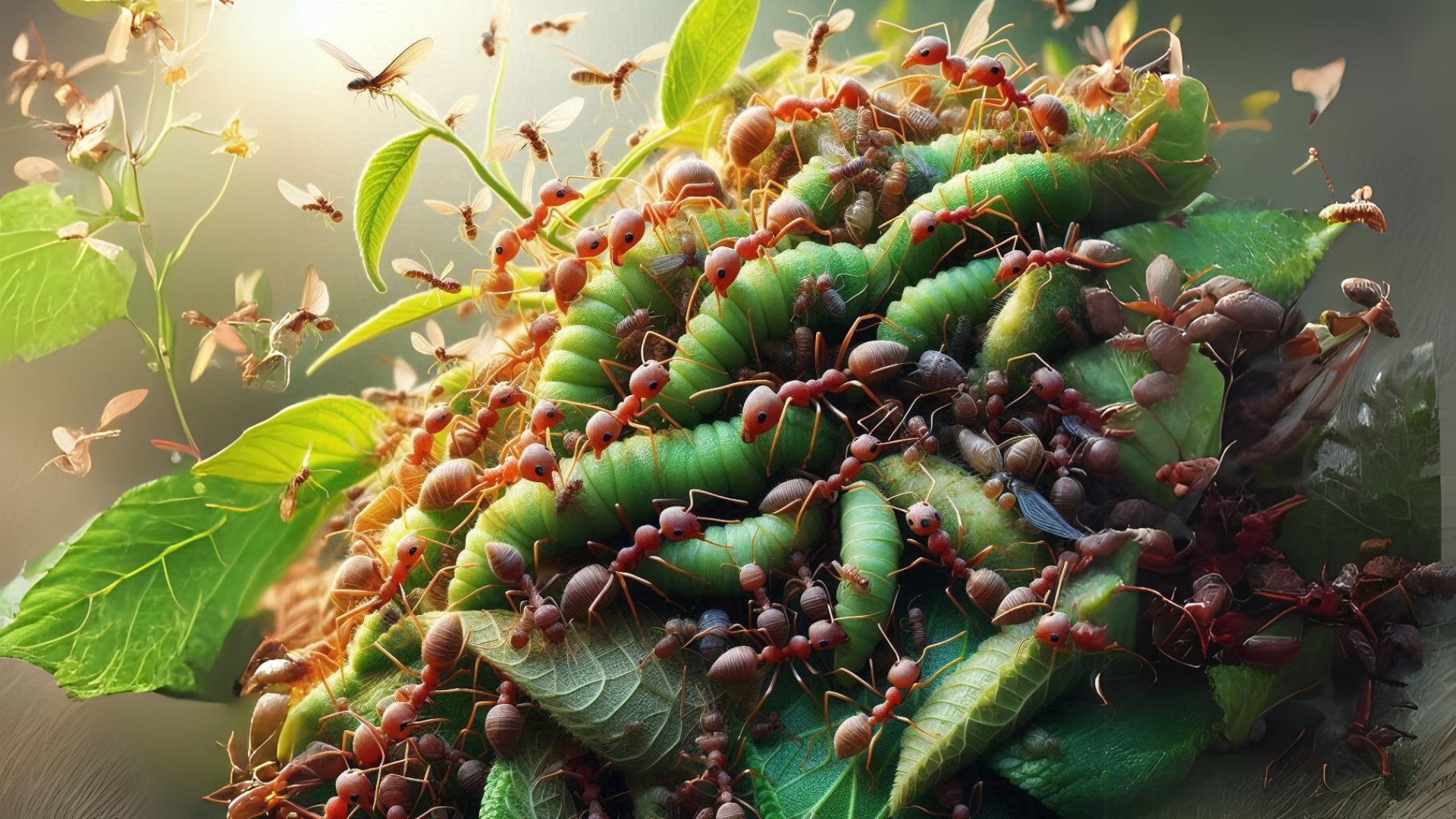
Furthermore, some species use their powerful mandibles and painful stings to hunt spiders, reptiles, birds, and even small mammals. This shows that ants are omnivores, consuming both plant and animal matter. Even though they are physically small, they prove just how powerful and effective they can be.
Small Creatures, Massive Impact
Have you ever thought about how much damage these tiny creatures can actually cause? More than you might expect! Invasive ant species are becoming an increasingly serious problem. Research shows that over 500 ant species have been transported to non-native countries, often hitching a ride with humans or our cargo. These foreign ants can disrupt ecosystem dynamics, exhaust local resources, and wipe out other organisms. Between 1930 and 2021, invasive ants caused approximately $51 billion in damage to the global economy.
While these tiny creatures might seem destructive, their benefits far outweigh the harm. From creating fertile soil for plant growth and acting as a vital food source for other animals, to breaking down dead organic matter and cycling nutrients, they are essential. They help plants grow by dispersing seeds and protect them from harmful bacteria by feeding on pests. Ant-sized they may be, but their impact on the ecosystem is truly gargantuan.
The epic story of these tiny creatures reveals just how complex and fascinating the natural world really is. We owe a debt of gratitude to the ants for letting us peek into their inspiring lives.
References and Further Reading
Ancient ants arose 140-168 million years ago. (n.d.). NSF – National Science Foundation. https://www.nsf.gov/news/news_summ.jsp?cntn_id=106851
Ants. (n.d.). National Wildlife Federation. https://www.nwf.org/Educational-Resources/Wildlife-Guide/Invertebrates/Ants
The Editors of Encyclopaedia Britannica. (2024, July 7). Ant | Description, Taxonomy, Habitat, Species, Life Cycle, & Facts. Encyclopedia Britannica. https://www.britannica.com/animal/ant
WATCH: “Paramedic” Ants save the wounded in termite wars. (n.d.). [Video]. Animals. https://www.nationalgeographic.com/animals/invertebrates/facts/ants
Originally published in Turkish at Doğa Filozofu.