
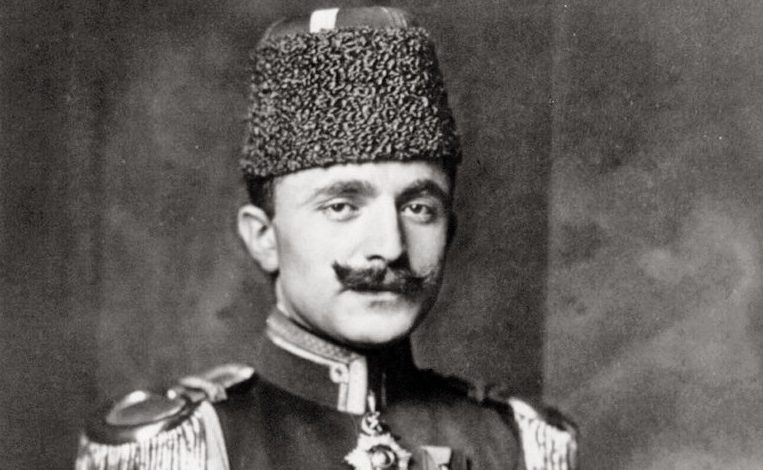
Mustafa Kemal Atatürk was, without a shadow of a doubt, one of the greatest leaders this country and Turkish history have ever seen. He ignited a movement across Anatolia that swept hundreds of thousands into its wake, breathing new life into a nation that many had already written off as finished. Yet, despite his incredible legacy and achievements, the “Blue-Eyed Giant” had a rival: Enver Pasha.
To many, Enver Pasha is synonymous with the ill-fated Sarikamish Campaign—a commander defined by failure. You might find yourself asking, “Why would this man even be considered Atatürk’s rival?” Let’s dive in and shed some light on the reality of who Enver Pasha truly was.
Who Was Enver Pasha?
As the Ottoman Empire began to crumble under the weight of systemic corruption and a series of increasingly inept sultans, reformist movements started to take root. One group, in particular, gradually gained a foothold in the country’s administration: the Committee of Union and Progress (İttihat ve Terakki). Its most prominent leader was Enver Pasha. His general stance was that the sultan’s absolute authority was harming the state; he wanted his party to have a seat at the table when it came to major decisions. His frustration with the sultan wasn’t necessarily born from an anti-monarchist ideology, but rather from the fact that the sultans of the last century had been disastrously unsuccessful. He believed his group of educated, qualified men would be far more effective at steering the Ottoman ship. Enver Pasha stood at the helm of this faction. At the time, Atatürk was also involved with the Committee of Union and Progress, but he didn’t play a major role. From the very beginning, he and Enver Pasha maintained a relationship that was respectful but devoid of any real warmth. Enver was irked by Mustafa Kemal’s rigid personality and his refusal to bow to authority, while Mustafa Kemal fundamentally disagreed with Enver’s vision.
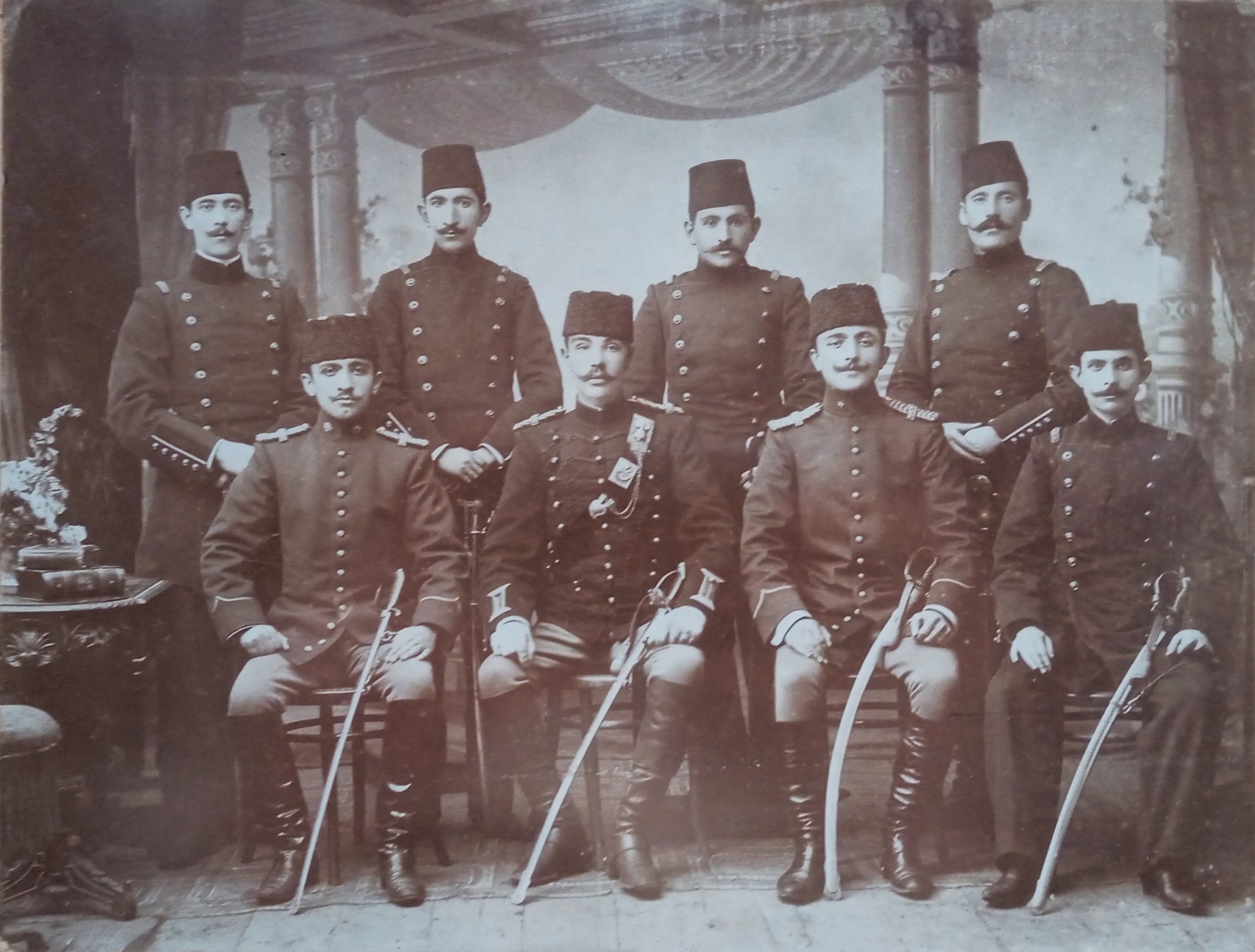
There was never any reason to doubt Enver Pasha’s patriotism. He genuinely wanted to restore the Ottoman Empire to its former glory. While Mustafa Kemal spent years stuck at the rank of lieutenant colonel because he refused to play nice with superiors and constantly faced obstacles in his military career, Enver Pasha—who knew how to play the political game—rapidly ascended to Minister of War, becoming the commander of all commanders in Anatolia. It was actually Enver who kept sending Mustafa Kemal to far-off posts to keep him out of the way. Later, when their paths crossed again in Damascus, the rivalry continued. Enver held a much higher rank; in fact, even Mustafa Kemal’s own commanders were technically under Enver. Yet, Mustafa Kemal never accepted that hierarchy, always dealing with him as an equal. Because Enver kept denying him major assignments, Mustafa Kemal eventually resigned from his post and set off for Sofia.
Enver Pasha was instrumental in the Ottoman Empire’s alliance with Germany during World War I. However, he played a central role in the events that eventually led to the Empire’s defeat and collapse. Following the dissolution of the Ottoman Empire in 1918, he was forced into exile.
The Sarikamish Campaign
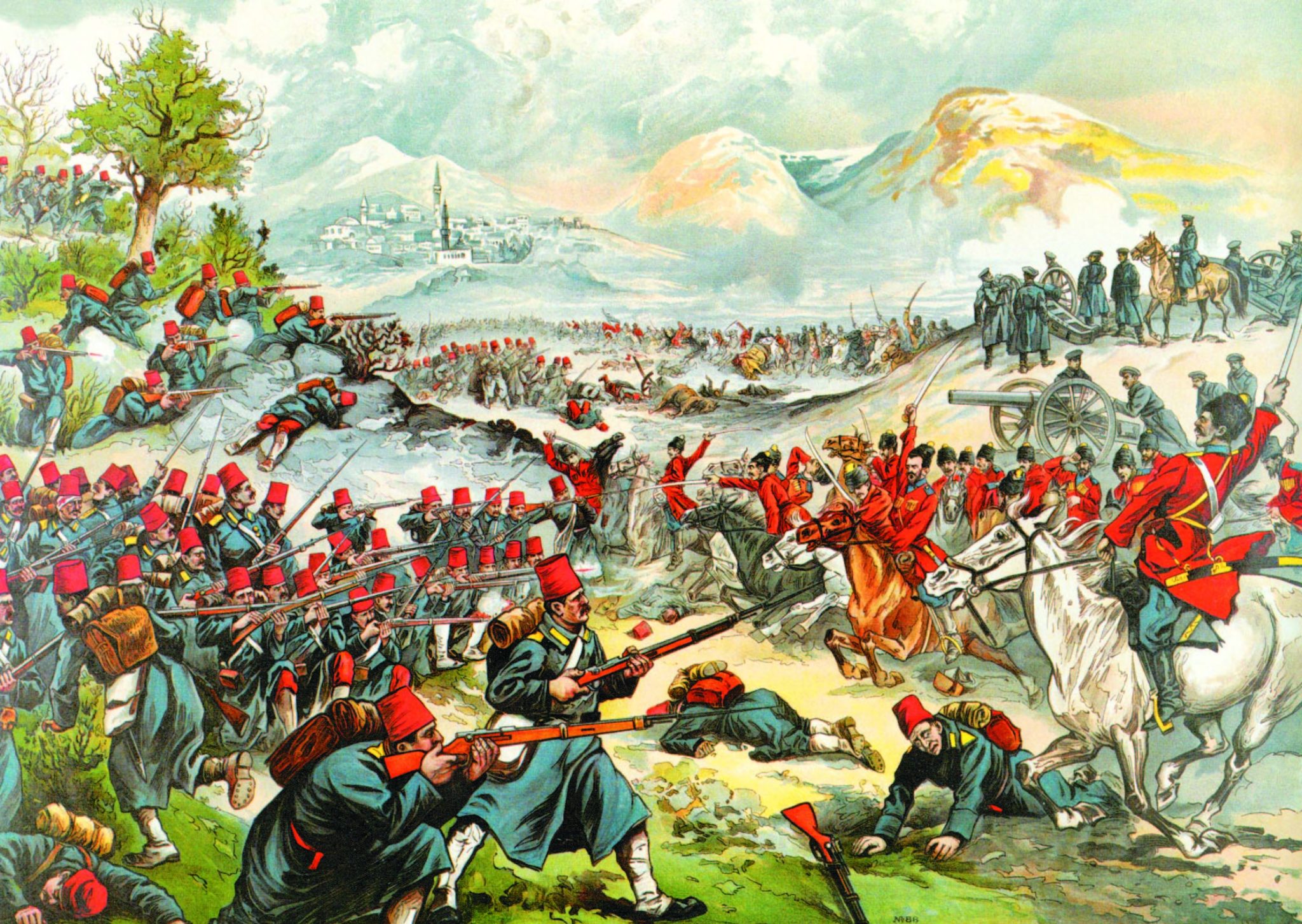
With the onset of World War I, Enver Pasha launched an offensive against the Russians, leading to the infamous Sarikamish Campaign. Contrary to popular belief, the story that soldiers froze to death without firing a single shot is a myth. However, while the Russians suffered roughly 17,000 casualties in the operation, the Ottoman army lost over 60,000 men—a staggering figure that highlights just how disastrous and ineffective Enver Pasha’s strategy truly was.
His attempt to unify the Ottoman Empire with other Turkic states while completely disregarding the harsh winter conditions was, in many ways, a delusional endeavor that cost the nation dearly. After Mustafa Kemal persistently requested an active front command from his post in Sofia, Enver finally assigned him to the Gallipoli Front (to command the 19th Division), which was vital for the defense of the capital, Istanbul. As we all know, the Battle of Gallipoli was the turning point for Mustafa Kemal. While he introduced his name to the world, Enver Pasha’s star was rapidly fading.
Before long, Mustafa Kemal raised the flag of rebellion against the Istanbul Government and launched the national movement in Anatolia, while Enver Pasha and the Committee of Union and Progress were held responsible for the World War I defeat. Following these events, Enver Pasha fled to Berlin. Though he initially made contact with Soviet Russia, he later moved on to Turkistan, where he joined and organized the Basmachi Movement—a resistance fighting for independence against the Bolsheviks. Even then, it wouldn’t be accurate to say he was a full supporter of Mustafa Kemal. Many believed he intended to displace Mustafa Kemal, using him only to handle the military heavy lifting. Mustafa Kemal was well aware of this and never gave him the opening he needed. Kazım Pasha eventually intercepted Enver’s letters and kept Mustafa Kemal informed; these letters proved that Enver was playing a double game. Enver’s plan was to take control once Mustafa Kemal had done the hard work of securing the military victory. To that end, he was holding separate negotiations with both the Russians and the British. Mustafa Kemal took decisive measures to counter this. As it turned out, Enver didn’t have as many supporters as he thought; even the old members of the Committee of Union and Progress had moved on, wanting nothing to do with their former leader and pledging their full loyalty to Mustafa Kemal.
Enver Pasha then set his sights on igniting a Turkish resistance within Russia. However, the Russians—already bitter toward him over Sarikamish—quickly caught wind of his plans, staged a raid, and ended his life. For Atatürk, Enver Pasha was never a figure he particularly liked, yet he always treated him with a degree of professional respect. The same held true for Enver. While these two patriots were fundamentally at odds, they both staked their entire lives on the survival of their country. In the end, it was Atatürk’s brilliance and foresight that built the Republic of Turkey.
References and Further Reading
Atam. (2021, August 4). Enver Paşa (1882-1922) – Atatürk Ansiklopedisi. Atatürk Ansiklopedisi. https://ataturkansiklopedisi.gov.tr/bilgi/enver-pasa-1882-1922/
Sonyel, S. R. (n.d.). Kurtuluş Savaşı günlerinde Mustafa Kemal-Enver çatışması. Belleten. https://doi.org/10.37879/belleten.1990.381
The Editors of Encyclopaedia Britannica. (1998, July 20). Enver Paşa | Ottoman General & WWI Architect. Encyclopedia Britannica. https://www.britannica.com/biography/Enver-Pasa
Originally published in Turkish at Doğa Filozofu.