


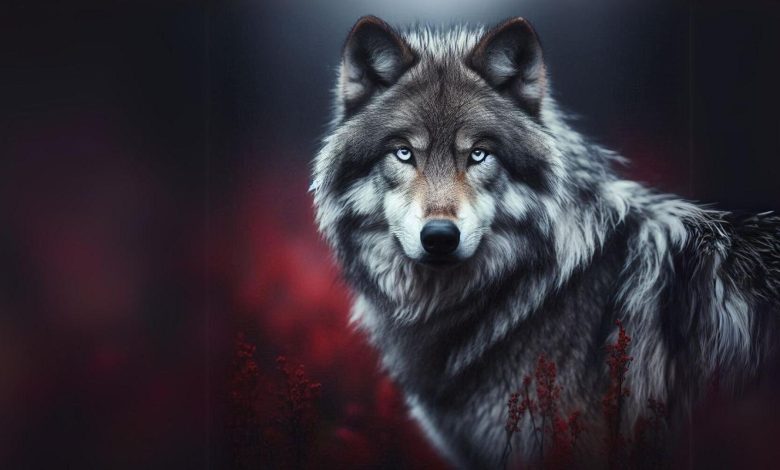
Imagine an animal that some cultures believe embodies a spirit, that has earned its place in Turkish mythology through its supernatural aura, and that stands out in the real world for its loyalty and raw power. That animal is the wolf.
Wolves are powerful, agile, and intelligent creatures that can live up to 15 years and weigh as much as 80 kilograms.
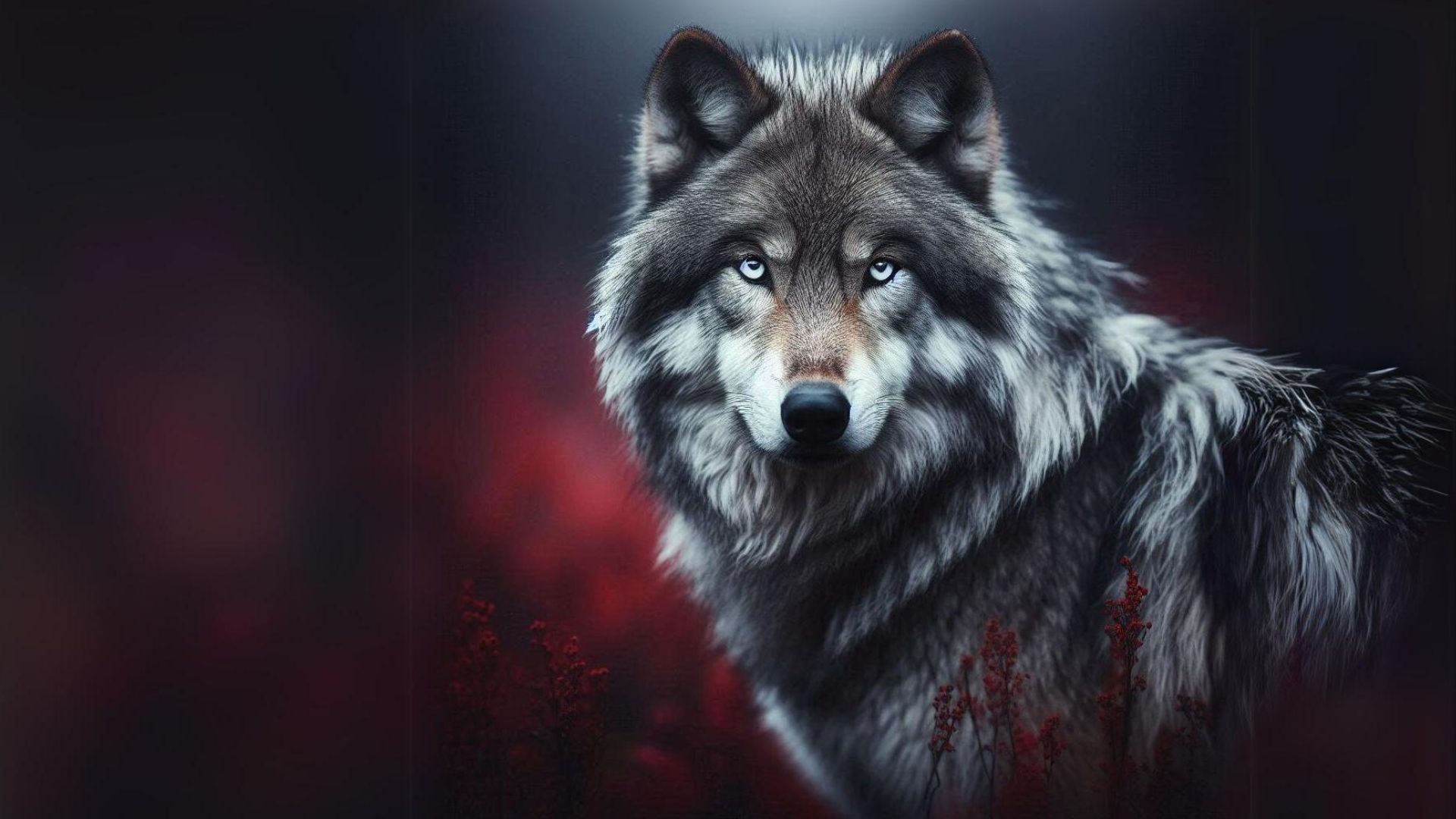
Of course, there is much more to them than just these specs. Let’s dive in and take a closer look at how this fascinating creature emerged, how it lives, and where it stands today.
The Evolution of the Wolf
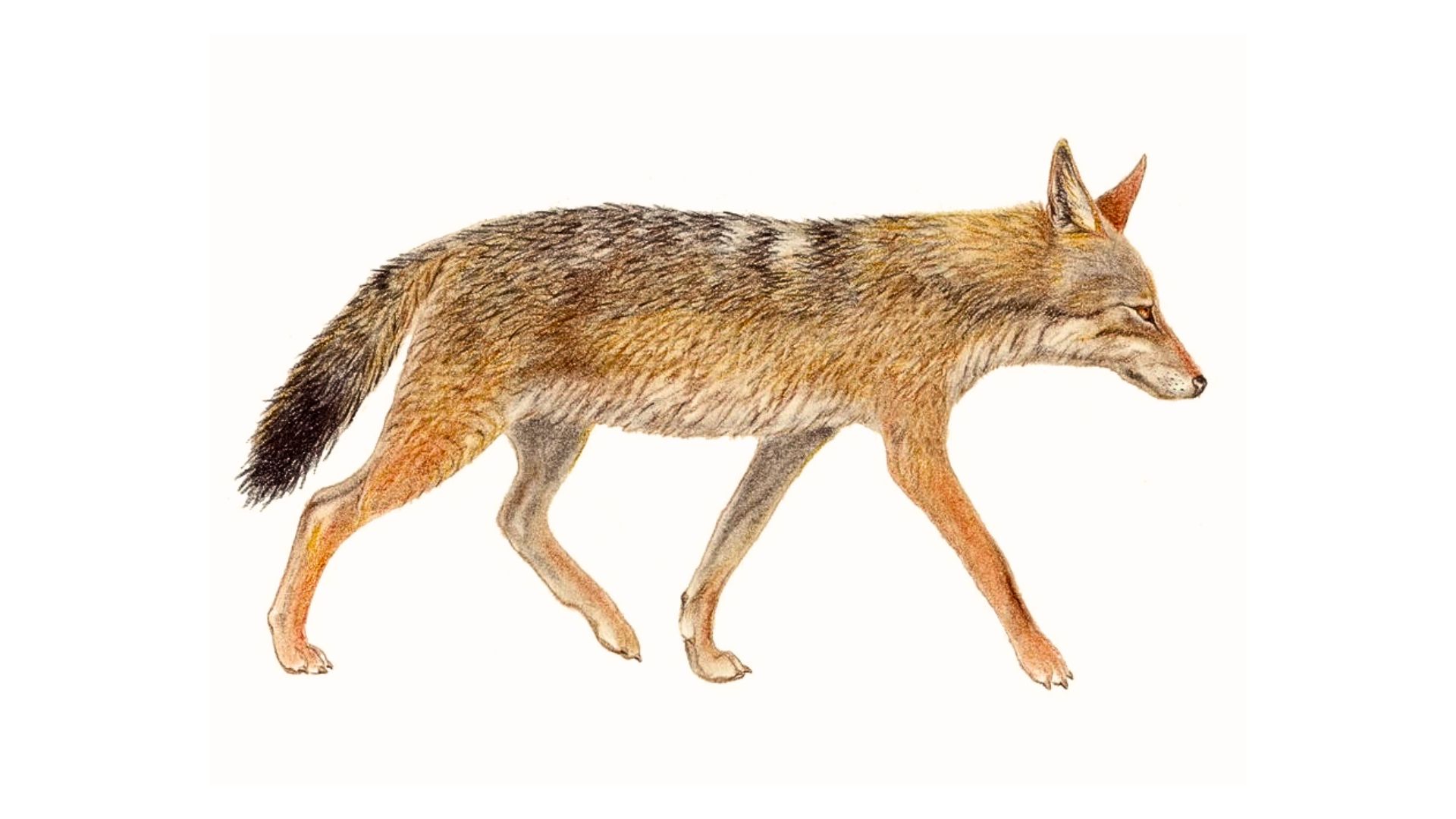
Wolves, or Canis lupus as they are known in biology, first appeared during the Pleistocene epoch about 2 million years ago. They are members of the Canidae family and rank as its largest predators. Early wolves lived across various parts of Eurasia and North America, gradually adapting to different geographies. Modern wolves are the result of these evolutionary processes. Their early ancestors were smaller animals with different social structures. Over time, wolves evolved based on their hunting strategies, social dynamics, and the ecosystems they inhabited. For instance, unlike their ancestors, today’s wolves have developed pack-hunting behaviors and complex social hierarchies. Climate shifts, prey availability, and habitat changes all played a pivotal role in this evolution. A species known as Canis lepophagus emerged as the common ancestor for both wolves and dogs.
Where They Call Home
So, how do these wolves live? Where do they hang out? If you remember our piece on lions, you’ll know that the best way to get to know someone is to visit their home. While we can’t exactly drop by for a cup of tea, we can certainly give you a tour of their world.
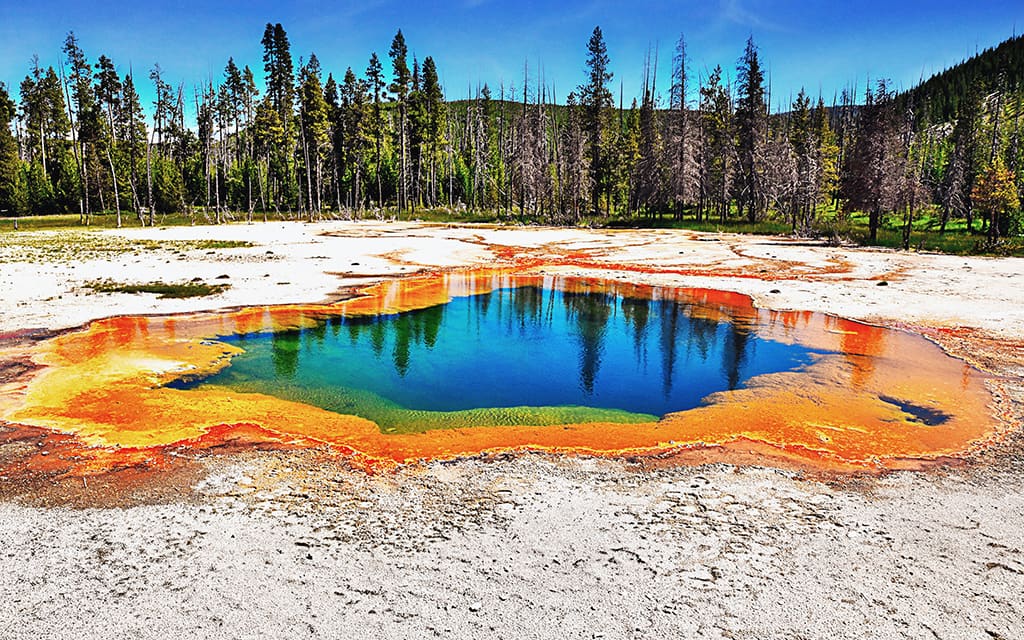
Wolves have an incredibly wide geographic range and can thrive in a variety of habitats. It’s truly impressive to see how they’ve managed to establish themselves in such diverse environments. In North America, they roam the vast forests, tundras, and mountainous regions of Canada and Alaska. In the United States, you’ll find them in the Rockies, the Great Lakes region, and the Pacific Northwest. Yellowstone National Park, in particular, plays a vital role in the conservation and reintroduction of wolf populations.
In Europe, wolves are common in the sprawling forests of Scandinavia—Sweden, Norway, and Finland. You can also find them in Eastern Europe, including Poland, Romania, Bulgaria, and parts of Russia. They even exist in Spain and Portugal.
In Asia, large populations roam the vast forests and tundras of Russia, with Siberia being a key stronghold. You’ll also encounter them in parts of Central Asia, as well as specific regions in China, Mongolia, and India.
Why are they everywhere? Whether it’s freezing, sweltering, high-altitude, or low-lying, what’s their secret? The reason is that wolves are master adapters. They can survive in forests, tundras, mountain ranges, and even deserts.
Wolves don’t have just one “home.” They have an uncanny ability to become an essential part of whatever landscape they inhabit. They don’t just pass through; they settle in and make it their own. But who do they share this life with?
The Wolf Family
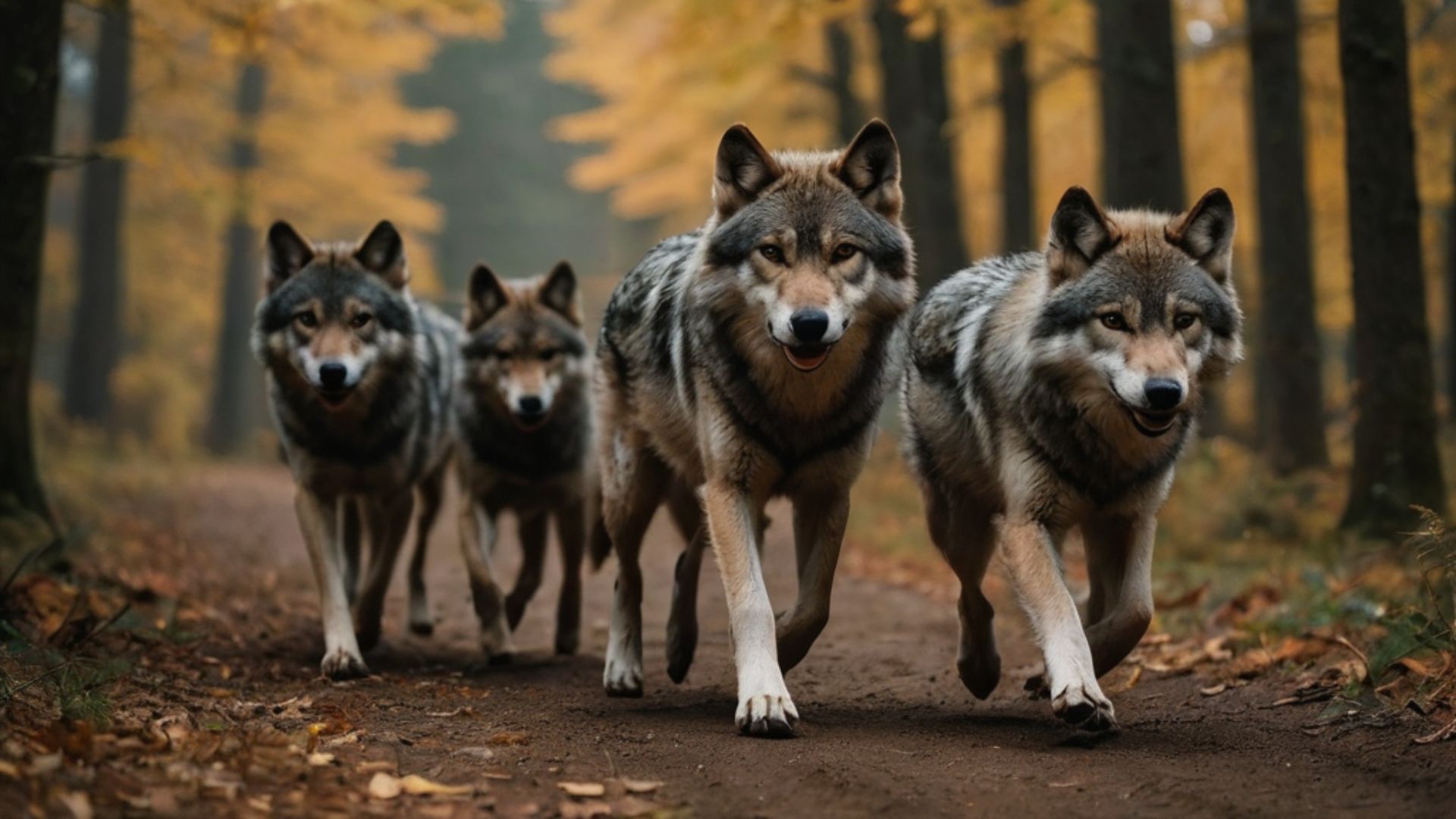
Much like dogs, wolves are highly social creatures. They generally live in large packs. A pack is usually led by an alpha pair (a male and a female), with the other members living under their leadership. There are deep social bonds between individuals in the pack—a structure that feels strikingly similar to the ancient Turkic states, where the Khan and the Khatun ruled together. We see a similar dynamic in the wolf family unit. Even more fascinating is how the pack treats its young. After a female wolf gives birth, she and her pups are protected by the entire pack. Newborns are completely dependent on their mother for the first few months. Other members of the pack often take on the responsibility of helping to care for them. Unlike many other species, the pack shows genuine care and affection for the pups, meaning the duty of child-rearing isn’t left to the mother alone.
Conflict
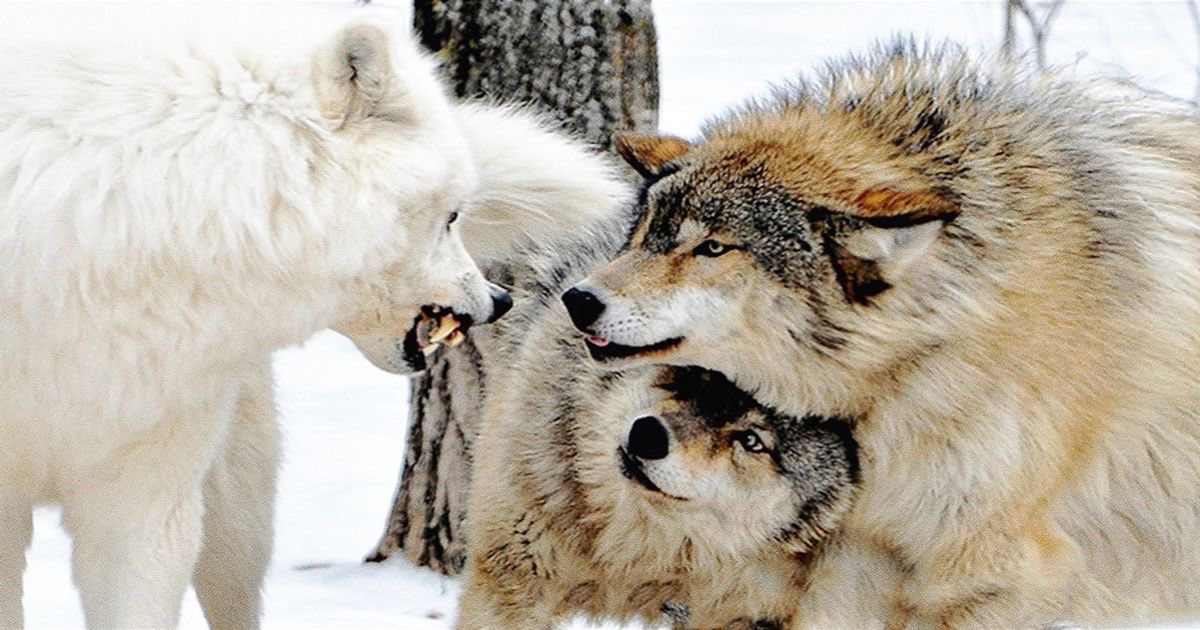
While wolves are all about teamwork within their own pack, they aren’t exactly friendly toward outsiders. They are fierce fighters who don’t shy away from conflict. But when do they actually fight?
Much like lions, wolves will clash over territory or prey. They are brave enough to stand up to aggressive and powerful animals like bears if it comes down to it. Furthermore, wolves frequently clash with other wolves—this is actually one of their most common types of conflict.
The reasons aren’t much different from human conflicts: Two packs may battle for territorial dominance. In these cases, you might witness an all-out war between two packs.
Additionally, peace can sometimes be disrupted within a single pack. This usually happens when there is internal competition for the alpha position. In such cases, the leader will face off against the challenger in a duel. It’s an essential process for maintaining the hierarchy and keeping the power balance within the pack.
The Strengths of the Wolf
Wolves find themselves in these conflicts quite often, which requires a tough disposition and excellent communication. This is why wolves frequently howl. While howling is often used to set a spooky mood in horror movies, for a wolf, it’s a call to the pack. They howl to signal that they’ve found food, to warn other packs, or to summon their family to a specific location. Once they’ve gathered, they must act as one. Wolves use rational strategies to ensure a successful hunt and avoid wasting energy. Those who excel in these strategies, or contribute more to the pack, see their status rise and earn a spot closer to the alpha—a structure not so different from our own human world.
Wolves also communicate—and navigate their lives—through scent. For example, they mark their territory with urine or other chemical secretions. This is their way of setting boundaries. Through this non-verbal, contact-free communication, they manage to avoid potential trouble before it even starts.
The Present Day
Thanks to their incredible adaptability, wolves are one of the few special animals that aren’t currently facing the threat of extinction. Both their survival skills and their wide geographic distribution play a huge role in this. Still, because they face habitat loss in some regions, they are closely monitored by the International Union for Conservation of Nature (IUCN).
With all these traits, wolves have left their mark on almost every landscape they inhabit. Their role in the ecosystem is so vital that wolves were specifically reintroduced to Yellowstone National Park to restore the balance of the habitat. That, in short, is the story of our tough-minded, highly capable, and powerful friends.
References and Further Reading
Fritts, S. H. (2024, August 1). Wolf | Species & Facts. Encyclopedia Britannica. https://www.britannica.com/animal/wolf
Wolves 101. (n.d.). [Video]. Animals. https://www.nationalgeographic.com/animals/mammals/facts/gray-wolf
Originally published in Turkish at Doğa Filozofu.