


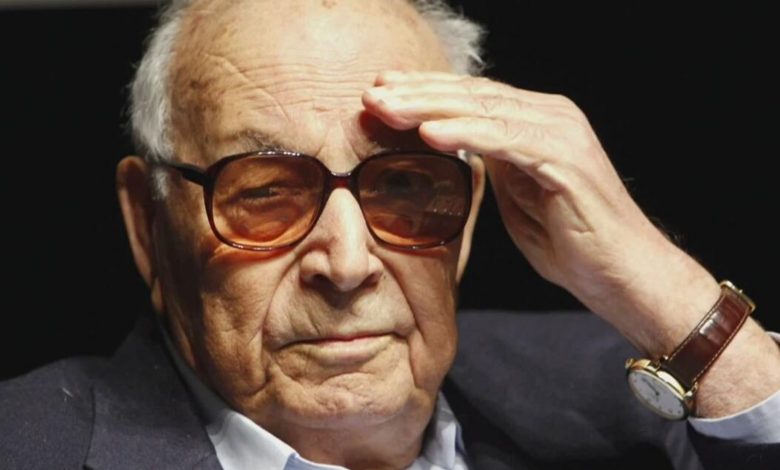
For centuries, Turkish literature was dominated by stories of the elite—tales of manor houses and the wealthy, lives that were hard for the average person to relate to. That was the status quo. And then, a voice rose from the heat of the Çukurova plains… The voice of the earth, of poverty, of the mountains, and of the people! That voice belonged to Yaşar Kemal, a name we all recognize today.
As with all our other pieces in this series, it helps to get to know our author a little better first. So, let’s start our journey by mapping out the landscape of his life.
Yaşar Kemal was born in 1923 in a village in Osmaniye. His given name was Kemal Sadık Gökçeli. Little Kemal’s start in life was far from easy. When he was just five years old, he witnessed his father being murdered right before his eyes. Around that same time, an accident left him blind in one eye. Before he had even reached the threshold of life, he was forced to grapple with both trauma and darkness. Perhaps this is why the kind of dramas so common in Anatolian life were woven into his novels, each character shaped by similar hardships. Because Yaşar Kemal could truly understand those people. His childhood was a mix of poverty, struggle, and an intimate connection with nature. After finishing middle school, he worked as a farm laborer and a tractor driver, but he never stopped writing. Even though his circumstances were limited, his horizons never were.

This habit of writing defined him. When he moved to Istanbul in 1951, he began his career in journalism. He quickly turned heads with his reportage for the newspaper *Cumhuriyet*. His most famous work was his “Çukurova Reports.” Here, he wasn’t just documenting how tobacco dried; he was describing how people were “withering away” too. In doing so, he turned the reportage format into a literary art form. Telling the truth in a raw, unvarnished way mattered deeply to him; but Yaşar Kemal wouldn’t be limited to just journalism.
Published in 1955, “Memed, My Hawk” (İnce Memed) was his literary explosion. Beyond being the story of a peasant rebel who becomes a folk legend, it was fundamentally a story about human dignity standing tall against the tyranny of landowners, oppression, and despair. The book was translated into dozens of languages. Yaşar Kemal was no longer just Turkey’s literary conscience; he was the world’s. For him, descriptive imagery was paramount, but these descriptions were always natural and authentic. He would describe every detail, right down to the color of the mud. Because of the dramatic intensity of his stories, his descriptions often focused on landscapes that might be considered “ugly,” but that was his signature style. His pen captured nature, humanity, and injustice. His style shines through in works like “The Wind from the Plain,” “Murder in the Ironsmiths Market,” and “The Legend of the Thousand Bulls,” but many believe his greatest achievement was portraying the peasantry without turning them into caricatures or mere “types.” Those people weren’t just a “class”; they were “characters.” Their struggles weren’t limited to the land—they were about honor, love, fear, and hope. The emotional weight of the iconic Turkish film *The Girl with the Red Scarf*—and perhaps even more—is present in his novels. So, if we dig a little deeper, what exactly was Yaşar Kemal telling us?
A Folk Epic: Memed, My Hawk
*Memed, My Hawk* is undoubtedly his most famous work, and it is, in every sense, an epic. The novel tells the story of a young man who rises up against the unjust order in a village in Çukurova, where the poor and oppressed live under the thumb of local tyrants. The fury directed at the feudal system—specifically the cruel Abdi Ağa—is the engine driving the novel’s action.
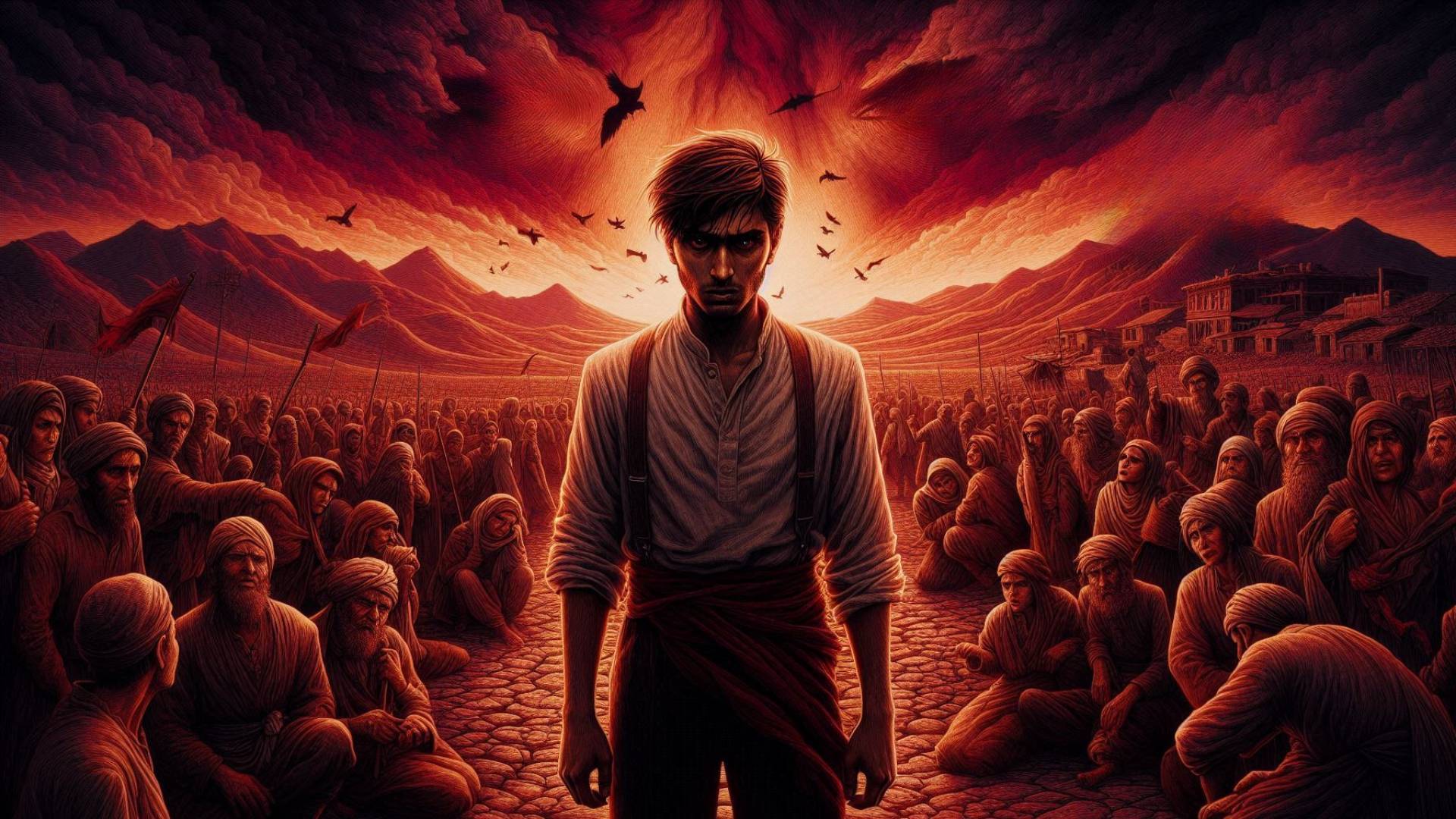
This was a very real problem at the time. Farmers in certain regions had become wealthy and powerful due to a lack of oversight and taxation, essentially creating a small-scale mafia state. Some of these “Ağas” used this power to terrorize the local population. Memed was the one who rebelled against this system.
By some twist of fate, Memed was born in the same village as Yaşar Kemal. From a very young age, he witnesses the cruelty of Abdi Ağa, who acts as if he owns the village. He is beaten and humiliated. The villagers stay silent out of fear, but Memed feels something stronger than fear: anger. One day, Memed decides to run away with the woman he loves, Hatçe. But their escape isn’t a path to freedom; it’s a door to even greater suffering. Hatçe is caught, thrown into prison, and left in deep isolation with the child she gives birth to there. For Memed, there is no turning back. He heads for the mountains. At first, he fights to survive, then to seek justice. But eventually, his cause grows beyond himself. His anger becomes the anger of all the downtrodden. He is no longer just an ordinary fugitive; he has become a folk hero. Memed systematically enters Abdi Ağa’s territories and dismantles his order. At the end of the novel, Memed comes face-to-face with the man he has been reckoning with for years. He has a gun in his hand; he could kill him. But he doesn’t. Because he has realized: Some evils aren’t defeated by a bullet, but by losing the respect of the people. Abdi Ağa is already defeated; Memed doesn’t need to kill him, so he simply rides off on his horse.
A Folk Legend Departs
While we’ve focused heavily on his novels, Yaşar Kemal was more than just a novelist; he was an intellectual. He always championed freedom. In 1995, he was put on trial for an essay in which he wrote, “Nationalism and peace cannot stand side by side,” but he never took a step back. In 2007, he was nominated for the Nobel Prize in Literature. He didn’t win, but his body of work and his unique style were certainly original enough to deserve it. When he passed away on February 28, 2015, he left behind not just his writings, but the lives he touched. This beautiful human being may have ridden off on his horse, but he left behind a legacy that will endure for ages.

References and Further Reading
Koç, T. (2023). Local and universal elements in Yaşar Kemal’s stories. DergiPark. https://dergipark.org.tr/tr/download/article-file/3510374
Sözlüğü, T. E. İ. (n.d.). Yaşar Kemal. Turkish Literature Dictionary of Authors. https://teis.yesevi.edu.tr/madde-detay/yasar-kemal
Yaşar Kemal – TDV Encyclopedia of Islam. (n.d.). TDV Encyclopedia of Islam. https://islamansiklopedisi.org.tr/yasar-kemal
Originally published in Turkish at Doğa Filozofu.