


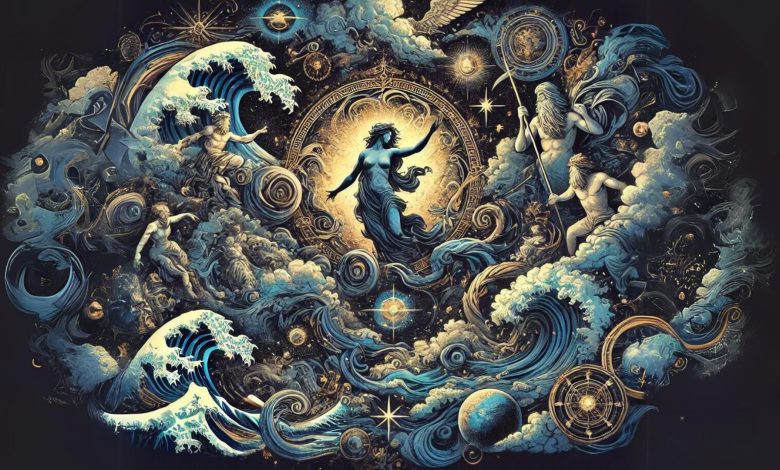
We all know the universe of Greek mythology—a realm famous for its legendary, intricate relationships and gripping stories. In this post, we’re going to dive into the very beginning of these myths and the creation of the cosmos itself.
Before we jump in, it’s worth noting that the Greek creation myth isn’t just a backstory for divine squabbles; it’s a rich tapestry that reveals how the ancient Greeks perceived the cosmos and the mechanics of the world. These tales show us how order emerged from the initial void, how the gods came into being, and how their complex dynamics were forged.
The Birth of the Universe from Chaos
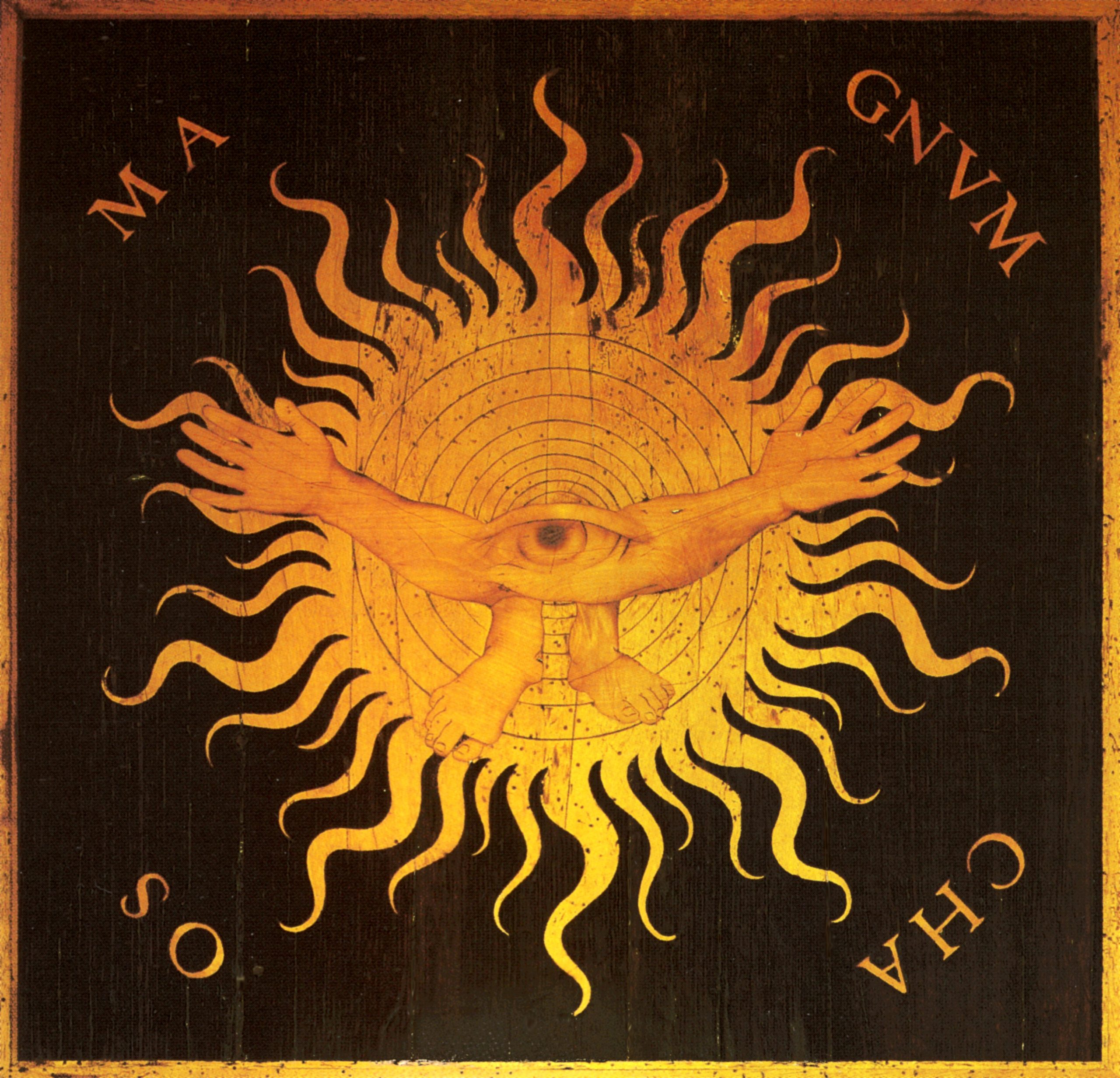
Everything starts in the depths of eternity with a void known as “Chaos.” This wasn’t just physical emptiness; it was a state of total disorder and meaninglessness. The first beings to emerge from this void were Gaia (Mother Earth), Tartarus (the depths of the underworld), and Eros (Love). Soon after, Erebos (the darkness of the underworld) and Nyks (the Night) were born. These primordial entities laid the groundwork for the order of the universe.
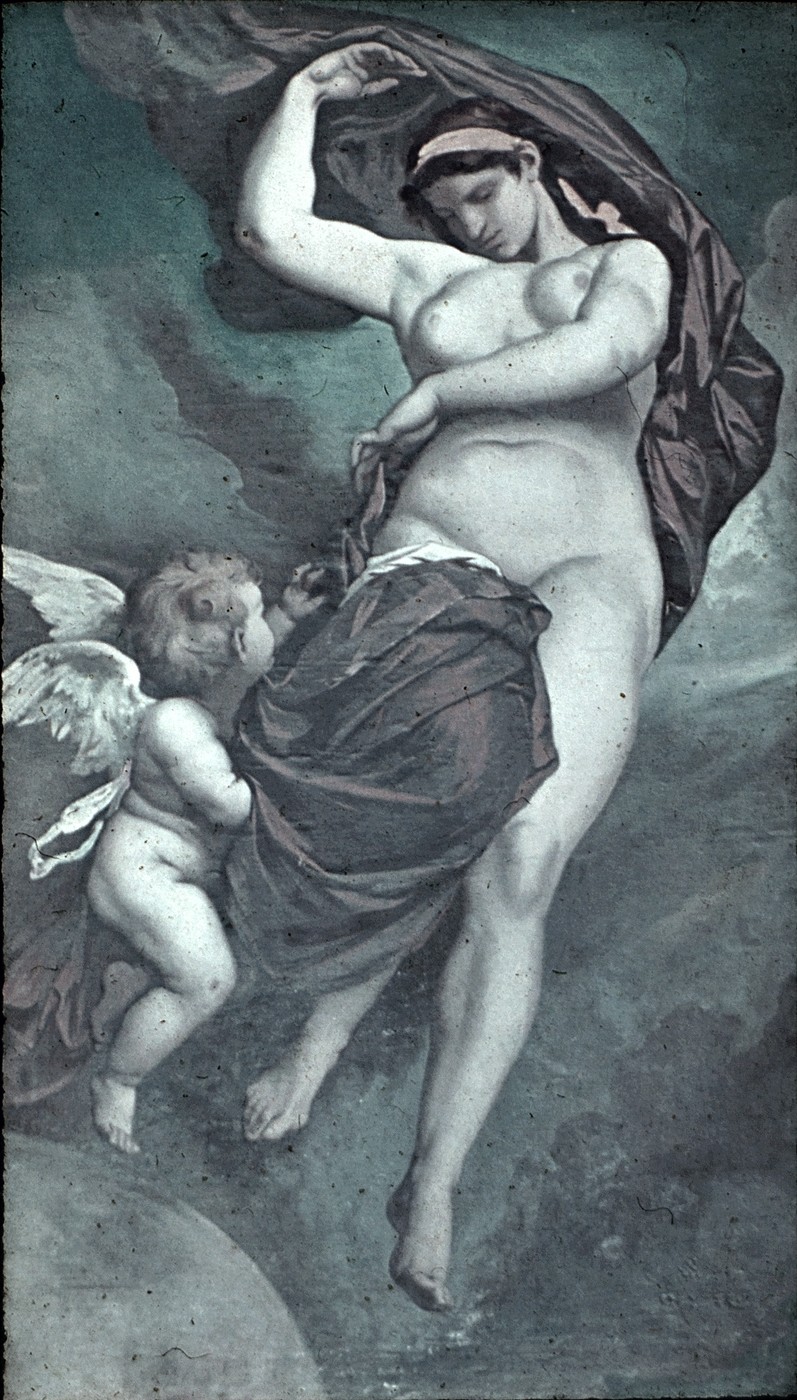
Gaia is the mother of all nature and living things, representing the Earth itself. As she brought life into existence, she also gave birth to Uranus (the Sky) and Pontus (the Sea), completing the foundational elements of nature.
And this is where our web of complex relationships starts to spin. Don’t worry, though—I’ve included a chart below to keep things from getting too confusing.
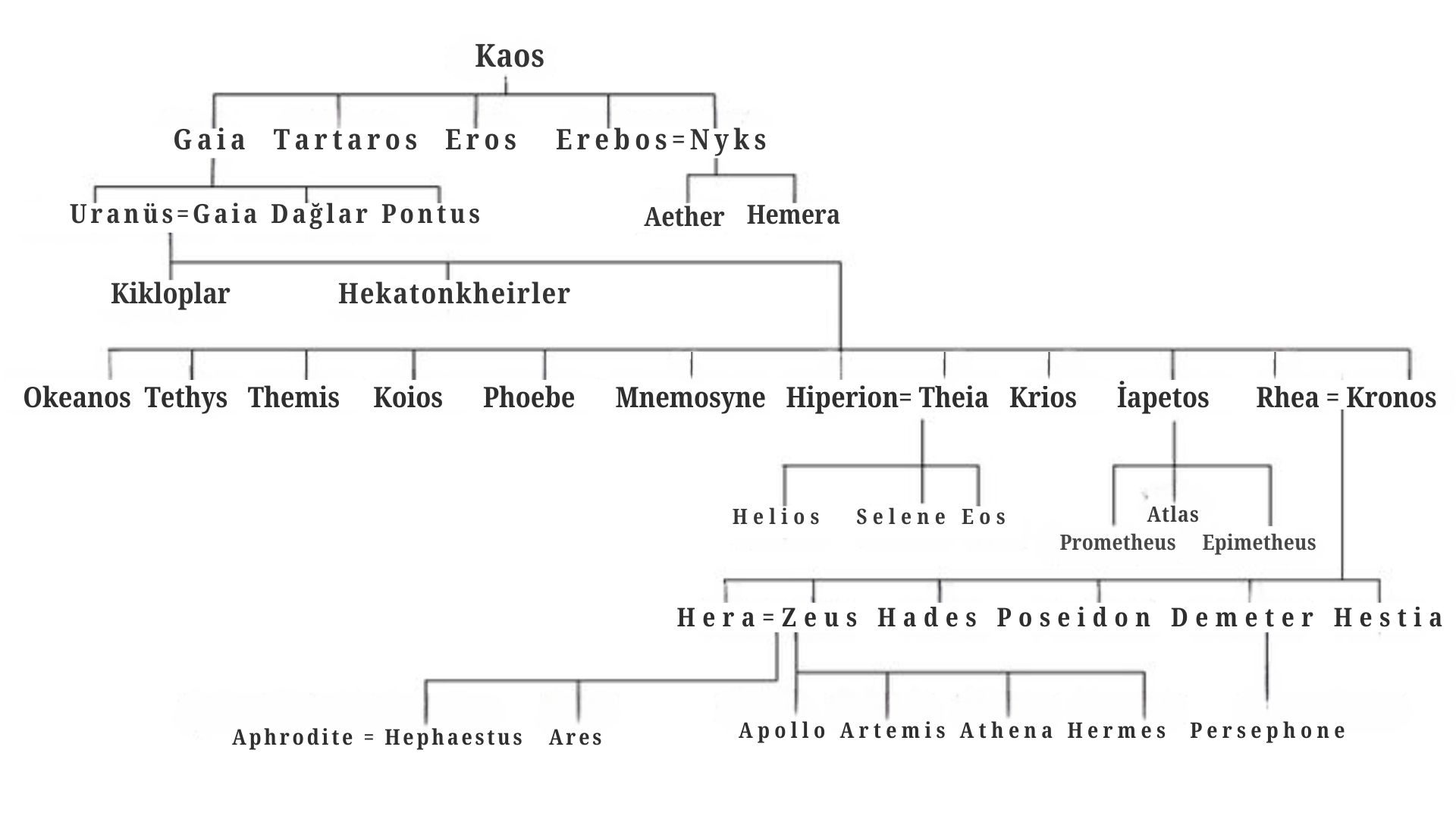
From the union of Gaia and Uranus came the Titans (six brothers and six sisters), the Hecatoncheires (hundred-armed, fifty-headed giants), the Cyclopes (one-eyed giants), and other beings.
You might be wondering: wasn’t Uranus Gaia’s son? Well… yes, he was. This mother-son union is a classic mythological trope that represents the continuity of nature while carrying some heavy, tangled symbolism.
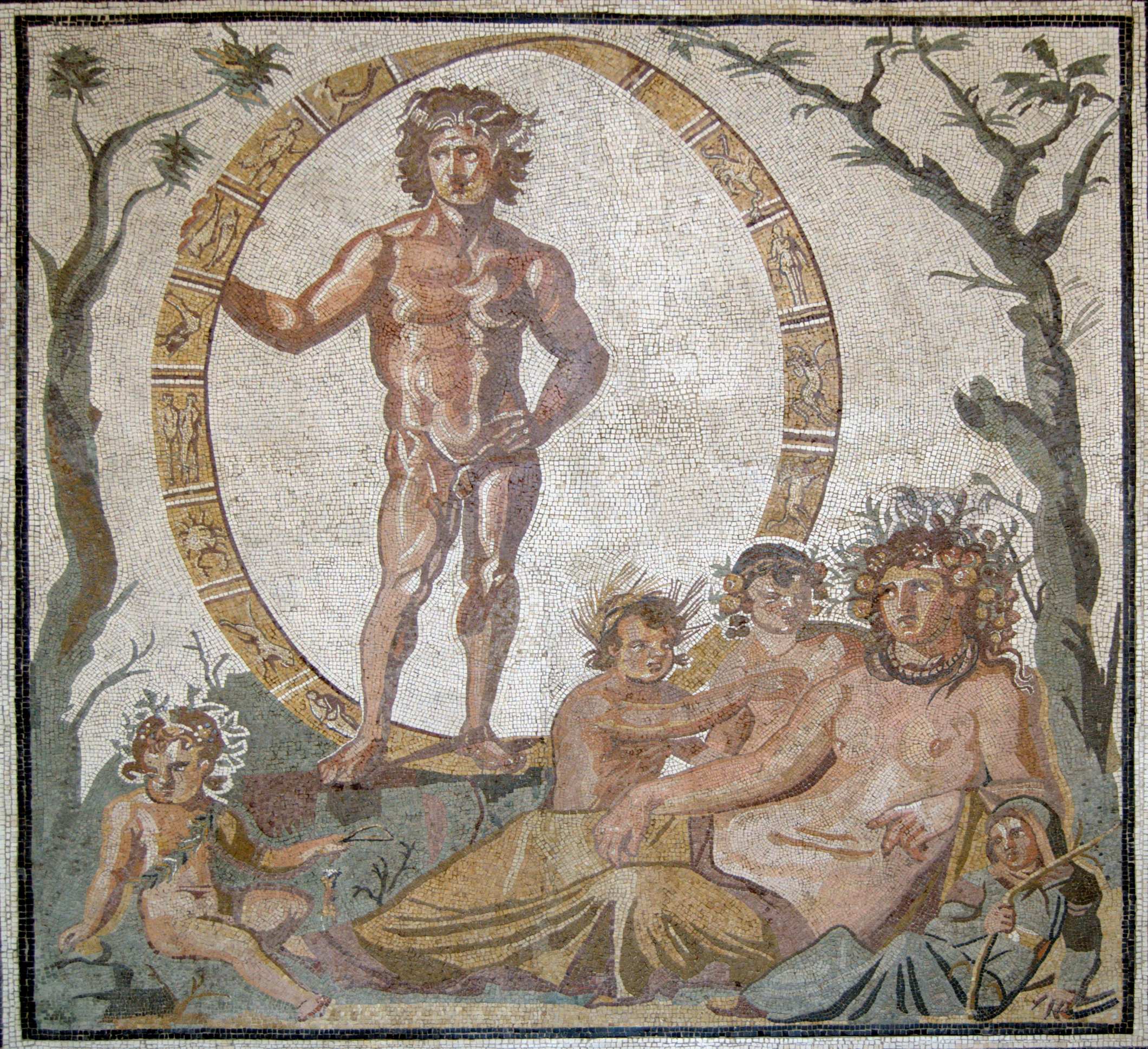
Even though Uranus became the ruler of the heavens, Gaia held the true, superior power. Because Uranus feared and envied the strength of his own offspring, he imprisoned them deep within Gaia—the womb of the world.
Uranus’s act was a symbolic display of both fear and a desperate need for control. Furthermore, this myth reflects the cyclical tension between Mother Earth and the Sky, highlighting the struggle to organize the natural world.
Driven by fury at this betrayal, Gaia instigated a rebellion against Uranus.
The Rebellion of Cronus
Gaia crafted a plan to save her children. She discovered grey flint and forged a sharp, long-handled sickle. She shared her plan with her children, but despite their power, all of them were too terrified to stand up to their father—except for one. That one was Cronus, the youngest Titan, who harbored a deep envy for his father’s authority.
Gaia gave the sickle to Cronus and told him it was time to end Uranus’s reign. Knowing that Uranus would come to Gaia’s chambers at night, she hid Cronus in the room. As soon as Uranus arrived, Cronus leaped out and castrated his father. As the blood of Uranus fell upon Gaia, the Erinyes (the Furies), the Giants (Gigantes), and the Meliae (ash tree nymphs) were born.
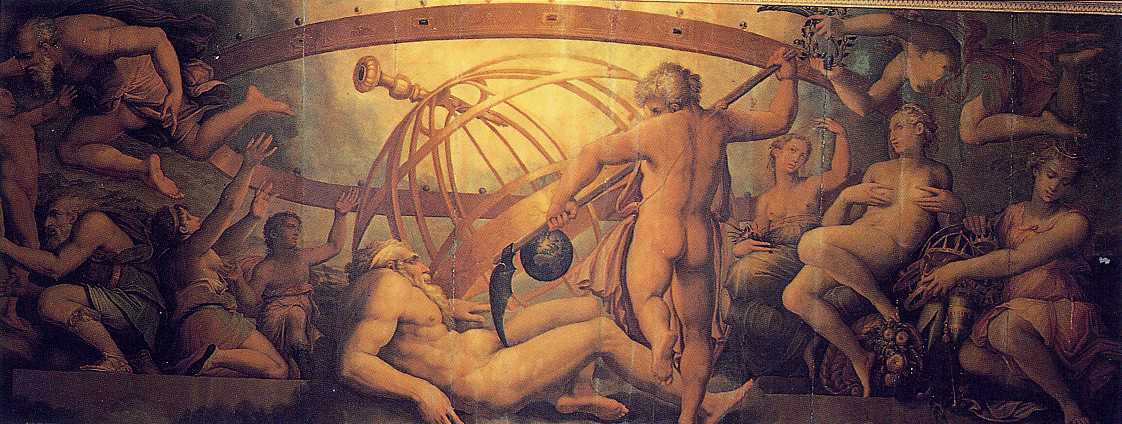
Artists: Giorgio Vasari and Cristofano Gherardi
Cronus threw his father’s severed organs into the ocean behind him with his left hand. As a side note, this is actually where the superstition that the left hand is “sinister” or unlucky comes from.
Back to the story: the foam that bubbled up from Uranus’s remains near Cyprus gave birth to Aphrodite, the goddess of love, beauty, and desire.
The Rise of the Titans
Cronus imprisoned the Hecatoncheires and the Cyclopes in the depths of Tartarus. By overthrowing Uranus, Cronus became the leader of the Titans. But this was only the beginning of the power struggle. As the new king, he forced Uranus to cede the sky, Gaia to cede the earth, and his siblings Oceanus and Tethys to surrender control of the seas.
Under Cronus’s rule, humanity lived in a golden age of unprecedented happiness. After death, their souls could watch over their loved ones, or they could choose immortality and be sent to the Isles of the Blessed at the edge of the world, where Cronus reigned.
The Fall of Cronus’s Throne
Cronus married his sister Rhea, and they had six children: Hestia (goddess of the hearth and home), Demeter (goddess of harvest and agriculture), Hera (goddess of marriage and family), Hades (god of the underworld), Poseidon (god of the sea and earthquakes), and finally, Zeus (god of the sky and lightning). However, despite having overthrown his own father, Cronus was haunted by the same fear: that his own children would one day rise up and depose him. So, he began to swallow every child Rhea gave birth to.
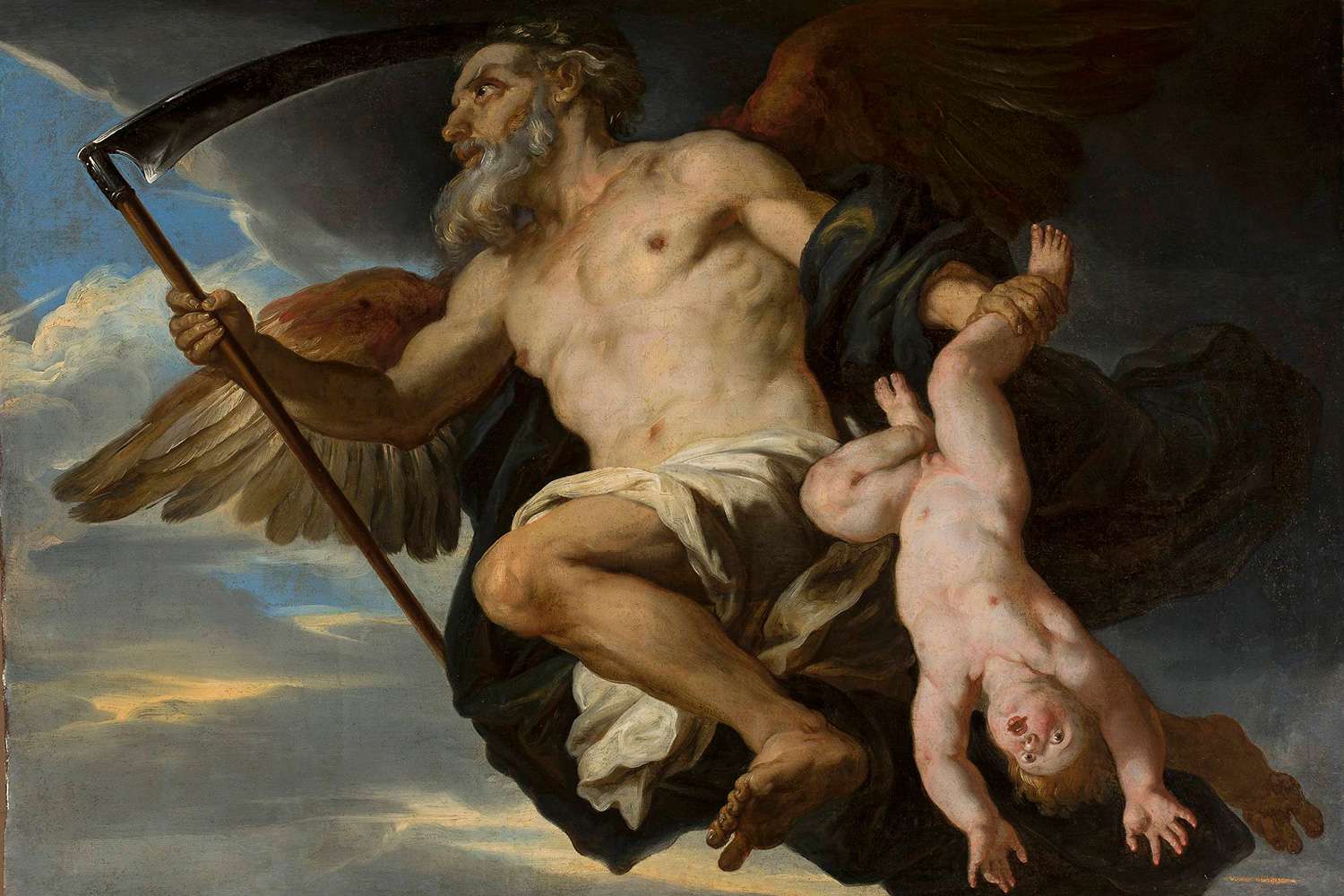
Artist: Giovanni Francesco Romanelli
Rhea, devastated, sought help from Cronus’s parents. Gaia and Uranus told her to go to the island of Crete to give birth. Following their advice, she searched for a special stone that Gaia had recommended.
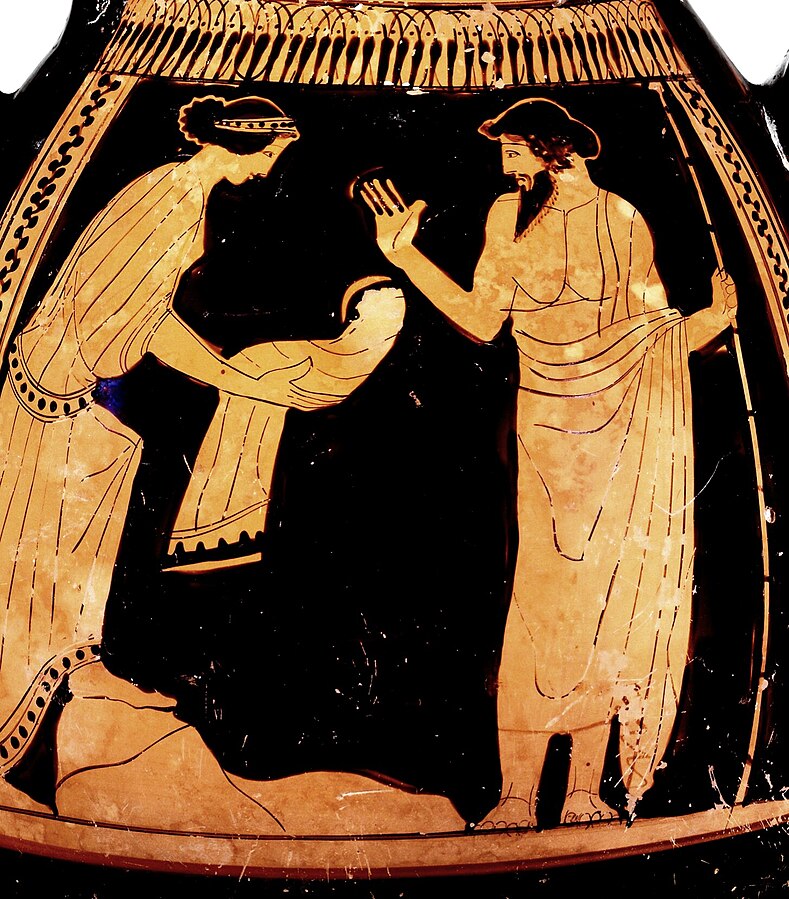
When Rhea returned home, she pretended she had just given birth and handed the “baby” to Cronus. What she handed him was actually the stone wrapped in a blanket. Trusting Rhea, Cronus swallowed the “baby” whole without a second thought.
Rhea returned to Crete and gave birth to Zeus—a name we’ve all heard at least once. Raised by the goat Amalthea and the Meliae nymphs, Zeus grew into a immensely powerful god. His mother visited him often, whispering plans for revenge, just as Gaia had plotted against Uranus. It goes to show that in Greek mythology, history often repeats itself.
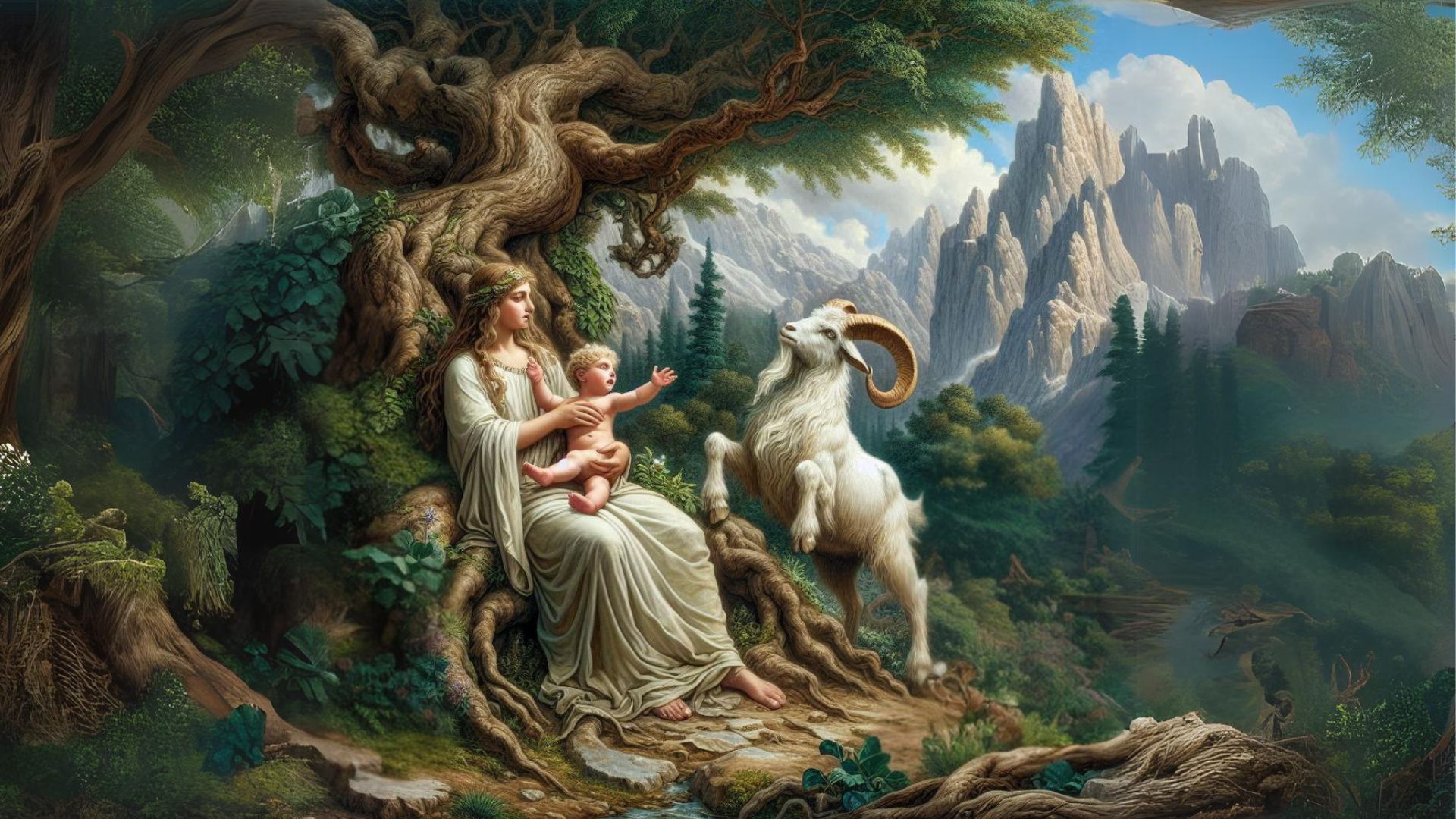
Rhea asked Metis (the goddess of wisdom and daughter of Oceanus and Tethys) to help Zeus with his plan. Metis prepared a mixture of copper sulfate, poppy juice, and a potent nectar.
Zeus tricked Cronus into drinking the mixture, which forced him to throw up his children one by one, along with the stone Rhea had given him. Finally, Cronus collapsed. The siblings thanked Zeus for saving them and swore their loyalty to him.
Though Zeus tried to behead the unconscious Cronus, he didn’t yet have the power to do so. This set the stage for a ten-year war between the Olympian gods and the Titans, known as the “Titanomachy.”
The Titanomachy
In the early stages of this ten-year war, the Titans held the upper hand. Metis advised Zeus to descend into Tartarus and release the Hecatoncheires and the Cyclopes to fight on the side of the gods.
Once freed, the Cyclopes forged the gods’ legendary weapons: the thunderbolt for Zeus, the trident for Poseidon, and the Helm of Darkness for Hades. With these weapons and the sheer force of the hundred-armed giants joining the fray, the tide turned against the Titans.
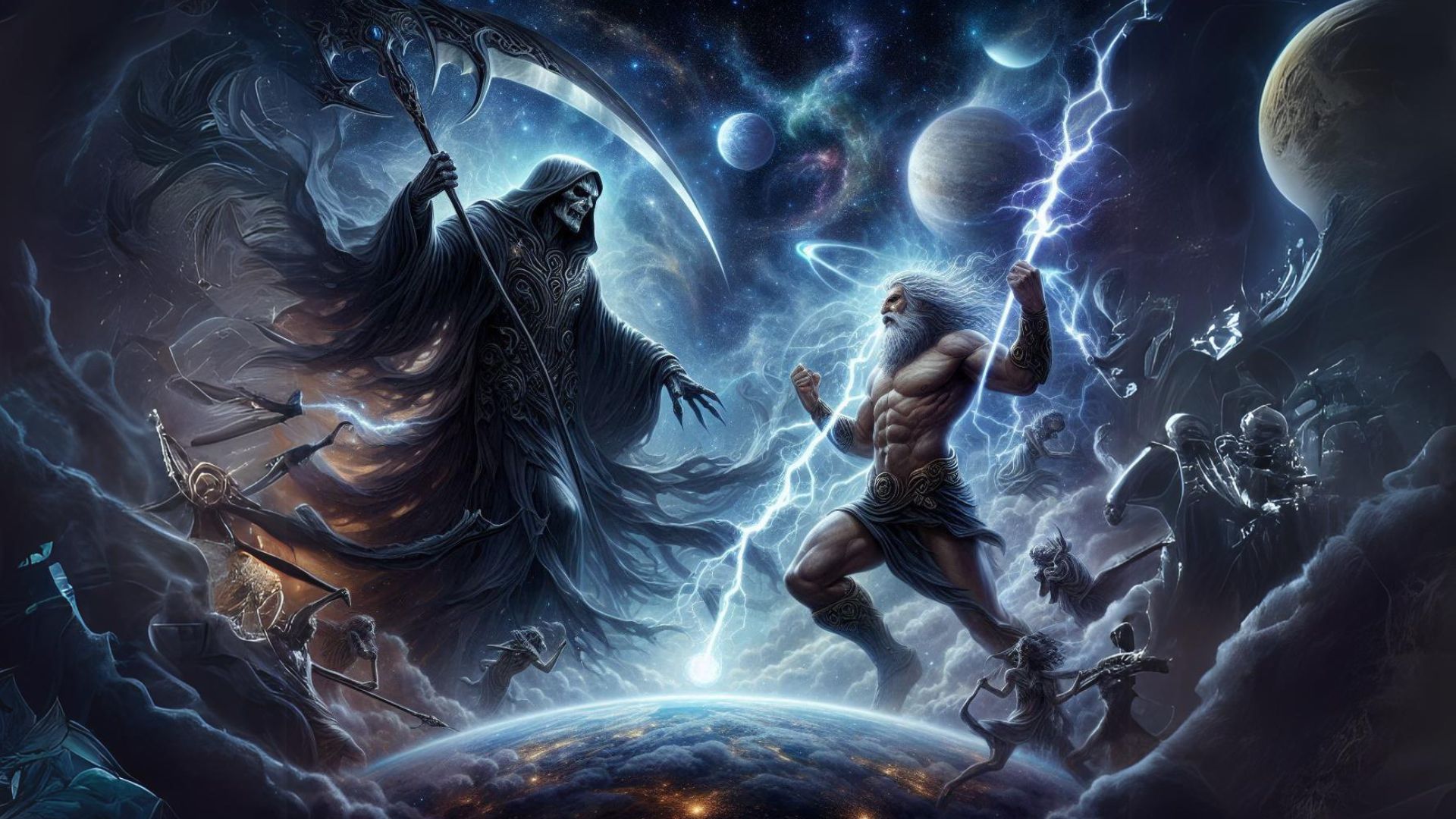
Under the leadership of Zeus, Hades, and Poseidon, a final plan was devised. Poseidon threatened Cronus with his trident while Zeus hurled thunderbolts, and in the chaos, Hades stole Cronus’s weapons. With Cronus distracted, the hundred-armed Hecatoncheires rained down massive boulders upon the Titans.
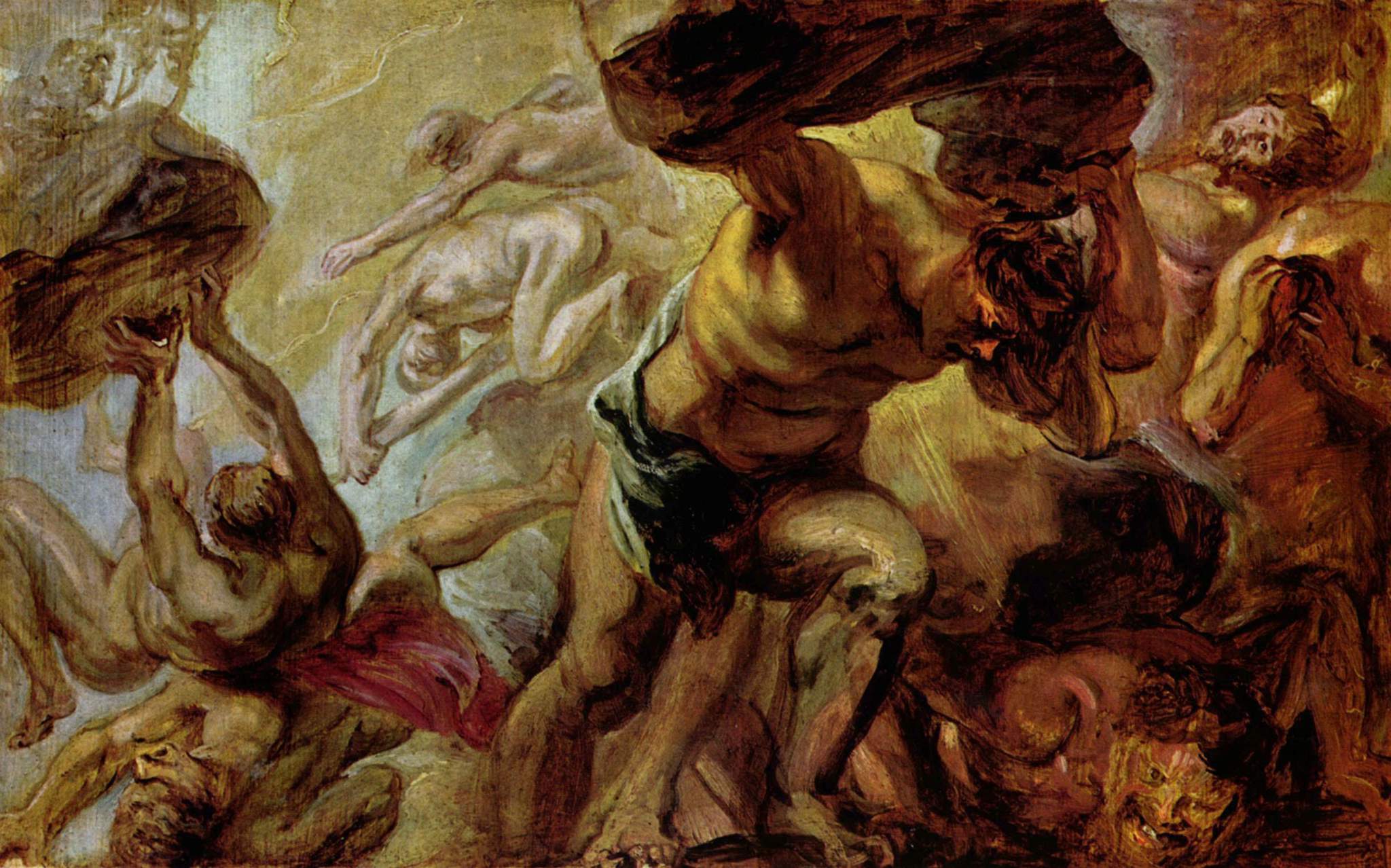
(The Fall of the Titans, Peter Paul Rubens, 1637-1638)
With this, the Olympian gods secured their victory. The defeated Titans were banished to Tartarus, and Atlas, the son of the Titan Iapetus, was sentenced to carry the celestial sphere on his shoulders for eternity.
The Universe Under the Rule of the Olympians
Zeus established the order of the new world. He formed a hierarchy of twelve gods on Mount Olympus. In this new order, Zeus became the king of the gods and ruler of the sky; Poseidon took the seas, and Hades took the underworld. The list of the twelve Olympians is as follows:
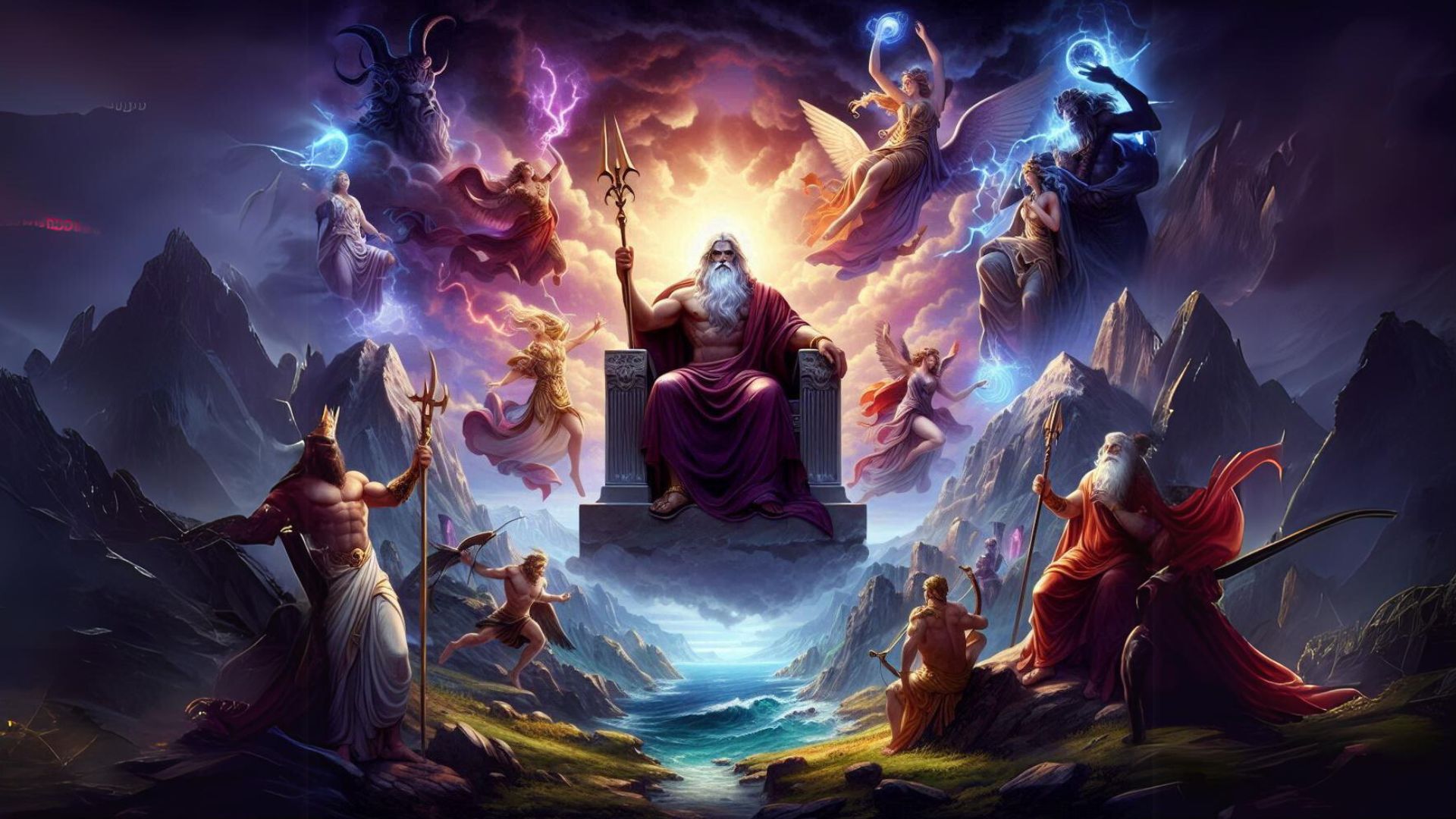
-
- Zeus (Sky and Weather)
- Poseidon (Seas, Earthquakes, and Oceans)
- Demeter (Agriculture and Harvest)
- Hephaestus (Blacksmithing and Fire)
- Ares (War and Destruction)
- Hermes (Thievery, Travel, and Communication)
- Dionysus (Wine, Grapes, and Revelry)
- Artemis (Archery, the Moon, Hunting, and Virginity)
- Aphrodite (Love and Beauty)
- Athena (Wisdom, War Strategy, and Peace)
- Hera (Marriage, Fertility, and Family)
- Apollo (Prophecy, Truth, and the Arts)
Hades is not on this list because he resides in the underworld and is not associated with the surface world.
Hestia, the first child swallowed by Cronus, is sometimes said to have left Olympus to make room for Dionysus, preferring a quieter, more peaceful life away from the chaos of the Olympian court.
The Author’s Take
The Greek myth of creation offers mythological answers to the oldest questions in human history. It provides insights into the order of the world, the workings of nature, and the relationship between gods and mortals. These stories aren’t just fairy tales; they are reflections of the philosophical and cosmological thinking of the ancient Greeks.
References and Further Reading
Aphrodite – Wikipedia. (2006, April 6). https://tr.wikipedia.org/wiki/Afrodit
Atlas (mythology) – Wikipedia. (2006, March 8). https://tr.wikipedia.org/wiki/Atlas_(mitoloji)
Greek Mythology – Mythopedia. (n.d.). Mythopedia. https://mythopedia.com/guides/greek-mythology
Greek mythology story creation. (n.d.). https://www.desy.de/gna/interpedia/greek_myth/creation.html
Miate, L., & Romanelli, G. F. (2023). Cronus. World History Encyclopedia. https://www.worldhistory.org/Cronus/
Greek Mythology – Wikipedia. (2005, March 27). https://tr.wikipedia.org/wiki/Yunan_mitolojisi
Originally published in Turkish at Doğa Filozofu.