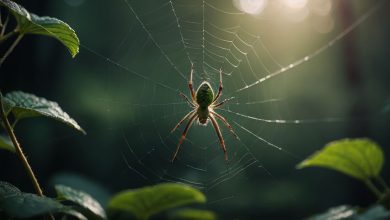


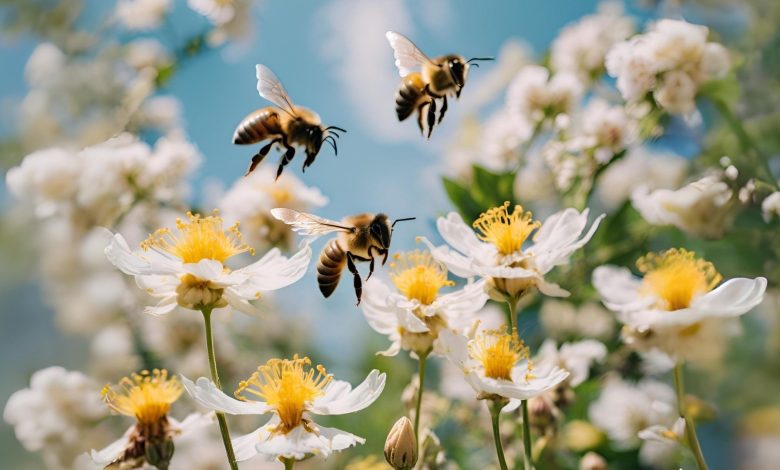
As the weather warms up, the bees begin their work. For many of us, these are creatures we’d rather keep at a distance, fearing their sting and the potential to ruin a perfectly good day. But if we set our fears aside, we can see that bees are actually incredibly intelligent and vital to our ecosystem. In this piece, we’ll take a closer look at two common types: solitary ground-nesting bees (Vespula) and mason bees (Genus Osmia).
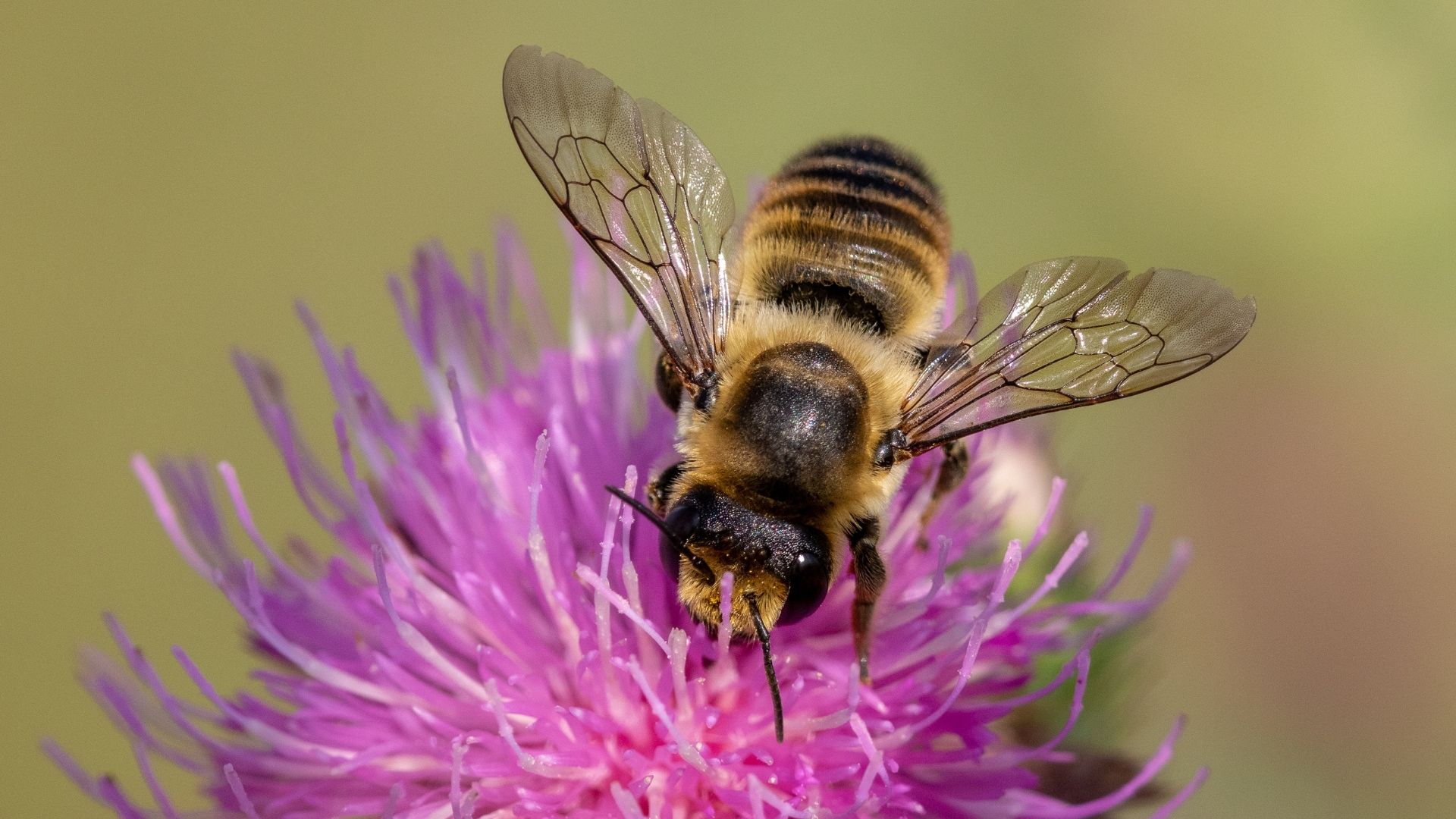
Of course, these aren’t the only bees we encounter in our daily lives. Unless you’re an expert, it’s tough to tell them apart, but there are over 20,000 bee species worldwide. Most of these species follow a predictable daily routine: flying from flower to flower, fueling up on nectar and pollen. Bees are fascinating creatures; unlike us, they perceive a vast color spectrum, and their sense of smell is incredibly sharp. Beyond their sensory superpowers, they have plenty of other surprising traits most of us never hear about. Let’s dive in and explore the world of these ground-nesting bees.
The Cycle of Sleeping, Waking, and Sheltering
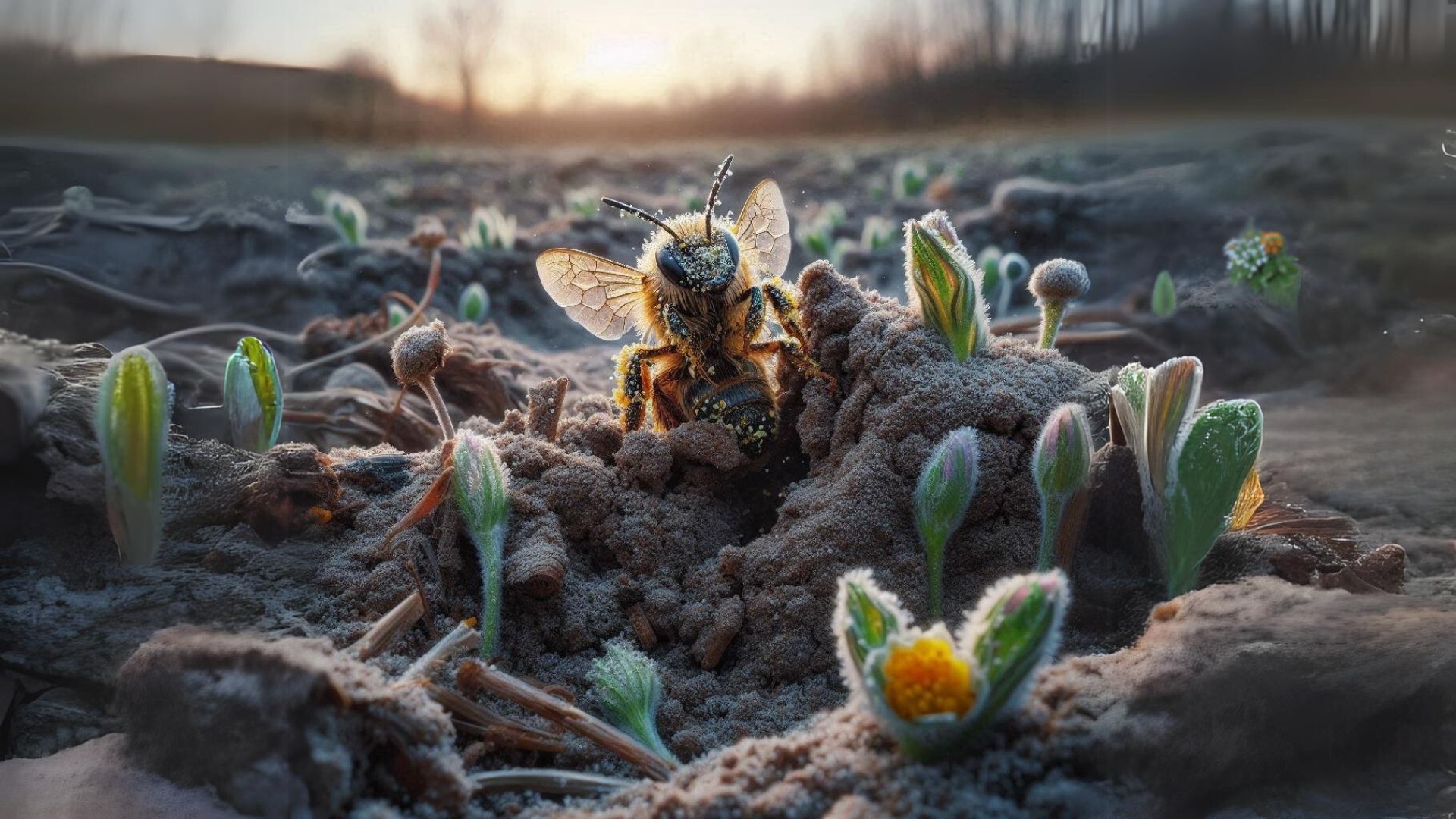
The ideal habitat for a ground-nesting bee to thrive is surprisingly simple: a bit of bare soil, the kind you might find where someone has cleared away weeds. After the long winter months, this soil hardens, remaining dormant until the weather warms up. In fact, this is why we rarely see bees in winter: they need the warmth to trigger the growth of the flowers that provide their nectar and pollen. Contrary to popular belief, not all bees die off in the winter. Some species are built for the long haul. Ground-nesting bees spend the winter underground in a state similar to hibernation. As temperatures rise, they emerge one by one, eager to refuel. As they hop from flower to flower to jumpstart their systems after a long sleep, they inadvertently coat their bodies in pollen. This pollen is then carried from flower to flower, facilitating pollination. A key reason they attract so much pollen is static electricity; as they fly, they build up a charge that acts like a magnet for pollen grains.
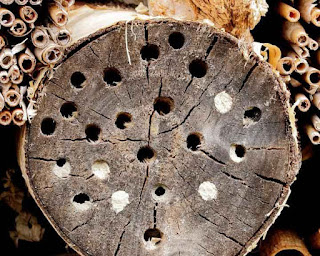
Not all bees live underground, though. They’re quite happy to move into simple, human-made structures. For example, if you place a wooden box filled with twigs and hollow stems in your garden, it’s sure to catch a bee’s eye. If you want to build the ultimate bee hotel, simply drill a few holes into some scrap logs and tuck them inside. With minimal effort, you’ve created a prime residence. These small holes are especially attractive to the mason bees we mentioned earlier. You can see an example of one such nest below.
Reproduction and Nesting
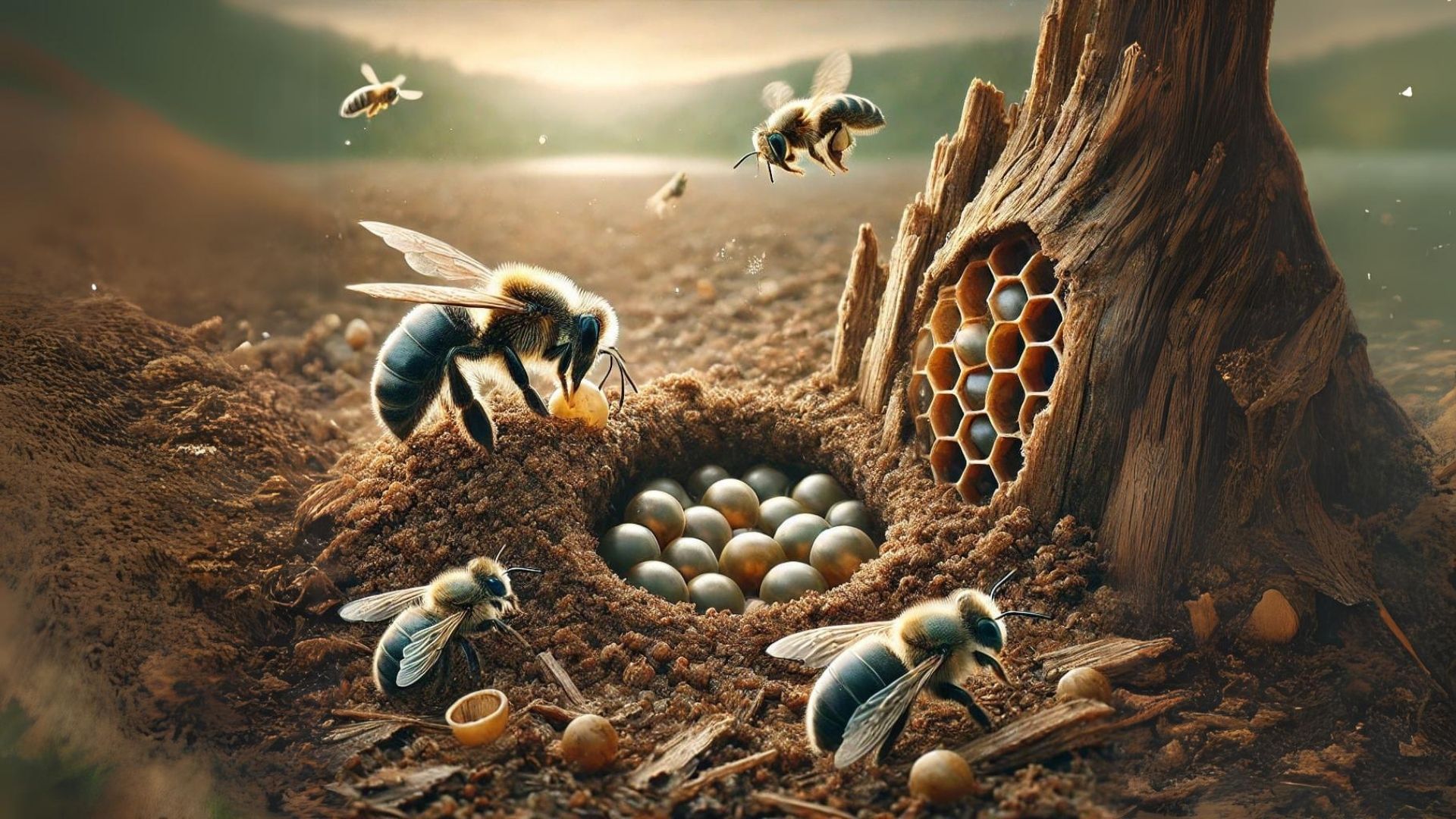
Bees don’t always live in hives; many are solitary, building their homes in the ground. A female ground-nesting bee will search for soft, workable soil and dig a tunnel about half her body length. She settles in to lay her eggs, and during this process, her body releases a specific scent. While we can’t smell it, other bees—with their incredible sense of smell—pick up on it immediately, signaling that a female is nearby and ready to mate. This scent is irresistible to males, and that’s how they find their mates. The process is accompanied by a buzzing sound that we can’t hear, which alerts other males that the area is prime for reproduction. Mason bees are different in that they prefer human-made cavities over dirt, but their reproductive cycle is nearly identical.
Dangers and Survival
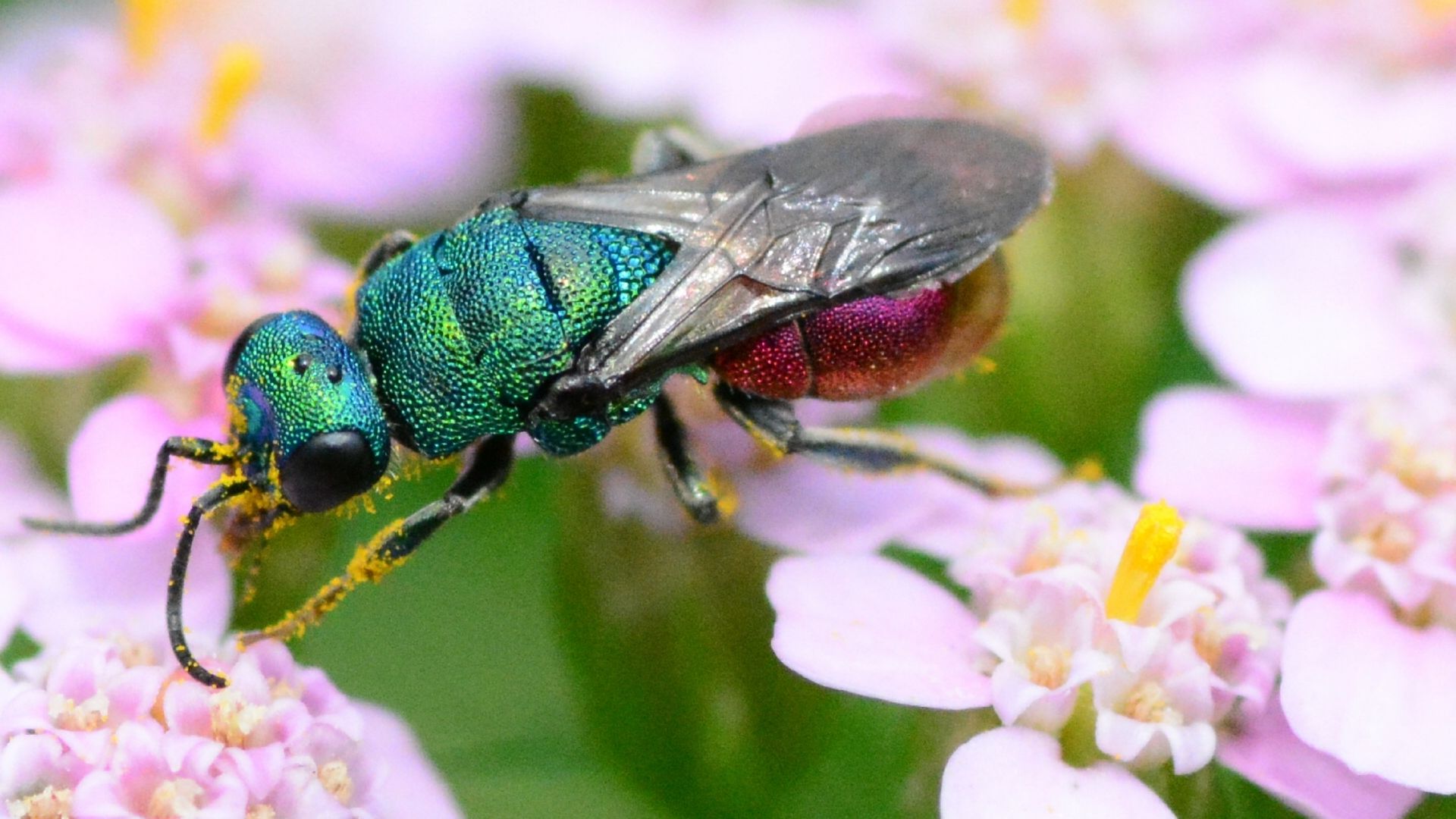
There is a beautiful blue-green bee called the Cuckoo Bee (Thyreus nitidulus) that loves to hijack the nests of mason bees. While generally harmless to humans, they are quite the nuisance for mason bees, as they try to lay their own eggs in the tunnels the mason bees have worked so hard to prepare. Aware of this threat, mason bees are usually on high alert whenever these invaders are nearby.
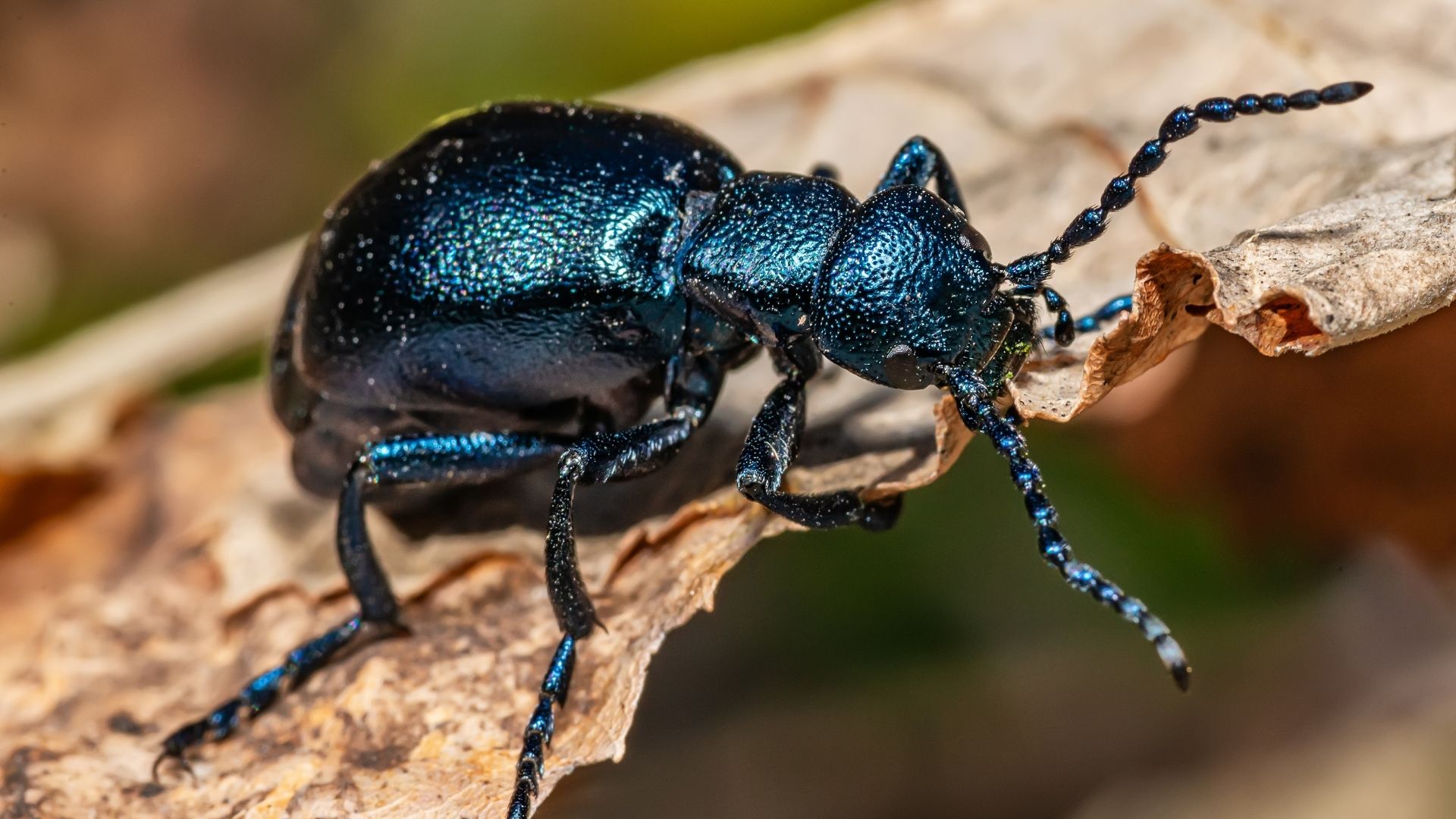
Cuckoo bees are the least of their worries, however. The “Black Oil Beetle” is a toxic insect that poses a serious threat to both ground-nesting and mason bees. Because these beetles frequently hunt smaller bees, the bees’ only defense is to swarm them or detect the threat early and fly away. Since both the beetle and the bee rely on nectar for food, they often cross paths at flowers, leading to dangerous encounters.
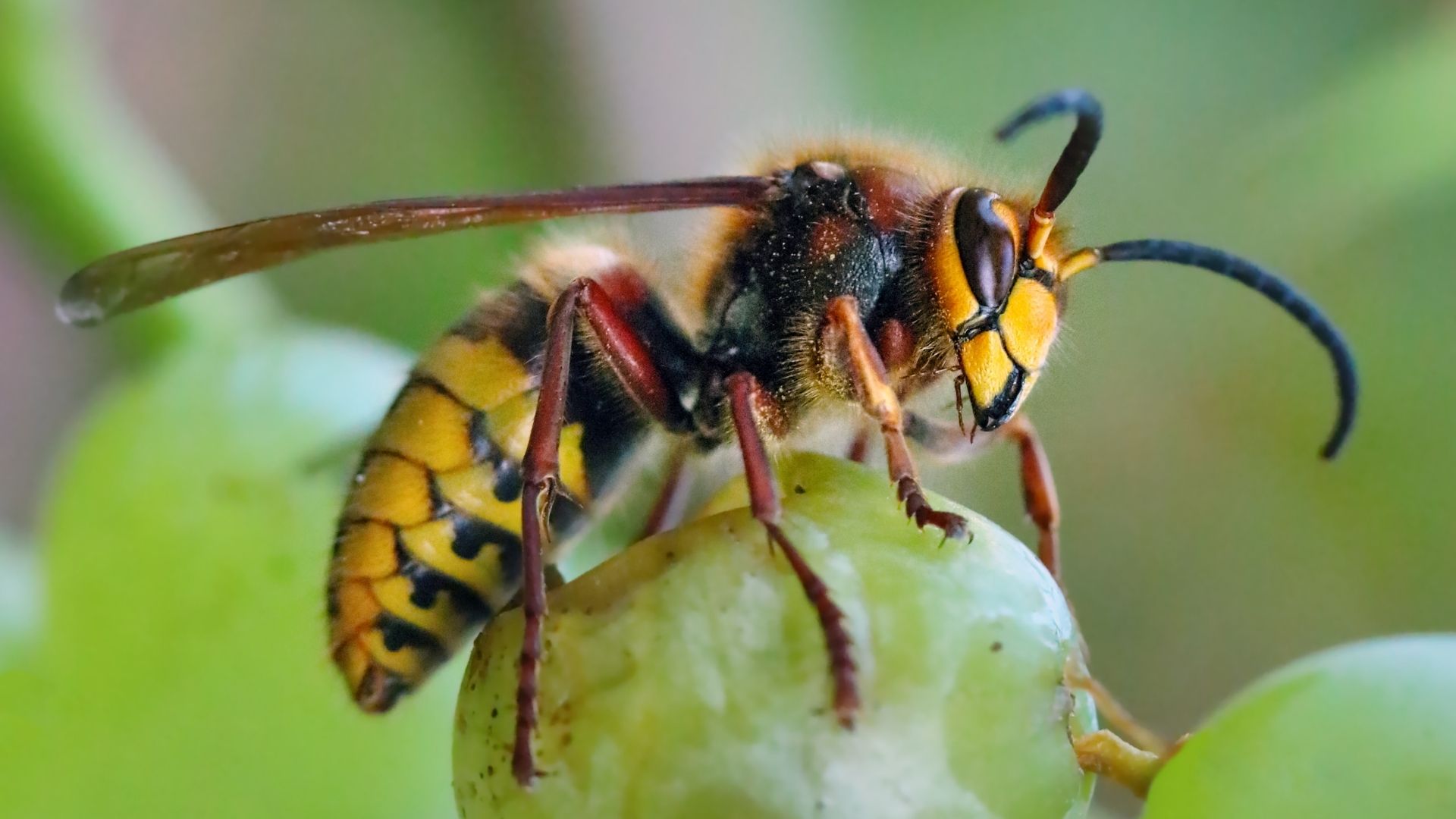
Ground-nesting and mason bees also face threats from their own cousins. Hornets (Genus Vespa) are known to invade the small tunnels built by smaller bees. Because hornets typically don’t build their own nests, they are considered quite invasive by bee experts. Unlike the predatory Black Oil beetle, though, these intruders aren’t necessarily looking to eat the bees—just to steal their space. Often, if a ground-nesting or mason bee catches an interloper in their home, they can successfully drive them out.
Harmless and Essential
As you can see, bees are just like us—they spend their lives working hard to secure food, shelter, and a future for the next generation. Stings are actually quite rare, and a bee will never sting a human unless it feels directly threatened.
Beyond that, bees are indispensable to humanity. Nearly 90% of wild plants and about 75% of our food crops depend on pollination, and bees are the world’s most significant pollinators. Think of it this way: one out of every three bites of food you eat is on your plate thanks to bees.
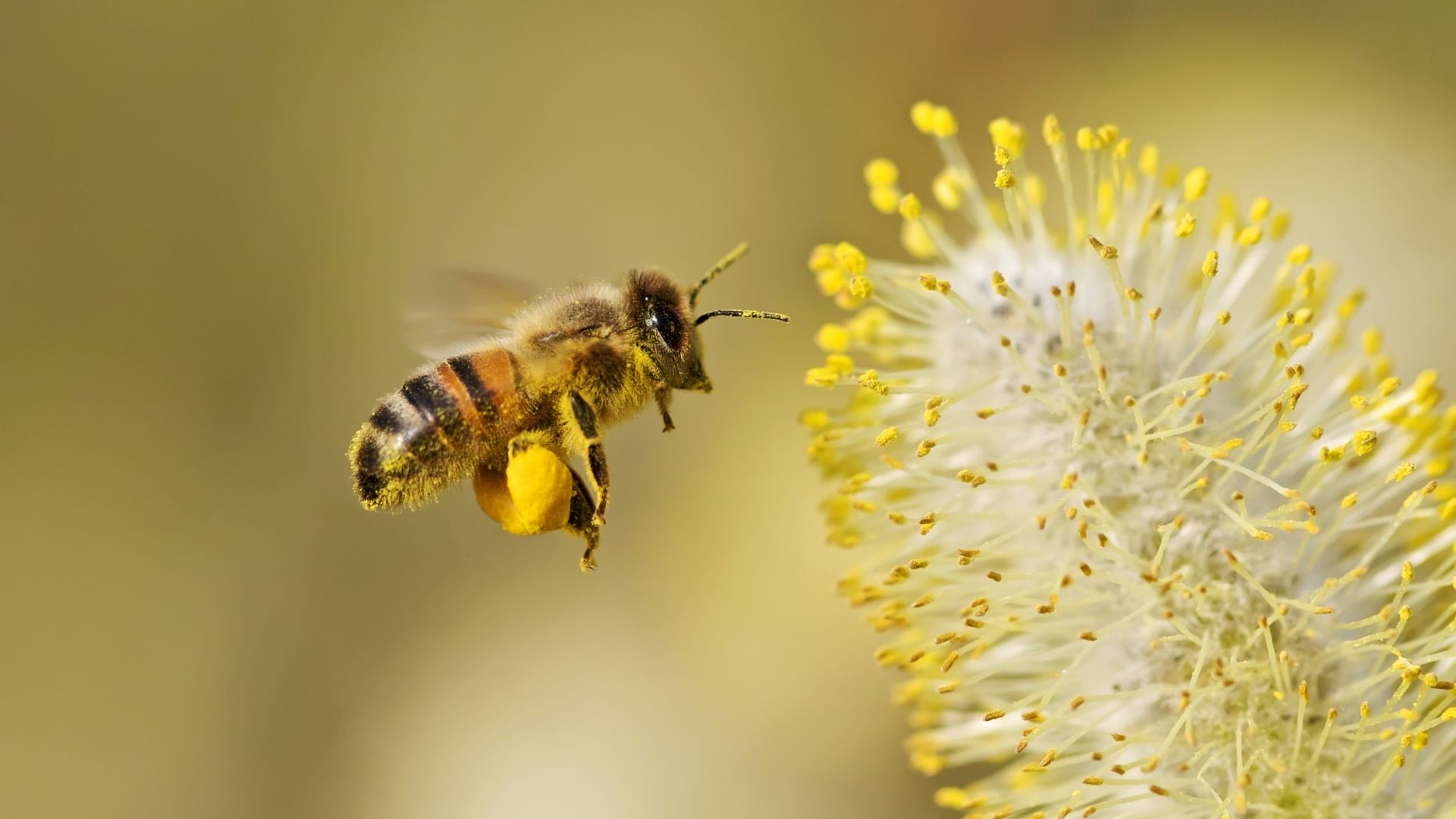
There are simple, effective ways we can help these vital creatures. By planting a variety of flowers in your garden, you can create an all-you-can-eat buffet for them, which also helps boost local pollination. Since bees are most active between March and October, try to choose flowers that bloom during those months. The best thing you can do, though, is simply let them be. These creatures aren’t a threat; their disappearance, however, would be a terrifying scenario. We all need to understand their value and learn to coexist in peace.
References and Further Reading
Christopher Burnett (2024, April 15). Native bees: The best pollinators for your garden. Almanac.com. https://www.almanac.com/native-bees-best-pollinators-your-garden
BBC. (2023, March 5). Rare black oil beetle returns to Kinver Edge Heathland. BBC News. https://www.bbc.com/news/uk-england-stoke-staffordshire-64854451
Bee behavior. Museum of the Earth. (n.d.). https://www.museumoftheearth.org/bees/behavior
Mason Bees. ANR Blogs. (n.d.). https://ucanr.edu/blogs/blogcore/postdetail.cfm?postnum=58956
Wasps: National Geographic. Animals. (n.d.). https://www.nationalgeographic.com/animals/invertebrates/facts/wasps
YouTube. (2017, May 13). Bumblebees – the secret world of bees. YouTube. https://www.youtube.com/watch?v=rFEbwp7rPF8
Originally published in Turkish at Doğa Filozofu.