

Every year seems to have a defining event, doesn’t it? Mention 1789, and we think of the French Revolution; 1881, and it’s the birth of our founding father; mention 2008, and it’s the economic crisis that sent shockwaves across the globe. Naturally, if an event becomes synonymous with a year, it’s because its impact was massive. And let me tell you, this crisis was exactly that.
This economic meltdown is etched into our collective memory as one of the deepest and most destructive events in modern financial history. It didn’t just rattle the U.S. economy; it shook global markets to their core, directly affected the lives of billions, and forced governments and central banks into unprecedented interventions. It all happened during a time when markets appeared to be functioning “healthily,” when risk was supposedly spread thin, and the system felt bulletproof. In this piece, we’re going to dive into the root causes of the 2008 Financial Crisis, how it unfolded, the economic and social scars it left behind, and the regulations that emerged in its wake.
The Root Causes of the Crisis
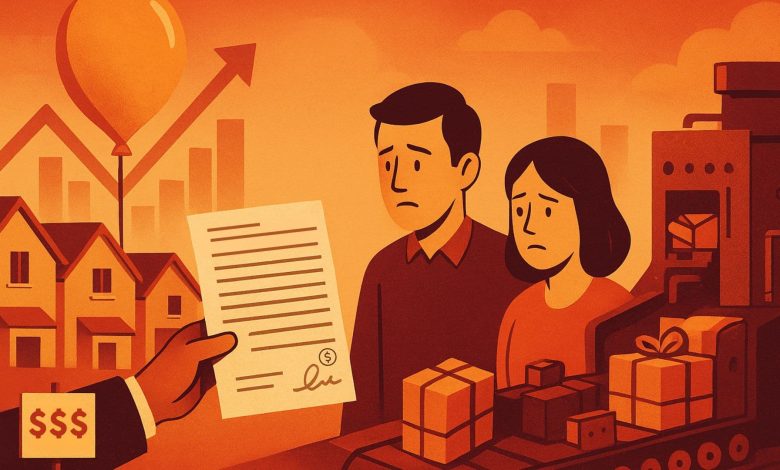
Economists generally agree that the primary culprit was the loose monetary policy implemented in the U.S. during the late 90s and early 2000s. This wasn’t a catastrophe that appeared out of thin air; it was the result of years of structural imbalances, lack of oversight, and misguided policies. During this period, the U.S. housing market was essentially being pumped up like a balloon: banks created an environment where just about anyone could become a homeowner. Interest rates were low, and lending standards were lax.
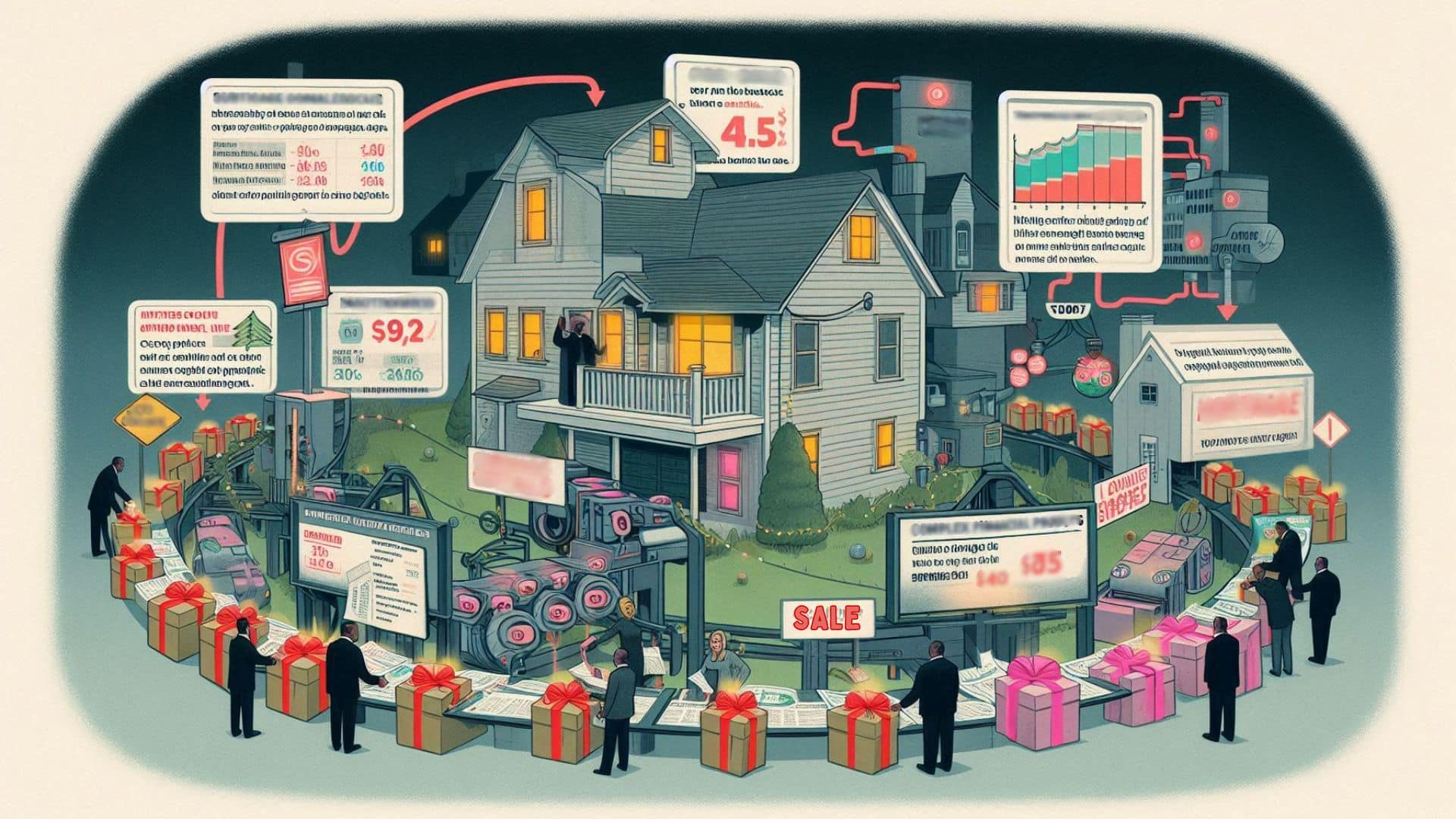
This was the era of the infamous “subprime mortgage.” These loans were handed out like candy to people with shaky credit and little ability to pay them back. Banks didn’t hold onto these risky debts; instead, they bundled them into complex financial products and sold them to investors. On the surface, it looked like a win-win for banks and investors in the short term, but the system completely ignored the inevitable chain reaction that would occur if those borrowers stopped paying.
As U.S. housing prices skyrocketed throughout the 2000s, people fell under the spell that “real estate always goes up.” Banks kept feeding the beast by continuing to issue loans. But this growth was a house of cards. Once housing prices finally hit a ceiling and started to dip, people couldn’t pay their mortgages, foreclosures spiked, and the market was flooded with supply. This only pushed prices down further.
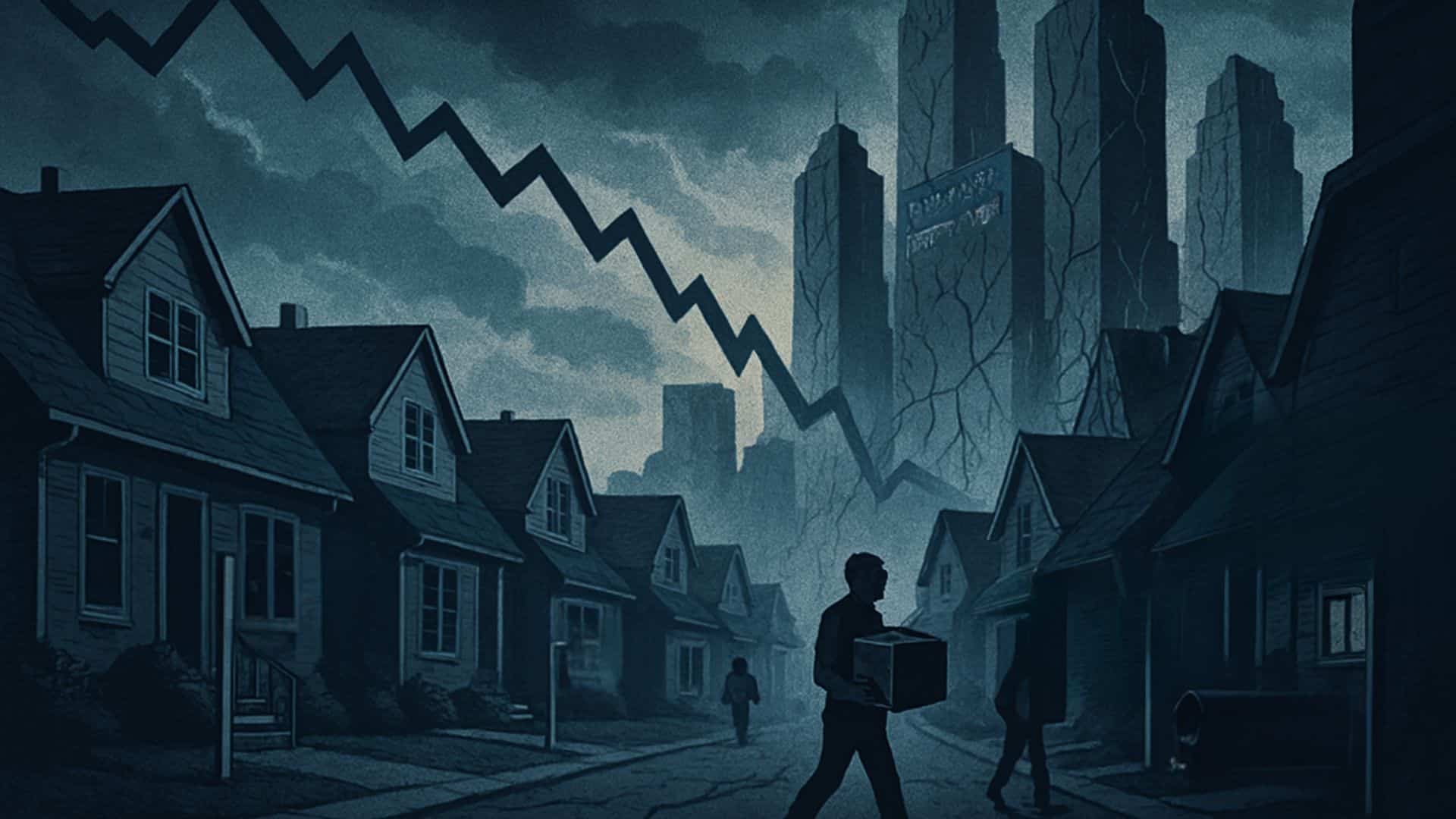
In the end, both individual homeowners and the institutions holding those mortgage-backed securities suffered massive losses. Banks bled money, insurance companies struggled to cover the claims, and investor confidence evaporated. The crisis had outgrown the housing sector; it had mutated into a threat to the entire financial system. By the end of 2007, the foundation finally gave way, and the crisis officially began.
The Crisis Unfolds
The first signs of trouble appeared in 2007 as bankruptcy headlines started rolling in. Major mortgage lenders began to fold one by one, and investment funds that had bet on these derivatives started reporting heavy losses. Bear Stearns, the fifth-largest investment bank in the U.S., was barely saved from bankruptcy in March 2008. But that was just the opening act.
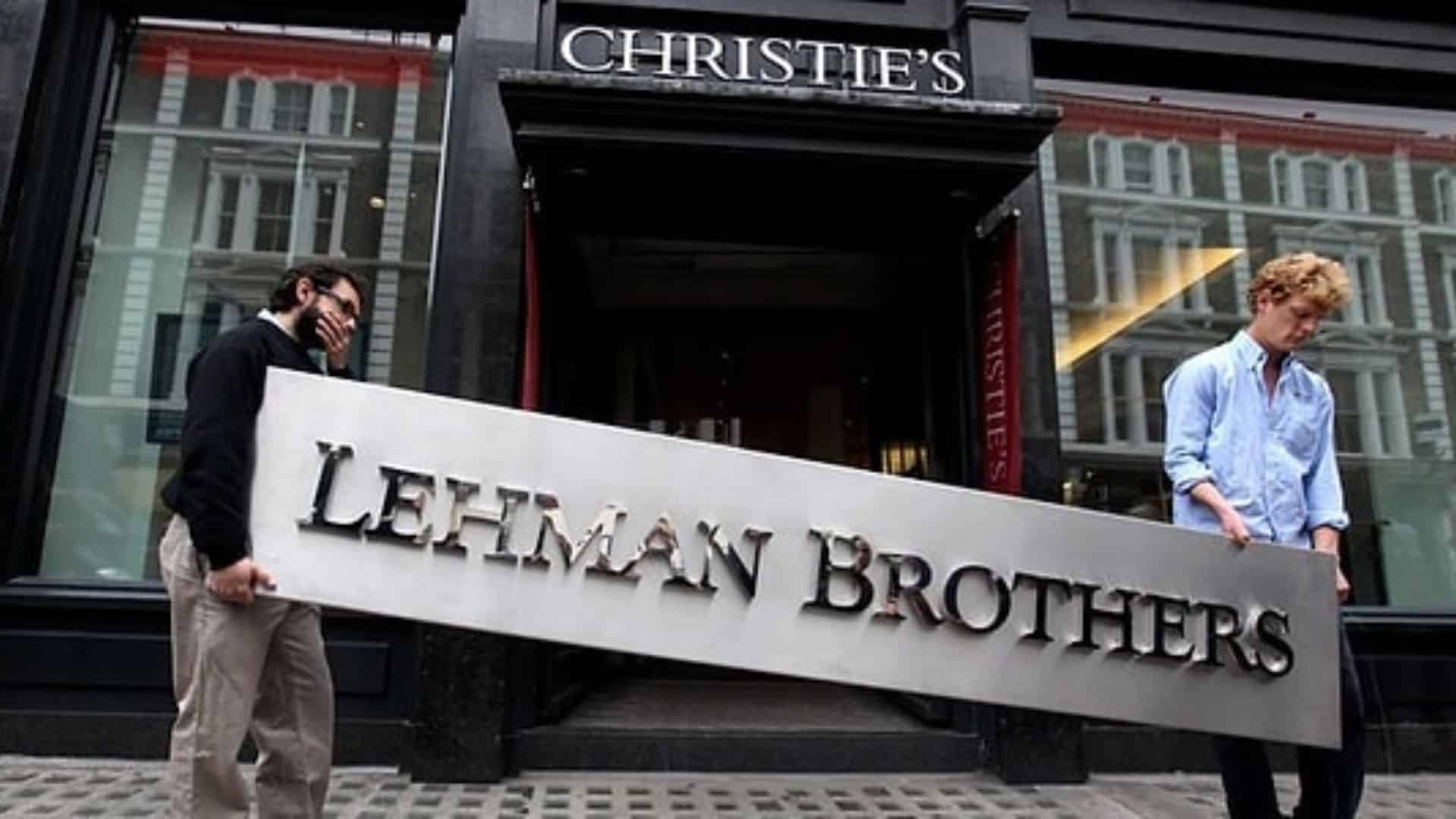
The real earthquake hit on September 15, 2008, when Lehman Brothers filed for bankruptcy. This time, the U.S. government decided not to step in with a bailout, and a bank at the very heart of the system collapsed. It triggered a domino effect. Banks lost trust in one another, credit dried up, and liquidity froze. Even insurance giants like American International Group (AIG) were on the brink of total collapse. The U.S. government had to scramble, announcing hundreds of billions of dollars in bailouts. European banks were also hit hard because they had invested in the same toxic financial products. Massive banks in Germany, the UK, and France were only kept afloat by government life rafts. International trade slowed to a crawl, and unemployment rates climbed to staggering levels—in the U.S., it quickly approached 10%. The automotive, banking, and real estate sectors were decimated. The American economy went into a tailspin, and the effects were mirrored in Europe. Southern European countries like Greece, Spain, and Portugal faced a sovereign debt crisis that threatened the very future of the Eurozone. While emerging economies fared slightly better, Turkey wasn’t immune to the heavy fallout. Even without a direct collapse of our financial system, the bill for the crisis hit the real economy and the public hard. With shrinking foreign trade, sudden outflows of “hot money,” and a halt in investment, Turkey’s economy contracted by 4.7% in 2009. The spike in unemployment to 14% was a painful reminder that this wasn’t just about dry macroeconomic data—it was a brutal reality for countless households.
Overcoming the Crisis
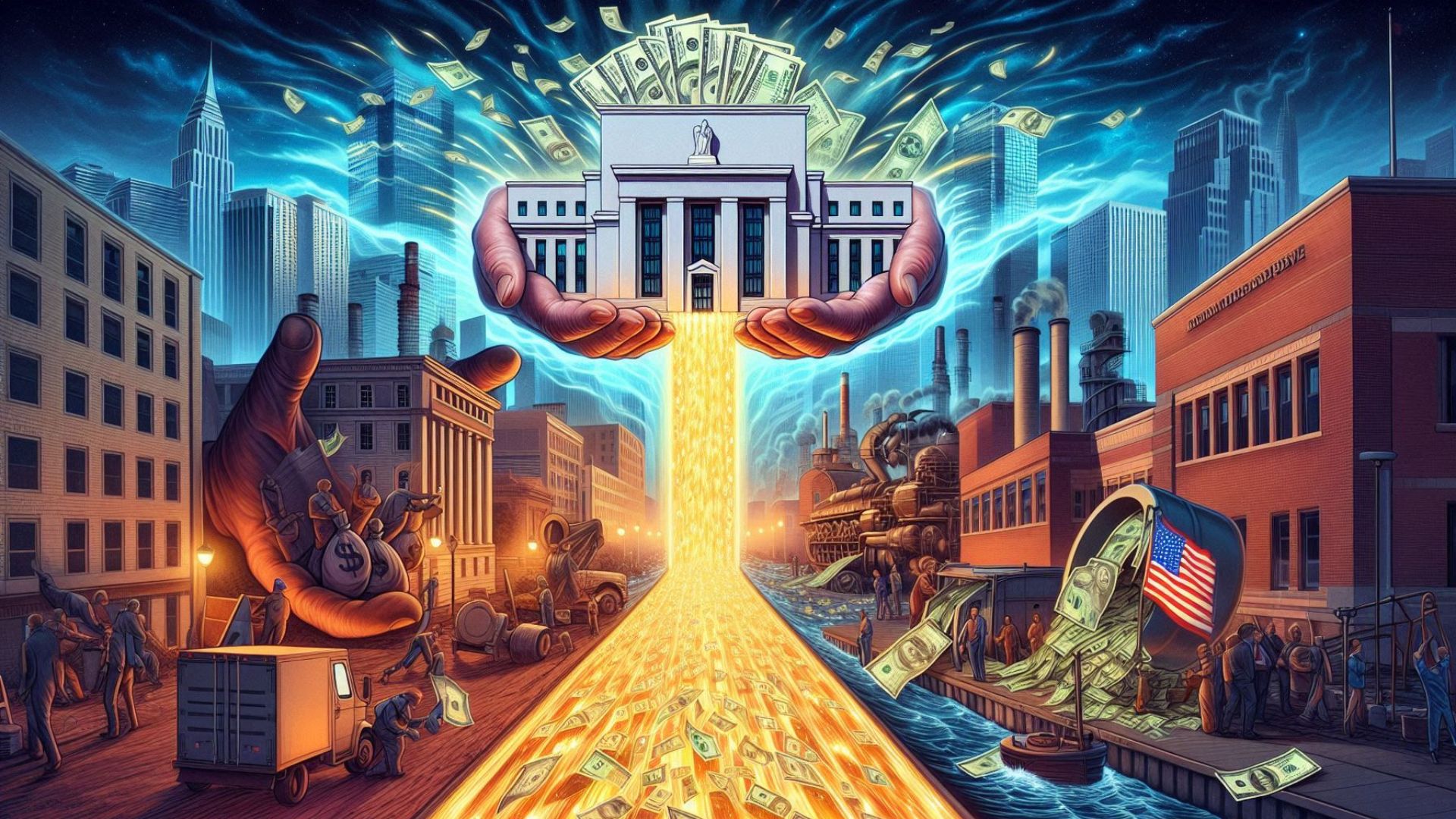
Of course, the world’s major powers weren’t just going to sit back. The U.S. Federal Reserve (FED) responded to the 2008 crisis first with interest rate cuts, and then with more radical measures. A new tool called “quantitative easing” (QE) was brought into play. The FED essentially pumped money into the system by buying massive amounts of bonds and mortgage-backed securities. On top of that, the Treasury spearheaded the Troubled Asset Relief Program (TARP), using $700 billion in public funds to shore up the banks.
Europe took a different path, with Eurozone countries largely responding through austerity measures. The threat of Greek bankruptcy led to the European Central Bank gaining more authority, but the harsh fiscal discipline policies suppressed growth and fueled social unrest. This is where the IMF stepped back into the spotlight, providing support packages to developing nations. The G20 also took an active role in crisis management for the first time on this scale, pushing for common decisions to ensure financial stability and demanding greater transparency from financial institutions.
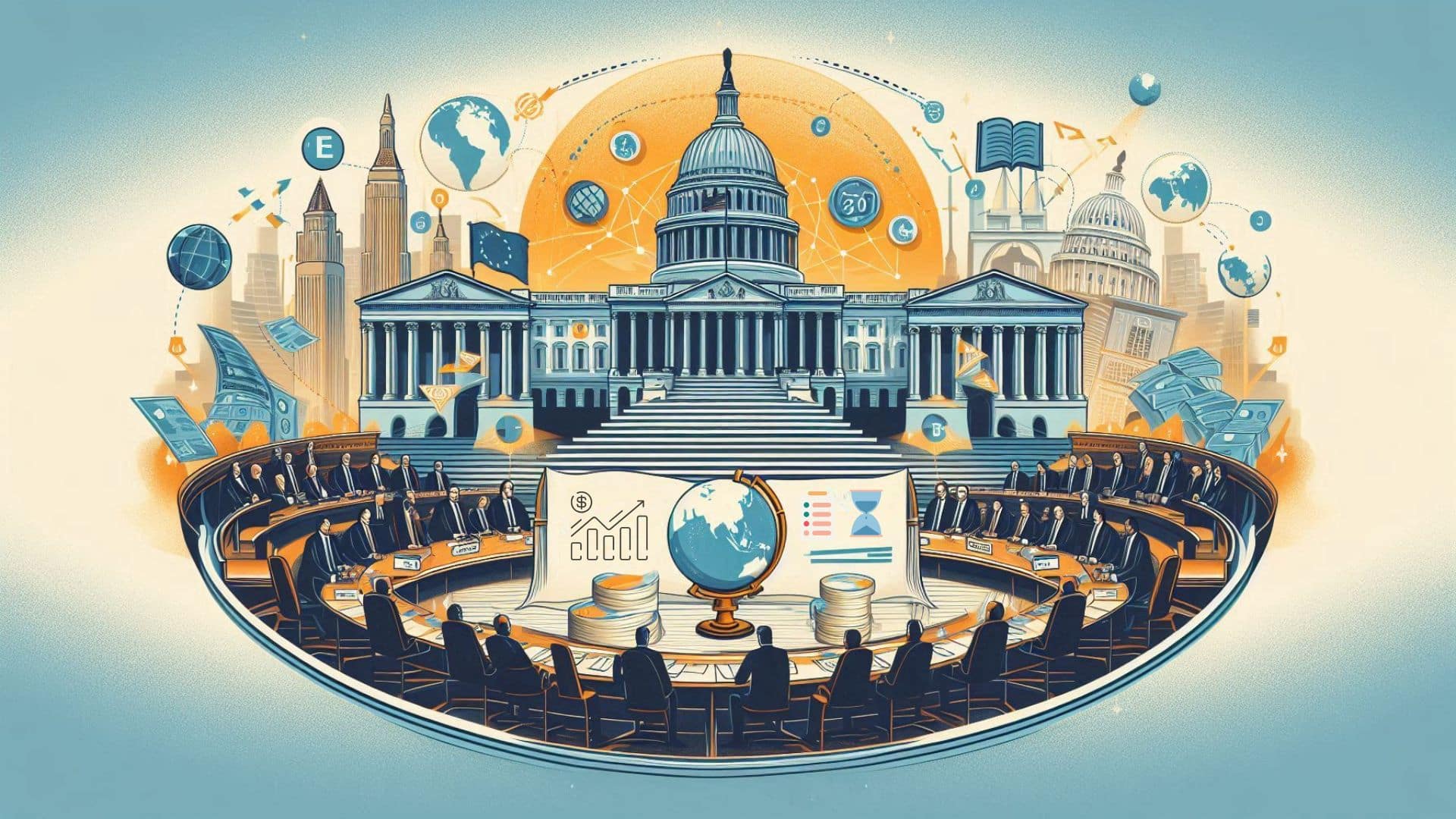
In the end, the wreckage of the crisis was cleared away, and the world walked away with some hard-earned lessons. The U.S., for instance, passed the Dodd-Frank Act to curb the risk appetite of financial institutions and tighten oversight. But the biggest global shift came with the Basel III standards. This agreement aimed to stop banks from chasing profit at any cost, requiring them to strengthen their capital structures so they could better withstand economic shocks. To put it simply: banks were now told, “If you want to take risks, you must have a solid cash (liquid) buffer in your vault to cover them.” Similar measures were implemented across Europe. Yes, the storm eventually passed, but 2008 remains a permanent reminder of the destruction that unchecked deregulation can cause. This crisis isn’t just a memory gathering dust on a shelf; it’s a warning sign about the inherent fragility of our system. Both nations and individuals continue to navigate the world today carrying the expensive lessons of 2008 in their pockets.
References and Further Reading
Amadeo, K. (2022, January 30). The 2008 financial crisis. The Balance Money. https://www.thebalancemoney.com/2008-financial-crisis-3305679
The Editors of Encyclopaedia Britannica. (n.d.). Financial crisis of 2007–08. Encyclopedia Britannica. https://www.britannica.com/money/financial-crisis-of-2007-2008
The Editors of Encyclopaedia Britannica. (n.d.). Great Recession. Encyclopedia Britannica. https://www.britannica.com/money/great-recession
Originally published in Turkish at Doğa Filozofu.