

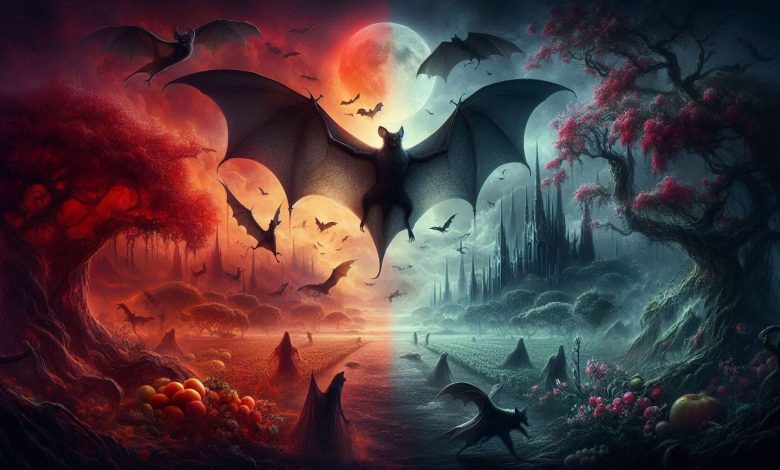
A shadow emerging as darkness falls, flapping its wings in silence… These mysterious mammals, long synonymous with the night, have been symbols of both fear and fascination for centuries: the bat. Let’s be honest, after the COVID-19 pandemic, bats don’t exactly leave most people with warm, fuzzy memories. But when we take a closer look at their roles in nature and their truly astonishing features, we realize they aren’t just figures of horror—they are creatures worthy of awe. In this piece, let’s move past all our prejudices and dive into what makes bats so unique, and how they became the face of vampire legends.
Who are these bats?
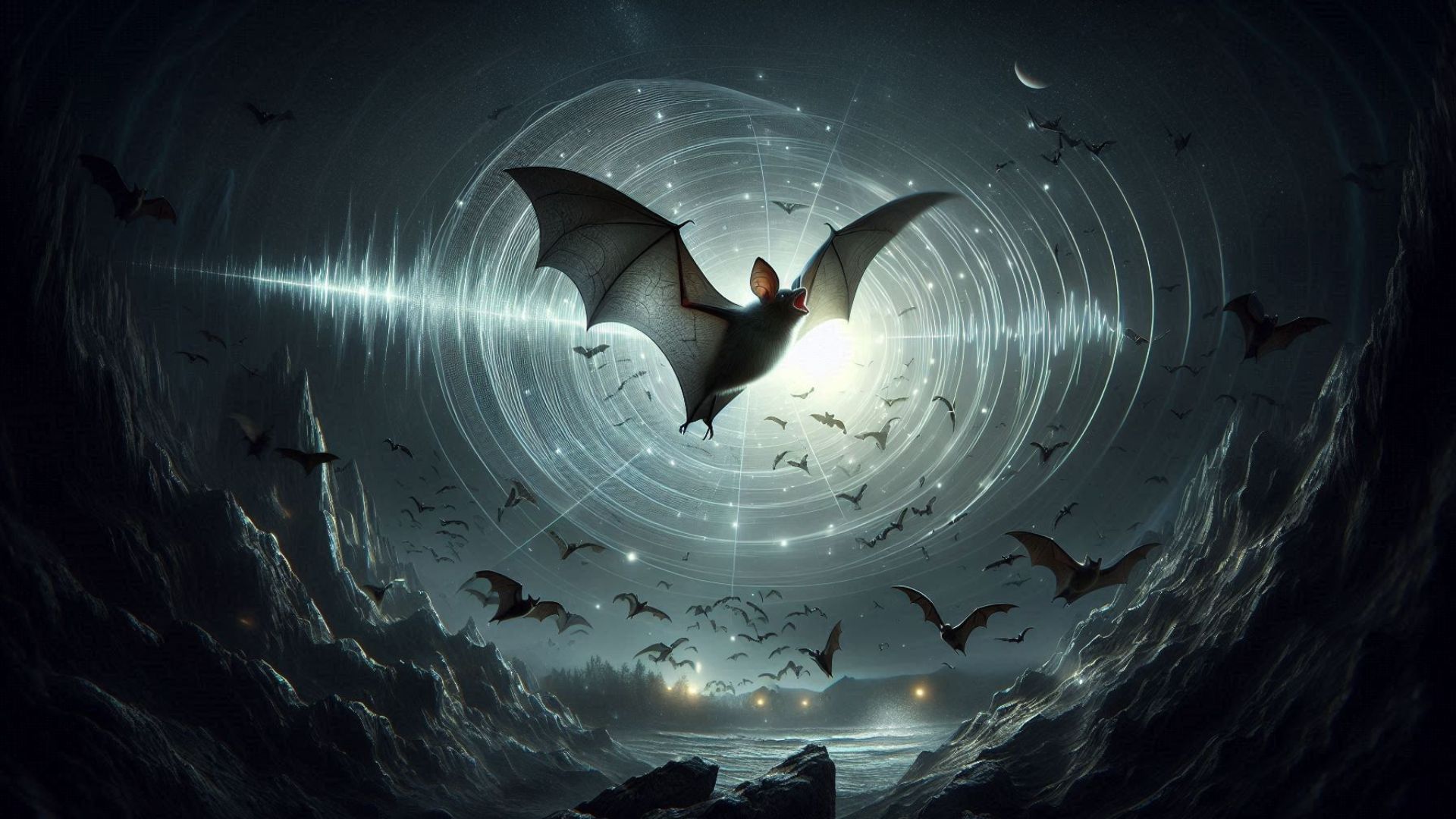
The bat (Chiroptera) is the only mammal capable of true flight. And they do it in a way that’s quite different from birds. Instead of relying on vision to find their way, they use sound waves. They perceive their environment through a system called “echolocation”: they emit ultrasonic sound waves at frequencies we humans can’t hear. These waves bounce off objects in the environment and return to the bat, where their highly developed ears interpret the echoes. This allows bats to navigate and locate prey even in total darkness.
With approximately 1,400 known species today, bats are much more numerous than you might imagine. For example, the Mexican free-tailed bat forms massive colonies in Texas during the summer, where they give birth to nearly 100 million pups at the same time! This alone shows how a single bat species can reach populations in the hundreds of millions.
While every species is interesting in its own right, one stands out as the inspiration for the vampire—the species responsible for the terrifying reputation bats have held for centuries: the Vampire Bat.
Vampire Bats: The Real Blood-Drinkers
The vampire bat, scientifically known as Desmodus rotundus, is a species native to Mexico, Central, and South America. As the name suggests, these bats primarily sustain themselves on the blood of other animals. They most frequently feed on the blood of cows, birds, pigs, and horses; they very rarely bite humans. They are so gentle and careful when feeding that it can take minutes for their prey to even notice. Furthermore, they can locate their prey by sensing the sound of their breathing—they can even recognize the respiratory rhythm of a specific cow and return to the same animal night after night to feed.
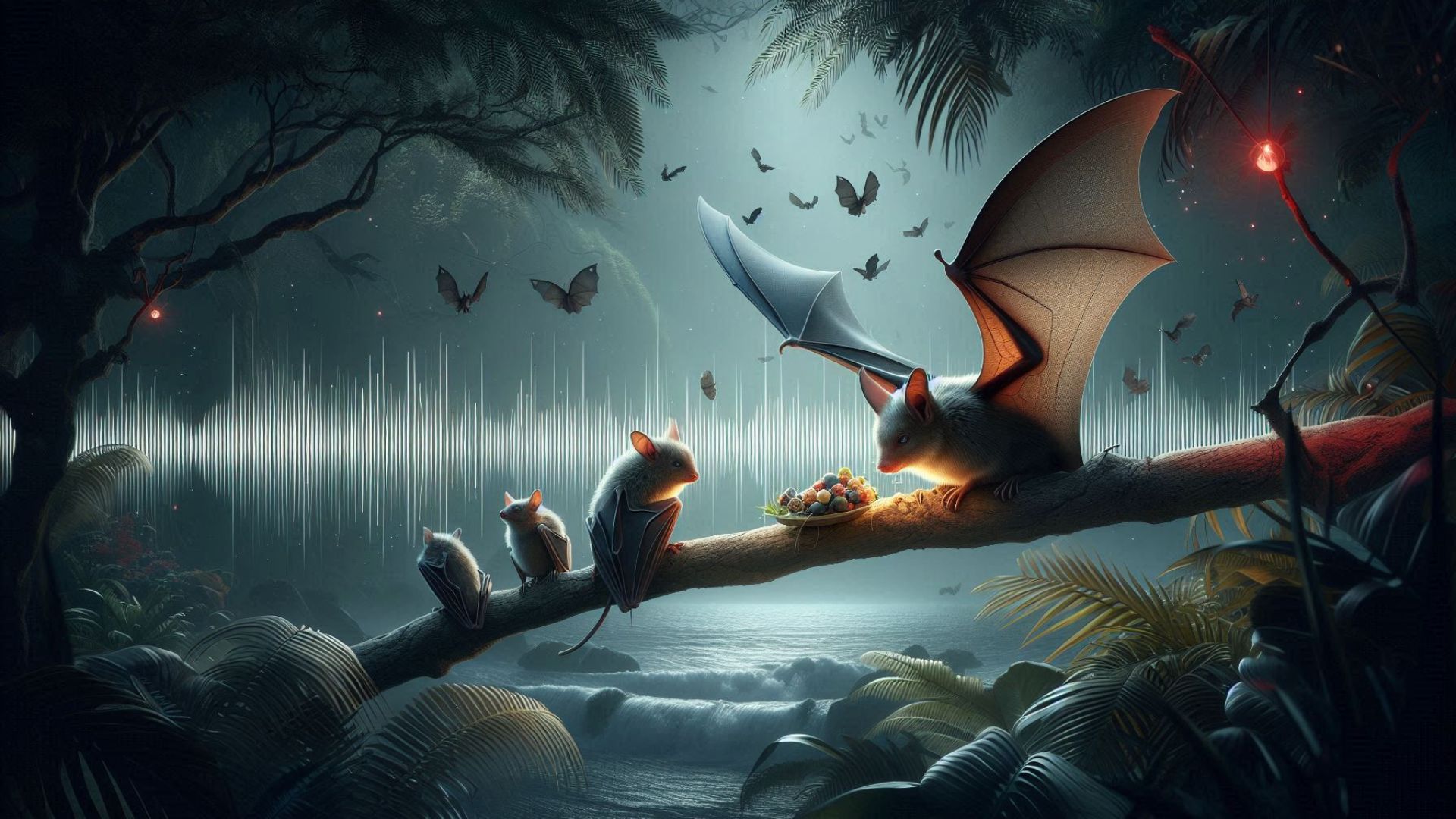
While feeding on blood might sound chilling, vampire bats are actually incredibly helpful and social creatures. A bat that has eaten well will often share its food with a hungry colony member. They also have important contributions to medicine: the enzyme “draculin,” found in their saliva, prevents blood clotting and is currently being researched for the treatment of strokes and vascular blockages in humans.
The Birth of the Vampire Legend and its Connection to Bats
The vampire legend is one of the oldest and most captivating myths in human history. The origins of vampires—depicted as blood-drinking, immortal beings—stretch back to antiquity. Beliefs that the spirits of the dead could rise from their graves to harm the living existed in Mesopotamian, Greek, and Roman mythologies. However, the vampire myth we know today primarily emerged in Medieval Europe.
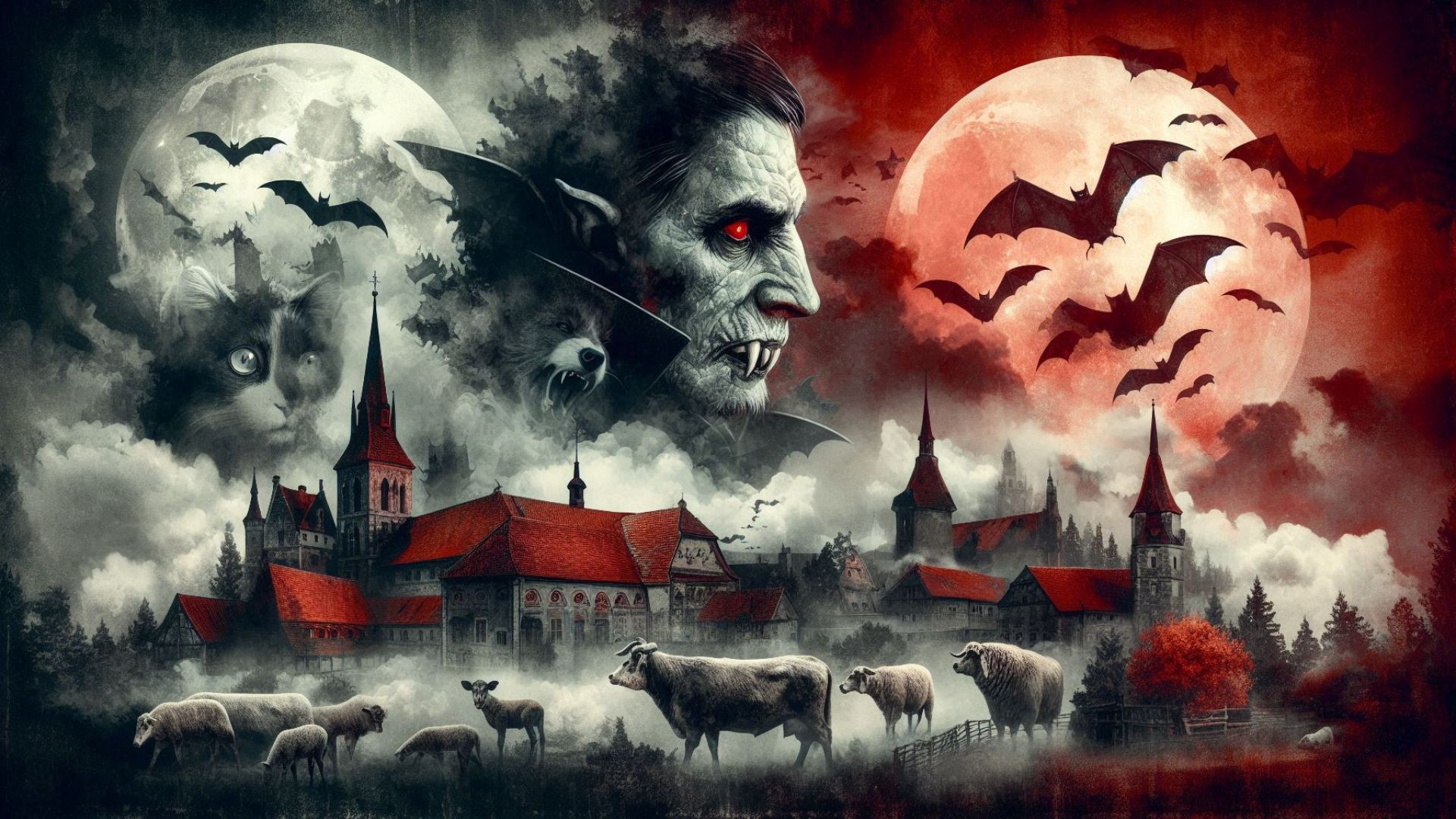
In the Middle Ages, a lack of knowledge about infectious diseases—specifically how bacteria and viruses worked—led people to blame vampires, effectively demonizing them. Symptoms of rabies also fueled these beliefs. As rabies progresses, the infected person avoids light, their sleep patterns are disrupted, and they may exhibit aggressive behavior. Furthermore, because the disease is transmitted through bites, it drew clear parallels to myths about vampires infecting their victims.
The vampire bats of Central America, which we mentioned earlier, didn’t exactly help with the negative prejudice against bats. Their blood-feeding habits only served to cement their mysterious and frightening image.
Bram Stoker’s 1897 novel Dracula turned the vampire legend into an essential fixture of pop culture. The novel emphasized the ability of vampires to transform into bats, further cementing the association between the two. Because of this, bats transitioned from being merely mysterious creatures to becoming icons of horror and folklore.
Bats: Moving from Prejudice to Ecological Contribution
Throughout history, bats have been unfortunate creatures subjected to countless prejudices and misunderstandings. Often associated with darkness, death, disease, and fear, these animals gained a notorious reputation, especially in Medieval Europe under the shadow of vampire myths. Just as science began to catch up and their bad reputation started to fade, the COVID-19 pandemic unfortunately strained our relationship with them once again.
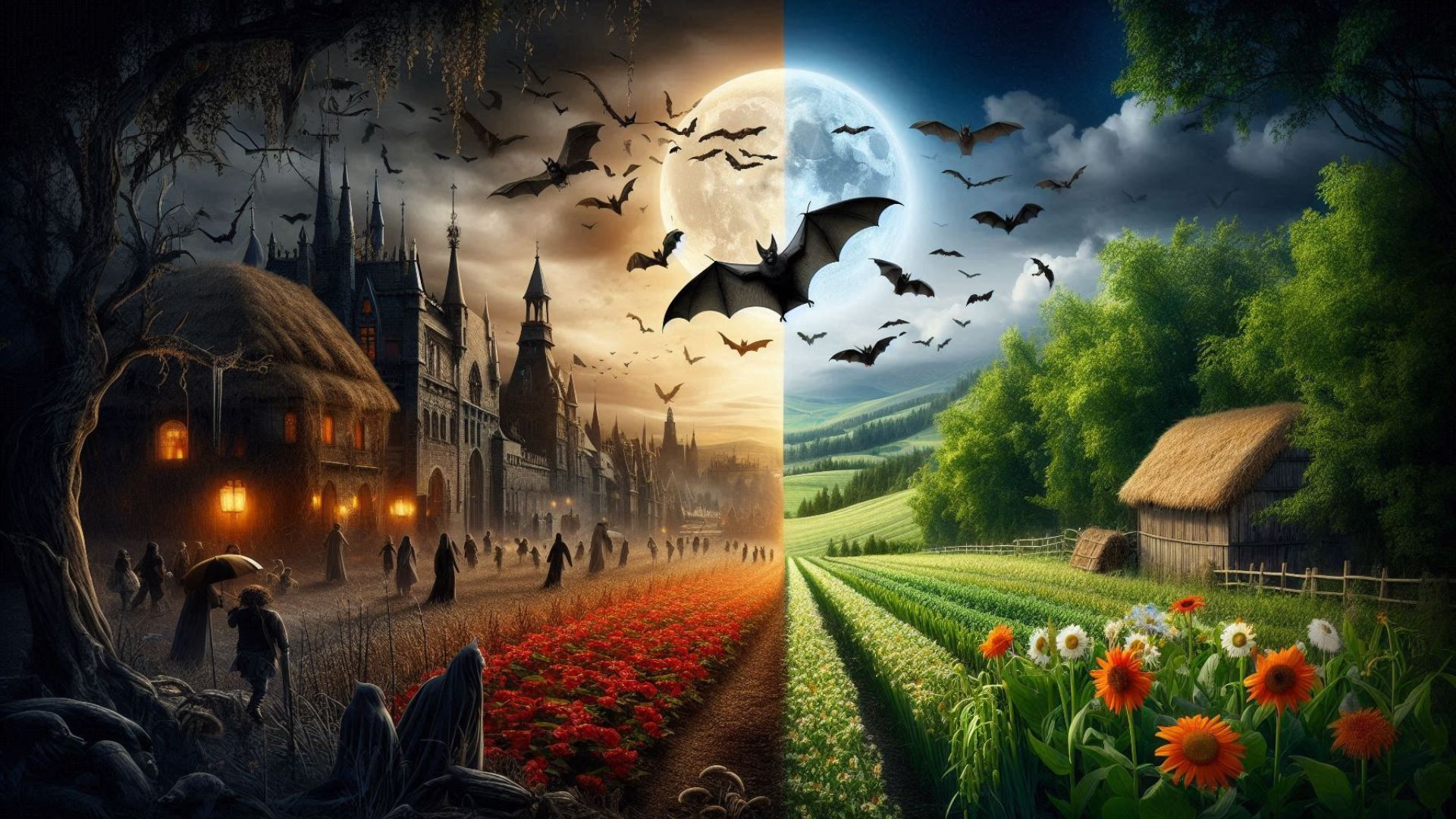
Yet, bats are among nature’s most important stabilizers. With around 1,400 species, these mammals are mostly nocturnal and feed on insects, protecting agricultural areas from pests. Other species contribute to fruit pollination and the healthy functioning of ecosystems. With these traits, bats play a critical role in maintaining biodiversity and the sustainability of human life.
In conclusion, the negative prejudices surrounding bats should remain in the past, and we should strive to get to know them better. We must remember that they are the silent heroes of nature, not terrifying symbols of the dark. Through the services they provide to nature and humanity, bats are unique creatures that truly deserve our protection.
References and Further Reading
Encyclopaedia Britannica. (n.d.). Bat (mammal). https://www.britannica.com/animal/bat-mammal
Bat Conservation International. (n.d.). Bats 101. https://www.batcon.org/about-bats/bats-101/
The Nature Conservancy. (n.d.). Top 10 bat facts. https://www.nature.org/en-us/about-us/where-we-work/united-states/arizona/stories-in-arizona/top-10-bat-facts/
Originally published in Turkish at Doğa Filozofu.